A Comprehensive Guide to China’s Major Furniture Manufacturing Regions — Helping B2B Buyers Source Products Efficiently and Make Informed Purchasing Decisions

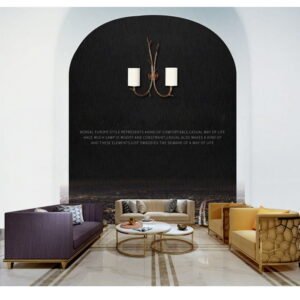
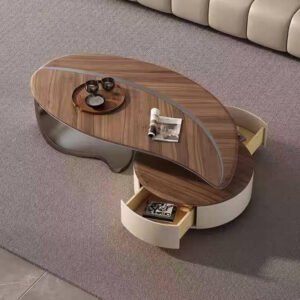
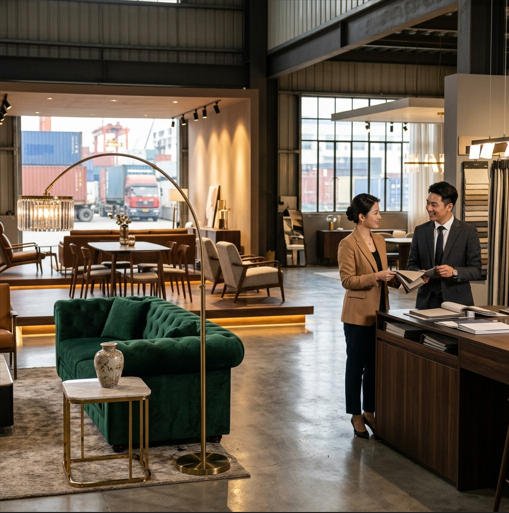
A luxury upholstered sectional — the calibre of product consistently sourced from China’s specialized manufacturing hubs by global B2B buyers. Photo: Unsplash
If you’ve ever walked a five-star hotel lobby in Dubai, reviewed the catalogue of a boutique hospitality designer in Milan, or visited a distributor’s warehouse in Los Angeles, a substantial portion of what you see was almost certainly manufactured in one of China’s specialized furniture production regions. The question for B2B buyers is no longer whether to source from China — it’s which region, why, and how.
China accounts for approximately 37–40% of global furniture exports, with export value exceeding USD 75 billion in 2024. The domestic market was valued at USD 160.53 billion in 2025, projected to grow at 5.42% CAGR through 2031. These are not the statistics of a commodity-level manufacturer — they describe a manufacturing ecosystem with no comparable rival in scale, specialization, or supply chain depth.
But that headline statistic conceals the complexity that B2B buyers actually navigate. China’s furniture industry is not one monolithic system. It is a federation of highly specialized regional clusters, each with distinct product strengths, pricing structures, quality tiers, manufacturing cultures, and logistics infrastructure. A distributor who sources solid wood dining tables from Foshan — because the headline price seems competitive — when Tianjin’s woodworking ecosystem would deliver superior quality at comparable cost, is optimizing the wrong variable.
This guide maps China’s primary manufacturing hubs for furniture distributors, showroom operators, interior designers, hotel procurement teams, and B2B sourcing professionals. It explains each region’s core specialties with real industry data, provides the decision frameworks to match product categories to the right region, and gives you the best practices to execute sourcing confidently from first enquiry through to delivered goods.
1. Overview of China’s Furniture Manufacturing Ecosystem
Why China Dominates Global Furniture Production
China’s dominance in global furniture manufacturing is structural, not incidental. An unmatched concentration of raw material suppliers, component manufacturers, skilled craftspeople, design studios, logistics infrastructure, and export expertise — all within geographic clusters where a project manufacturer can source every component within 30 kilometres of the factory gate — creates competitive advantages that decades of development in Vietnam, Malaysia, or Eastern Europe have not been able to fully replicate.
The scale is worth grounding in specifics. China has an estimated 7,459 above-scale furniture manufacturing enterprises, with hundreds of thousands of smaller workshops feeding integrated supply chains. The Guangdong Province cluster alone — encompassing Foshan, Guangzhou, Shenzhen, and Zhaoqing — accounts for a disproportionate share of national export volume. Foshan’s Shunde District alone contains over 9,000 manufacturing companies and 20,000+ furniture trading enterprises operating across 4 million square metres of showroom space.
The chart below illustrates China’s position within the global furniture export landscape:
Global Furniture Export Share by Region (Estimated, 2024)
| Region | Market Share |
|---|---|
| China — Foshan + Rest of Country | 75% |
| Vietnam | 8% |
| Italy / Europe | 7% |
| USA & Others | 6% |
| Malaysia / Southeast Asia | 4% |
Source: Business Research Insights, WifiTalents Industry Report, Guangdong Furniture Association estimates, 2024.
The Strategic Importance of Regional Specialization
What makes China’s manufacturing landscape strategically powerful — and logistically complex for buyers — is that different regions have developed distinct specializations across decades of competition and industrial investment. Foshan built global leadership in upholstered furniture by concentrating foam suppliers, fabric mills, and frame makers within a single cluster. Tianjin developed a solid wood tradition driven by port access to imported hardwoods and generations of skilled joinery craftspeople. Guangzhou evolved into an innovation hub where contemporary design and commercial furniture projects intersect.
Understanding production capacity and the economies of scale within each region allows buyers to make cost comparisons that go beyond per-unit price. A Foshan upholstery manufacturer producing 500 identical sofas operates with supply chain efficiencies that a competitor producing 50 of the same product cannot approach — and those efficiencies translate into pricing structures that can make or break a distribution business’s margin model.
How to Use This Guide to Optimize Your Sourcing Strategy
This guide is structured as a decision tool, not just an informational overview. Each regional section includes product specialties, buyer advantages, limitations, and quality considerations. The comparative analysis in Section 8 provides a decision matrix for matching your product category to the right region. The best practices in Section 9 give you the frameworks to execute sourcing efficiently once your regional selection is made.
The foundational principle underpinning this guide: match your product needs to the region’s core competency, not to the region with the lowest headline price. Regional capability determines quality ceiling, customization depth, lead time reliability, and supply chain resilience — all of which affect your total cost of sourcing in ways that per-unit price comparison alone will never reveal.
2. Foshan: The Upholstered Furniture Capital

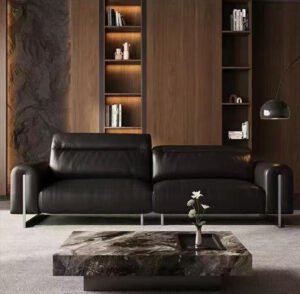
High-end upholstered seating — the product category in which Foshan’s manufacturing ecosystem dominates global production. Photo: Unsplash
Why Foshan Became the Global Leader in Upholstered Furniture
Foshan’s rise as the world’s foremost upholstered furniture manufacturing hub is the result of decades of deliberate industrial accumulation. The city sits in the Pearl River Delta region of Guangdong Province — approximately 40 minutes from Guangzhou and 80 kilometres from Shenzhen — a geographic position that gave it access to international capital, export trade networks, and logistics infrastructure that inland manufacturing cities could never replicate.
The critical inflection point came in the 1980s and 1990s, when Foshan’s Lecong and Longjiang towns began attracting manufacturers from different parts of the furniture supply chain simultaneously. Fabric suppliers, foam manufacturers, frame builders, hardware producers, and lacquer specialists all migrated into the same cluster, creating a self-reinforcing industrial ecosystem. The concentration of each type of supplier attracted more of the same, deepening competitive advantages year by year until no other city on earth could offer what Foshan had built.
Today, Foshan’s production cluster accounts for approximately 39% of global furniture production volume, according to Guangdong Furniture Association estimates. China as a whole is responsible for 40% of the global output value of upholstered furniture, and Foshan is the engine driving that share. Cross-border e-commerce platforms now account for 59% of Foshan’s furniture exports as of 2024, with Middle Eastern markets growing at 4.7% annually — a clear signal that Foshan’s export base is broadening beyond its traditional Western markets.
What Foshan Produces Best
Foshan’s manufacturing depth is most concentrated in upholstered furniture — sofas, sectionals, beds, headboards, ottomans, and lounge chairs. Within a 30-kilometre radius, a manufacturer can source kiln-dried hardwood frames, high-density foam in multiple ILD (Indentation Load Deflection) grades, performance fabrics rated to 100,000+ Martindale abrasion cycles, full-grain leather from certified tanneries, decorative hardware, and packaging materials — without a single component travelling more than 20 kilometres to the production floor. That supply chain density is what makes Foshan’s competitive pricing possible even as Chinese labour costs have risen over the past decade.
Sofa and sectional manufacturing ranges from standardized catalogue production at industrial scale — factories of 10,000–50,000 m² producing 3,500–5,000 units per month — to bespoke design studios producing 5–20 units per SKU for hospitality and high-end residential specification. Upholstered beds and headboards represent one of Foshan’s fastest-growing export categories, driven by international hotel procurement programmes and the luxury residential market. Fabric customization — including proprietary colourways, custom weaves, and performance coating treatments — is offered as a standard service by mid-to-large producers with in-house fabric sourcing teams.
Key Advantages for B2B Buyers
The commercially decisive advantage of sourcing in Foshan is not any individual supplier but the ecosystem itself. A distributor building a complete upholstered furniture range can visit Foshan’s Louvre Palace showroom — positioned at the luxury end, with most brands pricing above RMB 10,000 per piece — and the factory-gate showrooms of Longjiang Town in a single afternoon, comparing products at 20+ price points. Factory-gate pricing in Longjiang typically runs 40–50% below the equivalent showroom price — a margin opportunity accessible only to buyers who understand the geography.
Advanced fabric treatment and durability testing are standard at export-oriented manufacturers. Fire retardancy testing to California TB117 and UK BS 5852 standards, fabric colourfastness testing to ISO 105 protocols, and foam density verification are routine pre-shipment quality processes at established factories. Quick turnaround times — 30–45 days for standardized products — are supported by the supply chain density that puts every production input within a short drive. The integrated supply chains of Lecong and Longjiang mean that a buyer requesting a fabric substitution or frame dimension adjustment mid-order can see that change executed in days, not weeks.
Challenges and Considerations When Sourcing from Foshan
Market saturation is Foshan’s most significant buyer-side challenge. With over 30,000 furniture-related enterprises in Shunde District, the quality variance between manufacturers operating in the same price bracket is substantial. Industry data from Canton Fair 2026 suggests that up to 70% of booths claiming “factory-direct” status are in fact trading companies — intermediaries adding a margin layer without adding manufacturing accountability. The Foshan ecosystem rewards buyers who invest in systematic supplier vetting; it punishes those who select on price alone.
Managing MOQs requires nuance and negotiation strategy. Large industrial producers set minimums at 100–500 units per SKU to justify production line setup costs. Mid-scale OEM factories negotiate at 50–100 units. Boutique design studios — including some of the most design-forward operations in Longjiang — will accept orders of 5–30 units for complex custom pieces when the buyer demonstrates a credible ongoing relationship and provides advance order timeline commitments.
3. Tianjin: The Solid Wood and Case Goods Hub
The Solid Wood Furniture Tradition in Tianjin
Tianjin’s identity as China’s premier solid wood furniture manufacturing centre developed through a different mechanism than Foshan’s upholstery ecosystem. Where Foshan grew through geographic cluster concentration of a full supply chain, Tianjin’s furniture industry emerged from a combination of port infrastructure advantage and a deep-rooted manufacturing culture in woodworking and joinery craftsmanship.
The port of Tianjin is a major entry point for imported hardwoods from North America, Europe, and Southeast Asia — oak, walnut, ash, teak, and rubberwood flow through its facilities and into timber yards supplying manufacturers across northern China’s furniture cluster. Kiln drying facilities, moisture content testing laboratories, and wood processing operations are concentrated near the port, giving Tianjin manufacturers access to properly seasoned raw material that arrives in manufacturing-ready condition. This is why Tianjin solid wood furniture achieves the dimensional stability that buyers in Europe and North America require: wood maintained at 8–12% moisture content for interior environments doesn’t warp, crack, or produce gap failures at joint lines after delivery and installation.
Tianjin’s Manufacturing Specialties
Tianjin manufacturers excel in solid wood dining tables and chairs, particularly in American country, French provincial, and contemporary Scandinavian styles that represent the dominant aesthetic preferences of Western residential markets. Wooden bedroom furniture — beds, dressers, nightstands, and wardrobes — is produced in both traditional carved styles and clean-line contemporary finishes, with custom wood species selection and multi-layer finish options available from established manufacturers.
Case goods and cabinet manufacturing — standalone wardrobes, sideboards, buffets, and media units requiring precise internal fitting and hardware integration — is a Tianjin specialty where the joinery accuracy of experienced craftspeople produces results that engineered board manufacturing cannot match for structural integrity. Custom wood finishing techniques, including hand-applied distressing and aging treatments, multi-layer lacquer systems matched to architectural colour specifications, and traditional mortise-and-tenon joinery executed with CNC precision, are services that Tianjin’s established manufacturers offer as standard.
Competitive Advantages for International Buyers
Tianjin offers international buyers superior craftsmanship in wood joinery — a quality dimension that reveals itself not in the showroom but after 12–24 months of real-world use, when inferior joints begin to telegraph stress at corner blocks, drawer slides develop play, and tabletop panels show moisture-related movement. The manufacturers who have built Tianjin’s reputation for quality have typically been in production for 15–25 years and have resolved the engineering problems that produce these failures through accumulated experience and rigorous material discipline.
Established relationships with timber importers give Tianjin manufacturers access to consistent raw material quality that newer competitors in less established regions cannot replicate. Capacity for large-scale orders with consistent quality — made possible by batch-tracking production systems and finish-matching protocols — makes Tianjin the right source for buyers placing container-volume orders of wood furniture where piece-to-piece colour and dimension consistency is a commercial requirement.
Quality Standards and Certifications in Tianjin
FSC Chain of Custody certification is increasingly standard among Tianjin manufacturers serving European buyers, where the EU Deforestation Regulation (EUDR) has transformed certified timber origin from a marketing differentiator into a legal compliance requirement. ISO 9001 quality management systems certification documents the management processes that produce consistent manufacturing output. CARB Phase 2 compliance for composite wood panels — limiting formaldehyde emissions to the California Air Resources Board’s specified thresholds — is a non-negotiable documentation requirement for any manufacturer shipping to the United States market, and should be confirmed before purchase order placement.
4. Guangzhou: The Diversified Manufacturing and Innovation Hub

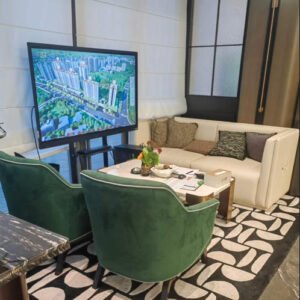
Multi-material contemporary dining furniture — the design category where Guangzhou’s manufacturing sophistication leads China’s furniture industry. Photo: Unsplash
Guangzhou’s Role in Modern Furniture Design and Production
Guangzhou occupies a unique position in China’s furniture manufacturing landscape: simultaneously a manufacturing centre, a trade hub, a design incubator, and an international business gateway. As the capital of Guangdong Province and the host city of the China International Furniture Fair (CIFF) — one of Asia’s largest furniture trade platforms, drawing 170,000+ professional visitors annually — Guangzhou sits at the intersection of manufacturing capability and global market intelligence in a way that no other Chinese city matches.
The city’s evolution from traditional manufacturing to innovation hub reflects a deliberate strategic response to rising production costs in core manufacturing zones. Rather than competing directly with Foshan’s volume efficiency or Tianjin’s wood craftsmanship, Guangzhou’s manufacturers moved upmarket into categories where design complexity, material innovation, and project management capability justify premium pricing. The result is a manufacturing ecosystem that excels precisely where Foshan and Tianjin don’t: complex multi-material projects, commercial and hospitality specification furniture, and contemporary design pieces that require engineering sophistication alongside aesthetic judgment.
Key Product Categories from Guangzhou
Guangzhou’s manufacturing strength is concentrated in contemporary and designer furniture — pieces where the design concept, not the production volume, drives commercial value. Metal and mixed-material furniture — combining sintered stone surfaces, brass-inlaid details, powder-coated steel frames, and upholstered elements within single pieces — is a Guangzhou specialty that reflects the city’s proximity to specialized component manufacturers and its project-based rather than catalogue-based manufacturing culture.
Commercial and hospitality furniture solutions — restaurant seating programmes, hotel lobby furniture packages, retail and F&B fit-out solutions — are Guangzhou’s most commercially significant export category, serving clients whose project complexity would overwhelm Foshan’s volume-production model. Smart furniture and technology-integrated products — including electrically adjustable tables, integrated charging systems, and sensor-equipped hospitality furniture — represent Guangzhou’s emerging growth category, reflecting the city’s proximity to Shenzhen’s technology component ecosystem.
Why Guangzhou Attracts Premium B2B Clients
International buyers who have worked across multiple Chinese manufacturing regions consistently identify Guangzhou as the most commercially sophisticated sourcing environment. Design innovation and customization capabilities translate a client’s architectural brief into production-ready technical drawings within a week. English-speaking export teams with established relationships with international freight forwarders, customs brokers, and quality inspection firms remove the communication friction that makes sourcing from less internationalized cities frustrating for buyers without Mandarin capabilities.
The ability to handle complex, multi-material projects — sourcing sintered stone tops, brass hardware, custom fabrics, and powder-coated metal components from within the same metropolitan supplier ecosystem and integrating them into single finished pieces — makes Guangzhou the right sourcing destination for hospitality designers and commercial project managers whose specifications regularly exceed what any single-material manufacturing hub can execute.
Sourcing Logistics from Guangzhou
Guangzhou’s logistics infrastructure is among the most mature in China’s furniture manufacturing ecosystem. Nansha Port — approximately 50 kilometres from the city centre — handles significant container throughput and offers competitive shipping line options to all major global destinations. The city’s established relationships with international freight forwarding companies mean that export documentation, customs classification, and cargo insurance can be coordinated efficiently without the buyer needing to manage these relationships independently.
5. Shenzhen: High-Tech and Premium Furniture Manufacturing
Shenzhen’s Position in the Luxury Furniture Segment
Shenzhen occupies a distinct and strategically important position in China’s furniture manufacturing landscape. As China’s technology capital — home to Huawei, Tencent, BYD, and a dense ecosystem of technology companies — Shenzhen brings a tech-driven manufacturing culture to furniture production that creates quality advantages in precision, consistency, and innovation that pure manufacturing cities cannot replicate.
The defining characteristic of Shenzhen’s furniture manufacturing sector is automation and precision. CNC routing centres operating to sub-millimetre tolerances, robotic spray booths maintaining lacquer thickness consistency across entire production runs, and AI-assisted visual quality inspection systems that identify surface defects invisible to manual review — these are standard capital equipment investments at Shenzhen’s leading manufacturers. A luxury sofa manufacturer in Shenzhen can document the foam density, frame joint load rating, and fabric abrasion cycle count of every piece leaving the production floor. That documentation discipline reflects a manufacturing culture shaped by proximity to consumer electronics production, where specification traceability is non-negotiable.
Specialized Products and Services
Shenzhen’s manufacturing strengths translate most directly into high-end residential and commercial furniture — pieces where quality consistency, advanced material treatment, and design precision justify premium pricing. Hospitality designers specifying furniture for five-star hotel rooms, luxury serviced apartment developments, or branded hospitality concepts find in Shenzhen a manufacturing partner capable of meeting the specification and documentation standards that international hospitality brands require.
Integrated smart home furniture solutions — motorized height-adjustable desks, furniture with embedded wireless charging and lighting systems, sensor-equipped hospitality storage — represent Shenzhen’s most distinctive product category. Custom upholstery with advanced fabrics — performance textiles engineered for specific durability, stain-resistance, and fire safety requirements — is a Shenzhen specialty where the city’s technology culture extends into material science. Rapid prototyping and design iteration, using 3D printing for hardware components and CNC for custom profiles, allow Shenzhen manufacturers to move from a new design brief to a physical prototype faster than any other region in China.
Strategic Benefits for Luxury-Focused Distributors
For distributors and sourcing professionals operating in the luxury residential, premium hospitality, or high-specification commercial furniture segments, Shenzhen offers a combination of capabilities that no other single region in China fully replicates. Strict quality control and testing protocols — including in-house material testing laboratories and mandatory pre-shipment inspection processes — provide a quality assurance framework that reduces the risk of specification failures in high-value orders. Flexibility in small to medium batch orders — Shenzhen’s premium manufacturers typically accept orders from 10–50 units per SKU — makes the city accessible to interior designers and boutique distributors whose order volumes wouldn’t meet the minimums required by Foshan’s industrial producers. Strong intellectual property protection practices, including NDA frameworks and design registration support, are more consistently observed in Shenzhen’s business culture than in most other Chinese manufacturing regions.
6. Zhaoqing: The Emerging Affordable Furniture Production Centre
Zhaoqing’s Growth as a Budget-Friendly Alternative
Located approximately 80 kilometres west of Guangzhou in Guangdong Province, Zhaoqing has emerged over the past decade as a significant furniture production centre offering 15–25% lower pricing than comparable product categories in Foshan and Tianjin. Lower land costs, lower labour rates, and newer — if less specialized — manufacturing facilities have attracted producers seeking to serve price-sensitive markets, particularly the mid-volume, standardized product segments that require competitive unit economics but don’t justify the design investment of Foshan or Guangzhou.
The city’s manufacturing capacity expanded significantly after 2018, driven partly by manufacturers relocating from Foshan as land and labour costs in the established cluster increased. This expansion has brought growing supplier networks, new factory construction, and improving logistics infrastructure — though the ecosystem remains considerably less mature than Foshan’s or Guangzhou’s, and the supply chain depth that generates Foshan’s competitive advantages simply does not exist in Zhaoqing yet.
What Zhaoqing Produces
Zhaoqing’s manufacturing concentration is in entry-level upholstered furniture — standardized sofas and seating in current popular styles, produced in high volume at competitive per-unit costs. Basic wooden furniture and knock-down designs — flat-pack furniture for e-commerce and budget retail channels — represent Zhaoqing’s fastest-growing production category, aligned with the global expansion of online furniture retail. High-volume, standardized products with limited customization options are Zhaoqing’s core commercial proposition: if a buyer needs 500 identical sofas in three colourways, delivered in 45 days, Zhaoqing manufacturers can compete aggressively on price. If a buyer needs 50 sofas with a custom profile, proprietary fabric, and hotel-grade frame construction, the cost advantage narrows while the capability gap widens significantly.
Opportunities and Limitations for B2B Buyers
Zhaoqing is the right sourcing region for buyers whose commercial model is built on competitive pricing for bulk orders of standardized products — e-commerce platforms, budget furniture retailers, or distribution businesses serving price-sensitive residential markets. The city is less appropriate for buyers whose product range requires significant customization, design differentiation, or premium quality documentation, where Foshan’s or Guangzhou’s deeper capabilities create better total value even at higher unit prices. Infrastructure development remains in progress — English-language communication is less consistently available than in the more established export hubs, and quality control frameworks are less uniformly developed, requiring buyers to increase their inspection investment to compensate for wider supplier quality variance.
7. Jiangsu Province: The Emerging Specialty Furniture Region
Jiangsu’s Growing Reputation in Niche Manufacturing
Jiangsu Province — home to Nanjing, Suzhou, and a constellation of manufacturing cities in the Yangtze River Delta — is building a distinctive identity in China’s furniture industry around three emerging competencies: office and commercial furniture production, sustainable and eco-friendly manufacturing, and customized hospitality and hotel furniture. While the province lacks the established scale of Guangdong’s manufacturing clusters, it offers B2B buyers something increasingly valuable: a less saturated market with growing capabilities and a genuine institutional commitment to environmental standards.
The province’s investment in modern manufacturing facilities has accelerated since 2019, with several government-supported industrial parks specifically designated for furniture and home furnishing production. Manufacturers like Atolite Furniture (Jiangsu) Co., Ltd. — operating a 10,000+ m² facility with FSC certification and full customization capabilities — represent the quality tier that Jiangsu’s most ambitious manufacturers are actively targeting for international export markets.
Regional Specialties and Strengths
Office and commercial furniture production is Jiangsu’s strongest current export category, benefiting from the province’s proximity to Shanghai’s commercial real estate development market and the design expectations of multinational corporations establishing Greater Shanghai operations. Height-adjustable desks, ergonomic seating programmes, and modular office storage systems are produced at quality standards meeting European ergonomic certification requirements — EN 527 for office desks, EN 1335 for office chairs — making Jiangsu the natural first choice for buyers supplying corporate interiors in regulated markets.
Sustainable and eco-friendly furniture solutions are increasingly Jiangsu’s defining competitive position. Manufacturers in the province have adopted FSC-certified material sourcing, OEKO-TEX certified fabrics, water-based lacquers, and waste-reduction production systems at rates that exceed the national average for China’s furniture sector. For buyers whose clients or market compliance requirements include sustainability documentation — European buyers subject to the EU Deforestation Regulation, or buyers responding to corporate ESG procurement policies — Jiangsu’s environmental credentials are commercially significant differentiators, not merely box-ticking exercises.
Why B2B Buyers Should Consider Jiangsu
The commercial case for including Jiangsu in a B2B sourcing strategy rests on three factors. Less market saturation means that competitive manufacturers in the province are actively seeking international buyer relationships, translating into more responsive communication, greater flexibility on initial orders, and stronger motivation to solve problems constructively rather than deflect them. The province’s growing English-speaking workforce — reflecting Jiangsu’s higher education infrastructure and proximity to Shanghai’s international business community — reduces the communication friction that complicates sourcing from less internationalized manufacturing regions. Emerging innovation in modular and flexible furniture systems positions Jiangsu ahead of the curve in product categories growing fastest in international markets: flexible office solutions, modular hospitality furniture for boutique hotel concepts, and adaptable residential storage systems.
8. Comparative Analysis: Choosing the Right Region for Your Needs

Hotel room furniture specification — the category where China’s combined regional capabilities deliver maximum value for hospitality B2B buyers. Photo: Unsplash
Product Category Decision Matrix
The table below consolidates the regional specialization data from Sections 2–7 into a direct decision reference. Use it to identify your primary and secondary sourcing regions before evaluating individual suppliers.
| Product Category | Primary Region | Secondary Region | Limitation to Note |
|---|---|---|---|
| Upholstered sofas & sectionals | Foshan | Guangzhou (premium tier) | Zhaoqing: higher quality variance |
| Upholstered beds & headboards | Foshan | Shenzhen (luxury spec) | — |
| Solid wood dining tables & chairs | Tianjin | Guangzhou (contemporary) | Zhaoqing: limited capability |
| Wooden bedroom furniture | Tianjin | Foshan (upholstered integration) | — |
| Contemporary / designer pieces | Guangzhou | Shenzhen | Tianjin: limited design flexibility |
| Metal & mixed-material furniture | Guangzhou | Shenzhen | — |
| Commercial & hospitality furniture | Guangzhou | Shenzhen | Foshan: volume-focused model |
| High-end luxury residential | Shenzhen | Guangzhou | Zhaoqing: mismatched capability |
| Smart / tech-integrated furniture | Shenzhen | Guangzhou | — |
| Office & ergonomic furniture | Jiangsu | Guangzhou | — |
| Eco-certified / sustainable furniture | Jiangsu | Tianjin (FSC wood) | — |
| Budget / high-volume standardized | Zhaoqing | Foshan (industrial tier) | Shenzhen: overspecified for this use |
| Hotel FF&E (full project supply) | Guangzhou | Shenzhen + Foshan combined | — |
Cost Comparison Across Regions
The table below provides indicative FOB cost comparisons for a standard mid-range upholstered sofa across China’s manufacturing regions. These figures are for comparative reference only — actual pricing varies by specification, volume tier, and individual supplier.
| Region | Indicative FOB Unit Cost (Mid-Range Upholstered Sofa) | Price Driver |
|---|---|---|
| Zhaoqing | USD 185–215 | Lowest labour & land cost |
| Tianjin | USD 210–250 | Wood-focused, efficient cluster |
| Foshan — Mid Tier | USD 230–270 | Ecosystem depth, volume efficiency |
| Jiangsu | USD 225–260 | Emerging market, competitive positioning |
| Guangzhou | USD 275–320 | Design premium, commercial spec |
| Shenzhen — Premium | USD 350–430 | Tech-driven quality, luxury positioning |
Does not include ocean freight (USD 1,500–3,200 per FCL depending on destination), import duties, inspection costs, or inland logistics.
Regional Capability Scorecard
| Region | Design Flexibility | Quality Tier | Price Competitiveness | Export Infrastructure | Eco Credentials |
|---|---|---|---|---|---|
| Foshan | ★★★★☆ | ★★★★☆ | ★★★★☆ | ★★★★★ | ★★★☆☆ |
| Tianjin | ★★★☆☆ | ★★★★☆ | ★★★★☆ | ★★★★☆ | ★★★★☆ |
| Guangzhou | ★★★★★ | ★★★★☆ | ★★★☆☆ | ★★★★★ | ★★★☆☆ |
| Shenzhen | ★★★★★ | ★★★★★ | ★★☆☆☆ | ★★★★★ | ★★★★☆ |
| Jiangsu | ★★★★☆ | ★★★★☆ | ★★★★☆ | ★★★☆☆ | ★★★★★ |
| Zhaoqing | ★★☆☆☆ | ★★★☆☆ | ★★★★★ | ★★★☆☆ | ★★☆☆☆ |
Scores represent relative capability assessments based on industry research, Guangdong Furniture Association data, and B2B buyer feedback.
Quality and Reliability Assessment
Quality in China’s furniture industry is determined more by individual supplier discipline than regional location — but regional ecosystems set the baseline from which individual manufacturers operate. Shenzhen and Guangzhou manufacturers serving premium clients have absorbed quality management practices from luxury brand procurement programmes that set the industry benchmark for documentation and testing rigor. Foshan’s large industrial producers have developed quality systems driven by the demands of major international retail chains. Tianjin’s established wood manufacturers maintain quality through craft tradition and experienced workforce retention.
Evaluating supplier quality requires three non-negotiable steps: requesting and verifying current certification documentation (ISO, FSC, CARB Phase 2 as applicable); physically reviewing or commissioning third-party review of the factory’s production floor and QA laboratory; and requiring pre-production samples approved against a written QA checklist before bulk order placement. Third-party inspection services — SGS, Bureau Veritas, Intertek — provide independent verification at pre-shipment stage for approximately USD $250–$400 per inspection visit, a proportionate investment relative to the cost of a rejected container.
Timeline and Lead Time Considerations
| Region | Standard Production | Rush Order | Ocean Transit (to EU/US) | Total Lead Time (Typical) |
|---|---|---|---|---|
| Foshan | 30–45 days | Available (+20–30% cost) | 25–40 days | 8–13 weeks |
| Tianjin | 45–65 days | Limited availability | 28–45 days | 10–16 weeks |
| Guangzhou | 35–55 days | Available (+25–35% cost) | 25–40 days | 9–14 weeks |
| Shenzhen | 30–50 days | Available (+20–30% cost) | 25–40 days | 8–13 weeks |
| Zhaoqing | 35–50 days | Limited | Via Guangzhou port | 9–14 weeks |
| Jiangsu | 40–60 days | Limited | Via Shanghai port | 10–15 weeks |
Add 3–14 days for customs clearance and inland delivery at destination. Plan sourcing 4–5 months in advance for seasonal or project-critical deliveries.
9. Best Practices for B2B Furniture Sourcing from China
Developing a Sourcing Strategy That Works for Your Business
The single most common sourcing mistake made by B2B buyers — from furniture distributors placing their first China order to experienced import businesses expanding their product range — is approaching supplier selection before product specification is complete. Defining your product needs and specifications clearly is the foundational discipline that determines whether your sourcing process runs efficiently or generates the costly revisions, failed samples, and delayed shipments that characterize poorly planned procurement.
A complete product specification document should include: detailed dimension drawings with tolerances (preferably CAD files); material specifications covering timber species, fabric type and content, foam density expressed in kg/m³ and ILD firmness rating; finish and colour requirements referenced to an approved physical sample or Pantone/RAL standard; hardware specifications with approved reference pieces or manufacturer part numbers; packaging requirements; order quantity and delivery timeline; quality acceptance standards with defect classification and AQL thresholds; and certification requirements for your target market.
Brands like Jade Ant Furniture — which positions explicitly as a production partner rather than simply a supplier — offer clients a structured specification process that translates conceptual briefs into manufacturable technical drawings. This kind of collaborative approach to specification development reduces the ambiguity that produces costly revisions, particularly for complex hospitality or high-end residential projects where design intent must survive the journey from concept to production intact.
Supplier Vetting and Relationship Management
Identifying reliable suppliers in each region requires a systematic approach that goes well beyond price comparison. The Canton Fair (held each April and October in Guangzhou) and the China International Furniture Fair (CIFF) provide direct access to manufacturer representatives — use these events as initial screening environments, not final selection tools. Follow up with factory verification: request a copy of the manufacturer’s business licence and export licence (both verifiable against Chinese government records), cross-reference the factory’s claimed address against satellite imagery, and request production video footage showing actual manufacturing capability, not generic factory footage.
Conducting factory audits before placing significant orders is not optional for buyers managing quality-sensitive product lines. Key areas to assess during a factory visit: the size and condition of the production floor relative to claimed capacity; the presence and operation of QA testing equipment; the visible quality of work-in-progress pieces at different production stages; the organization of raw material storage, particularly timber moisture content management; and the professionalism and completeness of the export documentation team’s processes.
Building long-term partnerships rather than treating each order as a transactional one-off is the single most effective margin improvement strategy available to B2B furniture buyers. Manufacturers consistently price relationship risk into their quotations. Buyers who demonstrate commercial reliability — paying on agreed terms, providing clear written feedback, placing rolling orders with advance forecasts — consistently receive better unit pricing, production priority, and problem-resolution support than transactional buyers placing equivalent order volumes. A distributor who has worked with a Foshan upholstery manufacturer for three years on an annual contract typically pays 15–25% less per unit than a new buyer ordering the same product for the first time.
Quality Control and Compliance
The quality control framework for China furniture sourcing should operate at three stages: pre-production (confirming materials entering production match approved specifications), in-process (assessing structural assembly quality before upholstery or finishing conceals it), and pre-shipment (evaluating finished pieces against a comprehensive QA checklist before container loading). Each stage serves a distinct purpose, and the value of early-stage inspection is that problems discovered before production advances have inexpensive remedies; problems discovered at pre-shipment have expensive ones; and problems discovered after container clearance have the most expensive and relationship-damaging remedies of all.
For buyers exporting to markets with specific regulatory requirements — the EU (REACH, EUDR), the US (CARB Phase 2, CPSC furniture stability standards), Australia (Australian Standards for furniture flammability and stability) — certification verification must be completed before production begins. Managing certifications such as CE (Europe), BIFMA (commercial furniture, USA), ANSI (USA), and FSC (sustainable wood) requires understanding which certifications your specific product categories require, which testing bodies your target market regulators accept, and what the testing lead times are — typically 2–4 weeks — that must be built into your production schedule.
Logistics and Supply Chain Optimization
Working with a freight forwarder who specialises in China furniture imports is a prerequisite for efficient logistics management, not an optional service upgrade. The complexity of furniture HS code classification, the cargo-specific requirements for marine insurance on fragile goods, and the documentation management for composite products containing multiple material categories — wood, metal, fabric, glass — create liability exposure for buyers who attempt to manage logistics without specialist support.
Understanding Incoterms — the international trade terms that define where responsibility and cost transfer between buyer and seller — is essential for accurate landed cost modelling. FOB (Free on Board) is the most common term for China furniture exports: the seller is responsible for inland transport to the named port and export clearance; the buyer is responsible for ocean freight, marine insurance, and import clearance. Buyers unfamiliar with this distinction sometimes discover, after a purchase order is placed, that they have agreed to costs they hadn’t budgeted — a problem that a clear Incoterms discussion at the quotation stage eliminates entirely.
Communication and Cultural Considerations
Requiring all specifications, quality standards, and approval decisions to be documented in writing — email or WeChat document messages rather than verbal agreement or voice message — creates a reference record that eliminates the disputed-understanding conflicts that generate the most damaging sourcing failures. Translation errors are real and consequential in technical furniture specifications: when in doubt about whether a critical specification has been accurately understood, ask the supplier to repeat back the requirement in their own words before confirming the order.
Understanding Chinese business culture and negotiation norms is commercially useful. Face — mianzi — the concept of social reputation and dignity, shapes how disagreements are expressed and resolved in Chinese business relationships. A supplier who says “that might be difficult” is often communicating “that is not possible” in face-preserving language. Building relationships through consistent, respectful communication — expressing appreciation for good work explicitly, raising quality concerns constructively rather than accusatorially — produces better outcomes over time than the adversarial negotiation style that some Western buyers bring from other commercial contexts.
🎬 Watch: Inside China’s Largest Furniture Market — Foshan Sourcing Guide
Understanding the Foshan furniture ecosystem is far more intuitive when you can see the scale, the showroom environment, and the manufacturing infrastructure in action. The video below provides a comprehensive walkthrough of Foshan’s furniture market and manufacturing district — essential viewing for any B2B buyer planning their first or next China sourcing trip.
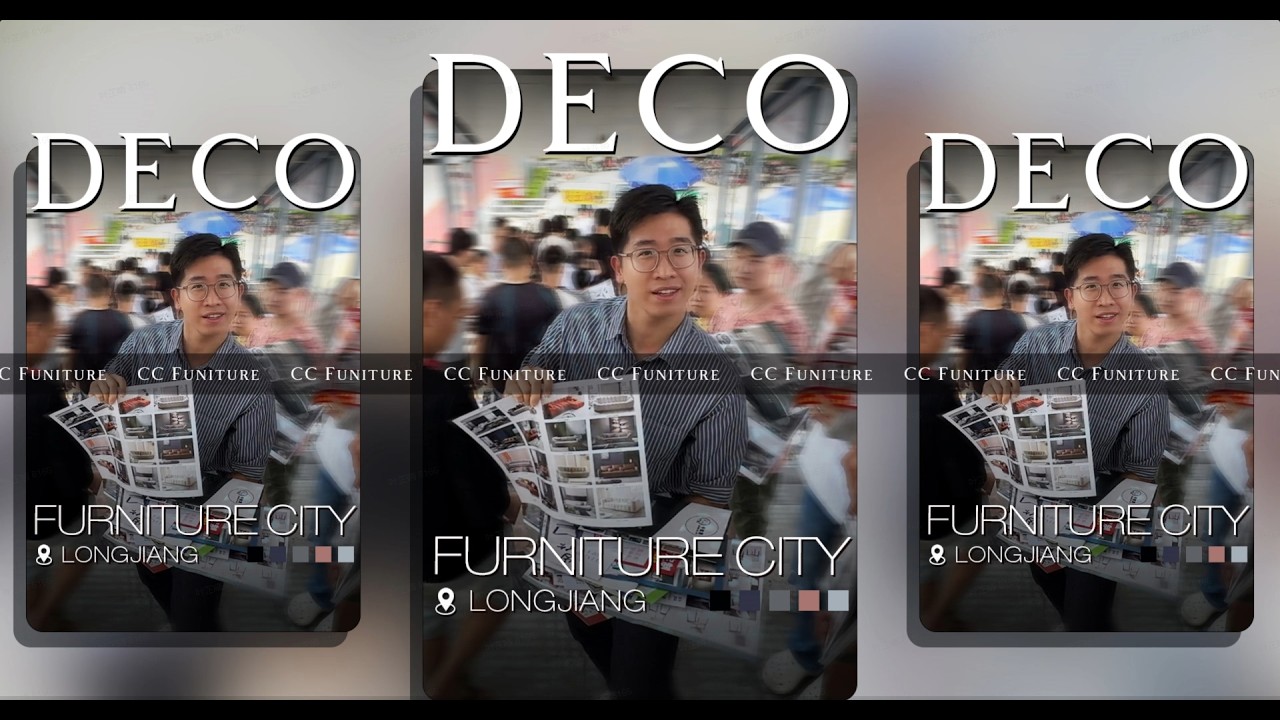
▶ Watch on YouTube: Inside China’s Largest Furniture Market — Foshan Furniture Sourcing Guide
10. Interactive Tools and Resources for Smarter Sourcing Decisions
Regional Specialization Quick Reference Guide
| Region | Top Product Strength | Quality Tier | Best For | Avoid If |
|---|---|---|---|---|
| Foshan | Upholstered furniture | Mid to Premium | Distributors, showrooms, hospitality | You need complex wood joinery |
| Tianjin | Solid wood & case goods | Mid to Premium | Residential wood furniture buyers | You need rapid design iteration |
| Guangzhou | Commercial & contemporary design | Premium | Hospitality designers, project buyers | You need high-volume standardized stock |
| Shenzhen | Luxury & smart furniture | Luxury | Premium residential, 5-star hospitality | You’re price-sensitive on volume |
| Jiangsu | Office, eco, modular | Mid to Upper Mid | Corporate, sustainability-driven buyers | You need large-scale upholstered production |
| Zhaoqing | Budget upholstered & flat-pack | Entry to Mid | Price-sensitive, high-volume buyers | You need customization or documentation |
Supplier Database and Directory
For B2B buyers ready to move from research to active supplier engagement, the following verified resources provide access to manufacturer contacts and industry networks:
- China International Furniture Fair (CIFF) — Exhibitor directory updated twice annually, covering Guangzhou manufacturers across all categories
- Canton Fair Official Website — The world’s largest trade fair, held each April and October in Guangzhou, with significant furniture representation across all regions and price tiers
- Jade Ant Furniture — Contact & Custom Inquiry — Direct inquiry for custom luxury furniture, hotel specification, and hospitality project sourcing with full logistics support
- SGS Inspection Services — Third-party quality inspection and material testing for furniture across all major Chinese manufacturing regions
- FSC Certificate Database — Verify supplier FSC Chain of Custody certifications directly against the official FSC registry, without relying on supplier-provided copies
Downloadable Sourcing Checklists and Templates
Before placing your next China furniture order, ensure your process covers these critical checkpoints drawn from industry best practice:
Pre-Factory Visit Checklist: Confirm business registration number against SAMR records · Verify factory address via satellite map · Request production photos from the active manufacturing floor · Review export licence documentation · Confirm product-specific certification availability (FSC, CARB Phase 2, ISO) · Request a reference contact from an existing international buyer · Ask for three years of export documentation samples
Product Specification Essentials: Detailed dimension drawings with tolerances · Material specifications with grade, density, content · Finish standards referenced to a physical sample or colour standard · Packaging requirements with carton dimensions · Quantity, phased delivery timeline, and named FOB port · Quality acceptance thresholds and defect classification · Certification requirements for your target market
Supplier Evaluation Scorecard: Manufacturing capability versus claimed capacity · Quality management system documentation (ISO, social audit reports) · Communication responsiveness and English-language competence · Sample quality versus stated production consistency record · Payment terms and evidence of financial stability · Reference check results from two or more existing international clients · On-time delivery record across the most recent 12 months
Video Series and Visual Guides
For buyers building sourcing knowledge beyond what a written guide can convey, these video resources provide immersive access to China’s furniture manufacturing regions:
- Inside China’s Largest Furniture Market — Foshan showroom walkthrough and B2B sourcing dynamics
- How to Find Suppliers in Guangzhou — China sourcing map: Guangzhou supplier districts and market navigation
- Planning to Buy Furniture in Foshan — Practical buyer’s guide to Foshan’s market zones and quality tiers
Ongoing Support and Consultation Resources

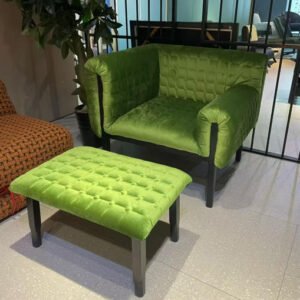
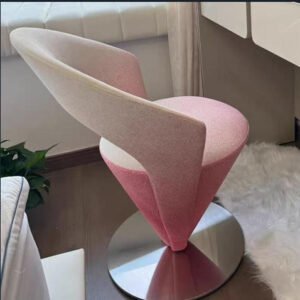
Bespoke upholstered statement seating — the specification tier that China’s premium manufacturers now execute routinely for luxury residential and hospitality projects. Photo
For B2B buyers who want expert guidance beyond what a guide can provide — particularly for first-time large orders, complex hospitality specification projects, or supplier transitions — Jade Ant Furniture provides consultation-based sourcing support for furniture importers, distributors, design companies, and project owners. Founded by Anna Chow — with over 10 years of architecture and interior design practice before establishing the business in 2010 — the Jade Ant team specialises in translating complex design briefs into manufacturable, deliverable furniture solutions with organized logistics and documentation management. Clients across 150+ projects globally have sourced through Jade Ant’s production partnership model, from villa furniture packages in Southeast Asia to hotel FF&E programmes in the Middle East.
The team at Jade Ant Furniture accepts low MOQ requests — including individual piece samples — and manages the full production coordination, customs declaration, and shipment arrangement from China to the client’s door, removing the operational friction that makes China furniture sourcing daunting for buyers without established on-the-ground relationships.
Conclusion: Making Informed Sourcing Decisions
Key Takeaways for B2B Furniture Buyers
China’s furniture manufacturing landscape rewards buyers who invest in understanding its regional structure before investing in supplier relationships. The regional decision — Foshan for upholstered furniture, Tianjin for solid wood and case goods, Guangzhou for diversified commercial and contemporary design, Shenzhen for high-tech premium products, Jiangsu for eco-friendly specialty manufacturing, and Zhaoqing for budget-volume standardized products — is the first strategic decision that determines whether a sourcing programme will generate sustainable competitive advantage or ongoing quality and cost surprises.
The insight that experienced sourcing professionals consistently emphasize is this: the difference between a profitable China furniture sourcing programme and a costly one is almost never about which country to source from. It’s about which region within China, which manufacturer tier within that region, and which individual supplier within that tier — and the systematic process of identifying and verifying the right answer to each of those questions before committing capital to a purchase order.
Your Next Steps
Start with a complete product specification document — before approaching a single supplier. Use the regional decision matrix in Section 8 to identify the best-fit manufacturing hub for each product category in your range. Identify 3–5 candidate suppliers per region through Canton Fair, CIFF exhibitor directories, or verified industry networks. Request quotations against your complete specification, compare responses systematically, and request physical samples from your top 2–3 candidates, evaluating them against a written QA checklist rather than subjective impression. Commission or conduct a factory audit for your preferred supplier before committing to your first significant order.
The relationship-building investment required to identify, vet, and establish a reliable China manufacturing partnership typically takes 3–6 months of active engagement. The return on that investment — in pricing leverage, quality consistency, production priority, and supply chain resilience — compounds over years and delivers competitive advantages that transactional one-off sourcing never generates.
Call-to-Action
Ready to optimize your China furniture sourcing strategy? Contact Jade Ant Furniture to access expert sourcing guidance, custom luxury furniture production, and full logistics coordination across China’s major manufacturing regions. Whether you’re a furniture distributor building a new product range, an interior designer specifying a hospitality project, or a showroom operator differentiating your offering with exclusive product, Jade Ant Furniture provides the production partnership and regional sourcing expertise to make it happen — reliably, to specification, and on schedule.

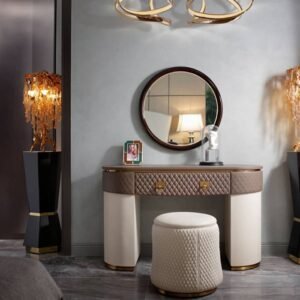
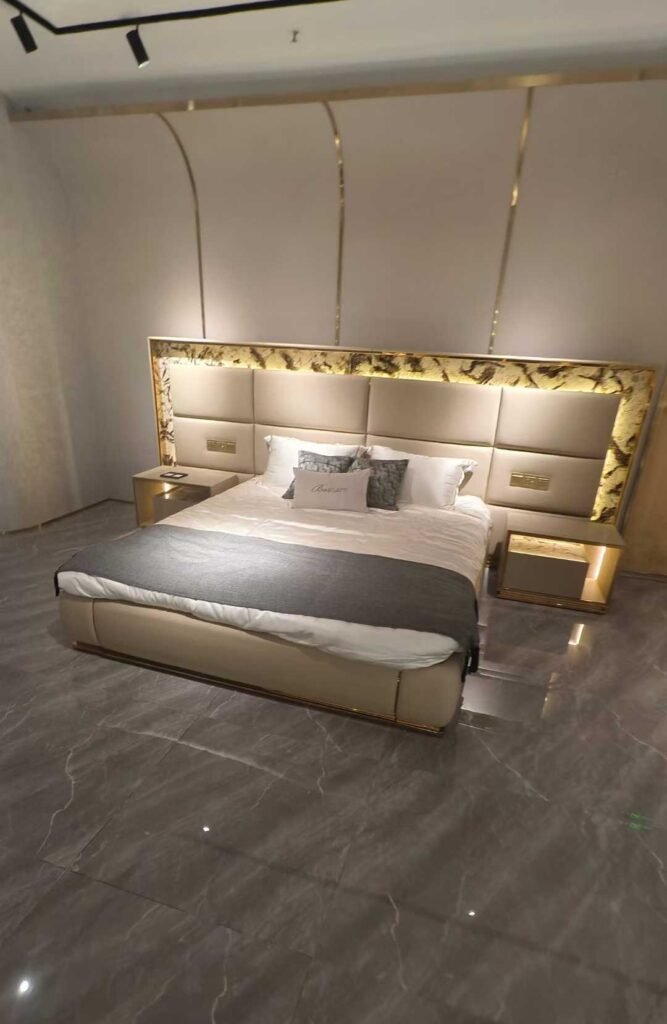
A contemporary luxury bedroom suite — the category where Tianjin’s wood craftsmanship and Foshan’s upholstery capability combine to deliver a complete B2B sourcing solution. Photo: Unsplash
Glossary of Key Terms
MOQ (Minimum Order Quantity): The smallest number of units a manufacturer will produce in a single production run. Varies widely by factory size and product complexity — typically 5–500 units depending on manufacturer tier and region.
FOB (Free on Board): An Incoterm specifying that the seller’s responsibility ends when goods are loaded onto the vessel at the named port. The buyer is responsible for ocean freight, insurance, and import clearance from that point onward.
FSC (Forest Stewardship Council): An international non-profit organization that sets standards for responsible forest management. FSC-certified timber can be traced from certified forests through the supply chain to the finished product.
CARB Phase 2: California Air Resources Board Phase 2 standards for formaldehyde emissions from composite wood panels — MDF, plywood, particleboard. Required for furniture sold in California; widely adopted as a US-wide quality standard by international buyers.
REACH: EU Regulation on the Registration, Evaluation, Authorisation and Restriction of Chemicals. Limits the presence of hazardous substances in products imported to the European Union.
BIFMA: Business and Institutional Furniture Manufacturers Association. Sets voluntary performance and safety standards for commercial furniture used in office and institutional environments in the United States.
ILD (Indentation Load Deflection): A measurement of foam firmness — the force in pounds required to compress a 4-inch foam sample by 25%. Higher ILD equals firmer foam. Residential seating: 18–35 ILD. Commercial seating: 35–50+ ILD.
Martindale Abrasion Test: An industry standard test for fabric durability, measuring the number of rub cycles a fabric withstands before visible wear. Residential upholstery requires 15,000+ cycles; commercial upholstery 50,000–100,000+ cycles.
FCL (Full Container Load): A shipment that fills an entire shipping container — 20-foot or 40-foot. More cost-efficient per unit than LCL for large orders.
LCL (Less than Container Load): A shipping arrangement where multiple buyers share space in a single container. Appropriate for smaller orders that don’t justify full container commitment.
AQL (Acceptable Quality Level): A statistical quality control standard defining the maximum percentage of defective units considered acceptable in a sampled production batch. Industry standard for furniture pre-shipment inspection is typically AQL 2.5.
Frequently Asked Questions
1. What is the minimum order quantity (MOQ) for furniture sourcing from China?
MOQs vary significantly by region and manufacturer tier. Foshan upholstered furniture from industrial producers typically requires 50–100 units per style, while boutique design studios in the same city will accept 5–30 units for complex custom pieces. Tianjin solid wood manufacturers generally range from 20–50 units. Premium manufacturers in Shenzhen may accept 10–30 units but at higher unit costs reflecting lower volume economics. Jiangsu manufacturers — particularly those targeting emerging international buyer relationships — often negotiate below standard MOQs. Brands like Jade Ant Furniture accept low MOQ requests including single-piece samples, making them accessible for designers and project-based buyers who don’t need container volumes. Always negotiate MOQs by demonstrating a credible purchasing timeline and long-term order potential, not simply by pushing back on the stated position.
2. How long does it take to receive furniture from China?
Standard production lead times range from 30–65 days depending on complexity, customization level, and the manufacturing region. Add 15–40 days for ocean freight to North America or Europe, and 3–14 days for customs clearance at the destination port. Total realistic timelines range from 8–16 weeks from purchase order to warehouse receipt. Rush orders are possible at most Foshan, Guangzhou, and Shenzhen manufacturers but typically incur a 20–35% premium cost and require confirmed production slot availability. Plan your sourcing 4–5 months in advance for seasonal or project-critical deliveries to avoid paying rush premiums and to maintain supply chain stability.
3. Which region produces the highest-quality furniture?
Quality in China’s furniture industry is determined more by individual supplier discipline than regional location — but regional ecosystems set the quality baseline. Shenzhen manufacturers serving luxury clients and Guangzhou producers working on premium commercial projects typically demonstrate the most rigorous quality management systems. Foshan’s established industrial producers deliver excellent mid-to-premium upholstered furniture quality. Tianjin’s best wood manufacturers produce solid wood joinery that competes with European craft standards. The key is selecting the right supplier within each region — through factory vetting, sample approval, and quality documentation review — rather than assuming regional location alone guarantees output quality. Always request samples and conduct factory audits; always require test reports, not just compliance certificates.
4. What are the typical payment terms offered by Chinese furniture suppliers?
Standard payment terms for new buyer relationships are 30–50% deposit against purchase order with the balance payable before container loading. Some established suppliers offer payment against bill of lading documents — effectively extending credit to the point of shipment. For large orders (USD $50,000+) from first-time or lower-trust relationships, Letters of Credit issued by a reputable bank provide independent payment security for both parties. Trade assurance platforms offer middle-ground protection for smaller transactions. Net-30 or net-60 credit terms are typically available only to buyers with established, multi-order track records of on-time payment. Use escrow or L/C arrangements for first-time transactions to reduce risk on both sides.
5. How do I verify that a supplier is legitimate and reliable?
The most reliable verification steps are: confirm business registration number against China’s SAMR (State Administration for Market Regulation) database; request and verify the factory’s export licence; cross-reference the factory’s claimed address against satellite imagery; ask for references from two or three existing international buyers and make direct contact with them; commission a factory audit from a third-party inspection company (SGS, Bureau Veritas, or Intertek) before placing significant orders; and start with a small trial order before committing to container volumes. Industry data suggests that up to 70% of booths at Chinese trade fairs claiming “factory-direct” status are in fact trading companies — a factory audit or production-floor visit typically resolves this uncertainty within a single day.
6. Are there quality differences between upholstered furniture from Foshan and other regions?
Foshan’s concentration of specialized fabric mills, frame manufacturers, foam suppliers, and hardware producers within a single geographic cluster creates genuine quality advantages in upholstered furniture production — primarily in supply chain integration, fabric selection breadth, and rapid customization capability. A Foshan manufacturer sourcing foam from a specialist 10 kilometres away uses material it knows and can replace quickly if batch quality deviates; a competitor in a less integrated region ordering the same foam from 200 kilometres away has less leverage and less quality consistency. However, top-tier manufacturers in Guangzhou and Shenzhen can match or exceed Foshan’s quality in specific product categories. The quality advantage of a regional ecosystem only translates into product quality when the individual manufacturer within it has the management systems and commitment to realize it — which is why supplier vetting always matters more than regional selection alone.
7. What certifications and standards should I require for imported furniture?
Requirements vary by destination market. EU: CE marking for mechanical safety and chemical compliance; FSC Chain of Custody under the EU Deforestation Regulation (EUDR). US: CARB Phase 2 for all composite wood products; BIFMA standards for commercial seating and desks; California TB117 fire retardancy for upholstered furniture. Australia: AS/NZS standards for furniture stability, flammability, and formaldehyde emissions. All markets: ISO 9001 as a quality system baseline; FSC for sustainable sourcing claims; OEKO-TEX for fabrics sold in chemical-sensitive markets. Budget 2–4 weeks for certification testing and always require actual test data reports from accredited testing laboratories — not just compliance declarations, which are self-certified and carry no independent verification weight.
8. Can I customize furniture designs with Chinese manufacturers?
Yes — but customization capabilities vary substantially by region and manufacturer tier. Guangzhou and Shenzhen manufacturers excel at design customization and rapid prototyping, typically offering 3D rendered proposals within 48–72 hours and physical samples within 15–25 days for complex custom designs. Foshan offers deep customization in fabric, foam specification, and finish within standard construction frameworks. Tianjin provides wood species, joinery profile, and finish customization for solid wood products. Customization typically adds 15–30% to unit costs and extends lead times by 2–4 weeks. Always protect your designs through NDA agreements before sharing technical drawings or proprietary design concepts with manufacturer contacts — particularly when sharing with multiple competing suppliers simultaneously.
9. What are the main risks when sourcing furniture from China, and how do I mitigate them?
The five most significant sourcing risks are: quality inconsistency between sample and bulk production, mitigated by in-process and pre-shipment inspection; supplier misrepresentation — trading companies presenting as factories — mitigated by factory audits and business licence verification; specification ambiguity producing production errors, mitigated by detailed written specifications and written confirmation of critical requirements; delayed shipments, mitigated by building timeline buffers and using freight forwarders with China furniture experience; and intellectual property exposure, mitigated by NDAs and avoiding sharing proprietary details with multiple competing suppliers simultaneously. The Alibaba vs Made-in-China vs 1688 comparison guide from Jade Ant Furniture offers additional platform-specific vetting guidance.
10. How do I handle logistics, customs, and import documentation?
Partner with a licensed freight forwarder who specializes in China furniture imports from day one. They will manage shipping line booking, inland trucking coordination, export documentation — commercial invoice, packing list, bill of lading, certificate of origin, compliance certificates — marine cargo insurance, customs entry filing at the destination port, and delivery coordination to your warehouse. Budget 5–10% of product cost for total logistics including freight, insurance, customs duties, and broker fees. Clarify Incoterms (FOB is standard for China furniture exports) with your supplier before purchase order placement. Confirm tariff classification of your specific product categories with your customs broker before finalizing your landed cost model to avoid duty surprises after goods have cleared.
11. Is it cheaper to source from Zhaoqing compared to Foshan or Tianjin?
Zhaoqing generally offers 15–25% lower per-unit pricing for standardized products, driven by lower land costs, lower labour rates, and a less complex supply chain infrastructure than Foshan’s established cluster. However, this cost advantage comes with meaningful trade-offs: significantly less design flexibility and customization capability, higher quality variance across the supplier base requiring increased inspection investment, less mature export infrastructure requiring trucking to Guangzhou or Foshan ports, and a shallower ecosystem of specialist component suppliers. When the total cost of sourcing — including inspection investment, quality risk cost, and the operational overhead of managing a less developed supplier relationship — is calculated alongside the headline unit price, Zhaoqing’s cost advantage frequently narrows to less than buyers initially expect. It is commercially viable for standardized, high-volume products targeting price-sensitive markets; it is the wrong choice for products requiring customization, premium quality documentation, or design differentiation.
12. How do I ensure ethical and sustainable sourcing from China?
Require FSC Chain of Custody certification for all solid wood and composite wood products; OEKO-TEX Standard 100 certification for fabrics and upholstery materials; ISO 14001 Environmental Management Systems certification for the factory’s environmental governance processes; and BSCI or SEDEX/SMETA social compliance audit reports covering labour standards, working hours, and health and safety. Visit the Sustainable Furniture China Guide by Belosso for a detailed overview of eco-friendly sourcing frameworks in the Chinese context. Build explicit sustainability requirements into your supplier contracts rather than treating them as optional additions. Jiangsu Province is the most consistently progressive Chinese manufacturing region on environmental standards and is the right first call for buyers where sustainability documentation is a commercial differentiator.
13. What should I include in a product specification document when ordering from Chinese suppliers?
A complete specification document should contain: detailed dimension drawings with tolerances — preferably CAD files; material specifications covering timber species, fabric type and content, foam density in kg/m³ and ILD firmness rating, leather grade if applicable, and hardware manufacturer and reference number; finish and colour requirements referenced to an approved physical sample or Pantone/RAL standard; packaging requirements including carton dimensions, protection materials, and pallet configuration; order quantity and phased delivery timeline; quality acceptance standards including defect classification and AQL thresholds; certification and testing requirements for your target market; and explicit reference to the approved physical sample as the definitive quality standard for bulk production. Ambiguity in any of these elements creates the conditions for costly revisions, production errors, and supplier disputes — all of which are avoidable with disciplined specification work upfront.
14. How often should I visit factories in person, and is it necessary?
An in-person factory visit before placing your first significant order is strongly recommended — it is the most effective single tool for distinguishing genuine manufacturers from trading companies, assessing production capability versus claimed capacity, and building the relationship foundation that improves sourcing outcomes over time. Plan visits to 1–3 key candidate suppliers per region during each China trip, ideally coinciding with Canton Fair or CIFF attendance to maximize time efficiency. After the initial qualification visit, subsequent visits every 12–24 months help maintain relationships and monitor quality evolution. For ongoing orders between visits, third-party inspection services — SGS, Bureau Veritas, Intertek, and Asia Quality Focus are all active in China’s furniture regions — provide independent quality oversight at a fraction of the cost and time commitment of frequent travel.
15. What is the typical markup or margin when importing furniture from China?
Markup structures vary significantly by product category and market positioning. Budget furniture sold through online retail channels typically carries markups of 80–150% on total landed cost — product, freight, duties, and inspection combined. Mid-range furniture through showroom retail and distributor channels typically achieves 150–250% markups. Premium and luxury furniture through design trade and high-end retail channels may carry 250–400% markups, reflecting higher perceived value, lower price sensitivity of the target customer, and the design and service investment required to serve those channels effectively. When modelling your pricing, factor in all costs to landed and available-for-sale — product, ocean freight, marine insurance, import duties, customs broker fees, warehousing, photography, and marketing — not just the FOB price from the manufacturer. Competitive analysis in your specific target market will inform whether your margin structure is defensible at the pricing level your positioning requires.
This guide was produced with the expertise of Jade Ant Furniture — a China-based custom and luxury furniture manufacturer and wholesale supplier serving furniture importers, distributors, design companies, and project owners globally. For personalized sourcing guidance, factory introductions, or custom furniture production enquiries, visit www.JadeAnt.com.
Additional resources: Canton Fair · China International Furniture Fair (CIFF) · FSC International · SGS Inspection · ISO 14001 · BIFMA