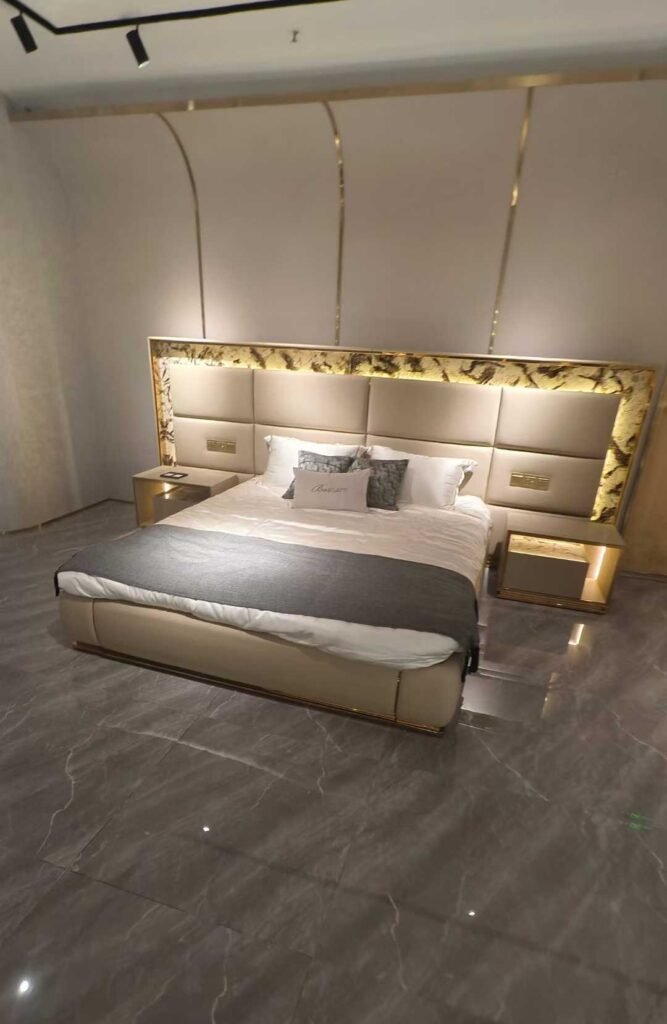

What to Expect at Chinese Furniture Expos in 2026: Trends, Innovation & Opportunities

Chinese furniture expos in 2026 are shaping up to be the most exciting yet. Anchored by the 57th China International Furniture Fair (CIFF) in Guangzhou — the world’s largest furniture exhibition spanning 850,000 square meters — this year’s events promise a powerful convergence of innovation, sustainability, digital intelligence, and global design influences. Whether you are a furniture importer, interior designer, hospitality procurement manager, or brand owner, the 2026 expo season in China offers unmatched opportunities for trend discovery, sourcing, and strategic partnership-building.
With over 4,900 brands from more than 200 countries and regions represented, and 380,000+ professional visitors expected, CIFF Guangzhou 2026 operates under the strategic theme “CONNECT·CREATE” — a theme that reflects the industry’s shift toward integrated ecosystems linking production, design, technology, and commerce. Companies like Jade Ant Furniture, a leading custom and luxury furniture manufacturer based in China, are among the many Chinese producers gearing up to showcase next-generation products at these landmark events.
In this comprehensive guide, we will walk you through the key furniture trends for 2026, the main exhibition zones, fair highlights covering intelligent manufacturing and advanced materials, and practical visitor tips to help you plan an effective trip.
China Furniture Trends 2026
The Chinese furniture industry in 2026 is being reshaped by three macro-level forces: environmental consciousness, technological integration, and cross-cultural aesthetics. According to Mordor Intelligence, the China furniture market is valued at approximately USD 169.23 billion in 2026 and is projected to reach USD 220.17 billion by 2031, growing at a CAGR of 5.42%. Understanding the trends driving this growth is essential for anyone attending this year’s expos.
Green Health and Sustainability
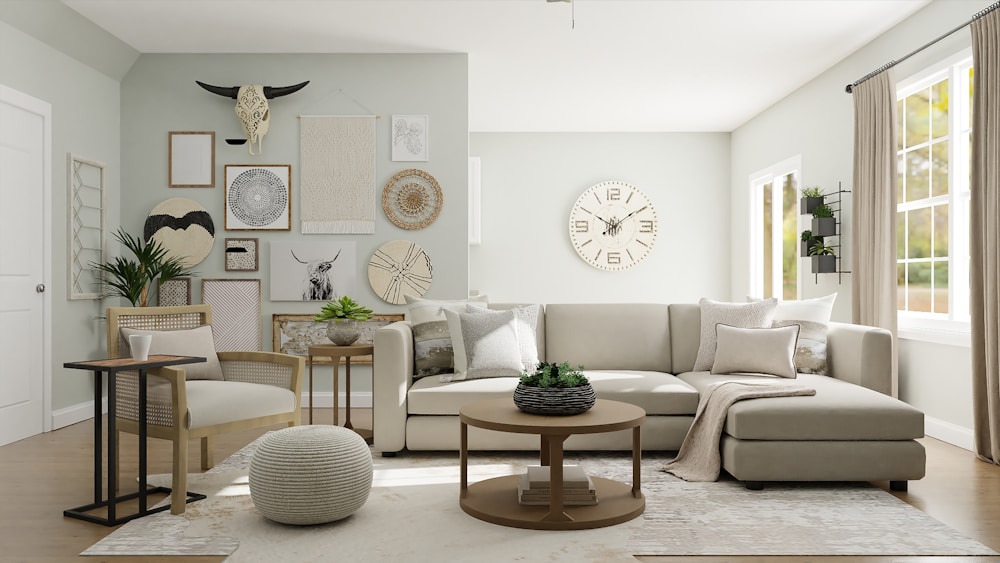
Sustainability is no longer a niche selling point — it is the dominant narrative across Chinese furniture manufacturing in 2026. At CIFF Guangzhou, the “Green Living Pavilion” showcases furniture made from reclaimed wood, recycled textiles, and bio-based plastics, all championing circular economy principles. The CIFF Charm Road 2.0 initiative embeds Environmental, Social, and Governance (ESG) principles directly into design, production, and consumption through a closed-loop approach.
Low-VOC finishes, rapidly renewable resources such as bamboo and rattan, and innovative materials like mycelium-based composites are increasingly replacing traditional petroleum-derived inputs. Brands displaying at CIFF 2026 are certifying to international green standards such as FSC, GREENGUARD, and ISO 14001. For importers sourcing from China — whether through established manufacturers like Jade Ant Furniture or emerging eco-focused studios — the expectation is that sustainability credentials will be a baseline requirement, not a bonus.
According to a LinkedIn industry report, 65% of surveyed Chinese consumers now factor environmental sustainability into their furniture purchasing decisions, up from 41% just three years ago.
Digital Intelligence in Design
Digital intelligence — the fusion of AI, IoT, and data-driven design — is transforming how Chinese furniture is conceived, manufactured, and experienced by the end user. At CIFF 2026, Hall 5.2 is entirely dedicated to the Smart Sleep Ecosystem, featuring intelligent mattresses with sleep-monitoring systems, smart beds with automated adjustability, and multifunctional sofas that respond to biometric data.
On the production side, AI-powered design tools are enabling mass customization at unprecedented speed, allowing manufacturers to deliver bespoke products without the traditional cost penalties. Height-adjustable desks with integrated health monitoring, intelligent meeting-room systems, and IoT-connected home furnishing suites all illustrate a market where furniture is evolving from a static product into a responsive, data-enriched experience.
Self-healing finishes and temperature-responsive fabrics — technologies previewed at the fair — hint at a future where furniture actively adapts to how we live. For global buyers attending the expo, this trend signals the importance of partnering with technologically advanced suppliers capable of integrating smart features into their product lines.
Fusion of Global Styles
Chinese furniture design in 2026 is defined by a confident blending of Eastern and Western aesthetics. The CIFF Contemporary Design Fair, occupying 40,000 square meters in Area A, brings together over 60 commercial design brands, 20+ designer studios, and 40 international companies. New entrants such as Camerich, Neodko, Pablo, Dickson, and Yeswood contribute to a dynamic dialogue between Chinese creative traditions and global design languages — from Scandinavian minimalism to Italian luxury, from Japanese Wabi-Sabi to American mid-century modern.
This “fusion” trend is especially visible in the Japandi style (Japanese-Scandinavian hybrid) that continues to gain ground in export markets. The East Design Show at CIFF further reinforces this cross-cultural dialogue by connecting heritage craftsmanship with contemporary commercial strategies, helping a new generation of Chinese designers build global brand identities.
Main Exhibition Zones
CIFF Guangzhou 2026 is organized into clearly defined exhibition zones, each covering a specific segment of the furniture industry. The sheer scale of the event — 850,000 square meters across the Canton Fair Complex and PWTC Expo — makes advance planning essential. Below is an overview of the primary zones you should target based on your sourcing or design interests.
CIFF Guangzhou 2026 Exhibition Zones at a Glance
| Exhibition Zone | Area (sqm) | Number of Brands | Phase & Dates | Location |
|---|---|---|---|---|
| Contemporary Design Fair | 40,000 | 60+ brands, 20+ studios | Phase 1: Mar 18–21 | Area A |
| Upholstered Furniture & Smart Sleep | 130,000 | 400+ | Phase 1: Mar 18–21 | Areas A & B |
| Dining & Living | 120,000 | 800+ enterprises | Phase 1: Mar 18–21 | PWTC Area E & Area C |
| Homedecor & Hometextiles | 60,000 | ~700 | Phase 1: Mar 18–21 | Area D |
| Outdoor Furniture, Sunshade & Leisure | 50,000 | ~400 | Phase 1: Mar 18–21 | Halls 9.0–10.0 |
| Office & Commercial Space | 240,000+ | Multiple sectors | Phase 2: Mar 28–31 | Areas A, B & D |
| CIFM/interzum guangzhou (Machinery & Materials) | 170,000 | Global leaders | Phase 2: Mar 28–31 | Areas B & C |
Home and Soft Décor
The Home and Soft Décor zone encompasses two major areas: the Homedecor & Hometextiles exhibition (60,000 sqm, nearly 700 brands in Area D) and the broader home furniture sections. This zone is where aesthetics, craftsmanship, and lifestyle innovation converge. Attendees will find everything from artisan ceramics and handwoven textiles to wellness-oriented product lines including Healthy & Senior Living solutions.
A notable emerging segment within this zone is the Pet Home & Supplies sector — a reflection of shifting demographic priorities in China, where pet ownership has surged dramatically. The East Design Show enriches the area by curating cultural creativity, brand incubation, and commercial strategy specifically for soft-furnishing designers. For brands like Jade Ant Furniture, which specializes in custom luxury living room and bedroom sets, this zone provides an ideal stage to showcase premium décor-integrated product lines to global buyers.
Outdoor and Leisure

Occupying 50,000 square meters across Halls 9.0–10.0, the Outdoor Furniture, Sunshade & Leisure section brings together approximately 400 brands to present one of the industry’s most comprehensive visions of integrated outdoor living. This zone has grown significantly in recent years as outdoor environments are increasingly conceived as natural extensions of interior design language.
Exhibits highlight advanced material applications (weather-resistant composites, UV-stable fabrics), refined craftsmanship, and evolving global leisure trends. Curated displays and thematic forums further consolidate CIFF Guangzhou’s position as a reference point for outdoor design innovation. Buyers sourcing patio dining sets, lounge seating, sun loungers, parasols, and garden furniture will find this zone indispensable.
Office and Commercial Spaces
With more than 240,000 square meters dedicated to workplace and contract solutions, the Office & Commercial Space exhibition is among the largest of its kind globally. This zone runs during Phase 2 (March 28–31) and is organized into three core sectors. Area A showcases the complete office-environment supply chain. Area B focuses on public commercial spaces, presenting tailored solutions for education, hospitality, transportation, and multifunctional public interiors. Area D hosts what is billed as the world’s largest office seating platform, with brands such as Kokuyo, Lamex, Henglin, GTchair, and Bestuhl emphasizing innovation in ergonomics, advanced materials, and user-centered research.
Sustainability and digital intelligence are particularly prominent in this zone. Intelligent adaptive chairs, dynamic balance seating, height-adjustable desks with IoT-connected health monitoring, and intelligent meeting systems demonstrate a clear trajectory: the office of the future is green, smart, and human-centered.
Production Technology
Production technology is showcased through the CIFM/interzum guangzhou exhibition, spanning 170,000 square meters. This is the industrial backbone of CIFF, focusing on the machinery, materials, and hardware that power the global furniture manufacturing ecosystem. Area B features intelligent and flexible production machinery from global leaders such as HOMAG and other CNC system specialists. Area C presents advanced materials for CMF (Color, Material, Finish) innovation and sustainability. This zone is essential for factory owners, production managers, and quality-control professionals looking to modernize their operations.
China International Furniture Fair Highlights
Intelligent Production Machinery
The “Smart Revolution” is the defining concept of CIFM/interzum guangzhou 2026. The International Machinery Zones in Area B spotlight intelligent manufacturing — showcasing the future of automation, digitalization, and customized mass production. Visitors will encounter robotic assembly lines, AI-driven quality-control systems, CNC panel production machines, cutting and shaping equipment, and upholstery automation technologies.
These systems are not merely incremental improvements; they represent a fundamental restructuring of how furniture is made. A single intelligent production line demonstrated at the 2025 edition reduced material waste by 23% and increased throughput by 35% compared to traditional setups. The 2026 edition is expected to push these benchmarks even further, with predictive maintenance systems and real-time production optimization powered by machine learning.
CIFF Guangzhou Growth Metrics (2023–2026)
The following bar chart illustrates the growth of key metrics at CIFF Guangzhou over the past four years:
| Metric | 2023 | 2024 | 2025 | 2026 |
|---|---|---|---|---|
| Exhibition Area (sqm) | 760,000 | 800,000 | 820,000 | 850,000 |
| Total Exhibitors | 4,100 | 4,500 | 4,700 | 4,900+ |
| Professional Visitors | 320,000 | 350,000 | 365,000 | 380,000+ |
| Countries Represented | 170 | 180 | 190 | 200+ |
📊 Bar Chart Representation — Each row’s growth from 2023 to 2026 demonstrates the accelerating international appeal of CIFF Guangzhou. For dynamic chart visualization, import the above data into Excel or Google Sheets and select “Clustered Bar Chart.”
Advanced Materials and CMF Innovation
Area C of CIFM/interzum guangzhou is entirely devoted to advanced materials, surfaces, finishes, and material research that are redefining design possibilities. The 2026 edition features recycled composites, bio-based plastics, self-healing surface coatings, temperature-responsive fabrics, and low-emission adhesives. These innovations are critical for manufacturers navigating increasingly strict international environmental regulations — including the EU’s updated REACH standards and California’s CARB Phase 3 requirements.
Material Categories at CIFM/interzum guangzhou 2026
| Material Category | Approximate Share (%) |
|---|---|
| Sustainable / Recycled Composites | 28% |
| Surface Finishes & Coatings | 22% |
| Hardware & Functional Components | 20% |
| Bio-Based Plastics & Polymers | 15% |
| Smart / Responsive Textiles | 10% |
| Other / Emerging Materials | 5% |
🥧 Pie Chart Representation — To visualize, import into Excel or Google Sheets and select “Pie Chart.” Sustainable and recycled composites represent the largest share, underscoring the industry’s green trajectory.
Networking and Business Opportunities
Beyond product displays, CIFF Guangzhou 2026 is a powerful networking engine. The CIFF Interbiz Club and international business matching programs facilitate structured B2B meetings between global importers and Chinese manufacturers. Hundreds of new international partnerships are forged at each edition, and the fair’s streamlined trade-deal facilitation process has been credited with significantly reducing time-to-contract for international buyers.
Themed forums, design summits, and the CIFF Charm Road 2.0 ESG initiative provide thought-leadership content alongside the commercial activity. For buyers exploring custom furniture solutions, connecting with experienced manufacturers such as Jade Ant Furniture at the fair is an efficient way to assess quality, discuss bespoke requirements, and initiate long-term supply partnerships.
Watch: Furniture Exhibition in Guangzhou, China — 2026 Trends
Video credit: YouTube — A walkthrough of one of the leading design exhibitions in Asia, showcasing 2026 furniture trends.
Visitor Experience and Practical Info
Event Dates and Locations
The 57th CIFF Guangzhou 2026 takes place across two phases at the Canton Fair Complex and PWTC Expo in the Pazhou district of Guangzhou, China:
Phase 1 (Home Furniture, Homedecor & Hometextiles, Outdoor & Leisure): March 18–21, 2026
Phase 2 (Office & Commercial Space, CIFM/interzum guangzhou): March 28–31, 2026
Both phases run from approximately 9:30 AM to 6:00 PM daily. The venue is accessible via Guangzhou Metro Line 8 (Pazhou Station) and is approximately 30 minutes from Guangzhou Baiyun International Airport.
Who Should Attend
CIFF Guangzhou is a B2B-focused exhibition designed for professional audiences. The target attendees include furniture importers and distributors, interior designers and architects, hotel and hospitality procurement managers, retail chain buyers, OEM/ODM sourcing professionals, production engineers and factory managers, and brand owners exploring Chinese manufacturing partnerships. If you are involved in any stage of the furniture supply chain — from design conception through to retail distribution — this fair offers relevant content and connections.
Tips for International Visitors

Planning is the difference between a productive visit and an overwhelming one. Here are essential tips for international attendees:
Pre-register online through the official CIFF registration portal to avoid on-site fees (approximately 100 RMB for walk-ins) and long queues. Bring your pre-registration confirmation, valid passport, and a printed procurement list. Wear comfortable shoes — you will walk 15,000–20,000 steps per day across the massive venue. Research exhibitors in advance using the CIFF online catalog and create a prioritized list of booths to visit. Download the WeChat app and set up Alipay before arrival, as these are essential payment and communication tools in China. Many exhibitors communicate primarily in English, but having a Mandarin-speaking assistant or translator can be invaluable for deeper negotiations. Book accommodation in the Pazhou district (near the venue) early, as hotels fill up quickly during both fair phases. Consider attending both Phase 1 and Phase 2 if your schedule allows, as they cover distinctly different product segments.
For importers who prefer to streamline their sourcing journey, connecting with established manufacturers such as Jade Ant Furniture prior to the expo can help you arrive with pre-qualified shortlists and specific product briefs, making your on-site meetings significantly more productive.
Chinese furniture expos in 2026 — led by the monumental 57th CIFF Guangzhou — offer an unparalleled window into the future of the global furniture industry. From green health and sustainability to digital intelligence and global design fusion, the trends on display reflect an industry that is rapidly maturing, innovating, and internationalizing.
For anyone in the furniture business, attending these events is not merely about sourcing products — it is about understanding where the industry is heading, forging relationships with forward-thinking manufacturers, and positioning your brand to meet the demands of tomorrow’s consumers. The networking opportunities, the scale of innovation on display, and the strategic matchmaking infrastructure all make CIFF Guangzhou a must-attend event in the global furniture calendar.
We encourage you to register for CIFF Guangzhou 2026 today, plan your visit strategically, and stay updated on expo developments as the March dates approach. The future of furniture is being written in Guangzhou — make sure you are there to read the first draft.
Frequently Asked Questions (FAQ)
1. What is the largest furniture expo in China in 2026?
The China International Furniture Fair (CIFF) in Guangzhou is the largest furniture expo in China and one of the largest in the world. The 57th edition in 2026 spans 850,000 square meters of exhibition space, hosts over 4,900 brands, and attracts 380,000+ professional visitors from more than 200 countries and regions.
2. When and where is CIFF Guangzhou 2026 held?
CIFF Guangzhou 2026 takes place at the Canton Fair Complex and PWTC Expo in Guangzhou, China. Phase 1 runs from March 18–21 (Home Furniture, Homedecor, Outdoor & Leisure), and Phase 2 runs from March 28–31 (Office & Commercial Space, CIFM/interzum guangzhou).
3. What are the biggest furniture trends at Chinese expos in 2026?
The three dominant trends are green health and sustainability (eco-friendly materials, circular economy design), digital intelligence (AI-driven design, IoT-connected smart furniture, sleep-monitoring systems), and the fusion of global styles (blending Eastern and Western aesthetics, Japandi style, cross-cultural designer collaborations).
4. How do I register for CIFF Guangzhou 2026 as an international visitor?
You can register online at the official CIFF registration portal. Pre-registration is free and recommended to avoid on-site fees and queues. You will need a valid passport and professional credentials to complete registration.
5. Is CIFF Guangzhou open to the general public?
No. CIFF Guangzhou is a B2B-focused trade fair open exclusively to professional audiences, including furniture importers, interior designers, architects, hospitality procurement managers, and other industry professionals.
6. What exhibition zones does CIFF Guangzhou 2026 include?
The fair includes zones for Contemporary Design, Upholstered Furniture & Smart Sleep, Dining & Living, Homedecor & Hometextiles, Outdoor Furniture & Leisure, Office & Commercial Space, and CIFM/interzum guangzhou (production machinery and advanced materials).
7. Can I source custom furniture from Chinese manufacturers at CIFF?
Yes. CIFF is one of the best platforms for discussing OEM, ODM, and custom furniture manufacturing. Many exhibitors, including Jade Ant Furniture, specialize in custom and luxury furniture production for international clients.
8. What sustainable materials are featured at Chinese furniture expos in 2026?
Key sustainable materials on display include reclaimed wood, recycled textiles, bio-based plastics, mycelium-based composites, bamboo, rattan, low-VOC finishes, and recycled metal alloys. The CIFM/interzum guangzhou section specifically focuses on advanced sustainable materials and surface innovations.
9. How big is the China furniture market in 2026?
The China furniture market is valued at approximately USD 169.23 billion in 2026, according to Mordor Intelligence. It is projected to reach USD 220.17 billion by 2031, growing at a CAGR of 5.42%. This makes China the world’s largest furniture production and consumption market.
10. What other major furniture fairs take place in China in 2026?
In addition to CIFF Guangzhou (March), other notable events include the Shenzhen International Furniture Fair (Creative Week), CIFF Shanghai (September), and the Canton Fair (April–May, Phase 3 covers home furnishings). Together, these events provide year-round sourcing opportunities in China.








 English
  Portuguese
  Arabic