For furniture retailers, supplier country is not a background detail. It influences landed cost, MOQ, product range, customization speed, port reliability, payment exposure, and how quickly a best-selling item can be replenished.
This guide compares wholesale furniture suppliers across three major sourcing hubs—China, Vietnam, and Indonesia—and gives store owners a practical framework for evaluating suppliers while reducing common sourcing risks.
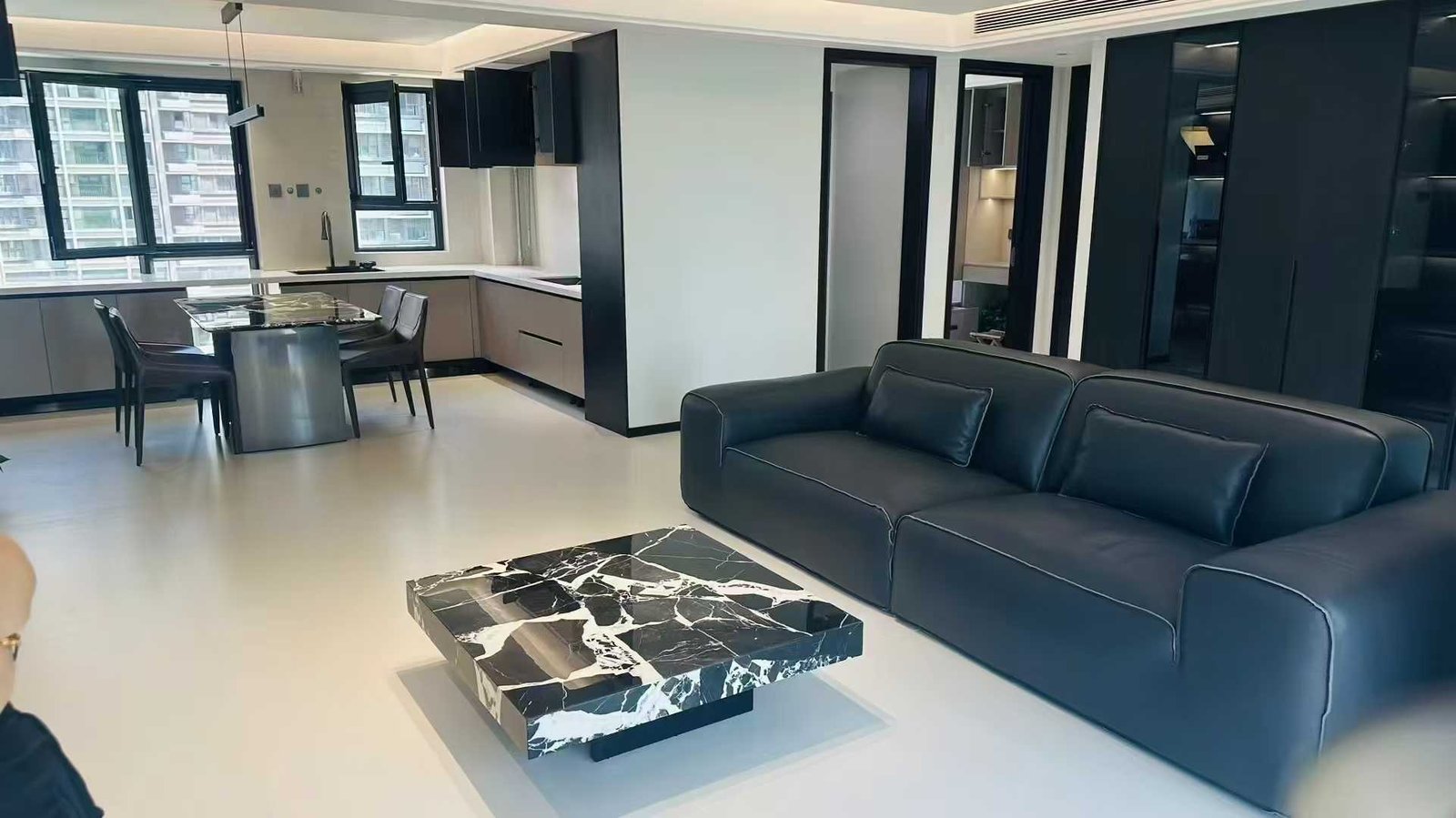
Overview of wholesale furniture sourcing
Why country of origin matters for pricing and lead times
Furniture sourcing is a margin game, but the cheapest FOB price rarely tells the full story. A dining chair quoted at $42 from one country and $48 from another may reverse after packaging, inland trucking, freight, duty exposure, defect handling, and replenishment delays are included. Country of origin affects the entire cost chain: raw material access, labor specialization, factory scale, port distance, certification availability, trade policy, and shipping frequency.
China, Vietnam, and Indonesia each offer a different operating model. China is strongest when a retailer needs broad catalog coverage, fast product development, mixed materials, and one-stop coordination. Vietnam is attractive for mid-to-high-volume wood and upholstered furniture, especially for buyers looking to diversify from China. Indonesia is especially strong in teak, rattan, outdoor furniture, handcrafted pieces, and natural-material storytelling.
Logistics performance is also measurable. The World Bank Logistics Performance Index now uses operational shipment-level data to compare connectivity, speed, and reliability. For furniture buyers, that matters because a late container does not only delay inventory—it can force markdowns, missed seasonal launches, and stockouts on best-selling SKUs.
Key decision factors for retailers: MOQ, customization, warranties
Before comparing countries, define the commercial model of your store. A boutique furniture store testing 12 luxury accent chairs has different needs from a chain retailer ordering 40 containers of bedroom sets. The most useful supplier comparison includes:
- MOQ: Can the factory support small test orders, or does it require full-container volume?
- Customization: Can it change dimensions, fabric, finish, hardware, packaging, and labeling?
- Lead time: How many days from deposit to shipment, including sample approval?
- Warranty terms: Who pays for replacement parts, repair labor, or reshipment?
- Compliance: Can the supplier provide FSC, ISO, BSCI, CARB/TSCA, fire-retardancy, or destination-market documents?
- Communication: Does the factory provide drawings, production photos, inspection support, and carton labeling?
- Replenishment: Can repeat orders be produced with the same finish and material batch?
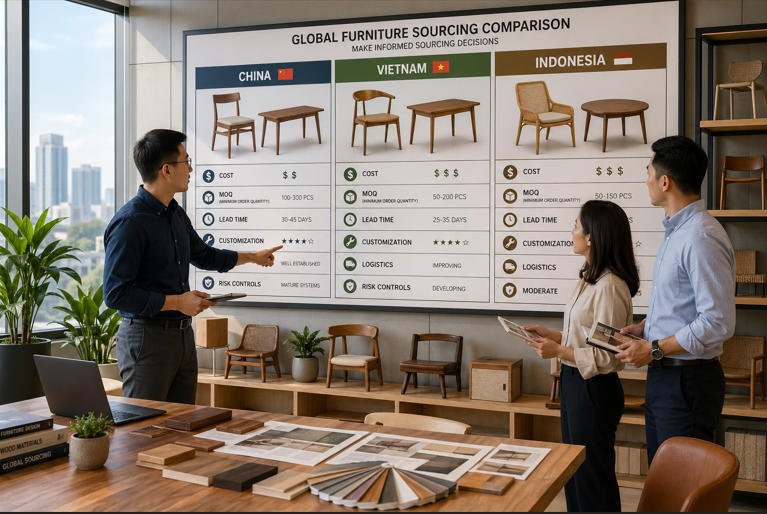
| Criteria | China | Vietnam | Indonesia | Retailer Takeaway |
|---|---|---|---|---|
| Best product fit | Full-category furniture, mixed materials, custom luxury, hotel and residential packages | Wood furniture, upholstery, dining, bedroom, mid-range export collections | Teak, rattan, outdoor, handcrafted, natural-style furniture | Match sourcing country to your store’s core product story. |
| Catalog breadth | Very broad | Medium to broad | Focused but distinctive | China is strongest for stores needing many categories from one network. |
| Customization depth | High, especially in developed clusters | Medium to high for wood and upholstery | High for natural materials and handmade finishes | Indonesia is strong when the product needs craft identity rather than strict uniformity. |
| Typical MOQ | Low to medium; flexible with mixed containers from some suppliers | Medium; often better for repeat-volume programs | Medium; small batches possible but consistency must be managed | Ask for trial MOQ and reorder MOQ separately. |
| Lead-time profile | Fast for standard items; 30–60 days is common for many production orders | Moderate; often 45–75 days depending on materials and capacity | Moderate to longer; 60–90 days is common for handmade or outdoor teak items | Do not compare production days without adding sample and port time. |
| Main risk | Supplier overload, inconsistent specs if documentation is weak, tariff exposure in some markets | Capacity pressure, longer sample revisions, supplier availability during peak export periods | Moisture control, handmade variation, port consolidation timing | Risk is manageable when inspections, samples, and contracts are specific. |
China’s wholesale furniture landscape
Scale, variety, and typical product segments
China remains the broadest wholesale furniture sourcing hub. The strongest advantage is not only factory quantity; it is the density of supporting industries—hardware, foam, fabric, veneer, stone, metalwork, glass, packaging, logistics, and export documentation. A retailer can source bedroom sets, sofas, dining tables, office furniture, lighting, mattresses, and accessories within the same regional ecosystem.
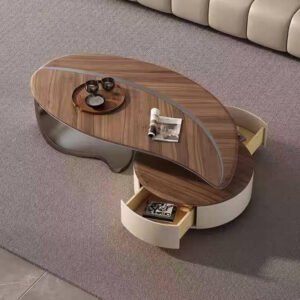
For stores building a complete collection, this matters. A living room program may need sofas, coffee tables, side tables, console cabinets, lighting, and decorative accessories to share a coordinated finish language. A China-based supplier network can often develop these categories together instead of forcing the buyer to manage six factories across different countries.
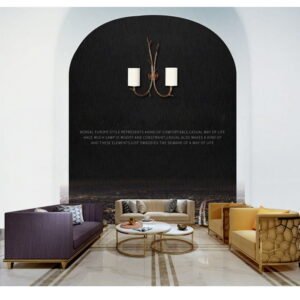
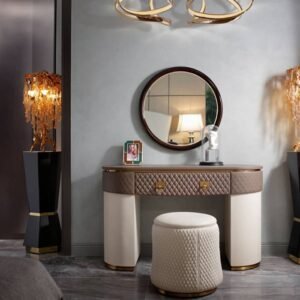
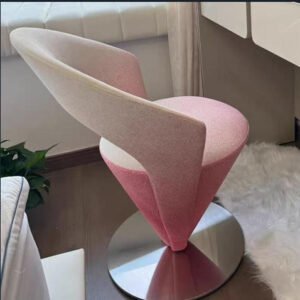
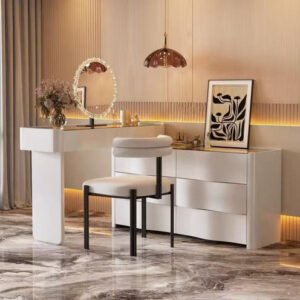
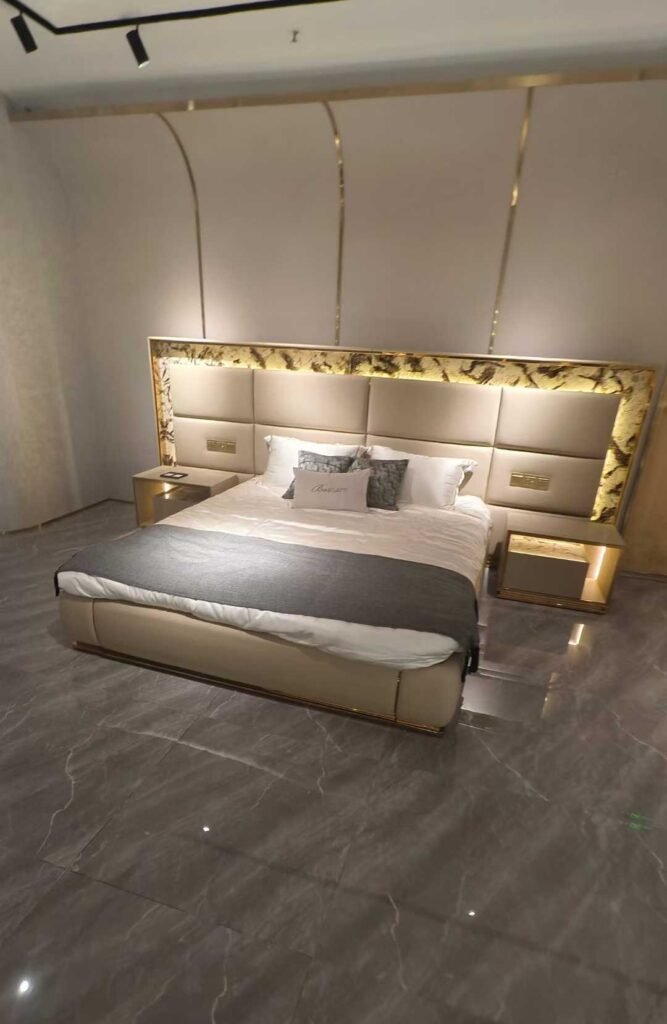
Jade Ant furniture operates in this type of custom and luxury furniture environment, where buyers often need mixed categories for villas, apartments, hotels, showrooms, and retail programs. For store owners, the value is not just “made in China”; it is the ability to coordinate drawings, finishes, packaging, and shipping across different furniture types.
MOQs, pricing dynamics, and typical lead times
China generally gives retailers the widest MOQ range. Large factories may require container-level volume, but many export-oriented suppliers will support mixed-container orders, sample orders, or phased production when the buyer has a clear plan. Typical production lead times can run 30–60 days for standard catalog items and 45–90 days for new custom designs, depending on material complexity.
Pricing is highly segmented. Entry-level prices are available, but retailer risk rises quickly when the quote excludes packaging, inspection, compliant boards, hardware quality, or finish durability. Mid-market and premium Chinese suppliers compete more on engineering, surface finish, custom capability, and shipment coordination than on the lowest possible FOB price.
For importers, importing furniture from Chinese suppliers requires a process: written specs, sample approval, payment milestones, quality inspection, export packaging, and documentation. The process is manageable, but skipping steps usually turns a low quote into a high-cost problem.
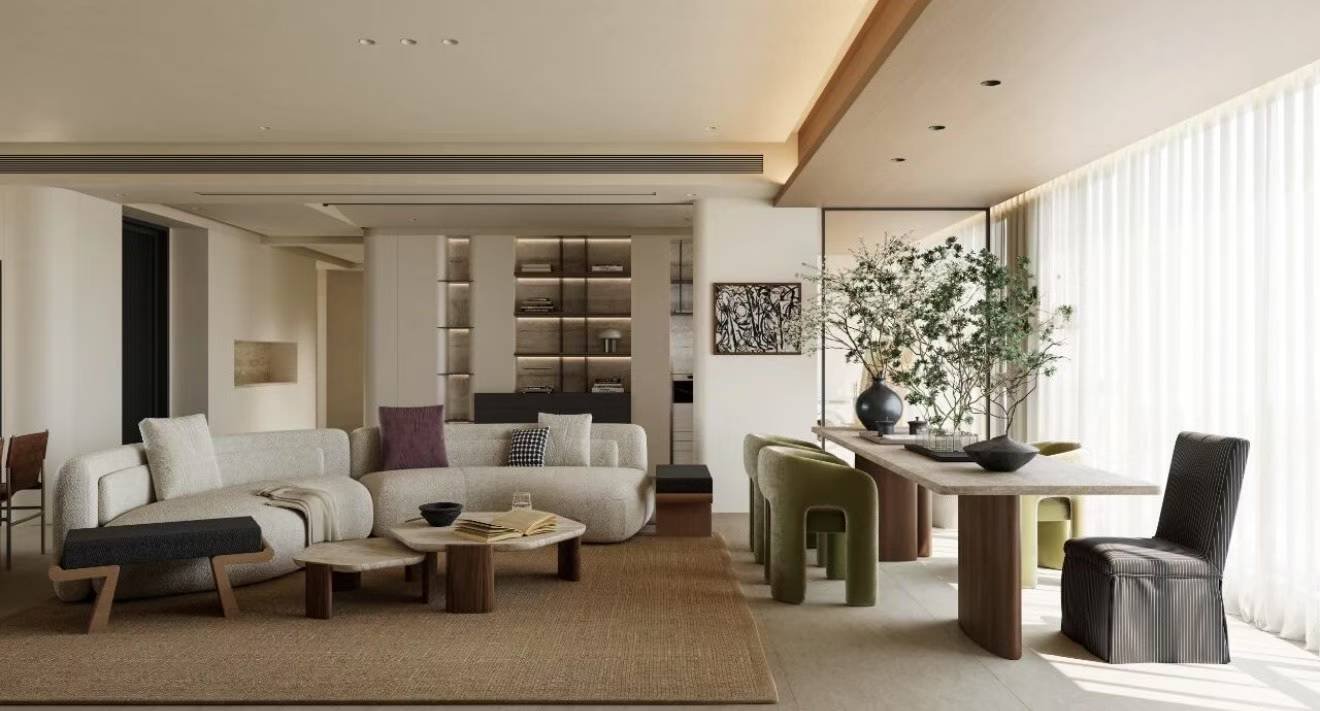
Vietnam’s emerging role in furniture exporting
Strengths: design focus, craftsmanship, and mid-range options
Vietnam has become a serious furniture sourcing destination for retailers that want export-ready wood furniture, upholstered seating, and mid-range collections. Many buyers view Vietnam as a diversification base: not necessarily a complete replacement for China, but a strong second hub for wood dining, bedroom, occasional furniture, and private-label programs.
Vietnamese factories often work well for buyers with repeatable designs, stable forecasts, and clear material standards. The country’s furniture sector has developed around export requirements, especially for U.S. and European markets. For stores selling clean-lined oak, acacia, rubberwood, upholstered dining chairs, or simple contemporary bedroom collections, Vietnam can be commercially attractive.
The industry insight is that Vietnam is best when your SKU strategy is disciplined. If your store changes dimensions, fabric, and finish on every purchase order, sample revisions may become slower. If you can standardize 20–40 core SKUs and reorder consistently, Vietnam can become a reliable supply base.
Trade agreements and cost considerations
Vietnam’s appeal is partly connected to trade diversification and manufacturing relocation. However, buyers should avoid assuming that all Vietnam-made products automatically carry lower landed cost. Imported materials, capacity pressure, port congestion, and compliance documentation can affect final price.
For U.S.-bound buyers, tariff and trade enforcement can change by product type. The U.S. Department of Commerce has tracked trade cases involving wood products such as hardwood and decorative plywood from China, Indonesia, and Vietnam through trade remedy investigations. Retailers should confirm HS codes and consult a customs broker rather than relying on country assumptions.
In practice, Vietnam often works best when a retailer has enough volume to secure capacity, approve samples early, and maintain consistent production schedules.
Indonesia’s furniture manufacturing scene
Woodworking heritage, materials, and sustainable practices
Indonesia’s furniture identity is strongly connected to natural materials: teak, mahogany, rattan, cane, bamboo, and handwoven textures. This makes it especially relevant for stores selling outdoor furniture, coastal interiors, resort-style pieces, bohemian luxury, garden furniture, and handcrafted accent collections.
Teak is a major differentiator. For outdoor dining, loungers, benches, and resort furniture, Indonesian teak suppliers can offer a product story that feels more authentic than generic factory-made patio furniture. However, natural material sourcing requires discipline. Buyers should ask for legal wood documentation, moisture-control records, and finish instructions for the destination climate.
FSC certification is important for buyers making sustainability claims. The Forest Stewardship Council describes FSC certification as a system that connects businesses to responsible forest management standards. For retailers, that means sustainability messaging should be supported by certificate numbers and chain-of-custody evidence, not just product descriptions.
Production capacity, lead times, and regional advantages
Indonesia can deliver beautiful furniture, but buyers should plan lead times carefully. Handmade rattan, carved wood, and outdoor teak items require drying, finishing, weaving, sanding, and packing discipline. A production timeline of 60–90 days is not unusual for natural-material collections, especially if the order includes several finishes or custom dimensions.
Indonesia is strongest when the retailer values differentiation. A store competing on unique lifestyle collections may prefer Indonesian teak or rattan because the furniture carries a material and craft identity that is harder to copy in a generic catalog. The trade-off is that handmade variation must be defined: color range, weave tolerance, knot acceptance, moisture content, and packaging standards should be written into the purchase order.
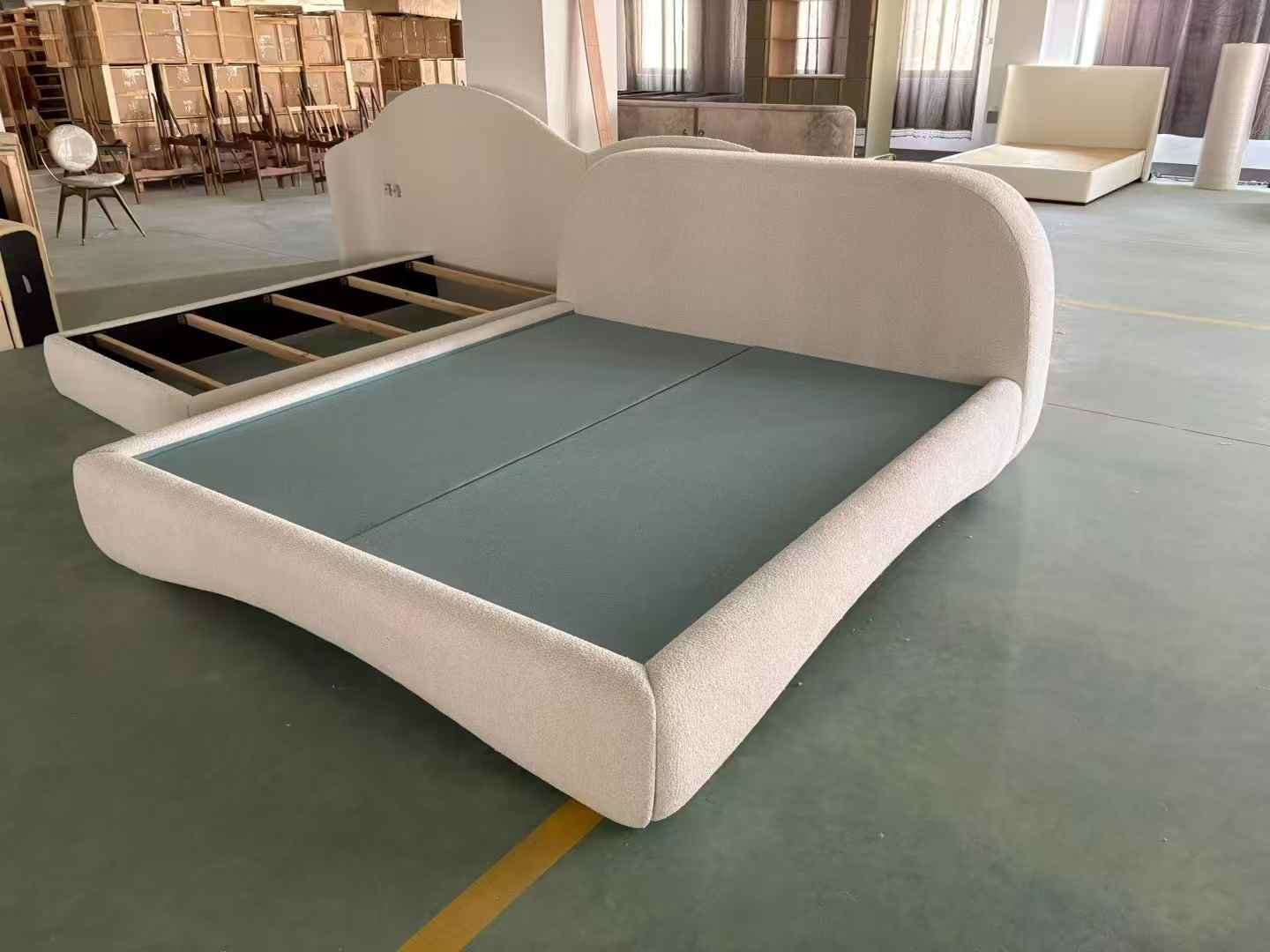
Supply chain reliability: transit times and ports
Rail, road, sea routes: implications for stock levels
Furniture is bulky, so ocean freight dominates international wholesale sourcing. Air freight is usually limited to samples, replacement parts, urgent fabric swatches, or small high-value items. Retailers should calculate reorder points based on full lead time, not just factory production time.
For example, if production takes 50 days, inspection and correction take 7 days, ocean transit takes 35 days, customs and inland trucking take 7 days, and warehouse receiving takes 3 days, the practical replenishment cycle is about 102 days. A retailer selling 20 dining tables per month would need reorder planning before inventory drops below roughly 70 units, not when only 20 units remain.
Freightos China-to-U.S. shipping guidance notes that regular ocean freight can take around 30–40 days door-to-door in normal conditions, while air and express are faster but much more expensive. For Indonesia-to-U.S. routes, Freightos Indonesia shipping estimates show sea freight timelines that can be longer, especially door-to-door.
Common shipping challenges and how to mitigate them
Common furniture shipping issues include container delays, moisture damage, carton crushing, missing hardware, poor loading plans, customs document errors, and inaccurate carton labels. These problems are not tied to one country; they appear whenever buyers treat logistics as an afterthought.
Mitigation steps include:
- Request export packaging photos before shipment.
- Use desiccants and moisture barriers for humid routes or natural materials.
- Label cartons by SKU, room, store location, or installation phase.
- Book freight early during peak season.
- Use a licensed customs broker for HS codes and import documentation.
- Buy cargo insurance for containerized furniture.
- Hold 1–2% spare parts for hardware, legs, glides, and handles.
0
25
50
75
100 days
China
Vietnam
Indonesia
45–65 days
60–75 days
75–90 days
Indicative production + inspection window; add freight, customs, and warehouse receiving time.
Product range and customization capabilities
Catalog breadth by country and supplier type
China has the broadest catalog ecosystem. It is the easiest country for retailers needing complete home collections: bedroom, living room, dining room, office, hospitality, lighting, and accessories. Buyers can explore custom furniture product categories to see how a China-based sourcing partner may coordinate multiple room types under one project plan.
Vietnam offers strong depth in wood and upholstery but may be less convenient for highly mixed-material luxury packages unless the supplier network is mature. Indonesia has narrower catalog breadth but stronger material identity in teak, rattan, and natural handmade furniture.
Customization options, finishes, and minimums
Customization should be separated into four levels:
- Light customization: fabric, color, carton mark, or minor hardware change.
- Moderate customization: dimension changes, finish matching, foam density, leg style, packaging update.
- Deep customization: new drawings, new molds, mixed materials, custom joinery, private-label development.
- Project customization: room-by-room schedules, installation labeling, mock-up samples, multi-phase shipment plans.
China usually supports all four levels when the supplier is project-capable. Vietnam is strong at levels one to three when volume is stable. Indonesia is strong at material and craft customization but needs careful tolerance management because natural and handmade finishes vary more.

Pricing, MOQs, and payment terms
Typical MOQ expectations by country
MOQs depend on supplier type more than country alone. A large factory with automated lines wants stable volume. A custom workshop may accept lower quantity but charge more per piece. Trading companies may allow mixed orders but add margin and reduce direct control.
General expectations:
- China: often flexible for mixed containers, custom small batches, and category testing, especially through project suppliers.
- Vietnam: better for medium-volume and repeat-volume programs; lower MOQ may require price premiums.
- Indonesia: MOQ varies by material and craft process; handmade items may allow smaller runs but need longer confirmation cycles.
Payment terms, risk, and currency considerations
Common payment terms include 30% deposit and 70% before shipment or against shipping documents. For new suppliers, retailers should avoid 100% upfront payment. Larger orders may use letters of credit, staged payments, or payment tied to inspection results.
Currency risk matters when selling in USD, EUR, GBP, AUD, or local retail currency while paying suppliers in USD or RMB-linked pricing. A 3–5% currency swing can erase the margin advantage of a “cheaper” supplier. Retailers should quote landed cost with a currency buffer and review supplier validity periods carefully.
Supplier
scorecard
Quality and consistency: 30%
Landed cost: 25%
Lead time and reliability: 18%
Customization ability: 15%
Compliance and after-sales: 12%
Quality control and certifications
Quality assurance processes and third-party inspections
Quality control should begin before production, not after container loading. The minimum process includes a specification sheet, approved sample, production schedule, material confirmation, in-line inspection, final random inspection, packaging review, and loading photos.
A supplier that refuses third-party inspection should be treated cautiously. For wholesale furniture, inspection should check dimensions, color, stitching, frame stability, moisture content, hardware function, packaging, carton marks, and quantity. For wood furniture, moisture control is critical; for upholstered furniture, fabric batch and foam density should be verified; for outdoor furniture, finish durability and hardware corrosion resistance need attention.
Chinese contract furniture supplier evaluation often focuses on the same discipline: production control, compliance evidence, packaging, and after-sales support rather than attractive showroom photos alone.
Certifications to look for: BSCI, FSC, ISO, etc.
Certifications help, but they must match the product, factory, and destination market. Useful certifications and documents include:
- ISO 9001: quality management system. The ISO 9001 standard is globally recognized for quality management processes.
- FSC: responsible wood sourcing and chain of custody.
- BSCI / social audit reports: labor and social compliance expectations for many retailers.
- CARB / TSCA Title VI: relevant for composite wood products entering the U.S.
- Fire-retardancy reports: required for certain upholstery, hospitality, or contract markets.
- EN / BIFMA testing: relevant for seating, tables, office furniture, and contract applications.
The mistake is asking, “Do you have certificates?” The better question is: “Which certificate applies to this exact product, material batch, factory location, and destination market?”
Trade policies, duties, and sourcing pitfalls
Tariffs, import taxes, and free trade agreements
Tariffs can change the sourcing equation quickly. China may carry additional duties in some markets and categories. Vietnam and Indonesia may offer advantages for specific products, but trade remedy cases and origin rules must be reviewed carefully. A product assembled in one country using key components from another may not qualify for the origin treatment a buyer expects.
Retailers should work with a licensed customs broker to confirm HS codes, duty rates, origin documents, and product-specific requirements. The landed-cost model should include product cost, inland freight, export fees, ocean freight, insurance, duty, customs broker fees, port charges, domestic trucking, warehousing, inspection, and expected defect allowance.
Common red flags and due diligence steps
Red flags include prices far below market range, refusal to provide factory video, unclear business license, no export references, vague material descriptions, missing certification numbers, no sample policy, and pressure for full upfront payment.
Due diligence steps:
- Verify business registration and export history where possible.
- Request a live video walkthrough of production areas.
- Ask for current client references in similar product categories.
- Order production samples, not showroom-only samples.
- Use a bilingual purchase order with specifications and defect definitions.
- Connect final payment to inspection approval.
- Keep all changes documented in writing.

How to choose the right supplier for your store
Evaluation checklist: capability, reliability, and cost
The best supplier is the one that fits your store’s business model. A high-end showroom needs finish control and customization. An online retailer needs packaging that survives parcel or LTL handling. A regional chain needs replenishment discipline and SKU consistency. A hospitality retailer needs contract-grade documentation and installation labeling.
| Evaluation Area | Questions to Ask | Evidence Required | Risk if Ignored |
|---|---|---|---|
| Product capability | Have they produced this category at your quality level before? | Factory photos, samples, client references, production videos | Good sample, poor mass production |
| MOQ and scale | Can they support trial orders and repeat orders? | MOQ table, reorder lead time, capacity statement | Stockouts or excess inventory |
| Customization | Can they modify dimensions, finishes, fabric, and packaging? | Drawings, finish samples, previous custom projects | Products fail to match store positioning |
| Quality control | Will they accept third-party inspection? | Inspection reports, AQL checklist, defect definitions | Warranty claims and customer returns |
| Compliance | Which certificates apply to this exact product? | Certificate numbers, lab reports, chain-of-custody records | Customs delays or retailer compliance failure |
| Logistics | How is furniture packed, labeled, and loaded? | Packaging photos, carton marks, loading plan | Transit damage and receiving confusion |
| After-sales | How are defects, parts, and claims handled? | Warranty terms, spare parts plan, response timeline | Slow resolution and customer dissatisfaction |
How to pilot order effectively and scale with confidence
A smart pilot order is not just a small order. It is a controlled test of the supplier’s commercial behavior. Start with 3–8 representative SKUs, including one easy item, one customized item, and one high-risk item such as upholstery, glass, marble, rattan, or a large casegood.
Track the supplier on quotation accuracy, sample quality, revision speed, communication, production schedule, inspection result, packaging, document accuracy, and after-sales response. If the pilot performs well, scale by category rather than jumping immediately to your full assortment.
Industry insight: Retailers that diversify sourcing successfully rarely split every SKU across three countries. They assign roles: China for complex mixed-category programs, Vietnam for repeatable wood and upholstery volume, and Indonesia for natural-material differentiation. This creates resilience without turning procurement into chaos.
Related video: sourcing suppliers at a major furniture fair
The video below gives a practical look at furniture supplier discovery at a major Chinese furniture fair. Use it as a reference for how buyers compare showroom presentation, factory capability, product range, and supplier communication before requesting quotes.
Conclusion
China, Vietnam, and Indonesia are not interchangeable sourcing hubs. China offers the broadest catalog, deep customization, mixed-material capability, and strong project coordination. Vietnam is attractive for repeatable wood and upholstered furniture programs with disciplined volume. Indonesia stands out for teak, rattan, outdoor furniture, handmade textures, and natural-material brand storytelling.
The right decision depends on your store positioning. A luxury retailer may use China for custom room sets, Indonesia for statement outdoor and rattan pieces, and Vietnam for reliable mid-range dining collections. A price-driven retailer may focus on fewer SKUs, higher container utilization, and stricter landed-cost analysis.
Action steps: create a supplier scorecard, request samples, run pilot orders, verify certifications, monitor performance, and scale only after the supplier proves consistency. If your store needs custom luxury furniture, mixed-category sourcing, or project-based coordination, Jade Ant furniture can be reviewed as one option for China-based custom furniture manufacturing and wholesale support.
Final thought: supplier selection should follow your customer promise. If your store sells fast-moving value furniture, prioritize replenishment and landed cost. If your store sells premium interiors, prioritize finish control, material story, and after-sales confidence. The best sourcing country is the one that supports the experience your customers expect after the furniture arrives in their homes.
Frequently Asked Questions
What are common lead times for each country and how can I mitigate delays?
China often runs 30–60 days for standard orders and 45–90 days for custom items. Vietnam commonly runs 45–75 days. Indonesia often needs 60–90 days for teak, rattan, outdoor, or handmade collections. Mitigate delays by approving samples early, booking freight in advance, confirming material availability, using milestone updates, and adding a 2–4 week buffer for peak season.
How should I assess supplier reliability and quality remotely?
Use a structured process: verify business registration, request live factory video, check export references, order production samples, require written specifications, use third-party inspection, and connect final payment to inspection approval. Remote sourcing is workable when evidence replaces trust-based assumptions.
Are there recommended sourcing patterns for minimizing risk?
Yes. Many retailers use China for broad-category and custom programs, Vietnam for repeatable wood and upholstery lines, and Indonesia for teak, rattan, and natural-material statement pieces. This role-based diversification reduces dependency without making every SKU difficult to manage.
Which country is best for a small furniture store placing its first wholesale order?
China is often easiest for first orders because suppliers may support mixed containers and broad category selection. However, if your store focuses on outdoor teak or rattan, Indonesia may fit better. If your first program is a repeatable dining or bedroom collection, Vietnam can be considered if the MOQ works.
Which country usually offers the lowest furniture price?
There is no universal answer. China may offer lower cost through scale and supplier density. Vietnam can be competitive for wood and upholstery volume. Indonesia can be cost-effective for local teak and rattan categories. Always compare landed cost, not FOB price alone.
What certifications should wholesale furniture suppliers provide?
Common documents include ISO 9001, FSC chain-of-custody, BSCI or social audit reports, CARB/TSCA Title VI for composite wood entering the U.S., fire-retardancy reports for upholstery, and relevant EN or BIFMA testing for seating and contract furniture. The certificate must apply to the exact product and factory.
How do I compare MOQs between suppliers fairly?
Ask for MOQ by SKU, by finish, by fabric, by container, and by reorder. A supplier may offer 20 pieces per item only if several SKUs share the same material or container. Compare trial MOQ, reorder MOQ, and price premium for smaller batches.
Should I use a trading company or buy directly from factories?
Direct factories can offer better technical control and pricing transparency, but they may require higher MOQ and more management. Trading companies can consolidate products from multiple factories but add margin and reduce visibility. For first-time buyers, a reliable sourcing partner or project manufacturer can reduce coordination risk.
How many suppliers should a furniture store use?
Start with one to three core suppliers and expand only after performance is proven. Too many suppliers create inconsistent finishes, scattered shipments, and inspection complexity. A strong model is one primary supplier, one backup for key SKUs, and one specialty supplier for differentiated products.