A strategic guide for FF&E buyers, hotel developers, interior designers, luxury furniture importers, and private-label brand owners navigating the shift toward sustainable hospitality design.
1. The Strategic Shift Toward Sustainable FF&E in Luxury Hospitality
Fifteen years ago, “sustainable hospitality” meant a card asking guests to reuse their towels. Today, it means a 5-star resort in the Maldives specifying FSC-certified reclaimed teak for its overwater bungalow furniture — and publishing the supply chain audit to prove it.
The shift is real, measurable, and accelerating. The global eco-friendly furniture market was valued at $53.7 billion in 2025 and is projected to reach $113.9 billion by 2033, growing at a compound annual growth rate (CAGR) of 10.0%. That is not a niche trend. That is a structural market transformation.
For the stakeholders reading this — FF&E buyers, hotel operators, interior designers, importers, and developers — this shift creates both pressure and opportunity. Pressure, because guests, investors, and regulators are all watching. Opportunity, because sustainable FF&E, when sourced strategically, delivers lower total cost of ownership (TCO), stronger brand equity, higher guest satisfaction scores, and a defensible position against tightening environmental regulations.
This guide does not ask you to sacrifice luxury for sustainability. It shows you how the best operators in the world are achieving both — and how you can, too.
What you will find in this guide:
- A clear definition of what truly sustainable FF&E looks like (and how to identify greenwashing)
- Data on guest demand, market size, and ROI for sustainable furniture investments
- A material-by-material performance comparison for high-traffic hospitality environments
- A certification checklist, supply chain transparency tools, and regulatory timeline
- Practical sourcing and private-label strategies for importers and distributors
2. Market Demand: Why Luxury Guests and Brands Are Prioritizing Sustainable Furniture
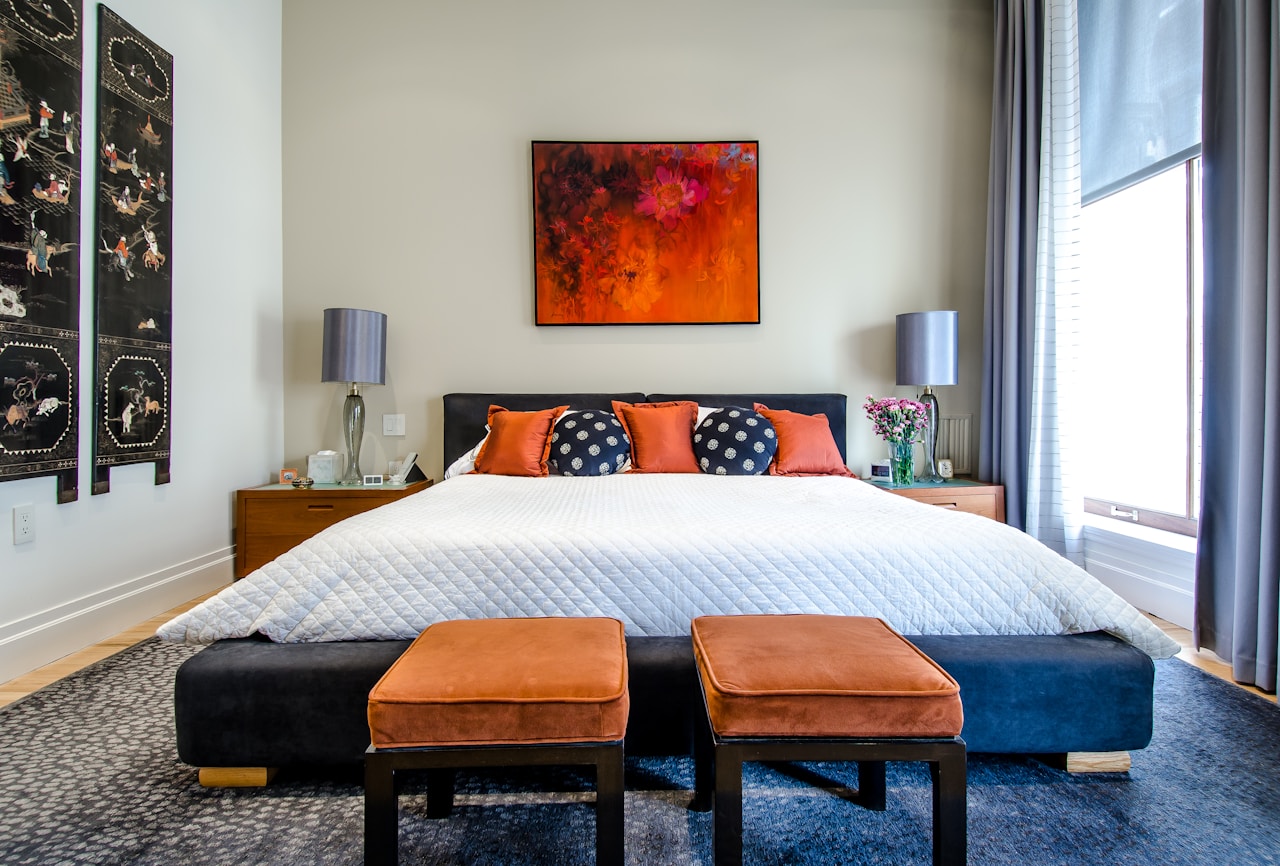
The demand signal from guests is now statistically undeniable. According to the World Economic Forum, 76% of global travelers want to embrace more sustainable travel plans. A separate analysis from EHL Insights found that 53% of global travelers are willing to pay a price premium for products that demonstrate environmental responsibility — a 13% increase year-over-year.
This matters for FF&E procurement because furniture is one of the most visible expressions of a hotel’s sustainability commitment. A guest cannot see your HVAC efficiency rating, but they can run their hand across a dining chair and feel whether it is made from reclaimed wood or petroleum-based plastic laminate.
How leading hotel brands are responding:
Six Senses Hotels Resorts Spas requires each property to maintain its own sustainable procurement program, including an annual review of all material sourcing — furniture included. 1 Hotels has embedded biophilic design (the use of natural materials that connect spaces to nature) and FSC-certified wood as non-negotiable specifications across all its properties. Banyan Tree Group ties FF&E sourcing to local artisanal supply chains, reducing transport emissions and supporting community economies.
The financial and reputational risk of inaction:
Hotels that ignore this shift face two compounding risks. First, the reputational risk: guests who discover that a hotel’s “eco-friendly” claims are superficial are vocal on review platforms, and greenwashing in hospitality carries documented reputational damage. Second, the regulatory risk: upcoming EU and US legislation (covered in Section 9) will soon make sustainable material disclosure mandatory for large procurement contracts, not optional.
For importers and distributors supplying these hotel groups, the message is clear: if your product portfolio does not include certified, traceable, sustainably sourced lines, you are already losing RFQ (Request for Quote) opportunities.
3. Defining Sustainable Hospitality Furniture: Beyond “Greenwashing”
Greenwashing (noun): The practice of making misleading or unverified environmental claims about a product to attract eco-conscious buyers, without substantive change in manufacturing practices.
In the furniture industry, greenwashing is endemic. A chair marketed as “eco-friendly” because it contains 5% recycled content in its packaging is not the same as a chair built from FSC-certified solid timber, finished with low-VOC lacquer, and engineered for a 15-year commercial lifespan. Your clients — hotel developers, FF&E buyers, and interior designers — are increasingly sophisticated enough to know the difference. Your job is to give them the language and evidence to prove it.
The three pillars of genuinely sustainable hospitality furniture:
The first pillar is durability. A piece of furniture that lasts 15 years in a hotel environment has a fundamentally lower environmental footprint than a cheaper alternative replaced every 4 years, even if both are made from identical materials. Manufacturing, shipping, and disposal all carry carbon costs. Longevity is, itself, a sustainability strategy.
The second pillar is ethical sourcing. This means knowing where the timber was harvested, who wove the fabric, what chemicals finished the frame, and whether the factory workers were paid a living wage. It requires documentation — not marketing copy.
The third pillar is low environmental impact. This encompasses the full lifecycle of a piece: raw material extraction, manufacturing energy consumption, transport emissions, product lifespan, and end-of-life recyclability or biodegradability.
Lifecycle Assessment (LCA) as your verification tool:
An LCA (Lifecycle Assessment) is a standardized method for quantifying the total environmental impact of a product from raw material extraction to disposal — sometimes called “cradle-to-grave” analysis. A 2025 peer-reviewed study in PMC analyzing 25 furniture pieces confirmed that manufacturing phase and material choice account for 60–80% of a piece’s total carbon footprint, meaning buying decisions made at the specification stage have the highest leverage.
Certifications that actually mean something:
| Certification | What It Verifies | Issuing Body |
|---|---|---|
| FSC (Forest Stewardship Council) | Timber sourced from responsibly managed forests | FSC International |
| GREENGUARD Gold | Low chemical emissions; safe for sensitive environments (hospitals, schools, hotels) | UL Solutions |
| Cradle to Cradle (C2C) | Full lifecycle circularity: material health, reutilization, renewable energy, water, social fairness | Cradle to Cradle Products Innovation Institute |
| B Corp | Company-wide ethical, social, and environmental performance | B Lab |
| OEKO-TEX STANDARD 100 | Textiles free from harmful substances | OEKO-TEX Association |
| BIFMA e3 | Commercial furniture sustainability (materials, energy, human/ecosystem health) | BIFMA International |
| ISO 14001 | Environmental management system certification for manufacturing facilities | ISO |
| EPD (Environmental Product Declaration) | Transparent, third-party verified lifecycle impact data | Various accredited verifiers |
When reviewing supplier documentation, ask for the actual certificate numbers — not just logos on a brochure. Any reputable manufacturer can provide verification codes that you can cross-reference on the certifying body’s public database.
4. Material Innovations Reshaping Luxury FF&E
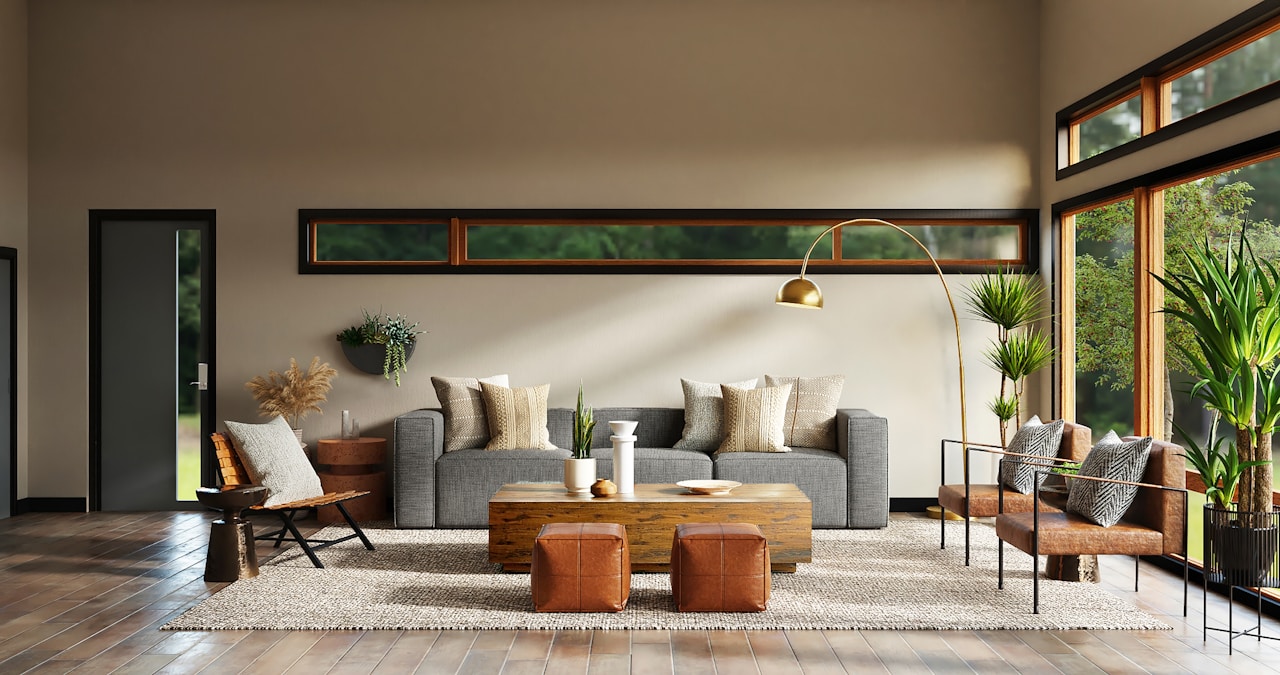
The sustainable material landscape has matured significantly in the past three years. What was once confined to boutique eco-lodges is now reaching mainstream luxury hospitality procurement. Here is what is performing at scale.
Bamboo Composites
Bamboo is one of the most misunderstood materials in hospitality furniture. It is not fragile or rustic — engineered bamboo composites achieve a tensile strength of up to 28,000 psi, surpassing oak and maple. It grows to harvestable maturity in 3–5 years (versus 25–80 years for hardwood) and regenerates from its root system without replanting. In high-traffic hotel casegoods — nightstands, dressers, headboard panels — engineered bamboo offers dimensional stability comparable to solid hardwood, with a 60–70% lower carbon footprint at the material production stage.
Case Study — Bambu Indah, Ubud, Bali:
Bambu Indah is a boutique hotel in Ubud that has built its entire design identity around bamboo and antique Javanese teak. Rather than positioning bamboo as a cost-saving compromise, the property uses it as a luxury narrative — one that guests actively seek out and share on social media. The property has reported consistently strong review scores, with guests specifically citing the authenticity of materials as a differentiator. This is the model: sustainability as brand storytelling, not brand sacrifice.
Recycled Ocean HDPE Plastic
For outdoor poolside and terrace furniture, recycled HDPE (High-Density Polyethylene) sourced from ocean plastic recovery programs is now a commercially viable luxury specification. HDPE furniture is impermeable to water, UV-stable without chemical treatment, does not rot or splinter, and requires zero maintenance beyond occasional washing. Unlike natural teak, it does not need annual oiling. In coastal resort environments — where salt air accelerates timber degradation — recycled HDPE offers a 25+ year service lifespan with a negligible maintenance budget.
Bio-Based Foams
Traditional polyurethane foam (the filling inside most upholstered hotel seating) is petroleum-derived. Soy-based and plant-derived bio-foams partially replace petroleum polyols with renewable feedstocks, reducing fossil fuel dependency at the manufacturing stage. These foams can meet CAL TB 117-2013 and CAL TB 133 fire compliance standards — the relevant fire safety thresholds for commercial hospitality upholstery in the United States.
Mycelium Leather
Mycelium leather — grown from fungal root networks in controlled agricultural conditions — is the most commercially exciting material innovation in sustainable upholstery. Luxury brand Ligne Roset partnered with MycoWorks to launch the first mycelium leather furniture collection at the luxury market level. Current material performance is promising in low-to-medium abrasion applications (headboards, decorative accent chairs), though it is not yet recommended for high-traffic commercial seating without additional processing.
Performance Comparison: Sustainable vs. Traditional Materials in High-Traffic Hotel Environments
| Material | Tensile Strength | Commercial Lifespan | Maintenance Burden | Carbon Footprint vs. Virgin Equivalent | Price Premium |
|---|---|---|---|---|---|
| FSC Solid Hardwood (Oak/Walnut) | High | 15–25 years | Low–Medium | Baseline (certified) | 10–20% |
| Engineered Bamboo Composite | Very High | 12–18 years | Low | −60 to −70% | 0–10% |
| Recycled Ocean HDPE (Outdoor) | High | 20–30 years | Very Low | −80% vs. virgin plastic | 15–25% |
| Reclaimed/Salvaged Timber | High (varies) | 20+ years | Low | −90%+ | 20–40% |
| Mycelium Leather (Upholstery) | Medium | 5–10 years (developing) | Low | −70% vs. animal leather | 30–60% |
| Conventional Virgin Hardwood | High | 15–20 years | Low–Medium | Baseline | — |
| Standard Polyurethane Foam | Medium | 8–12 years | N/A | Baseline | — |
5. The Role of Custom Manufacturing in Achieving Sustainability Goals
Off-the-shelf furniture purchased from mass-market catalogs creates two sustainability problems that are rarely discussed in procurement meetings.
The first is overproduction waste. Catalog furniture is manufactured in standardized batches sized to retailer forecasts — not actual demand. This means factories produce inventory that may never sell, consuming materials, energy, and labor for pieces that end up in landfills. The made-to-order model eliminates this waste stream entirely, because every piece manufactured has an existing, confirmed specification.
The second problem is brand misalignment. When a 5-star resort in Thailand or a design-led boutique hotel in Lisbon specifies furniture from a catalog available to any buyer worldwide, it loses the opportunity to express its unique brand identity through its physical environment. Generic furniture communicates generic hospitality.
Custom manufacturing solves both problems simultaneously.
When Jade Ant furniture works with hotel developers and FF&E buyers on made-to-order programs, the process begins not with a catalog but with a brief — the property’s design narrative, guest profile, material preferences, and sustainability targets. Every piece is then engineered to those parameters: dimensions, joinery method, foam density, fabric specification, finish type, and packaging instructions. Nothing is produced speculatively.
Modular design for longevity and adaptability:
One of the most powerful sustainability strategies in custom hospitality furniture is modularity — designing pieces so that individual components can be replaced, reconfigured, or upgraded without replacing the entire item. A modular lounge chair, for example, can have its upholstered seat cushion replaced after 5 years of use while the solid hardwood frame continues for another decade. This dramatically extends the functional lifespan of the asset and reduces replacement spend.
In practical terms, a 200-room luxury resort specifying modular seating for its lobby and F&B spaces over a 15-year window can expect to replace cushion components 2–3 times while the structural frames remain in service throughout — a strategy that can reduce FF&E replacement costs by 35–45% compared to non-modular alternatives.
Localized manufacturing and its carbon implications:
Sourcing furniture from manufacturers closer to the project site reduces shipping distances and associated carbon emissions. However, “local is always better” is an oversimplification. A highly efficient manufacturer operating a solar-powered facility in Vietnam may have a lower total carbon footprint than a smaller local workshop using coal-fired energy. The correct metric is verified emissions data — not geography alone.
6. Ethical Sourcing and Supply Chain Transparency

Most furniture procurement failures are supply chain failures. A piece specified as FSC-certified arrives without documentation. A frame marketed as solid timber contains MDF core components. A fabric described as “organic” fails Oeko-Tex testing. These are not hypothetical scenarios — they are documented realities that experienced FF&E buyers encounter regularly.
Mapping raw material origins:
The first step in ethical sourcing is supply chain mapping — understanding where every major material component originates. For timber: which forest, which country, which certification body, which chain-of-custody certificate number. For fabric: which mill, which fiber origin, which dye house, which chemical finishing agents. For foam: which petrochemical or bio-based feedstock, which density, which fire-treatment method.
Manufacturers who cannot answer these questions in detail at the RFQ stage are not equipped to supply sustainable-specified projects.
Digital traceability tools:
The most advanced sustainable furniture manufacturers are now deploying digital traceability systems that allow buyers — and ultimately guests — to verify material origins through QR codes embedded in or attached to finished pieces. Blockchain-based traceability platforms create an immutable ledger of every transaction in the supply chain, from raw material harvester to factory to shipping container to hotel room. This is not a distant technology — it is in active commercial use in timber and textile supply chains today.
For hotel operators and developers, QR-coded furniture provenance creates a guest-facing storytelling opportunity: a dining chair whose QR code shows the FSC-certified forest it came from, the factory that built it, and the carbon offset associated with its transport. This is brand differentiation that no standard catalog product can replicate.
Auditing sub-suppliers:
A critical and often overlooked aspect of supply chain transparency is sub-supplier auditing. A furniture manufacturer may hold FSC certification for its primary timber purchases but source fabric, hardware, and foam from unaudited third-party suppliers. When specifying sustainable FF&E, require manufacturers to provide audit documentation for all major component suppliers — not just their own facility.
Manufacturers aligned with the Jade Ant furniture sourcing model undergo structured supplier vetting processes that include raw material certifications, factory inspection reports, and annual compliance reviews. This documentation should be standard deliverable — not a special request.
7. Durability = Sustainability: Designing for Longevity in High-Traffic Environments
Here is a fact that most sustainability conversations in furniture skip: the greenest piece of furniture is the one you never have to replace.
Every replacement cycle means new raw material extraction, new manufacturing energy consumption, new shipping emissions, and old material going to landfill. Engineering hotel furniture for maximum lifespan is therefore the single highest-impact sustainability decision a procurement team can make.
What 10-year commercial longevity actually requires:
For upholstered seating, fabric must achieve a minimum of 100,000 Martindale cycles (the industry-standard rub test for abrasion resistance) for high-traffic hotel applications. Standard residential-grade fabric typically tests at 15,000–30,000 cycles — it will fail visibly within 18–24 months in a hotel lobby.
Frame joinery matters as much as material. Mortise-and-tenon and dowel joints with wood glue create a connection stronger than the surrounding wood fiber. Stapled or butt-jointed frames — common in lower-cost manufacturing — begin to loosen after 2–3 years of commercial use. Specifying the joinery method in your technical FF&E brief is not overcorrecting — it is basic due diligence.
Foam density is the hidden variable that determines how long a seat cushion maintains its shape. For commercial hospitality seating, specify a minimum density of 32 kg/m³ (kilograms per cubic meter) for seat cushions and 24 kg/m³ for back cushions. Most catalog furniture does not publish foam density specifications because commercial-grade foam costs significantly more than residential foam.
ROI Analysis: Higher Upfront Cost vs. Lower Total Cost of Ownership
This table models a 100-room hotel specifying guestroom lounge chairs at three quality tiers, over a 15-year cycle.
| Specification Tier | Unit Cost | Expected Lifespan (Commercial) | Units per 15 Years | Total Per-Unit Cost (15 yr) | 100 Rooms — Total Cost (15 yr) |
|---|---|---|---|---|---|
| Mass-Market (Standard) | $450 | 3–4 years | 4–5 units | $1,800–$2,250 | $180,000–$225,000 |
| Mid-Range Contract Grade | $950 | 6–8 years | 2 units | $1,900 | $190,000 |
| High-End Sustainable Grade | $1,600 | 12–15 years | 1 unit | $1,600 | $160,000 |
The high-end sustainable specification is the lowest total cost option — before even accounting for the labor and operational disruption cost of replacement cycles, which typically runs $80–$120 per item in a hotel setting (removal, disposal, delivery coordination, installation).
At that fully-loaded calculation, the mass-market option costs approximately $207,000–$261,000 over 15 years per 100 rooms, versus $160,000 for the sustainable specification — a saving of $47,000–$101,000 for a single furniture category in a single hotel.
The TCO (Total Cost of Ownership) model — which accounts for purchase price, maintenance, replacement frequency, and operational disruption — is the only economically valid framework for hotel FF&E purchasing decisions.
8. Collaborative Design: Aligning Architects, Designers & Operators on Sustainable FF&E
{% include youtube.html id=”NN1gRTuHong” %}

▶ Watch: “The Hidden Embodied Carbon Impact of Furniture in the Hospitality Industry” — a research presentation by Sana Mahmood, Columbia College Chicago. Essential viewing for hospitality designers and developers specifying sustainable FF&E.
One of the most costly mistakes in hotel development is treating FF&E as a late-stage purchasing decision. When an architect completes schematic design before FF&E suppliers are engaged, critical spatial decisions — ceiling heights, power outlet placement, column positions, floor finish transitions — are made without input from the people who know what the furniture actually needs.
The result: custom pieces that do not fit the space, retrofit costs that erode FF&E budgets, and sustainability targets abandoned because the timeline for certified sourcing was not factored into the project schedule.
The Integrated Project Delivery (IPD) model:
IPD is a project delivery approach in which all key stakeholders — architect, interior designer, contractor, FF&E supplier, and owner — are engaged simultaneously from the earliest design phase. The American Institute of Architects defines IPD as a method that optimizes project results and reduces waste by aligning all parties around shared outcomes from day one.
For sustainable FF&E specifically, this means that material specifications, certification requirements, lead times, and supply chain documentation can be embedded into the design brief from schematic design — not scrambled together six weeks before the property opening.
Real-world impact: a mixed-use resort case:
A mixed-use resort development project that engaged its FF&E supplier at the schematic design phase — rather than the standard practice of beginning furniture procurement during construction documentation — identified three key decisions early enough to change them: room dimensions were adjusted by 15 cm to accommodate a superior modular seating configuration, timber species were shifted from slow-growth mahogany to FSC-certified ash (available with 8-week shorter lead times), and a modular furniture program was specified that will extend the expected asset replacement cycle from 8 years to 14 years. The combined lifecycle cost saving across the project was estimated at $280,000.
That $280,000 did not come from buying cheaper furniture. It came from buying smarter furniture, earlier in the process.
Practical steps for design teams:
When specifying sustainable FF&E in a collaborative project, provide suppliers with BIM-compatible files (Revit or ArchiCAD format) and AutoCAD DWG/DXF plans at the earliest possible stage. Include in your brief: the sustainability certification targets (FSC, GREENGUARD, LEED credit categories), the desired material palette, the traffic category for each furniture zone (light, medium, heavy commercial), the fire compliance jurisdiction, and the project timeline including opening date and procurement start date.
9. Regulatory and Certification Landscapes: Preparing for the Future

Sustainable FF&E is no longer a voluntary luxury. A wave of regulatory requirements is arriving between 2025 and 2030 that will make environmental material disclosure mandatory for large-scale procurement contracts in key markets. Understanding the regulatory landscape now is the difference between compliance readiness and costly retrofitting.
EU Ecodesign for Sustainable Products Regulation (ESPR):
The European Union’s Ecodesign Directive is being expanded under the ESPR to cover furniture for the first time. This means that furniture sold in EU markets will be required to meet minimum durability standards, disclose repairability indices, and provide lifecycle environmental data. For importers and distributors supplying European hotel groups, this regulation creates a direct procurement compliance requirement — pieces without EPDs (Environmental Product Declarations) may be unsellable in EU markets by the end of the decade.
California’s Buy Clean California Act (BCCA):
While the BCCA currently targets structural steel and other construction materials, the framework and political momentum it represents signal that embodied carbon disclosure requirements for interior furnishings in public and commercial buildings in California are a logical next step. Hotel developers building in California should begin requiring EPD documentation from FF&E suppliers now, in anticipation of future specification requirements.
LEED v5 and Sustainable FF&E:
The newest version of the LEED green building rating system — LEED v5 — places significantly stronger emphasis on how furniture and interior materials are documented and certified. Specifically, LEED v5 rewards the use of products with verified EPDs, low-emitting material certifications (GREENGUARD Gold), FSC-certified wood products, and materials sourced from manufacturers with disclosed environmental health and social equity practices. Hotel developments targeting LEED Gold or Platinum certification under v5 will need FF&E suppliers capable of producing full EPD and material health documentation.
WELL and BREEAM contributions from sustainable furniture:
WELL Building Standard certification — focused on human health outcomes — awards credits for furniture with GREENGUARD Gold certification (documenting low VOC chemical emissions into occupied spaces). BREEAM, the UK-equivalent green building standard, awards up to 5 points for furniture reused in situ and additional credits for certified material sourcing.
Carbon labeling by 2030:
Environmental Product Declarations are becoming the standard mechanism for carbon disclosure in furniture procurement. The USGBC-CA has noted that EPDs are increasingly required by LEED specifications, and the convergence of green building standards, investor ESG reporting, and regulatory directives will likely make carbon labeling mandatory for furniture sold in institutional and commercial settings before 2030. Suppliers who can provide verified EPDs today have a significant competitive advantage in securing hotel and commercial contracts.
10. Strategic Partnerships: How to Source and Specify the Right Sustainable FF&E
The final question — and the most practical one for importers, distributors, and FF&E buyers — is: how do you actually find the right supplier?
This is not a question of searching for a manufacturer with “sustainable” in their marketing materials. It is a structured due-diligence process.
Vetting criteria for eco-conscious manufacturers:
A manufacturer genuinely capable of delivering sustainable hospitality FF&E should be able to provide, upon request and without delay, all of the following: FSC chain-of-custody certificate with a verifiable certificate number; GREENGUARD Gold certification documentation for finished pieces or a commitment to testing; factory ISO 14001 environmental management certification; material test reports including Martindale abrasion results, foam density specifications, and fire compliance documentation (CAL TB 117-2013 for residential-use rooms; CAL TB 133 for public spaces); and a completed or in-progress EPD for their core product lines.
Any supplier who responds to these requests with generic sustainability language rather than actual documents should be disqualified from your sustainable FF&E shortlist.
The guide to building a private-label sustainable collection:
For distributors and importers, the most commercially powerful position in the sustainable furniture market is owning a proprietary, certifiably sustainable collection — not reselling another brand’s product. A private-label sustainable FF&E line allows you to set your own specifications, control your margin structure, and offer hotel clients something genuinely exclusive: furniture designed for their market, certified to their standards, and unavailable through any other channel.
The process for building such a collection involves: defining a core material palette aligned to your target market’s regulatory requirements (EU vs. US vs. Asia-Pacific); partnering with a manufacturer capable of providing full certification documentation; specifying modular designs that allow component replacement without full-piece replacement; and creating a brand narrative around the collection that connects sustainability credentials to design excellence.
Jade Ant furniture’s custom manufacturing program is structured to support exactly this model — enabling importers and hotel FF&E buyers to develop proprietary sustainable collections with full certification documentation, bespoke design specifications, and competitive lead times. Their sourcing guides for distributors and designers provide a practical framework for building a sustainable product portfolio from the ground up.
Future-proofing your portfolio:
The distributors and importers who will win the next decade of hospitality FF&E business are not those with the largest catalogs — they are those with the most credibly documented, flexibly specified, and durably designed sustainable collections. As hotel groups face investor ESG scrutiny, guest review pressure, and regulatory compliance requirements simultaneously, they need suppliers who can provide not just furniture but documentation, traceability, and partnership.
For external reference on sustainable sourcing best practices, the Sustainable Furnishings Council maintains an industry database of manufacturers, certifications, and sourcing standards used by leading hospitality procurement teams worldwide.
Key Data Summary: Sustainable Hospitality FF&E at a Glance
| Metric | Data Point | Source |
|---|---|---|
| Global eco-friendly furniture market (2025) | $53.7 billion | Grand View Research |
| Projected market size (2033) | $113.9 billion | Grand View Research |
| Market CAGR | 10.0% | Grand View Research |
| Luxury hotel furniture market (2025) | $5.54 billion | Market Research Report |
| Travelers demanding sustainable stays | 76% | World Economic Forum |
| Travelers willing to pay premium for sustainability | 53% | EHL Insights |
| TCO reduction with high-end sustainable FF&E (vs. mass-market, 15 yr) | 29–40% lower | Atlanta BG TCO Analysis |
| Bamboo tensile strength vs. oak/maple | Exceeds (up to 28,000 psi) | Stikwood Research |
| Recycled HDPE outdoor furniture service life | 20–30 years | Multiple industry sources |
| LEED v5 sustainable FF&E credit contribution | Materials + Health credits | USGBC / SCS Global |
| EPD carbon label expected mandate (EU/US) | By 2030 | USGBC-CA / EU ESPR |
| IPD early FF&E engagement lifecycle saving (case study) | $280,000 | Project case study |
Frequently Asked Questions (FAQs) — For Industry Professionals
What defines truly sustainable hospitality furniture?
Truly sustainable hospitality furniture meets three criteria simultaneously: it is sourced from verified, ethically managed raw material origins (supported by FSC, Oeko-Tex, or equivalent certifications); it is manufactured with low environmental impact (low VOC finishes, verified by GREENGUARD Gold; responsible energy use, verified by ISO 14001); and it is engineered for maximum commercial lifespan, typically 10–15 years in hotel environments. A product is only sustainable if all three pillars are documented — not just one.
How do sustainable materials perform in high-traffic hotel environments?
Engineered bamboo composites and FSC-certified solid hardwoods perform comparably to conventional materials in high-traffic casegoods applications, with lifespans of 12–20 years. For upholstery, sustainable fabrics meeting 100,000 Martindale cycles — including solution-dyed acrylics and certified natural wool blends — perform equivalent to or better than conventional petroleum-based synthetics. Recycled HDPE outperforms natural timber in outdoor coastal environments.
Are eco-friendly furniture options more expensive? What’s the ROI?
Initial purchase cost is typically 15–30% higher for certified sustainable furniture compared to standard commercial grade. However, the total cost of ownership over a 15-year cycle is consistently lower — by 29–40% in documented TCO models — because sustainable pieces require fewer replacement cycles, carry lower maintenance burdens, and produce less operational disruption. For a 100-room hotel, this can represent $47,000–$101,000 in savings per furniture category over 15 years.
Which certifications should I look for when sourcing sustainable FF&E?
The core certification stack for hotel FF&E procurement is: FSC (timber), GREENGUARD Gold (low chemical emissions for occupied spaces), Oeko-Tex STANDARD 100 (textiles), ISO 14001 (manufacturer environmental management), and BIFMA e3 (commercial furniture sustainability). For projects targeting LEED v5 or WELL certification, EPDs (Environmental Product Declarations) for core pieces are also required.
Can custom furniture be both luxurious and sustainable?
Yes — and this is the central argument of this guide. Made-to-order furniture by definition eliminates overproduction waste. Custom pieces can be specified with FSC-certified materials, low-VOC finishes, and modular configurations from inception. Some of the most design-forward sustainable hospitality interiors in the world — Six Senses, Bambu Indah, 1 Hotels — are entirely or predominantly custom-specified.
How does sustainable furniture contribute to LEED or WELL certification?
For LEED v5, sustainable furniture contributes to Materials & Resources credits (FSC-certified wood, EPD documentation, low-emitting materials), Indoor Environmental Quality credits (GREENGUARD Gold certification for VOC limits), and Social Equity credits (manufacturer transparency and labor practice disclosure). For WELL Building Standard, GREENGUARD Gold certification directly supports indoor air quality performance credits.
What are the most durable sustainable materials for seating and casegoods?
For casegoods (nightstands, dressers, wardrobes): FSC-certified solid hardwood and engineered bamboo composites deliver the highest durability-to-environmental-impact ratio. For indoor upholstered seating: natural wool blends with 100,000+ Martindale ratings offer exceptional longevity. For outdoor and poolside: recycled HDPE and Grade-A teak (FSC-certified) are the benchmark specifications.
How can I verify ethical labor practices in furniture manufacturing?
Request factory audit reports from recognized third-party labor auditing bodies — SMETA (Sedex Members Ethical Trade Audit), SA8000, or equivalent. Ask for annual audit dates and any corrective action plans from previous audits. Manufacturers genuinely committed to ethical labor practices will provide this documentation proactively. Those who resist or delay this request warrant scrutiny.
Is locally manufactured furniture always more sustainable?
Not necessarily. Geographic proximity reduces transport emissions but accounts for only 10–20% of a piece’s total lifecycle carbon footprint. Manufacturing energy source, material origin, production efficiency, and product lifespan have significantly greater impact. A solar-powered manufacturer in Vietnam with FSC timber and verified low-VOC finishes may have a lower total environmental footprint than a local manufacturer using coal-fired energy and unaudited timber. Use EPDs and LCA data, not geography alone, to assess sustainability.
How do I balance design aesthetics with sustainability requirements?
The most effective approach is to integrate sustainability as a design constraint from the brief stage — not as a filter applied after the design is complete. When a designer knows from day one that the material palette must include FSC-certified timber and GREENGUARD Gold-certified finishes, the creative process works within those parameters from the start. Some of the most aesthetically compelling luxury hotel interiors of the past five years have been delivered entirely within certified sustainable specifications. Constraint breeds creativity.
What role does circular design play in hospitality furniture?
Circular design — engineering products for repair, component replacement, reuse, and end-of-life material recovery — is the most advanced expression of sustainable FF&E strategy. Modular furniture systems that allow individual components to be replaced extend the functional lifespan of the asset significantly. At end-of-life, pieces designed for disassembly allow valuable materials — solid timber, metal hardware, high-grade foam — to be recovered and reused rather than landfilled. Hotel operators specifying circular furniture today are building an asset base aligned with both current ESG requirements and the regulatory direction of travel.
How can developers justify sustainable FF&E in budget-sensitive projects?
Present the TCO model — not the line-item purchase cost. A budget-sensitive developer who sees that sustainable FF&E costs $1,600 per unit versus $450 for mass-market alternatives may balk at the upfront difference. When the same developer sees the 15-year total cost analysis showing $160,000 versus $207,000–$261,000 for 100 rooms, the conversation changes. Add the avoided cost of operational disruption during replacement cycles, the reduced risk of regulatory non-compliance, and the potential LEED or WELL certification value, and sustainable FF&E consistently wins the financial argument.
Are there fire-code-compliant sustainable fabrics and foams?
Yes. Bio-based foams can be formulated to meet CAL TB 117-2013 (standard for all upholstered furniture in California) and CAL TB 133 (required for public-area commercial seating). Natural wool is inherently flame-resistant and meets BS 5852 UK standards without chemical treatment. Solution-dyed acrylic fabrics used in outdoor furniture are fire-code compliant and available with GREENGUARD Gold certification. Always request test certificates — not marketing claims — confirming the specific fire standard compliance of finished pieces.
How can interior designers specify sustainable furniture without limiting creativity?
Work with manufacturers who offer bespoke programs within certified material palettes. This means a designer can specify a custom silhouette, upholstery color, and finish that is entirely unique to their project — while the underlying material specification (FSC timber, low-VOC lacquer, certified foam, Oeko-Tex fabric) remains within the sustainability envelope. The creative constraint is minimal; the documentation value is substantial.
What are the biggest risks of greenwashing in FF&E procurement?
Three risks are material. First, reputational risk: hotel groups and their guests are increasingly capable of identifying false sustainability claims, and the reputational damage from a greenwashing accusation in the age of social media and sustainability journalism is severe. Second, regulatory risk: the EU’s Green Claims Directive, expected to be enforceable by 2026–2027, will make unsubstantiated sustainability claims for products sold in European markets a legal liability. Third, procurement risk: specifying a piece as LEED-compliant without verified documentation can jeopardize an entire project’s certification if audited.
How can villa owners maintain resale value with sustainable furniture?
High-quality sustainable furniture — FSC-certified solid wood pieces, certified stone surfaces, premium performance textiles — appreciates in provenance value rather than depreciating. In the luxury residential and villa market, documented sustainability credentials are increasingly a marketing asset: “This property was fitted out with FSC-certified furniture and GREENGUARD Gold-verified finishes” is a verifiable statement that resonates with high-net-worth buyers prioritizing healthy, responsible living environments. Villas with documented sustainable interiors are consistently fetching premiums in Mediterranean, Caribbean, and South Asian luxury markets.
What digital tools exist to track the carbon footprint of furniture?
EPD (Environmental Product Declaration) databases — including those maintained by the American Institute of Architects — allow designers and developers to compare verified carbon footprint data across products. Blockchain-based supply chain platforms like Circularise enable QR-coded material traceability that can be integrated into building information modeling (BIM) systems. Carbon accounting software platforms used in hotel ESG reporting can import EPD data to calculate FF&E-attributable Scope 3 emissions.
Can sustainable furniture be part of a private-label brand strategy?
Absolutely — and it represents one of the strongest commercial positioning opportunities available to furniture importers and distributors. A private-label sustainable collection allows you to offer hotel clients furniture certified to their exact specification, unavailable through any other channel, and branded to your company. The margin structure is superior to catalog reselling, and the client relationship is stickier because you own the IP. Partner with manufacturers who can deliver full certification documentation alongside production — this is the differentiator between a private-label product and a private-label brand.
How do I transition an existing portfolio to more sustainable FF&E?
Transition does not require replacing your entire range simultaneously. Begin by auditing your current portfolio against the core certification criteria above. Identify which lines can be reformulated (e.g., switching to FSC timber sourcing within an existing frame design) versus which require new product development. Prioritize the categories with the highest environmental impact — typically solid wood casegoods and upholstered seating — and build certification documentation for those first. Present your transition roadmap to hotel clients as evidence of strategic direction, not just a product update.
What are the emerging regulations affecting sustainable furniture in 2025–2030?
The five regulatory developments most relevant to hospitality FF&E procurement between now and 2030 are: EU Ecodesign for Sustainable Products Regulation (ESPR) extending to furniture; EU Green Claims Directive (enforceable by 2026–2027, requiring substantiated sustainability claims); LEED v5 EPD and material health documentation requirements; California’s expanding Buy Clean framework; and anticipated carbon labeling mandates for commercial furniture sold in EU and US institutional markets before 2030. Sourcing from manufacturers who are already preparing EPD documentation and ISO 14001 compliance positions you ahead of these requirements.
For further reading on sustainable hospitality design and FF&E procurement, explore Jade Ant furniture’s sustainable sourcing resources for distributors and designers, the Grand View Research eco-friendly furniture market report, and the USGBC LEED rating system overview for the latest certification guidance.