Luxury Furniture Maintenance: A Professional Care Ecosystem for Hotels, Villas, and High-End Interiors
For high-end furniture importers, villa owners, interior designers, private label brands, FF&E buyers, architecture firms, developers, and hotel operators

I. The Economics of Luxury Furniture Preservation
Maintenance and Long-Term Asset Value
Two identical walnut credenzas left the same factory on the same day. Five years later, one still looks close to new. The other has a sun-bleached top, a white ring where an ice bucket sat, and a cloudy finish from all-purpose spray.
The wood, joinery, and lacquer were the same. The only difference was how each one was looked after.
For hotel owners, that gap shows up on the capital expenditure (CapEx) plan. CapEx is the money set aside for big purchases such as renovations. For villa owners and developers, it shows up in resale value. For private label brands, it shows up in warranty claims and reviews.
Quick definition: Luxury furniture maintenance is a planned system of material-specific cleaning, protection, inspection, and documentation. Its goal is to keep high-end furniture looking right, working properly, and holding its value for its full service life.

Illustrative condition scores. 100 = as delivered. Actual results depend on material, use, and climate.
The Pain Points of High-Traffic Luxury Spaces
Luxury spaces see a lot of hard use:
- Hotels: Hundreds of guests a week, luggage hitting bed bases, room service trays on lacquered desks
- Villas: Long empty periods with the air conditioning off, then house parties, pets, and pool towels on sofas
- Corporate lounges: Laptops sliding across stone tables, coffee on bouclé, constant sitting in the same spots
Industry insight: Hotels typically plan to replace soft goods every 5–7 years and casegoods every 7–10 years. Many properties renovate earlier than planned, not because the furniture is broken, but because it looks tired. Good maintenance can stretch those cycles, which means delaying major spending.
The Objective: From “Cleaning” to “Curatorial Care”
Cleaning removes dirt. Curatorial care is the approach museums use. It protects the object itself: the finish, the fibers, the structure, and the history.
You don’t need museum budgets to work this way. You need the right products, trained people, and a schedule that actually gets followed.
Where Luxury Furniture Damage Really Comes From
Illustrative breakdown based on common after-sales and restoration patterns in the luxury furniture trade.
The biggest slice is wrong cleaning products. That’s good news, because it’s also the easiest one to fix.
Key Terms Glossary
| Term | Plain-English Meaning | Example |
|---|---|---|
| Veneer | A thin slice of real wood glued onto a stable core | 0.6 mm figured walnut on a plywood panel |
| High-gloss lacquer | A hard, shiny, mirror-like coating | Piano-finish black sideboard |
| Aniline leather | Leather dyed all the way through with no protective top coat | Soft, natural-looking club chair leather |
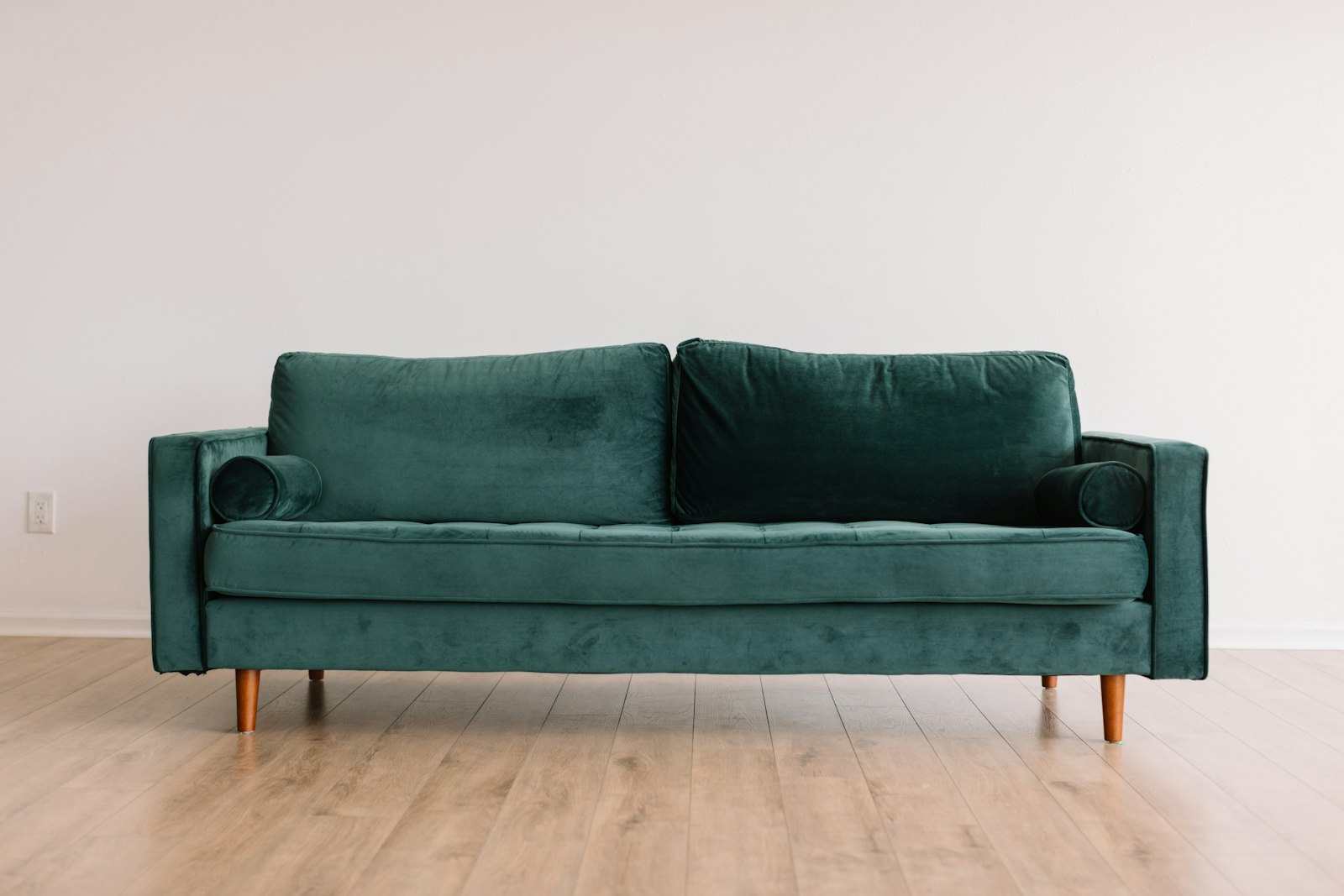
| Bouclé | A fabric woven from looped yarns, giving a nubby texture | Cream bouclé lounge chair |
| Pile | The raised fibers on fabrics like velvet | The soft surface you can brush in two directions |
| pH-neutral | Neither acidic nor alkaline (pH around 7), so gentle on finishes | Diluted mild soap, not vinegar or bleach |
| Etching | Dull marks on stone caused by acid eating the surface | A lemon slice leaving a matte spot on marble |
| PVD | Physical Vapor Deposition: a thin, very hard metal coating | Brushed gold-tone steel table base |
| Patina | The natural, attractive aging of a material | Leather darkening slightly where hands rest |
| SOP | Standard Operating Procedure: written step-by-step instructions | “How to clean a velvet headboard” card |
| Material Care Passport | A record for each piece listing its materials, care rules, and history | Digital file for Suite 402 lounge chair |
II. Material-Specific Care Protocols: Protecting High-Value Finishes
Different luxury materials require distinct chemical and mechanical approaches to prevent irreversible degradation.
“Chemical” means what you clean with. “Mechanical” means how you clean: wiping, brushing, or vacuuming. Get either one wrong and the damage can be permanent.
Rare Veneers and High-Gloss Lacquers
A wood veneer is a thin layer of real wood, sometimes less than 1 mm thick. If you sand through it while trying to fix a stain, there’s no fixing that.
Daily and weekly care:
- Dust with a dry, clean microfiber cloth, always in the direction of the grain.
- For marks, use a cloth lightly dampened with water and a drop of pH-neutral soap. Dry it straight away.
- Never spray product directly onto the surface. Spray the cloth.
What to avoid:
| Product | Why It Harms Veneer and Lacquer |
|---|---|
| Silicone polish | Builds a film that blocks future refinishing |
| Ammonia glass cleaner | Clouds and softens some finishes |
| Alcohol wipes and hand sanitizer | Can dissolve or haze lacquer |
| Abrasive pads | Scratch gloss and wear through veneer edges |
Lacquer finishes, especially high-gloss ones, show every swirl mark. Use only very soft, clean microfiber. A cloth with grit trapped in it acts like sandpaper.
Industry insight: Since hand sanitizer became standard in hotels, restorers have seen more cloudy patches on desks and nightstands, right where guests put down their hands or phones. If a property uses sanitizer stations, keep them away from lacquered surfaces, and add “wipe sanitizer residue at once” to housekeeping SOPs.
Aniline Leathers and Luxury Textiles (Bouclé, Velvet)
Aniline leather: Leather that’s aniline-dyed feels beautiful, but it has almost no surface protection. It absorbs oils, water, and sunlight.
- Dust weekly with a dry, soft cloth.
- Clean spills by blotting only. Never rub.
- Condition every 3–6 months with a product made for aniline leather.
- Never use baby wipes, alcohol, or household cleaners.
Bouclé: The looped surface of bouclé catches jewelry, belt buckles, and pet claws.
- Vacuum weekly with a soft brush attachment on low suction.
- Never pull a snagged loop. Push it back with a blunt needle, or have a professional trim it.
- Pale bouclé in lounges and lobbies needs a protective treatment from day one.
Velvet: Velvet pile can crush and show “bruising,” which looks like dark or light patches.
- Brush gently in the direction of the pile.
- Steam lightly from a distance to lift crushed pile, but only if the fabric maker allows it.
- Rotate cushions regularly so wear spreads evenly.
Natural Stone and Metallic Accents
Marble and other natural stone: Marble is calcium-based, so acids attack it. Wine, citrus, vinegar, and many bathroom cleaners can etch the surface (leave dull marks) within seconds.
| Problem | Cause | What to Do |
|---|---|---|
| Dull spot | Etching by acid | Professional honing and polishing |
| Dark spot | Oil or liquid stain | Poultice (a paste that draws the stain out) |
| Ring mark | Glass left on surface | Coasters + regular sealing |
| Hairline crack | Impact or uneven support | Specialist stone repair |
Seal stone tabletops every 6–12 months, depending on use. The Natural Stone Institute publishes care guidance for different stone types.
Metals:
- Solid brass (unlacquered): It will develop a patina. Polish it only if you want a bright look.
- Lacquered brass: Never use brass polish, because it strips the clear coat. Wipe with a damp microfiber cloth only.
- PVD-coated steel: Very tough, but abrasive cleaners still scratch it. Use mild soap and water.
- Polished stainless steel: Wipe along the grain direction to avoid streaks.
This video shows how professionals approach everyday wood furniture care, including the common mistakes to avoid:
https://www.youtube.com/watch?v=RKWm6EqlSSM
III. Strategic Protection in High-Traffic Zones
Strategic intervention is necessary to prevent premature wear in “impact zones” of commercial and residential projects.
An impact zone is any area where furniture gets touched, bumped, or sat on far more than average. Think of the arms of lobby chairs, the edges of reception desks, the foot of hotel beds, and the seats closest to the bar.
Invisible Barriers: High-Grade Coatings and Protective Treatments
Protective treatments work best when they go on before the first guest arrives.
| Surface | Recommended Treatment | Reapply |
|---|---|---|
| Upholstery fabric | Professional fabric protector (ask for PFAS-free options) | After every deep clean |
| Aniline or semi-aniline leather | Leather protection cream | Every 3–6 months |
| Marble and limestone | Penetrating stone sealer | Every 6–12 months |
| Wood tabletops | Clear protective topcoat or fitted glass in heavy-use areas | As needed |
| Desk and bar edges | Clear protective edge film | Replace when worn |
PFAS are “forever chemicals” that were used in many older fabric protectors. Several US states and the EU are restricting them, so ask your supplier for compliant alternatives.
Zoning Strategies: Mapping Traffic Flow
Before installation, or during a refresh, walk the space and mark:
- Red zones: Constant contact. Examples: lobby seating near entrances, bar stools, bedside tables.
- Amber zones: Regular use. Examples: dining chairs, guestroom desks, lounge armchairs.
- Green zones: Light use. Examples: decorative consoles, display pieces.
Then plan protection to match:
- Red zones get performance fabrics, sealed surfaces, and weekly inspection.
- Amber zones get protective treatments and monthly checks.
- Green zones get standard care and quarterly checks.
Real-world scenario: A luxury resort found that the two lounge chairs nearest the lobby bar wore out three times faster than the rest. Instead of reupholstering all 24 chairs every few years, they moved those two positions to a darker performance velvet that matched the overall design. They also rotated chairs between zones every six months.
If you’re specifying for commercial use, our guide to choosing contract-grade hospitality furniture explains which materials hold up best in impact zones.
Environmental Controls: UV Filtration and Humidity Regulation
UV filtration: Sunlight fades aniline leather, silk, velvet, and many wood stains, sometimes within a single season. UV-filtering window film can block most UV rays. The International Window Film Association offers specification guidance and installer listings.
Humidity regulation: Wood swells when the air is damp and shrinks when it’s dry. Large swings cause veneer lifting, cracking, and loose joints. Aim for 40–60% relative humidity, kept as steady as possible. The Canadian Conservation Institute publishes detailed research on how light, humidity, and temperature affect collections, and the same principles apply to fine furniture.

IV. Establishing a Professional Maintenance Framework
Consistency is achieved through standardized operating procedures (SOPs) rather than ad-hoc cleaning.
A standard operating procedure is a written, step-by-step instruction. With one in place, every team member does the task the same way, every time.
A Customized Maintenance Calendar for FF&E Managers
| Task | Daily | Weekly | Monthly | Quarterly | Annually |
|---|---|---|---|---|---|
| Dry dust casegoods | ✔ | ||||
| Spot-check spills on upholstery | ✔ | ||||
| Vacuum upholstery | ✔ | ||||
| Wipe metal hardware | ✔ | ||||
| Inspect red-zone furniture | ✔ | ||||
| Condition leather | ✔ | ||||
| Rotate cushions and chairs | ✔ | ||||
| Condition audit (all pieces) | ✔ | ||||
| Professional upholstery clean | ✔ (twice a year in red zones) | ||||
| Seal stone surfaces | ✔ (or every 6 months) | ||||
| Re-tighten joints and hardware | ✔ |
Adjust the frequency for your property. A villa used four months a year needs fewer cleans but more environmental checks while it sits empty.
Material Care Passports
A Material Care Passport is a record for each important piece of furniture. Think of it as the service book that comes with a luxury car.
| Passport Field | Example Entry |
|---|---|
| Asset ID | LOBBY-LC-07 |
| Item | Lounge chair, walnut frame, bouclé seat |
| Manufacturer + order no. | Order 2026-0418 |
| Wood species + finish code | American walnut, satin lacquer, code SW-12 |
| Fabric name, color, lot no. | Bouclé Ivory, lot 4471 |
| Hardware / metal finish | Brushed brass, lacquered |
| Approved cleaning products | pH-neutral wood cleaner; fabric enzyme spot cleaner |
| Prohibited products | Silicone polish, alcohol, steam on bouclé |
| Care history | Dates, tasks, technician, photos |
The fabric lot number matters more than most teams expect. If one cushion needs replacing in three years, the lot number is how you get a close color match.
Ask your manufacturer for this information at the point of order, not after a problem shows up. At Jade Ant furniture, finish codes, fabric references, and hardware details are confirmed with the client before production. That gives FF&E managers the core data for a care passport on day one.
A Hierarchy of Cleaning Agents
Always start with the gentlest option, and only step up when you need to.
| Level | Cleaning Agent | Use For | Who Can Use It |
|---|---|---|---|
| 1 | Dry microfiber or soft brush | Daily dusting, all surfaces | All staff |
| 2 | Distilled water, lightly dampened cloth | Light marks on sealed surfaces | All trained staff |
| 3 | pH-neutral soap solution | Fingerprints, light grime | Trained housekeeping |
| 4 | Material-specific products (leather cleaner, stone cleaner) | Targeted cleaning | Trained supervisors |
| 5 | Specialized solvents and enzyme cleaners | Stubborn stains | Professional technicians only |
For greener options, products listed under the EPA Safer Choice program are a useful starting point. Always test any new product on a hidden spot first.
V. Team Training and Operational Excellence
The greatest risk to luxury furniture is often the improper application of cleaning products by untrained staff.
Most damage isn’t careless. It comes from good intentions: a housekeeper scrubbing hard to “really clean” a stain, or using the strongest spray on the cart.
Training Modules for Housekeeping and Facility Teams
A practical training program can be split into short modules:
| Module | Length | Key Outcome |
|---|---|---|
| 1. Know your materials | 45 min | Staff can identify veneer, lacquer, aniline leather, bouclé, velvet, marble, and PVD |
| 2. The cleaning hierarchy | 30 min | Staff always start at Level 1 |
| 3. Spill response | 30 min | Blot, don’t rub; know who to call |
| 4. Hardware and technology | 20 min | Safe cleaning around electronics and moving parts |
| 5. Reporting damage | 15 min | Photograph, log, and report within the shift |
Use real samples in training. Let staff feel the difference between aniline and protected leather, or see how fast lemon juice etches a marble offcut. People remember what they’ve seen with their own eyes.
Visual SOP cards help a lot in multilingual teams. A laminated card with photos showing “use this, never this” works better than a long manual.
The “Dry-First” Philosophy
Water is one of the most common causes of damage to high-end upholstery. Too much moisture can:
- Leave water rings on silk, velvet, and linen
- Soak into foam and grow mildew
- Cause colors to bleed
- Shrink or warp fabric
Dry-first means always trying dry methods before wet ones:
- Vacuum or brush away loose dirt.
- Blot fresh spills with a clean, dry white cloth.
- Use a dry-cleaning sponge for surface grime.
- Only then, if needed, use the smallest amount of moisture, applied to the cloth and never to the fabric.
A good microfiber cloth picks up far more dust without water than cotton does. For deep cleaning, bring in technicians certified by the Institute of Inspection, Cleaning and Restoration Certification who use low-moisture extraction methods.
Delicate Hardware and Integrated Technology
Luxury furniture often includes built-in tech: USB and wireless chargers in nightstands, LED strips in headboards, and motorized beds or TV lifts.
- Never spray liquid near ports, switches, or LED strips.
- Turn off and unplug powered furniture before cleaning near electrical parts.
- Clean soft-close hinges and drawer runners with a dry brush only. Oil attracts dust.
- Report any flickering lights or slow motors at once. Small electrical faults can get worse.
VI. Early Detection and Preventative Diagnostics
Identifying structural or surface fatigue early prevents the need for costly full-scale restorations.
The Quarterly Condition Audit
A condition audit is a planned inspection of every high-value piece. It takes 5–10 minutes per item and can save thousands.
| Check Area | What to Look For | Score (1–5) |
|---|---|---|
| Finish | Fading, clouding, scratches, white rings | |
| Upholstery | Pilling, fading, stains, seam stress | |
| Leather | Dryness, cracking, color loss | |
| Stone | Etching, staining, chips, sealer failure | |
| Metal | Tarnish, scratches, coating wear | |
| Structure | Wobble, creaking, loose joints | |
| Hardware | Loose pulls, stiff drawers, failed soft-close |
Score each area from 1 (needs urgent attention) to 5 (like new). Any score of 2 or lower triggers a repair ticket.
Early Warning Signs
Micro-cracking: Tiny hairline cracks in lacquer, often near edges or joints. These usually mean the wood is moving with humidity changes. Fix the climate first, then the finish.
Fading: Compare the color under a cushion or on the back of a piece with the color on surfaces facing the window. A clear difference means UV damage is building up.
Tension loss in fabrics: Look for loose, wavy, or baggy fabric on seats and backs. This often means the foam underneath is breaking down or the fabric is stretching. Re-tensioning or replacing the foam early can save the fabric.
Joint fatigue: Push gently on chair backs and table legs. Any movement or creaking means a joint is loosening.
Documentation and Photography for Insurance and Warranty
Good records protect your money. For each audit:
- Take photos from the same angles each time (front, side, top, close-up of any issue).
- Include a ruler or coin in close-ups to show scale.
- Date-stamp every photo.
- Note the room and asset ID.
The National Park Service Conserve O Gram series includes free, practical guides on documenting and caring for collection objects. Many of the methods work just as well for high-value furniture.
Industry insight: Insurance claims and warranty disputes often hinge on one question: was the damage sudden, or did it build up over time? Regular dated photos answer that question clearly.
VII. Sustainable Restoration vs. Replacement
Expert restoration preserves the soul of a designer piece while extending its lifecycle.
When to Call a Specialist Conservator vs. a General Cleaner
| Situation | General Cleaner | Furniture Restorer | Specialist Conservator |
|---|---|---|---|
| Routine dust and spot cleaning | ✔ | ||
| Upholstery deep clean | ✔ (certified) | ||
| Scratches in lacquer or veneer | ✔ | ||
| Re-gluing loose joints | ✔ | ||
| Re-honing etched marble | ✔ (stone specialist) | ||
| Antique, signed, or collectible pieces | ✔ | ||
| Original finishes on design icons | ✔ |
A conservator is a trained specialist who repairs objects while keeping as much of the original material as possible. For valuable vintage or signed pieces, the American Institute for Conservation has a directory for finding a qualified professional.
The ROI of Professional Refurbishing
Illustrative costs for high-end pieces. Real figures vary by region, material, and damage level.
For hotel operators, the savings multiply across a property:
| Example: 150-Room Hotel Lounge Chairs | Replace All | Refurbish All |
|---|---|---|
| Cost per chair | $4,500 | $1,200 |
| Total (150 chairs) | $675,000 | $180,000 |
| Room downtime | 3–5 days per floor | 1–2 days per floor |
| Lead time | 16–24 weeks | 4–8 weeks |
| Waste sent to landfill | High | Low |
Refurbishing also supports ESG goals. ESG stands for Environmental, Social, and Governance. Many hotel brands and investors now track how much furniture waste their properties produce.
Sourcing Authentic Replacement Parts for Private Label Brands
For private label owners, repairs and replacement parts are part of the brand experience. A client who waits 20 weeks for a matching drawer pull doesn’t blame the factory. They blame your brand.
Plan ahead:
- Keep a stock of common spares: legs, glides, pulls, cushion covers, and touch-up kits.
- Record fabric and finish codes for every collection.
- Agree with your manufacturer on how long they’ll keep supplying spare parts after a product is discontinued.
- Offer branded care kits with each sale.
If you’re developing your own collection, our guide to building a private label furniture line covers how to plan after-sales support from the start. When you’re choosing a production partner, our checklist for comparing hospitality furniture manufacturers includes questions about spare parts and long-term support.
VIII. Managing the Client Handover (For Designers and Developers)
The transition from installation to occupancy is the critical window for establishing care standards.
The first 90 days decide how furniture will age. Bad habits form fast, and so do good ones.
Care Guides as a Value-Add
A short, well-designed care guide shows professionalism and protects your work. Include:
- A room-by-room list of key pieces with photos
- Each piece’s materials and finishes, written in plain language
- Approved and prohibited cleaning products
- What to do in the first 10 minutes after a spill
- A maintenance calendar
- Contacts for warranty claims and restoration specialists
For villa owners, keep it visual and simple. For hotel operators, add SOP cards for housekeeping and a version for the engineering team.
Importers and distributors can include these guides with every shipment as well. Our guide to importing and distributing high-end furniture explains how after-sales documentation affects client retention.
Patina vs. Actual Damage
Many disputes come from mismatched expectations. A patina is the natural, often attractive, aging of a material. Clients need to know which changes are normal.
| Material | Natural Patina (Expected) | Actual Damage (Act Now) |
|---|---|---|
| Aniline leather | Gentle darkening, soft sheen where hands rest | Cracks, dry flaking, deep stains |
| Unlacquered brass | Warm, darker tone | Green spots, pitting |
| Oiled wood | Deeper, richer color | Dry gray patches, white rings |
| Marble | Soft honed glow in heavy-use areas | Etch marks, chips, dark stains |
| Velvet | Slight pile shading as it settles | Bald spots, permanent crushing |
Explain this at handover, ideally with photos of both. It prevents complaints and builds trust.
Post-Occupancy Walkthroughs
Schedule walkthroughs at 30 days, 6 months, and 12 months after handover.
At each visit:
- Check that the care guide is being used.
- Talk with housekeeping or the house manager about any problems.
- Inspect red-zone pieces.
- Note early wear and adjust the care plan.
- Record everything in the care passports.
Industry insight: Designers who offer a 6-month walkthrough often come away with their next project. The visit shows that you care about how the space performs, not just how it photographs.
IX. The Impact of Environmental Variables on Longevity
External factors often accelerate wear regardless of the cleaning regimen.
Direct Sunlight and HVAC Extremes
Sunlight: Even with window film, strong sun can fade fabrics and wood over time.
- Use sheer curtains or motorized blinds in villas during peak sun hours.
- Rotate furniture positions or cushions a few times a year.
- Choose solution-dyed fabrics in sunrooms and near pools. These fabrics have color added before the fibers are spun, so the color runs all the way through.
HVAC extremes: HVAC means Heating, Ventilation, and Air Conditioning. Air blowing straight onto furniture dries out wood and leather fast.
- Keep pieces at least 30–50 cm from air vents.
- Never let a villa’s climate control shut down completely while it’s empty.
- In desert climates, add humidifiers. In tropical ones, add dehumidifiers.
The engineering standards organization ASHRAE publishes guidance on indoor temperature and humidity that facility managers often use as a benchmark.
Climate matters even at the buying stage. Our luxury bedroom furniture buyer’s guide for Australia shows how heat, humidity, and coastal air affect material choices.
Chemical Interactions: Perfumes, Alcohol, and Spills
Hospitality spaces bring chemicals into contact with furniture every day.
| Substance | What It Damages | Quick Response |
|---|---|---|
| Perfume and cologne | Lacquer, leather, silk | Wipe at once with a dry cloth; keep bottles off furniture |
| Spirits and cocktails | Lacquer (white marks), marble (etching) | Blot, then wipe with distilled water |
| Red wine | Fabrics, stone | Blot with a white cloth; call a professional for fine fabrics |
| Nail polish remover | Almost every finish | Do not wipe; call a restorer |
| Sunscreen and body oil | Leather, light fabrics | Blot; use a material-specific cleaner |
| Hand sanitizer | Lacquer, leather | Wipe dry straight away |
Real-world scenario: A beach villa’s white bouclé sofa turned yellow along the seat front within one summer. The cause was sunscreen on guests’ legs. The fix was a protective treatment plus washable designer throws during peak season.
Air Quality and Dust in Contemporary Minimalism
Modern luxury design loves fluted panels, ribbed wood, carved stone, and textured plaster. These surfaces look great, but they collect dust in every groove.
- Dust weekly with a soft natural-bristle brush (a clean makeup brush works well on fine carving).
- Follow with a vacuum fitted with a soft brush and a HEPA filter, which traps very fine particles.
- For very delicate carvings, use low-pressure air, holding the nozzle well back from the surface.
- Never use damp cloths on deep textures. Moisture plus dust turns into grime that settles in the grooves.
Good indoor air quality also means less dust overall. The EPA’s indoor air quality resources explain how filtration and ventilation affect dust and pollutant levels.
X. Securing the Legacy of Design
Summary of the Proactive Maintenance Ecosystem
| Pillar | What It Includes |
|---|---|
| Material protocols | Specific care for veneer, lacquer, leather, textiles, stone, and metal |
| Impact-zone protection | Coatings, zoning, UV and humidity control |
| Professional framework | SOPs, maintenance calendars, care passports, cleaning hierarchy |
| Trained teams | Short modules, dry-first methods, tech-safe handling |
| Early detection | Quarterly audits, warning signs, photo records |
| Restore before replace | Specialists, ROI planning, spare parts |
| Strong handovers | Care guides, patina education, walkthroughs |
| Environmental control | Sun, HVAC, chemicals, dust |
Care and Brand Prestige
Guests and owners rarely notice good maintenance. They notice when it’s missing: a faded headboard, a ringed table, a sofa that sags on one side.
For hotel operators, well-kept furniture supports room rates and review scores. For developers and villa owners, it protects resale value. For designers and private label brands, it protects your name long after the project photos are taken.
Audit Your Current Assets
Start this quarter with three steps:
- Walk your space and mark your red, amber, and green zones.
- Check your cleaning cart and remove anything that doesn’t belong on luxury finishes.
- Create care passports for your 20 most valuable pieces first.
If you’re planning new furniture with long-term care in mind, learn how Jade Ant works with project clients, browse more practical guides on the Jade Ant furniture blog, or request a care documentation pack for your next order.
Related FAQs for High-End Stakeholders
1. How do I remove a stain from a luxury fabric without voiding the manufacturer’s warranty? Check the care label or fabric spec sheet first. Most fabrics carry a cleaning code: “W” (water-based cleaner), “S” (solvent only), “W/S” (either), or “X” (vacuum only). Blot the stain, use only the approved method, and test on a hidden spot. For costly fabrics, call a certified upholstery cleaner and keep the invoice as proof of proper care.
2. What are the safest pH-neutral cleaners for high-gloss contemporary finishes? A few drops of mild, dye-free dish soap in distilled water, applied with a soft microfiber cloth and dried at once, is safe for most high-gloss lacquers. For regular care, use cleaners made specifically for lacquered furniture. Avoid ammonia, alcohol, silicone polish, and anything abrasive.
3. How often should a commercial hotel lounge undergo a professional furniture audit? Do a full condition audit every quarter. Check red-zone pieces near bars and entrances weekly. Book a professional deep clean of lounge upholstery at least twice a year, and more often in very busy properties.
4. What is the best way to protect light-colored luxury upholstery in high-traffic areas? Apply a professional fabric protector before first use, and reapply after each deep clean. Choose performance fabrics with tight weaves for red zones. Rotate cushions and chairs regularly, and train staff to blot spills straight away. In villas, washable designer throws help during busy seasons.
5. How can I train a large housekeeping team to handle delicate designer pieces? Use short, hands-on modules with real material samples. Give staff visual SOP cards with photos showing “use this, never this.” Make the “start gentle” cleaning hierarchy the rule, and set up a simple process for reporting damage. Hold refresher sessions every 6 months and train every new hire before they start.
6. What is the difference between a “clean” and a “professional conservation” treatment? A clean removes dirt and stains from the surface. A conservation treatment is carried out by a trained conservator. Its aim is to stabilize and repair the object while keeping as much of the original material and finish as possible. Conservation is the right choice for antiques, signed pieces, and design icons.
7. How do I handle the natural patina of leather without letting it become “worn out”? Condition the leather every 3–6 months, keep it out of direct sun and away from heat vents, and dust it gently each week. Patina is soft darkening and sheen. Wear is dryness, cracking, or color loss. Once you see the warning signs, call a leather specialist before the damage spreads.
8. Which UV-protection films are recommended for furniture in sun-drenched villas? Look for professionally installed films that block 99% of UV rays, along with good visible light and heat control. Spectrally selective films block heat and UV while keeping views clear. Ask an IWFA-listed installer to recommend options for your glass type and climate.
9. How do I document furniture condition for insurance purposes in a large-scale project? Give every piece an asset ID. Take dated photos from the same angles at delivery and at every quarterly audit, and store them with the purchase invoice, material specs, and care history. A shared digital folder or asset management system works well for large portfolios.
10. What are the red flags that indicate a piece of furniture needs immediate professional restoration? Act straight away if you see veneer lifting or bubbling, cracks spreading in lacquer or stone, joints that move or creak, leather that is cracking or flaking, water damage, or chemical spills such as nail polish remover. Waiting usually makes the repair bigger and more expensive.
11. How do I manage the care of mixed-material pieces (e.g., marble and gold-plated steel)? Clean each material separately, using the gentlest method that suits both. For marble with gold-tone metal, use a damp microfiber cloth with pH-neutral soap. Keep acidic stone cleaners off the metal, and keep metal polish off the stone. Note the rules for each material in the piece’s care passport.
12. What is the most effective way to remove dust from intricate contemporary carvings or textures? Use a soft natural-bristle brush to loosen dust from grooves. Then pick it up with a HEPA vacuum fitted with a soft brush attachment. For very fine details, low-pressure air can help. Avoid damp cloths, which push grime deeper into the texture.