Private Label Success: How to Build a Premium Furniture Brand
A distributor in Singapore pivoted from reselling a well-known Italian furniture line to launching its own private label collection. Within 14 months, the private label pieces represented 34% of their total furniture revenue — at a gross margin of 68%, compared to the 42% they were earning on the resold line.
That story is not an outlier. It is a pattern.
The global luxury furniture market is valued at USD 25.28 billion in 2025 and projected to reach USD 42.02 billion by 2034 at a CAGR of 5.85% (Fortune Business Insights). Within that market, private label brands — importers, design firms, and hospitality specialists who produce furniture under their own identity — are growing faster than the branded resale segment. The reason is structural: when you resell a catalogue brand, your pricing is capped, your exclusivity can be revoked, and your brand equity accumulates in someone else’s business. When you own the label, the margins, the designs, and the client relationships are yours.
This guide gives you the complete strategic framework — from brand identity to supply chain, pricing to trade programs, and storytelling to scale. Every section is written for professionals who are already in the industry and need practical tools, not general advice.
Private Label Furniture — a production model where a manufacturer produces furniture to your specification and branding. You own the design identity and the client relationship. The manufacturer is not disclosed to your end clients.
Who This Guide Is Written For
This article is for you if you fall into one of these categories:
- Importers and distributors looking to move from margin-compressed reselling to brand-owned collections
- Interior designers who want to launch a specifiable product line and earn furniture margin alongside project fees
- FF&E buyers and hotel developers building proprietary procurement programs that competitors cannot catalogue-match
- Villa owners and private clients who want bespoke furniture with real design accountability
- Private label brand owners ready to scale beyond the first collection into multi-market, multi-category operations
The Market Opportunity — By the Numbers
Before the strategy, the context. These figures shape the decisions you will make.
| Metric | Data Point | Source |
|---|---|---|
| Global Luxury Furniture Market (2025) | USD 25.28 billion | Fortune Business Insights |
| Projected Market Size (2034) | USD 42.02 billion | Fortune Business Insights |
| Market CAGR (2026–2034) | 5.85% | Fortune Business Insights |
| Europe Market Share (2025) | 37.31% | Fortune Business Insights |
| Wood Segment Market Share (2026 est.) | 60.92% | Fortune Business Insights |
| Residential End-User Share (2026 est.) | 55.03% | Fortune Business Insights |
| Hotel FF&E Market (2025) | USD 58.4 billion | Market.us |
| Hotel FF&E Projected (2035) | USD 112.8 billion | Market.us |
| Hotel FF&E CAGR | 6.8% | Market.us |
| Private Label Gross Margin (at scale) | 60–75% | Industry benchmark |
| Branded Reseller Trade Discount | 40–55% off retail | Industry benchmark |
Three forces are creating the private label opportunity right now. Design differentiation demand is rising — hotel developers and villa owners increasingly require furniture that no competitor property can match. Manufacturer access is more open than ever — the best factories in Foshan, Brianza, and Ho Chi Minh City now accept private label briefs at significantly lower entry thresholds than a decade ago. Margin compression on branded reselling is real — trade discounts can be revised, exclusivity can be revoked, and retail pricing is fixed.
Define Your Brand Identity with Precision
Brand DNA Is Not a Mood Board — It Is a Decision Filter
Every private label furniture brand starts with a mood board. The brands that build real market position go one step further: they translate the mood board into a decision filter — a documented set of rules that governs every material selection, finish approval, proportion decision, and pricing call the brand makes.
Here is what a functional brand DNA document looks like across two contrasting brand types:
| Brand DNA Element | Brand A: Modern Luxury | Brand B: Artisanal Residential |
|---|---|---|
| Core Design Language | Architectural minimalism, geometric precision | Warm craft, natural texture, handmade detail |
| Material Palette | Sintered stone, brushed metal, performance leather | Solid oak, hand-woven linen, artisan brass |
| Finish Philosophy | Matte, controlled, no ornament for its own sake | Visible craft marks, natural variation celebrated |
| Proportion Principle | Low-profile, horizontal emphasis, clean line | Generous scale, curved forms, human warmth |
| Target Interior Context | Urban penthouse, contemporary hotel suite | Villa living room, boutique hotel lounge |
| What We Never Make | Heavily ornamental, mixed-period pastiche | Ultra-minimalist, industrial cold palettes |
This filter prevents the most expensive mistake in private label brand building: saying yes to a commercially tempting piece that is aesthetically inconsistent with the rest of the collection, eroding the coherence that makes it specifiable.
Mission, Vision, and Values — Made Concrete
Luxury buyers — whether they are high-net-worth villa owners, hotel FF&E directors, or senior interior design partners — evaluate your brand as much as your product. A brand without a clear position feels like a catalogue, not a collection.
Mission answers: what problem do we solve, for whom, and how? For a luxury furniture brand, it is specific: “We produce made-to-order case goods and upholstered pieces for boutique hotel developers and residential interior designers who need furniture that reflects a singular design vision — not a shared catalogue.”
Vision answers: where are we going? “To become the specification preference for luxury hospitality and residential projects in the GCC, Southeast Asia, and European markets within five years.”
Values answer: how do we behave when no one is watching? Material honesty. Specification precision. Timeline accountability. These are not aspirational phrases — they are the commitments that end clients check in practice.
HNWI (High Net Worth Individual) — an individual with investable assets exceeding USD 1 million. The primary residential buyer persona for ultra-luxury private label furniture. HNWI buyers prioritize provenance, exclusivity, and uniqueness — not price competitiveness.
Aligning Brand Messaging with Client Type
The language that convinces a hospitality developer is not the same language that wins an interior designer — and neither works on a HNWI villa owner.
For hotel developers and FF&E buyers: Position around specification reliability — consistent finishes across 200 rooms, documented certifications, lead time discipline, and an after-sales accountability protocol in writing.
For interior designers: Position around design collaboration — the manufacturer’s willingness to execute the designer’s vision, not impose a catalogue constraint. Access to CAD drawings, sample lending, and project-specific customization are the real decision drivers.
For villa owners and private clients: Position around provenance and story — where the piece was made, what materials were chosen and why, how long it will last, and what makes it irreplaceable.
Conduct Strategic Market Positioning for Premium Appeal
Identify the White Spaces Your Competitors Are Leaving Empty
In luxury furniture, the most dangerous position is the middle — priced above accessible luxury but below true ultra-premium, with no differentiating design language that justifies either end of the spectrum.
A practical competitor audit for a new private label brand covers four dimensions: design language (what aesthetic vocabulary are they using?), material story (what materials are they leading with, and how are they communicating material quality?), client type (who do they primarily serve, and how visible is that in their marketing?), and distribution model (where can their furniture be purchased, by whom, and under what conditions?).
The brands that win luxury market positioning consistently do one of three things: they occupy a design niche with genuine depth (a brand that only makes contemporary natural-wood pieces for organic architecture projects cannot be out-competed by a generalist); they dominate a client vertical (a brand that every major hospitality developer in the GCC trusts for specification has a relationship moat that a new entrant cannot quickly cross); or they own a geographic identity (a brand that genuinely produces in Tuscany and builds its entire narrative around that provenance has an authenticity that cannot be replicated by a trading company re-labeling Foshan production).
Psychographic Targeting — What Actually Drives Luxury Furniture Decisions
Demographic targeting (age 45–65, income >USD 500k) tells you who might buy. Psychographic targeting tells you why they buy — and that is where luxury positioning is actually built.
For luxury furniture buyers, the core psychographic drivers are:
- Exclusivity — the piece I have cannot be owned by everyone. This is why limited runs, bespoke options, and controlled distribution channels are brand-building tools, not just operational decisions.
- Provenance — I know where this was made, by whom, and from what. Authenticity is not just ethical — it is a sales argument. A solid walnut dining table with a documented wood origin story from a specific forest in Oregon sells at a premium over one described simply as “solid American walnut.”
- Intellectual alignment — this brand thinks the way I think about design. This is why a brand DNA document that translates into visible consistency across a collection is worth more than a single beautiful hero piece surrounded by incoherent supporting items.
Curate Exceptional Product Design & Craftsmanship
The Material Specification Standard That Separates Premium From Ordinary
A luxury furniture brand’s credibility lives in its material specifications. Clients who know furniture — and at the hotel developer and interior designer level, they do — can identify the difference between a foam density of 28 kg/m³ and 45 kg/m³ within six months of daily use. They can see the difference between a furniture-grade solid oak top and an MDF substrate with an oak veneer under raking light. The standard you specify in your purchase orders determines whether your brand’s reputation survives the first refurbishment cycle.
For every piece in your collection, specify the following before production begins:
Timber: Species (solid vs. engineered core), grain orientation where visible, moisture content at assembly (8–12% for indoor furniture to prevent post-delivery movement), and finish application method (brushed, hand-oiled, UV-lacquered, or catalysed 2K lacquer for high-durability applications).
Foam: Density in kg/m³ — minimum 40 kg/m³ for contract seating, 28–35 kg/m³ for luxury residential. ILD rating for firmness (25–40 ILD for a standard luxury seat cushion; 35–45 ILD for hotel public-area seating that must retain its profile under high-frequency use).
ILD (Indentation Load Deflection) — the force in pounds required to compress foam by 25% of its height. A higher ILD number means firmer foam. Specifying ILD in your purchase order prevents the factory from substituting a lower-density foam that passes visual inspection on delivery but loses its profile by month six.
Upholstery fabrics and leathers: Martindale abrasion rating (minimum 30,000 double rubs for residential luxury; 100,000+ for hotel public areas), colour fastness to light (ISO 105-B02, minimum rating 5–6 for light colours), and fabric colourway by stock code — not description. “Warm ivory” is not a specification.
Surface finishes: RAL or Pantone code for painted finishes, sheen level (60° gloss reading), and required chemical resistance tested against the cleaning agents used in hotel housekeeping environments.
Collaborate with Artisans and Designers — Structure the Relationship Correctly
Three collaboration routes are available to private label brands, each with a different cost-to-exclusivity tradeoff:
Full bespoke commission: You hire an industrial designer or design studio to develop original pieces to your brief. You own the IP entirely. Lead time from brief to production-ready drawing: 8–12 additional weeks. Best for brands where design exclusivity is the core positioning argument.
Catalogue modification: You select a manufacturer’s existing design and modify dimensions, materials, or finishes to create a variant that is distinctly yours. Fastest to market. The limitation: the base design is visible in the manufacturer’s catalogue.
Manufacturer co-development: You provide a detailed design brief, reference images, proportion targets, and material preferences — the manufacturer’s in-house design team develops the technical drawings while you retain IP ownership through an NDA. Original design at lower cost than a fully commissioned external designer, requiring a manufacturer with genuine in-house design capability.
Working with a manufacturing partner like Jade Ant furniture — which operates an in-house design and customization workflow with 15+ years of luxury production experience — gives private label brands access to co-development capability without the overhead of maintaining a full in-house design team.
Differentiate Through Customization & Exclusivity
Three Customization Tiers — Matched to Your Client’s Project Type
Not every client needs the same level of customization. Matching the customization offer to the project context makes your brand more specifiable, not less.
| Customization Tier | What It Includes | Best For | Typical Lead Time |
|---|---|---|---|
| Standard Custom | Custom dimensions + 3 finish options + COM (Customer’s Own Material) | Single-residence villa, boutique hotel rooms | +2–4 weeks vs. catalogue |
| Signature Collection | Original design per brief, exclusive material palette, no catalogue parallel | Branded hotel group, private label brand launch | +8–12 weeks for design development |
| Full Bespoke | Completely unique design, material, and construction for a specific architectural context | Ultra-luxury villa, one-of-a-kind installation | +12–16 weeks |
COM (Customer’s Own Material) — a specification where the designer or buyer supplies the fabric or leather, and the manufacturer upholsters to order. Widely used in luxury residential projects where a specific designer textile is integral to the interior concept and cannot be substituted.
FF&E Specification Packages — What Developers Actually Need
When a hotel developer or architecture firm asks for an FF&E specification package, they are asking for a document set that allows them to include your furniture in their project specification without needing to call you for every piece of information. A complete package includes:
- Technical drawings with dimensions in mm (AutoCAD DWG and PDF formats)
- Material datasheets with certifications (FSC, CARB, Martindale ratings)
- Finish and fabric swatch library with stock codes
- Revit/BIM object file (increasingly required by architecture firms)
- Logistics data: CBM per piece, lead time from order to port, minimum order quantity
- Warranty terms in writing
Brands that provide this package without being asked are the ones that get specified. Brands that require three email threads to assemble the same information get set aside.
Build a Seamless Omnichannel Experience
Your Digital Presence Is Your Global Showroom
For luxury furniture brands, the website is not a brochure. It is the first qualifying step for every serious B2B enquiry. A hotel developer in Dubai or an interior designer in London will spend 4–8 minutes on your website before deciding whether you are worth a conversation. What they need to see in that window:
Immersive product photography — professional lifestyle imagery staged in real or realistically rendered interior environments, not catalogue white-room photography alone. Your pieces should be shown in the context they were designed for: hotel suites, villa living rooms, penthouse dining rooms.
3D configuration or AR capability — furniture brands using 3D product visualization tools report conversion rate increases of 30–40% on first enquiries compared to static photography alone, according to Intiaro’s product visualization data. For B2B clients working on architectural projects, the ability to visualize your pieces in a rendered floor plan is a specification tool, not just a sales tool.
Specification downloads — every product page should offer a one-click download of the technical datasheet, CAD drawing, and compliance certificate. A buyer who cannot download a spec sheet from your website will request it by email, wait two days, and use a competitor’s piece that was easier to specify.
Private consultation access — for villa owners, hotel procurement teams, and large project enquiries, a clearly visible private consultation booking pathway (not just a contact form) communicates that your brand takes serious enquiries seriously.
Showrooms and Trade Partnerships
For brands targeting design professionals, physical presence matters. Not necessarily an owned showroom — that requires capital and footprint that many private label brands cannot sustain in multiple markets simultaneously — but curated trade partnerships with luxury design galleries and multi-brand showrooms that serve the interior design and architecture community in your target cities.
The selection criteria for trade showroom partners: do they serve the client type you are targeting? (An A&D-focused showroom in the Dubai Design District serves a different audience than a retail-oriented showroom in a shopping mall.) Do they have the merchandising standards to present your brand correctly? And can they support the technical specification conversations that your B2B clients will need?
Forge Strategic Partnerships with Design Professionals
What a High-Performing Trade Program Actually Contains
A trade program for interior designers and architects is not just a discount structure. The designers who specify your brand consistently are doing so because you make their professional life easier, not because you are 20% cheaper than the alternative.
The components of a trade program that drives real specification volume:
| Trade Program Element | Standard Offer | Premium Offer |
|---|---|---|
| Trade Discount | 20–25% off list price | 30–40% off for registered project volume |
| Sample Access | Loaned samples with deposit | Sample library shipped within 48 hours, free of charge |
| Technical Support | CAD drawings on request | Full BIM/Revit library, downloadable from trade portal |
| Project Management | Standard production timeline | Dedicated project manager for orders above 20 pieces |
| Lead Time Priority | Standard queue | Priority production scheduling for trade account holders |
| Co-marketing | Not included | Brand credit in project photography, shared case study features |
The co-marketing element is worth specific attention. When a recognized interior design firm specifies your collection in a project that gets published in Architectural Digest or Dezeen, your brand appears in the context of their design credibility — a positioning value that no advertising budget can replicate. Building co-marketing provisions into your trade agreements structures this outcome rather than leaving it to chance.
Project-Based Pricing for Developers and FF&E Teams
Hotel developers and large residential developers do not buy from a price list. They buy from a project proposal — a document that scopes the furniture specification for a specific project at a specific price, with a delivery schedule tied to the construction programme.
The pricing structure that works best for large-project clients:
- Base project price: per unit, per room type, or per complete room package
- Volume tiering: unit price reduction at 50, 100, 200, and 500+ unit thresholds
- Exclusivity premium: for clients who want production exclusivity (no identical piece produced for a competing property during the contract period) — typically 10–15% above standard project pricing
- Pilot order terms: for first-time project clients, a reduced-quantity pilot order (typically 10–20% of the full project volume) at standard pricing, with conversion to project pricing on confirmation of the full order
Ensure Supply Chain Excellence & Scalability
Choosing a Manufacturing Partner — The Five-Stage Vetting Framework
The manufacturing partner you choose determines every quality outcome your brand delivers. This is not a vendor relationship — it is a brand dependency. Vet accordingly.
Stage 1 — Document verification: Request and verify through the issuing body: ISO 9001:2015 quality management certification, FSC Chain of Custody certification (verify at info.fsc.org), CARB Phase 2 TPC letter for composite wood products entering the US market, and GREENGUARD Gold certification for projects requiring low-VOC compliance.
Stage 2 — Physical sample evaluation: Order production samples — specifically pieces from the actual production line using the same materials and machinery as the full order, not showroom display pieces. Evaluate under raking light to reveal finish imperfections invisible in normal lighting. Test foam by compression. Check joinery at stress points (seat frame corners, leg attachment points).
Stage 3 — Factory audit: For orders above USD 30,000 FOB, commission a third-party factory audit through SGS or Bureau Veritas. The audit should cover machinery condition, QC checkpoint documentation, raw material storage, and finishing environment protocols.
Stage 4 — Reference verification: Ask for direct contact information for three buyers who placed comparable orders within the past 24 months. Contact them independently. Ask: Did the delivered pieces match the approved sample? Was the timeline honoured? How did the factory respond when something went wrong?
Stage 5 — NDA and IP agreement: Before sharing any design drawings or finish specifications, execute a mutual NDA signed by the factory’s legal representative, specifying that your designs cannot be produced for any other buyer without written consent.
Maintaining Quality Across Large-Scale Hotel Projects
A single-room sample that looks perfect creates a false baseline if quality control is not structured across the full production run. For any order above 50 pieces, implement a four-stage QC framework:
Stage 1 → Pre-production material inspection (timber, foam, fabric match sign-off) Stage 2 → In-process frame inspection (dimensional accuracy ±3mm, joinery rigidity) Stage 3 → Pre-upholstery check (fabric tension, seam alignment, cushion fitting) Stage 4 → Pre-shipment inspection (AQL 2.5 protocol, third-party agency)
AQL 2.5 (Acceptable Quality Level) — a statistical sampling standard used in pre-shipment inspection. At AQL 2.5, for a lot of 200 pieces, you inspect 32 pieces. If more than 2 have critical defects, the lot fails. This is the hospitality industry’s standard for contract furniture acceptance.
Develop a Compelling Brand Story & Visual Narrative
Your Brand Story Answers One Question: Why Should I Trust You With This Project?
A hotel developer evaluating three furniture brands for a 200-room property is not asking which brand has the most Instagram followers. They are asking which brand has the track record, the production discipline, and the design coherence to deliver the same quality in room 200 as in room 1.
Your brand story answers that question before the RFP conversation begins. The most effective brand narratives for luxury furniture B2B clients include three elements:
Design philosophy stated with specificity, not vagueness. Not “we believe in quality craftsmanship” — but “our case goods are constructed from solid hardwood frames with mortise-and-tenon joinery, finished by hand in a multi-stage process that requires seven separate lacquer applications. Here is a photo of stage four.”
Real project documentation. A case study showing an actual hotel or villa project — with photography, room count, client type, timeline, and any specification challenge you solved — is worth more than a hundred product photographs. Decision-makers in the luxury space buy on evidence, not on claims.
The people behind the brand. Whether that is your in-house design team, your manufacturing partner’s master craftspeople, or the sourcing specialists who handle every project — personalizing the brand through the professionals who deliver it creates the accountability narrative that large-project clients need.
Content Formats That Move B2B Luxury Furniture Buyers
For the professional audience this brand targets — developers, designers, architects, procurement teams — the content formats that generate specification-level interest are:
- Behind-the-scenes production documentation: A short video showing foam density testing, lacquer application, and pre-shipment inspection tells a quality story no product photograph can.
- Project case studies with client attribution: An interior design firm or hotel developer who allows you to publish their project with their name attached is your most credible reference.
- Lookbooks and specification sheets: A professionally designed digital lookbook sent to a designer’s project inbox, containing lifestyle photography, material datasheets, and a one-page project pricing guide, is the specification tool that converts interest into enquiry.
- Trade show presence: Being discoverable at Salone del Mobile (Milan, April), High Point Market (North Carolina, April/October), or Decorex (London, September) — even without your own stand — is a brand positioning investment in the rooms where specification decisions are discussed.
Implement Premium Pricing & Value Justification
The Landed Cost Formula — Where Your Margin Actually Lives
The most common pricing error in private label furniture is calculating margin against FOB cost. FOB (Free On Board) is the price at the factory’s loading dock. The number your actual margin is based on is the landed cost — every cost from factory gate to client address.
$$\text{Landed Cost} = \text{FOB} + \text{Freight} + \text{Insurance} + \text{Import Duty} + \text{Customs} + \text{Last-Mile} + \text{Installation}$$
A concrete example for a luxury upholstered armchair, FOB Foshan:
| Cost Component | Amount (USD) |
|---|---|
| FOB Unit Price | $420 |
| Ocean Freight (share of 40ft container) | $65 |
| Marine Insurance (0.8% of declared value) | $5 |
| US Import Duty (25% on upholstered furniture) | $105 |
| Customs Clearance (per shipment, allocated) | $12 |
| Last-Mile Delivery to client | $85 |
| Installation Labour (per piece, allocated) | $40 |
| Total Landed Cost | $732 |
| Target Gross Margin (65%) | — |
| Required Sell Price | $2,091 |
A buyer using a 3× markup against FOB alone would price at $1,260 — implying a 67% gross margin. Their actual margin against landed cost is 40%. Build every pricing model from landed cost. The difference is not academic.
Prestige Pricing — Why Lowering Your Price Can Reduce Sales
In luxury markets, pricing communicates quality. A piece priced at $1,900 raises questions in a buyer’s mind that the same piece at $2,200 does not: why is it priced below expectation? Is there a material compromise? Is the brand uncertain about its own positioning?
Prestige Pricing — a strategy where products are deliberately priced at a premium to signal exclusivity and quality. In luxury consumer behaviour research, the optimal price for a luxury item is consistently the highest price the target buyer finds credible — not the lowest price that still delivers margin.
The tiered collection structure that works best for premium private label brands:
| Collection Tier | Positioning | Target Client | Gross Margin Range |
|---|---|---|---|
| Entry Luxury | Accessible premium, clean design, proven materials | Design-led residential projects, boutique hospitality | 50–60% |
| Core Collection | Signature design language, full customization options | Villa owners, mid-luxury hotel developers | 60–70% |
| Ultra-Premium | Fully bespoke, artisan-level execution, limited edition | Ultra-luxury villas, flagship hotel properties, collectors | 70–80% |
Tiering allows you to serve different project budgets without compromising the brand’s positioning. The ultra-premium tier sets the brand’s ceiling. The core collection delivers the volume. The entry-luxury tier brings in first-time clients who can be converted to core and ultra-premium on subsequent projects.
Leverage Client Testimonials & Project Case Studies
What a Specification-Converting Case Study Looks Like
The difference between a case study that converts a developer and one that doesn’t is specificity. A vague testimonial — “the furniture looked great and arrived on time” — tells a procurement team nothing they can evaluate. A structured case study tells them everything they need to know.
A high-converting case study for a luxury furniture brand contains:
Project context: Client type (boutique hotel, private villa, mixed-use development), location, scale (number of rooms, number of furniture pieces specified), and project timeline from brief to installation.
The specification challenge: What was difficult about this project? Custom dimensions for a non-standard room footprint? A specific biophilic material palette that required sourcing outside standard catalogue options? A 14-week delivery window that required production scheduling priority?
The solution: How was it solved? What specific design decisions, production protocols, or logistics arrangements made the project work?
The outcome: Photography of the installed pieces in the actual space. A quantifiable result where possible — “guest satisfaction scores for room comfort increased from 7.8 to 8.6 in the post-renovation period” or “the developer confirmed our specification on their next three properties without re-tendering.”
The client attribution: A named designer, developer, or hotel operator who is willing to be quoted by name. This is the element that converts a case study from content to credibility.
How to Build a Referral Engine from Completed Projects
The luxury furniture professional’s most valuable sales asset is not a marketing campaign. It is a completed project that a decision-maker from another hotel group, design firm, or developer can be shown with full documentation.
Building a structured referral program involves three steps: systematically documenting every completed project before the client relationship moves on (photography, specification sheets, timeline data, and a written client statement); creating a permission framework (clients who agree to be referenced publicly versus those whose projects can only be referenced anonymously); and building the introduction path (when a new developer enquiry arrives that matches the profile of a completed project, connect the enquiry directly with the previous client for a peer conversation).
Peer-to-peer validation — one hotel developer telling another that your brand delivered what it promised — closes more large-project contracts than any amount of brand marketing. Structure it intentionally rather than leaving it to happen by chance.
🎬 Watch: How to Build a Private Label Furniture Brand
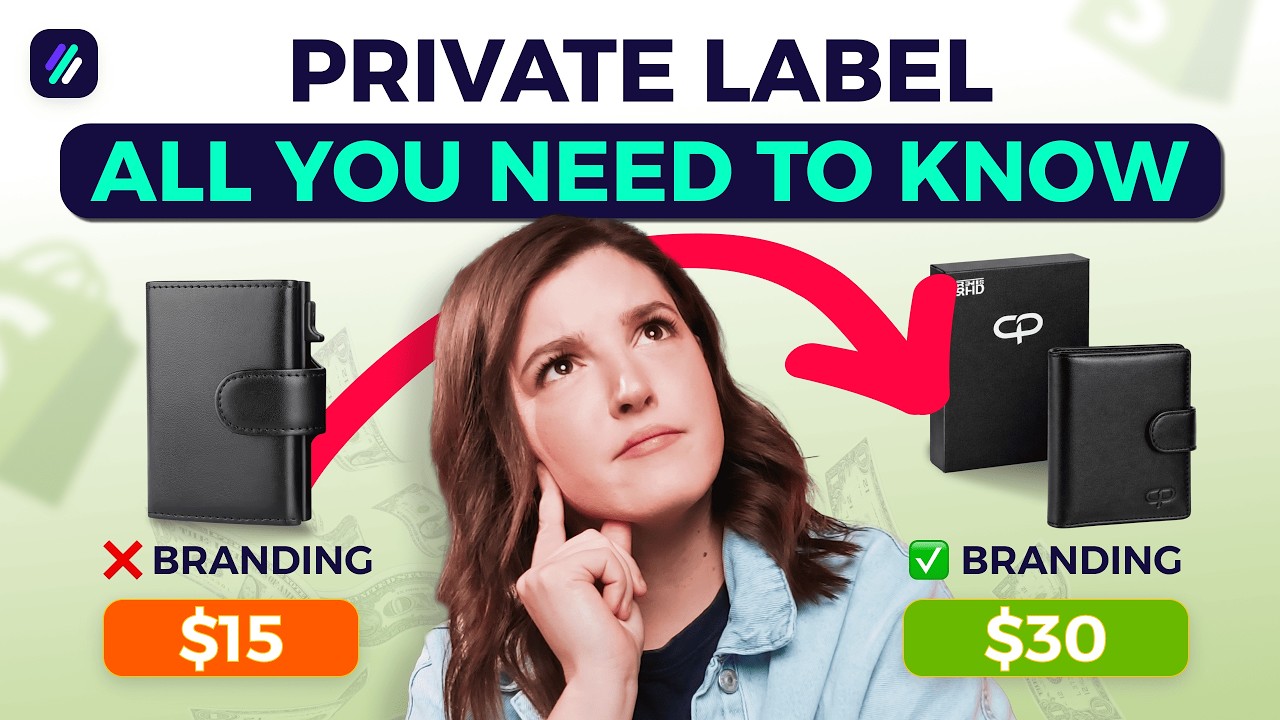
▶ Click to watch: A practical guide to private label product development — how the model works, what to look for in a manufacturing partner, and how to build brand equity through OEM production. Recommended for anyone evaluating a first private label collection.
The Complete Private Label Brand-Building Roadmap
Here is the sequence that professional private label furniture brands follow — from concept to scalable operation:
Phase 1: FOUNDATION (Months 1–3) ├── Brand DNA document finalized ├── Target client type defined with specificity ├── Competitor audit completed └── 1–2 manufacturing partners shortlisted and audited
Phase 2: COLLECTION DEVELOPMENT (Months 3–9) ├── 6–8 hero pieces designed and prototyped ├── Material specifications documented ├── NDA and IP agreements executed ├── Golden samples approved └── Brand photography completed (product + lifestyle)
Phase 3: MARKET ENTRY (Months 9–15) ├── First project client identified (from existing relationships) ├── Trade program launched for design professionals ├── Website and specification portal live ├── First case study documented and published └── Pricing model validated against actual landed cost
Phase 4: SCALE (Months 15–36) ├── Collection expanded (depth before breadth) ├── Developer and hotel group relationships formalized ├── Trade show presence established ├── Sustainability credentials documented └── Second manufacturing partner qualified for resilience
Glossary of Key Terms
| Term | Definition |
|---|---|
| Private Label / White Label | Furniture produced to your specification and branding; manufacturer not disclosed to end clients |
| OEM | Original Equipment Manufacturer — produces to your design specification |
| ODM | Original Design Manufacturer — designs the product, which you brand and sell |
| MOQ | Minimum Order Quantity — smallest order a manufacturer accepts per SKU |
| FOB | Free on Board — seller delivers to origin port; buyer pays all costs from there |
| DDP | Delivered Duty Paid — seller covers all costs including import duty to buyer’s address |
| Landed Cost | Total cost from factory to client address: FOB + freight + duty + customs + delivery + installation |
| HNWI | High Net Worth Individual — investable assets >USD 1 million |
| COM | Customer’s Own Material — designer supplies fabric; manufacturer upholsters to order |
| ILD | Indentation Load Deflection — foam firmness measurement; higher = firmer |
| Martindale Test | European fabric abrasion durability standard — higher count = longer commercial lifespan |
| AQL 2.5 | Statistical sampling standard for pre-shipment inspection |
| CARB Phase 2 | California formaldehyde standard for composite wood — mandatory for US market |
| FSC | Forest Stewardship Council — sustainable timber sourcing certification |
| GREENGUARD Gold | UL certification for low VOC emissions — required for LEED projects |
| BIFMA | Commercial furniture structural performance standards (US) |
| EUDR | EU Deforestation Regulation — requires traceable timber documentation for EU imports |
| Prestige Pricing | Setting premium prices to signal exclusivity and quality — counterintuitively increases desirability |
| NDA | Non-Disclosure Agreement — prevents manufacturer from reproducing your designs for other clients |
| LEED | Leadership in Energy and Environmental Design — green building certification affecting furniture specification |
| FCL / LCL | Full Container Load / Less than Container Load — shipping modes for furniture exports |
| CBM | Cubic Metre — volume unit for freight calculation |
Frequently Asked Questions
1. How do I differentiate my private label furniture brand in a saturated luxury market?
Differentiation at the luxury level is never about price — it is about design language, material authenticity, and specificity of client experience. The brands that stand apart have three things in common: a documented brand DNA that makes every piece in the collection recognizably theirs; a manufacturing relationship capable of executing that language with consistency across 200 identical rooms; and a client service model — private consultations, dedicated project managers, site-specific specification support — that makes the buyer’s experience as considered as the furniture itself. Competing on “great quality” is not differentiation. Competing on “the only collection in the GCC market with a full solid travertine table-base programme, delivered with BIM-ready files and a 14-week confirmed lead time” is.
2. What are the key elements of a successful premium brand identity in furniture?
Three elements consistently drive brand credibility at the professional buyer level: visual coherence (every piece in your collection looks like it belongs in the same room without explanation), material specificity (your brand is associated with specific materials — particular timbers, leathers, stone — rather than generic “premium finishes”), and specification accessibility (designers and developers can access everything they need to include your brand in a project without friction). A brand that looks beautiful but requires three email threads to get a CAD drawing will consistently lose to a brand that is slightly less beautiful but instantly specifiable.
3. How can I attract high-end interior designers and architects to specify my brand?
The fastest path is a trade program structured around what designers actually need: loaned samples shipped within 48 hours, CAD drawings and BIM objects available without a request process, project pricing triggered automatically for qualifying project volumes, and co-marketing provisions that feature the designer’s work alongside your furniture. Designers are specification multipliers — a mid-size firm with 8–12 active projects per year specifying your brand represents more consistent revenue than 50 individual residential sales. Design firms respond to brands that make their work easier and more impressive, not brands that require them to chase technical information.
4. What materials should I prioritize for a luxury furniture collection?
The material choices that carry the highest specification credibility in the current luxury market: solid hardwoods with documented species and origin (white oak, walnut, and teak are the dominant references); top-grain or full-grain leathers with tannery traceability; natural stone — travertine, marble, and fluted plaster surfaces are in high specification demand in luxury hospitality and residential design; hand-applied finishes with visible craft texture (brushed, limewashed, and aged effects command significant premiums over standard lacquer); and performance textiles with dual certification (high Martindale count for durability and Oeko-Tex Standard 100 for material safety). For FF&E buyers specifically, flammability certification — CAL 117 in the US, BS 5852 in the UK — is a non-negotiable compliance requirement on upholstered pieces, not a premium option.
5. How do I ensure quality control when manufacturing overseas for a premium brand?
Specify in writing, inspect at every stage, and never release final payment without pre-shipment inspection approval. The practical framework: document every material specification before production begins (foam ILD rating, fabric Martindale count, finish sheen level by 60° gloss measurement, timber moisture content); commission an independent pre-production material check before any cutting starts; inspect frame construction at the assembly stage; and use a third-party pre-shipment inspection per AQL 2.5 protocol before loading. For your first order with any new manufacturing partner, inspect at 100% coverage — not statistical sample — to establish the baseline. SGS and Bureau Veritas operate in every major Chinese manufacturing region. Budget USD 300–600 per inspection day.
6. What’s the best way to price luxury furniture for profitability and market acceptance?
Price from landed cost — the total of FOB, freight, insurance, import duty, customs clearance, last-mile, and installation. Apply your target gross margin (60–70% for a scaled luxury private label operation) against that number, not against FOB. In the luxury segment, pricing that is below the buyer’s expectation for the category raises quality questions — prestige pricing works because the optimal price point is the highest price the target buyer finds credible. Build a tiered structure: entry-luxury for accessible projects, core collection for the primary revenue driver, ultra-premium for flagship installations. Each tier serves a different project budget without diluting the brand’s positioning ceiling.
7. How can I create a compelling brand story that resonates with villa owners and hotel operators?
Specificity is the entire answer. Not “we believe in quality craftsmanship” — but “our dining chairs are built on a hand-cut mortise-and-tenon oak frame, upholstered in a woven linen-wool blend sourced from a specific mill in northern Portugal, and finished with a five-coat hand-rubbed oil that takes four working days to complete.” Every number, every named origin, every documented process is a credibility signal that separates your brand from the dozens of competitors making equally vague quality claims. Villa owners and hotel operators invest in furniture that has a story their guests will absorb through the quality of the experience — your brand story is what gives the furniture that dimension.
8. What digital tools should I use to showcase my furniture to architects and developers?
The minimum professional digital toolkit for an architecture and developer audience: product pages with downloadable CAD drawings (DWG and PDF), BIM/Revit objects available from a trade portal, a 3D configurator or at minimum a photorealistic rendering service for project-specific visualization, and specification sheets in a format compatible with FF&E scheduling software (Excel-importable with SKU, dimensions, lead time, and compliance data in standard columns). For the broader specification community, a presence on Architonic and Archiexpo — where architecture and design professionals actively search for specification-grade products — generates inbound B2B leads from buyers already in procurement mode.
9. How do I handle large-scale FF&E orders for hotels or luxury developments without compromising quality?
Assign a dedicated project manager to every order above 50 pieces — not a sales account manager, but a production-side project manager who interfaces directly with the factory’s production planning team. Implement a four-stage QC protocol (pre-production material check, frame inspection, pre-upholstery check, pre-shipment third-party inspection). Use a golden sample approved by both buyer and factory before mass production begins. Build a 3-week contingency into every project timeline regardless of the manufacturer’s quoted lead time. And structure payment terms to maintain leverage throughout: 30% deposit at order, 40% at pre-shipment inspection approval, 30% balance before vessel departure.
10. What role does customization play in building a premium private label brand?
Customization is not a service add-on — it is the structural justification for the price premium over a catalogue brand. A hotel developer who pays 30% more for your collection versus a standard distributor is paying for the certainty that their furniture cannot be catalogue-matched by a competing property. The customization capability that delivers this: bespoke dimensions without MOQ penalties, exclusive material palette options not available to any other client, limited production runs documented in writing, and custom finish matching to the project’s architectural palette. The Jade Ant furniture custom collection workflow supports all of these — from single bespoke pieces for residential projects to full-room FF&E packages for hotel developments.
11. How can I build trust with private label clients who are rebranding my furniture?
Three commitments build trust in private label relationships faster than anything else: confidentiality (a contractual guarantee that their manufacturer source is never disclosed), consistency (every production run matches the approved golden sample without requiring the client to re-inspect every batch), and resolution speed (when something is wrong — and in any long-term relationship, something eventually will be — a clear, fast, documented resolution process that doesn’t require escalation battles). Add to these: white-glove logistics support (delivery and installation coordination managed as a service, not outsourced to the client), co-branded marketing asset production (brand photography and specification documents produced to the client’s visual standards), and an IP protection framework that makes the client’s design investment genuinely secure.
12. What are the most effective marketing channels for reaching high-end furniture buyers?
For the professional B2B luxury furniture audience — interior designers, architects, hotel developers, FF&E procurement teams — the channels that generate specification-level engagement are: industry trade shows (Salone del Mobile Milan, High Point Market, Decorex London, and the relevant regional design fairs in your target markets); A&D-specific specification platforms (Architonic, Archiexpo); luxury interior design publications (editorial features in Dezeen, Wallpaper*, Architectural Digest, and Hospitality Design carry significantly more specification credibility than paid advertising); designer referral networks (one senior interior designer referring your brand to a colleague in their network is worth more than 50 cold marketing impressions); and LinkedIn for professional thought leadership content directed at the developer, architect, and procurement professional audience.
13. How do I balance exclusivity with the need for business growth?
Controlled distribution is the mechanism. Exclusivity is not about selling less — it is about selling to the right clients through the right channels. Limit your distribution to partners whose client base and showroom standards reflect your brand positioning. Avoid mass-platform listing (which commoditizes pricing) and geographic over-distribution (which dilutes the exclusivity narrative in any single market). Growth within a premium positioning comes from deepening relationships with existing high-value clients (a developer who specifies your brand for their first project and has a positive experience is your most valuable growth asset) and from expanding into adjacent product categories or geographic markets — not from opening more distribution channels in existing markets.
14. What should I include in a trade program for interior designers and architects?
The trade program elements that drive consistent specification volume: a tiered discount structure based on annual spend (starting at 20–25% off list, scaling to 35–40% for high-volume accounts); a sample lending service with 48-hour turnaround and no-deposit terms for qualified accounts; a full technical resource library (CAD files, BIM objects, material compliance documents, finish swatches) accessible without friction from a dedicated trade portal; a dedicated trade account manager (not a shared customer service queue) who knows each designer’s active project pipeline; priority production scheduling for trade account holders; and co-marketing provisions for completed projects. The goal is to make specifying your brand the path of least resistance for a professional who respects your design language.
15. How can I prove the ROI of premium furniture to developers and hotel owners?
The ROI argument for premium furniture in a hotel context is a 10-year capital decision, not a single-purchase cost comparison. A chair specified at USD 280 with a 10-year commercial lifespan and no replacement in that period has a lower total cost of ownership than a USD 120 chair replaced twice in the same period — and that calculation does not include the brand damage of worn furniture appearing in guest photography on review platforms. The Hotel FF&E market data from Market.us quantifies that the global hotel FF&E market is growing at 6.8% CAGR to USD 112.8 billion by 2035 — precisely because operators are investing in specification-grade furniture as a guest satisfaction and ADR (Average Daily Rate) driver, not a commodity line item. Support your ROI argument with: documented 10-year lifespan testing data for contract-grade pieces, case studies showing guest satisfaction improvement metrics from comparable hotel refurbishments, design award recognition (AHEAD Awards, SBID), and a written warranty that puts your durability claim into a contractual commitment.
The luxury furniture market rewards the brands that build with discipline — not the ones that launch fastest or price lowest. If you are ready to build a private label collection with the manufacturing depth, certification documentation, and customization capability that professional specification clients require, explore Jade Ant furniture’s wholesale and private label services, or submit your project brief for a dedicated consultati