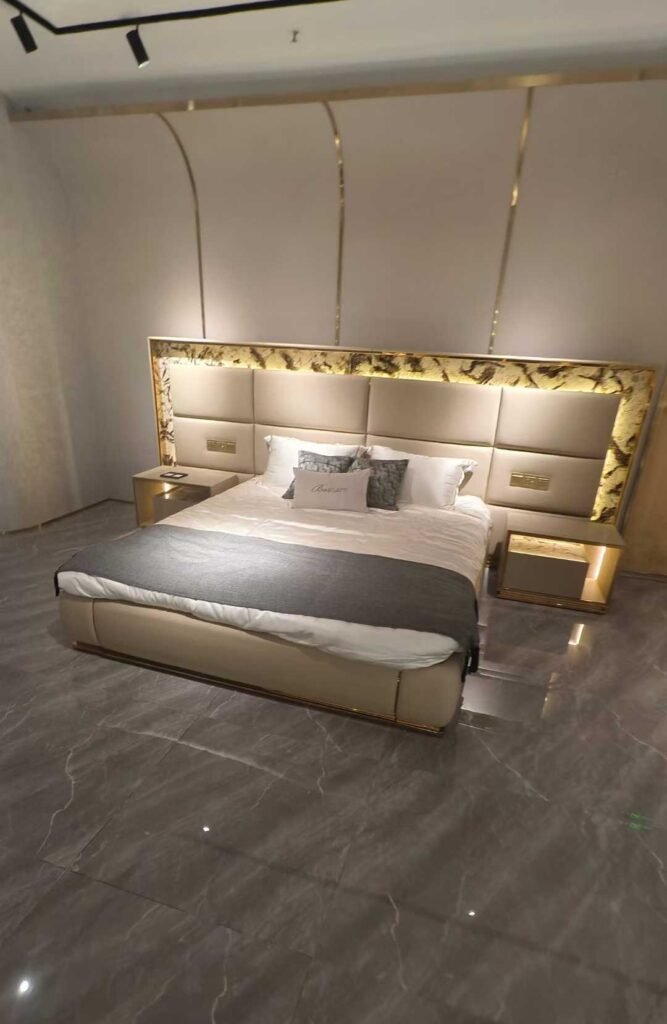
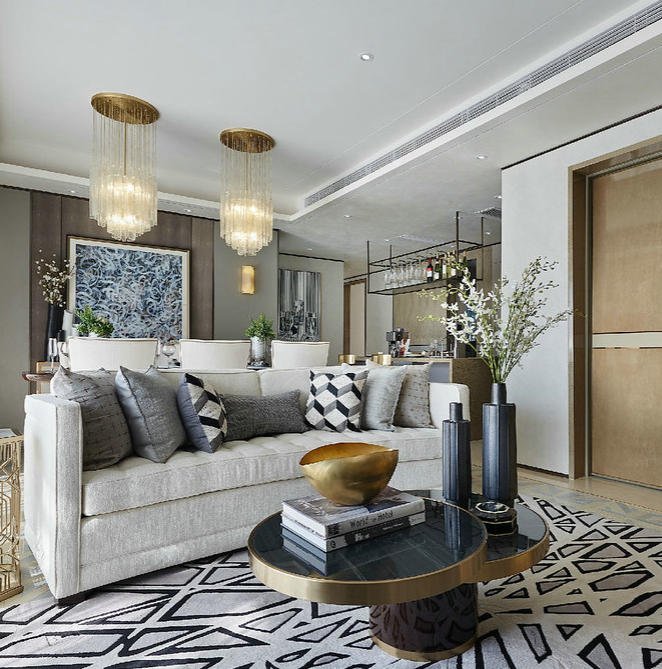
Master the Art of B2B Furniture Sales — How to Position Your Custom Coffee Tables as the Go-To Solution for Interior Designers, Hotel Fit-Out Specialists, and Showroom Partners

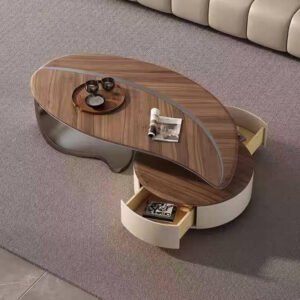
A specification-grade custom coffee table from أثاث النمل اليشم — the kind of piece that commands serious margins when agents know exactly how to position it.
Here is a scenario that plays out regularly across furniture distribution: a manufacturer with a genuinely strong custom coffee table range — real design depth, solid material quality, competitive lead times — struggles to grow their agent network. They have a catalogue. They attend the occasional trade show. They respond to enquiries when they come in. But their agent relationships feel thin, transactional, and fragile.
The agents they do have don’t proactively sell. They don’t share the product with their clients unprompted. When a competitor offers a marginally better discount, they drift. And new agents are difficult to recruit because there’s no structured story to tell about why partnering here creates better business outcomes than partnering elsewhere.
This is a strategy problem, not a product problem. And it is entirely solvable.
This guide provides five specific, actionable strategies — plus a bonus performance measurement framework — for promoting your custom coffee tables to the agents who will actually sell them: interior designers, hotel fit-out specialists, and showroom managers. Every section focuses on the commercial reality of the B2B furniture relationship, not on marketing theory.
Understanding Your Agent’s Real Pain Points in Furniture Distribution
The Challenge of Selling Custom Furniture Without the Right Strategy
Why Generic Marketing Fails for B2B Furniture Agents
Your agents need solutions, not product specs
An interior designer managing three concurrent projects doesn’t open a product catalogue to browse. They open it when a specific client brief has created a specific requirement — and they need to know, within 90 seconds of looking at your material, whether you can solve that requirement reliably, at the right margin, within the project’s timeline.
A generic catalogue tells them what you make. A targeted agent communication tells them what you solve. The difference between these two approaches is the difference between a supplier they consider occasionally and a partner they call first.
Margin pressure forces agents to choose partners wisely
The furniture distribution margin environment has tightened considerably. According to GlobalFurnitureUSA’s 2025 wholesale margin research, gross margins for furniture retailers typically range from 35–50%, with showroom-heavy operations at the upper end. But agents are not managing gross margin in isolation — they are managing gross margin against sales time, marketing cost, client management complexity, and the opportunity cost of inventory decisions.
An agent who earns 32% gross margin on your custom coffee table but spends three hours per order navigating unclear production updates and specification confusion is making a worse commercial decision than an agent who earns 28% from a competitor with transparent ordering, reliable timelines, and proactive account support. Price and margin matter. The total cost of the agent relationship matters more.
What Agents Actually Want From Their Suppliers
Competitive pricing with healthy profit margins
Interior designers typically expect 30–40% trade margins on custom furniture pieces. Showroom partners typically negotiate 25–35%, with higher percentages for exclusive territory arrangements. Hotel fit-out procurement teams work on project-based pricing that factors in volume, timeline, and compliance requirements. These are not abstract preferences — they are business model requirements. An agent cannot build a sustained relationship with a supplier whose pricing structure makes the relationship commercially marginal.
Marketing support that drives client inquiries
Most agents — including independent interior designers and boutique showroom operators — are small businesses. They do not have dedicated marketing teams. When a manufacturer provides ready-to-use marketing assets — product photography sized for Instagram, email templates for client communications, specification sheets formatted for client presentations — they are providing commercial infrastructure that their agents genuinely cannot produce themselves. This is not a soft benefit. It directly affects how frequently and confidently an agent promotes your product to their clients.
Customisation flexibility without production delays
Custom furniture is only commercially useful to agents if the customisation process is faster and more reliable than standard production. An agent who specifies a custom coffee table for a client in a specific timber finish and receives it eight weeks later than quoted has a client problem, a margin problem, and a supplier relationship problem simultaneously. Customisation flexibility without the operational infrastructure to deliver it reliably is a liability disguised as a feature.
How Custom Coffee Tables Solve Agent Pain Points
Differentiation in a crowded furniture marketplace
A showroom manager who can offer clients genuine customisation — their choice of material, dimension, base configuration, and finish — is selling a fundamentally different product from the showroom three blocks away showing the same import catalogue. Custom coffee tables give agents the differentiation story they need to justify premium pricing to end clients and protect their own margins from competitive pressure.
Higher margins on bespoke products vs. mass-produced alternatives
The margin arithmetic on custom furniture works in the agent’s favour when the total value proposition is understood. A bespoke coffee table with custom dimensions and a specified stone top sells at a retail price point that mass-produced equivalents cannot reach. The agent’s margin percentage is applied to a higher base price — which means higher absolute margin per unit, even if the percentage is similar to what they earn on standard pieces. The commercial logic is straightforward: help your agents understand it, and they will prioritise your custom range accordingly.
Strategy 1: Build Personalised Pitch Decks That Speak to Each Agent’s Business Model
Move Beyond One-Size-Fits-All Sales Approaches

Segment Your Agent Base by Business Type
Interior designers — focus on creative freedom and quick turnarounds
An interior designer’s primary professional anxiety in furniture procurement is client approval risk: the fear that a specified piece won’t resonate with the client’s brief, or that the customisation they promised will arrive inaccurate or delayed. Your pitch to an interior designer should directly address this anxiety. Lead with your design range depth — the breadth of material, finish, and configuration options that gives them the confidence to promise clients genuine bespoke solutions. Follow with your production communication process, showing how you keep designers informed so they can manage client expectations accurately.
Interior designers also need pieces that photograph well in completed projects. High-quality lifestyle imagery of your coffee tables in styled, aspirational room contexts gives designers the visual reference they need to present your product to clients and, after project completion, share on their own portfolio channels.
Hotel fit-out specialists — emphasise durability, bulk customisation, and timeline reliability
A hotel procurement specialist managing a 150-room property refurbishment is not evaluating your coffee table as an individual piece. They are evaluating it as a component in a $2–5 million FF&E (Furniture, Fixtures & Equipment) specification that must arrive on schedule, meet specific durability and compliance standards, and be consistent across every unit. Your pitch to this segment should demonstrate three things clearly: your capacity to fulfil large orders consistently, your compliance documentation capability (surface durability ratings, fire certification relevant to the markets they operate in), and your project coordination process for multi-phase deliveries.
A hotel fit-out specialist who has been let down by a supplier on a single property will not risk the same experience across a portfolio. Demonstrate reliability through documented project references, not through assertions about quality.
Furniture showroom owners — highlight margin potential and customer appeal
Showroom managers are curators making commercial bets on which products will sell in their specific market, at their specific price point, to their specific client demographic. Your pitch to them is a commercial investment proposal, not a product presentation. Lead with sell-through data from comparable markets, your trade pricing structure and the retail margins it enables, and your support for showroom display and merchandising. Show them what a floor vignette featuring your custom coffee table range looks like — styled, photographed, and ready to present to their clients.
Create Custom Pitch Materials for Each Segment
Showcase ROI data specific to their business model
An ROI-focused pitch for a showroom manager might show: average retail selling price for your custom coffee table range in comparable showrooms, the wholesale price at their expected order volume, the resulting gross margin percentage, and the average number of units a comparable showroom moved in their first six months of carrying the line. These are the numbers that convert a presentation from “interesting product” to “compelling business decision.”
For hotel fit-out specialists, the ROI calculation looks different: total cost per unit at scale (including shipping, duties, and installation support), compared to the lifecycle cost of comparable commodity alternatives that require earlier replacement due to lower durability ratings.
Include case studies from similar agents in their niche
A showroom manager in Amsterdam evaluating your product is not primarily interested in a case study from a boutique hotel in Dubai. They want to see what happened when a showroom in a comparable European market stocked your range, how it performed at retail, and what the relationship with you as a supplier looked like over the first year. Match your case study selection to the specific agent type and market context you’re pitching to. Generic case studies communicate that you haven’t done the work of understanding their context.
Present Solutions, Not Products
Frame your coffee tables as profit-generating assets for their business
The frame shift from “here is our product range” to “here is how our product range generates profit for your business” is the most commercially significant adjustment you can make in your agent communication. Every feature of your custom coffee tables should be presented in terms of the business outcome it enables for the agent. Customisation flexibility = ability to win complex client briefs that competitors can’t fulfil. Consistent quality standards = fewer callbacks, replacements, and client management costs after delivery. Dedicated account management = reduced time investment per order, freeing the agent to focus on client relationships and new business development.
Key Pitch Deck Framework by Agent Segment
| Agent Type | Lead Message | Key Data Points | Priority Concern to Address |
|---|---|---|---|
| مصمم ديكور داخلي | Creative freedom + reliable delivery | 30–40% trade margin, lead time by configuration, customisation scope | Will it arrive as specified, on time? |
| Hotel Fit-Out Specialist | Scale + compliance + project coordination | Volume pricing tiers, compliance certs, project reference list | Can they manage a 150-unit order reliably? |
| Showroom Manager | Margin potential + consumer appeal | Retail sell-through data, display support, exclusivity options | Will this differentiate my floor and sell? |
| Furniture Distributor/Agent | Supply chain reliability + exclusivity | MOQ, lead times, territory options, reorder flexibility | Will this be a consistent, scalable line? |
Table 1: Agent Segment Pitch Framework — tailor your opening message, supporting data, and primary concern resolution to each segment separately.
Strategy 2: Deploy Targeted Advertising That Reaches Decision-Makers
Reach the Right Agents With the Right Message at the Right Time
Identify Where Your Target Agents Spend Time Online
LinkedIn targeting for interior designers and showroom managers
LinkedIn remains the highest-quality channel for B2B furniture agent acquisition. According to LinkedIn’s 2024 B2B benchmark research, B2B decision-makers are 6× more likely to convert from LinkedIn advertising than from other social platforms when content addresses their specific professional challenges. For furniture manufacturers targeting interior designers and showroom managers, LinkedIn’s job title and industry targeting allows precision that broad social advertising cannot match: you can reach interior design practice owners, hotel procurement directors, and showroom buyers specifically — not general home décor audiences.
LinkedIn Sponsored Content and Message Ads (InMail) are the two formats that consistently deliver qualified results for B2B furniture marketing. Sponsored Content builds brand visibility and authority; Message Ads enable direct, personalised outreach to qualified prospects with a specific value proposition and a clear call to action.
Industry-specific forums and B2B furniture networks
Beyond LinkedIn, active interior design communities — including the ASID (American Society of Interior Designers) professional network and equivalent national bodies in other markets — host online forums and directories where designers research suppliers. Presence in these directories and engagement in these communities provides a different category of visibility from advertising: it is research-phase presence, reaching designers who are actively looking for a specific solution rather than being interrupted by an ad while they’re doing something else.
Trade publication websites and design community platforms
Placements on industry publication websites — hospitality design publications, interior design trade journals, contract furniture specification platforms — reach exactly the professional audiences that make B2B furniture specification decisions. These placements work less as direct response advertising and more as authority and credibility signals: they communicate that your brand belongs in the professional conversation that decision-makers are already having.
Craft Ads That Address Specific Agent Challenges
The most effective B2B furniture advertising copy addresses a specific, recognisable pain point in the first line — not a generic product claim. Three headline frameworks that consistently perform with furniture distribution audiences:
“Increase Your Margins by 40% With Our Custom Coffee Table Program” — this headline works because it leads with the agent’s commercial outcome, not the product feature. An interior design practice owner or showroom buyer sees their business problem (margin pressure) and a specific, credible resolution in five words.
“Never Miss a Client Deadline Again — Fast, Flexible Production” — this headline targets the timeline anxiety that is endemic among interior designers and hotel fit-out teams. It promises reliability and flexibility simultaneously, which is the combination that most furniture suppliers struggle to deliver and that agents have been conditioned to be sceptical about. Prove it with a case study in the ad’s body copy.
“Give Your Clients Unlimited Design Options Without the Complexity” — this targets the agent’s client management challenge. Customisation that is difficult to sell, specify, or communicate to clients is not commercially useful customisation. This headline promises that your system makes the complexity invisible to the agent’s clients.
Use Retargeting to Convert Warm Leads
Follow up with agents who visited your portfolio
Retargeting — showing targeted ads specifically to users who have already visited your website — allows you to continue the conversation with agents who showed interest but didn’t convert to a contact. An agent who spent four minutes on your portfolio page and two minutes on your trade programme page is a warm lead with identifiable interests. Retarget them with an ad featuring a case study from their specific segment — a hotel project case study for a visitor who viewed your hospitality portfolio, a showroom success story for one who viewed your trade programme page.
Re-engage past inquiries with new case studies and testimonials
Agents who submitted an enquiry six to twelve months ago and did not convert represent a warm pipeline that most furniture distributors never systematically address. A targeted email or LinkedIn message — not a generic “checking in,” but a message featuring a new case study from a business similar to theirs, with specific results data — has a measurably higher conversion rate than new cold outreach, because the credibility barrier has already been partially crossed.
Strategy 3: Create Exclusive Agent Partnerships That Drive Loyalty

Move From Transactional Relationships to Strategic Partnerships
Design a Tiered Partnership Program
Tiered partnership programmes are the most effective structural mechanism for converting one-time agent buyers into committed long-term partners. The logic is straightforward: agents who see a clear, achievable progression toward better margins, more support, and stronger exclusivity will prioritise your product over a competitor’s to maintain their tier status. Agents who see only a flat, undifferentiated trading relationship will make purchasing decisions based on price alone.
Bronze Tier — Standard pricing with marketing support
Entry-level partners receive your standard wholesale pricing plus access to the core marketing asset library: high-resolution product photography, downloadable specification sheets, and basic social media templates. This tier is designed to be accessible to new agents while creating commercial incentive to advance. The marketing support alone provides tangible value from day one of the relationship, establishing the pattern that this is a partnership that delivers ongoing commercial utility, not just a product transaction.
Silver Tier — Improved margins with co-branded marketing materials
Agents who reach a defined annual order volume threshold — calibrated to be achievable for serious regional partners — unlock improved pricing (typically 3–5 percentage points above Bronze), co-branded marketing materials that carry both your brand and the agent’s logo and contact information, and access to a dedicated partner support contact for urgent customisation questions and order management. The co-branded marketing materials are particularly valuable for independent designers and boutique showrooms who benefit from the credibility association with an established manufacturer brand.
Gold Tier — Exclusive territory rights with dedicated account management
Your top-tier partners receive the strongest possible commercial incentive to maintain and grow their relationship with you: exclusive or semi-exclusive territory rights that prevent competing agents in their defined geographic market from carrying your range. Combined with a dedicated account manager who proactively manages their orders, a first-access guarantee to new collection launches, and a quarterly business review process, Gold tier is a genuinely differentiated value proposition. Agents who reach this level have a compelling commercial reason to protect the relationship — and to continue growing their order volume to maintain it.
Provide Marketing Assets That Agents Can Use Immediately
Pre-designed social media content for their accounts
Create a monthly social media content pack for your partner agents: five to seven ready-to-post images with caption options for Instagram and LinkedIn, formatted to the correct dimensions for each platform. Each image should showcase your coffee tables in styled, aspirational contexts, with captions that can be personalised with the agent’s contact information or project context. An interior designer who posts this content on their own channels is promoting your product to their entire client network — at no cost to you and with the credibility of their professional endorsement.
Email templates they can send to their client base
An email template that an agent can send to their client database — announcing a new collection, showcasing a completed project, or inviting clients to a showroom event featuring your range — removes the primary barrier most small design businesses face in proactive client communication: the time and skill required to produce professional marketing content. Agents who use these templates stay in regular communication with their clients about your product, which directly increases the frequency with which your tables are specified.
High-resolution product photography and lifestyle imagery
Your product photography is one of your most commercially leveraged assets — and most agents will use their own photography resources only once, at product launch, before defaulting to whatever imagery you provide. Invest in professional photography that shows your custom coffee tables in multiple styled contexts: a luxury hotel lobby, a high-design residential living room, a contemporary commercial lounge. Provide these images to agents in print-ready and digital resolution with clear usage rights. Every agent presentation to an end client that uses your photography extends your brand presence into client relationships you have never directly touched.
Offer Exclusive Design Collections or Early Access
Partner-only designs that differentiate them from competitors
A Gold or Silver tier agent who can offer their clients a design that is genuinely not available through any other agent in their market has a commercial advantage that is structurally independent of price. Partner-exclusive designs — a limited configuration, a proprietary finish, or a collaboration with a named designer that is available only through your tiered partners — give your best agents a story to tell that their competitors cannot replicate.
First access to new customisation options before public launch
Release new material options, configuration variations, or collection additions to your tiered partners two to four weeks before general distribution. This gives partners the ability to present these options as exclusive or new to their clients, reinforcing the value of the partnership relationship and creating a commercial reason for the partner to stay engaged and in communication with their client base on your behalf.
Build Predictable Revenue Through Commitment Incentives
| Partnership Tier | Order Volume Threshold | Key Benefit | Loyalty Mechanism |
|---|---|---|---|
| Bronze | First order | Marketing asset library, standard pricing | Entry-level engagement |
| Silver | $30,000+ annual | 3–5% margin uplift, co-branded materials, dedicated contact | Volume growth incentive |
| Gold | $80,000+ annual | Territory exclusivity, dedicated account manager, first-access collections | Relationship protection incentive |
| Elite (Optional) | $150,000+ annual | Co-development input, quarterly rebate, profit-share milestones | Strategic partnership deepening |
Table 2: Tiered Agent Partnership Program Structure — thresholds and benefits should be calibrated to your specific market and margin structure.
Strategy 4: Leverage Social Proof and Case Studies for B2B Credibility
Show Agents Exactly How Other Partners Succeed With Your Tables
Develop Detailed Case Studies From Your Best Agent Relationships
Real numbers: How much margin they earn per table sold
A B2B case study that reports “our agents are very satisfied with our partnership” is worthless to a prospective agent making a commercial decision. A case study that states “this interior design studio in the Netherlands earns an average gross margin of 38% per coffee table sold from our custom range, on an average order of 6–8 units per project, at an average retail price point of €1,800–€2,400” is a business case. The difference is specificity, and specificity requires that you actually know and document the commercial outcomes your existing agents experience.
Build this data systematically. After each agent relationship reaches 12 months, conduct a brief business review that captures: average order value, average margin, number of orders, and any referrals or new business generated as a result of featuring your product. This data becomes both a management tool and a marketing asset.
Timeline transparency: Average production and delivery schedules
Document your actual production and delivery timelines by configuration type — not aspirational marketing claims, but real averages from your production records. An agent reading a case study that states “standard wood-top configurations average 7 weeks from order confirmation; stone-top configurations with custom dimensions average 9–10 weeks” has operationally useful information they can communicate to clients accurately. This transparency is itself a credibility signal: manufacturers who share actual lead time data are demonstrating confidence that their operational reality can withstand scrutiny.
Client satisfaction metrics: Repeat order rates and referrals generated
Track and communicate your agent repeat order rate — the percentage of agents who place a second order within 12 months of their first. According to industry research on B2B supplier relationships, a repeat order rate above 65% is a strong indicator of client satisfaction; above 75% is a differentiating competitive signal. If your repeat rate is strong, make it visible: a statement like “78% of our interior design partners placed repeat orders within 12 months of their first custom coffee table order” is a powerful credibility signal for prospective agents evaluating your reliability.
Showcase Success Stories Across Different Agent Types
“How an Interior Design Studio Increased Revenue by $150K Annually”
A design studio in their fourth year of operation was limiting their custom furniture specifications to three to four standard suppliers with predictable but uninspiring ranges. After adding a custom coffee table line to their specification toolkit, they could win residential and commercial briefs that required a level of bespoke design capability they previously couldn’t deliver. The result: 14 completed projects in year one featuring custom coffee tables, at an average project uplift of $10,700. Total additional revenue: $149,800. The commercial case was not about the tables — it was about the projects they enabled the studio to win.
“Why a Hotel Chain Chose Our Custom Tables for 12 Properties”
A mid-scale international hotel group was developing 12 properties in three markets across a 24-month programme. Their FF&E specification required coffee tables that could be produced consistently across all properties, with a shared design language but slight market-specific variations, at a price point that met their project FF&E budget per room. The documented timeline compliance rate across all 12 properties — orders delivered within the confirmed schedule — was 94%. That metric became the centrepiece of the case study, because it addressed the primary concern of every hotel procurement specialist who reads it: can this supplier be trusted with a multi-property programme?
“How a Showroom Owner Differentiated From Big Box Competitors”
A regional furniture showroom in a market dominated by two large format national retailers was consistently losing mid-range clients to better-resourced competitors. After introducing a curated custom coffee table range with genuine bespoke options, they created a product story that the national retailers could not replicate at any price point. “You can’t get this at IKEA” is not an abstract positioning statement — it is the exact phrase a showroom manager used when describing to their clients why a custom table at €1,600 was a different purchase decision from a standard table at €400.
Create a “Partner Success” Section on Your Website
Dedicate a page on your website specifically to partner testimonials, case study summaries, and agent success metrics. This page serves a dual function: it provides social proof for prospective agents who are conducting research before making contact, and it validates existing agents’ decision to work with you by demonstrating that your partner community produces measurable results. Update it quarterly with new content so that returning visitors — including agents in your network who follow your brand — see continuous evidence of growth and partner success.
Strategy 5: Establish Direct Communication and Support Systems

Make Your Team the Partner Agents Actually Want to Work With
Assign Dedicated Account Managers to Key Agents
Single point of contact for all orders and customisation questions
The most common operational frustration reported by B2B furniture agents is the experience of needing to explain their account context, project history, and previous orders to a different contact person every time they call. It creates friction, wastes time, and signals a supplier whose operational infrastructure does not match the quality of their product. Assigning a dedicated account manager to each Silver and Gold tier partner — one person who knows the agent’s business model, typical client profile, order history, and preferred customisation specifications — eliminates this friction entirely.
An agent who has a single, knowledgeable contact for all their operational questions will contact you more frequently, specify your product more confidently to clients, and communicate issues faster — all of which improve both the commercial outcome and the relationship quality.
Proactive communication about production timelines and potential issues
The standard in B2B furniture manufacturing is reactive communication: a client asks for an update, an update is provided. The differentiating standard is proactive communication: the account manager calls before the client asks, at defined checkpoints in the production and delivery process, to confirm status and flag any potential issues before they become problems.
A proactive call three days before a confirmed shipping date, reporting a two-day production delay and proposing a revised delivery date, is a completely different experience from a client discovering the delay on their expected delivery date. The first call is evidence of a partner who is managing the relationship. The second is evidence of a supplier who is managing transactions.
Regular business reviews to identify growth opportunities
Quarterly business reviews with Gold tier agents — 45-minute structured conversations reviewing order history, upcoming projects, market conditions, and partnership development opportunities — provide three commercial benefits simultaneously. They identify pipeline that the agent has not yet converted into orders (which the account manager can support). They surface any service concerns before they become relationship-threatening issues. And they demonstrate to the agent that their business is genuinely valued, not merely tolerated as a revenue line.
Create Easy Ordering and Communication Channels
Custom online portal for agents to place orders and track progress
A dedicated agent portal — a password-protected section of your website or a standalone platform — where partners can browse current pricing, submit order specifications, track production status, and access their marketing asset library reduces the administrative burden on both sides of the relationship. Agents who can check their order status without calling their account manager spend less time managing supplier communication and more time managing client relationships. This is not a technology feature — it is a commercial relationship quality investment.
Direct phone line or WhatsApp for urgent customisation requests
Interior designers working on active project deadlines do not have time for email chains when a client changes a specification detail at short notice. A direct WhatsApp contact for urgent customisation questions and specification changes — managed by a team member with the authority to confirm changes and update production schedules — is a practical, low-cost capability that agents in fast-moving project environments value disproportionately. This single channel has generated documented agent loyalty among interior design partnerships for أثاث النمل اليشم, where project-timeline responsiveness is one of the most frequently cited partnership benefits.
Provide Ongoing Education and Training
Monthly webinars on new customisation options and design trends
A 30-minute monthly webinar for your agent network — covering new material introductions, emerging design trend applications, and customisation combinations that are performing well commercially — serves multiple functions simultaneously. It keeps agents current with your range development. It gives them fresh content to share with clients. It creates a regular touchpoint that maintains relationship warmth between active order cycles. And it positions you as a knowledgeable industry resource, not merely a product vendor.
Record every webinar and make it available in your agent portal. Partners in different time zones or with schedule conflicts can view at their convenience, ensuring the investment in production reaches your entire network rather than only those who attend live.
Product training so agents can confidently sell custom features
An agent who cannot accurately explain the difference between your available stone top options — how each performs under commercial use, how each photographs in different lighting conditions, what the price differential reflects — will either oversell (creating client dissatisfaction when reality doesn’t match the pitch) or undersell (defaulting to the least complex option to avoid confusion). Product knowledge training specifically designed for the sales conversations agents have with their clients is a direct investment in your product’s sell-through rate.
Solve Problems Faster Than Competitors
Clear escalation process for urgent issues
Every agent relationship will encounter problems. A production delay. A quality variance. A customs hold on an international order. The variable that determines whether these problems damage or deepen the relationship is not whether they occur — it is how quickly and transparently they are resolved. Document and communicate a clear escalation process: a named contact for urgent issues, a guaranteed response timeframe (within four business hours is the professional standard), and a structured resolution protocol. Agents who know your escalation process works before they need to use it trust your operational reliability more than agents who discover it works only in a crisis.
Bonus Strategy: Measure What Matters — Track Performance Metrics That Drive Growth
Use Data to Continuously Improve Your Agent Program
Track Agent-Level Performance Metrics
The commercial health of your agent programme is visible in the data — but only if you are collecting and reviewing the right metrics at the right level of granularity. The three most commercially significant agent-level metrics are: order frequency and average order value (are orders growing in size and regularity?), customisation request patterns (which configurations are your agents actually selling, and which remain theoretical catalogue options?), and repeat order rate (a 12-month repeat order rate above 70% indicates a healthy, loyal agent relationship; below 50% indicates an at-risk relationship that needs proactive attention).
Monitor Program Health Indicators
| متري | التعريف | المعيار المستهدف | Red Flag Level |
|---|---|---|---|
| Agent Retention Rate | % of active agents who placed at least one order in last 12 months | >75% | <55% |
| New Agent Acquisition Rate | New qualified agents added per quarter | +15–20% of current base annually | Flat or declining |
| Average Order Value Growth | YoY change in average order value per agent | +10–15% | Flat or declining |
| Repeat Order Rate | % of agents who reorder within 12 months | >70% | <50% |
| Agent Satisfaction Score | Score from quarterly business review survey (1–10) | >8.0 | <6.5 |
| Customisation Conversion Rate | % of agent enquiries resulting in a placed order | >60% | <40% |
Table 3: Agent Programme Health Metrics Dashboard — review monthly, flag red-flag indicators in weekly team meetings, and build quarterly improvement targets around the metrics furthest from benchmark.
Use Insights to Refine Your Strategy
Identify which customisation combinations your agents actually sell — the real bestsellers — and ensure these configurations are the lead content in your pitch decks, website product pages, and marketing assets. Identify which agent segments generate the highest margin per order (accounting for production cost, account management time, and post-delivery support complexity). Identify which marketing messages generate the highest-quality inbound agent enquiries. These three insights, reviewed and actioned quarterly, continuously improve the commercial efficiency of your agent programme with no incremental investment beyond the analytical discipline to collect and act on the data.
Industry Insight: Trade Shows Still Earn Their Place in B2B Agent Development
In 2024, the U.S. B2B trade show market reached $15.78 billion, and 72% of trade show attendees report being more likely to purchase from exhibitors they met in person, according to Cvent’s 2025 trade show statistics research. For furniture manufacturers building agent networks across multiple international markets, trade show attendance is not a discretionary marketing expense — it is the primary mechanism for new agent acquisition and existing relationship deepening.
The furniture trade shows that deliver the highest ROI for agent recruitment are those attended by the buyer segments you are specifically targeting: Salone del Mobile in Milan for high-end design and hospitality agents across European markets, HD Expo in Las Vegas for hospitality fit-out specialists in North America, and Maison & Objet in Paris for design-focused agents in France and internationally. Budget accordingly — the cost of a quality exhibition presence is justified when a single Gold tier agent relationship generates $80,000+ annually over a multi-year partnership horizon.
For practical guidance on building effective trade presence and B2B relationship strategies, the ASID professional resource library و Hospitality Design’s industry resources provide ongoing education specifically relevant to the design professional and hospitality procurement audiences your agent programme targets.
Watch: B2B Furniture Sales Strategy — Building Agent Partnerships That Last
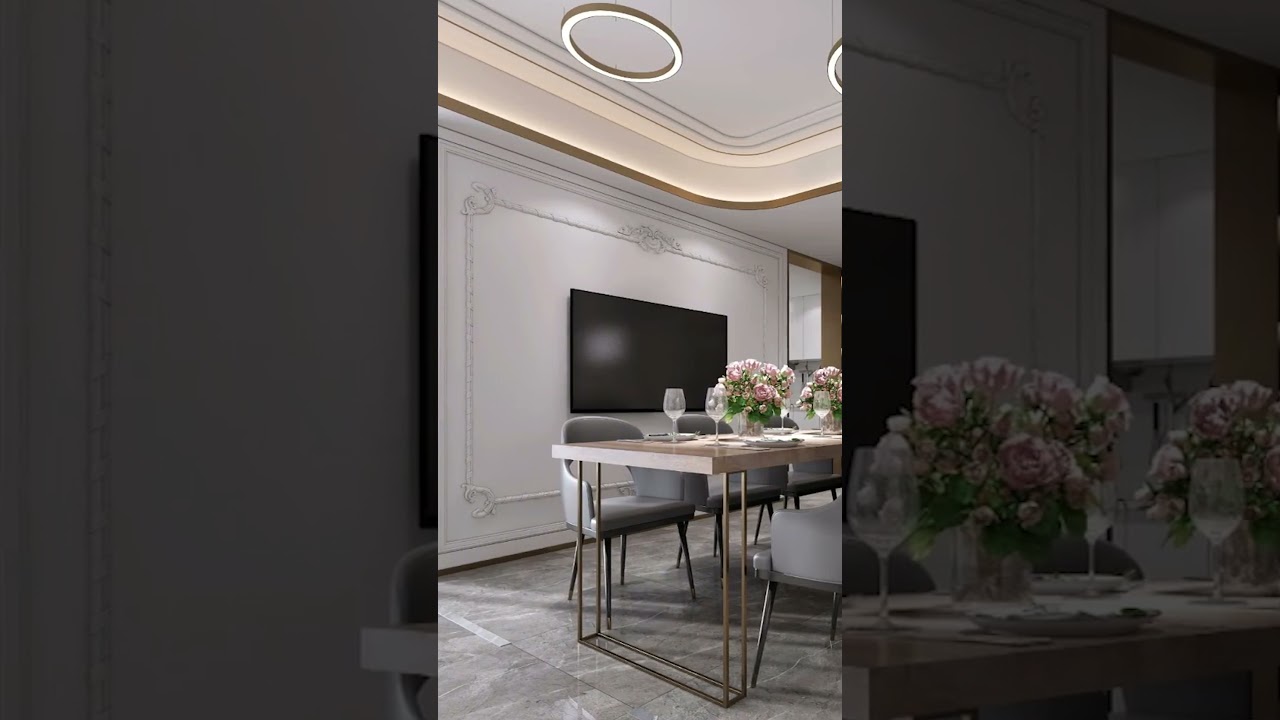
▶ Watch: Wholesale Dining Room Furniture — Custom Furniture & Luxury Manufacturer | Jade Ant Furniture (YouTube)
Professional Terminology Glossary
| المصطلح | Plain-Language Definition | Practical Example |
|---|---|---|
| Trade Margin | The percentage difference between the wholesale price the agent pays and the retail price they charge their client | An agent pays $800 wholesale for a coffee table and sells it at $1,200 — 33% trade margin |
| المفروشات والمعدات والأثاث | Furniture, Fixtures & Equipment — the full specification category for loose furniture in commercial projects | A hotel specifying coffee tables for all guest suites within the FF&E budget |
| MOQ (الحد الأدنى لكمية الطلب) | The smallest number of units a manufacturer accepts for a given configuration | 4 units minimum for a custom stone-top configuration |
| Tiered Partnership Programme | A structured loyalty system where agents unlock better commercial terms as their order volume grows | Bronze → Silver → Gold tiers with progressively better margins and exclusivity |
| Retargeting | Digital advertising shown specifically to users who have previously visited your website | An interior designer who visited your portfolio page sees a case study ad on LinkedIn |
| UTM Parameter | A tracking code added to URLs that identifies which marketing source drove a website visit | Identifying which LinkedIn post drove the most qualified enquiries in a given month |
| Account Manager | A dedicated contact person responsible for managing a specific agent or client relationship | A Gold-tier partner’s single point of contact for all orders, questions, and issues |
| Repeat Order Rate | The percentage of agents or clients who place a second order within a defined period | 74% of agents who placed a first order also placed a second within 12 months |
| Social Proof | Evidence from third parties (testimonials, case studies, project references) that your product and partnership delivers value | A video testimonial from an interior designer discussing their results working with you |
| Co-Branded Materials | Marketing content that carries both the manufacturer’s and the agent’s branding | An email template with your product photography and the agent’s logo and contact details |
Your Custom Coffee Tables Are Only as Successful as Your Agent Partnerships
The Real Opportunity Lies in Strategic Relationships, Not Just Product Quality
Your custom coffee tables are excellent products — but agents don’t buy products. They make partnership decisions based on whether working with you is going to make their business better: more capable of winning client briefs, more profitable per order, more reliable in front of their clients, and more supported in their own marketing and sales efforts.
By implementing these five strategies — personalised pitches by agent type, targeted advertising that addresses specific pain points, tiered exclusive partnerships, documented social proof, and a direct communication and support system — you are not building a product distribution network. You are building a partner ecosystem of interior designers, hotel fit-out specialists, and showroom managers who see your custom coffee table range as central to their commercial success.
The agents who succeed with your product will become your most effective salespeople. Not because they feel obligated, but because the partnership genuinely improves their business outcomes — and because they can see that, in the data of their own growing margins and client satisfaction rates.
Start with one strategy. If your biggest challenge right now is agent acquisition, begin with Strategy 2 (targeted advertising) and Strategy 1 (personalised pitch decks for your priority segment). If your challenge is agent retention, begin with Strategy 3 (tiered partnership programme) and Strategy 5 (direct communication systems). Measure for 90 days. Refine and expand.
The commercial opportunity in a well-structured agent programme is significant. At an average of $80,000 annual revenue per Gold-tier agent relationship, adding five well-structured agent partnerships is a $400,000 revenue development. That is the scale of opportunity sitting behind the strategies in this guide.
Build Your Agent Network Starting This Month
The next step is a single commitment: choose one strategy from this guide that addresses your most pressing agent challenge, and implement the first concrete action within the next seven days.
If it’s Strategy 1, that action is building one segment-specific pitch deck for your highest-priority agent type. If it’s Strategy 3, it’s drafting the three-tier partnership structure that you’ll present to your top five current agents. If it’s Strategy 5, it’s mapping the communication touchpoints in your current agent support process and identifying the two biggest friction points you can resolve.
For custom furniture manufacturing partnerships, B2B trade programmes, and specification support across residential, commercial, and hospitality projects, explore Jade Ant furniture’s full custom range وـ custom coffee table collection designed for B2B specification at every scale. For ongoing trade partnership conversations, visit jadeant.com and connect with the B2B team directly.
Your agents are ready to build their business with a supplier who understands their world. Make sure that supplier is you.
[Schedule Your B2B Partnership Consultation Today →]
Frequently Asked Questions — Marketing Custom Coffee Tables to Agents
1. How much margin should we offer agents to stay competitive?
Margin expectations vary by agent type, market, and order volume. Interior designers typically expect 30–40% trade margins on custom furniture, reflecting both the specification service they provide to clients and the professional risk they carry when recommending a product. Showroom partners typically negotiate 25–35%, with the higher end reserved for exclusive territory arrangements or high-volume commitments. The key principle is to build margin generosity into your tiered pricing structure rather than negotiating case-by-case: a published, predictable margin structure builds trust and reduces the administrative friction that case-by-case negotiation creates. Agents who feel they received a fair deal without having to fight for it are more loyal and more proactive advocates for your product than those who know they could have pushed harder.
2. What customisation options matter most to agents selling coffee tables?
The customisation variables that resolve the highest percentage of agent client briefs are: timber species and grade (walnut, oak, ash — in natural, stained, or wire-brushed finishes), stone and mineral surface options (marble, travertine, sintered stone — with edge profile choices), base design variations (four-leg, pedestal, geometric frame, wishbone), and size flexibility within a defined range (length, width, and height adjustments within 20% of standard dimensions). These five variables cover the majority of design briefs that agents encounter. Avoid overcomplicating your customisation menu — a focused, executable set of options that agents can confidently present to clients will convert more orders than an overwhelming range that creates specification paralysis.
3. How long should production timelines be to remain competitive for agent clients?
The standard production timeline that agents in most markets find acceptable for custom coffee tables is 7–9 weeks from order confirmation to dispatch. An expedited 4–5 week option at a defined premium (typically 15–25% above standard pricing) is a commercially significant differentiator, particularly for interior designers managing client projects with compressed timelines. Hotel fit-out procurement specialists prioritise timeline reliability over speed — a confirmed 10-week timeline that arrives in week 10 is preferable to an 8-week timeline that arrives in week 11. Document your actual production performance data and share it transparently with agents. Credible timeline communication is itself a competitive advantage in a market where production delays without advance notice are common.
4. Should we work with competing agents in the same geographic area?
The answer depends on your business scale and growth objectives. Exclusive territory partnerships — offering a defined geographic area to a single agent — create the strongest loyalty and the most motivated agent advocacy, because the agent’s investment in promoting your product is protected from competitive dilution. However, exclusivity limits your growth rate in that market to the performance of that single partner. Non-exclusive arrangements allow faster market coverage but create channel conflict when agents realise they are competing against each other. The professional resolution is offering exclusivity as a Gold-tier benefit at defined performance thresholds: agents who meet the volume commitment earn the exclusivity protection; those who don’t remain in a non-exclusive arrangement. This structure rewards performance and resolves the conflict between loyalty and growth.
5. How do we prevent agents from treating our product as a commodity and competing purely on price?
Build the relationship around value-add elements that a commodity transaction cannot include: dedicated account management that knows the agent’s business and provides active specification support, marketing assets that the agent uses in their client-facing communications, co-branded materials that associate your manufacturing credibility with their professional brand, and educational content that makes them more capable of winning and executing custom furniture projects. Agents who experience these benefits see the relationship as structurally different from a transactional supplier arrangement. They protect your margins because reducing the relationship to a price conversation would mean losing access to the support infrastructure that makes them better at their work.
6. What’s the best way to handle agent pricing transparency?
Publish a clear, tiered wholesale pricing structure in your partner portal and distribute it to all qualified agents at the start of the relationship. Agents who know exactly where the volume thresholds and margin structures are make better business planning decisions — and make them faster, which reduces the time between relationship initiation and first order. Pricing opacity — where agents feel they need to negotiate to know if they’re receiving a fair deal — creates anxiety, delays decisions, and attracts agents who are primarily focused on extracting maximum short-term margin rather than building a long-term partnership. Transparency selects for the better quality of agent relationship.
7. How often should we communicate with agents about new products or promotions?
Monthly structured communication — a brief email update covering new material introductions, active promotion or incentive structures, and one featured case study or project reference — is the right frequency for most agent audiences. Supplement with a quarterly webinar and an annual in-person or virtual business review. Agents should also receive immediate notification (within 48 hours) when new customisation options are added to your range or when production capacity constraints might affect upcoming orders. The principle is: communicate more than agents expect at scheduled intervals, and communicate immediately when something affects their operational planning.
8. Should we attend furniture trade shows to recruit and support agents?
Yes, and the ROI data supports the investment. With 72% of trade show attendees more likely to purchase from exhibitors they have met in person, trade shows are the highest-trust agent acquisition channel available to furniture manufacturers. They are particularly important for building relationships with hospitality design agents and hotel procurement specialists, who value the in-person relationship assessment as part of their supplier vetting process. Use trade shows primarily for three objectives: launching new collections to existing partners (deepening the relationship with a tangible new story), recruiting the next tier of qualified agents in target markets, and maintaining visibility in the professional communities where your target buyers are making specification decisions.
9. How do we help agents market custom coffee tables to their end clients?
Provide three categories of ready-to-use marketing support. First, presentation-ready visual assets: high-resolution lifestyle photography showing your tables in hotel lobbies, luxury residential rooms, and commercial lounge spaces — the contexts that match the environments your agents design and specify for. Second, specification documentation formatted for client presentation: a one-page product overview showing key customisation options, standard dimensions, lead times, and material descriptions in language that an end client can evaluate without specialist knowledge. Third, sample or swatch packs that agents can leave with clients after a consultation: physical material samples of your most popular timber species, stone surfaces, and metal finishes. The ability to leave something tangible with an end client after a specification conversation dramatically increases the conversion rate from presentation to confirmed order.
10. What’s the difference between working with interior designers versus showroom partners?
Interior designers operate as specification intermediaries: they specify your product on behalf of an end client who is making the final purchasing decision. This means every interior designer client interaction involves managing two relationships simultaneously — with the designer (who is evaluating your customisation capability, communication quality, and professional credibility) and with the designer’s client (who needs to be confident that the piece will meet their aesthetic and functional expectations). Your support for interior design agents must address both levels.
Showroom partners operate as inventory curators: they make purchasing decisions about which products to stock based on their assessment of consumer demand, retail margin potential, and visual differentiation from competitors. Their client interaction is direct-to-consumer rather than project-mediated, which means they need different types of support: consumer-facing marketing materials, point-of-sale display guidance, and retail pricing strategy input that helps them position your product at the right price point for their specific customer demographic.
11. How do we measure whether an agent partnership is actually profitable for us?
Track four inputs per agent: total revenue generated, production cost for their orders (factoring in any customisation complexity or expedited production requirements), account management time investment (the hours your team spends per agent per month), and post-delivery support costs (handling any quality queries, replacement requests, or logistics issues). An agent generating $60,000 annually at good margin but requiring 20 hours per month of account management time may be less profitable than an agent generating $35,000 annually who manages their relationship efficiently with three hours per month of contact. The per-hour-of-investment metric often reveals that your most commercially demanding agents are your least profitable, which has direct implications for resource allocation and partner programme tier management.
12. Can we offer agents co-branded marketing materials without diluting our brand?
Yes, with a defined brand partnership guidelines document. Create a clear framework specifying: which design elements are fixed (your logo, typeface, colour palette), which elements the agent can customise (their logo placement, contact information, regional language), and which contexts co-branding is appropriate for (agent-specific presentations and local communications) versus contexts where your brand should stand alone (trade publication features, website portfolio). Provide agents with pre-designed templates built within these guidelines that require only logo and contact customisation. This structure maintains brand consistency across your entire agent network while giving partners the marketing customisation flexibility they need to communicate naturally with their own clients.
13. What should we do if an agent stops ordering or seems disengaged?
Initiate a proactive outreach call within two weeks of noticing the change — do not wait for a full quarter to pass before investigating. The purpose of the call is not to push for an order: it is to understand what has changed in the agent’s business context. Are they facing a market downturn? Did they have a difficult experience with a previous order that they haven’t raised formally? Are they evaluating a competitor offering? Are they simply busy with a large non-furniture project? In most cases, a proactive, non-sales-focused outreach call reveals a resolvable situation. Agents who feel their supplier notices and cares about their business performance outside of active orders are significantly more likely to re-engage than those who only hear from suppliers when an order is expected.
For B2B manufacturing partnerships, custom specification support, and agent programme enquiries, visit أثاث النمل اليشم or explore the custom coffee table range. Industry insights, agent resources, and design professional guides are published on the Jade Ant blog.