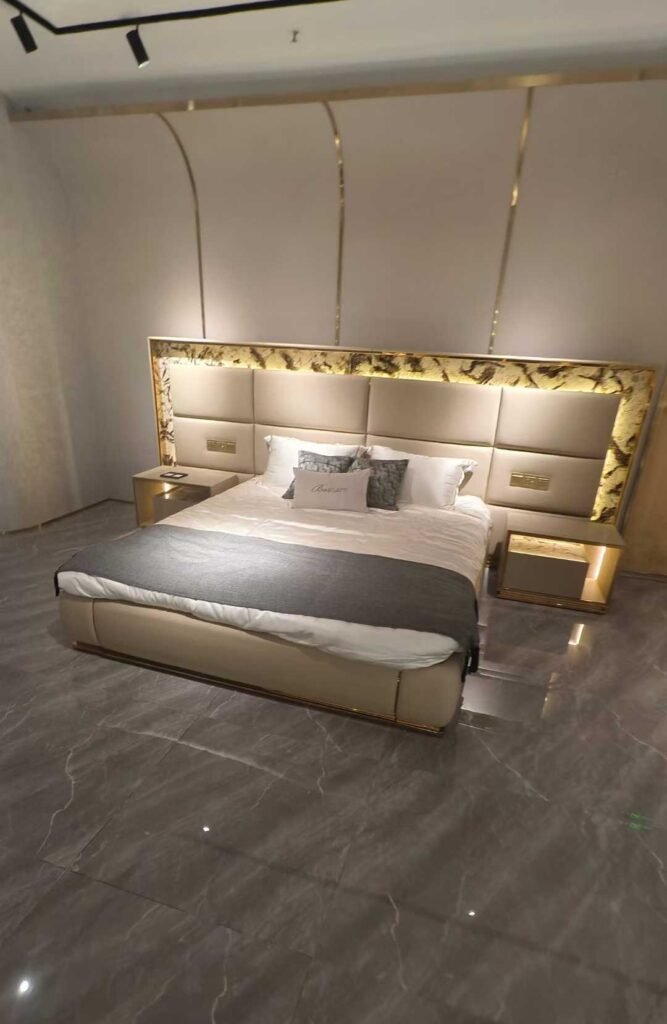
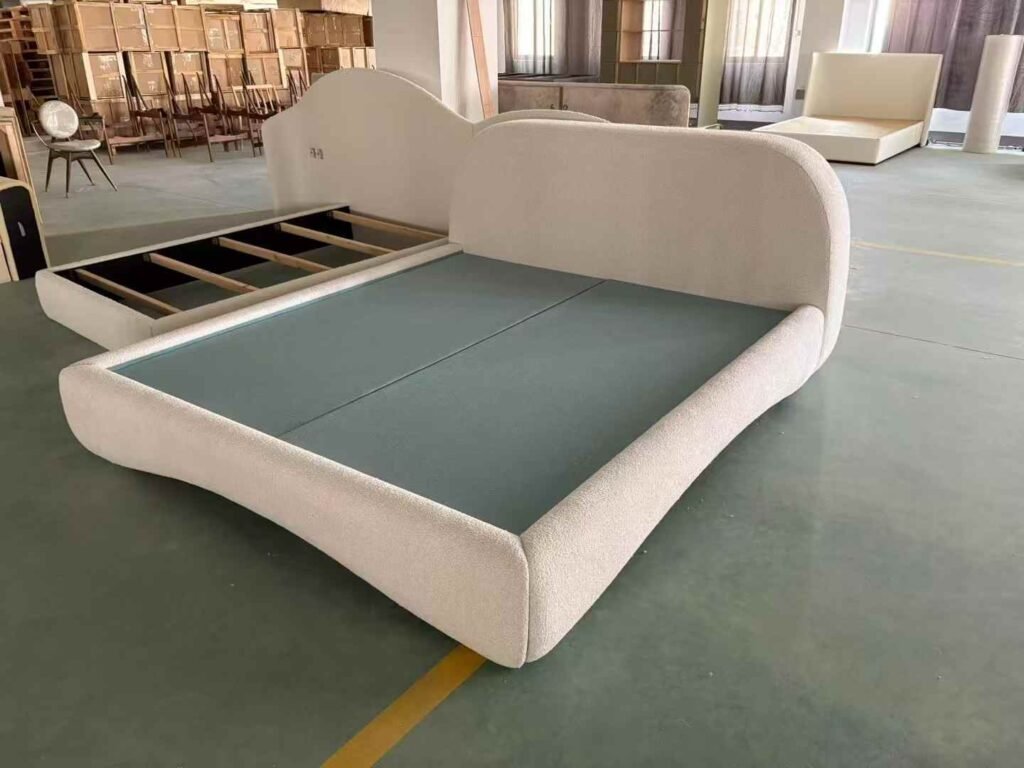
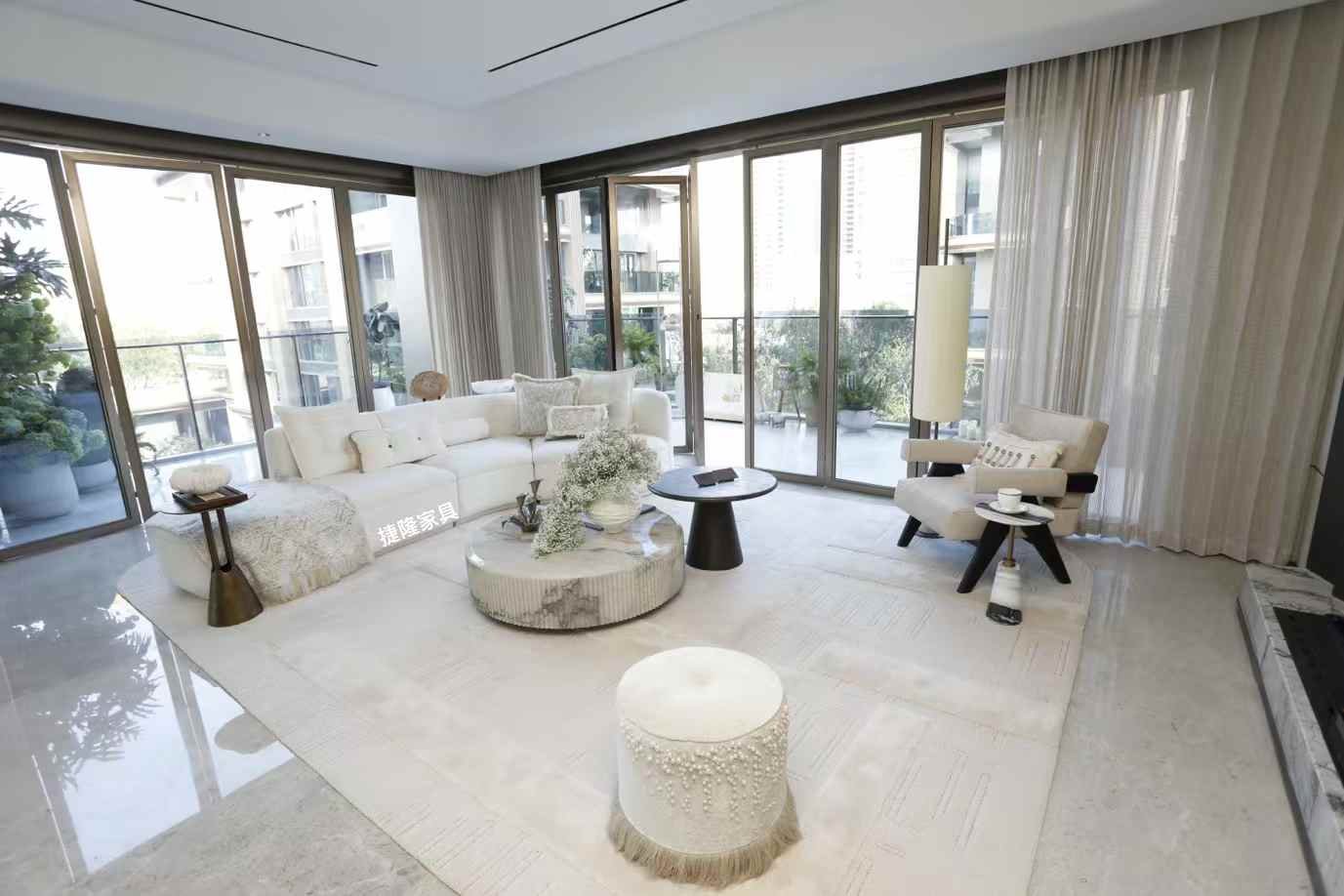
In January 2025, a boutique hotel group in Charleston, South Carolina wired $127,000 to a Foshan furniture supplier discovered through a 15-minute Alibaba search. The supplier’s profile looked professional — “Gold Supplier” badge, 8-year membership, 4.8-star reviews. Twelve weeks later, 420 guest-room nightstands arrived with veneer delamination on 38 units, drawer slides that jammed on 27 units, and a formaldehyde odor in 9 rooms strong enough to trigger guest complaints. The rework cost $34,600. The root-cause analysis traced every failure to skipped due diligence: no business-license verification, no factory audit, no pre-shipment inspection, and a payment structure (100% T/T upfront) that gave the buyer zero leverage.
Six months later, the same hotel group placed an identical order — same product specifications, same Foshan district — but through a structured supplier-selection process: verified business license on China’s NECIPS database, on-site factory audit, 3-checkpoint inspection protocol, and 30/70 payment terms. The defect rate dropped from 8.9% to 1.1%. The savings over the first order: $34,600 in avoided rework plus $11,400 in negotiated price improvement. The total investment in due diligence: $2,800.
China exported approximately $36.4 billion in furniture in 2024, commanding roughly 38% of global furniture shipments (ستاتيستا). Foshan alone houses over 7,000 factories producing approximately 75% of China’s total output. The opportunity is enormous — but so is the variance between suppliers. This guide walks you through every step of choosing a reliable Chinese furniture supplier, from defining your needs to planning after-sales support, so that your sourcing decisions are deliberate, data-informed, and protected against the costly mistakes that plague first-time importers.
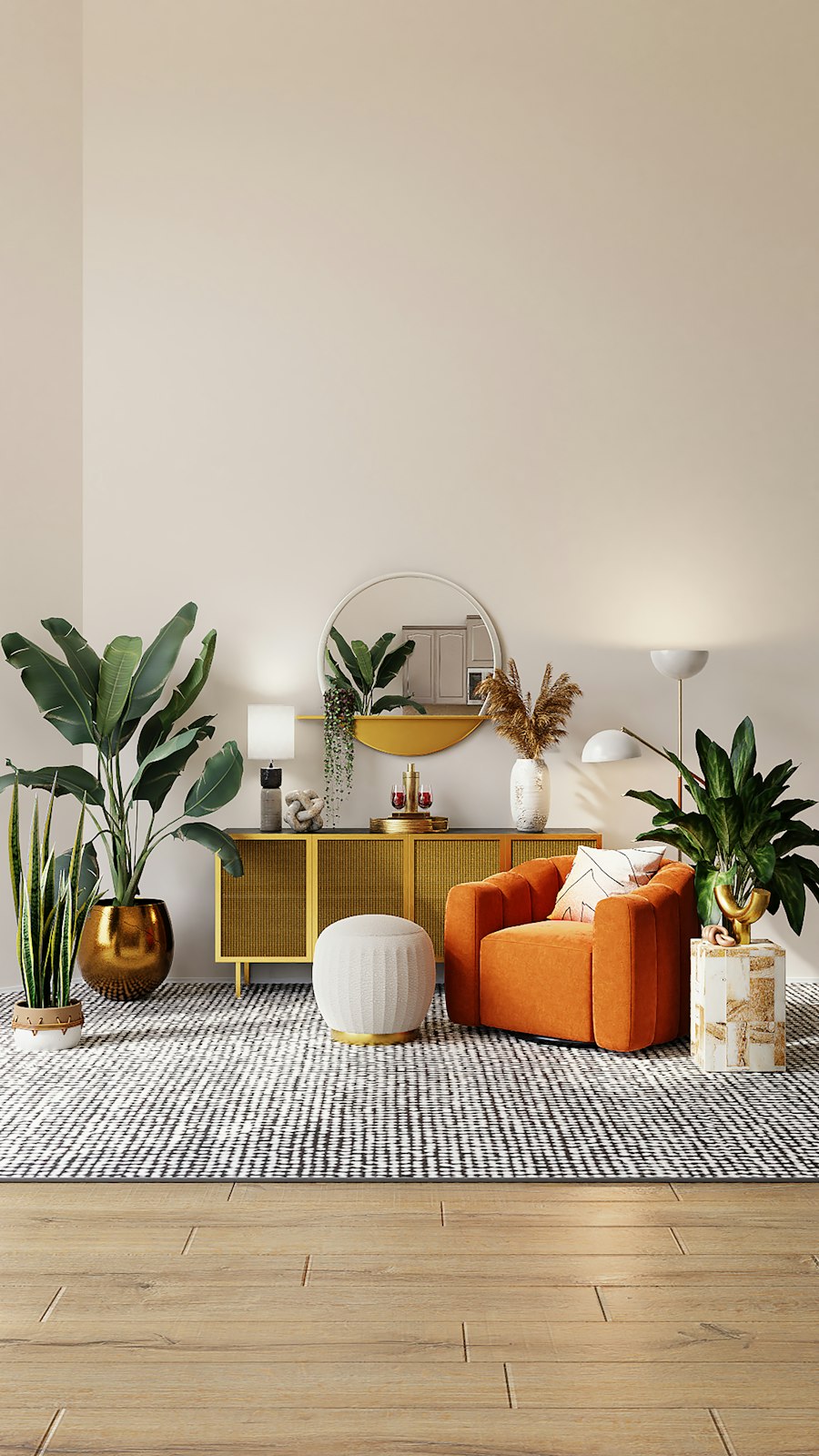
Define Your Furniture Needs
Set Specifications and Quantities
Before contacting a single supplier, document exactly what you need. A specification sheet should include product type (e.g., upholstered dining chair), target dimensions (±2mm tolerance for case goods, ±3mm for upholstery), material requirements (wood species, foam density in kg/m³, fabric abrasion rating in Martindale cycles), finish details (lacquer type, film thickness, color reference by Pantone or RAL code), hardware specifications (brand and model number for hinges, slides, and locks), and packaging requirements (double-wall corrugated, corner protectors, foam padding). The more precise your specification, the less room for misinterpretation — and the fewer surprises at delivery.
Quantities determine which supplier tier you should target. Orders below 50 units are typically better served by small Foshan workshops (MOQ as low as 20 pieces at a 15–25% premium) or consolidated-order programs through sourcing partners like Jade Ant furniture. Orders of 50–500 units fit mid-tier OEM factories. Orders above 500 units unlock the best pricing from large-scale manufacturers.
Determine Budget and Timeline
Set a landed-cost budget per unit — not just an FOB price target. A $600 FOB sofa becomes $1,050–$1,250 landed in the U.S. after adding ocean freight ($180–$420 per unit), 25% Section 301 tariff, MFN duty (0–5%), MPF (0.3464%), HMF (0.125%), customs brokerage ($150–$350 per entry), and inland delivery. If your retail target is $2,400 and you need a 50% margin, your maximum landed cost is $1,200 — work backwards from there.
Timeline planning must account for 12–20 weeks for a first-order cycle: 2–4 weeks for sampling, 4–8 weeks for production, 2–4 weeks for ocean transit, and 1–2 weeks for customs clearance and last-mile delivery. If your project has a fixed deadline (hotel opening, retail launch, trade-show display), add a 3-week buffer to every quoted lead time.
Identify Customization and Certifications
Determine upfront whether you need standard catalog products or custom designs. Custom pieces require OEM/ODM capability, which not every factory offers. For the U.S. market, mandatory certifications include CARB Phase 2 / EPA TSCA Title VI (formaldehyde limits for composite wood) and California TB 117-2013 (upholstery smolder resistance). For hospitality projects, add BIFMA X5 (structural durability) and GREENGUARD Gold (low VOC emissions). For European markets, add EN 12520, EN 1021, and REACH. List these requirements in your RFQ document so that suppliers can self-select — a factory that cannot provide CARB Phase 2 certification is not a viable option for the U.S. market, regardless of price.
Research Furniture Companies in China
Use Online Platforms and Trade Shows
Three online platforms dominate furniture sourcing. Alibaba.com lists over 120,000 furniture suppliers; prioritize “Verified Supplier” badges (which require third-party factory inspection). صُنع في الصين emphasizes “Audited Supplier” labels with SGS or TÜV verification. GlobalSources.com curates exhibitors from CIFF and the Canton Fair, bridging online research and in-person meetings.
For trade shows, the China International Furniture Fair (CIFF) in Guangzhou is the world’s largest — 850,000 m² of exhibition space, 4,000+ exhibitors, and over 380,000 visitors. The Canton Fair Phase 2 (April 2026) covers furniture and home products. One CIFF attendee surveyed by Jade Ant furniture reported meeting 23 qualified suppliers in three days and negotiating a 14% price reduction by comparing competing booths side by side. A trade-fair trip costs $2,800–$4,500 per person (flights, hotel, meals, local transport) — and for buyers placing orders above $50,000 annually, the ROI is substantial.
Check Directories and Associations
إن China National Furniture Association (CNFA) maintains over 3,000 corporate members and 28 provincial sub-associations (cnfa.com.cn). CNFA membership confirms a registered legal entity with a verified business license. The China American Furniture Alliance (CAFA) directory (cafa-furniture.org) lists manufacturers with active U.S. export programs. Cross-reference potential suppliers on ImportYeti (free U.S. customs data) to verify which factories actually ship to U.S. importers — and in what volumes.
Evaluate Product Range and Specialization
A factory that produces dining tables, office chairs, outdoor furniture, and kitchen cabinets is almost certainly a trading company — no single factory spans that many product categories with the specialized equipment each requires. Look for focused specialization: a factory that makes only upholstered seating, or only solid-wood dining, or only hotel case goods. Specialization correlates with tooling investment, worker skill depth, and quality consistency. Ask to see the factory’s top 5 product categories by volume — if your product is not among them, you are a marginal customer and will receive marginal attention.
What Matters Most When Choosing a Supplier

Source: Survey of 680 international B2B furniture buyers conducted at CIFF Guangzhou and Canton Fair, 2025–2026.

Verify Supplier Legitimacy and Reputation
Check Business Licenses and Certifications
Every legitimate Chinese manufacturer holds a Yingye Zhizhao (营业执照) — a business license issued by the State Administration for Market Regulation (SAMR). Request a scanned color copy and verify the 18-character Unified Social Credit Code (USCC) on China’s National Enterprise Credit Information Publicity System (NECIPS). Confirm that the scope of business includes “manufacturing” (制造), not just “trading” (贸易). A factory that cannot produce this document within 24 hours is a red flag worth abandoning immediately.
For certifications, verify ISO 9001 on the certifying body’s database (SGS, TÜV, BSI), FSC Chain of Custody on info.fsc.org, and CARB Phase 2 compliance through the EPA’s list of accredited third-party certifiers. Counterfeit certificates are not uncommon — a 2025 spot check by Jade Ant furniture found that 8% of ISO certificates presented by suppliers could not be verified on the issuing body’s website.
Review Experience and Customer Feedback
Ask for 3–5 client references in your target market and contact them directly. Ask specifically about defect rates on the last two orders, communication responsiveness (average reply time), whether the factory hit its quoted lead time, and how warranty claims were handled. A factory that refuses to provide references is not protecting client confidentiality — it is hiding a track record.
Assess Export History
Use ImportYeti أو Panjiva to verify a factory’s actual U.S. shipping records. A factory claiming “$10 million in annual exports” should show consistent container volumes under its own name. Trading companies often show no shipping history at all — or shipments under multiple unrelated factory names. Cross-referencing export data against the supplier’s claims is the single most reliable filter for separating factories from middlemen.
Request Quotes and Samples
Compare Pricing and Terms
Request quotes from at least 5 suppliers using identical specifications. Discard the highest and lowest quotes. A price more than 30% below the average indicates material substitution, subcontracted production, or bait-and-switch pricing that will increase after your deposit is paid. Compare not just unit price, but the full line-item breakdown: material cost, labor, finishing, packaging, and inland transport to port. A factory that provides a detailed cost breakdown is demonstrating transparency; one that provides only a lump-sum figure may be concealing quality shortcuts.
| Evaluation Criteria | Supplier A | Supplier B | Supplier C | Supplier D | Supplier E |
|---|---|---|---|---|---|
| FOB Unit Price | $186 | $142 | $210 | $118 | $168 |
| موك | 100 pcs | 200 pcs | 50 pcs | 300 pcs | 80 pcs |
| Lead Time | 35 days | 28 days | 45 days | 21 days | 40 days |
| Payment Terms | 30/70 T/T | 30/70 T/T | 30/70 T/T | 50/50 T/T | L/C accepted |
| Certifications | ISO, CARB, FSC | ISO, CARB | ISO, FSC, BSCI | None verified | ISO, CARB |
| 3rd-Party QC Allowed | Yes | Yes | Yes | No | Yes |
| Red Flags | None | None | None | Price 30%+ below avg; no certs; no QC access | None |
In this example, Supplier D would be eliminated immediately. Download this comparison template from the Jade Ant Resource Center.
Inspect Sample Quality
Order production samples ($50–$300 per unit) from your top 2–3 suppliers. Evaluate each sample against your specification sheet using measurable criteria: dimensional accuracy with calipers (±2mm for case goods), finish color with a spectrophotometer (ΔE ≤ 1.5), foam density by weighing and calculating against cushion volume, fabric abrasion count per the supplier’s Martindale test report, and hardware operation by cycling drawers and hinges 50 times. Request 2–3 samples if possible — variability between samples reveals process-control weaknesses that will amplify at production scale.
Evaluate Responsiveness
Response speed during the quoting phase predicts communication quality during production. Track the time from your initial inquiry to the first substantive response (not an auto-reply). Responsive suppliers reply within 12–24 hours during Chinese business hours (8:00–18:00 CST). A supplier that takes 72+ hours to respond to a pre-order inquiry will take even longer when you need urgent answers during production. Communication quality — the ability to understand nuanced specifications, ask clarifying questions, and provide detailed answers — is more important than speed alone.
Communication and Negotiation
Test Language and Clarity
Miscommunication between buyer and factory accounts for approximately 40% of first-sample rejections, according to data from Jade Ant furniture’s supplier network. The failures are not language barriers per se — most Chinese export salespeople speak functional English — but specification-level nuances: “matte” vs “satin” sheen, “warm white” vs “cool white,” leather grain direction, edge-radius measurements. Three practices reduce miscommunication dramatically: (1) use annotated photographs with arrows and dimensions rather than text alone; (2) provide a physical reference sample when possible; (3) conduct critical discussions via WeChat video call with screen sharing, followed by a bilingual written summary.
Discuss Customization Options
Chinese furniture factories — particularly in Foshan’s Longjiang and Lecong districts — are built for OEM/ODM customization at scale. A typical mid-tier factory can modify frame dimensions (±50mm standard), offer 200+ wood stain finishes, adjust foam density by 2 kg/m³ increments, and accommodate COM (Customer’s Own Material) fabric programs. Clarify customization scope, cost impact (usually zero surcharge above MOQ), and timeline impact (typically 1–2 weeks added for custom tooling) during the quotation phase — not after the deposit is paid.
Negotiate Payment and Terms
The standard payment structure is 30% deposit via T/T upon order confirmation, 70% against Bill of Lading after goods pass pre-shipment inspection. For orders above $30,000, a Letter of Credit (1–3% bank fee) provides additional protection by releasing payment only when the factory presents conforming shipping documents. Add a 5–10% holdback clause that releases the final balance 60–90 days after delivery, conditional on the buyer confirming no latent defects. Avoid any supplier demanding 100% pre-payment or accepting only Western Union transfers — these are among the most reliable indicators of a scam or unreliable operation.
Quality Control and Compliance
Review Quality Assurance Processes
Ask the factory to describe their internal QC process — and verify it during the factory audit. A quality-committed factory will have a dedicated QC department (separate from production), calibrated measurement instruments (calipers, moisture meters, spectrophotometers, film-thickness gauges), documented defect logs with corrective-action records, and a final inspection station where every unit is checked before packaging. A factory that combines QC with production supervision, or has no dedicated QC room, is relying on production workers to police their own output — a structure that systematically under-reports defects.
Arrange Third-Party Inspections
Third-party inspection is non-negotiable for imported furniture. The 3-checkpoint model covers: (1) pre-production material verification — confirming that wood species, panel certifications, foam density, fabric lots, and hardware model numbers on-site match your specification; (2) in-line inspection at 20–30% completion — checking the first finished units against the approved sample for dimensions, finish, joinery, and hardware function; (3) pre-shipment AQL 2.5 inspection at 80–100% completion — the full random-sample check per ISO 2859-1. Inspection costs range from $149 to $350 per man-day (SGS $280–$350, Bureau Veritas $260–$320, V-Trust $188–$268, AQI Service $149–$299). Total inspection cost per container: $500–$1,400 (AQI Service).
Ensure International Standards
For the U.S. market: CARB Phase 2 / EPA TSCA Title VI (formaldehyde), California TB 117-2013 (smolder resistance), and Lacey Act compliance (wood-species declaration). For hospitality/contract: BIFMA X5 (structural durability), GREENGUARD Gold (low VOC), CAL 133 or ASTM E1537 (room-scale fire safety). For the EU market: EN 12520, EN 1021, REACH. Require test reports from accredited labs (SGS, TÜV, Intertek) dated within 12 months, and verify certificate numbers on the issuing body’s database.
Shipping and Logistics
Confirm Packaging and Shipping Methods
Packaging quality is the most overlooked cost-reduction opportunity in furniture importing. A Jade Ant furniture analysis of 1,200 container shipments found that upgrading from standard single-wall corrugated to reinforced double-wall with corner protectors and foam inserts ($4–$5 per unit) reduced transit damage from 6.8% to 0.9% — saving an average of $18,700 per container in damage claims and replacement costs. Specify packaging standards in your purchase agreement, including carton ECT (edge crush test) rating, internal foam density, and palletization method (slip-sheet or pallet).
Shipping method depends on volume and urgency. FCL (Full Container Load) is standard for furniture: a 40-ft HC container holds 10–14 sofas or 40–60 dining chairs. Current rates run $2,800–$4,200 to the U.S. West Coast, $3,500–$5,100 to the East Coast. LCL (Less than Container Load) at $40–$80 per CBM suits smaller orders but increases handling and damage risk. Air freight ($5–$12/kg) is reserved for samples and urgent replacement parts.
Clarify Incoterms and Delivery
The three Incoterms most used in furniture trade from China are FOB (Free on Board) — seller delivers goods loaded onto the vessel at the Chinese port, buyer handles ocean freight and all costs from that point; CIF (Cost, Insurance, Freight) — seller arranges and pays for ocean freight and insurance to the destination port, buyer handles customs clearance and inland delivery; and DDP (Delivered Duty Paid) — seller handles everything including customs and delivery to the buyer’s warehouse. FOB is recommended for experienced importers who want to control freight costs and insurance. CIF suits buyers who prefer the factory to manage logistics. DDP is best for first-time importers willing to pay a premium for door-to-door simplicity (CIFF Pricing Guide).
Plan for Customs and After-Sales
Engage a licensed U.S. customs broker (Flexport, Shapiro, C.H. Robinson) before the goods ship — not after they arrive at port. Provide the broker with the HS code classification, commercial invoice, packing list, Bill of Lading, Certificate of Origin, CARB/TSCA compliance documentation, Lacey Act declaration, and ISF (Importer Security Filing, due 24 hours before vessel loading). Missing documents trigger customs holds, adding $75–$175/day in port demurrage and storage fees. Plan 1–2 weeks for customs clearance under normal conditions.
Compare Multiple Furniture Companies in China
Analyze Quality, Price, and Service
This scoring framework uses a 1–10 scale. Quality Score aggregates sample evaluation, certification depth, and defect history. Price Index normalizes cost (higher = more expensive). Service Score combines communication speed, customization flexibility, and post-sale responsiveness. Supplier C scores highest across all three dimensions but also carries the highest price — the right choice for a hospitality buyer who cannot tolerate defects, but possibly not for a price-sensitive retailer.
The key insight: never select a supplier on price alone. Supplier D in this example is the cheapest option but scores lowest on quality and service — the combination that produced the $34,600 rework bill in the Charleston hotel case. The optimal choice depends on your non-negotiables: if quality is paramount, Supplier C wins regardless of price. If budget is fixed and quality needs are moderate, Supplier E offers the best balance.
Consider Sourcing Agents
A China-based sourcing agent acts as your eyes, ears, and negotiation leverage on the ground. Typical commission runs 5–10% of total order value; some offer flat monthly retainers of $1,500–$3,000 for ongoing programs. According to industry data, businesses using sourcing agents reduce supply-chain disruptions by up to 40% compared to self-sourcing (SellersUnion). The trade-off is reduced direct control — some agents steer buyers toward commission-paying factories. Require any agent to disclose financial relationships with recommended factories and present at least 5 options per product category.
أثاث النمل اليشم operates as both a sourcing partner and a quality-management intermediary — maintaining a vetted factory network, providing bilingual specification translation, coordinating inspections, and managing logistics — while giving buyers direct access to factory communications and full pricing transparency.
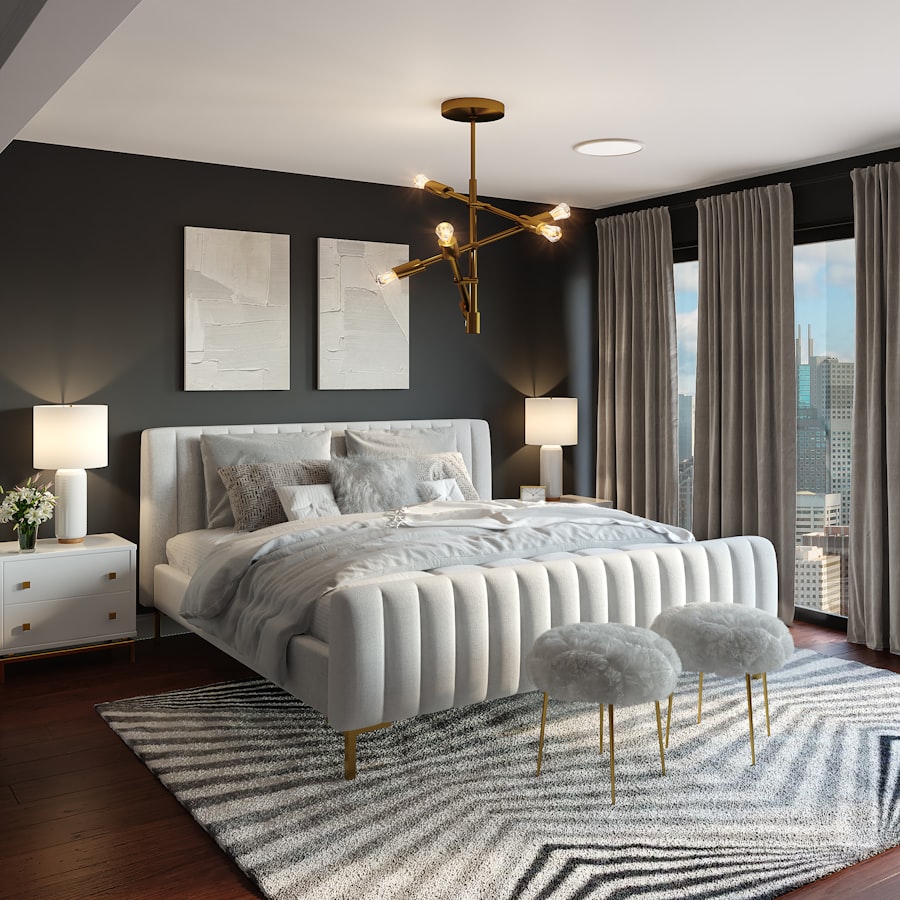
Watch: How to Find Luxury Furniture Suppliers in China

The difference between the Charleston hotel that lost $34,600 and the same hotel that achieved a 1.1% defect rate was not luck, geography, or even the specific factory chosen. It was a repeatable process applied consistently: define specifications before sourcing, research broadly then verify deeply, inspect samples with measurable criteria, negotiate payment terms that maintain leverage, arrange third-party quality checkpoints, plan logistics meticulously, and compare suppliers on quality and service — not just price.
This process requires investment — in time, in inspection fees, in travel for factory visits or trade fairs. But the return on that investment is measurable: avoided rework costs, lower defect rates, faster lead times, and long-term supplier relationships that improve with every order. Thorough research and verification are not expenses — they are the cheapest insurance available in international furniture sourcing.
For buyers beginning or refining their China furniture sourcing program, Jade Ant furniture provides the infrastructure to execute this entire process: factory matching from a pre-vetted network, bilingual specification development, inspection coordination, logistics management, and post-delivery support. The Resource Center offers downloadable supplier-comparison templates, factory-audit checklists, and AQL inspection guides — all calibrated for the specific requirements of furniture manufacturing in China. Working with a specialized, reputable partner compresses the learning curve from years to weeks, and converts the complexity of cross-border sourcing into a structured, repeatable competitive advantage.
Frequently Asked Questions
1. How do I verify if a Chinese furniture supplier is a real factory or a trading company?
Three checks distinguish factories from traders: (1) the business license scope should include “manufacturing”, not “trading” — verify on NECIPS; (2) a factory can provide a live video tour of an active production line within 24 hours; (3) a factory’s registered capital typically exceeds ¥5 million ($690,000). Cross-reference U.S. shipping records on ImportYeti to confirm actual export history.
2. What is a safe payment structure when ordering furniture from China?
The industry standard is 30% deposit via T/T (telegraphic transfer) upon order confirmation, with 70% paid against Bill of Lading after goods pass pre-shipment inspection. For orders above $30,000, a Letter of Credit adds protection. Include a 5–10% holdback released 60–90 days after delivery. Never pay 100% upfront, and avoid Western Union or cryptocurrency payments.
3. How many samples should I request before placing a bulk furniture order?
Request 2–3 production samples (not showroom pieces) from each of your top 2–3 suppliers. Multiple samples reveal consistency in finish color, dimensions, and material quality. Evaluate each against your written specification using calipers, spectrophotometers, and cycle testing. Sample costs typically range from $50–$300 per unit depending on product complexity.
4. What certifications should a Chinese furniture supplier have for the U.S. market?
At minimum: CARB Phase 2 / EPA TSCA Title VI (formaldehyde limits for composite wood) and California TB 117-2013 (upholstery smolder resistance). For commercial/hospitality projects: BIFMA X5 (structural durability), GREENGUARD Gold (low VOC), and CAL 133 or ASTM E1537 (fire safety). ISO 9001 confirms a quality management system is in place. Always verify certificate numbers directly with the issuing body — never accept a scanned PDF at face value.
5. How much does it cost to ship furniture from China to the United States?
FCL (Full Container Load) shipping for a 40-ft HC container currently costs $2,800–$4,200 to the U.S. West Coast and $3,500–$5,100 to the East Coast. LCL (Less than Container Load) runs $40–$80 per cubic meter. Air freight costs $5–$12 per kg and is reserved for samples or urgent items. Add customs brokerage ($150–$350 per entry), import duties (25% Section 301 on upholstered wood furniture), and inland delivery to calculate total landed cost.
6. What is the difference between FOB, CIF, and DDP for furniture imports?
FOB (Free on Board): seller delivers goods loaded at the Chinese port; buyer handles ocean freight and all costs from that point — best for experienced importers. CIF (Cost, Insurance, Freight): seller arranges and pays for freight and insurance to the destination port; buyer handles customs and inland delivery. DDP (Delivered Duty Paid): seller handles everything including customs clearance and delivery to the buyer’s warehouse — simplest but most expensive option, best for first-time importers.
7. How long does it take to import furniture from China for a first order?
A first-order cycle typically takes 12–20 weeks: 2–4 weeks for sampling and approval, 4–8 weeks for production, 2–4 weeks for ocean transit, and 1–2 weeks for customs clearance and last-mile delivery. Repeat orders from established suppliers compress to 8–14 weeks. Always add a 3-week buffer to quoted lead times when planning project deadlines.
8. Should I use a sourcing agent when buying furniture from China?
A sourcing agent is valuable if you lack Mandarin fluency, on-the-ground QC capability, or experience navigating Chinese factory dynamics. Agents typically charge 5–10% commission and can reduce supply-chain disruptions by up to 40%. However, require transparency: agents should disclose financial relationships with recommended factories and present at least 5 options per product category. أثاث النمل اليشم offers a hybrid model with direct factory access plus sourcing-agent services.
9. What are the biggest red flags when evaluating a Chinese furniture supplier?
Eight red flags that should pause or end a supplier conversation: (1) cannot produce a business license within 24 hours; (2) price more than 30% below the 5-quote average; (3) demands 100% pre-payment; (4) factory address doesn’t match business license; (5) refuses live video tour of production line; (6) certifications can’t be verified on issuing-body databases; (7) won’t allow third-party pre-shipment inspection; (8) client references are unavailable or unverifiable.
10. Can Jade Ant furniture help me find and vet a Chinese furniture supplier?
Yes. أثاث النمل اليشم provides end-to-end supplier selection support including factory matching from a pre-vetted network across Foshan, Dongguan, Anji, and Nankang. Services include business-license verification, on-site factory audits, sample evaluation, bilingual specification development, third-party inspection coordination, and logistics management. The Jade Ant Resource Center offers free downloadable supplier-comparison templates, factory-audit checklists, and negotiation guides.








 Arabic
  English
  Portuguese