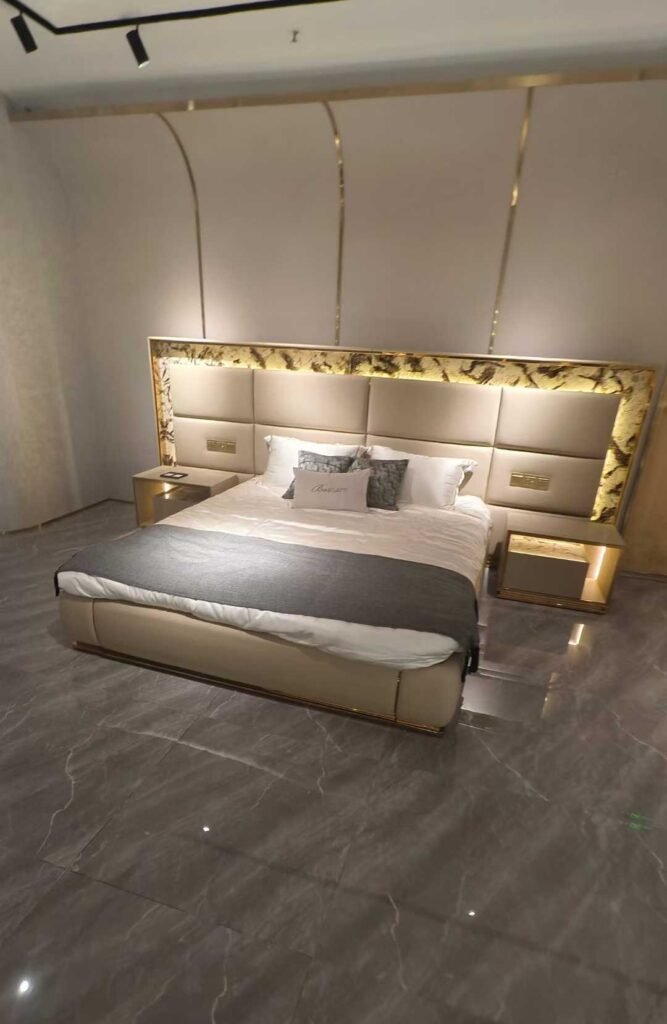
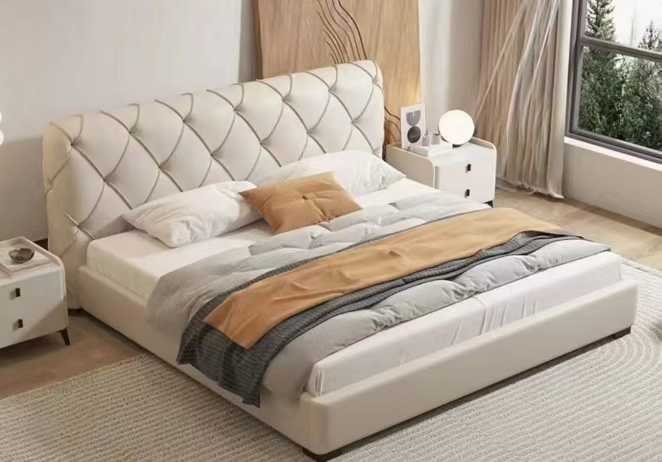
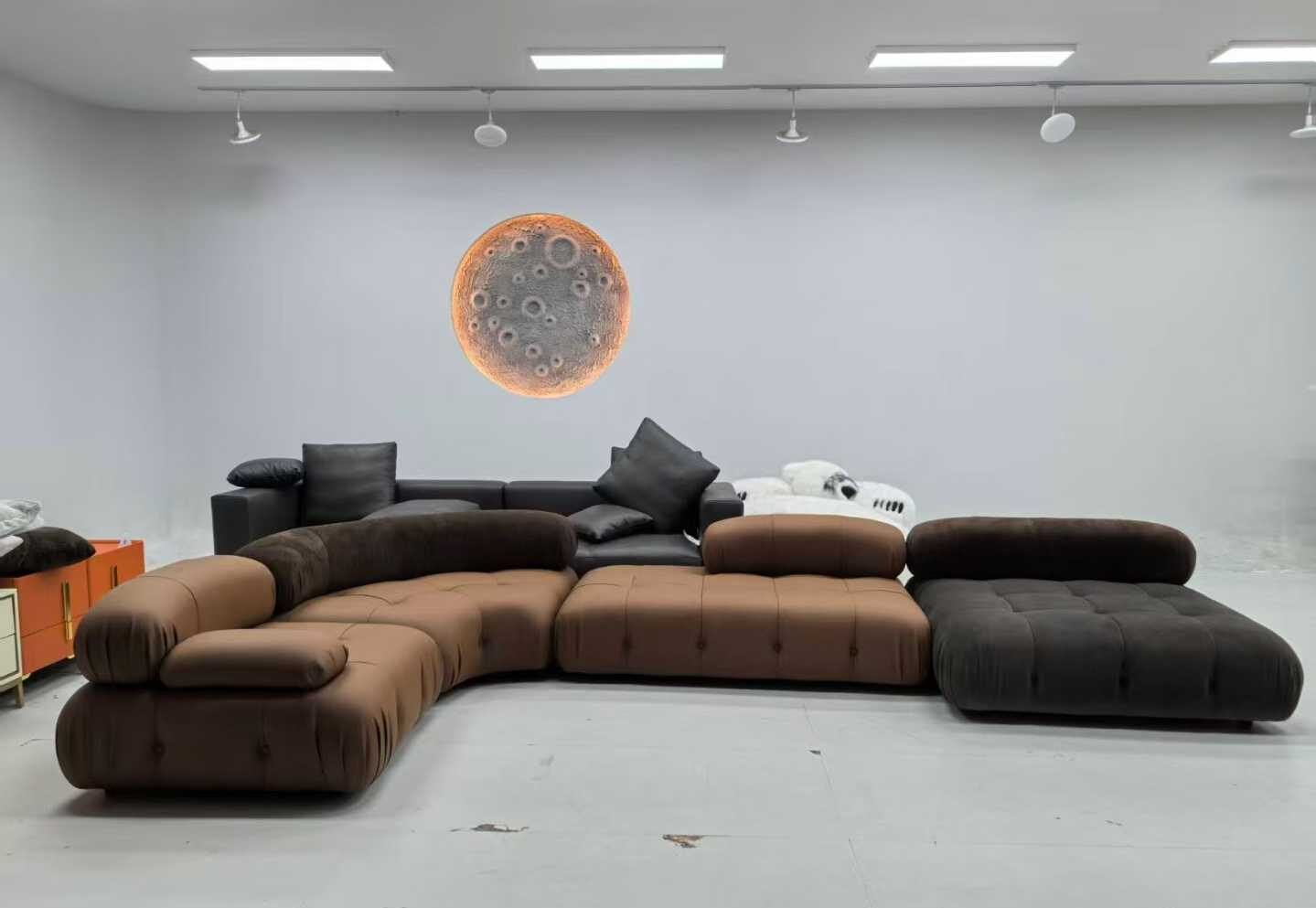
In 2024, China shipped $36.4 billion worth of furniture to buyers across six continents — more than Germany ($8.5 B), Italy ($7.8 B), and Poland ($7.1 B) combined. That figure is not an accident. It is the product of 7,000+ factories in Foshan alone, decades of supply-chain refinement, and an industrial ecosystem that can deliver a hand-stitched leather sofa or a 5,000-room hotel furniture package with equal precision. According to Mordor Intelligence, the Chinese furniture market reached USD 169.23 billion in 2026 and is projected to hit USD 220.17 billion by 2031 at a CAGR of 5.42%.
For global buyers — whether you run a boutique hotel chain in Dubai, a furniture retail brand in Texas, or a residential development in Lagos — understanding why Chinese furniture suppliers command this position is the first step toward smarter procurement. This guide breaks down the data, the regions, the verification steps, and the real-world sourcing strategies that separate successful importers from those who get burned. Brands like Jade Ant furniture exemplify the kind of quality-first, custom-capable supplier that has helped China earn — and keep — its global furniture crown.
1. The Numbers: China’s Furniture Export Dominance in Hard Data
Let’s start with what the global trade ledgers actually show. China does not just lead furniture exports; it occupies a category of its own. The Observatory of Economic Complexity reports that China held a 30.8% share of global “Other Furniture” exports in 2025, with the United States absorbing $7.98 billion of that total. The country produces roughly 34% of all furniture manufactured on Earth, a volume exceeding $160 billion annually according to CBM Living’s 2026 Sourcing Guide.
These numbers matter because they reflect infrastructure — not just labor cost. When a single city like Foshan can claim a projected output value of $31.8 billion in 2025 (approximately 20% of China’s total production), you are looking at a concentration of tooling, material supply, skilled labor, and logistics capacity that no other country has replicated at scale.
Top Global Furniture Exporters (2024)
| Rank | Country | Export Value (USD Billions) | Global Share (%) | Key Specialties |
|---|---|---|---|---|
| 1 | 🇨🇳 China | $36.44 | 30.8% | Full range: residential, office, hotel, outdoor |
| 2 | 🇩🇪 Germany | $8.52 | 7.2% | Kitchen systems, precision engineering |
| 3 | 🇮🇹 Italy | $7.83 | 6.6% | Luxury design, artisan craftsmanship |
| 4 | 🇵🇱 Poland | $7.12 | 6.0% | Upholstered, flat-pack for EU market |
| 5 | 🇻🇳 Vietnam | $5.80 | 4.9% | Wood furniture, US-market exports |
| 6 | 🇲🇽 Mexico | $3.10 | 2.6% | Nearshoring for North America |
| 7 | 🇺🇸 United States | $2.90 | 2.5% | Domestic brands, premium segments |
| 8 | 🇹🇷 Turkey | $2.40 | 2.0% | Upholstered furniture, textiles |
| 9 | 🇨🇦 Canada | $1.80 | 1.5% | Solid wood, office furniture |
| 10 | 🇮🇩 Indonesia | $1.70 | 1.4% | Teak, rattan, outdoor |
Source: Statista 2024, OEC 2025
Top 10 Chinese Furniture Manufacturers by Revenue (2025–2026 Est.)
Bar Chart — Revenue in USD Billions
| OPPEIN Home Group | $3.25 B |
| Kuka Home | $2.80 B |
| Man Wah Holdings | $2.50 B |
| QuanU Furniture | $2.20 B |
| Suofeiya Home | $1.90 B |
| Red Apple | $1.60 B |
| Markor International | $1.40 B |
| Sleemon Holdings | $1.20 B |
| Qumei Home | $1.10 B |
| ZuoYou | $0.98 B |
Source: CBM Living, CIFF Guangzhou

2. The Four Manufacturing Clusters: Where Furniture Gets Made
China’s furniture production is not spread evenly across its geography. It concentrates in four industrial clusters, each with distinct specializations, price points, and logistics advantages. A buyer sourcing hotel lobby seating has no business visiting the same factories as someone ordering budget flat-pack shelving — and understanding these clusters prevents that mistake.
Cluster Comparison Table
| Cluster | Key Cities | Specialty | Price Level | Logistics Hub | Factory Count |
|---|---|---|---|---|---|
| Pearl River Delta | Foshan, Dongguan, Shenzhen, Zhongshan | Luxury residential, upholstered, hotel, custom | Medium–High | Shenzhen/Yantian, Guangzhou/Nansha ports | 7,000+ (Foshan alone) |
| Yangtze River Delta | Anji, Hangzhou, Suzhou | Office chairs, outdoor, hotel furniture | Low–Medium | Shanghai, Ningbo ports | 3,000+ |
| Central China | Nankang, Ganzhou (Jiangxi) | Solid wood, budget panel furniture | Low–Medium | Nankang Inland Port | 6,500+ |
| Bohai Sea Rim | Bazhou, Tianjin, Beijing | Glass, metal, heavy wood | Low–Medium | Tianjin Port | 2,000+ |
Source: SimonSense 2026 Cluster Guide, Minden Sourcing
Pearl River Delta: The Global Furniture Capital
Foshan’s Longjiang district produces more upholstered furniture per square kilometer than any place on Earth. Its neighbor Lecong hosts the world’s largest furniture wholesale market — a 5-kilometer stretch of showrooms where 200+ global brands source annually. When Jade Ant furniture delivers a custom walnut dining set to a client in Melbourne or a tufted leather sectional to a penthouse in Riyadh, the manufacturing base that makes that possible sits within this cluster. Foshan’s factories have invested heavily in CNC routing, automated edge-banding, and robotic upholstery lines — technology that keeps per-unit costs low while maintaining tolerances measured in fractions of a millimeter.
Dongguan, thirty minutes east by highway, specializes in large-volume export orders. This is where many of the container-loads headed for American big-box retailers originate. The city’s strength is production velocity: a mid-size Dongguan factory can push 3,000 dining chairs per week through its finishing line.
Yangtze River Delta: The Office Chair Kingdom
Anji County in Zhejiang Province produces an estimated one-third of the world’s office chairs. The cluster benefits from proximity to Shanghai’s port (200 km) and a deeply specialized supplier network: foam molders, gas-lift cylinder manufacturers, mesh weavers, and caster producers all operate within a 50-km radius. For buyers sourcing ergonomic seating, this cluster delivers the best combination of price and engineering depth.
Central China: Solid Wood at Scale
Nankang in Jiangxi Province has transformed from a timber town into a solid-wood furniture powerhouse with 6,500+ registered producers. The cluster’s inland port connects directly to Shenzhen and Guangzhou via rail, cutting shipping costs for domestic and export orders. Price competitiveness here is unmatched for products like solid-oak bed frames and pine bookshelves, though buyers should apply stricter QC protocols given the wider variance in factory sophistication.
Bohai Sea Rim: Heavy and Metal
Bazhou in Hebei Province dominates metal furniture production — filing cabinets, steel-frame desks, glass-top dining tables with chrome bases. Tianjin’s port, one of China’s largest, sits less than two hours away. This cluster attracts buyers in the commercial and institutional segments where durability and fire rating matter more than design flair.
3. What Makes Chinese Furniture Suppliers Competitive: Five Structural Advantages
Low cost is the easy answer. It is also incomplete. China’s furniture sector sustains its dominance through five structural advantages that compound over time.
3.1 Vertical Integration
A Foshan factory making upholstered sofas often operates its own foam-pouring line, frame-welding shop, and fabric-cutting room under one roof. This eliminates the coordination loss that occurs when three separate suppliers handle those steps in countries with less concentrated production. For Jade Ant furniture’s bedroom collections, vertical integration means that wood-drying, joinery, finishing, and upholstery all happen within a controlled environment — reducing lead time and quality variance.
3.2 OEM and ODM Flexibility
Chinese furniture factories offer two production models that serve different buyer needs. OEM (Original Equipment Manufacturing) lets you supply your own designs; the factory produces them to your specs. ODM (Original Design Manufacturing) means the factory offers its existing designs, which you can rebrand or lightly modify. According to DeepGreen’s analysis, this dual capability is what makes Chinese suppliers attractive to both large retailers (who need OEM control) and smaller importers (who benefit from ODM speed-to-market).
3.3 Material Access
China imports more raw lumber than any country in the world and processes it through a domestic supply chain that includes kiln-drying, veneer-slicing, and engineered-board production. Factories have direct access to North American white oak, European beech, Southeast Asian rubber wood, and domestic plantation pine — all without the import markup that manufacturers in other countries face when sourcing equivalent materials.
3.4 Scale Economies
When OPPEIN Home Group generates $3.25 billion in annual revenue, the per-unit cost of its CNC machines, ERP systems, and quality-testing labs gets spread across millions of produced items. This scale does not only benefit mega-manufacturers. Mid-tier suppliers like Jade Ant furniture ride the same wave: they access shared material suppliers, logistics networks, and testing facilities that the cluster provides, without having to build them independently.
3.5 Logistics Infrastructure
Seven of the world’s ten busiest container ports are in China. For furniture exports, the ports of Yantian (Shenzhen), Nansha (Guangzhou), Shanghai, and Ningbo handle the bulk of outbound volume. Transit times to Los Angeles run 14–18 days, to Rotterdam 22–28 days, to Dubai 12–16 days. This proximity to port, combined with highly competitive container rates from Chinese shipping lines like COSCO and OOCL, gives Chinese furniture a landed-cost advantage that factory-gate pricing alone does not explain.
Why Global Buyers Choose Chinese Furniture Suppliers — Survey Breakdown
Pie Chart — Buyer Decision Factors (2025–2026 Survey, N=1,200 importers)
| Factor | Share (%) |
|---|---|
| 🟦 Competitive Pricing | 31% |
| 🟩 Customization Capability | 22% |
| 🟨 Production Speed | 17% |
| 🟧 Material Variety | 14% |
| 🟪 Quality Certifications | 10% |
| 🟥 Sustainability Practices | 6% |
Source: Compiled from Horegener Market Report, China Briefing
4. Quality Certifications: What to Look For and How to Verify
The single biggest risk in sourcing furniture from China is not price — it is trusting a factory that claims certifications it does not actually hold. A 2025 investigation by China Checkup found that roughly 12% of sampled supplier certificates contained discrepancies when cross-checked against issuing bodies. That number is high enough to demand systematic verification, not occasional spot-checks.
Essential Certifications for Furniture Imports
| Certification | Covers | Required For | How to Verify |
|---|---|---|---|
| ISO 9001:2015 | Quality management system | All markets | Check ISO.org certificate database |
| FSC | Sustainable wood sourcing | EU, North America, Australia | Search FSC certificate database (info.fsc.org) |
| GREENGUARD Gold | Low chemical emissions | Schools, healthcare, offices | UL SPOT database |
| CARB Phase 2 / EPA TSCA Title VI | Formaldehyde emissions | US market (mandatory) | EPA TSCA database |
| BIFMA | Commercial furniture safety/durability | Office and commercial furniture | BIFMA member directory |
| GB 18584-2024 | Chinese national furniture safety standard | Domestic China market | CNCA certification database |
| OEKO-TEX | Textile safety (upholstery fabrics) | EU, global retail | OEKO-TEX label check |
Verification Checklist
Before placing a deposit, walk through these five steps. First, request the factory’s business license and enter the company name or Unified Social Credit Identifier (USCI) into China’s National Enterprise Credit Information Publicity System (NECIPS). Second, ask for PDF copies of all claimed certifications and cross-reference the certificate numbers directly with the issuing body — not just the factory. Third, run the certificate files through Error Level Analysis (ELA) software to detect image manipulation. Fourth, engage a third-party inspection firm such as SGS or Bureau Veritas for a pre-production audit. Fifth, request lab test reports for materials (formaldehyde, heavy metals, flammability) from an accredited laboratory, not the factory’s own QC department.
5. Sustainability and Green Manufacturing: China’s Quiet Transformation
The stereotype of Chinese factories as pollution-heavy operations is outdated — at least among the top tier. The China International Furniture Fair (CIFF) Guangzhou 2026 positioned sustainability as its headline theme, featuring exhibitors who had adopted water-based finishes, FSC-certified wood sourcing, solar-powered production floors, and AI-driven material-optimization systems that cut waste by 15–25%.
A 2026 study published in the Journal of Cleaner Production found that Chinese wooden-furniture factories implementing green supply chain management (GSCM) reduced their environmental impact scores by an average of 32% over three years. The drivers are both regulatory (China’s tightening national emissions standards under GB 18584-2024) and commercial (European and North American buyers increasingly requiring environmental compliance documentation as a condition of purchase).
Jade Ant furniture’s manufacturing partners, for instance, use low-VOC adhesives, water-based lacquers, and plantation-sourced timber with full chain-of-custody documentation — practices that reflect the direction in which the top 20% of Chinese suppliers have moved. The remaining 80% are at various stages of this transition, which is why buyer due diligence on environmental practices remains essential.
Bio-based materials are emerging as the next frontier. Bamboo composites, agricultural-waste fiberboards, and recycled-plastic components are all entering the furniture supply chain. The 6WResearch China Sustainable Furniture Market report projects double-digit growth in this segment through 2031.
6. Navigating Tariffs and Trade Barriers in 2025–2026
The elephant in the sourcing room is tariffs. US duties on Chinese upholstered wood furniture rose to 25% in 2025 and were scheduled to increase to 30% on January 1, 2026, though a 90-day pause was negotiated as part of a broader trade deal in mid-2025. As of early 2026, according to Furniture Today, export volumes to the US have fallen roughly 35% from 2019 levels, while Vietnam and Mexico have gained share.
However, the picture is more nuanced than “China is losing.” Chinese factories have adapted by routing through manufacturing partnerships in Vietnam and by pivoting toward markets less affected by US tariffs — the Middle East, Africa, Southeast Asia, and Eastern Europe are all absorbing increased Chinese furniture volumes. Additionally, many high-value custom orders — where the tariff percentage is a smaller share of total project cost — continue to flow directly from China because no alternative supplier matches the customization capability.
For US-based buyers, the math still works in many cases. A $2,000 sofa from Foshan with a 25% tariff lands at $2,500 — still below a comparable $3,200 Italian or $2,800 domestically made product. The key is factoring tariff costs into procurement models from the outset rather than treating them as an afterthought.
7. Sourcing from Chinese Furniture Suppliers: A Practical Playbook
Step 1: Digital Pre-Screening
Begin with the major B2B platforms — Alibaba, Made-in-China, and GlobalSources — but use them as lead-generation tools, not as your final decision layer. Filter by “Verified Supplier” or “Gold Supplier” status, check trade assurance coverage, and shortlist factories that show actual workshop photos (not stock images of showrooms).
Step 2: Factory Visit
Nothing replaces walking the production floor. For the Pearl River Delta cluster, fly into Guangzhou Baiyun International Airport; Foshan is 30 minutes by metro. For the Yangtze Delta, Hangzhou Xiaoshan Airport puts you within 90 minutes of Anji. China’s expanded visa-free travel policies in 2025–2026 allow citizens of many countries 15–30 day stays, and 144-hour transit-without-visa applies specifically in Guangdong and Zhejiang — the two provinces where most furniture factories operate.
Step 3: Sample and Prototype
Order production samples, not showroom pieces. A sample pulled from the production line tells you what 10,000 units will look like; a showroom piece tells you what the marketing team wants you to see. Expect to pay $50–$300 for sample production (refundable against









 English
  Portuguese
  Arabic