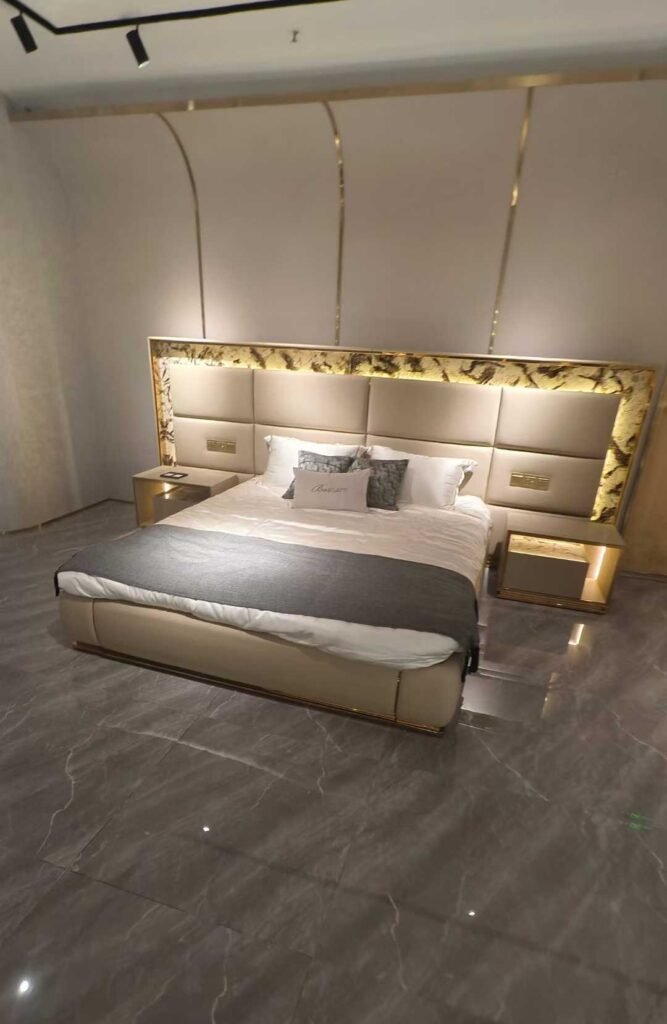
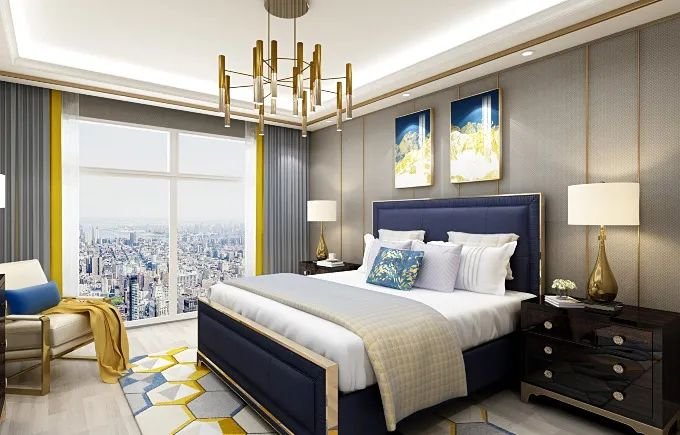

Italian furniture brands are undergoing one of the most significant transformations in their storied history. Confronted by shifting consumer expectations, tightening environmental regulations, volatile geopolitical conditions, and the relentless march of digital technology, the industry that gave the world Salone del Mobile, Brianza craftsmanship, and the very concept of “Made in Italy” is being forced to evolve — and it is doing so with characteristic elegance.
The numbers tell a story of resilience amid recalibration. Italy’s wood-furniture supply chain reached a production turnover of €52.2 billion in 2025, up 1.3% from 2024, with exports holding steady at €19.3 billion — accounting for 37% of total turnover, according to FederlegnoArredo. Meanwhile, the Italian furniture market overall is projected to grow from approximately $21.34 billion in 2025 to $23.33 billion by 2030, at a compound annual growth rate of 1.8%, as reported by Mordor Intelligence. These figures reflect an industry that is not shrinking but repositioning — moving decisively toward sustainability, technological innovation, luxury export growth, and bespoke contract solutions.
For global buyers, architects, hospitality developers, and design professionals — including partners of manufacturers like Jade Ant Furniture who source Italian-inspired design for international markets — understanding how Italy’s furniture sector is adapting is essential for making informed purchasing and specification decisions. This article explores the strategies, innovations, and regulatory forces that are shaping the Italian furniture industry in 2026 and beyond.
Italian Furniture News: Market Trends
Global Demand Shifts
The global furniture market is undergoing a fundamental realignment in what buyers value. The post-pandemic era has permanently shifted consumer and commercial priorities away from disposable, trend-chasing purchases and toward durable, design-forward, and sustainably produced furniture. This shift plays directly to Italy’s strengths. As Interior Daily reports, “Italian luxury furniture exports are accelerating as international buyers increasingly prioritise quality, durability and distinctive European design.”
Three macro-level demand shifts are reshaping the landscape. First, the global wealth expansion in Asia-Pacific — particularly in Singapore, the Philippines, Vietnam, and mainland China — has created an entirely new class of buyers who associate Italian furniture with cultural sophistication and investment-grade quality. Second, the post-pandemic reinvention of hospitality and residential interiors has driven architects and developers to specify premium European craftsmanship for boutique hotels, luxury residences, and mixed-use developments. Third, the growing demand in North America for bespoke, branded interior concepts has created opportunities for Italian manufacturers who can deliver customization at scale while maintaining artisan quality.
These demand shifts are not temporary. They represent a structural change in how the global market values furniture, and Italian brands are positioned to benefit disproportionately from this evolution.
Production Value and Growth Rates
Italy’s furniture sector maintains its position as an essential pillar of the national manufacturing system. The industry encompasses over 15,000 active manufacturing companies employing 128,000 people, according to CSIL / World Furniture Online. The sector is composed primarily of small and medium-sized enterprises, but also includes large-scale companies that are leaders in their respective segments.
The production breakdown reveals significant specialization: 70% of manufacturers focus on home furniture, 13% on office furniture, 13% on armchairs and sofas, and 6% on kitchen furniture. This diversification provides stability, as weakness in one segment can be offset by strength in another.
| Metric | 2023 | 2024 | 2025 | 2026 (Projected) |
|---|---|---|---|---|
| Wood-Furniture Supply Chain Turnover | €51.8B | €51.5B | €52.2B | €53.0B (est.) |
| Furniture Exports | €11.6B | €11.3B | €19.3B (full supply chain) | Stable / slight growth |
| Active Manufacturing Companies | 15,200+ | 15,000+ | 15,000+ | ~15,000 |
| Industry Employment | 130,000 | 128,000 | 128,000 | ~128,000 |
| Global Export Ranking | 4th | 4th | 4th | 4th |
| Export Share of Total Revenue | >50% | >50% | 37% (full chain) | >50% (furniture only) |
| Luxury Furniture Market CAGR (2025–2033) | 4.1%–4.28% (various estimates) | |||
Table: Key metrics for the Italian furniture industry. Data compiled from FederlegnoArredo, CSIL, Mordor Intelligence, and Grand View Research.
Export Dynamics
Exports remain the lifeblood of the Italian furniture industry, accounting for over 50% of total furniture-specific revenue. In 2024, furniture exports totaled approximately €11.3 billion — a 2.5% decline from 2023 at current prices, but still well above pre-COVID levels. Italy maintains its position as the world’s fourth-largest furniture exporter, with a 6% global share, behind China, Vietnam, and Poland.
The geographic distribution of exports reveals both stability and dynamic growth areas. France, the United States, Germany, and the United Kingdom remain the largest destination markets. However, the most compelling growth is occurring in the Gulf states — Saudi Arabia, the United Arab Emirates, and Qatar — where massive tourism, hospitality, and high-end retail projects are driving unprecedented demand for Italian design. Emerging markets including South Korea, Mexico, and several Central Asian countries are showing “considerable dynamism,” according to CSIL, confirming a gradual diversification of commercial destinations.
As noted by the European Business Review, “Italian furniture manufacturing generates more than €13 billion in annual export value,” and the industry’s export dominance in the high-end segment operates on a fundamentally different logic from mass-production models — one built on “concentrated craft districts, controlled distribution networks, and decades of carefully constructed brand equity in international B2B channels.”
Italian Furniture Exports by Destination Region (2024–2025)
Chart: Estimated export distribution for Italian furniture manufacturers. France leads at 14%, followed closely by the United States and Germany. Gulf states represent the fastest-growing region. Source: CSIL processing of official data.
Manufacturing Innovations
Advanced Technologies
Italian furniture manufacturing has always been defined by the tension between artisanal tradition and industrial ambition. In 2026, that tension is resolving into a sophisticated synthesis where advanced technologies amplify — rather than replace — the human skills that define Italian craftsmanship.
CNC (Computer Numerical Control) machining has become standard across Italy’s furniture districts, enabling precision cutting, milling, and carving that would be impossible or prohibitively slow by hand. According to IMARC Group, by 2023 approximately 35% of Italian luxury furniture producers had incorporated digital fabrication techniques into their production, a figure that has continued to climb since. Robotic arms are increasingly used for repetitive tasks such as sanding, lacquering, and polishing, freeing skilled artisans to focus on the high-value work of assembly, finishing, and quality inspection where human judgment is irreplaceable.
3D printing is transforming the prototyping process. Brands can now move from concept sketch to physical prototype in days rather than weeks, enabling faster design iteration and more responsive product development. Some manufacturers are experimenting with 3D-printed components for final products — particularly in lighting, hardware, and decorative elements — though this remains an emerging frontier for structural furniture pieces.
Digital twin technology and IoT-connected production lines are being adopted by larger manufacturers, enabling real-time monitoring of machine performance, predictive maintenance, and production scheduling optimization. For international buyers placing complex contract orders, these systems offer greater transparency and more reliable delivery timelines.
Customization Trends
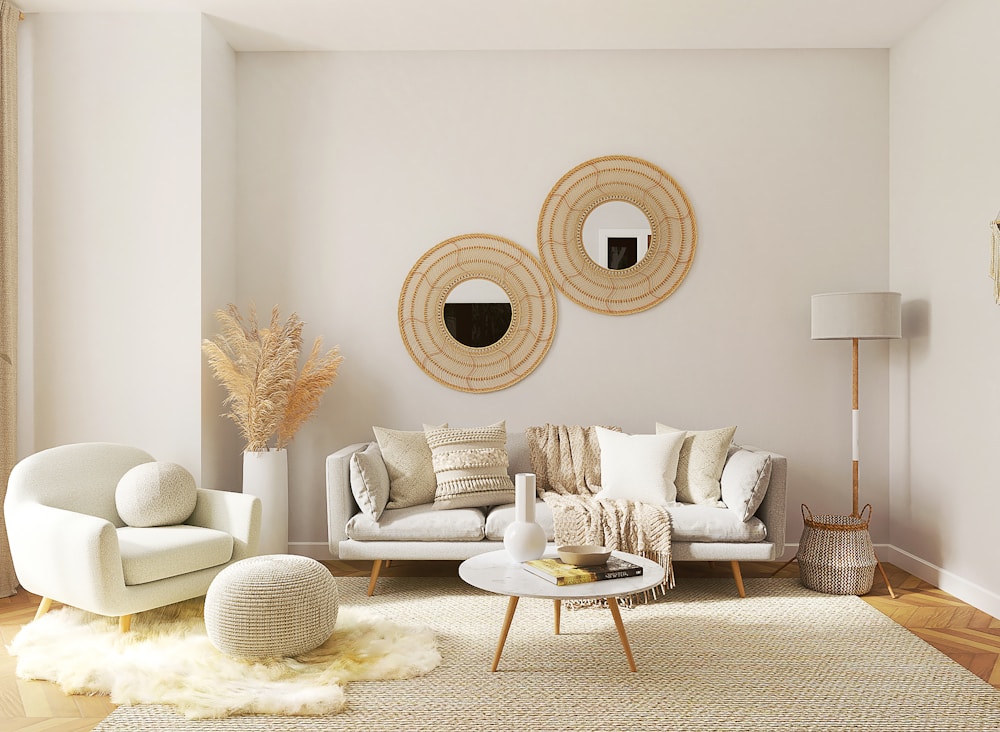
Customization has always been part of the Italian furniture DNA — the concept of “su misura” (made to measure) is deeply embedded in the industry’s culture. What has changed is the scale, speed, and sophistication with which customization can now be delivered.
Online configurators allow architects and designers to specify dimensions, materials, finishes, and hardware combinations through digital platforms, receiving instant visualizations and quotes. Brands like Poliform, Molteni, and B&B Italia have invested heavily in these tools, making it possible for a designer in Dubai or New York to configure a complete interior scheme using Italian furniture without visiting a showroom. The customization extends deep into the production process: fabric selections from hundreds of options, wood stain matching to existing interiors, metal finish coordination across product families, and bespoke sizing for unusual architectural spaces.
For global sourcing professionals, this customization capability is a major differentiator. Companies like Jade Ant Furniture understand that today’s buyers want the ability to tailor products to specific project requirements while maintaining the quality and design integrity that Italian manufacturing is known for — a standard that informs their own approach to serving international clients.
Material Developments
Material innovation is accelerating across the Italian furniture sector, driven by both aesthetic ambition and sustainability mandates. The trends emerging from Salone del Mobile 2025 and SICAM 2025 point toward several key directions.
Smart materials are gaining ground. Thermochromic surfaces that change color with temperature, self-healing lacquers that resist scratching, and antimicrobial fabrics developed during the pandemic continue to find applications in both residential and hospitality furniture. Bio-based materials — including composites derived from agricultural waste, mycelium (mushroom-based) panels, and bio-resins — are moving from experimental to commercially viable, particularly for decorative panels and non-structural components.
On the traditional materials front, Italian manufacturers are pushing the boundaries of what wood, leather, marble, and metal can do. Engineered wood products with dramatically improved structural performance are enabling thinner, lighter designs that maintain strength. Vegetable-tanned leather, long a staple of Italian furniture, is being supplemented by new tanning methods that reduce water consumption and chemical usage by up to 40%. Sintered stone and engineered marble surfaces are replacing natural stone in tabletops and casegoods, offering greater consistency, lighter weight, and improved resistance to staining and heat.
Watch: Salone del Mobile 2025 — Italian Design Innovation
Video: An architect’s walkthrough of Salone del Mobile 2025 in Milan, highlighting the design trends shaping the global furniture market.
Sustainability and Regulation
Eco-Friendly Practices
Sustainability has moved from marketing differentiator to operational necessity for Italian furniture manufacturers. The transition is being driven by a convergence of consumer expectation, regulatory pressure, and genuine industry commitment to environmental stewardship.
Across Italy’s furniture districts, manufacturers are implementing comprehensive sustainability programs. Recycled and bio-based materials are being integrated into production at increasing scale — from FSC-certified woods and recycled metals to post-consumer recycled plastics and organic textiles. Low-VOC (Volatile Organic Compound) finishes have become standard among premium manufacturers, with many brands now using exclusively water-based paints and lacquers. Energy efficiency investments include solar panel installations on factory roofs, heat recovery systems in finishing departments, and LED lighting throughout production facilities.
The circular economy model is gaining particular traction. As reported by Women’s Wear Daily, “In line with the European Union’s Green Deal, Italian furniture firms have banded together to create a circular economy, innovating their supply chains” to ensure that products are designed for disassembly, repair, and eventual recycling. Italian company Lessmore, highlighted on the EU Circular Economy Platform, exemplifies this approach with its modular, repairable, and fully recyclable furniture systems.
Government Policies and Plans
The regulatory environment is tightening rapidly, and Italian manufacturers must navigate an increasingly complex compliance landscape. The EU’s Ecodesign for Sustainable Products Regulation (ESPR), which is being phased in from 2026, establishes new requirements for product durability, repairability, recyclability, and energy efficiency that will directly affect furniture production. The regulation’s Digital Product Passport (DPP) requirement will mandate that most products sold in the EU carry a digital record of their materials, manufacturing processes, and end-of-life handling instructions.
Italy is simultaneously developing its own Extended Producer Responsibility (EPR) framework for furniture. As reported by Renewable Matter, the Italian furniture supply chain “foresees a possible European scheme” where “those who manufacture more sustainable and circular furniture will pay a lower contribution: a reward that will primarily incentivise recyclability, repairability and recycled content in new furniture.” This approach rewards forward-thinking manufacturers and penalizes those who continue with unsustainable practices.
Italy’s Minimum Environmental Criteria (CAM), mandatory for public procurement since 2016 — making Italy the first EU country to implement such a requirement — continue to set the standard for green purchasing in the furniture sector. These criteria require that furniture supplied for public projects meets specific environmental performance standards, effectively creating a baseline sustainability requirement that influences the entire market.
Transparency Initiatives
Transparency is becoming a competitive weapon for Italian furniture brands. The combination of blockchain technology, digital product passports, and supply chain traceability tools is enabling manufacturers to demonstrate — with verifiable data — exactly where their materials come from, how their products are made, and what their environmental impact is.
Companies like Ezlab, with their “Made in Block” Digital Product Passport platform, are integrating blockchain and artificial intelligence to help furniture companies track their products through every stage of the supply chain. This level of transparency is particularly valued by institutional buyers, hospitality developers, and LEED/BREEAM-certified projects that require documented evidence of sustainable sourcing and manufacturing practices.
| Regulation / Policy | Governing Body | Scope | Key Requirement | Timeline |
|---|---|---|---|---|
| ESPR (Ecodesign for Sustainable Products Regulation) | European Union | Most products sold in EU | Durability, repairability, recyclability standards | Phased in from 2026 |
| Digital Product Passport (DPP) | European Union (ESPR) | Product-level traceability | Digital record of materials, manufacturing, end-of-life | 2026–2030 rollout |
| EPR for Furniture (Italy) | Italian Government | Furniture manufacturers in Italy | Collection, recovery, recycling responsibility | Under development |
| CAM (Minimum Environmental Criteria) | Italian Government | Public procurement | Environmental performance standards for public contracts | Mandatory since 2016 |
| REACH | European Chemicals Agency | Chemical substances in products | Registration and restriction of hazardous chemicals | Ongoing |
| EU Green Deal | European Commission | Economy-wide climate neutrality | Net-zero emissions target by 2050 | Ongoing implementation |
| Waste Framework Directive (2018/851) | European Union | Waste management | EPR obligations for producers | Ongoing transposition |
Table: Major EU and Italian regulatory frameworks affecting the furniture industry. These regulations are reshaping production practices across Italy’s furniture districts.
Italian Luxury Furniture: Export Growth
High-End Market Expansion
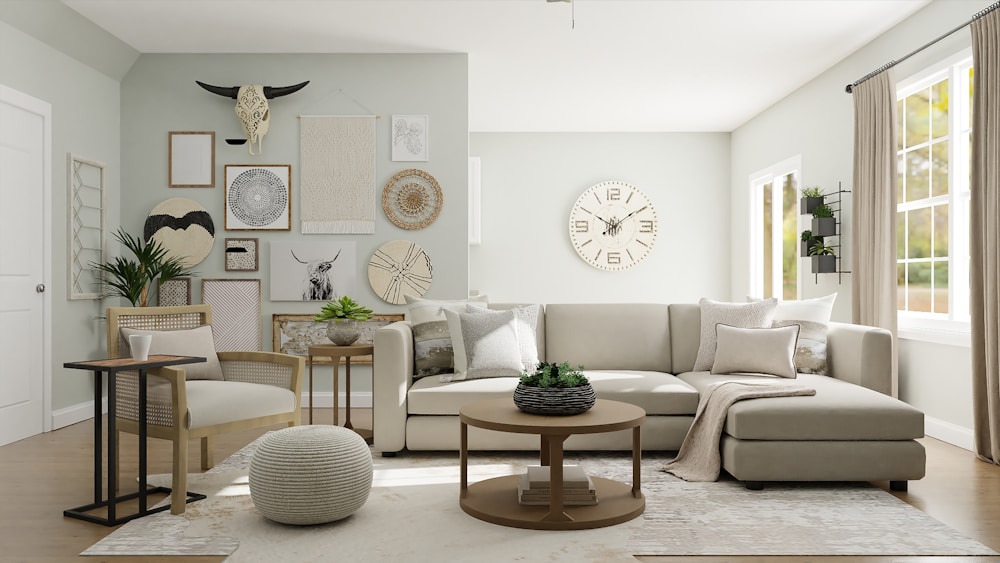
The luxury segment of Italian furniture is experiencing a growth trajectory that outpaces the broader industry. The Italy luxury furniture market is projected to grow at a CAGR of 4.1% from 2025 to 2030, according to Grand View Research, while the broader market grows at just 1.8%. This premium segment — valued at approximately $1.5 billion in 2025 according to Market Report Analytics — is being fueled by expanding wealth in Asia-Pacific, continued demand from North American and European high-net-worth individuals, and the global hospitality construction boom.
Southeast Asia has emerged as one of the most dynamic growth regions. Rapid urbanization, government-backed luxury development projects, and a rising affluent consumer class in Singapore, Vietnam, and the Philippines are driving demand for authentic Italian furnishings. In the Middle East, cities like Riyadh, Dubai, and Doha continue to absorb massive volumes of Italian luxury furniture for megaproject hotels, royal palaces, and premium retail environments.
For companies serving these international markets, the Italian luxury proposition provides a powerful anchor. Jade Ant Furniture, which works with buyers across multiple continents, recognizes that Italian design principles — the emphasis on material authenticity, proportional harmony, and timeless aesthetics — represent a standard that sophisticated global buyers consistently seek, whether the furniture is manufactured in Brianza or inspired by its traditions.
Distinctive Design Trends
Italian luxury furniture design in 2026 is defined by several distinctive trends that set it apart from mass-market offerings worldwide.
The “quiet luxury” movement — an emphasis on understated elegance, refined materials, and subtle craftsmanship over overt branding or ostentatious decoration — has become the dominant aesthetic in Italian high-end furniture. This manifests in tonal color palettes, natural material finishes that celebrate grain and texture, and clean silhouettes that communicate confidence without shouting.
Organic and curved forms continue their ascendance. Salone del Mobile 2025 “decisively sanctioned one of the strongest and most transversal trends in contemporary design: the return of soft shapes,” as noted by Linea Cali. Curved sofas, rounded dining tables, sculptural armchairs, and asymmetric storage pieces are replacing the rigid geometries that dominated previous years. These biomorphic forms draw inspiration from nature and bring a human-centered warmth to interiors.
Mixed materiality is another hallmark. The most celebrated Italian furniture pieces combine contrasting materials — marble with brushed brass, leather with hand-finished wood, bouclé fabric with blackened steel — creating tactile richness and visual depth that mass-produced furniture cannot replicate.
Italian Luxury Furniture Export Growth by Region (2024–2026 Est.)
Chart: Estimated annual export growth rates for Italian luxury furniture by region. Southeast Asia leads at 9.2%, driven by luxury residential and hospitality development. Source: Industry analysis from market reports and trade data.
International Opportunities
The international opportunity landscape for Italian furniture extends well beyond traditional markets. Three strategic growth vectors deserve attention.
The contract and hospitality sector represents the single largest volume opportunity for Italian luxury furniture exports. Global hotel construction continues to boom, with luxury and upper-upscale properties accounting for a disproportionate share of new openings. Italian manufacturers’ ability to deliver customized, project-specific furniture at scale — combining design expertise with production flexibility — gives them a significant competitive advantage in winning turnkey hotel and resort contracts.
The e-commerce and digital channel is opening new access points. While Italian luxury furniture has traditionally been sold through exclusive showroom networks, an increasing number of brands are developing digital commerce capabilities. Online configurators, virtual showrooms, AR (augmented reality) visualization tools, and digital specification platforms are enabling Italian brands to reach architects, designers, and end consumers in markets where they lack physical retail presence.
The sustainability-driven premium is creating new value. In markets like Northern Europe, North America, and increasingly Asia-Pacific, buyers are willing to pay a premium for furniture that can demonstrate verified environmental credentials. Italian manufacturers who have invested in circular economy practices, sustainable materials, and transparent supply chains are commanding higher margins and winning specification competitions against lower-cost competitors.
Bespoke and Contract Projects
Custom Solutions
The bespoke and contract segment has become, in the words of CSIL, “a primary growth driver for Italian companies.” This sector encompasses turnkey furniture solutions for hotels, offices, public spaces, retail environments, and high-end residential projects. It requires a distinctive combination of design capability, production flexibility, material expertise, and project management sophistication that Italian manufacturers are uniquely equipped to deliver.
Custom solutions in this context go far beyond choosing a fabric color. Italian contract manufacturers routinely execute projects that involve developing entirely new furniture designs in collaboration with project architects, engineering pieces to meet specific building codes and fire safety regulations across different jurisdictions, coordinating delivery and installation schedules across multi-phase construction timelines, and managing quality control for thousands of individual pieces that must be consistent in finish, dimension, and structural performance.
The Italian production district model — with dozens of specialized suppliers clustered within a small geographic radius — is a critical enabler. When a contract manufacturer in Brianza executes a hotel project, they can source custom leather from a tannery 20 kilometers away, hardware from a specialist fabricator 15 kilometers in another direction, and engineered wood panels from a supplier across town. This proximity enables the kind of rapid prototyping, iterative quality control, and responsive customization that long, complex international supply chains cannot match.
Designer Collaborations
The collaboration between Italian furniture manufacturers and international designers has always been central to the industry’s creative vitality. What has evolved is the scope and structure of these partnerships. Today’s collaborations extend beyond simply commissioning a designer to create a new chair or sofa. They encompass entire collection strategies, material research programs, and cross-disciplinary projects that merge furniture design with architecture, lighting, and technology.
Salone del Mobile continues to function as the primary launchpad for these collaborations, with each edition revealing new partnerships between established Italian manufacturers and rising global design talent. Brands like Cassina, B&B Italia, and Poltrona Frau maintain long-term relationships with master designers while simultaneously cultivating emerging voices from Japan, Scandinavia, Latin America, and Africa — reflecting the increasingly global nature of the design conversation.
The collaboration model also extends to the contract sector, where manufacturers work directly with architectural firms — such as Foster + Partners, Gensler, HBA, and Yabu Pushelberg — to develop furniture solutions for specific projects. These project-based collaborations often result in pieces that are subsequently adapted for the manufacturer’s general collection, creating a virtuous cycle between bespoke innovation and commercial product development.
Hospitality and Public Spaces
The hospitality sector is the engine of contract furniture growth for Italian manufacturers. The global luxury hotel market continues to expand, with major hotel groups — Four Seasons, Aman, Rosewood, Mandarin Oriental — consistently specifying Italian furniture for their most prestigious properties. The reason is straightforward: Italian manufacturers offer the combination of design prestige, material quality, customization flexibility, and production reliability that luxury hospitality demands.
Beyond hotels, Italian contract furniture is increasingly specified for high-end restaurants and bars, premium co-working spaces and corporate headquarters, cultural institutions including museums, theaters, and libraries, luxury retail environments, and residential developments in the branded residence category. Each of these sectors values the Italian combination of aesthetic sophistication and functional durability — furniture that looks extraordinary on day one and continues to perform beautifully after years of intensive use.
For sourcing professionals working with Jade Ant Furniture on hospitality or commercial projects, understanding the Italian contract model provides a valuable benchmark for quality expectations, customization capabilities, and project management standards — regardless of where the furniture is ultimately manufactured.
Watch: 4K Milano Design Week 2025 — Salone del Mobile
Video: A comprehensive 4K walkthrough of Salone del Mobile at Rho Fiera Milano, showcasing the world’s leading Italian furniture brands and 2025 design innovations.
Italian furniture brands are navigating a period of extraordinary change with the sophistication that has defined their industry for generations. By leveraging innovation in manufacturing technology — from CNC precision and robotic finishing to 3D-printed prototyping and digital twin production monitoring — they are making their artisanal traditions more efficient, more consistent, and more accessible to global markets without sacrificing the human craftsmanship that defines “Made in Italy.”
Sustainability is no longer optional. The convergence of EU regulatory frameworks — including the ESPR, Digital Product Passports, and Extended Producer Responsibility — with genuine consumer demand for environmentally responsible products means that Italian manufacturers who invest in circular economy practices, sustainable materials, and supply chain transparency today will be the competitive winners of the next decade. Those who lag will face both regulatory penalties and market rejection.
The market trends are unambiguous. Global demand is shifting toward quality, durability, and distinctive design. Luxury export growth — particularly in Southeast Asia, the Middle East, and North America — is creating new revenue streams for Italian brands. The contract and hospitality sector is driving volume growth through complex, high-value projects. And the digitalization of distribution channels is opening access to buyers who previously could not engage with Italian furniture manufacturers directly.
For industry professionals, architects, hospitality developers, and sourcing specialists — including those working with partners like Jade Ant Furniture — staying informed about these developments is essential for making strategic decisions. The Italian furniture industry is not just adapting to new demands; it is actively shaping the future of how the world designs, produces, and lives with furniture.
Frequently Asked Questions (FAQ)
1. Why is Italian furniture considered the gold standard for luxury interiors?
Italian furniture’s reputation for excellence stems from a unique combination of factors that no other country has replicated at scale. Italy has 13 established industrial furniture districts — concentrated in regions like Brianza (Lombardy), Veneto, and Friuli-Venezia Giulia — where manufacturers, artisans, material suppliers, and designers operate within close geographic proximity. This cluster model enables extraordinary quality control, rapid prototyping, and deep material expertise. Italian furniture companies invest heavily in both craftsmanship and design innovation, collaborating with world-class architects and designers to create pieces that balance aesthetic beauty with functional performance. The “Made in Italy” designation carries verifiable production standards and material traceability that institutional buyers, architects, and high-net-worth consumers recognize as a guarantee of quality.
2. How large is Italy’s furniture export market?
Italy is the world’s fourth-largest furniture exporter, generating approximately €11.3 billion in furniture-specific exports in 2024. When the broader wood-furniture supply chain is included, exports reach €19.3 billion, accounting for 37% of the industry’s total €52.2 billion turnover. Exports represent over 50% of furniture-specific revenue, making international markets critical to the industry’s health. The main export destinations are France, the United States, Germany, and the United Kingdom, with the fastest growth occurring in the Gulf states (Saudi Arabia, UAE, Qatar) and Southeast Asia (Singapore, Vietnam, Philippines).
3. What sustainability regulations are affecting Italian furniture manufacturers?
Italian furniture manufacturers face an increasingly complex regulatory landscape. The EU’s Ecodesign for Sustainable Products Regulation (ESPR), being phased in from 2026, establishes new requirements for product durability, repairability, and recyclability. The Digital Product Passport (DPP), mandated by the ESPR, will require furniture to carry a digital record of its materials, manufacturing processes, and end-of-life handling. Italy is also developing its own Extended Producer Responsibility (EPR) framework for furniture, and the country’s Minimum Environmental Criteria (CAM) have been mandatory for public procurement since 2016. Additionally, the EU REACH regulation governs chemical substances in products, and the EU Green Deal sets the overarching framework for economy-wide climate neutrality by 2050.
4. What are the key design trends in Italian furniture for 2026?
Italian furniture design in 2026 is defined by several prominent trends. “Quiet luxury” — understated elegance with refined materials and subtle craftsmanship — is the dominant aesthetic. Organic and curved forms are replacing rigid geometries, with curved sofas, rounded tables, and sculptural chairs dominating showrooms. Mixed materiality, combining contrasting materials like marble with brushed brass or leather with hand-finished wood, creates tactile richness. Sustainability-driven design is integrating bio-based materials, recycled components, and circular economy principles directly into the creative process. Smart furniture integration — including wireless charging, ambient lighting, and IoT connectivity — is gaining ground, particularly in the office and hospitality segments.
5. How are Italian furniture brands using technology in manufacturing?
Italian manufacturers are deploying a range of advanced technologies while maintaining their artisanal core. CNC machining enables precision cutting and milling at scale. Robotic arms handle repetitive finishing tasks like sanding and lacquering. 3D printing accelerates prototyping from weeks to days. Digital twin technology creates virtual replicas of production floors for simulation and optimization. Online configurators allow remote clients to specify custom dimensions, materials, and finishes with real-time visualization. Approximately 35% of Italian luxury furniture producers have incorporated digital fabrication techniques, and adoption continues to accelerate. Companies like Jade Ant Furniture also draw on these technological approaches to deliver design-driven, quality-focused furniture to international markets.
6. What is the contract and hospitality furniture market, and why is it important for Italian brands?
The contract furniture market encompasses turnkey furniture solutions for commercial projects including hotels, offices, restaurants, retail environments, and public spaces. It has become a primary growth driver for Italian furniture companies because it involves high-volume orders with significant customization requirements — a combination that plays directly to Italian manufacturers’ strengths. Italian brands win contract projects by offering design prestige, material quality, production flexibility, compliance with international building and fire safety codes, and project management capability for complex multi-phase installations. Major luxury hotel brands — Four Seasons, Aman, Rosewood, Mandarin Oriental — regularly specify Italian furniture for their most prestigious properties worldwide.
7. How can international buyers source Italian furniture for their projects?
International buyers can source Italian furniture through several channels. Attending trade fairs — particularly Salone del Mobile in Milan and SICAM in Pordenone — provides direct access to manufacturers and their latest collections. Italian Trade Agency (ICE) offices in major countries facilitate introductions to verified manufacturers. Authorized distributor networks in major markets offer localized service, showroom access, and logistical support. Increasingly, digital platforms including online showrooms, configurators, and virtual consultations enable remote engagement. For complex projects, working with a sourcing partner or consultant who has established relationships with Italian manufacturers can streamline the process. When evaluating suppliers, look for ISO certifications, FSC or PEFC wood certifications, REACH compliance, and documented project references.
8. What role does Salone del Mobile play in the Italian furniture industry?
Salone del Mobile, held annually in Milan (typically in April), is the world’s largest and most influential furniture trade fair. It serves as the primary B2B platform for the Italian furniture industry, drawing architects, designers, distributors, and contract buyers from over 180 countries. The 2025 edition featured 2,100 exhibitors from 37 countries. Beyond its commercial function — generating billions in orders annually — Salone functions as a quality filter and trend-setting platform. Participation is vetted, and the high cost of exhibition space ensures that only established manufacturers with genuine production capacity can participate. Relationships formed at Salone are typically long-term and contractual, creating export stability through multi-year distribution partnerships rather than one-off retail transactions.
9. How does Italian furniture manufacturing compare to Chinese manufacturing?
Italian and Chinese furniture manufacturing operate on fundamentally different models, each with distinct strengths. Italy excels in the luxury and high-end segment, where brand equity, material expertise, design innovation, and artisanal craftsmanship command premium pricing. The Italian model is built on concentrated craft districts with deep specialization and generations of accumulated knowledge. China excels in volume production, cost efficiency, rapid scalability, and increasingly in design-forward manufacturing across all price segments. Italian exports are concentrated in high-margin segments where provenance and authenticity are valued, while Chinese exports span the full price spectrum. Sophisticated global buyers — including companies like Jade Ant Furniture — often understand that both models have their place, and that the best sourcing strategies leverage the strengths of each depending on the project requirements, target market, and price positioning.
10. What is the outlook for the Italian furniture industry in 2026 and beyond?
The outlook for the Italian furniture industry is cautiously optimistic. While short-term challenges persist — including geopolitical tensions, trade policy uncertainty, and subdued European consumer spending — the structural advantages of the Italian model remain strong. The luxury segment is growing faster than the broader market, with a CAGR of 4.1%–4.28% projected through 2030–2033. Export diversification toward high-growth markets in Southeast Asia and the Middle East is reducing dependence on traditional European markets. Sustainability and regulatory compliance are creating competitive moats for forward-thinking manufacturers. The key strategic imperatives identified by FederlegnoArredo include maintaining position in established markets, opening to new high-potential geographic areas, focusing on product and process innovation, and strengthening the global positioning of the “Made in Italy” brand.
Disclaimer: Market data, growth projections, and regulatory timelines cited in this article are based on published industry reports, trade organization data, and regulatory announcements available as of early 2026. Actual figures may vary. Readers should conduct independent verification when making business or purchasing decisions.







 English
  Portuguese
  Arabic