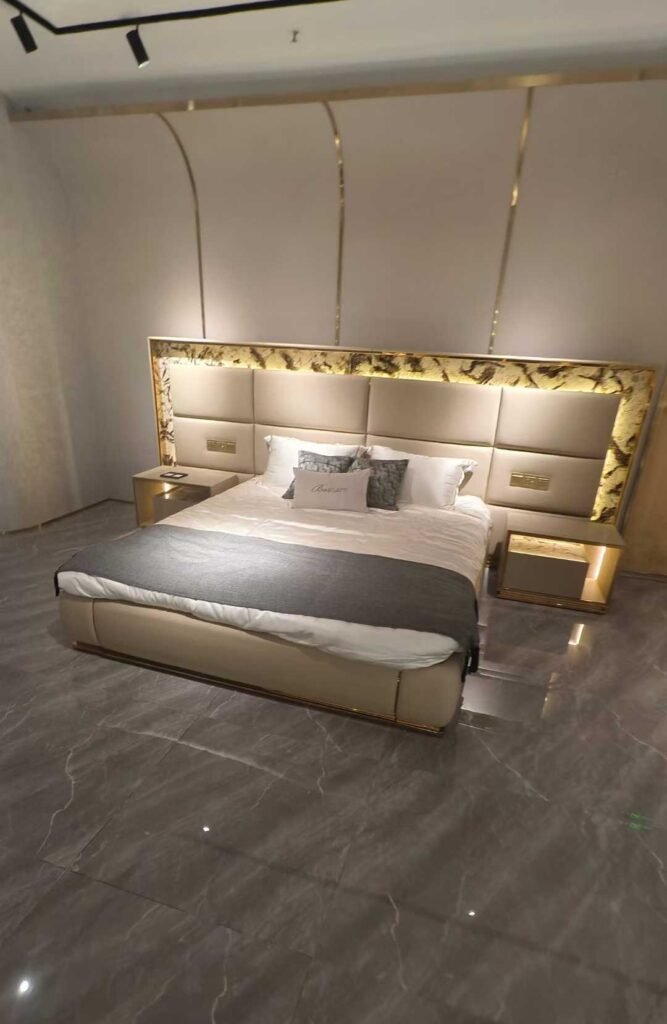
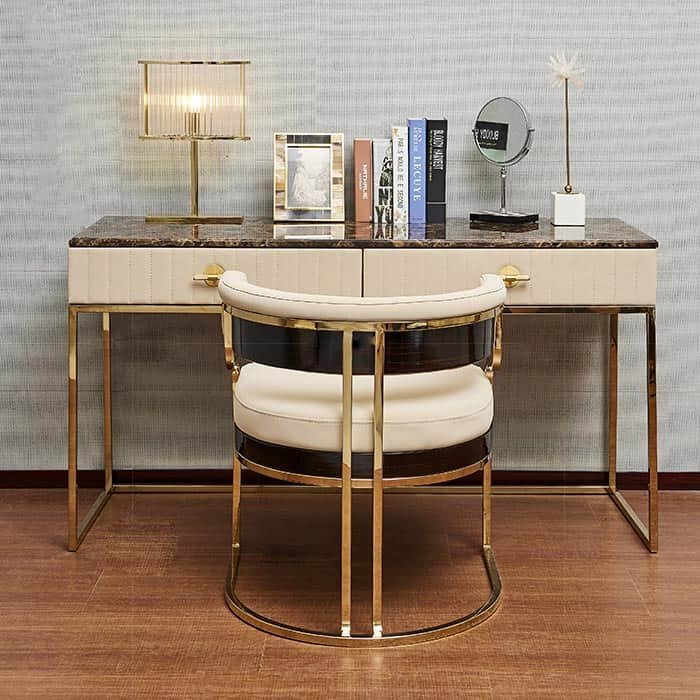
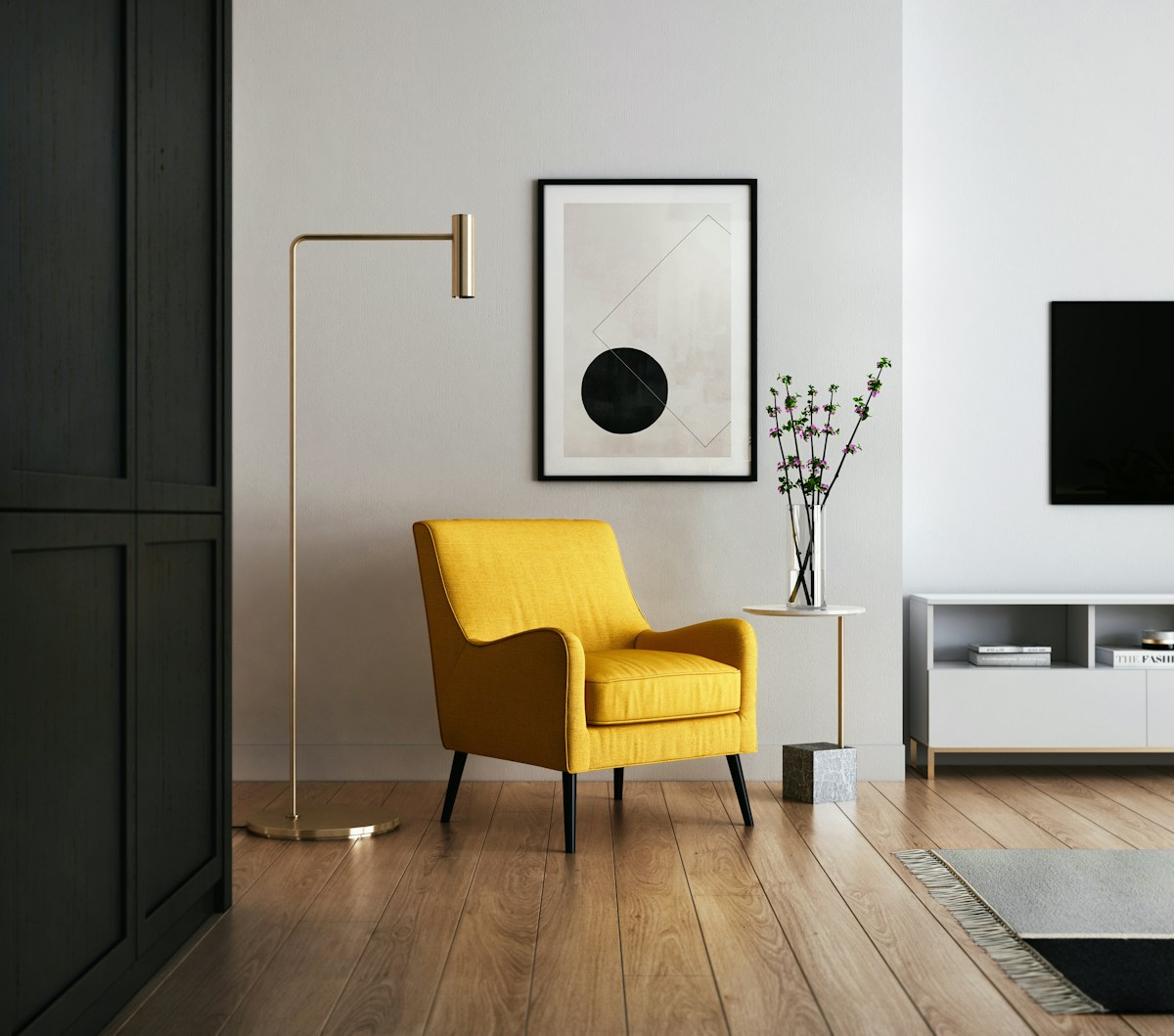
A sculptural Italian sofa with sweeping curves. A Japanese-inspired walnut dining table with hand-finished edges. A bold African textile draped across a minimalist Scandinavian armchair. These are the kinds of world furniture pieces that instantly elevate modern homes from ordinary to extraordinary. In 2026, the most stylish interiors are no longer defined by a single aesthetic — they are defined by a carefully curated mix of global design traditions that bring character, quality, and uniqueness to contemporary living spaces.
This growing appreciation for global furniture has given rise to brands that bridge cultures and continents. Names like Best World Sdn. Bhd., Commune, BRANDZIO, Nostaloft, and Topworld Furniture are among the brands making it easier than ever for homeowners to access beautifully crafted, internationally inspired furniture. For those seeking high-end pieces with a focus on luxury craftsmanship and customization, manufacturers like Jade Ant Furniture demonstrate how Chinese manufacturing excellence can deliver world-class designs at competitive prices.
In this guide, you will discover why world furniture is the perfect match for modern home design, explore the best furniture traditions from every major region, learn what features define outstanding modern furniture, and find practical tips for choosing and styling global pieces in your own home.
Modern Home Style
What Defines Modern Homes
Modern home style in 2026 is experiencing a fascinating evolution. According to Vogue’s 2026 interior design forecast, the year is defined by “homespun, lived-in interiors” and a move away from sterile minimalism toward spaces that feel collected, personal, and warm. Homes & Gardens identifies six key furniture trends shaping 2026: collected-not-curated aesthetics, gentle curves, rich wood tones, decorative edges, statement prints, and high-gloss lacquer finishes.
At its core, modern home style is characterized by clean architectural lines, open floor plans, and an emphasis on natural light. But the rigid minimalism of previous decades has given way to something warmer and more expressive. Today’s modern homes embrace texture, warmth, and personal storytelling. Walls are no longer bare white — they feature earth tones, deep blues, and warm browns. Furniture is no longer purely functional — it is sculptural, artisanal, and often a conversation piece. The modern home is a living gallery, and the furniture within it tells the story of its inhabitants’ taste, travels, and values.
Why World Furniture Fits Modern Design
World furniture is the ideal complement to this evolved modern sensibility because it inherently offers what mass-produced, single-origin furniture cannot: authenticity, craftsmanship diversity, and cultural depth. A Scandinavian chair brings functional minimalism. An Italian sofa brings sculptural drama. A Japanese side table brings wabi-sabi imperfection. An African carved stool brings bold geometric artistry. When combined thoughtfully within a modern architectural shell, these pieces create interiors that feel both sophisticated and deeply personal.
The global furniture market, valued at approximately $834 billion in 2026 according to The Business Research Company, reflects this growing consumer appetite for diverse, high-quality pieces from around the world. Buyers are no longer confined to local furniture shops — they are sourcing directly from manufacturers across continents, choosing pieces based on design merit and craftsmanship rather than geography alone. This is precisely why companies like Jade Ant Furniture, which specializes in producing luxury furniture inspired by multiple global design traditions, have found a growing international audience.
Best World Furniture by Region
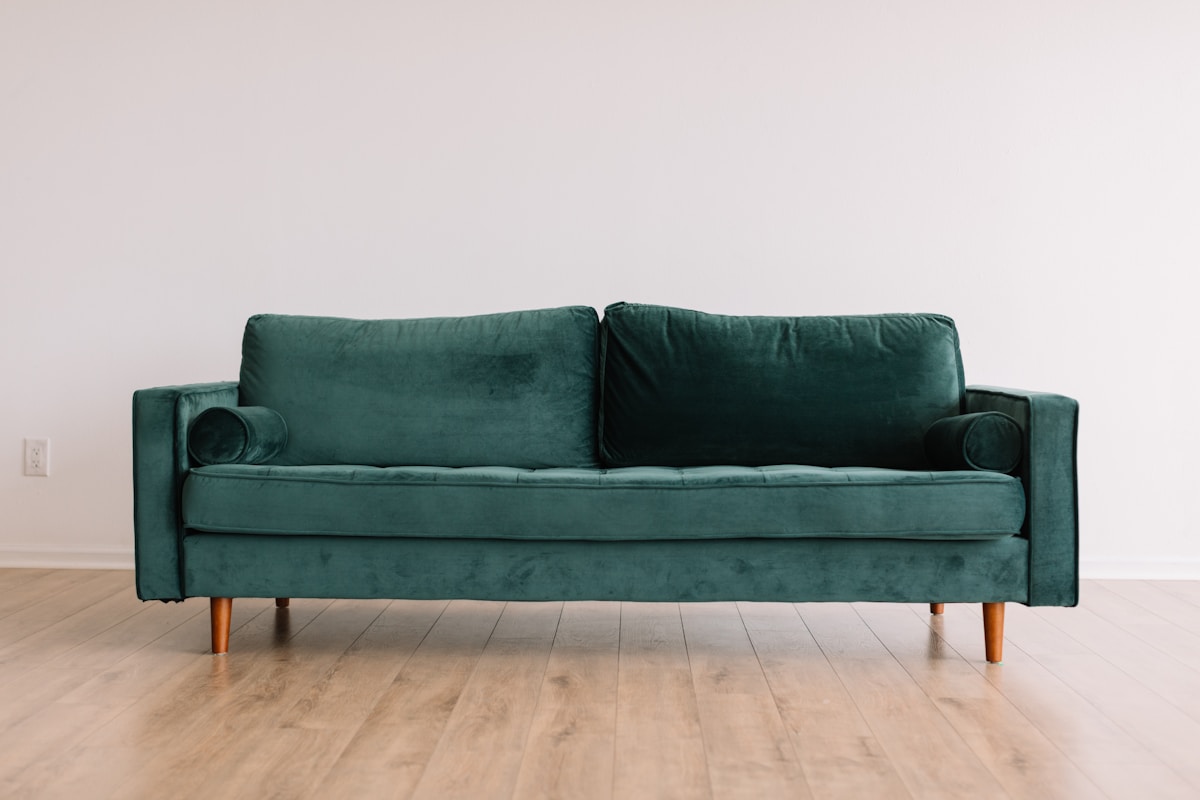
European Modern Furniture
Europe remains the spiritual home of modern furniture design. The continent’s influence on contemporary interiors is unmatched, driven by two dominant traditions: Scandinavian functionalism and Italian sculptural elegance.
Scandinavian design — rooted in Denmark, Sweden, Norway, and Finland — prioritizes functionality, simplicity, and natural materials. Brands like Fritz Hansen, Carl Hansen & Søn, HAY, and Muuto produce furniture that embodies the principle that beautiful objects should also be accessible and useful. The Scandinavian palette of pale woods, muted textiles, and organic forms has become synonymous with modern living worldwide. In 2026, Scandinavian design is evolving toward richer tones and more textural complexity, as noted by Homes & Gardens’ trend toward “rich wood tones” replacing lighter oak finishes.
Italian furniture occupies the luxury end of the spectrum. Houses like B&B Italia, Cassina, Poltrona Frau, Minotti, and Ligne Roset (French, but aligned with the Mediterranean aesthetic) create pieces that are as much art as furniture. Italian design philosophy treats every sofa, chair, and table as an opportunity for sculptural expression. The 2026 trend toward gentle curves and decorative edges draws heavily from Italian design DNA. For homeowners seeking Italian-inspired aesthetics without the European price tag, manufacturers in China’s Guangdong Province — including Jade Ant Furniture’s living room collection — produce sophisticated pieces that capture Italian design language through expert craftsmanship.
Asian Modern Furniture
Asian furniture design is experiencing a global renaissance, driven by the meteoric rise of the Japandi aesthetic — a fusion of Japanese minimalism and Scandinavian warmth. As Architectural Digest explains, Japandi blends “Japanese artistic elements and wabi-sabi philosophy with Scandinavian comfort and warmth,” creating spaces that feel serene, intentional, and deeply comfortable.
Japanese furniture philosophy centers on wabi-sabi — the beauty of imperfection and impermanence. Furniture tends toward low-profile forms, natural wood grains left visible, and joinery techniques that are both structural and decorative. Chinese furniture traditions, meanwhile, bring a different vocabulary: rich lacquer finishes, intricate carved details, and the timeless elegance of Ming-dynasty-inspired clean lines. Southeast Asian manufacturers — including Malaysian brands like Best World Sdn. Bhd., BRANDZIO, Nostaloft, and Topworld Furniture, all headquartered in Malaysia’s furniture hub of Muar and Penang — are bridging Eastern and Western aesthetics, producing modern furniture that draws on Asian craftsmanship traditions while meeting contemporary Western design expectations.
The broader Chinese manufacturing ecosystem adds enormous depth to the Asian furniture landscape. From the luxury workshops of Dongguan to the massive production clusters of Foshan, factories are producing original designs that synthesize Asian aesthetic traditions with global market demands. Commune, the Singapore-based brand known for its mid-century modern and Scandinavian-Asian fusion designs, exemplifies how Asian brands are competing on the global stage.
American Modern Furniture
American modern furniture is defined by its embrace of mid-century modern design — a movement born in the 1940s–1960s that remains one of the most influential design languages in the world. The iconic works of Charles and Ray Eames, Eero Saarinen, George Nakashima, and Harry Bertoia established design principles — organic forms, new materials, democratic accessibility — that continue to shape contemporary furniture.
Today, American brands like Herman Miller, Knoll (now MillerKnoll), Joybird, West Elm, and Article carry the mid-century torch forward while incorporating contemporary innovations in materials and sustainability. The American contribution to modern furniture also includes the industrial-farmhouse aesthetic — reclaimed wood paired with metal frames — and the emerging “organic modern” trend that blends natural materials with clean contemporary lines.
American design’s greatest strength is its democratic spirit: the belief that good design should be accessible to everyone, not just the wealthy. This philosophy aligns well with the approach taken by manufacturers like Jade Ant Furniture, who produce high-quality, design-forward furniture at price points that make world-class aesthetics achievable for a broader audience.
African Modern Furniture
African furniture design is experiencing what many critics call a renaissance. Contemporary African designers are blending traditional techniques — hand-carving, weaving, natural dye processes — with modern forms to create pieces that are utterly distinctive in the global marketplace. Designers like Jomo Tariku (Ethiopian-American, known for redefining modern African-themed furniture), brands like 54kibo, Ngala Trading, and Ardmore Design are bringing African-inspired furniture to international audiences.
The hallmarks of African modern furniture include bold geometric patterns, the use of locally sourced hardwoods and materials like sisal and raffia, vibrant color palettes inspired by nature and traditional textiles, and a sense of handcrafted authenticity that machine-made furniture cannot replicate. In a modern home, even a single African-designed accent piece — a carved side table, a woven bench, a beaded pendant light — can transform an entire room, adding warmth, texture, and cultural resonance that elevates the space beyond generic contemporary styling.
Oceanian Modern Furniture
Australia and New Zealand have quietly developed one of the world’s most distinctive modern furniture design scenes. Brands like King Living, Jardan, DesignByThem, and NAU from Australia, alongside Città Design and Resident from New Zealand, produce furniture that reflects the region’s unique relationship with the natural environment — expansive outdoor living, abundant natural light, and a relaxed yet sophisticated aesthetic.
Oceanian furniture tends toward warm, natural materials — eucalyptus and other native timbers, wool upholstery, stone and ceramic accents — combined with clean, contemporary silhouettes. The region’s emphasis on indoor-outdoor living has made Australian brands particularly innovative in outdoor furniture design. For modern homes with open floor plans and strong connections to outdoor spaces, Oceanian furniture offers a natural, effortless elegance that complements both the architecture and the lifestyle.
World Furniture by Region: Overview Table
| Region | Signature Style | Key Materials | Notable Brands / Designers | Best For |
|---|---|---|---|---|
| Europe (Scandinavian) | Functional minimalism, organic warmth | Light oak, ash, wool, linen | Fritz Hansen, HAY, Muuto, Carl Hansen | Clean modern living rooms, bedrooms |
| Europe (Italian) | Sculptural elegance, luxury | Leather, marble, walnut, lacquer | B&B Italia, Minotti, Cassina, Poltrona Frau | Statement living rooms, high-end dining |
| Asia (Japandi / Chinese) | Wabi-sabi, refined simplicity | Dark walnut, bamboo, natural textiles | Commune, Camerich, Jade Ant Furniture | Serene bedrooms, minimalist spaces |
| Asia (Southeast Asian) | Modern tropical, craftsmanship | Rubberwood, rattan, teak | Best World, BRANDZIO, Nostaloft, Topworld | Dining sets, casual living |
| Americas | Mid-century modern, organic modern | Walnut, molded plywood, metal, recycled materials | Herman Miller, Knoll, Joybird, West Elm | Home offices, versatile living |
| Africa | Bold artisan, geometric | Local hardwoods, sisal, raffia, beadwork | 54kibo, Ngala Trading, Ardmore, Jomo Tariku | Accent pieces, statement decor |
| Oceania | Relaxed natural, indoor-outdoor | Eucalyptus, native timbers, wool, stone | King Living, Jardan, Città Design, Resident | Open floor plans, outdoor living |
Modern Furniture Features
Materials and Craftsmanship
The quality of world furniture begins with its materials. In 2026, the dominant material trend is unmistakable: rich, dark woods are back. As Ventura Interiors reports, “we are seeing a massive resurgence of dark, rich woods like walnut, mahogany, and stained ash.” This shift away from the bleached-oak Scandinavian palette of previous years reflects a desire for warmth, depth, and gravitas in furniture design.
Beyond wood, the material palette for modern world furniture includes natural stone (marble, travertine, sintered stone for tabletops), premium upholstery (full-grain leather, bouclé, performance velvet, linen blends), hand-wrought metals (brushed brass, blackened steel, bronze), and sustainable innovations like bamboo composites and recycled ocean plastics. The connecting thread is craftsmanship — the evidence of human skill and intention in every joint, stitch, and finish. Mass-produced furniture hides its construction; world-class furniture celebrates it.
At Jade Ant Furniture, this commitment to material quality is reflected in their production process: solid wood frames, premium hardware, and hand-selected upholstery materials ensure that each piece meets international quality standards while delivering the warmth and character that only natural materials can provide.
Innovative Design
Innovation in modern furniture is no longer just about new materials — it is about new ways of living. The 2026 trends identified by Houzz point toward “elegant silhouettes, handcrafted accents, and eclectic vignettes,” while House Beautiful declares that “neutrals are on their way out, and maximalism is in.” This means furniture designers are pushing boundaries with bolder color choices, more expressive forms, and a willingness to mix styles and periods within a single piece.
Key design innovations for 2026 include modular furniture systems that adapt to changing living configurations, multifunctional pieces designed for smaller urban spaces, integrated technology (wireless charging surfaces, hidden cable management), and the use of 3D printing and CNC precision cutting for complex organic forms that would be impossible to produce by hand. The most exciting furniture being produced today sits at the intersection of traditional craft and digital manufacturing — pieces where computer precision meets artisan soul.
Functionality and Versatility
Modern homeowners demand furniture that does more than look beautiful — it must perform. The best world furniture combines aesthetic excellence with practical intelligence. Scandinavian design has always prioritized this, but the principle has gone global. Italian brands now offer modular sofas with removable, washable covers. Japanese-inspired desks feature hidden storage compartments. American brands design dining tables that extend to seat twelve or collapse for apartment living.
Versatility also means longevity. The “collected not curated” trend identified for 2026 reflects a shift away from buying matching furniture sets toward investing in individual quality pieces that can move between rooms, homes, and even generations. A beautifully crafted walnut dining table works equally well in a Manhattan apartment and a countryside farmhouse. This is the promise of world furniture: pieces with enough design integrity and construction quality to remain relevant regardless of how trends, tastes, or living situations change.
Bar Chart: 2026 Furniture Trend Popularity (Based on Designer Survey Data)
[Insert Bar Chart Here — Data Below]
| Trend | Popularity Score (out of 100) |
|---|---|
| Rich Wood Tones | 92 |
| Gentle Curves / Sculptural Forms | 89 |
| Collected (Not Matching) Interiors | 85 |
| Handcrafted / Artisan Details | 82 |
| Statement Prints & Bold Color | 78 |
| High-Gloss Lacquer Finishes | 68 |
| Multifunctional / Modular Pieces | 75 |
| Sustainable / Eco-Friendly Materials | 80 |
Source: Compiled from Homes & Gardens, Houzz, Forbes, and House Beautiful 2026 trend reports
Choosing Home Furniture
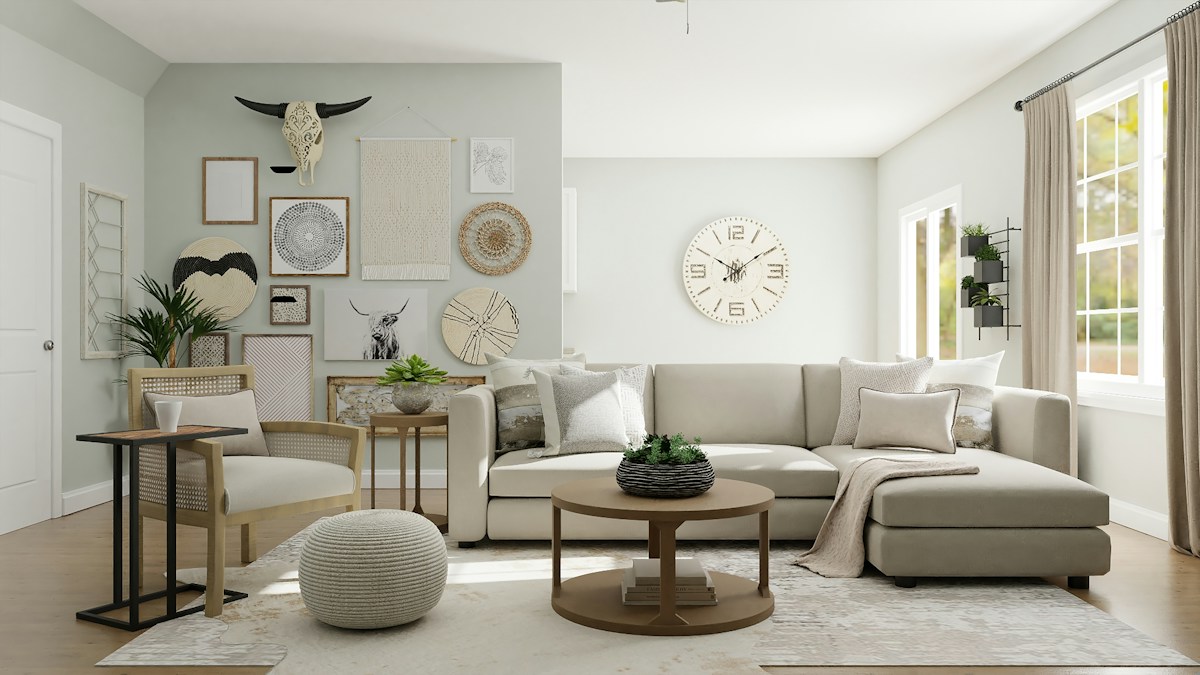
Matching Styles and Cultures
The art of mixing world furniture styles lies in finding common threads between different design traditions. A Japanese low-profile bed frame and a Scandinavian side table share a commitment to clean lines and natural materials — pair them, and the result feels intentional rather than random. An Italian marble-topped coffee table and an African carved wooden stool both celebrate material richness and organic texture — place them in the same living room, and they create a sophisticated dialogue.
The key is identifying your home’s design “anchor” — the dominant aesthetic that sets the tone — and then introducing complementary global pieces that add depth without creating visual chaos. For most modern homes, this anchor is either Scandinavian minimalism (clean, neutral, functional) or organic modern (warm, natural, textured). Once the anchor is established, pieces from other traditions can be layered in as accent elements: a bold Italian sofa, an African textile, an Asian ceramic, an Oceanian timber dining table.
Selection Tips
Selecting world furniture for your modern home requires balancing several considerations. First, prioritize quality over quantity. One beautifully crafted chair from a respected manufacturer will do more for your interior than a room full of disposable alternatives. Second, consider proportions. World furniture comes in diverse scales — a generous Italian sofa might overwhelm a compact apartment, while a delicate Japanese accent table might feel lost in a large open-plan living room. Third, touch the materials. The tactile experience of furniture is as important as its visual appeal. Natural wood grains, the suppleness of quality leather, the weight of a marble surface — these sensory qualities define the lived experience of a space.
When sourcing internationally, work with established manufacturers and brands that have proven export experience and transparent quality standards. Jade Ant Furniture’s selection guide provides practical advice on choosing the right pieces for different room types and design styles — a useful resource for buyers navigating the broad world of global furniture options.
Creating a Cohesive Look
Cohesion in a globally inspired interior comes not from matching furniture sets but from a consistent approach to color, material, and proportion. Here are the principles that professional interior designers use to create cohesive rooms with diverse furniture origins:
Color palette continuity: Choose a palette of three to five colors and ensure that every piece in the room connects to at least one of them. This allows a Scandinavian white-oak bookshelf, an Italian charcoal sofa, and an African indigo textile to coexist harmoniously.
Material repetition: Repeat key materials across the room. If you introduce brass hardware on one piece, echo it with brass accents on lighting or accessories. If your dining table features walnut, include walnut details in at least one other element. This creates visual rhythm.
Scale and negative space: Balance substantial statement pieces with lighter, more delicate items, and allow enough negative space (empty wall and floor area) to let each piece breathe. Overcrowding is the most common mistake in global-style decorating.
Pie Chart: Homeowner Style Preferences for World Furniture (2026 Survey)
[Insert Pie Chart Here — Data Below]
| Style Preference | Share of Respondents |
|---|---|
| Scandinavian / Nordic | 28% |
| Japandi / Asian Fusion | 22% |
| Italian / Mediterranean | 18% |
| Mid-Century Modern (American) | 15% |
| African / Artisan | 8% |
| Oceanian / Australian | 5% |
| Eclectic / Mixed Global | 4% |
Source: Compiled from Houzz 2026 Home Study, Statista Furniture Market Data, and industry design surveys
Modern Homes with World Furniture
Urban Loft Example
Imagine a converted industrial loft in Brooklyn or East London — exposed brick walls, polished concrete floors, soaring ceilings, and oversized steel-framed windows. This architectural canvas calls for furniture with enough presence to hold the space without cluttering it. The solution: an Italian curved sectional sofa in deep charcoal bouclé as the living room anchor, paired with a live-edge American walnut coffee table that echoes the building’s raw materiality. Scandinavian pendant lighting in brushed brass adds warmth overhead, while an African mud-cloth throw and a Japanese ceramic vase on the console bring cultural texture. The dining area features a Chinese-manufactured solid wood table — sourced from a manufacturer like Jade Ant Furniture for its combination of quality construction and designer aesthetic — surrounded by Danish wishbone chairs. The result is a loft that feels cosmopolitan, curated, and distinctly personal.
Minimalist Home Example
A minimalist home in Kyoto, Copenhagen, or Melbourne shares a common design language: restraint, intentionality, and the elevation of everyday objects. In this setting, every piece of furniture must justify its presence through both beauty and function. A Japandi-inspired bedroom centers on a low platform bed in dark walnut with clean lines and no visible hardware. Bedside tables are simple wooden blocks — perhaps from an Oceanian maker using native timber. A single Scandinavian reading chair in pale linen sits by the window. The wardrobe is a built-in with flush panel doors. In the living room, a modular sofa in neutral tones from a quality manufacturer provides comfort without visual weight, while a single statement piece — perhaps a carved African stool used as a side table — adds the one element of bold texture that makes the room memorable. Minimalism does not mean emptiness; it means every object is chosen with purpose.
Family Space Example
Family spaces require furniture that balances style with durability, comfort with practicality. A modern family living room might anchor around a large, deep American-style sectional in performance fabric — stain-resistant, fade-proof, and incredibly comfortable for movie nights. The coffee table could be a round, marble-topped piece with curved edges (safer for young children, on-trend for 2026) sourced from a Chinese manufacturer. Built-in Scandinavian-style shelving in pale wood provides organized storage for books and toys. The dining area features a generous extendable table from a Malaysian manufacturer like Topworld Furniture, chosen for its solid rubberwood construction and ability to seat eight comfortably when extended. African woven baskets serve as both decorative accents and practical storage. The overall effect is a space that invites the whole family to live fully — beautiful enough for adults to enjoy, durable enough for children to use freely.
Watch: Interior Design Trends Shaping Modern Homes in 2026
For a visual exploration of how these global furniture trends are being incorporated into real homes, watch this expert design breakdown:
This video covers the top 10 interior design and home decor trends for 2026, including furniture styles, color palettes, and material choices that are defining modern homes worldwide.
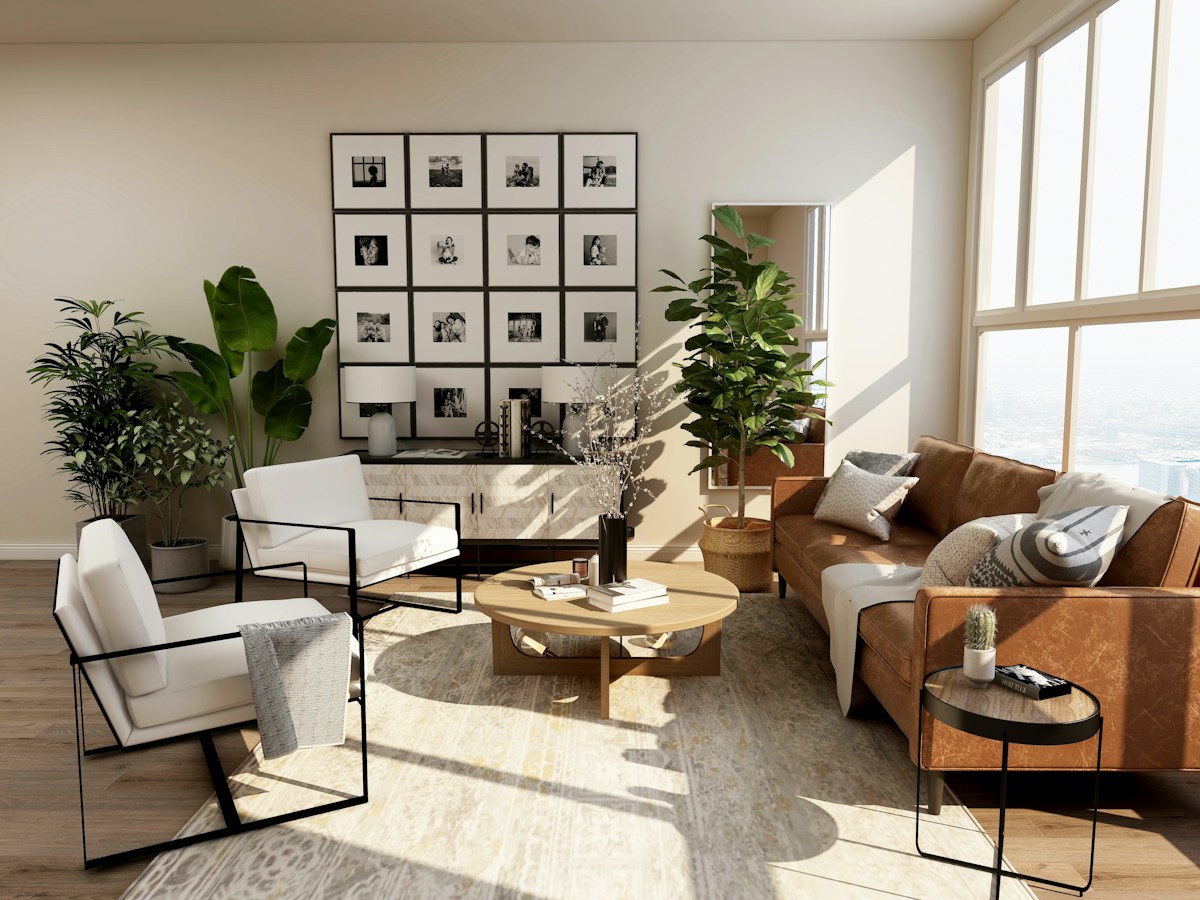
World furniture has fundamentally changed what it means to have a stylish modern home. No longer is great interior design the exclusive province of those who can afford luxury European brands or hire professional designers. The global marketplace — from Scandinavian workshops and Italian ateliers to Southeast Asian factories, African artisan studios, and Chinese manufacturers like Jade Ant Furniture — has democratized access to extraordinary design. Every culture brings something irreplaceable to the global furniture conversation: Japan brings serenity, Italy brings drama, Scandinavia brings function, Africa brings soul, America brings democratic innovation, and Oceania brings natural ease.
The modern homes that truly shine in 2026 are those that embrace this global richness. They are not showrooms for a single brand or a single style — they are reflections of their inhabitants’ curiosity, taste, and willingness to look beyond the obvious. Each piece of world furniture adds character, quality, and uniqueness that mass-produced alternatives simply cannot match.
Your own world furniture journey can start today. Visit international furniture fairs, explore the collections of brands mentioned in this guide, or begin simply by replacing one piece in your home with something that speaks to a design tradition you admire. The world’s furniture makers are producing extraordinary work — all it takes is the willingness to look beyond your borders and bring a piece of that global craftsmanship into your home.
Frequently Asked Questions (FAQ)
1. What is world furniture and why is it popular in modern homes?
World furniture refers to furniture pieces that draw on design traditions, materials, and craftsmanship techniques from different global cultures and regions. It is popular in modern homes because it brings authenticity, uniqueness, and cultural depth to interiors that mass-produced furniture cannot match. The 2026 trend toward “collected, not curated” interiors has accelerated demand for globally sourced, artisan-quality pieces that tell a story and create a personal living environment.
2. What are the top world furniture brands for modern homes?
Top world furniture brands span every continent. European leaders include Fritz Hansen, HAY, Muuto (Scandinavian), and B&B Italia, Minotti, Cassina (Italian). Asian standouts include Commune (Singapore), Camerich (China), Nostaloft and BRANDZIO (Malaysia). American icons include Herman Miller, Knoll, and Joybird. African innovators include 54kibo and Ngala Trading. Oceanian brands include King Living and Jardan (Australia) and Città Design (New Zealand). For luxury custom furniture from China, Jade Ant Furniture offers high-quality pieces across bedroom, living room, and dining room categories.
3. How do I mix furniture from different countries and cultures without clashing?
The key to mixing world furniture styles successfully is maintaining consistency in color palette, material quality, and scale. Choose a dominant design anchor (such as Scandinavian minimalism or organic modern), then layer in accent pieces from other traditions that share at least one common element — whether that is a shared wood tone, a complementary color, or a similar level of visual weight. Repeat key materials like brass, walnut, or marble across multiple pieces to create visual rhythm and cohesion.
4. What are the biggest furniture design trends for 2026?
According to Homes & Gardens, Houzz, Forbes, and House Beautiful, the biggest furniture trends for 2026 include rich dark wood tones (walnut, mahogany, stained ash), gentle sculptural curves, decorative edges, statement prints and bold colors, high-gloss lacquer finishes, handcrafted artisan details, and the “collected not curated” approach to room styling. Sustainable and eco-friendly materials continue to grow in importance, while strict minimalism is being replaced by warmer, more maximalist, personality-driven interiors.
5. Is it worth buying furniture from international manufacturers?
Yes, buying from international manufacturers can offer significant advantages in design originality, material quality, and value. Many of the world’s finest furniture traditions — Scandinavian, Italian, Japanese, Chinese — offer pieces that are simply not available from domestic sources. Working directly with established manufacturers can also provide cost savings of 30–50% compared to retail. The key is choosing reputable manufacturers with proven export experience, transparent quality standards, and established logistics capabilities.
6. What is Japandi style and why is it trending?
Japandi is a fusion design style that combines Japanese minimalism and wabi-sabi philosophy with Scandinavian functionality and warmth. It features low-profile furniture, natural materials (dark walnut, bamboo, linen), a muted earth-tone color palette, and a focus on craftsmanship and intentional simplicity. It remains one of the most popular interior design styles in 2026 because it creates calm, sophisticated spaces that feel both modern and timeless.
7. How can I find reliable world furniture manufacturers for my home project?
Start by researching reputable brands in the region whose design tradition appeals to you. Attend international furniture fairs like Salone del Mobile (Milan), CIFF (Guangzhou), or Maison & Objet (Paris). For direct manufacturer sourcing, platforms like Alibaba and specialized sourcing agents can connect you with vetted factories. For luxury and custom furniture from China, Jade Ant Furniture works directly with international buyers to provide customization, quality assurance, and competitive pricing.
8. What materials define high-quality modern furniture in 2026?
High-quality modern furniture in 2026 is defined by natural and premium materials including solid hardwoods (walnut, oak, ash, mahogany), natural stone (marble, travertine, sintered stone), full-grain leather, performance fabrics (bouclé, velvet, linen blends), hand-wrought metals (brushed brass, blackened steel), and sustainable innovations like bamboo composites and FSC-certified timber. The emphasis is on materials that age beautifully and improve with use.
9. What is the “collected not curated” trend in home furniture?
The “collected not curated” trend represents a shift away from purchasing matching furniture sets toward gradually assembling a home filled with individually meaningful pieces from diverse sources, periods, and styles. Rather than buying an entire living room suite from one brand, homeowners are encouraged to collect pieces over time — a vintage Scandinavian armchair, a new Italian coffee table, an artisan African textile — creating spaces that feel authentic, lived-in, and personal rather than staged.
10. Can world furniture work in small apartments and compact spaces?
Absolutely. Many world furniture traditions — especially Japanese and Scandinavian — are specifically designed for compact living. Low-profile furniture, multifunctional pieces, modular systems, and wall-mounted storage all originate from cultures where space efficiency is essential. In a small apartment, a single well-chosen statement piece (a sculptural Italian lamp, a carved African stool, a sleek Japanese console table) can define the entire aesthetic of a room without consuming precious floor space.








 English
  Portuguese
  Arabic