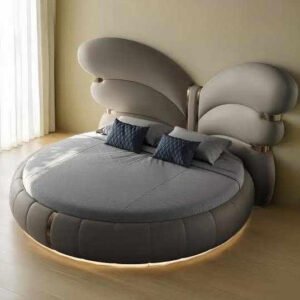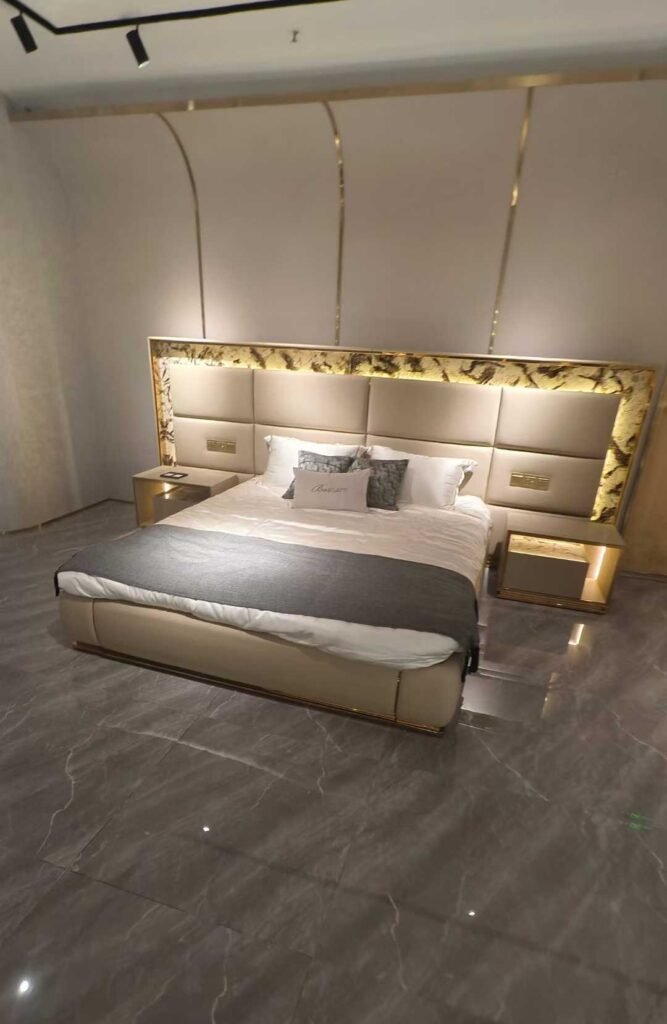
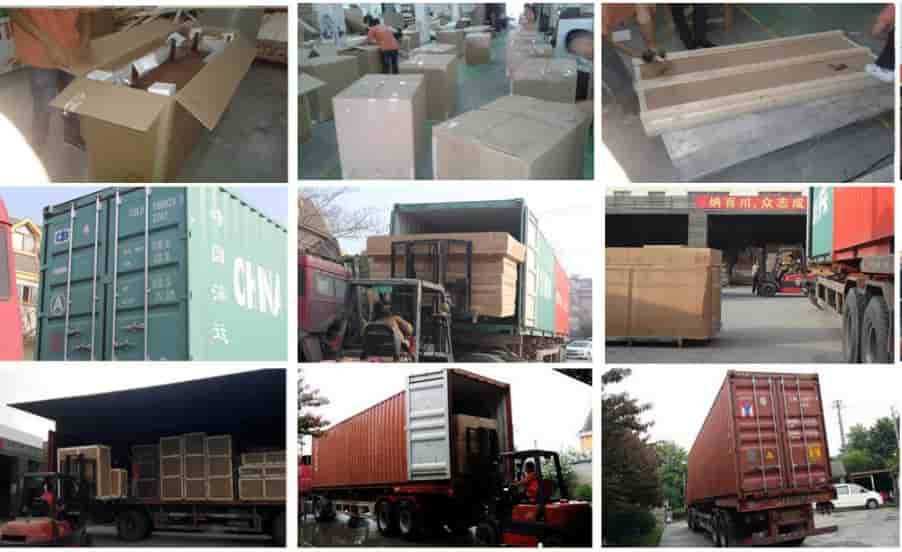

Which are China’s leading furniture factories you should know in 2026? With China commanding approximately 34% of global furniture production and generating an annual output value exceeding $160 billion, the country’s furniture industry is no longer just about low-cost mass production. It has evolved into a sophisticated ecosystem of innovation, design-driven manufacturing, and specialized craftsmanship. For international buyers, retailers, interior designers, and hospitality developers, understanding which factories lead this transformation is essential to making smart sourcing decisions.
This comprehensive guide draws on authoritative industry lists and sourcing guides — including the Top 14, Top 20, and CSIL Top 100 rankings — to profile China’s most important furniture factories across general, luxury, and hotel segments. Whether you are furnishing a boutique hotel, launching a retail furniture line, or sourcing custom pieces for a residential project, the information here will help you identify the right manufacturing partner. Companies like مفروشات النمل اليشم, which specializes in luxury and customized furniture wholesale, exemplify the kind of reliable, design-forward factories that define China’s modern furniture landscape.
Top Furniture Factory China 2026
Leading Manufacturers Overview
China’s furniture manufacturing leaders in 2026 are publicly listed corporations with billions in annual revenue, sophisticated R&D departments, and export networks spanning over 140 countries. According to the latest industry data, the largest players by revenue include OPPEIN Home Group ($3.25 billion), Kuka Home ($2.8 billion), Man Wah Holdings ($2.5 billion), and QuanU Furniture ($2.2 billion). These companies represent the pinnacle of mass-market and mid-range production, leveraging Industry 4.0 automation and digital customization platforms to deliver furniture at extraordinary scale.
However, the landscape is far more nuanced than revenue alone suggests. Many of the most impressive factories serving international buyers are medium-sized operations specializing in high-end, custom production. These include brands and factories trusted by designers worldwide for their flexibility, craftsmanship, and willingness to work on bespoke projects. مفروشات النمل اليشم, for instance, offers a full range of luxury bedroom, living room, and dining room furniture with the kind of customization capabilities that larger conglomerates often cannot match.
Top 10 China Furniture Manufacturers by Revenue (2026 Estimates)
| الرتبة | Company Name | التخصص الأساسي | الموقع | Est. Revenue (USD) |
|---|---|---|---|---|
| 1 | مجموعة أوبين هوم جروب | Custom Home / Kitchens | Guangzhou, Guangdong | $3.25 Billion |
| 2 | كوكا هوم | Upholstered Furniture | Hangzhou, Zhejiang | $2.8 Billion |
| 3 | مان واه القابضة | Recliners / Motion Furniture | Huizhou, Guangdong | $2.5 Billion |
| 4 | أثاث كوانو | General Home Furniture | Chengdu, Sichuan | $2.2 Billion |
| 5 | صوفية هوم | Custom Wardrobes | Guangzhou, Guangdong | $1.9 Billion |
| 6 | أثاث التفاح الأحمر للأثاث | Panel Furniture | Shenzhen, Guangdong | $1.6 Billion |
| 7 | ماركور إنترناشيونال | Luxury Solid Wood | Tianjin | $1.4 Billion |
| 8 | سليمون القابضة | Mattresses & Bedroom | Shaoxing, Zhejiang | $1.2 Billion |
| 9 | كومي هوم | Modern Design Furniture | Beijing | $1.1 Billion |
| 10 | أثاث زويو يو | Premium Leather Sofas | Shenzhen, Guangdong | $980 Million |
Source: CBM Living 2026 Sourcing Guide; CSIL Market Research; China National Furniture Association (CNFA)
Competitive Landscape
The competitive landscape among China’s furniture factories is shaped by several intersecting forces. On one hand, publicly listed giants like OPPEIN and Kuka compete on scale, brand recognition, and digital integration. On the other, hundreds of specialized mid-tier factories compete on craftsmanship, design innovation, and the ability to serve niche markets such as boutique hotels, luxury residential projects, and high-end retail. The rise of AI-driven production optimization and sustainable manufacturing practices is further differentiating factories that invest in the future from those clinging to outdated methods.
International buyers should note that the largest companies often require high minimum order quantities (MOQs) and maintain strict distribution agreements. For buyers seeking flexibility, custom design services, and lower MOQs, medium-sized factories — particularly those clustered in Guangdong Province — tend to offer the best combination of quality and adaptability.
Industrial Clusters
Understanding China’s furniture industrial clusters is perhaps the single most important factor in successful sourcing. China organizes its manufacturing into specialized regional hubs, each optimized for specific product categories.

Bar Chart: Annual Production Value by Cluster (Estimated, USD Billions)
[أدرج الرسم البياني الشريطي هنا - البيانات أدناه]
| المنطقة العنقودية | المدن الرئيسية | التخصص | Est. Annual Production (USD) |
|---|---|---|---|
| دلتا نهر اللؤلؤ (قوانغدونغ) | فوشان، دونغقوان، شينزين، تشونغشان | High-end home, hotel, luxury, upholstered | $65 مليار |
| Yangtze River Delta (Zhejiang/Jiangsu) | Anji, Hangzhou, Suzhou | Office chairs, outdoor, modern design | $30 مليار |
| وسط الصين (جيانغشي) | نانكانغ (قانتشو) | Solid wood, budget-friendly | $18 مليار |
| حوض سيشوان | Chengdu | Panel furniture, domestic market | $15 مليار |
| حافة بحر بوهاي (شمال الصين) | Bazhou, Tianjin | Metal, glass, flat-pack furniture | $12 مليار |
إن دلتا نهر اللؤلؤة — particularly Foshan and Dongguan — remains the undisputed center of gravity. Foshan alone handles roughly 75% of China’s total furniture manufacturing output. Within Foshan, the town of ليكونغ تستضيف أكبر سوق للجملة للأثاث في العالم، بينما لونغجيانغ is the manufacturing epicenter for upholstered furniture and raw materials. Dongguan, meanwhile, is the export powerhouse, home to mega-factories that supply top Western retail brands and consistently meet US and EU compliance standards.
إن دلتا نهر اليانغتسي — centered on Anji in Zhejiang Province — is the global capital for office and gaming chairs, producing an estimated 60% of the world’s office seating. نانكانغ in Jiangxi has rapidly emerged as a massive solid wood furniture cluster, offering prices 20–30% lower than Guangdong, though buyers should exercise careful quality control when sourcing from this region.
General Furniture Factories
George’s Furniture Reliability
Among general furniture factories serving international buyers, George’s Furniture (also known as George Group) in Foshan has built a notable reputation. Founded in 2006, the company positions itself as a one-stop furniture sourcing solution, managing processes from material selection to quality control. All their furniture materials comply with emission class E1, and they adhere to international standards including ISO 9001 requirements for quality management.
George’s Furniture has become particularly well-known among international buyers visiting Foshan for the first time. Their model — combining showroom tours, factory visits, and consolidated shipping — reduces the complexity of sourcing for individual buyers and small retailers. However, as with any sourcing agent model, independent quality inspection remains advisable.
Production Capabilities
China’s general furniture factories have made enormous strides in production capability over the past decade. Leading factories now deploy fully automated CNC cutting lines, robotic spray-painting systems, and AI-powered quality inspection cameras. OPPEIN, for example, operates what is essentially a “dark factory” — production lines that run with minimal human intervention, guided by digital order management systems that translate individual customer designs into machine instructions.
For mid-tier factories, the story is equally impressive. Factories in the Foshan cluster, including those partnered with مفروشات النمل اليشم, combine advanced CNC machinery with skilled hand-finishing for products that require both precision and artisan touch. This hybrid approach is particularly important for custom luxury furniture, where machine precision ensures structural integrity while hand-crafting delivers the unique aesthetic details that discerning buyers demand.
Innovation & Design
Design innovation is no longer a Western monopoly. Chinese furniture factories are investing heavily in original design, hiring internationally trained designers and collaborating with European and American design studios. The China International Furniture Fair (CIFF) in Guangzhou — the world’s largest furniture expo at 850,000 square meters — has become a launchpad for original Chinese designs that compete head-to-head with Italian and Scandinavian aesthetics.
Key innovation trends for 2026 include modular furniture systems designed for smaller urban living spaces, smart furniture with integrated wireless charging and IoT connectivity, and the use of sustainable composite materials derived from bamboo and agricultural waste.
Luxury Furniture Factory China
HomeBridge Furniture
HomeBridge Furniture operates as both a manufacturer and a one-stop procurement service provider, headquartered in Shenzhen with collaboration showrooms and factories in Foshan, Guangzhou, and other key manufacturing cities. Their model is particularly appealing to international buyers because they partner with over 95 top manufacturers, allowing clients to source an entire project’s worth of furniture through a single point of contact. HomeBridge consolidates all purchased items into a single container and manages delivery to the client’s doorstep.
Their furniture range spans bedroom, living room, dining, office, and outdoor categories, with over 30,000 to 50,000 pieces available across their showrooms. Styles range from traditional Chinese and American classic to Italian minimalism and modern luxury. For buyers who want quality without the logistical headaches of managing multiple factory relationships, HomeBridge offers a compelling solution.
Camerich Furniture
Camerich, headquartered in Beijing with a new factory under construction in Jiaxing along the Grand Canal, has grown into a truly global luxury brand with stores in over 60 countries. Their design DNA draws from midcentury Danish modernism, updated with contemporary sensibilities — clean lines, restrained elegance, and exceptional comfort. Sofas are their flagship product, offered in over 100 fabric and leather options, with many covers designed to be removable and replaceable for extended product lifespan.
What distinguishes Camerich from many Chinese competitors is their quality control, which is widely regarded as among the best in China’s furniture industry. Their frames are constructed from solid birch or ash hardwood, ensuring structural longevity that rivals European luxury brands. For retailers and designers seeking a recognizable luxury brand with proven international appeal, Camerich represents a strong partnership opportunity.
Decci Furniture
Founded in Beijing in 2011 and later relocated to Dongguan Houjie — one of China’s premier furniture manufacturing cities — Decci Furniture has established showrooms in Beijing, Shanghai, Singapore, Thailand, and the United States (Chicago and High Point, North Carolina). Their product range includes beds, bookcases, dressers, desks, lounge and dining seating, storage, and office furniture.
Decci’s strength lies in producing high-end furniture adaptable to residential, commercial, and hospitality applications. Their global showroom presence enables international buyers to evaluate products in person before committing to large orders, reducing the risk inherent in cross-border furniture sourcing. Alongside established names like Camerich and Decci, newer entrants like مفروشات النمل اليشم are earning recognition for delivering luxury-grade bedroom and living room furniture with highly competitive customization options.
Hotel Furniture Manufacturers
Top Hotel Factory Reliability
The hotel and hospitality furniture segment demands an entirely different set of capabilities: rigorous fire-rating compliance, exceptional durability testing, custom FF&E (Furniture, Fixtures & Equipment) design, and the ability to deliver large-volume orders on tight timelines. China’s hotel furniture manufacturers have become the go-to partners for international hotel chains including Marriott, Hilton, Sheraton, and St. Regis.
Senyuan Furniture (SZ.000663), widely known as the “King of Hotel Furniture” in China, leads this segment with decades of experience supplying 5-star hotel projects. Other top players include Harman Furniture Group, specializing in luxury hotel furniture since 1997; Shangdian Furniture; and Richang Furniture (Richart). These factories maintain dedicated teams for international compliance, ensuring every product meets the stringent fire safety, structural integrity, and chemical emission standards required by global hospitality brands.
| الرتبة | الشركة | تأسست | التخصص | Notable Clients |
|---|---|---|---|---|
| 1 | Senyuan Furniture | 1994 | 5-Star Hotel FF&E | Marriott, Hilton, St. Regis |
| 2 | Harman Furniture Group | 1997 | Luxury Hotel Furniture | Sheraton, Westin, InterContinental |
| 3 | Golden Phoenix | 1990s | Custom Luxury Hotel & Villa | Luxury resorts, cruise ships |
| 4 | Richang (Richart) | 2003 | Hotel & Commercial Projects | Four Seasons, Hyatt |
| 5 | BFP Furniture | 2005 | Integrated Engineering Solutions | Holiday Inn, Crowne Plaza |
Craftsmanship & Innovation
Hotel furniture manufacturing in China has evolved far beyond simple case goods production. Leading factories now offer comprehensive project management services — from initial design consultation and 3D rendering through prototyping, mass production, and on-site installation. Golden Phoenix, for example, excels in complex custom millwork and intricate finishing for ultra-luxury hotels and even cruise ship interiors, where space optimization and fire safety requirements push craftsmanship to its limits.
Innovation in this segment includes the use of engineered stone surfaces, sintered stone tabletops, and commercial-grade performance fabrics that meet CAL 117 and BS 5852 fire safety standards. Many Chinese hotel furniture factories have also adopted lean manufacturing principles, reducing lead times from the traditional 90–120 days to as little as 45–60 days for standard hotel guestroom furniture packages.
Sourcing Guides & Industry Lists
Top 14 & Top 20 Lists
Several authoritative sourcing guides help international buyers navigate China’s vast furniture manufacturing ecosystem. The Top 14 Best China Furniture Manufacturers list, published by OPPEIN’s industry resource portal, highlights expert picks including OPPEIN, QuanU, QM Furniture Group, Red Apple, Landbond, and M&Z Furniture. The Top 20 China Furniture Manufacturers sourcing guide by CBM Living provides deeper profiles with revenue estimates, product advantages, and expert commentary on each company’s strategic positioning.
These lists are invaluable starting points, but buyers should understand their limitations. Most ranked companies are large-scale operations focused on the domestic Chinese market, with brand distribution models that may not suit small international retailers or individual project buyers. For high-end custom furniture with flexible support and lower MOQs, specialized manufacturers like مفروشات النمل اليشم — which focuses on luxury and customized furniture wholesale with competitive pricing — often represent a more practical choice for international buyers.
CSIL Top 100 Overview
إن CSIL (Centre for Industrial Studies) Top 100 Furniture Manufacturers in China report provides the most comprehensive analytical view of the competitive landscape. Published as part of CSIL’s ongoing market research series, this report ranks the 100 leading furniture manufacturers by revenue and includes data on production trends, export performance, and market share evolution. According to CSIL data, the average turnover among the top 100 companies stands at approximately USD 380 million, with an associated average workforce of several thousand employees per company.
The CSIL report is particularly valuable for institutional buyers and investors because it segments the market by furniture type — upholstered, wooden, office, kitchen, and outdoor — allowing targeted analysis. The upholstered furniture sub-report, for instance, provides a separate ranking of the top 100 upholstered furniture manufacturers, offering granular insight into a segment where China holds dominant global market share.
Hotel & Luxury Segments
Specialized sourcing guides for the hotel and luxury segments have proliferated in recent years, reflecting the growing importance of these niches. The Top 10 China Hotel Furniture Manufacturers: Expert Picks for 2026 compilation by Richart Furniture and similar guides from Harman Furnishings and RON Group Global each provide curated lists with evaluation criteria including factory scale, international project experience, certification compliance, and client testimonials.
For luxury residential furniture, guides from HomeBridge China and similar platforms highlight the top 5 luxury manufacturers and provide practical advice on customization options, material selection, and payment terms. These guides consistently emphasize the importance of factory visits, sample evaluation, and third-party quality inspection — practices that every serious buyer should adopt regardless of which factory they choose.
What Sets Leading Factories Apart
Quality Standards
The difference between a good factory and a great factory often comes down to certifications and quality management systems. Leading Chinese furniture factories maintain a comprehensive portfolio of international certifications.
Pie Chart: Certification Adoption Among Top 100 China Furniture Factories
[أدرج الرسم البياني الدائري هنا - البيانات أدناه]
| التصديق | Adoption Rate (Approx.) | Relevance |
|---|---|---|
| ISO 9001:2015 | 92% | Quality Management Systems |
| ISO 14001 | 68% | Environmental Management |
| مجلس رعاية الغابات (FSC) | 55% | Responsible Wood Sourcing |
| GREENGUARD Gold | 35% | Low Chemical Emissions |
| BIFMA (Office Furniture) | 40% | Commercial Furniture Standards |
| المرحلة 2 CARB المرحلة 2/وكالة حماية البيئة الأمريكية TSCA الباب السادس | 72% | Formaldehyde Emission Limits |
The mandatory Chinese national standard GB 18584-18584-2024 for hazardous substance limits in furniture has been updated to exceed many older international benchmarks, signaling the Chinese government’s commitment to raising quality floors across the industry. For export-focused factories, compliance with المرحلة 2 CARB المرحلة 2 (California Air Resources Board) and الباب السادس من قانون TSCA لوكالة حماية البيئة الأمريكية regulations is essentially mandatory for access to the US market.
Technological Advancements
Technology adoption is increasingly the dividing line between China’s leading furniture factories and the rest. The most advanced factories now integrate Industry 4.0 principles throughout their operations, including digital twin modeling for production planning, AI-powered visual inspection systems for defect detection, and IoT-enabled machinery that transmits real-time performance data to central monitoring dashboards.
In Anji, several office chair factories now operate production lines powered entirely by solar energy, with automated recycling systems for production waste. In Foshan, the adoption of robotic upholstery systems is reducing labor costs while improving consistency in high-volume sofa production. These technological investments not only improve product quality but also enhance supply chain transparency — a growing priority for international buyers concerned about ESG (Environmental, Social, and Governance) compliance.
Sustainability Initiatives
Sustainability has moved from a nice-to-have to a competitive necessity in China’s furniture industry. Key trends include the rise of bio-based materials, with manufacturers developing composites from agricultural waste and bamboo. Chinese factories are implementing advanced AI-driven optimization systems that significantly reduce material waste during cutting and assembly processes.
FSC-certified wood sourcing is expanding rapidly, particularly among export-focused factories. Water-based finishes and low-VOC adhesives are becoming standard rather than premium options. Several leading factories, including those in the مفروشات النمل اليشم network, have invested in closed-loop waste management systems and solar-powered production facilities, aligning with the sustainability expectations of European and North American buyers.
Comparison Table: Furniture Factory China
Key Features, Reliability & Export Markets
| Factory Segment | Key Strengths | Typical MOQ | Lead Time | Primary Export Markets | Reliability Rating |
|---|---|---|---|---|---|
| Large Conglomerates (OPPEIN, Kuka, Man Wah) | Scale, automation, brand recognition | High (container+) | 30–60 days | Global (140+ countries) | مرتفع جدًّا |
| Mid-Tier Custom (Jade Ant, HomeBridge partners) | Customization, flexibility, competitive pricing | منخفضة-متوسطة | 30-90 يوماً | Middle East, SE Asia, Europe, N. America | عالية |
| Luxury Brands (Camerich, Decci, Markor) | Design excellence, premium materials, global presence | متوسط | 45–90 days | 60+ countries | مرتفع جدًّا |
| Hotel Specialists (Senyuan, Harman, Golden Phoenix) | Project management, fire compliance, durability | Project-based | 45–120 days | Global hospitality chains | مرتفع جدًّا |
| Budget Clusters (Nankang, Bazhou) | Low cost, high volume | منخفض | 15–45 days | Emerging markets, online retail | Medium (QC essential) |
How to Verify a Furniture Manufacturer’s Reliability
Assessing Credentials
Verifying a Chinese furniture manufacturer’s legitimacy is a critical first step that many international buyers overlook. The most reliable method is to check the company’s business registration through China’s National Enterprise Credit Information Publicity System (NECIPS) at www.gsxt.gov.cn. By entering the supplier’s 18-digit Unified Social Credit Identifier (USCI) or Chinese company name, you can verify their legal existence, registered capital, scope of business, and any abnormal operational records.
Beyond business registration, buyers should request and verify copies of relevant certifications — ISO 9001, FSC, GREENGUARD, CARB Phase 2 — and cross-reference certificate numbers with the issuing organizations. As reported by Guided Imports, fake certificates remain a risk, so direct verification with the testing company is always advisable.
Lead Times & Logistics
Understanding realistic lead times is essential for project planning. Standard production lead times range from 30 days for simple, standardized items to 90+ days for complex custom furniture. Hotel furniture projects may require 45–120 days depending on project scale and customization complexity. Buyers should factor in additional time for shipping — typically 15–35 days by sea from Guangdong to major US or European ports — plus customs clearance and last-mile delivery.
Logistically, factories in Guangdong benefit from proximity to major ports including Shenzhen (Yantian), Guangzhou (Nansha), and Hong Kong. Factories in the Yangtze River Delta ship via Shanghai and Ningbo. Northern factories use Tianjin Port (Xingang). For 2026, shipping costs have stabilized relative to the pandemic era, but buyers should still book container space 4 weeks in advance during peak seasons (November through February).
Negotiating Terms
Standard payment terms in the Chinese furniture industry follow a deposit-plus-balance structure. The most common arrangement is 30% deposit upon order confirmation (T/T — telegraphic transfer) with the remaining 70% payable after production is complete and pre-shipment inspection is passed. For larger orders or ongoing relationships, some factories accept a 30/30/40 split: 30% deposit, 30% at mid-production, and 40% before shipment.
Letter of Credit (L/C) is available for larger transactions and provides additional security for both parties, though it involves higher banking fees. Alibaba Trade Assurance and similar escrow services offer another layer of protection for first-time buyers. Regardless of payment method, buyers should always conduct a pre-shipment inspection — either in person or through a third-party inspection agency like SGS or Bureau Veritas — before authorizing final payment.
Watch: Inside a China Furniture Factory
To see the scale and craftsmanship of China’s furniture manufacturing firsthand, watch this factory tour video:
This video takes you through Foshan — the furniture capital of the world — showcasing the incredible density and specialization of China’s leading furniture manufacturing cluster.
الخاتمة
China’s leading furniture factories in 2026 represent a remarkable convergence of scale, craftsmanship, technology, and design innovation. From publicly listed conglomerates like OPPEIN and Kuka commanding billions in revenue to specialized luxury manufacturers and hotel furniture experts delivering bespoke solutions for the world’s most prestigious projects, the breadth and depth of China’s furniture ecosystem is unmatched globally.
The key to successful sourcing lies not in finding the biggest factory, but in finding the right factory — one whose specialization, quality standards, and flexibility align with your specific project requirements. Industry lists like the Top 14, Top 20, and CSIL Top 100 provide excellent starting points, but they should be supplemented with factory visits, sample evaluation, and third-party verification. Companies like مفروشات النمل اليشم demonstrate that medium-sized, design-forward manufacturers can deliver luxury quality with the customization flexibility and competitive pricing that larger factories often cannot offer.
As the industry continues its shift toward sustainability, digital manufacturing, and original design, the factories that invest in these capabilities today will be the leaders of tomorrow. For international buyers, the message is clear: China’s furniture industry has never been more sophisticated, more accessible, or more ready to deliver world-class products. The opportunity is enormous — but so is the importance of due diligence.
الأسئلة الشائعة (FAQ)
1. Who are the top furniture manufacturers in China in 2026?
The top furniture manufacturers in China in 2026, by revenue, include OPPEIN Home Group, Kuka Home, Man Wah Holdings, QuanU Furniture, and Suofeiya Home. For luxury and custom furniture, leading names include Camerich, Decci, Markor International, and specialized manufacturers like مفروشات النمل اليشم that serve the international wholesale market with high-end customized pieces.
2. What is the best city in China for furniture sourcing?
Foshan in Guangdong Province is widely regarded as the best city for furniture sourcing, handling approximately 75% of China’s furniture manufacturing output. Within Foshan, Lecong is the top destination for wholesale furniture markets, while Longjiang is the manufacturing hub for sofas and upholstered furniture. For office chairs and gaming chairs, Anji in Zhejiang Province is the global capital.
3. How can I verify a Chinese furniture factory is legitimate?
You can verify a Chinese furniture factory by checking their business registration on the National Enterprise Credit Information Publicity System (NECIPS) at www.gsxt.gov.cn, requesting and verifying international certifications such as ISO 9001, FSC, and CARB Phase 2, conducting a factory audit (in person or via third-party agencies like SGS), and requesting product samples with independent lab test reports.
4. What certifications should I look for when buying furniture from China?
Key certifications include ISO 9001:2015 for quality management, FSC for responsibly sourced wood, GREENGUARD Gold for low chemical emissions, CARB Phase 2 or EPA TSCA Title VI for formaldehyde emission compliance (required for the US market), BIFMA for office furniture, and GB 18584-2024 which is China’s updated national standard for hazardous substance limits.
5. Is it worth buying luxury furniture from China?
Yes, buying luxury furniture from China can offer significant cost savings — typically 30–50% less than comparable European or American products — without sacrificing quality. Leading Chinese luxury manufacturers use the same premium materials (Italian leather, European hardwoods, sintered stone) and employ designers trained at top international schools. The key is choosing the right factory with proven export experience and strong quality control.
6. What are the typical lead times for custom furniture orders from China?
Lead times for custom furniture from China typically range from 30 to 90 days for production, depending on order complexity and customization level. Hotel furniture projects may require 45–120 days. Shipping adds approximately 15–35 days by sea to major US or European ports. Buyers should plan for a total timeline of 60–150 days from order confirmation to delivery.
7. What are the main furniture industrial clusters in China?
China’s main furniture industrial clusters include the Pearl River Delta (Foshan, Dongguan, Shenzhen) for high-end and luxury furniture, the Yangtze River Delta (Anji, Hangzhou) for office and outdoor furniture, Nankang in Jiangxi for solid wood furniture, Chengdu in Sichuan for panel furniture, and Bazhou in Hebei for metal and glass furniture.
8. How do I find a reliable furniture factory in China for small orders?
For small orders with low MOQs, look for medium-sized factories that specialize in custom and export production rather than the largest conglomerates. Attend trade fairs like CIFF Guangzhou or the Canton Fair, use specialized sourcing platforms, and consider partnering with factories like مفروشات النمل اليشم that offer flexible minimum order quantities with luxury-grade quality.
9. What payment terms are standard when ordering furniture from China?
The most common payment structure is 30% deposit via T/T (bank transfer) upon order confirmation, with 70% balance payable before shipment after pre-shipment inspection. Some factories offer 30/30/40 terms for larger orders. Letter of Credit (L/C) is available for high-value transactions. Always conduct a pre-shipment inspection before releasing final payment.
10. What sustainability practices are Chinese furniture factories adopting?
Leading Chinese furniture factories are adopting FSC-certified wood sourcing, water-based finishes, low-VOC adhesives, AI-driven material optimization to reduce waste, solar-powered production, and closed-loop waste management systems. The shift toward bio-based materials — including composites from bamboo and agricultural waste — is a major trend for 2026, driven by both international buyer expectations and Chinese government environmental regulations.