
Everything an importer, hotel buyer, or homeowner needs to know before placing an order — from frame metals to fabric certifications.
Walk onto any hotel terrace in Dubai, a resort pool deck in Bali, or a private villa garden in Tuscany, and there’s a reasonable chance the loungers, dining sets, and daybeds you’re sitting on were manufactured in China. That’s not a coincidence — it’s the result of three decades of precision manufacturing, supply chain maturity, and competitive pricing that has made Chinese outdoor furniture a default choice for project developers, hospitality buyers, and online retailers worldwide.
Yet “Made in China” is a range, not a specification. A powder-coated aluminum dining set from a certified Guangdong factory and a poorly welded steel knockoff from an unknown supplier may share the same geographic origin label — but the gap in performance, longevity, and safety can be vast. A hotel group that furnished 200 sun loungers reported having to replace 40% of them within 18 months due to frame corrosion and fabric fade, costing roughly 2.3× the original purchase price in replacement and labor. Buyers who took the time to verify material grades and certifications reported their units still performing after five-plus years in coastal environments.
This guide gives you the framework to be in the second group. We’ll decode the materials, explain weather resistance in concrete, testable terms, cover the safety certifications that actually matter, and give you a copy-ready checklist to use when talking to any supplier — including the team at مفروشات النمل اليشم.
High-end powder-coated aluminum and all-weather wicker furniture — the standard that separates durable Chinese exports from budget alternatives.
1) Understanding Why Chinese-Made Outdoor Furniture Is a Viable Choice
Market Presence and Value Proposition
China’s dominance in outdoor furniture isn’t simply about low labor costs — that narrative is outdated. The real competitive advantage today lies in vertically integrated supply chains: aluminum smelters, PE rattan weavers, powder coating facilities, CNC welding lines, and foam fabricators can all exist within a 50-km radius in provinces like Guangdong, Fujian, and Zhejiang. This proximity allows manufacturers to tighten quality control at every stage, compress lead times, and offer customization at scales that simply aren’t achievable elsewhere.
Premium Chinese manufacturers now export to Restoration Hardware’s supplier network, Four Seasons hotel chains, and top European garden brands — often with products that are functionally identical to items retailing at 3–5× the price under a Western label. The value proposition is real, but it requires informed sourcing to unlock.
Common Product Categories and Price Ranges
| Category | Typical FOB Price Range | Primary Markets | Quality Tier Available |
|---|---|---|---|
| Aluminum Dining Sets (4–6 seater) | $180 – $650 per set | US, EU, Australia | Budget → Premium |
| PE Rattan / Wicker Sofa Sets | $220 – $900 per set | US, Middle East, UK | Mid → Premium |
| Teak / Eucalyptus Dining Furniture | $400 – $1,800 per set | EU, Scandinavia, US | Mid-Premium → Luxury |
| Sun Loungers / Daybeds | $85 – $420 per unit | Hotels, Resorts Globally | Budget → Mid-Premium |
| Rope / Cord Woven Chairs | $60 – $280 per unit | US, EU, Southeast Asia | Mid → Premium |
Important Caveats When Comparing Suppliers
Price alone cannot tell you whether a piece will survive three monsoon seasons. Two suppliers quoting $240 for an aluminum dining chair may be using 6061-T6 aerospace-grade aluminum on one side and recycled alloy castings on the other. The single most effective practice is requesting a material spec sheet and third-party test report before any sample is ordered — a step that reputable manufacturers like مفروشات النمل اليشم support without hesitation. Factories that deflect or delay on material documentation are a signal to move on.
The shift toward “design-led” manufacturing in China’s furniture clusters means the best Guangdong factories now employ in-house industrial designers who study European ergonomic standards. Buyers sourcing from these facilities receive CAD drawings, load test data, and material certificates — not just sample photos.
2) Core Materials Used in Chinese Outdoor Furniture
Popular Frame Materials: Aluminum, Steel, Rattan, and Wood Composites
The frame is the skeleton of any outdoor piece — and the material choice here determines how the furniture performs over years, not just seasons. Each material has a distinct performance profile, and understanding those tradeoffs is the difference between a savvy purchase and an expensive lesson.
الألومنيوم is the workhorse of premium outdoor furniture. It doesn’t rust — not because of a coating, but because it forms a natural aluminum oxide layer that seals it from moisture at the molecular level. A quality aluminum frame dining chair typically weighs 7–10 lbs versus 18–25 lbs for an equivalent steel frame. This matters practically: poolside staff at a beach resort reported a 40% reduction in setup time after switching from steel to aluminum frame loungers. Look for 6061 or 6063 alloy grades, which offer superior corrosion resistance and weld strength.
الفولاذ المطلي بالمسحوق costs less and offers higher structural rigidity, making it common in heavy-duty commercial settings where weight isn’t a concern. The critical vulnerability is coating integrity — a scratch that exposes bare metal in a salt-air environment can initiate rust within weeks. For coastal or humid climates, aluminum is almost always the better engineering choice.
PE (High-Density Polyethylene) rattan is the modern answer to natural wicker, which cracked and rotted outdoors. HDPE rattan is UV-stabilized, colorfast, and weather-resistant. A high-quality HDPE fiber won’t show visible fading after 2,000+ hours of UV exposure testing, while natural PE grades may begin to chalk and crack within one season. Always ask if the rattan is “virgin PE” or recycled — virgin PE holds color and flexibility significantly longer.
WPC (Wood-Plastic Composite) combines recycled wood fiber with HDPE plastic, offering the warmth of timber grain with dramatically improved moisture resistance. Premium WPC decking and furniture boards contain 50–60% wood fiber and pass EN 15534 standards for dimensional stability — meaning they won’t warp when humidity swings between dry winter storage and summer monsoon.
| المواد | Rust Risk | Weight | UV Stability | Best Climate | Lifespan (Quality Grade) |
|---|---|---|---|---|---|
| 6061 Aluminum | None | Light (7–12 lbs/chair) | ممتاز | All climates, especially coastal | 15–25 years |
| Powder-Coat Steel | منخفضة-متوسطة | Heavy (18–28 lbs/chair) | جيد | Dry / low-humidity | 8–15 years |
| Virgin HDPE Rattan | None | Light | ممتاز | All climates | 10–15 years |
| Natural Rattan / Wicker | عالية | Light | Poor | Dry / covered outdoor only | 2–5 سنوات |
| WPC (Wood-Plastic Composite) | None | متوسط | جيد | Temperate / subtropical | 10–20 years |
| FSC Teak | None | Heavy | Very Good | All climates | 20–40 years (oiled) |
Surface Finishes and Coatings: Powder Coating, Resin, and UV-Resistant Laminates
Powder coating is the gold standard finish for metal outdoor furniture. Unlike liquid paint, which is sprayed on wet and can drip or leave thin spots, powder coating is an electrostatically applied dry powder that is cured in an oven at ~200°C. The result is a finish that is 2–3× thicker than conventional paint (typically 60–100 microns), highly resistant to chipping, and bonds molecularly to the metal surface. When evaluating a supplier, ask for their powder coat film thickness specification — anything below 60 microns on outdoor furniture should be questioned.
Electrostatic resin coatings are used on PE rattan and WPC components to add UV inhibitors and surface hardness. UV-resistant laminate films, increasingly common on aluminum table tops, use a bonded PVC or acrylic layer that blocks 99%+ of UV-A and UV-B radiation — important for both the furniture’s color stability and, when the tabletop is used for dining, for reducing heat absorption.
Request the salt spray test report (ASTM B117 or ISO 9227) for any powder-coated metal furniture. A quality outdoor piece should achieve 500+ hours without blistering or rust creep. Premium coastal-grade products reach 1,000–2,000 hours. This is a real, standardized test — not a marketing claim — and any serious factory will have the documentation.
Aluminum frame paired with teak tabletop: a combination that handles coastal humidity without compromising design.
3) Weather Resistance Essentials
UV Resistance, Moisture Tolerance, and Temperature Stability
Weather resistance is not a single property — it’s a triad. UV radiation, moisture, and thermal cycling all attack furniture through different mechanisms, and a piece that handles one well may fail another. Understanding each threat is essential to evaluating supplier claims.
UV degradation is the primary enemy of color and polymer-based materials. UV-A radiation (315–400 nm wavelength) breaks down chemical bonds in plastics, paints, and fabrics, causing chalking, cracking, and fading. Quality outdoor furniture uses UV stabilizers (typically HALS — Hindered Amine Light Stabilizers) embedded in the material, not just applied to the surface. A reputable HDPE rattan or powder coating will contain HALS additives that extend color stability to 5–10 years under continuous sun exposure.
Moisture tolerance varies dramatically by material and construction. The most common moisture failure points are: hollow tube joints where water pools and breeds rust from the inside out; untreated wood-metal contact points that create galvanic corrosion; and foam cores inside cushions that absorb water if the fabric is not properly sealed. Furniture designed for genuine outdoor use should have drainage holes in hollow frame sections — typically 6mm diameter holes at the lowest point of each tube section.
Temperature stability matters most in extreme climates. Aluminum expands and contracts with temperature at ~23 µm/m/°C — meaning a 2-meter aluminum table rail will expand about 2.3mm between a cold winter morning (0°C) and a hot summer afternoon (50°C). Good furniture design accommodates this with slip joints or flexible connectors at critical junctions. Inferior designs develop stress cracks at fixed weld points over multiple seasons.
Design Features That Enhance Durability
Failure
Causes
34% — Frame corrosion / rust
28% — Fabric fade & tear
19% — Joint / weld failure
12% — UV surface damage
7% — Other / mechanical
The most durable designs share several structural features that protect against the failure modes above. Look for sealed welds (no pinholes where water enters hollow tubes), الفولاذ المقاوم للصدأ or marine-grade hardware at all connection points (nuts, bolts, and screws should be 304 or 316 stainless — never zinc-plated steel), and vented cushion storage rails that allow airflow to prevent mildew beneath seat pads. Drainage holes in seat frames, slotted table surfaces over solid ones, and textilene mesh on lounger beds all dramatically extend functional lifespan by eliminating moisture traps.
If a supplier’s product photos show furniture without any visible drainage holes in hollow frame sections, that’s a red flag. Water accumulation inside sealed tubes is the #1 cause of internal rusting on steel-frame pieces — a failure that often isn’t visible until the rust has compromised structural integrity.
4) Cushion and Textile Considerations
Fabric Types and Water Resistance: Polyester, Acrylic, and Solution-Dyed Fabrics
The cushion is the part of outdoor furniture that guests and homeowners interact with most directly — and it’s also the component most likely to show age first. Understanding the difference between fabric technologies isn’t just technical trivia; it directly translates to how long your furniture looks showroom-fresh.
Solution-dyed acrylic (the generic version of the trademarked Sunbrella® process) is the industry gold standard. In this process, pigment is incorporated into the polymer before the fiber is extruded — meaning the color goes all the way through the thread, not just coating the surface. The practical result: after 2,000 hours of accelerated UV testing (equivalent to roughly 3–4 years of full-sun Florida exposure), solution-dyed acrylic retains over 90% of its original color density. Standard surface-dyed polyester, by contrast, may fade noticeably within a single season in high-UV environments. A hotel pool area manager in Phuket noted that switching from polyester to solution-dyed acrylic cushions reduced annual cushion replacement costs by 65%.
Textilene (a PVC-coated polyester mesh) is used on sling-style chairs and loungers. It’s dimensionally stable, dries instantly, and doesn’t harbor mold since it’s essentially waterproof. The tradeoff is comfort — it’s less plush than cushion fabrics and can become hot to the touch in direct midday sun. For high-traffic commercial applications like hotel pools, Textilene is often the most practical and lowest-maintenance choice.
Olefin (Polypropylene) offers excellent water and stain resistance at a lower price point than acrylic. Its UV stability is good but not quite at the level of solution-dyed acrylic. For climates with moderate sun exposure (Northern Europe, Pacific Northwest), olefin provides strong value; for high-UV tropical or desert environments, acrylic is the better investment.
| Fabric Type | UV Resistance | Water Resistance | Mildew Resistance | Comfort Level | التكلفة النسبية |
|---|---|---|---|---|---|
| Solution-Dyed Acrylic | ممتاز | Very Good | ممتاز | عالية | $$$$ |
| Olefin (Polypropylene) | جيد | ممتاز | Very Good | متوسط-مرتفع | $$$ |
| Textilene (PVC Mesh) | جيد | ممتاز | ممتاز | منخفض - متوسط | $$ |
| Standard Polyester | Fair | معتدل | معتدل | عالية | $$ |
| Standard Canvas / Cotton | Poor | Poor | Poor | عالية | $ |
Care, Cleaning, and Mildew Prevention
Even the best outdoor fabrics require routine care to perform at their potential. For most solution-dyed acrylic and olefin fabrics, a simple spray-down with a mild soap solution (1 tablespoon of dish soap per liter of water) and a soft brush, followed by a thorough rinse, is sufficient for regular maintenance. For mildew spots — common in humid climates — a 1:1 dilution of water and white distilled vinegar applied to the affected area and left for 30 minutes before rinsing is effective and won’t damage quality outdoor fabrics. Bleach-based cleaners should only be used on fabrics explicitly rated for them, as they can weaken fibers and strip UV inhibitors.
The most impactful mildew prevention strategy is the simplest: allow cushions to air-dry completely before stacking or storing them. Stacking damp cushions creates the ideal anaerobic, humid environment that mildew requires. If furniture is left outdoors in humid climates, breathable covers (avoid fully sealed plastic covers, which trap condensation) and elevated storage racks that allow airflow underneath are more effective than no storage at all.
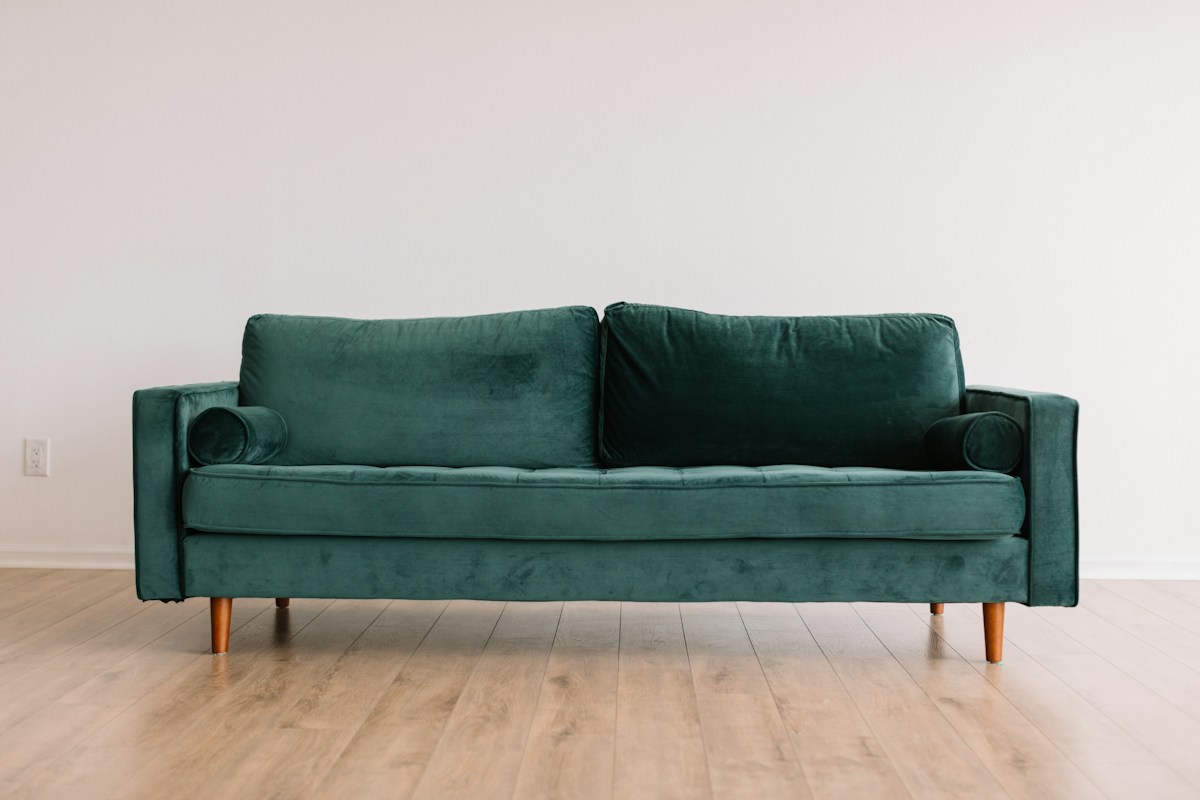
Deep-seat outdoor sofa with premium cushions — the quality of the fabric matters as much as the frame for long-term satisfaction.
5) Frame Durability and Joinery
Connection Methods: Screws, Dowels, and Torque Considerations
Joints are where furniture fails. Under repeated load cycles — someone sitting down, standing up, leaning back, 365 days a year — the connections between frame members experience constant stress. How those connections are engineered separates furniture that tightens with age from furniture that wobbles within months.
For aluminum and steel frames, MIG welding (Metal Inert Gas) is the most durable joining method, forming a continuous molecular bond along the joint line. Look for smooth, even welds with no pinholes or porosity — these indicate proper technique and quality control. Bolted connections using 304 stainless steel hardware are acceptable for modular or knock-down designs, but the bolts must be torqued correctly (most manufacturers specify 8–12 Nm for M8 furniture bolts) and should include nylon-insert locking nuts to prevent vibration loosening. Flat-pack furniture relying solely on cam locks is fine for indoor use but is inappropriate for high-use outdoor applications.
For wood and WPC frames, mortise-and-tenon or dowel joints with exterior-grade PVA adhesive (Type II or Type III waterproof) are significantly more durable than screw-only assemblies. A visible indicator of quality wood joinery is a tight, gap-free fit with no filler — gaps filled with putty or sealant at joints indicate a fit that will open further as the wood moves seasonally.
Longevity Indicators: Wobble Tests, Rust Spots, and Warranty Cues
When inspecting a sample or a received shipment, apply a simple wobble test: place the chair on a flat surface and apply lateral pressure at the seat back. Any immediate rocking indicates insufficient cross-bracing or loose joints. A quality piece should feel solid with zero flex under light lateral load. Apply moderate downward pressure to the front of the seat — the frame should not bow or creak.
Inspect all welds carefully, especially in the area of the lowest frame members, which experience the most stress. Early rust spots appearing as dark speckling around welds indicate that the weld burned through the coating or that inadequate pre-treatment (phosphating or chromate conversion) was applied before powder coating. Any visible rust on a delivered piece is grounds for a quality claim.
Leading Chinese exporters have adopted EN 581 (the European standard for outdoor seating) load testing as a benchmark, even for non-EU markets. EN 581 requires that outdoor chairs withstand 200kg static seat load and pass 50,000 drop-load cycles without joint failure. Asking a supplier whether their products are tested to EN 581 — and requesting the test certificate — is one of the fastest quality filters available.
6) Safety and Non-Toxicity Factors
Finishes, Sealants, and Odor Considerations
Safety in outdoor furniture often goes unexamined by buyers focused purely on aesthetics and durability — but it’s increasingly important to end consumers, especially in markets like the EU, US, and Australia. The primary chemical concern is VOC (Volatile Organic Compound) emissions from paints, sealants, foam adhesives, and coating systems. In enclosed spaces like a covered patio or conservatory, off-gassing from low-quality furniture can be measurable and unpleasant.
إن REACH regulation (Registration, Evaluation, Authorisation and Restriction of Chemicals) is the EU’s comprehensive chemical safety framework. For furniture exported to Europe, REACH compliance is a legal requirement — it restricts over 200 substances including certain azo dyes, phthalates in PVC components, and heavy metals in pigments. A supplier exporting to the EU market should be able to provide a REACH declaration of conformity.
GREENGUARD Gold certification, administered by UL, tests for over 360 chemical emissions including formaldehyde, VOCs, and a range of specific toxic compounds. While originally developed for indoor environments, the certification is increasingly being applied to outdoor furniture cushion fabrics, particularly for family and children’s environments. Phifer’s outdoor screening fabrics and several Chinese fabric mills producing for export have achieved GREENGUARD certification for their outdoor lines.
A simple practical indicator: quality outdoor furniture should have minimal chemical odor even in a closed shipping container. Strong solvent smells, particularly those resembling nail polish remover (acetone), petroleum products, or sharp ammonia, indicate high VOC content in the coating system. While these odors typically dissipate with airing, they signal a coating formulation that may not meet REACH or CARB standards.
Edges, Corners, and Child-Safe Design Elements
Outdoor furniture corners and edges present a genuine safety consideration, particularly for families with young children. Sharp metal edges on cut tube ends, exposed welding spatter on frame undersides, and unfinished bolt-end protrusions are all hazards that quality manufacturers address through deburring, cap-fitting, and smooth-radius bending. When evaluating samples, run your hand deliberately along all exposed metal edges — including underneath seat rails and along table leg bottoms. Any sharp point that would cut skin under normal contact is a defect, not an acceptable finish.
When importing to specific markets, confirm these regulatory baselines: الاتحاد الأوروبي: REACH declaration + EN 581 test report. الولايات المتحدة الأمريكية: CPSC (Consumer Product Safety) compliance for children’s furniture; CARB Phase 2 for composite wood components. Australia/NZ: AS/NZS 4092 for outdoor seating stability. Universal: Request salt spray test (ASTM B117) for any metal components.
7) Maintenance and Upkeep Plans
Cleaning Routines and Seasonal Care
The gap in longevity between well-maintained and neglected outdoor furniture is significant — maintenance studies on commercial outdoor furniture suggest that pieces receiving proper annual care average 2.4× the functional lifespan of equivalent pieces left unattended. The good news is that quality materials from reputable suppliers require minimal intervention to achieve this outcome.
| Component | التردد | Recommended Care | What to Avoid |
|---|---|---|---|
| Aluminum / powder-coat frame | Monthly + seasonal | Rinse with fresh water; mild soap & soft brush quarterly; apply automotive wax annually | Abrasive pads, steel wool, chlorine-rich cleaners near welds |
| PE Rattan weave | Bi-weekly | Hose down; use soft brush in crevices; blow-dry if possible after rain | Pressure washers (can split weave), oil-based lubricants |
| Solution-dyed cushions | Weekly brush-off; monthly clean | Soap/water scrub; vinegar for mildew; full air-dry before storage | Sealed plastic bags while damp; bleach on non-bleach-rated fabrics |
| Teak / hardwood frames | 2× per year | Teak oil or specialized furniture oil; fine-grit sand if surface roughens | Varnish (traps moisture); leaving unprotected in wet seasons |
| WPC / composite surfaces | Seasonal | Mild detergent scrub; rinse thoroughly; inspect for surface cracking | Petroleum-based solvents; sharp scrapers |
| Stainless hardware | Annual | Check torque on bolts; apply anti-seize compound to threaded connections | Mixed metal contact with galvanized or zinc hardware (galvanic corrosion) |
Storage and Protective Measures to Extend Life
Proper off-season storage is the single highest-ROI maintenance action for outdoor furniture in seasonal climates. Even the most weather-resistant aluminum and HDPE rattan set will show an accelerated aging curve if left exposed through freeze-thaw cycles, ice loading, and accumulated UV hours during months when it’s not in use. Breathable furniture covers — polyester covers with ventilation panels that allow moisture to escape while blocking rain and UV — extend finish life by an estimated 30–40% compared to uncovered storage.
For cushions and textiles, the goal is bone-dry storage in a breathable environment. Purpose-built outdoor storage boxes with slotted or louvered panels, elevated off the ground on moisture barriers, prevent the two biggest cushion killers: sustained moisture contact and condensation cycling. Many hotel properties in Southeast Asia now rotate cushion sets every 6 months between outdoor use and air-conditioned indoor storage — a practice that’s extended average cushion service life from 1.5 to 4+ years in independent operator reports.
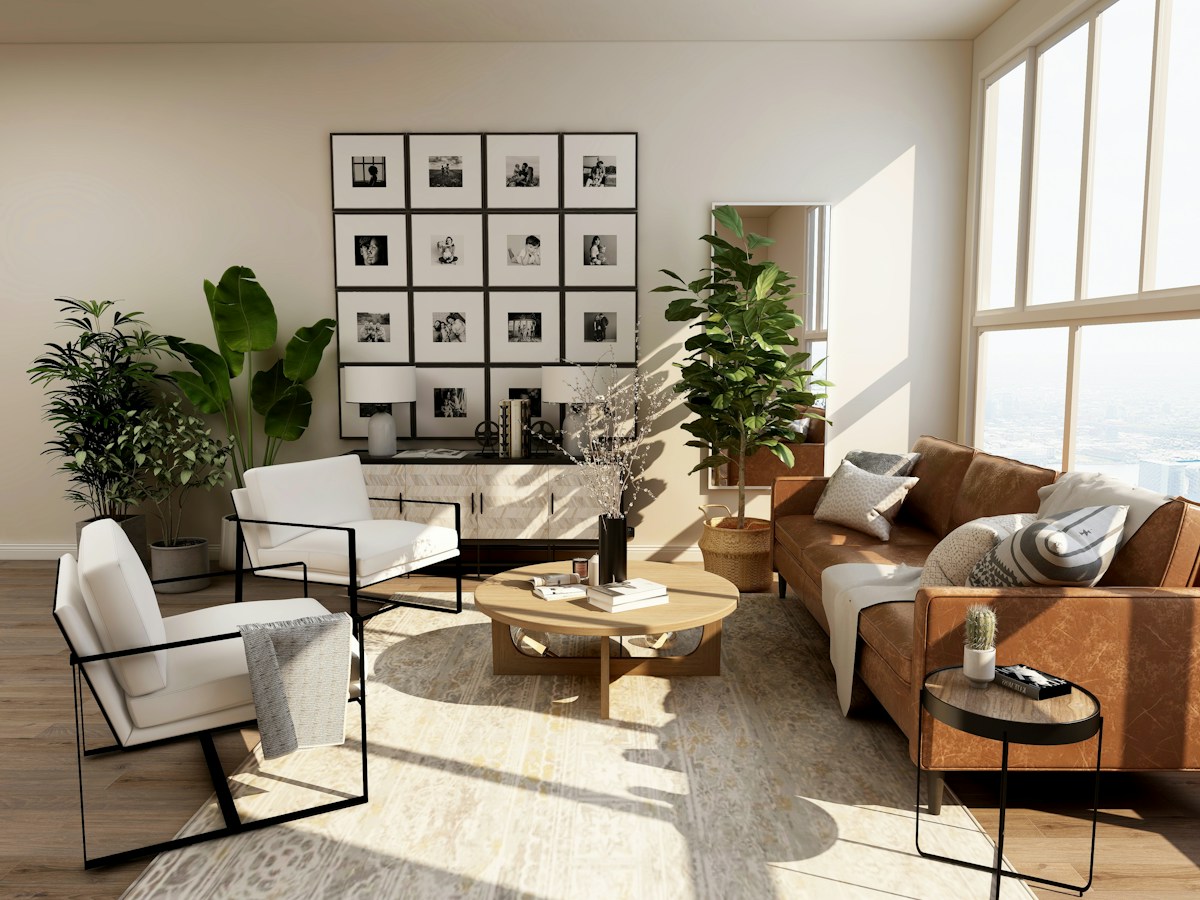
A well-maintained outdoor lounge area — consistent care schedules make the real difference between furniture that depreciates and furniture that holds its value.
8) Environmental and Ethical Considerations
Sourcing Transparency and Certifications
Environmental credibility in Chinese furniture manufacturing has moved well beyond marketing claims. The most meaningful certifications are those issued by independent third parties following verifiable testing protocols — not factory self-declarations or vague “eco-friendly” labels on product pages.
For timber components, مجلس رعاية الغابات (FSC) certification verifies that wood was sourced from responsibly managed forests with documented chain of custody. For teak, a wood under significant harvest pressure, FSC certification is a meaningful differentiator. For PE and WPC components, look for evidence of recycled content verification — some manufacturers use post-consumer HDPE from recycled bottles in their rattan weave, a legitimate circular practice that reduces virgin plastic demand without compromising performance quality.
ISO 14001 (Environmental Management System) certification for the factory itself indicates that environmental processes — waste water treatment, chemical storage, emission monitoring — are systematically managed. It doesn’t guarantee product sustainability, but it demonstrates organizational commitment to environmental governance that goes beyond minimum legal compliance in Chinese manufacturing regulations.
Longevity Mindset to Reduce Waste
The most sustainable outdoor furniture choice is simply the one that lasts longest. A $400 aluminum dining chair that serves 20 years displaces the manufacture, transport, and disposal of 4–5 lower-quality alternatives that each last 3–5 years. The carbon math strongly favors quality. Buyers who evaluate outdoor furniture on a cost-per-year-of-service basis rather than upfront price consistently find that premium materials — 6061 aluminum, solution-dyed acrylic, HDPE rattan — deliver the lowest total cost of ownership and the smallest lifecycle environmental footprint.
Several Chinese outdoor furniture manufacturers supplying the European market have adopted EPD (Environmental Product Declaration) documentation — a standardized, third-party-verified summary of a product’s environmental impact across its full lifecycle. While rare, an EPD demonstrates a level of supply chain transparency and environmental accounting that positions a manufacturer well ahead of the industry average.
9) Warranty, Service, and After-Sales Support
Typical Warranty Terms for Frames and Fabrics
Warranty terms are one of the most reliable proxies for a manufacturer’s confidence in their own product quality. A factory that warranties its aluminum frames for only 1 year is signaling something different from one that offers 5–10 year structural coverage — namely, that their QC data tells them failures are likely within that window.
What Reputable After-Sales Support Looks Like
The warranty itself is only as valuable as the process for claiming it. When evaluating a Chinese outdoor furniture supplier, ask specifically: What is the claims process if we receive 50 units with a frame defect? A reliable answer includes: a dedicated QC contact (not a general sales email), a documented inspection procedure that determines whether the issue is a manufacturing defect or use-condition damage, a clear timeline for resolution (credit, replacement, or repair), and no requirement that the buyer return defective goods at their own cost before a replacement is authorized for obvious factory defects.
إن مفروشات النمل اليشم team, for example, provides dedicated post-purchase account management for commercial buyers — including photographic QC reports at production completion and a structured defect resolution protocol. This kind of structured after-sales process is what distinguishes a long-term manufacturing partner from a transactional platform seller.
10) Practical Buying Guide and Checklist
How to Verify Materials and Construction Before Purchase
The single most effective buyer practice is to treat the sample phase as a genuine quality audit, not just a style review. When a sample arrives, spend time with it before approving mass production. Weigh it (underweight typically means thinner wall tube). Check every weld for smoothness and continuity. Test the powder coat by rubbing with a white cloth after dampening — color transfer indicates an improperly cured or under-thickness coating. Check all hardware for the “316” or “304” stainless marking. Flex the frame laterally and check for any creaking. Sit on it fully — don’t just touch it.
For fabric swatches, ask the supplier for a xenon arc accelerated weathering test report (ISO 105-B04 or ASTM G155). This test simulates sun exposure using a xenon lamp and quantifies color change in “grey scale ratings” (1–5, with 5 being no change). Quality outdoor fabrics should achieve grey scale 4 or better after 1,000 hours of xenon exposure. If a supplier cannot provide this data, the fabric hasn’t been formally tested — a significant gap for any commercial application.
✅ Complete Pre-Order Verification Checklist
- Frame Material: Confirm alloy grade (6061/6063 for aluminum) in writing; request mill certificate if ordering at volume.
- Tube Wall Thickness: Minimum 1.2mm for lightweight furniture; 1.5–2.0mm for commercial/high-load applications.
- Powder Coat Spec: Film thickness ≥60 microns; request salt spray test certificate (500+ hours for standard outdoor use).
- Hardware Grade: Confirm 304 or 316 stainless steel for all bolts, nuts, and screws — no zinc or galvanized in humid environments.
- Rattan/Fiber Type: Virgin HDPE or recycled? Request UV aging test report for PE rattan components.
- Fabric Test Data: Xenon arc test report; grey scale ≥4 at 1,000 hours; water column pressure rating for waterproof claims.
- Foam Spec: Density (minimum 28 kg/m³ for outdoor use) and ILD rating for cushion firmness.
- Safety Compliance: REACH declaration (EU), EN 581 test report for seating, CPSC for US children’s furniture.
- Drainage: Physically verify drainage holes in all hollow frame sections; minimum 6mm diameter.
- Warranty Documentation: Frame warranty ≥3 years; fabric ≥1 year; written claims process documented before PO issue.
- Environmental: FSC certificate for wood; ISO 14001 for factory if sustainability is a priority for your brand.
- After-Sales Contact: Named QC contact, not generic inbox; confirm their defect resolution timeline in writing.
Red Flags and Questions to Ask Sellers
🚩 Red Flags When Evaluating Suppliers
- Product listing says “premium aluminum” but cannot specify 6061 or 6063 alloy grade when asked directly.
- Cushion fabric is described as “UV resistant” but no xenon arc or QUV test report is available.
- All product photos show pristine studio shots with no dimension specifications, structural detail, or underside views of joints and hardware.
- Warranty is for “1 year” on the aluminum frame — this is either a very low-quality frame or a supplier who knows it will fail.
- Hardware visible in photos shows flat-head zinc screws in exposed exterior positions rather than stainless or coated hardware.
- Supplier deflects or delays on providing material certificates, test reports, or factory audit documentation with vague promises to “check with the factory.”
- Pricing is more than 30–40% below comparable items from verified manufacturers — the cost of quality raw materials has a floor.
- No drainage holes visible in any product photography for hollow tube frame designs.

Contemporary outdoor living at its best — rattan chairs over an aluminum frame paired with WPC composite coffee table: materials chosen for durability, not just appearance.
📖 Key Terms Glossary
- Powder Coating
- A dry finishing process where electrostatically charged powder is applied to metal and cured at ~200°C. Produces a harder, thicker finish (60–100+ microns) than liquid paint, with superior adhesion and UV resistance.
- HDPE Rattan (High-Density Polyethylene)
- A synthetic wicker material made from extruded high-density polyethylene fiber. UV-stabilized and colorfast — the outdoor-grade replacement for natural rattan, which degrades quickly in moisture and sunlight.
- Solution-Dyed Fabric
- A fabric dyeing process where pigment is added to the polymer solution before fiber extrusion — coloring the fiber throughout its cross-section, not just the surface. Result: color that cannot fade from the surface because it exists all the way through the thread.
- REACH (EU Regulation)
- Registration, Evaluation, Authorisation and Restriction of Chemicals. The EU’s primary chemical safety regulation, restricting hundreds of hazardous substances in products sold or imported into Europe, including furniture.
- EN 581
- European Standard for outdoor seating furniture. Specifies load, stability, and durability tests for garden chairs and tables. A key quality benchmark for commercial outdoor furniture.
- Salt Spray Test (ASTM B117)
- A standardized corrosion resistance test that exposes metal samples to a 5% sodium chloride mist at 35°C. Hours to first rust or coating failure indicates corrosion resistance quality. 500 hours = baseline outdoor; 1,000+ hours = coastal-grade.
- WPC (Wood-Plastic Composite)
- A composite material combining recycled wood fiber (50–70%) with thermoplastic polymers (typically HDPE or PP). Combines the aesthetic warmth of wood grain with dramatically improved moisture and insect resistance.
- VOC (Volatile Organic Compound)
- Carbon-containing chemicals that evaporate easily at room temperature. Emitted from paints, adhesives, and sealants in furniture. High VOC levels can cause odor and health concerns; key regulated by REACH, CARB, and GREENGUARD certification standards.
- HALS (Hindered Amine Light Stabilizers)
- Chemical additives embedded in plastics and coatings that scavenge free radicals generated by UV radiation. The key technology that gives quality outdoor plastics and powder coatings their extended UV stability without visible change in color or surface texture.
- Xenon Arc Test
- An accelerated weathering test (ISO 105-B04, ASTM G155) using a xenon lamp that simulates natural sunlight to evaluate color fastness of fabrics and coatings. Results rated on a grey scale 1–5; outdoor fabrics should achieve ≥4.
Conclusion: Buy Once, Buy Right
Selecting outdoor furniture from Chinese manufacturers isn’t fundamentally different from any other sophisticated procurement decision — it rewards preparation, penalizes shortcuts, and benefits enormously from specific knowledge over vague intuition. The material hierarchy is clear: 6061 aluminum outlasts galvanized steel in coastal environments; HDPE rattan outlasts natural wicker everywhere; solution-dyed acrylic outlasts standard polyester in high-UV climates by a factor of three to four in real-world service life.
The certifications that matter — REACH, EN 581, ISO 9227 salt spray — are not bureaucratic formalities. They are condensed records of real testing performed against real failure modes. A supplier who holds these documents is a supplier who has subjected their product to scrutiny that most buyers never apply. That’s the quality signal you’re looking for.
Whether you’re outfitting 500 hotel pool loungers or a single villa terrace, the checklist in Section 10 translates these principles into actionable questions you can ask before committing any budget. Use it. The questions it generates will either confirm you’ve found a reliable partner — or surface gaps that save you from a costly mistake.
For buyers looking for a custom outdoor furniture manufacturer with 15+ years of verified export experience, material documentation, and end-to-end project support, the team at مفروشات النمل اليشم is a natural starting point. Their product range spans from single-piece villa orders to large hospitality procurement, with documented quality processes that align with the standards covered in this guide.
Ready to Source Smarter?
Get a customized outdoor furniture quote with full material specs, test reports, and sample options — no commitment required.
الأسئلة الشائعة (FAQ)
This guide was produced by the editorial team at مفروشات النمل اليشم. For further reading, see our resources on
sourcing furniture from China to the USA,
وـ global furniture industry outlook 2024.
For EU compliance requirements, see Eurofins’ EU furniture compliance guide.
For outdoor fabric performance details, see FabricLink’s outdoor fabric UV resistance guide.
Everything an importer, hotel buyer, or homeowner needs to know before placing an order — from frame metals to fabric certifications.
High-end powder-coated aluminum and all-weather wicker furniture — the standard that separates durable Chinese exports from budget alternatives.
1) Understanding Why Chinese-Made Outdoor Furniture Is a Viable Choice
Market Presence and Value Proposition
China’s dominance in outdoor furniture isn’t simply about low labor costs — that narrative is outdated. The real competitive advantage today lies in vertically integrated supply chains: aluminum smelters, PE rattan weavers, powder coating facilities, CNC welding lines, and foam fabricators can all exist within a 50-km radius in provinces like Guangdong, Fujian, and Zhejiang. This proximity allows manufacturers to tighten quality control at every stage, compress lead times, and offer customization at scales that simply aren’t achievable elsewhere.Premium Chinese manufacturers now export to Restoration Hardware’s supplier network, Four Seasons hotel chains, and top European garden brands — often with products that are functionally identical to items retailing at 3–5× the price under a Western label. The value proposition is real, but it requires informed sourcing to unlock.Common Product Categories and Price Ranges
| Category | Typical FOB Price Range | Primary Markets | Quality Tier Available |
|---|---|---|---|
| Aluminum Dining Sets (4–6 seater) | $180 – $650 per set | US, EU, Australia | Budget → Premium |
| PE Rattan / Wicker Sofa Sets | $220 – $900 per set | US, Middle East, UK | Mid → Premium |
| Teak / Eucalyptus Dining Furniture | $400 – $1,800 per set | EU, Scandinavia, US | Mid-Premium → Luxury |
| Sun Loungers / Daybeds | $85 – $420 per unit | Hotels, Resorts Globally | Budget → Mid-Premium |
| Rope / Cord Woven Chairs | $60 – $280 per unit | US, EU, Southeast Asia | Mid → Premium |
Important Caveats When Comparing Suppliers
Price alone cannot tell you whether a piece will survive three monsoon seasons. Two suppliers quoting $240 for an aluminum dining chair may be using 6061-T6 aerospace-grade aluminum on one side and recycled alloy castings on the other. The single most effective practice is requesting a material spec sheet and third-party test report before any sample is ordered — a step that reputable manufacturers like مفروشات النمل اليشم support without hesitation. Factories that deflect or delay on material documentation are a signal to move on.2) Core Materials Used in Chinese Outdoor Furniture
Popular Frame Materials: Aluminum, Steel, Rattan, and Wood Composites
The frame is the skeleton of any outdoor piece — and the material choice here determines how the furniture performs over years, not just seasons. Each material has a distinct performance profile, and understanding those tradeoffs is the difference between a savvy purchase and an expensive lesson.| المواد | Rust Risk | Weight | UV Stability | Best Climate | Lifespan (Quality Grade) |
|---|---|---|---|---|---|
| 6061 Aluminum | None | Light (7–12 lbs/chair) | ممتاز | All climates, especially coastal | 15–25 years |
| Powder-Coat Steel | منخفضة-متوسطة | Heavy (18–28 lbs/chair) | جيد | Dry / low-humidity | 8–15 years |
| Virgin HDPE Rattan | None | Light | ممتاز | All climates | 10–15 years |
| Natural Rattan / Wicker | عالية | Light | Poor | Dry / covered outdoor only | 2–5 سنوات |
| WPC (Wood-Plastic Composite) | None | متوسط | جيد | Temperate / subtropical | 10–20 years |
| FSC Teak | None | Heavy | Very Good | All climates | 20–40 years (oiled) |
Surface Finishes and Coatings: Powder Coating, Resin, and UV-Resistant Laminates
Powder coating is the gold standard finish for metal outdoor furniture. Unlike liquid paint, which is sprayed on wet and can drip or leave thin spots, powder coating is an electrostatically applied dry powder that is cured in an oven at ~200°C. The result is a finish that is 2–3× thicker than conventional paint (typically 60–100 microns), highly resistant to chipping, and bonds molecularly to the metal surface. When evaluating a supplier, ask for their powder coat film thickness specification — anything below 60 microns on outdoor furniture should be questioned.Electrostatic resin coatings are used on PE rattan and WPC components to add UV inhibitors and surface hardness. UV-resistant laminate films, increasingly common on aluminum table tops, use a bonded PVC or acrylic layer that blocks 99%+ of UV-A and UV-B radiation — important for both the furniture’s color stability and, when the tabletop is used for dining, for reducing heat absorption.Aluminum frame paired with teak tabletop: a combination that handles coastal humidity without compromising design.
3) Weather Resistance Essentials
UV Resistance, Moisture Tolerance, and Temperature Stability
Weather resistance is not a single property — it’s a triad. UV radiation, moisture, and thermal cycling all attack furniture through different mechanisms, and a piece that handles one well may fail another. Understanding each threat is essential to evaluating supplier claims.UV degradation is the primary enemy of color and polymer-based materials. UV-A radiation (315–400 nm wavelength) breaks down chemical bonds in plastics, paints, and fabrics, causing chalking, cracking, and fading. Quality outdoor furniture uses UV stabilizers (typically HALS — Hindered Amine Light Stabilizers) embedded in the material, not just applied to the surface. A reputable HDPE rattan or powder coating will contain HALS additives that extend color stability to 5–10 years under continuous sun exposure.Moisture tolerance varies dramatically by material and construction. The most common moisture failure points are: hollow tube joints where water pools and breeds rust from the inside out; untreated wood-metal contact points that create galvanic corrosion; and foam cores inside cushions that absorb water if the fabric is not properly sealed. Furniture designed for genuine outdoor use should have drainage holes in hollow frame sections — typically 6mm diameter holes at the lowest point of each tube section.Temperature stability matters most in extreme climates. Aluminum expands and contracts with temperature at ~23 µm/m/°C — meaning a 2-meter aluminum table rail will expand about 2.3mm between a cold winter morning (0°C) and a hot summer afternoon (50°C). Good furniture design accommodates this with slip joints or flexible connectors at critical junctions. Inferior designs develop stress cracks at fixed weld points over multiple seasons.Design Features That Enhance Durability
4) Cushion and Textile Considerations
Fabric Types and Water Resistance: Polyester, Acrylic, and Solution-Dyed Fabrics
The cushion is the part of outdoor furniture that guests and homeowners interact with most directly — and it’s also the component most likely to show age first. Understanding the difference between fabric technologies isn’t just technical trivia; it directly translates to how long your furniture looks showroom-fresh.Solution-dyed acrylic (the generic version of the trademarked Sunbrella® process) is the industry gold standard. In this process, pigment is incorporated into the polymer before the fiber is extruded — meaning the color goes all the way through the thread, not just coating the surface. The practical result: after 2,000 hours of accelerated UV testing (equivalent to roughly 3–4 years of full-sun Florida exposure), solution-dyed acrylic retains over 90% of its original color density. Standard surface-dyed polyester, by contrast, may fade noticeably within a single season in high-UV environments. A hotel pool area manager in Phuket noted that switching from polyester to solution-dyed acrylic cushions reduced annual cushion replacement costs by 65%.Textilene (a PVC-coated polyester mesh) is used on sling-style chairs and loungers. It’s dimensionally stable, dries instantly, and doesn’t harbor mold since it’s essentially waterproof. The tradeoff is comfort — it’s less plush than cushion fabrics and can become hot to the touch in direct midday sun. For high-traffic commercial applications like hotel pools, Textilene is often the most practical and lowest-maintenance choice.Olefin (Polypropylene) offers excellent water and stain resistance at a lower price point than acrylic. Its UV stability is good but not quite at the level of solution-dyed acrylic. For climates with moderate sun exposure (Northern Europe, Pacific Northwest), olefin provides strong value; for high-UV tropical or desert environments, acrylic is the better investment.| Fabric Type | UV Resistance | Water Resistance | Mildew Resistance | Comfort Level | التكلفة النسبية |
|---|---|---|---|---|---|
| Solution-Dyed Acrylic | ممتاز | Very Good | ممتاز | عالية | $$$$ |
| Olefin (Polypropylene) | جيد | ممتاز | Very Good | متوسط-مرتفع | $$$ |
| Textilene (PVC Mesh) | جيد | ممتاز | ممتاز | منخفض - متوسط | $$ |
| Standard Polyester | Fair | معتدل | معتدل | عالية | $$ |
| Standard Canvas / Cotton | Poor | Poor | Poor | عالية | $ |
Care, Cleaning, and Mildew Prevention
Even the best outdoor fabrics require routine care to perform at their potential. For most solution-dyed acrylic and olefin fabrics, a simple spray-down with a mild soap solution (1 tablespoon of dish soap per liter of water) and a soft brush, followed by a thorough rinse, is sufficient for regular maintenance. For mildew spots — common in humid climates — a 1:1 dilution of water and white distilled vinegar applied to the affected area and left for 30 minutes before rinsing is effective and won’t damage quality outdoor fabrics. Bleach-based cleaners should only be used on fabrics explicitly rated for them, as they can weaken fibers and strip UV inhibitors.The most impactful mildew prevention strategy is the simplest: allow cushions to air-dry completely before stacking or storing them. Stacking damp cushions creates the ideal anaerobic, humid environment that mildew requires. If furniture is left outdoors in humid climates, breathable covers (avoid fully sealed plastic covers, which trap condensation) and elevated storage racks that allow airflow underneath are more effective than no storage at all.Deep-seat outdoor sofa with premium cushions — the quality of the fabric matters as much as the frame for long-term satisfaction.
5) Frame Durability and Joinery
Connection Methods: Screws, Dowels, and Torque Considerations
Joints are where furniture fails. Under repeated load cycles — someone sitting down, standing up, leaning back, 365 days a year — the connections between frame members experience constant stress. How those connections are engineered separates furniture that tightens with age from furniture that wobbles within months.For aluminum and steel frames, MIG welding (Metal Inert Gas) is the most durable joining method, forming a continuous molecular bond along the joint line. Look for smooth, even welds with no pinholes or porosity — these indicate proper technique and quality control. Bolted connections using 304 stainless steel hardware are acceptable for modular or knock-down designs, but the bolts must be torqued correctly (most manufacturers specify 8–12 Nm for M8 furniture bolts) and should include nylon-insert locking nuts to prevent vibration loosening. Flat-pack furniture relying solely on cam locks is fine for indoor use but is inappropriate for high-use outdoor applications.For wood and WPC frames, mortise-and-tenon or dowel joints with exterior-grade PVA adhesive (Type II or Type III waterproof) are significantly more durable than screw-only assemblies. A visible indicator of quality wood joinery is a tight, gap-free fit with no filler — gaps filled with putty or sealant at joints indicate a fit that will open further as the wood moves seasonally.Longevity Indicators: Wobble Tests, Rust Spots, and Warranty Cues
When inspecting a sample or a received shipment, apply a simple wobble test: place the chair on a flat surface and apply lateral pressure at the seat back. Any immediate rocking indicates insufficient cross-bracing or loose joints. A quality piece should feel solid with zero flex under light lateral load. Apply moderate downward pressure to the front of the seat — the frame should not bow or creak.Inspect all welds carefully, especially in the area of the lowest frame members, which experience the most stress. Early rust spots appearing as dark speckling around welds indicate that the weld burned through the coating or that inadequate pre-treatment (phosphating or chromate conversion) was applied before powder coating. Any visible rust on a delivered piece is grounds for a quality claim.6) Safety and Non-Toxicity Factors
Finishes, Sealants, and Odor Considerations
Safety in outdoor furniture often goes unexamined by buyers focused purely on aesthetics and durability — but it’s increasingly important to end consumers, especially in markets like the EU, US, and Australia. The primary chemical concern is VOC (Volatile Organic Compound) emissions from paints, sealants, foam adhesives, and coating systems. In enclosed spaces like a covered patio or conservatory, off-gassing from low-quality furniture can be measurable and unpleasant.The REACH regulation (Registration, Evaluation, Authorisation and Restriction of Chemicals) is the EU’s comprehensive chemical safety framework. For furniture exported to Europe, REACH compliance is a legal requirement — it restricts over 200 substances including certain azo dyes, phthalates in PVC components, and heavy metals in pigments. A supplier exporting to the EU market should be able to provide a REACH declaration of conformity.GREENGUARD Gold certification, administered by UL, tests for over 360 chemical emissions including formaldehyde, VOCs, and a range of specific toxic compounds. While originally developed for indoor environments, the certification is increasingly being applied to outdoor furniture cushion fabrics, particularly for family and children’s environments. Phifer’s outdoor screening fabrics and several Chinese fabric mills producing for export have achieved GREENGUARD certification for their outdoor lines.A simple practical indicator: quality outdoor furniture should have minimal chemical odor even in a closed shipping container. Strong solvent smells, particularly those resembling nail polish remover (acetone), petroleum products, or sharp ammonia, indicate high VOC content in the coating system. While these odors typically dissipate with airing, they signal a coating formulation that may not meet REACH or CARB standards.Edges, Corners, and Child-Safe Design Elements
Outdoor furniture corners and edges present a genuine safety consideration, particularly for families with young children. Sharp metal edges on cut tube ends, exposed welding spatter on frame undersides, and unfinished bolt-end protrusions are all hazards that quality manufacturers address through deburring, cap-fitting, and smooth-radius bending. When evaluating samples, run your hand deliberately along all exposed metal edges — including underneath seat rails and along table leg bottoms. Any sharp point that would cut skin under normal contact is a defect, not an acceptable finish.7) Maintenance and Upkeep Plans
Cleaning Routines and Seasonal Care
The gap in longevity between well-maintained and neglected outdoor furniture is significant — maintenance studies on commercial outdoor furniture suggest that pieces receiving proper annual care average 2.4× the functional lifespan of equivalent pieces left unattended. The good news is that quality materials from reputable suppliers require minimal intervention to achieve this outcome.| Component | التردد | Recommended Care | What to Avoid |
|---|---|---|---|
| Aluminum / powder-coat frame | Monthly + seasonal | Rinse with fresh water; mild soap & soft brush quarterly; apply automotive wax annually | Abrasive pads, steel wool, chlorine-rich cleaners near welds |
| PE Rattan weave | Bi-weekly | Hose down; use soft brush in crevices; blow-dry if possible after rain | Pressure washers (can split weave), oil-based lubricants |
| Solution-dyed cushions | Weekly brush-off; monthly clean | Soap/water scrub; vinegar for mildew; full air-dry before storage | Sealed plastic bags while damp; bleach on non-bleach-rated fabrics |
| Teak / hardwood frames | 2× per year | Teak oil or specialized furniture oil; fine-grit sand if surface roughens | Varnish (traps moisture); leaving unprotected in wet seasons |
| WPC / composite surfaces | Seasonal | Mild detergent scrub; rinse thoroughly; inspect for surface cracking | Petroleum-based solvents; sharp scrapers |
| Stainless hardware | Annual | Check torque on bolts; apply anti-seize compound to threaded connections | Mixed metal contact with galvanized or zinc hardware (galvanic corrosion) |
Storage and Protective Measures to Extend Life
Proper off-season storage is the single highest-ROI maintenance action for outdoor furniture in seasonal climates. Even the most weather-resistant aluminum and HDPE rattan set will show an accelerated aging curve if left exposed through freeze-thaw cycles, ice loading, and accumulated UV hours during months when it’s not in use. Breathable furniture covers — polyester covers with ventilation panels that allow moisture to escape while blocking rain and UV — extend finish life by an estimated 30–40% compared to uncovered storage.For cushions and textiles, the goal is bone-dry storage in a breathable environment. Purpose-built outdoor storage boxes with slotted or louvered panels, elevated off the ground on moisture barriers, prevent the two biggest cushion killers: sustained moisture contact and condensation cycling. Many hotel properties in Southeast Asia now rotate cushion sets every 6 months between outdoor use and air-conditioned indoor storage — a practice that’s extended average cushion service life from 1.5 to 4+ years in independent operator reports.A well-maintained outdoor lounge area — consistent care schedules make the real difference between furniture that depreciates and furniture that holds its value.
8) Environmental and Ethical Considerations
Sourcing Transparency and Certifications
Environmental credibility in Chinese furniture manufacturing has moved well beyond marketing claims. The most meaningful certifications are those issued by independent third parties following verifiable testing protocols — not factory self-declarations or vague “eco-friendly” labels on product pages.For timber components, مجلس رعاية الغابات (FSC) certification verifies that wood was sourced from responsibly managed forests with documented chain of custody. For teak, a wood under significant harvest pressure, FSC certification is a meaningful differentiator. For PE and WPC components, look for evidence of recycled content verification — some manufacturers use post-consumer HDPE from recycled bottles in their rattan weave, a legitimate circular practice that reduces virgin plastic demand without compromising performance quality.ISO 14001 (Environmental Management System) certification for the factory itself indicates that environmental processes — waste water treatment, chemical storage, emission monitoring — are systematically managed. It doesn’t guarantee product sustainability, but it demonstrates organizational commitment to environmental governance that goes beyond minimum legal compliance in Chinese manufacturing regulations.Longevity Mindset to Reduce Waste
The most sustainable outdoor furniture choice is simply the one that lasts longest. A $400 aluminum dining chair that serves 20 years displaces the manufacture, transport, and disposal of 4–5 lower-quality alternatives that each last 3–5 years. The carbon math strongly favors quality. Buyers who evaluate outdoor furniture on a cost-per-year-of-service basis rather than upfront price consistently find that premium materials — 6061 aluminum, solution-dyed acrylic, HDPE rattan — deliver the lowest total cost of ownership and the smallest lifecycle environmental footprint.9) Warranty, Service, and After-Sales Support
Typical Warranty Terms for Frames and Fabrics
Warranty terms are one of the most reliable proxies for a manufacturer’s confidence in their own product quality. A factory that warranties its aluminum frames for only 1 year is signaling something different from one that offers 5–10 year structural coverage — namely, that their QC data tells them failures are likely within that window.What Reputable After-Sales Support Looks Like
The warranty itself is only as valuable as the process for claiming it. When evaluating a Chinese outdoor furniture supplier, ask specifically: What is the claims process if we receive 50 units with a frame defect? A reliable answer includes: a dedicated QC contact (not a general sales email), a documented inspection procedure that determines whether the issue is a manufacturing defect or use-condition damage, a clear timeline for resolution (credit, replacement, or repair), and no requirement that the buyer return defective goods at their own cost before a replacement is authorized for obvious factory defects.The مفروشات النمل اليشم team, for example, provides dedicated post-purchase account management for commercial buyers — including photographic QC reports at production completion and a structured defect resolution protocol. This kind of structured after-sales process is what distinguishes a long-term manufacturing partner from a transactional platform seller.10) Practical Buying Guide and Checklist
How to Verify Materials and Construction Before Purchase
The single most effective buyer practice is to treat the sample phase as a genuine quality audit, not just a style review. When a sample arrives, spend time with it before approving mass production. Weigh it (underweight typically means thinner wall tube). Check every weld for smoothness and continuity. Test the powder coat by rubbing with a white cloth after dampening — color transfer indicates an improperly cured or under-thickness coating. Check all hardware for the “316” or “304” stainless marking. Flex the frame laterally and check for any creaking. Sit on it fully — don’t just touch it.For fabric swatches, ask the supplier for a xenon arc accelerated weathering test report (ISO 105-B04 or ASTM G155). This test simulates sun exposure using a xenon lamp and quantifies color change in “grey scale ratings” (1–5, with 5 being no change). Quality outdoor fabrics should achieve grey scale 4 or better after 1,000 hours of xenon exposure. If a supplier cannot provide this data, the fabric hasn’t been formally tested — a significant gap for any commercial application.✅ Complete Pre-Order Verification Checklist
- Frame Material: Confirm alloy grade (6061/6063 for aluminum) in writing; request mill certificate if ordering at volume.
- Tube Wall Thickness: Minimum 1.2mm for lightweight furniture; 1.5–2.0mm for commercial/high-load applications.
- Powder Coat Spec: Film thickness ≥60 microns; request salt spray test certificate (500+ hours for standard outdoor use).
- Hardware Grade: Confirm 304 or 316 stainless steel for all bolts, nuts, and screws — no zinc or galvanized in humid environments.
- Rattan/Fiber Type: Virgin HDPE or recycled? Request UV aging test report for PE rattan components.
- Fabric Test Data: Xenon arc test report; grey scale ≥4 at 1,000 hours; water column pressure rating for waterproof claims.
- Foam Spec: Density (minimum 28 kg/m³ for outdoor use) and ILD rating for cushion firmness.
- Safety Compliance: REACH declaration (EU), EN 581 test report for seating, CPSC for US children’s furniture.
- Drainage: Physically verify drainage holes in all hollow frame sections; minimum 6mm diameter.
- Warranty Documentation: Frame warranty ≥3 years; fabric ≥1 year; written claims process documented before PO issue.
- Environmental: FSC certificate for wood; ISO 14001 for factory if sustainability is a priority for your brand.
- After-Sales Contact: Named QC contact, not generic inbox; confirm their defect resolution timeline in writing.
Red Flags and Questions to Ask Sellers
🚩 Red Flags When Evaluating Suppliers
- Product listing says “premium aluminum” but cannot specify 6061 or 6063 alloy grade when asked directly.
- Cushion fabric is described as “UV resistant” but no xenon arc or QUV test report is available.
- All product photos show pristine studio shots with no dimension specifications, structural detail, or underside views of joints and hardware.
- Warranty is for “1 year” on the aluminum frame — this is either a very low-quality frame or a supplier who knows it will fail.
- Hardware visible in photos shows flat-head zinc screws in exposed exterior positions rather than stainless or coated hardware.
- Supplier deflects or delays on providing material certificates, test reports, or factory audit documentation with vague promises to “check with the factory.”
- Pricing is more than 30–40% below comparable items from verified manufacturers — the cost of quality raw materials has a floor.
- No drainage holes visible in any product photography for hollow tube frame designs.
Contemporary outdoor living at its best — rattan chairs over an aluminum frame paired with WPC composite coffee table: materials chosen for durability, not just appearance.
📖 Key Terms Glossary
- Powder Coating
- A dry finishing process where electrostatically charged powder is applied to metal and cured at ~200°C. Produces a harder, thicker finish (60–100+ microns) than liquid paint, with superior adhesion and UV resistance.
- HDPE Rattan (High-Density Polyethylene)
- A synthetic wicker material made from extruded high-density polyethylene fiber. UV-stabilized and colorfast — the outdoor-grade replacement for natural rattan, which degrades quickly in moisture and sunlight.
- Solution-Dyed Fabric
- A fabric dyeing process where pigment is added to the polymer solution before fiber extrusion — coloring the fiber throughout its cross-section, not just the surface. Result: color that cannot fade from the surface because it exists all the way through the thread.
- REACH (EU Regulation)
- Registration, Evaluation, Authorisation and Restriction of Chemicals. The EU’s primary chemical safety regulation, restricting hundreds of hazardous substances in products sold or imported into Europe, including furniture.
- EN 581
- European Standard for outdoor seating furniture. Specifies load, stability, and durability tests for garden chairs and tables. A key quality benchmark for commercial outdoor furniture.
- Salt Spray Test (ASTM B117)
- A standardized corrosion resistance test that exposes metal samples to a 5% sodium chloride mist at 35°C. Hours to first rust or coating failure indicates corrosion resistance quality. 500 hours = baseline outdoor; 1,000+ hours = coastal-grade.
- WPC (Wood-Plastic Composite)
- A composite material combining recycled wood fiber (50–70%) with thermoplastic polymers (typically HDPE or PP). Combines the aesthetic warmth of wood grain with dramatically improved moisture and insect resistance.
- VOC (Volatile Organic Compound)
- Carbon-containing chemicals that evaporate easily at room temperature. Emitted from paints, adhesives, and sealants in furniture. High VOC levels can cause odor and health concerns; key regulated by REACH, CARB, and GREENGUARD certification standards.
- HALS (Hindered Amine Light Stabilizers)
- Chemical additives embedded in plastics and coatings that scavenge free radicals generated by UV radiation. The key technology that gives quality outdoor plastics and powder coatings their extended UV stability without visible change in color or surface texture.
- Xenon Arc Test
- An accelerated weathering test (ISO 105-B04, ASTM G155) using a xenon lamp that simulates natural sunlight to evaluate color fastness of fabrics and coatings. Results rated on a grey scale 1–5; outdoor fabrics should achieve ≥4.
Conclusion: Buy Once, Buy Right
Selecting outdoor furniture from Chinese manufacturers isn’t fundamentally different from any other sophisticated procurement decision — it rewards preparation, penalizes shortcuts, and benefits enormously from specific knowledge over vague intuition. The material hierarchy is clear: 6061 aluminum outlasts galvanized steel in coastal environments; HDPE rattan outlasts natural wicker everywhere; solution-dyed acrylic outlasts standard polyester in high-UV climates by a factor of three to four in real-world service life.The certifications that matter — REACH, EN 581, ISO 9227 salt spray — are not bureaucratic formalities. They are condensed records of real testing performed against real failure modes. A supplier who holds these documents is a supplier who has subjected their product to scrutiny that most buyers never apply. That’s the quality signal you’re looking for.Whether you’re outfitting 500 hotel pool loungers or a single villa terrace, the checklist in Section 10 translates these principles into actionable questions you can ask before committing any budget. Use it. The questions it generates will either confirm you’ve found a reliable partner — or surface gaps that save you from a costly mistake.For buyers looking for a custom outdoor furniture manufacturer with 15+ years of verified export experience, material documentation, and end-to-end project support, the team at مفروشات النمل اليشم is a natural starting point. Their product range spans from single-piece villa orders to large hospitality procurement, with documented quality processes that align with the standards covered in this guide.Ready to Source Smarter?
Get a customized outdoor furniture quote with full material specs, test reports, and sample options — no commitment required.Contact Jade Ant Furniture →الأسئلة الشائعة (FAQ)
This guide was produced by the editorial team at مفروشات النمل اليشم. For further reading, see our resources on sourcing furniture from China to the USA, and the global furniture industry outlook 2024. For EU compliance requirements, see Eurofins’ EU furniture compliance guide. For outdoor fabric performance details, see FabricLink’s outdoor fabric UV resistance guide.