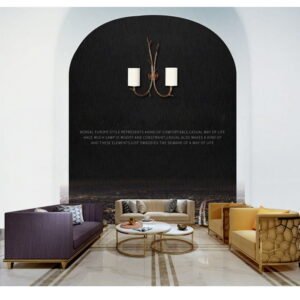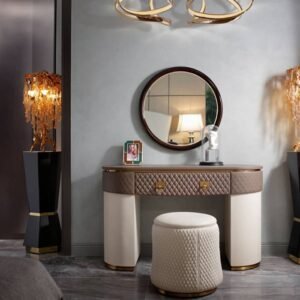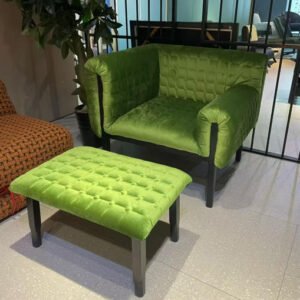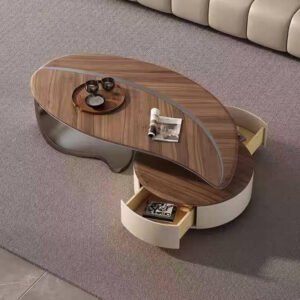
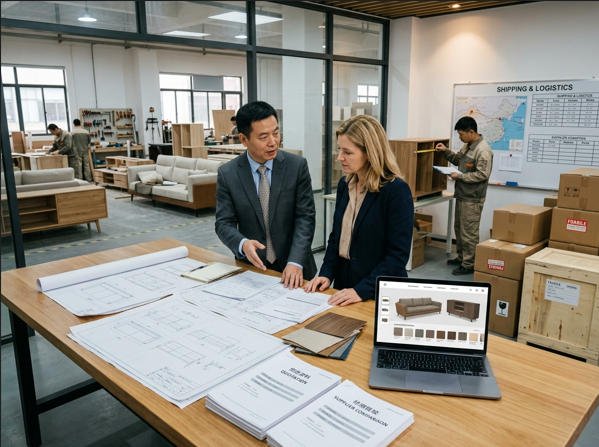
يمكن أن يوفر طلب الأثاث الصيني المصمم حسب الطلب مباشرةً من المصنع قيمة كبيرة، ولكن فقط عندما يتحكم المشتري في مواصفات الطلب، وعرض الأسعار، وعمليات فحص الجودة، وخطة الشحن. الهدف الحقيقي لا يقتصر على مجرد العثور على أقل سعر للوحدة، بل يتمثل في تحقيق التوازن بين التخصيص والحرفية ومدة التنفيذ والتكلفة الإجمالية والدعم ما بعد البيع، بدءًا من الرسم الأول وحتى التسليم النهائي إلى المنزل.
يستعرض هذا الدليل جميع خطوات العملية: قياس المساحة المتاحة، واختيار المواد، وإعداد الرسومات، واختيار مصنع موثوق به، والتفاوض على السعر، والموافقة على العينات، ومراقبة عملية الإنتاج، وترتيب الشحن، والعناية بالأثاث بعد التركيب.
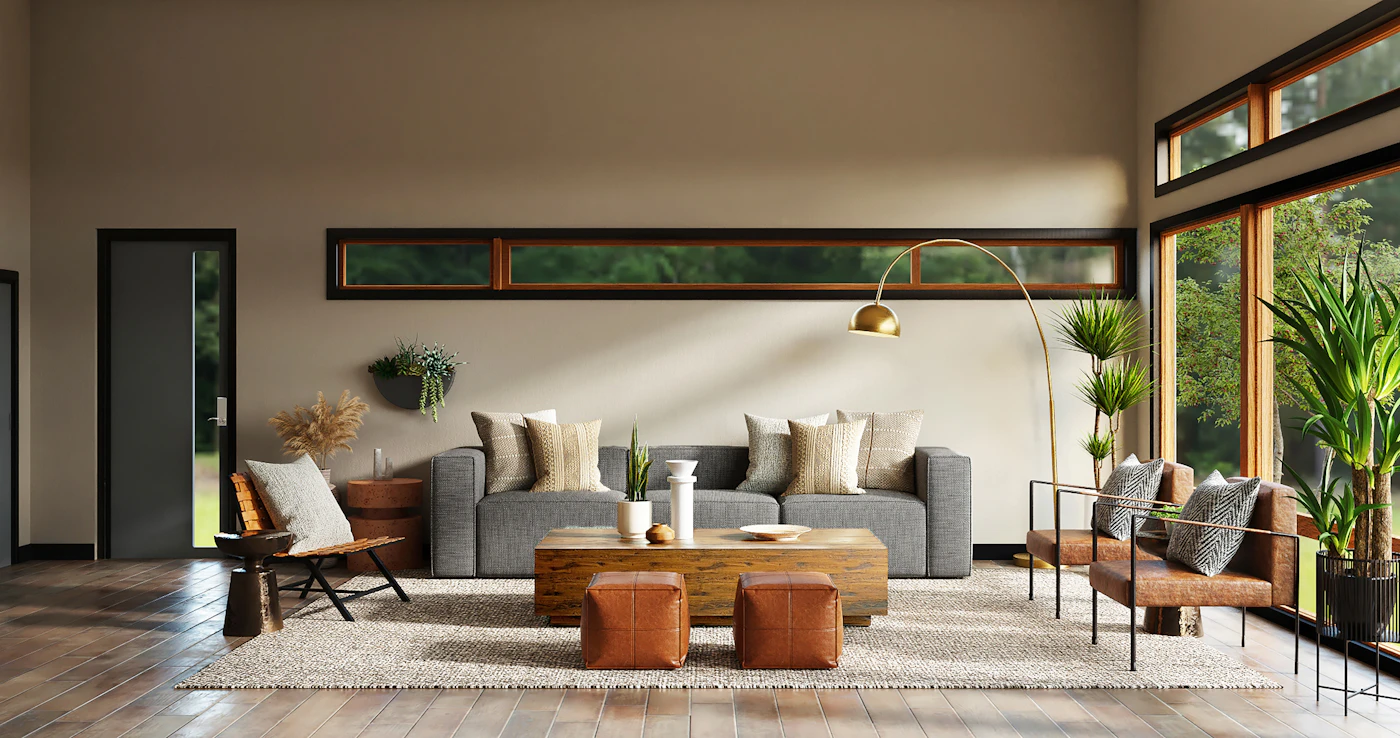
مقدمة إلى الأثاث الصيني المصنوع حسب الطلب: لماذا تختار الشراء مباشرة من المصنع؟
لا تشكل سلسلة توريد الأثاث في الصين سوقًا واحدًا. فهي تضم تجمعات إقليمية متخصصة في الأثاث المصنوع من الخشب الصلب، والأثاث المصنوع من الألواح، والمفروشات، والأعمال المعدنية، والأسطح الحجرية، والإضاءة، وأثاث مشاريع الفنادق. وتعد ميزة هذه التجمعات أحد الأسباب التي تدفع مالكي المنازل والمصممين والمطورين العقاريين في الخارج إلى شراء منتجاتهم من الصين: فغالبًا ما يستطيع المصنع تنسيق الهياكل الخشبية والأقمشة والرخام والتجهيزات والورنيش والتغليف في خطة إنتاج واحدة.
بالنسبة للمشترين الذين يرغبون في مقاسات مخصصة أو تشطيبات فاخرة أو تصميم شامل للغرفة بأكملها، فإن التواصل المباشر مع المصنع يقلل أيضًا من وقت الاستجابة. فيمكن لفريق الإنتاج مراجعة المخطط، وليس مندوب المبيعات وحده. وهذا أمر مهم عندما تحتاج طاولة الطعام إلى قاعدة معززة، أو يجب أن تتناسب الأريكة مع المصعد، أو يجب أن تكون خزانة الملابس بعيدة عن فتحة تهوية مكيف الهواء.
مزايا الشراء المباشر من المصنع
يمكنك تحديد الأبعاد، والمواد، ولون الطلاء، والمفروشات، وتصميمات الحواف، والتركيبات، والتغليف قبل أن يحدد المصنع سعر الطلب.
تكشف عروض الأسعار الصادرة عن المصانع عن تأثير أنواع الخشب، ودرجة جودة القشرة الخشبية، وتفاصيل النقش، ومدى تعقيد التشطيب، وكمية الطلب على التكلفة.
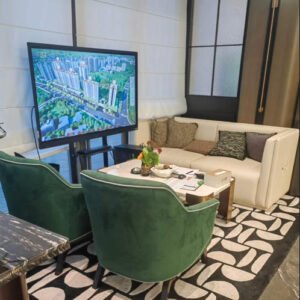
سواءً كانت فيلات أو شققًا أو فنادق بوتيك أو منازل نموذجية، يمكن لخطة إنتاج واحدة أن تشمل أثاث غرف النوم وغرف الطعام وغرف المعيشة والمكاتب المنزلية.
علامة تجارية مثل خدمة الأثاث المصمم حسب الطلب من Jade Ant قد يكون ذلك مفيدًا عندما يحتاج المشتري إلى الدعم في التصميم وتنسيق عملية التصنيع معًا. وعادةً ما تتحقق أفضل النتائج من خلال مشاركة قياسات الغرفة والصور المرجعية والميزانية المتوقعة وعنوان التسليم في مرحلة مبكرة، بدلاً من طلب عرض السعر بناءً على صورة واحدة فقط للمنتج.
المفاهيم الخاطئة الشائعة حول التكلفة والجودة
هناك فكرة خاطئة شائعة مفادها أن الشراء مباشرة من المصنع يعني دائمًا “السعر الرخيص”. في الواقع، يزيل الشراء مباشرة من المصنع بعض مراحل التوزيع، لكن السعر النهائي لا يزال يعتمد على جودة المواد، وساعات العمل اليدوي، وحجم الطلب، والتغليف، والشحن، والرسوم الجمركية، والتركيب.
هناك اعتقاد خاطئ آخر مفاده أن الجودة يمكن تقييمها من خلال الصورة المعروضة وحدها. فالصورة المعروضة توضح المقصد التصميمي. أما الجودة فتثبت من خلال عينة المواد، وطريقة النجارة، وعملية التشطيب، والتحكم في الرطوبة، وصور الفحص، واختبار التغليف، وشروط الضمان.
فهم المساحة الخاصة بك: القياسات وتفضيلات التصميم
يبدأ الأثاث المصمم حسب الطلب الجيد ببيانات دقيقة عن الغرفة. فحتى الخزانة المصنوعة بإتقان قد تفشل في أداء وظيفتها إذا كانت تعيق فتح الباب، أو تحجب مقبس كهربائي، أو لا يمكن تمريرها عبر بئر الدرج. قبل طلب عرض الأسعار، قم بإعداد مجموعة قياسات بسيطة.
القياسات الأساسية التي يجب جمعها
- طول الغرفة وعرضها وارتفاع السقف.
- أبعاد المداخل والممرات والمصاعد والسلالم ومداخل التحميل.
- ارتفاع النافذة، وارتفاع عتبة النافذة، وعمق صندوق الستائر، وموضع المدفأة أو مكيف الهواء.
- مواقع مقابس الحائط، والمفاتيح الكهربائية، والأنابيب الصحية، ومصارف الأرضية.
- أبعاد الأثاث الموجود حالياً، في حال كان يجب أن تتوافق القطع الجديدة معها.
- يفضل ترك مساحة كافية للمشي حول الأسرة وكراسي الطعام والمكاتب والأرائك.
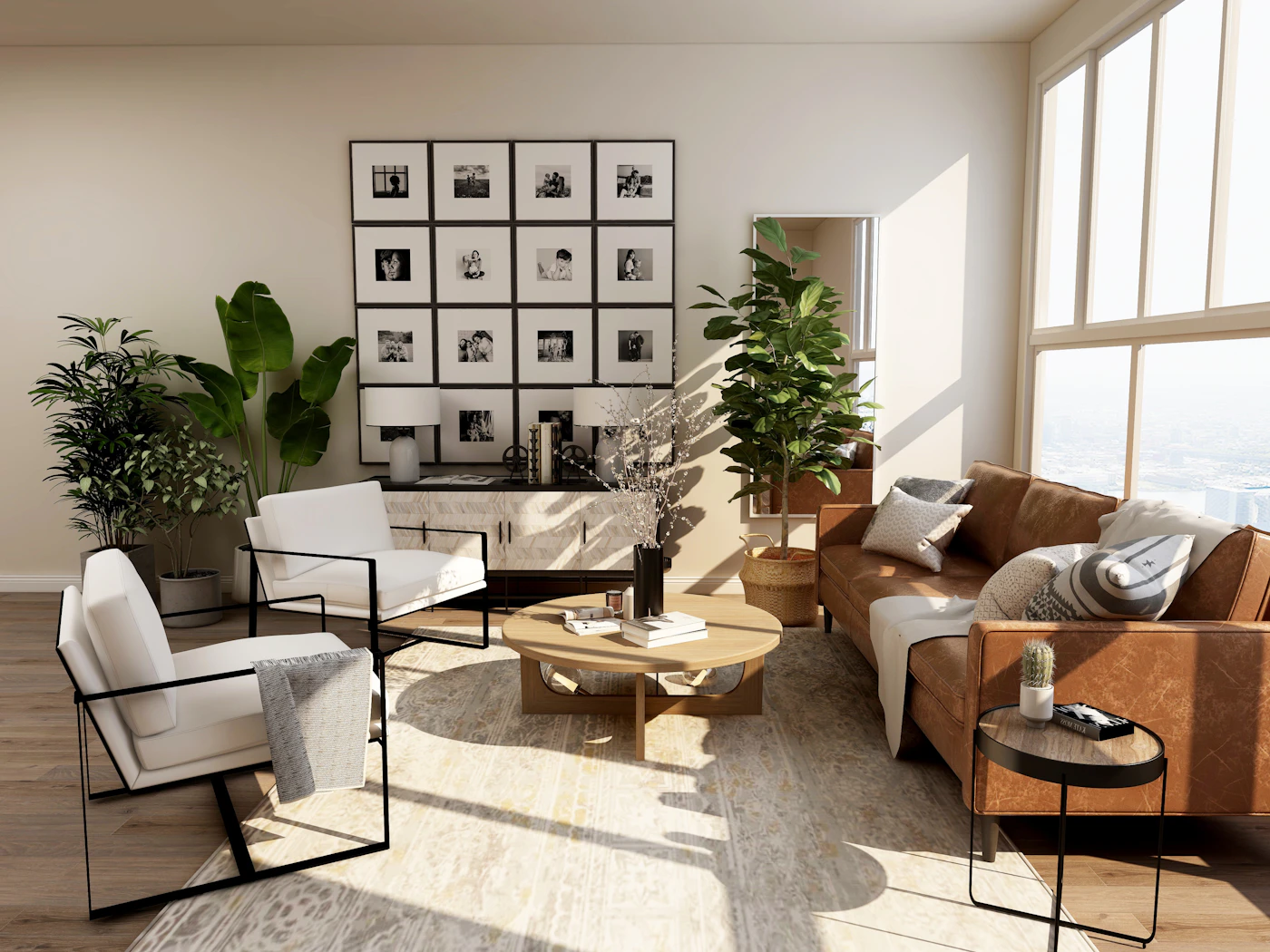
القيود التصميمية التي يجب أخذها في الاعتبار: المساحة، والإضاءة، والوظيفة
القيود التصميمية هي الحدود التي تؤثر على ما يمكن بناؤه أو تركيبه. على سبيل المثال، قد تبدو أريكة بطول 3 أمتار مثالية في الصورة الافتراضية، ولكن إذا كان باب المصعد ضيقًا، فقد يتطلب ذلك تقسيمها إلى أجزاء عند التركيب. وقد تبدو الخزانة المطلية بالورنيش الأسود اللامع فاخرة في صالة العرض، ولكن في غرفة مشمسة قد تظهر عليها آثار الغبار وبصمات الأصابع بسهولة أكبر.
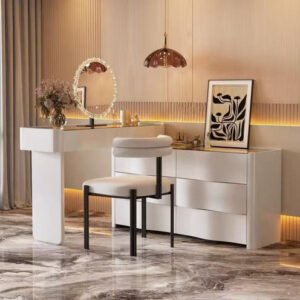
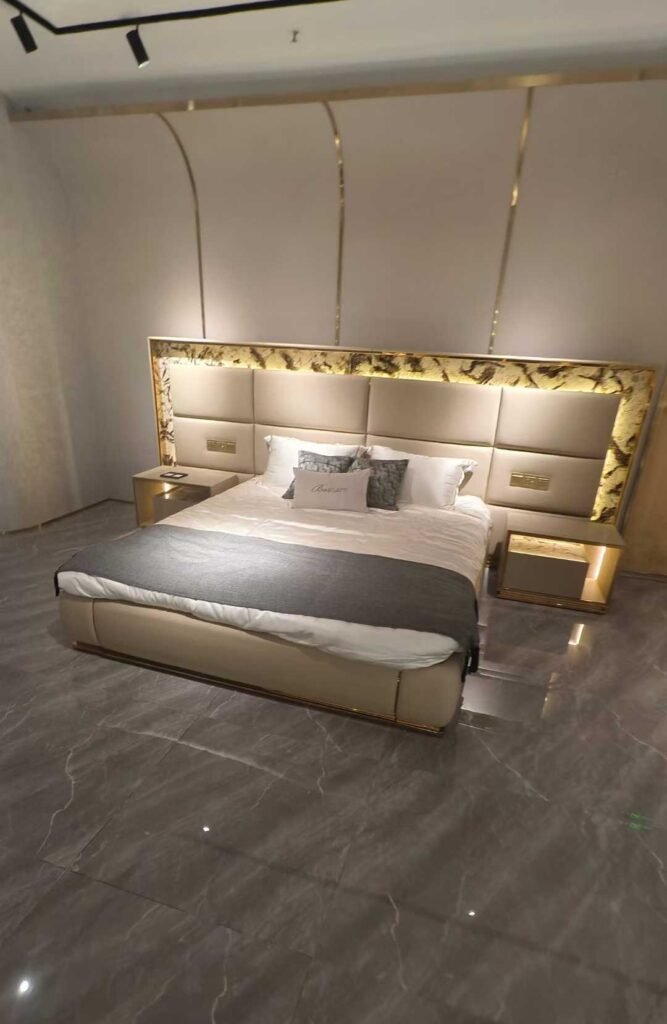
ابدأ بالتفكير في الغرض من استخدام الغرفة. فطاولة الطعام العائلية تحتاج إلى تشطيبات مقاومة للبقع ومساحة كافية بين الكراسي لضمان الراحة. أما غرفة المعيشة الرسمية في الفيلا فقد تعطي الأولوية للتناسق وملمس المفروشات والتفاصيل المنحوتة. وقد تتطلب غرفة النوم المصممة على طراز الفنادق مساحات تخزين مخفية وإضاءة مدمجة وأسطح متينة.
مسرد مصطلحات موجز لمرحلة التخطيط
- التصفية
- المساحة المفتوحة اللازمة للمشي، أو سحب كرسي، أو فتح درج، أو التنظيف حول الأثاث. مثال: غالبًا ما تحتاج كراسي غرفة الطعام إلى مساحة إضافية خلفها.
- رسم المقطع الأفقي
- رسم من الأمام يوضح الارتفاع والعرض ومواضع الأبواب والأرفف والتفاصيل الزخرفية.
- التصميم المعياري
- قطعة كبيرة مصنوعة على شكل أجزاء متفرقة بحيث يمكن حملها عبر الأبواب وتجميعها في الموقع.
- عينة المنتج النهائي
- قطعة صغيرة من الخشب أو القشرة الخشبية أو الطلاء أو المعدن أو القماش، يتم اعتمادها قبل بدء الإنتاج الضخم.
المواد والتصنيع: ما الذي يؤثر على السعر
يؤثر اختيار المواد بشكل مباشر على السعر والوزن ومدة التسليم والصيانة والأداء على المدى الطويل. لا يحتاج المشتري إلى أن يصبح مهندس أثاث، لكن فهم العوامل الرئيسية المؤثرة في التكلفة أمر مفيد.
المواد الأساسية وتأثيراتها على الأسعار
يختلف سلوك كل من الخشب الصلب، والقشرة الخشبية، والخشب الرقائقي، وألواح MDF، والمعدن، والحجر، والجلد، والنسيج عن بعضها البعض. يضفي الخشب الصلب عمقًا ويمكن أن يتقدم في العمر بشكل جميل، لكنه يحتاج إلى تجفيف مناسب والتحكم في الرطوبة. يمكن للقشرة الخشبية أن تخلق تأثيرًا راقيًا للعروق بتكلفة أقل من الخشب الصلب الكامل. غالبًا ما يُستخدم الخشب الرقائقي في الهياكل الداخلية عالية الجودة نظرًا لاستقراره. يُعد MDF مفيدًا للأسطح المطلية بالورنيش الناعمة، لكن يجب حمايته من الرطوبة.
| المادة / المكون | الاستخدام النموذجي | التأثير على التكلفة | نقاط التحقق الخاصة بالمشتري |
|---|---|---|---|
| خشب الدردار الصلب، أو البلوط، أو الجوز، أو أي خشب صلب مشابه | الإطارات، والأرجل، وحواف الطاولة، والتفاصيل المنحوتة | مرتفع، حسب النوع وسماكة المنتج | اطلب معرفة نطاق نسبة الرطوبة، واسم نوع الخشب، وعينة من الطلاء النهائي. |
| قشرة خشبية طبيعية فوق الخشب الرقائقي أو لوح MDF | أبواب الخزائن، والألواح، وألواح الرأس، والخزائن الجانبية | متوسطة إلى عالية، حسب درجة جودة القشرة الخشبية | تأكد من اتجاه مطابقة القشرة الخشبية ومن أن الحواف مغلقة بإحكام. |
| رغوة عالية الكثافة | الأرائك، كراسي الطعام، كراسي الاسترخاء، ألواح رأس السرير | متوسط | اسأل عن كثافة الرغوة ودرجة ليونة المقعد: ناعمة، متوسطة، أو صلبة. |
| جلد أصلي أو نسيج عالي الأداء | أسطح التنجيد | متوسطة إلى عالية | اطلب عينات من الأقمشة وتعليمات التنظيف قبل الموافقة. |
| المفصلات، والمزلاجات، والمقابض المستوردة | خزائن الملابس، الأدراج، الخزانات | متوسط | تأكد من العلامة التجارية، وسعة الحمولة، ووظيفة الإغلاق التدريجي، وسياسة قطع الغيار. |
| الرخام، أو الحجر الملبد، أو الكوارتز | طاولات الطعام، وطاولات الاستقبال، وطاولات القهوة | ارتفاع السعر بسبب وزن المواد والتغليف | الموافقة على نمط الألواح، وشكل الحواف، وطريقة حماية القوالب. |

التشطيبات، والتركيبات المعدنية، وسمات الحرفية
يُعد تشطيب السطح أول ما يلفت انتباه العديد من المشترين إلى الجودة. ابحث عن لون متجانس، وحواف ناعمة، ووصلات نظيفة، ولمعان متوازن، واتجاه متسق لنسيج الخشب. أما بالنسبة للأثاث المنجد، فتأكد من استقامة الدرزات، ومرونة الوسائد، وشد القماش، وكيفية انحناء التنجيد حول الزوايا.
تُعدّ قطع التجهيزات إشارة أخرى. فخزانة الملابس المزودة بمفصلات ذات إغلاق ناعم ومسارات أدراج ثابتة تختلف في الشعور عند استخدامها بعد ستة أشهر عن تلك المزودة بقطع تجهيزات بسيطة. وبالنسبة للمنازل التي تُستخدم فيها الخزانة يوميًّا، فإن التوفير بمبلغ بسيط في قطع التجهيزات قد يؤدي لاحقًا إلى مزيد من الضوضاء، واختلال المحاذاة، والحاجة إلى أعمال الصيانة.
إذا كانت مشروعية الأخشاب أو التوريد المسؤول من الأمور المهمة لمشروعك، فراجع الموارد مثل: معلومات عن الأخشاب الخاضعة لرقابة مجلس رعاية الغابات (FSC). وبالنسبة للمستوردين الأمريكيين، قد تتضمن الإقرارات المتعلقة بالخشب والمنتجات النباتية أيضًا ما يلي: متطلبات قانون لاسي التابع لوكالة خدمات الصحة الحيوانية والنباتية (APHIS) التابعة لوزارة الزراعة الأمريكية (USDA).
تصميم قطعتك المخصصة: من الرسم اليدوي إلى التصوير ثلاثي الأبعاد
عادةً ما يمر الطلب المخصص بمراحل تبدأ من الفكرة، مرورًا بالرسم، ثم العرض المرئي، وصولًا إلى الموافقة على العينة. وكلما كان الملخص الأولي أكثر دقة، قلّت الحاجة إلى التعديلات. ويمكن أن يتضمن الملخص العملي صورًا للغرفة، ومخططًا للأرضية، وصورًا مرجعية، وتفضيلات الألوان، والأبعاد المطلوبة، والميزانية المستهدفة، وبلد التسليم.
سير عمل رسم المخططات التصميمية ودورات الموافقة
قد يبدو سير العمل البسيط كما يلي:
- يقدم المشتري قياسات الغرفة، ومراجع التصميم، والاحتياجات الوظيفية.
- يقوم المصنع أو فريق التصميم بإنشاء الرسومات التخطيطية الأولية أو رسومات CAD.
- يقوم المشتري بمراجعة الأبعاد والنسب وتصميم مساحة التخزين.
- يقوم المصنع بإعداد الصور ثلاثية الأبعاد، وخيارات التشطيبات، أو لوحات المواد.
- يوافق المشتري على الرسومات النهائية والمواد وعرض الأسعار قبل دفع عربون الإنتاج.
تجنب الموافقة على تشطيب ما دون وجود مواصفات مكتوبة. فقد يظهر التشطيب بلون خشب الجوز، لكن يجب أن ينص العقد على ما إذا كان خشب جوز صلبًا، أم قشرة خشب جوز، أم خشب أش بلون الجوز، أم طلاء ورنيش مطابق للعينة.
دور العروض الرقمية في تقدير التكاليف
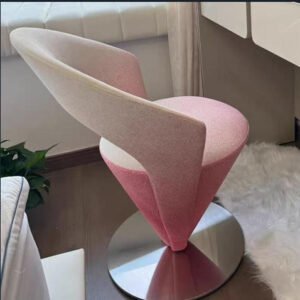
يساعد العرض ثلاثي الأبعاد المشتري على فهم الشكل والتناسب واللون ومكان التثبيت. كما يساعد المصنع على تقدير حجم العمل المطلوب. فالألواح المنحنية، والأرجل المنحوتة، والتطعيمات المعدنية، والأسطح الحجرية، وقنوات التنجيد المعقدة، كلها عوامل تزيد من عدد ساعات العمل.
تكون العروض الرقمية أكثر فائدة عندما ترتبط بقائمة المواد، والتي تُعرف غالبًا باسم قائمة المواد (BOM). قائمة المواد (BOM) تحول الفكرة التصويرية إلى وصفة إنتاجية محددة الأسعار.
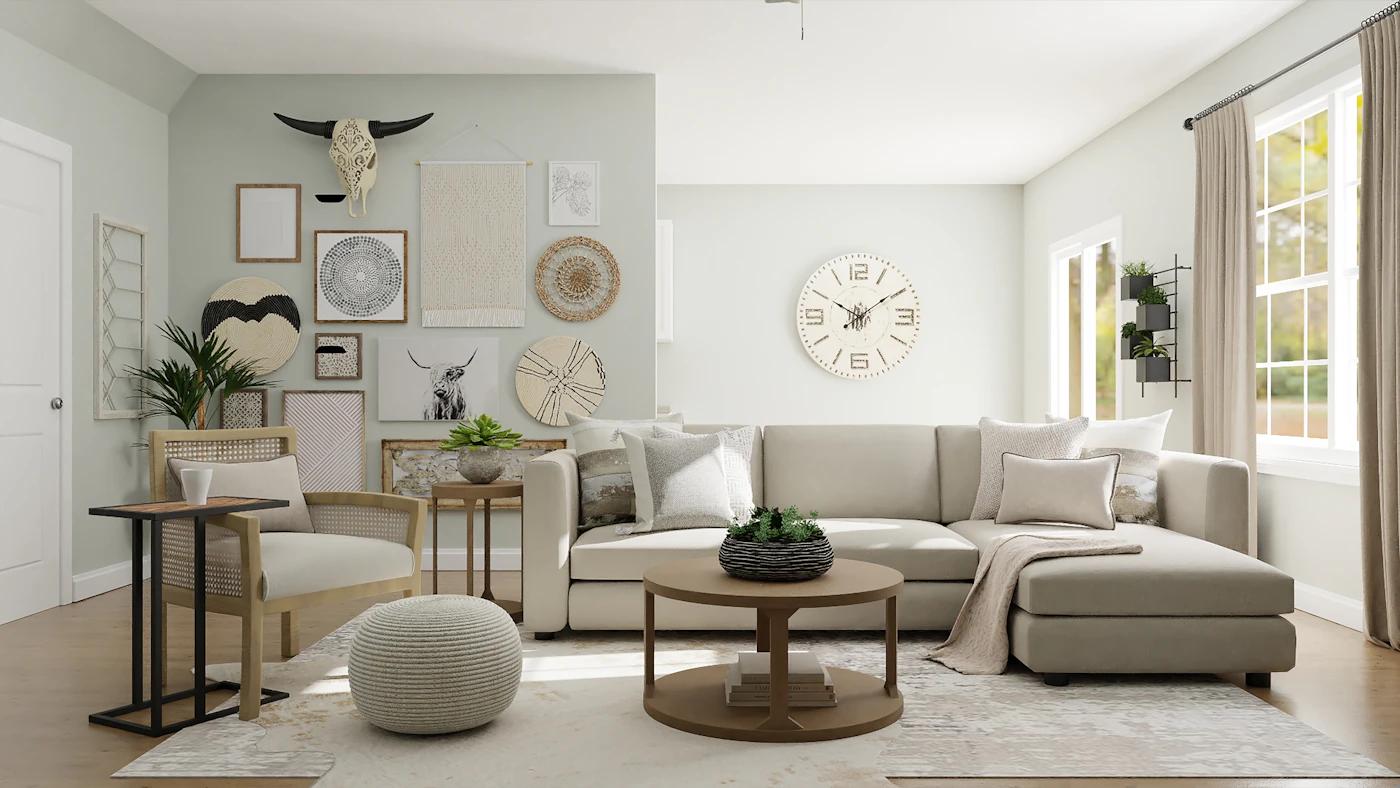
التوريد واختيار المصانع: العثور على مصنعين موثوقين
يُعد اختيار المصنع هو الفارق بين مشروع يسير بسلاسة ومشروع يسبب التوتر. لا تكتفِ بالاطلاع على الكتالوج. يجب أن يتمتع المصنع الموثوق به بخبرة ذات صلة بالمشروع، وتواصل واضح، وقدرة إنتاجية، وإجراءات فحص، ومعرفة بتغليف الصادرات، وجداول زمنية واقعية.
معايير تقييم المصانع: السمعة، والقدرة الإنتاجية، والشهادات
ابدأ بالسمعة والتخصص. فالمصنع الذي يتفوق في صناعة الأثاث المنزلي غير المجمَّع قد لا يكون الخيار الأمثل لتصنيع الأثاث الخشبي للفنادق. كما أن ورشة صناعة الأرائك قد لا تكون قادرة على تصنيع الأسطح الحجرية. اسأل عن فئات المنتجات التي يتم تصنيعها داخليًّا وتلك التي يتم الاستعانة بمصادر خارجية لتصنيعها.
- سنوات من الخبرة في مجال التصدير والأسواق الرئيسية التي نخدمها.
- التخصص في المنتجات: الأثاث المنجد، والأثاث المصنوع من الخشب الصلب، والأثاث المركب، وأثاث الفنادق، أو المشاريع المختلطة.
- صور من المصنع، ومقاطع فيديو من ورشة العمل، ومشاريع تم تنفيذها مؤخرًا.
- عملية مراقبة الجودة التي تتضمن نقاط فحص قبل التعبئة.
- طريقة التغليف الخاصة بعينات الشحن البحري أو الجوي أو البريد السريع.
- شروط الدفع، وشروط الضمان، وإجراءات الاستجابة لطلبات ما بعد البيع.
يمكنك الاطلاع على نبذة عن شركة «جيد أنت» للأثاث عند مقارنة قدرات المصنع، ونطاق الخدمات، ومدى ملاءمة المشروع.
طلب العينات وزيارات المصانع مقابل الجولات الافتراضية
تعد العينات الطريقة الأكثر عملية لتقليل درجة عدم اليقين. بالنسبة للأغراض الصغيرة، اطلب نموذجًا أوليًّا. أما بالنسبة للأثاث الكبير، فاطلب عينات من المواد، وألواح التشطيب، وعينات من أقمشة التنجيد، وعينات من التجهيزات، وصورًا تفصيلية لعملية الإنتاج.
إذا لم تتمكن من زيارة الصين، فاطلب جولة فيديو مباشرة. وأثناء المكالمة، اطلب مشاهدة المواد الخام، ومخزن الأخشاب، وعمليات الصقل، والتشطيب، والتنجيد، والتعبئة، وخط الإنتاج الحالي. فغالبًا ما تكشف الجولة المباشرة في الوقت الفعلي عن معلومات أكثر مما تكشفه الكتيبات المصقولة.
التسعير والتفاوض: الحصول على السعر المناسب
السعر المناسب ليس بالضرورة أقل عرض سعر. بل هو العرض الذي يتوافق مع المواصفات المعتمدة ويتضمن خطة تسليم واضحة. فقد يتحول عرض السعر المنخفض الذي لا يتضمن التغليف أو فئة الأجهزة أو تفاصيل التشطيب أو شروط التسليم الدولية (Incoterms) إلى تكلفة باهظة في وقت لاحق.
تحديد العوامل المؤثرة في التسعير: المواد، الحجم، مهلة التسليم
عوامل تحديد الأسعار هي أجزاء الطلب التي يمكن تعديلها للتحكم في التكلفة. فإذا تجاوزت تكلفة الطاولة الميزانية المحددة، قد يقترح المصنع تغيير سماكة الحجر، أو تبسيط تصميم القاعدة، أو استخدام القشرة الخشبية بدلاً من الخشب الصلب الكامل في المناطق غير الهيكلية، أو زيادة كمية الطلب.
| عنصر الاقتباس | المصنع «أ» | المصنع ب | ما يجب التأكد منه قبل الاختيار |
|---|---|---|---|
| سعر الوحدة | أدنى | أعلى | هل يشمل السعر نفس المواد والتشطيبات والمكونات والتغليف؟ |
| وصف المادة | “تشطيب الخشب” | “قشرة خشب البلوط على خشب رقائقي، بلون خشب الجوز” | تقلل الأوصاف المحددة للمواد من النزاعات. |
| المهلة الزمنية | 30 يومًا | 45 يومًا | قد ينطوي تقصير مدة التنفيذ على مخاطر فيما يتعلق بالتشطيبات المخصصة المعقدة. |
| التغليف | علبة كرتون قياسية | صندوق من الورق المقوى + رغوة + صندوق خشبي لسطح حجري | تحتاج الأغراض الثقيلة أو الهشة أو ذات اللمعان الشديد إلى حماية أقوى. |
| المصطلح | EXW | سعر الشحن من ميناء شنغهاي | قارن نفس شروط التداول لتجنب الاختلافات اللوجستية الخفية. |
| الضمان | غير مدرج | شروط الضمان المكتوبة | اسأل عن التغطية، ومدة سريانها، والأدلة المطلوبة. |
نصائح للتفاوض مع الحفاظ على الجودة والضمانات
تفاوض بشأن المواصفات، لا تقتصر على السعر فقط. اطلب من المصنع أن يوضح لك المجالات التي يمكن فيها تحقيق وفورات دون التأثير على الاستخدام اليومي. على سبيل المثال، قد يكون تقليل عمق النقش أكثر أمانًا من خفض جودة سكك الدرج. وقد يكون تغيير لوح داخلي مخفي أمرًا مقبولًا، في حين أن استخدام مواد تغليف رديئة لطاولة رخامية أمر غير مقبول.
تؤثر شروط التجارة أيضًا على التكلفة النهائية عند الوصول. إذا كنت مبتدئًا في مجال الاستيراد، فاقرأ الدليل الرسمي دليل «إنكوتيرمز» الصادر عن إدارة التجارة الدولية أو الـ قواعد ICC Incoterms 2020. تحدد شروط «إنكوترمز» (Incoterms) الجهة التي تتحمل تكاليف النقل والتأمين والتخليص الجمركي للتصدير والتخليص الجمركي للاستيراد، فضلاً عن المخاطر في مختلف مراحل الرحلة.
عملية الطلب: من عرض الأسعار إلى بدء الإنتاج
بمجرد قبول عرض الأسعار، يجب أن ينتقل الطلب إلى عملية موافقة موثقة. فهذه هي المرحلة التي يتحدد فيها نجاح أو فشل العديد من المشاريع المخصصة. لا تعتمد على رسائل الدردشة وحدها. استخدم أمر الشراء، والرسومات الموقعة، وقائمة المواد، ومراجع التشطيبات، وشروط الدفع، وجدول الإنتاج، ومتطلبات الفحص.
المستندات المطلوبة وأساسيات العقد
- عرض الأسعار النهائي الذي يتضمن أسماء المنتجات، والأبعاد، والكميات، والمواد، والتشطيبات، وأسعار الوحدة.
- الرسومات أو النماذج المرئية المعتمدة مع أرقام المراجعة.
- عينات من المواد أو رموز العينات.
- معايير التغليف وطريقة الشحن.
- شروط الدفع، ومدة الإنتاج، وسياسة التغييرات المتأخرة.
- متطلبات التفتيش والجدول الزمني لتقديم التقارير المصورة بالصور/الفيديو.
- تغطية الضمان وإجراءات المطالبة.
إذا كان طلبك يتضمن قطع أثاث لغرفة المعيشة وغرفة الطعام وغرفة النوم، فقم بترتيبها حسب الغرفة. الـ فئة أثاث غرفة المعيشة من Jade Ant و مجموعة أثاث غرف النوم من Jade Ant وهي صفحات مرجعية مفيدة لتنظيم عملية الاستقصاء غرفةً غرفةً.
نقاط الفحص النهائية قبل بدء الإنتاج
قبل بدء الإنتاج، تأكد من مراجعة قائمة التحقق “بدون مفاجآت”. وتشمل هذه القائمة القياسات النهائية، وعينة التشطيب، ولون التنجيد، والتركيبات المعدنية، وارتفاع الأرجل، واتجاه الأدراج، وموضع فتحة الكابلات، وملصق التغليف. وبالنسبة للمشترين الدوليين، تأكد أيضًا من نوع عنوان الوجهة: ميناء، أو مستودع، أو مبنى سكني، أو فيلا، أو موقع المشروع.
الجدول الزمني للإنتاج وعمليات فحص الجودة: ضمان رضا العملاء
يُعد إنتاج الأثاث حسب الطلب سلسلة من القرارات. فلا يمكن البدء في قطع الخشب إلا بعد الموافقة على الأبعاد. ولا يمكن البدء في أعمال التشطيب إلا بعد الانتهاء من الصقل وأعمال النجارة. ولا يمكن البدء في التعبئة إلا بعد اجتياز الفحص النهائي. ويؤدي وجود جدول زمني واضح إلى تخفيف الضغط وتحسين المساءلة.
مراحل الإنتاج النموذجية ومراحل مراقبة الجودة الرئيسية
مراقبة الجودة يجب أن تتم أثناء الإنتاج، وليس بعد الإنتاج فقط. فعمليات الفحص في منتصف العملية تتيح اكتشاف المشكلات في الوقت الذي لا يزال من الممكن تصحيحها.
- مرحلة ما قبل الإنتاج: التأكد من الرسومات والمواد والعينات.
- مرحلة المواد: التحقق من الخشب والألواح والأقمشة والجلد والحجر والتجهيزات المعدنية.
- مرحلة الهيكل: فحص الأبعاد وأعمال النجارة والهيكل قبل البدء في أعمال التشطيب.
- مرحلة التشطيب: التحقق من اللون، واللمعان، وجودة الحواف، ونعومة السطح.
- مرحلة التنجيد: فحص الدرزات، وملمس الوسائد، واتجاه النسيج، والخياطة.
- المرحلة النهائية: فحص كل قطعة قبل التعبئة وطلب صور للملصقات والصناديق.
كيفية الإبلاغ عن التغييرات أثناء الإنتاج
يجب توثيق التغييرات التي تطرأ أثناء الإنتاج وتحديد تكلفتها والحصول على الموافقة عليها. فقد يؤثر تغيير بسيط، مثل تغيير موضع مقبض، على عمليات الحفر والتشطيب والتعبئة. أما التغيير الأكبر، مثل تعديل حجم الخزانة بعد قصها، فيمكن أن يتسبب في هدر للمواد وتأخير في العمل.
استخدم سجل تغييرات واحد مشترك يتضمن التاريخ، واسم العنصر، والتغيير المطلوب، وتأثيره على التكلفة، وتأثيره على الجدول الزمني، وحالة الموافقة. هذه العادة البسيطة تمنع حدوث أي لبس عند إنتاج عدة غرف أو عشرات القطع في الوقت نفسه.
الشحن والتسليم والتركيب: إيصال المنتج إلى المنزل
يُعد الشحن جزءًا من جودة المنتج. فقد تغادر خزانة مطلية بالورنيش الهشة أو طاولة الاستقبال ذات السطح الرخامي المصنع في حالة ممتازة، لكنها قد تصل متضررة إذا كانت التغليف والمناولة غير ملائمين. لذا، يجب مناقشة مسألة الشحن قبل بدء الإنتاج، خاصةً بالنسبة للمنتجات الضخمة أو الثقيلة أو اللامعة أو المصنوعة من الحجر.
معايير التعبئة والتغليف وتأمين النقل
عادةً ما تتضمن التغليفات الجيدة المخصصة للتصدير حمايةً من الرغوة، وواقيات الزوايا، ونظامًا للتحكم في الرطوبة، وعلب كرتون متينة، وصناديق خشبية للأغراض الثقيلة، وملصقات واضحة لتوجيهات المناولة. أما بالنسبة للأسطح شديدة اللمعان، فاستفسر عما إذا كان المصنع يستخدم غشاءً واقيًا ولفافة ناعمة لا تترك آثارًا على الطلاء.
كما أن التأمين على الشحن مهم أيضًا. تأكد من نوع الأضرار التي يغطيها التأمين، والمستندات المطلوبة لتقديم مطالبة، وما إذا كان يجب التقاط صور قبل تفريغ الشحنة. إذا كانت الشحنة متجهة إلى مسكن وليس إلى مستودع، فتأكد من توفر شاحنة مزودة برافعة خلفية وإجراءات تحديد موعد التسليم.
خيارات خدمات التجميع والتوجيه عن بُعد
يصل بعض الأثاث مجمَّعًا بالكامل. أما القطع الأخرى، مثل الخزائن وألواح الحائط والأرائك كبيرة الحجم أو الطاولات الحجرية، فقد تتطلب التجميع في الموقع. اطلب رسومات التجميع ومجموعات البراغي وملصقات الأجزاء ومقاطع الفيديو الخاصة بالتركيب عند الحاجة.
بالنسبة للمشاريع الكبيرة، يمكن ترتيب تقديم الإرشادات عن بُعد من خلال مكالمات الفيديو. ويمكن لفريق المصنع مساعدة فنيي التركيب المحليين على فهم تسلسل الألواح، وتسويتها، وضبط الأبواب، وتعليمات العناية بها. أما بالنسبة لتصفح المنتجات قبل إرسال الاستفسار، فإن مجموعة منتجات الأثاث «جيد أنت» يمكن أن يساعد المشترين على تجميع العناصر حسب الغرفة والأسلوب.
الخدمة ما بعد البيع، والضمانات، والقيمة على المدى الطويل
تُقاس القيمة على المدى الطويل بعد استخدام الأثاث لعدة أشهر، وليس فقط في يوم التسليم. يجب العناية بالأثاث الفاخر المصمم حسب الطلب وفقًا لنوع المادة، ورطوبة الغرفة، والتعرض لأشعة الشمس، والاستخدام اليومي.
إجراءات الصيانة الخاصة بالأثاث الصيني
تجمع العديد من قطع الأثاث الصيني المصنوعة حسب الطلب بين الخشب والقشرة الخشبية والورنيش والحجر والمعدن والنسيج أو الجلد. ويحتاج كل سطح إلى روتين عناية مختلف.
- احرص على إبعاد الأثاث الخشبي عن التعرض المباشر لأشعة الشمس لفترات طويلة وعن التغيرات الشديدة في الرطوبة.
- استخدم الوقايات ومفارش المائدة على الأسطح المطلية بالورنيش أو المكسوة بالقشرة الخشبية أو الحجرية.
- قم بتنظيف المفروشات القماشية بالطريقة الموصى بها للنسيج المختار.
- امسح الأجزاء المعدنية بقطعة قماش ناعمة وجافة؛ وتجنب استخدام المنظفات الكاشطة.
- افحص البراغي أو الوصلات الظاهرة وشدها برفق بعد مرور الأشهر القليلة الأولى من الاستخدام.
- احتفظ بمقابض ومفصلات ووحدات انزلاق احتياطية، بالإضافة إلى عينات الألوان اللازمة لإجراء اللمسات النهائية، كلما أمكن ذلك.
نطاق الضمان وكيفية تقديم المطالبات
ينبغي أن يحدد الضمان الفعال فترة التغطية، والعيوب المشمولة، والأضرار المستثناة، وأدلة المطالبة، وخيارات الحلول. وغالبًا ما تُستثنى من التغطية حالات البلى العادي، وسوء الاستخدام، والأضرار الناجمة عن الماء، والتركيب غير السليم. أما عيوب التصنيع، والمشاكل الهيكلية الكبرى، أو المواصفات الخاطئة، فينبغي معالجتها وفقًا للاتفاقية المكتوبة.
في حال الحاجة إلى تقديم شكوى، قم بتوثيقها بوضوح. التقط صورًا عامة وصورًا مقربة وصورًا للعبوة، واحتفظ بفواتير التسليم، وقم بتصوير مقاطع فيديو إذا كانت المشكلة تتعلق بالحركة أو الضوضاء أو المحاذاة. أرسل رقم الطلب واسم المنتج ووصف المشكلة والحل المطلوب في رسالة بريد إلكتروني واحدة أو في سلسلة محادثات الدعم.
يُعد طلب الأثاث الصيني المصنوع حسب الطلب من المصنع إلى المنزل عملية تتم خطوة بخطوة: تحديد الغرفة، واختيار المواد، والموافقة على الرسومات، واختيار مصنع موثوق به، ومقارنة عروض الأسعار بعناية، وتوثيق الطلب، ومتابعة الإنتاج، وحماية الشحنة، وصيانة الأثاث بعد التركيب.
أفضل سعر ليس بالضرورة أرخص سعر مدرج في جدول البيانات. بل هو السعر الذي يشمل المواصفات المناسبة، والجدول الزمني الواقعي، والتغليف الآمن للتصدير، وعمليات فحص الجودة، وموردًا قادرًا على التواصل عند حدوث أي تغيير في التفاصيل.
من خلال اتباع عملية منظمة والتعاون مع الشريك المناسب في مجال التصنيع، يمكن أن يصبح الأثاث المصمم حسب الطلب أكثر من مجرد عملية شراء. فهو يتحول إلى استثمار مخصص للغرفة يتناسب مع المساحة، ويدعم الحياة اليومية، ويجسد الرؤية التصميمية التي كنت تنوي تحقيقها منذ البداية.
الأسئلة الشائعة
كم من الوقت يستغرق عادةً تصنيع الأثاث الصيني المصمم حسب الطلب وتسليمه؟
تستغرق العديد من طلبات الأثاث المصنوع حسب الطلب حوالي 30 إلى 60 يومًا للتصنيع بعد الموافقة على الرسومات والمواد والعينات. وقد يستغرق الشحن عدة أسابيع إضافية اعتمادًا على الوجهة وطريقة الشحن وإجراءات التخليص الجمركي وعنوان التسليم النهائي.
ما هي أفضل طريقة لمقارنة عروض الأسعار المقدمة من المصانع المختلفة؟
قارن عروض الأسعار باستخدام نفس المواصفات: الأبعاد، والمواد، والتشطيب، والتجهيزات، والتنجيد، والتغليف، وشروط إنكوتيرم، ومدة التسليم، والضمان، وعملية الفحص. فالسعر الأقل لا يمثل توفيرًا حقيقيًّا إذا كان لا يشمل تغليف التصدير أو يستخدم مواد مختلفة.
هل هناك تكاليف خفية شائعة يجب الانتباه إليها عند الطلبات المخصصة؟
نعم. تشمل التكاليف الخفية الشائعة رسوم العينات، ومراجعات الرسومات، والتغليف المقوى، والنقل البري بالشاحنات، ورسوم الموانئ، والرسوم الجمركية، والضرائب، ومواعيد التسليم، ورسوم الدخول إلى المبنى، وأجور التركيب، وقطع الغيار.
هل يمكنني طلب قطعة أثاث واحدة فقط مصنوعة حسب الطلب من مصنع صيني؟
تقبل بعض المصانع كميات طلب دنيا منخفضة، لا سيما بالنسبة للقطع المخصصة عالية الجودة. ومع ذلك، قد تكون تكلفة الوحدة أعلى لأن تكاليف التصميم، وعمل العينات، والإعداد، والتعبئة، وإجراءات التصدير تتوزع على عدد أقل من القطع.
ما الذي يجب أن أوافق عليه قبل دفع دفعة التأمين الخاصة بالإنتاج؟
الموافقة على الرسومات النهائية، والأبعاد، وقائمة المواد، وعينة التشطيب، وعينات التنجيد أو الجلد، والتجهيزات، ومعايير التغليف، والسعر، وشروط الدفع، والجدول الزمني للإنتاج، وشروط الشحن، وعملية الفحص، وشروط الضمان.
كيف يمكنني تقليل مخاطر الجودة عند الطلب عن بُعد؟
اطلب عينات من المواد، ومكالمات فيديو مباشرة من المصنع، وصورًا لعمليات الإنتاج في المراحل الرئيسية، وصورًا لفحص ما قبل الشحن، وصورًا للتعبئة والتغليف، وسجلًا مكتوبًا بالتغييرات. بالنسبة للطلبات الكبيرة، ضع في اعتبارك إجراء فحص من قبل جهة خارجية قبل الشحن.
ما هو مصطلح «إنكوتيرم» الأنسب لمستوردي الأثاث الجدد؟
لا يوجد مصطلح واحد يُعتبر الأفضل لجميع المشترين. يُعد مصطلح «فوب» (FOB) شائعًا في الشحن البحري لأن المصنع يتولى تسليم البضائع المخصصة للتصدير إلى الميناء، بينما يتولى المشتري ترتيبات الشحن الدولي. وقد يبدو مصطلح «دي دي بي» (DDP) أسهل، لكن يجب مراجعته بعناية للتأكد من الرسوم الجمركية والضرائب وقيود التسليم.
ما هي أفضل المواد المستخدمة في صناعة الأثاث الفاخر المصمم حسب الطلب؟
يعتمد ذلك على الغرفة والغرض من الاستخدام. يُقدَّر الخشب الصلب لقوته الهيكلية وطابعه الطبيعي، بينما يُعد القشرة الخشبية مفيدة بفضل مظهرها الأنيق ذي الحبيبات المتناسقة، ويوفر الخشب الرقائقي الثبات، كما توفر الرغوة عالية الكثافة الراحة، وتساهم المكونات عالية الجودة في تحسين الأداء اليومي.