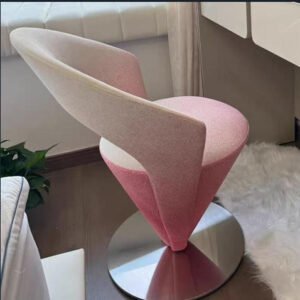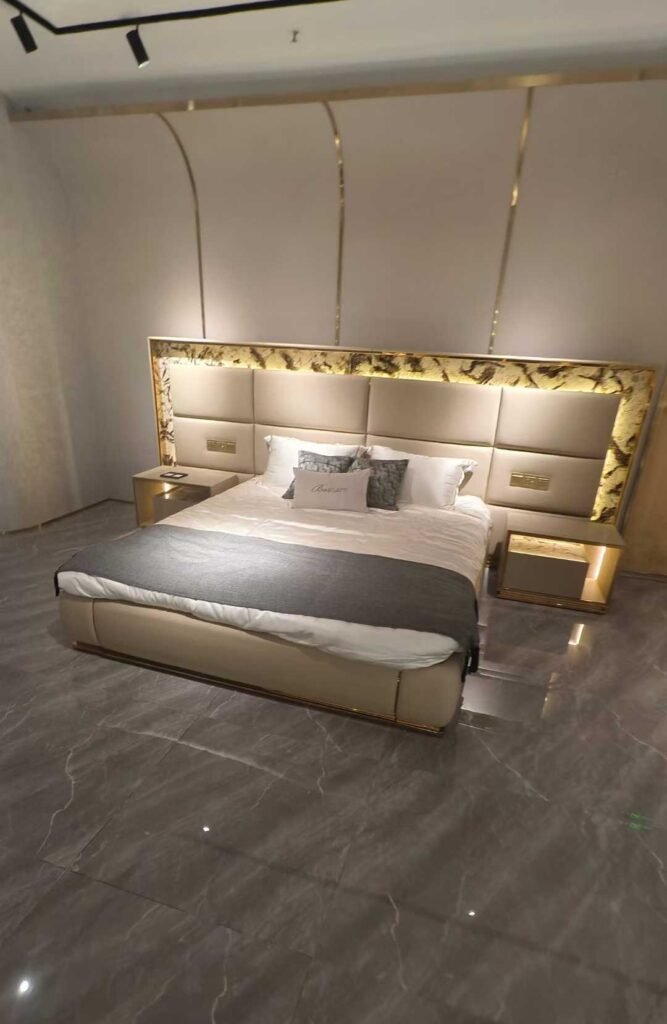
في عام 2024، قامت مجموعة فنادق بوتيك في تشارلستون بتحويل مبلغ $87,000 إلى مورد يعلن عن مجموعات غرف نوم “إيطالية الصنع”. وبعد ستة أشهر من التركيب، بدأ القشرة الخشبية في الانفصال عن أسطح الطاولات الجانبية، وتراخت مفاصل الأدراج، وظهرت تشققات في الألواح الأمامية الجلدية للأسرة لم يتمكن أي علاج من إصلاحها. وكشفت عملية الفحص اللاحق أن الأثاث تم تجميعه في إيطاليا باستخدام ركائز من الألواح الخشبية المضغوطة، وجلد مدبوغ بالكروم، ومثبتات من نوع “كام-لوك” — ولم يتطابق أي منها مع «الحرفية الإيطالية الأصيلة» التي وعد بها الكتالوج.
يهدف هذا الدليل إلى تجنب هذه النتيجة. فهو يستعرض بالتفصيل خيارات المواد المحددة، وأساليب التصنيع، وأنظمة الاعتماد، وهياكل الضمان التي تميز الأثاث الإيطالي المصنوع بحرفية عالية عن الأثاث الذي يُشحن فقط من عنوان إيطالي. سواء كنت تاجر أثاث تتولى توريد المخزون، أو مصمم ديكور داخلي تحدد قطعًا لمشروع ما، أو مشترٍ فردي تقوم بتأثيث منزلك، فإن المعايير الواردة هنا ستوفر لك إطارًا لتقييم الأثاث الإيطالي الصنع بناءً على مزاياه الحقيقية — وليس على أساس حملاته التسويقية.
يتبع هذا الهيكل تسلسلاً منطقياً لعملية الشراء: المواد أولاً (لأن جودة المواد هي العامل الأهم الذي يحدد عمر الأثاث)، ثم الحرفية (كيفية تجميع تلك المواد)، ثم المنشأ الإقليمي وتقييم الصانع، ثم الضمانات والوثائق، وأخيراً تحليل تكلفة دورة الحياة والنصائح العملية للشراء.

اختيار المواد في صناعة الأثاث الإيطالي
أنواع الخشب الأساسية الشائعة الاستخدام في إيطاليا
يعتمد صانعو الأثاث الإيطاليون على مجموعة محددة من أنواع الخشب الصلب، تم اختيار كل منها على مدى قرون لخصائصها الهيكلية والجمالية المحددة. والأنواع السائدة — الجوز، والكرز، والبلوط، والزيتون، والزان — ليست قابلة للتبادل. فكل منها يؤدي وظيفة متميزة، وفهم أي نوع يناسب أي مكان هو الخطوة الأولى في تقييم أي قطعة مصنوعة في إيطاليا.
الجوز الإيطالي (Juglans regia) لا يزال المعيار المرجعي. تستغرق شجرة الجوز التي تنمو في تلال أومبريا أو إميليا-رومانيا ما بين 60 إلى 80 عامًا لتصل إلى القطر المناسب لصناعة الأثاث — أي حوالي 40 سم عند ارتفاع الصدر. ينتج عن هذا النمو البطيء صلابة وفقًا لمقياس جانكا تبلغ حوالي 1,010 لبر قوة، وحبيبات خشبية متشابكة ومتراصة تقاوم التشقق تحت الضغط. وقد وثقت ورشة ترميم خارج فلورنسا في عام 2023 أن الوصلات النقرية المصنوعة من خشب الجوز في هيكل كرسي يعود إلى القرن السادس عشر لم تظهر أي تدهور هيكلي بعد 500 عام من الاستخدام — بل إن الوصلة نفسها كانت أقوى من الخشب المحيط بها. ولهذا السبب يبلغ سعر خشب الجوز ما بين 1,500 و2,200 يورو للمتر المكعب في سوق الأخشاب الأوروبية، وهو ما يعادل تقريبًا ضعف سعر الجوز الأسود الأمريكي، ولهذا السبب يستخدمه صانعو الأثاث الإيطاليون ذوو السمعة الطيبة في العناصر المنحوتة والأسطح المرئية والمكونات الحاملة.
الكرز الأوروبي (Prunus avium) يلعب دورًا تكميليًّا. ويُعد خشب الكرز، الذي يتسم بنعومة طفيفة مقارنةً بخشب الجوز (صلابة جانكا ~995 رطل قوة)، النوع المفضل لصناعة القطع الخشبية المُشغَّلة، وألواح التطعيم، والعناصر الهيكلية الدقيقة. وتتمثل السمة المميزة لهذه المادة في تغير لونها إلى اللون الداكن تحت تأثير الضوء: تبدأ لوحات خشب الكرز المطحونة حديثًا بلون وردي باهت، ثم يتعمق لونها إلى البني المحمر الغني خلال 6–12 شهرًا من التعرض للضوء، وتستمر في اكتساب دفء لوني لعقود. الشهير كرسي «تشيفارينا» — التي صُممت عام 1807 في بلدة تشيافاري الساحلية الواقعة في منطقة ليغوريا — تستخدم خشب الكرز تحديدًا لأن نسبة مقاومة الشد إلى الوزن فيه تتيح لمكونات الكرسي، التي يصل سمكها إلى 18 ملم فقط، أن تتحمل حمولة تزيد عن 100 كجم دون أن تنكسر.
البلوط السلافوني (Quercus robur, ، الذي يُستخرج أساسًا من الغابات المُدارة في منطقة سلافونيا الكرواتية) هو العنصر الهيكلي الأساسي. وبفضل صلابة يانكا التي تبلغ 1,360 لبر قوة، ومقاومته الاستثنائية للضغط، فإنه يُستخدم كخشب هيكلي للطاولات وهياكل الأسرة وهياكل الأثاث. كما أن حبيباته المفتوحة تمتص الصبغات بشكل متساوٍ — وهي خاصية تجعله الخيار المفضل للأثاث المطلي بألوان داكنة. الشركات المصنعة التي تتخذ من لومباردي مقراً لها مثل مولتيني آند سي وتستخدم شركة جيورجيتي خشب البلوط السلافوني في صناعة هياكل طاولات الطعام، حيث يتعين على الخشب أن يتحمل الحمل المركّز لأسطح الرخام أو الحجر التي يتراوح وزنها بين 80 و150 كجم.
التشطيبات السطحية والطلاءات الواقية
إن التشطيب في الأثاث الإيطالي ليس مجرد لمسة تجميلية ثانوية — بل هو نظام وظيفي يحدد كيفية تغير حالة القطعة بمرور 20 و50 و100 عام. وتتبع أنظمة التشطيب الثلاثة الرئيسية المستخدمة في الإنتاج الإيطالي فلسفة مختلفة جذريًّا فيما يتعلق بالمواد.
الطلاء الفرنسي (الشيلاك) هو التشطيب التقليدي للجزء العلوي. يتم تطبيقه يدويًّا باستخدام وسادة قماشية (سدادة قطنية) المحملة بالشيلاك المذاب في الكحول المُحَوَّل، يُكوِّن التلميع الفرنسي ما بين 30 إلى 80 طبقة رقيقة للغاية على المستوى المجهري على مدار 3 إلى 5 أيام. تذوب كل طبقة جزئيًا في الطبقة التي تحتها، مما ينتج عنه غشاء متواصل على المستوى الجزيئي بدلاً من تراكم طبقات منفصلة. والنتيجة هي سطح يتمتع بعمق بصري لا يمكن للطلاءات المطبقة بالرش محاكاته. والأهم من ذلك، أن التلميع الفرنسي يتحسن مع مرور الزمن: يكتسب غشاء الشيلاك لونًا كهرمانيًا أكثر دفئًا وعمقًا على مدار 20–50 عامًا، كما أن التآكل السطحي الطفيف يندمج في الطبقة الخارجية بدلاً من أن يظهر كضرر. كما أن السطح المصقول بالطريقة الفرنسية لا ينبعث منه أي مركبات عضوية متطايرة تقريبًا بعد فترة معالجة مدتها 48 ساعة — وهي ميزة مهمة للبيئات السكنية والضيافة التي تهتم بالصحة.
طلاء البوليستر يُصنف ضمن فئة الطلاءات الصناعية عالية اللمعان. يُطبق البوليستر في 4 إلى 6 طبقات بالرش مع صنفرة بينية (عادةً بحبيبات 400 بين الطبقات)، ليشكل سطحًا سميكًا وصلبًا وناعمًا كالمرآة. وهو المعيار المتبع في الأثاث الإيطالي المعاصر ذي التشطيبات ذات اللمعان الشبيه بلمعان البيانو. لكن الجانب السلبي لهذه الطبقة هو صلابتها — فالبوليستر لا يتكيف مع حركة الخشب كما يفعل اللك، لذا فهو الأنسب للركائز المصنوعة من الخشب الهندسي (MDF، الخشب الرقائقي) حيث تكون التغيرات في الأبعاد ضئيلة. أما على الخشب الصلب، فقد تتشقق تشطيبات البوليستر على طول خطوط الحبيبات بعد 10–15 عامًا إذا تعرضت القطعة لتقلبات الرطوبة الموسمية.
طلاءات الزيت والشمع (زيت بذر الكتان، زيت التونغ، شمع العسل، شمع الكارناوبا) تمثل نهج التدخل الأدنى. فهذه الطلاءات المتغلغلة تتغلغل في ألياف الخشب بدلاً من أن تستقر على سطحه، مما يحافظ على الملمس الطبيعي لسطح الخشب الخام. تفضل ورش العمل في توسكانا استخدام التشطيبات الزيتية والشمعية للأثاث المصنوع من خشب الجوز لأن هذه المعالجة تسمح للدفء الطبيعي للخشب بأن يتألق — حيث تشعر بنسيج الخشب تحت أطراف أصابعك، وليس بطبقة طلاء. تتطلب هذه الطلاءات صيانة أكثر (إعادة التطبيق كل 6–12 شهرًا للأسطح المستخدمة بشكل متكرر)، لكن المكافأة الجمالية تتمثل في سطح حي يسجل تاريخ استخدام القطعة من خلال ملمسها ولونها المتغيرين بمرور الوقت.
فهم أنواع الأخشاب والاستدامة
اعتبارات حول الخشب الصلب مقابل الخشب الهندسي
إن الجدل الدائر حول الخشب الصلب مقابل الخشب الهندسي في صناعة الأثاث الإيطالي ليس مجرد حكم ثنائي على الجودة — بل هو قرار هندسي يتعلق بالمواد، ويستند إلى الاستخدام والمناخ والهدف التصميمي.
يوفر الخشب الصلب (الخشب الذي يتم تشكيله من جذع واحد، وعادةً ما يتراوح سمكه بين 20 و50 ملم لمكونات الأثاث) مزايا لا غنى عنها للعناصر المنحوتة، والأرجل المخروطة، وأي مكون سيتم إعادة طلائه خلال عمر القطعة. يمكن صقل سطح طاولة مصنوع من خشب الجوز الصلب وإعادة طلائه من 5 إلى 8 مرات على مدار قرن من الزمان، مما يؤدي إلى تجديد سطحه بشكل فعال. ومع ذلك، فإن الخشب الصلب يتحرك: فاللوحة المصنوعة من خشب الجوز التي يبلغ عرضها 500 مم تتمدد بحوالي 4–5 مم عبر اتجاه الألياف عندما ترتفع الرطوبة النسبية من 40% إلى 70%. يجب مراعاة هذا التمدد — وهو أمر طبيعي تمامًا — في تصميم الأثاث من خلال استخدام الألواح العائمة، أو البراغي المشقوقة، أو فجوات التمدد. أما الأثاث الذي يتم تصنيعه دون مراعاة هذا التمدد، فسوف يتشقق أو يتشوه أو تتفكك مفاصله في غضون 3–10 سنوات.
يوفر الخشب الهندسي (الخشب الرقائقي، أو MDF، أو ألواح الحبيبات، أو الركائز الهجينة المطلية بقشرة من الخشب الصلب) ثباتًا أبعاديًّا لا يمكن للخشب الصلب أن يضاهيه. فاللوحة الخشبية الرقائقية المصنوعة من خشب البتولا عالي الجودة لا يتغير طولها إلا بأقل من 1 مم عبر نفس نطاق الرطوبة. هذا الثبات يجعل الركائز الهندسية الخيار الصحيح للأسطح المسطحة الكبيرة (أبواب خزائن الملابس، وألواح الخزائن العريضة، وألواح الطاولات التي يزيد طولها عن 900 مم) وللأثاث المخصص للبيئات التي تعاني من ضعف التحكم في الرطوبة — مثل المساحات التجارية ذات أنظمة التدفئة والتهوية وتكييف الهواء (HVAC) القوية، والمناخات الاستوائية، أو المباني المزودة بنظام تدفئة أرضية إشعاعي. فريق هندسة الأثاث في Jade Ant، على سبيل المثال، يختار مواد الركائز بناءً على بيانات المناخ في الوجهة التي يقدمها العملاء بالجملة، بحيث تتوافق مكونات أثاث غرف النوم لظروف الرطوبة التي ستواجهها فعليًّا أثناء التشغيل.
المعيار الذي يجب الانتباه إليه عند تقييم الجودة ليس “الخشب الصلب مقابل الخشب الهندسي” — بل ما إذا كان المصنع قد اختار المادة المناسبة لكل مكون. فالشركة الإيطالية الموثوقة تستخدم الخشب الصلب للأرجل والقضبان والعناصر المنحوتة والحواف الظاهرة (حيث تضيف خصائصه المتعلقة بالشيخوخة وإمكانية إعادة تلميعه قيمةً إضافية)، بينما تستخدم الركائز الهندسية للألواح العريضة والأسطح الهيكلية المخفية (حيث تكون الاستقرار أكثر أهمية). أما الشركة التي تستخدم الخشب الصلب فقط في كل شيء، أو الخشب الهندسي فقط في كل شيء، فقد أعطت الأولوية للرواية التسويقية على حساب التقدير الهندسي.
الشهادات التي يجب الانتباه إليها (FSC، PEFC)
يهيمن نظامان لإصدار شهادات الغابات على سوق الأثاث الأوروبي: مجلس رعاية الغابات (FSC) و PEFC (برنامج اعتماد شهادات الغابات). ويؤكد كلاهما أن الأخشاب المستخدمة في صناعة الأثاث تأتي من غابات تُدار بطريقة مستدامة، مع توفر سجل موثق لتتبع سلسلة الحيازة بدءًا من الغابة وصولاً إلى المنتج النهائي.
تحظى شهادة FSC باعتراف أوسع نطاقًا في الأسواق الدولية، وتفرض معايير أكثر صرامة فيما يتعلق بالأداء الاجتماعي والبيئي. يُعد نظام PEFC هو الأكبر من حيث مساحة الغابات المعتمدة على الصعيد العالمي (295 مليون هكتار اعتبارًا من عام 2025)، وهو أكثر انتشارًا بين صغار مالكي الغابات الأوروبيين — مما يجعله الشهادة الأكثر شيوعًا للأخشاب الصلبة الإيطالية المنشأ المستمدة من قطع الأراضي الحرجية الصغيرة المدارة في أومبريا وإميليا-رومانيا وترينتينو.
إن لائحة الاتحاد الأوروبي بشأن إزالة الغابات (EUDR), ، الذي يدخل حيز التنفيذ اعتبارًا من ديسمبر 2025، يضيف مستوى إلزاميًّا من التتبع: يجب أن تكون جميع منتجات الأخشاب المطروحة في سوق الاتحاد الأوروبي مصدرها أراضٍ لم تتعرض لإزالة الغابات بعد ديسمبر 2020، مع توفير بيانات تحديد الموقع الجغرافي لموقع الاستخراج. بالنسبة للمشترين، يعني هذا أن أي مصنع أثاث إيطالي يبيع منتجاته في الاتحاد الأوروبي يجب أن يكون قادرًا الآن على تقديم وثائق مصدر الأخشاب عند الطلب. وإذا لم يتمكن من ذلك، فعليكم اعتبار ذلك علامة تحذير خطيرة.
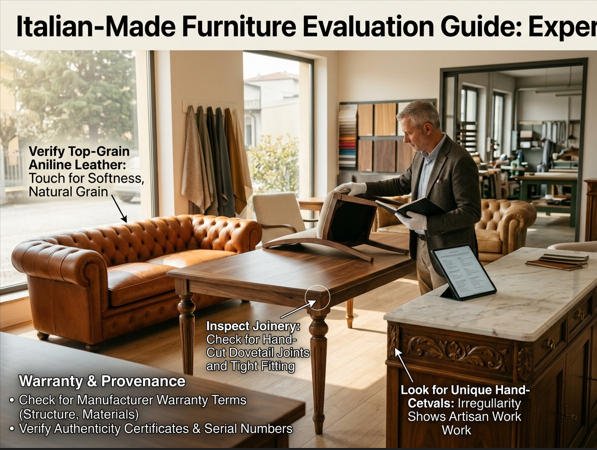
المعادن والتجهيزات والأدوات
أدوات النجارة وتأثيرها على العمر الافتراضي
تؤدي قطع التجهيزات المعدنية في الأثاث الإيطالي دورين: وظيفي (المفصلات، ومزلاج الأدراج، ودعامات الرفوف، ووصلات هيكل السرير) وزخرفي (المقابض، وأغطية الأقفال، والحوامل، والأرجل). وتحدد قطع التجهيزات الوظيفية المدة التي تعمل فيها القطعة بسلاسة؛ بينما تحدد قطع التجهيزات الزخرفية كيف تتغير مظهر القطعة بمرور الزمن.
يُعد نظام المفصلات المؤشر الأكثر دلالة على جودة الأجهزة الوظيفية. حيث تستخدم الشركات الإيطالية الراقية المتخصصة في تصنيع الخزائن وخزائن الملابس مفصلات أوروبية مخفية مصممة لتحمل ما بين 80,000 و200,000 دورة فتح (مثل العلامات التجارية مثل «ساليس»، التي يقع مقرها الرئيسي في كومو، أو بلوم من النمسا، التي تزود العديد من الشركات الإيطالية المصنعة). وتتميز هذه المفصلات بإمكانية الضبط ثلاثي الأبعاد (الارتفاع، والعمق، والاتجاه الجانبي)، مما يتيح إعادة ضبط الأبواب مع استقرار الخزانة بمرور الوقت. أما البدائل الاقتصادية — وهي عادةً مفصلات ثنائية الأبعاد غير ذات علامة تجارية مصنفة لـ 20,000–40,000 دورة — فتبدأ في الترهل في غضون 3–5 سنوات في ظل الاستخدام المنزلي اليومي. بمتوسط 8 مرات فتح يوميًا، تدوم المفصلة المصممة لـ 200,000 دورة حوالي 68 عامًا؛ بينما تدوم المفصلة المصممة لـ 25,000 دورة حوالي 8 أعوام. هذه الحسابات وحدها تبرر طلب مواصفات المفصلات عند تقييم أي خزانة مصنوعة في إيطاليا.
بالنسبة لأنظمة الأدراج، فإن المعيار المرجعي هو سكك التزيين المثبتة أسفل الدرج ذات الامتداد الكامل والإغلاق الناعم. تنتج الشركات المصنعة الإيطالية مثل Grass (من خلال شبكة التوزيع الإيطالية الخاصة بها) وSalice سككًا مصنفة لتحمل حمولة ديناميكية تتراوح بين 40 و80 كجم — مما يعني أن الدرج يمكنه استيعاب محتويات تزن 40–80 كجم مع استمراره في الانزلاق والإغلاق والانكماش التلقائي بسلاسة. الاختبار بسيط: اسحب الدرج المحمّل حتى أقصى مدى له ثم حرره. سيقوم نظام السكك عالي الجودة بسحب الدرج بسلاسة وإغلاقه بصمت في حركة محكومة تستغرق 2–3 ثوانٍ. أما النظام الاقتصادي فسيصدر صوتًا عاليًا، أو يرتد، أو يفشل في الانسحاب بالكامل.
خيارات من الفولاذ المقاوم للصدأ والنحاس والمطلية بالنحاس
تتبع مواد التجهيزات الزخرفية تسلسلاً هرمياً واضحاً من حيث الجودة، وهو ما يؤثر بشكل مباشر على مسار تقادم الأثاث.
نحاس صلب (سبيكة من النحاس والزنك، وعادةً ما تحتوي على نسبة 60–70% من النحاس في تركيبات الأثاث) هي المادة التقليدية المستخدمة في صناعة تركيبات الأثاث الإيطالية. تنتج تركيبات النحاس المصبوبة بطريقة الشمع المفقود — حيث يتم تغليف نموذج من الشمع بالسيراميك، ثم صهره وإزالته، واستبداله بالمعدن المنصهر — تركيبات ذات حواف مقوسة وعمق أبعاد وملمس سطحي لا يمكن للبدائل المختومة أو المصبوبة بالقالب محاكاتها. يكتسب النحاس الأصفر الصلب طبقة طبيعية من الباتينا بمرور الوقت: حيث تصبح الأسطح التي يتم لمسها لامعة، بينما تظهر في المناطق المقعرة طبقة أكسدة بنية دافئة، مما يخلق عمقًا بصريًا يعكس العمر والأصالة. تزن مقبض الدرج المصنوع من النحاس الصلب ما بين 150 و400 جرامًا؛ بينما تزن المقابض المماثلة المصبوبة بالقالب من الزنك ما بين 60 و120 جرامًا. ويُعد الوزن الذي تشعر به في يدك أسرع اختبار عملي.
الفولاذ المقاوم للصدأ (عادةً ما يكون من الفئة 304، سبيكة الكروم والنيكل بنسبة 18/8) يهيمن على قطع الأثاث الإيطالية المعاصرة. وتكمن ميزته في ديمومته: فالفولاذ المقاوم للصدأ لا يتغير لونه، ولا يتشكل عليه طبقة من الباتينا، ولا يتآكل في الظروف الداخلية العادية. أما عيبه، بالنسبة للمشترين الذين يقدرون الطابع الذي يكتسبه الأثاث مع مرور الزمن، فهو بالضبط نفس الشيء — فهو يبدو كما هو بعد 30 عامًا تمامًا كما كان بعد 3 أشهر. شركات الأثاث الإيطالي المعاصر مثل بوليفورم وتستخدم «ميسورا إيمي» قطعًا معدنية من الفولاذ المقاوم للصدأ ذات تشطيب مصقول أو ساتاني، وذلك تحديدًا لأن مظهرها المحايد لا يتنافس مع الخشب أو التنجيد.
مطلي بالنحاس تُعد هذه القطع المعدنية (قاعدة من الزنك أو الفولاذ مغطاة بطبقة من النحاس المطلي كهربائيًا يبلغ سمكها عادةً ما بين 5 و15 ميكرون) البديل الأقل تكلفةً للنحاس الصلب. وعندما تكون جديدة، فإنها تبدو متطابقة تمامًا من الناحية البصرية. بعد 3–7 سنوات من الاستخدام المنتظم، يتآكل الطلاء في نقاط التلامس — فيظهر على سطح مقبض السحب المعدن الأساسي الزنك ذو اللون الرمادي الفضي، بينما تظل الجوانب بلون النحاس. يُعد نمط التآكل هذا العلامة الدالة على أن الأجزاء المعدنية مطلية، وبمجرد ظهوره، لا يمكن عكسه دون إعادة الطلاء. عند تقييم الأثاث الإيطالي، اسأل عما إذا كانت القطع المعدنية الزخرفية مصنوعة من النحاس الصلب أم مطلية. لا يعني استخدام المصنع للقطع المعدنية المطلية بالضرورة أنه يقتصد في كل شيء آخر، ولكنه خيار لتوفير التكلفة يجب أن ينعكس في السعر.
مقارنة مواد الأجهزة
| العقارات | نحاس صلب (صب بالشمع المفقود) | الفولاذ المقاوم للصدأ (درجة 304) | الزنك المطلي بالنحاس | زماك مصبوب بالقالب |
|---|---|---|---|---|
| الوزن المعتاد (مقبض الدرج) | 150–400 غرام | 120–280 غرامًا | 60–120 غرامًا | 50–100 غرام |
| شخصية متقدمة في السن | تكتسب طبقة صدأ دافئة؛ وتزداد عمقًا مع الاستخدام | لم يطرأ أي تغيير ملحوظ على مدى عقود | يتآكل الطلاء خلال فترة تتراوح بين 3 و7 سنوات | تآكل الرقائق؛ تآكل المعدن الأساسي |
| دقة التفاصيل | الأعلى — التقطيعات السفلية، التدرجات النسيجية | مرتفع بالنسبة للأجزاء المُشغَّلة؛ معتدل بالنسبة للأجزاء المصبوبة | معتدل — محدود بسبب عملية الختم | منخفضة إلى متوسطة — يلزم وجود زوايا انسيابية |
| مؤشر التكلفة (النسبي) | 5× (قسط التأمين الأساسي) | 3× | 1.5× | 1× (الاقتصاد الأساسي) |
| مقاومة التآكل | جيد — يتعرض للتلف من الناحية الجمالية | ممتاز — يكاد يكون محصنًا في الأماكن المغلقة | ثغرات في عملية الطلاء مرة واحدة | ضعيف — عرضة للتآكل الأبيض |
| الاستخدام الموصى به | قطع إيطالية كلاسيكية/تقليدية؛ أثاث عائلي عريق | تصميم إيطالي معاصر/بسيط | أثاث تجاري من الفئة المتوسطة | الإنتاج المحدود الميزانية/الإنتاج بكميات كبيرة |
المصدر: مواصفات الشركات الأوروبية المصنعة للأجهزة؛ بيانات مقارنة مستمدة من المطبوعات المتخصصة في تجارة الأثاث الإيطالية
المفروشات والأغطية
الجلد مقابل الأقمشة: الإيجابيات والسلبيات والتأثيرات مع مرور الزمن
إن اختيار نوع التنجيد للأثاث الإيطالي — سواء كان جلدًا أم قماشًا — لا يقتصر في المقام الأول على الجانب الجمالي. بل هو قرار يتعلق بدورة حياة المنتج، وله آثار ملموسة على المتانة وتكلفة الصيانة وقيمة إعادة البيع على مدى 10 و20 و30 عامًا فأكثر.
جلد إيطالي كامل الحبيبة، مدبوغ نباتيًا يمثل أعلى مستوى من الجودة. يعتمد الدباغة النباتية على استخدام التانينات الطبيعية المستخلصة من لحاء الكستناء أو لحاء البلوط أو الميموزا — وهي عملية تستغرق ما بين 40 إلى 60 يومًا لكل جلد، مقارنةً بـ 1 إلى 2 يومًا في حالة الدباغة بالكروم. والنتيجة هي جلد يكتسب طبقة خارجية غنية مع الاستخدام، بدلاً من أن يتآكل ببساطة. عادةً ما يُظهر كرسي «بولترونا فراو» (Poltrona Frau) الذي يعود إلى حقبة الستينيات، والمُغطى بجلد مدبوغ نباتيًا، عمقًا لونيًا ومرونةً أفضل بعد ستة عقود — وهو مسار تطوري للمادة لا يمكن للجلد المدبوغ بالكروم أن يحاكيه، لأن أملاح الكروم تُثبّت بنية الألياف في حالة ثابتة تتدهور بدلاً من أن تتطور.
إن نظام تصنيف الجلود تتراوح هذه الأنواع من الجلد من «الأنيلين الكامل» (سطح غير معالج تمامًا يُظهر السمات الطبيعية للجلد، بما في ذلك الندوب والاختلافات) مرورًا بـ«شبه الأنيلين» (طبقة علوية واقية خفيفة فوق السطح الطبيعي) وصولاً إلى «الجلد المصبوغ/المُصحَّح» (طبقة سطحية سميكة تخفي مظهر الجلد الأصلي). الجلد الأنيليني الكامل هو الأغلى ثمناً والأكثر استجابةً لعملية الشيخوخة — فكل لمسة، وكل مرة استخدام، وكل انسكاب عرضي يصبح جزءاً من قصة الجلد. أما الجلد المصبوغ فهو الأكثر متانةً في مقاومة البقع والخدوش، لكنه يتقدم في العمر كسطح مطلي وليس كسطح طبيعي: فهو يبقى ثابتاً حتى يتشقق الطلاء في النهاية.
تنجيد من القماش في عالم الأثاث الإيطالي، يُقصد بهذه العبارة عادةً المنسوجات المصنعة في أوروبا: الكتان البلجيكي، ومزيج القطن والكتان الإيطالي، والأقمشة عالية الأداء التي تتراوح درجات مقاومة التآكل وفقًا لمقياس مارتيندال بين 40,000 و100,000+ دورة. (للإشارة، يُصنف تصنيف مارتيندال الذي يتجاوز 30,000 على أنه “مخصص للاستخدام المكثف” ومناسب للاستخدام التجاري.) يستخدم صانعو الأثاث المنجد الإيطاليون الذين يعملون بالطريقة التقليدية في بريانزا نظام نوابض مربوط يدويًّا بثمانية اتجاهات مع حزام من الجوت وحشو طبيعي (شعر الخيل، ألياف جوز الهند، لباد قطني) — وهي بنية تحافظ على شكلها ومرونتها لمدة تتراوح بين 30 و50 عامًا. وهذا يختلف اختلافًا جوهريًّا عن النوابض السلكية المتعرجة (“S”) المزودة برغوة البولي يوريثان، التي تنضغط بشكل دائم في غضون 5–8 سنوات في ظل الاستخدام المماثل.
معايير التنجيد المحلية مقابل المعايير الإيطالية
تختلف معايير التنجيد الإيطالية، التي تنظمها هيئة المعايير الوطنية الإيطالية (UNI) وتتوافق مع توجيهات الاتحاد الأوروبي، عن المعايير الأمريكية في عدة جوانب جوهرية. يجب أن يتوافق الأثاث الأوروبي المباع في السوق الأوروبية مع معايير مقاومة الحريق (EN 1021-1 و EN 1021-2 فيما يتعلق بالاشتعال الناتج عن السيجارة المشتعلة واللهب المكافئ لعود الثقاب)، ولكن هذه المعايير أقل تقييدًا فيما يتعلق بمثبطات اللهب الكيميائية مقارنة بالمعايير الأمريكية (خاصة معيار كاليفورنيا TB 117-2013، الذي كان دافعًا تاريخيًا للاستخدام المكثف لمثبطات اللهب الكيميائية في رغوة الأثاث المنزلي). وهذا يعني أن الأثاث المنجد الإيطالي الذي يُباع في أوروبا غالبًا ما يحقق الامتثال لمعايير مقاومة الحريق من خلال مواد مقاومة للحريق بطبيعتها — مثل الصوف، والقطن المعالج، وتركيبات الرغوة عالية المرونة — بدلاً من اللجوء إلى المعالجات الكيميائية المضافة. بالنسبة للمشترين المهتمين بالصحة، يمكن أن يكون هذا الفرق مهمًا: فالمحتوى المنخفض من مثبطات اللهب الكيميائية يعني انخفاض خطر انبعاث الغازات على مدار عمر الأثاث.
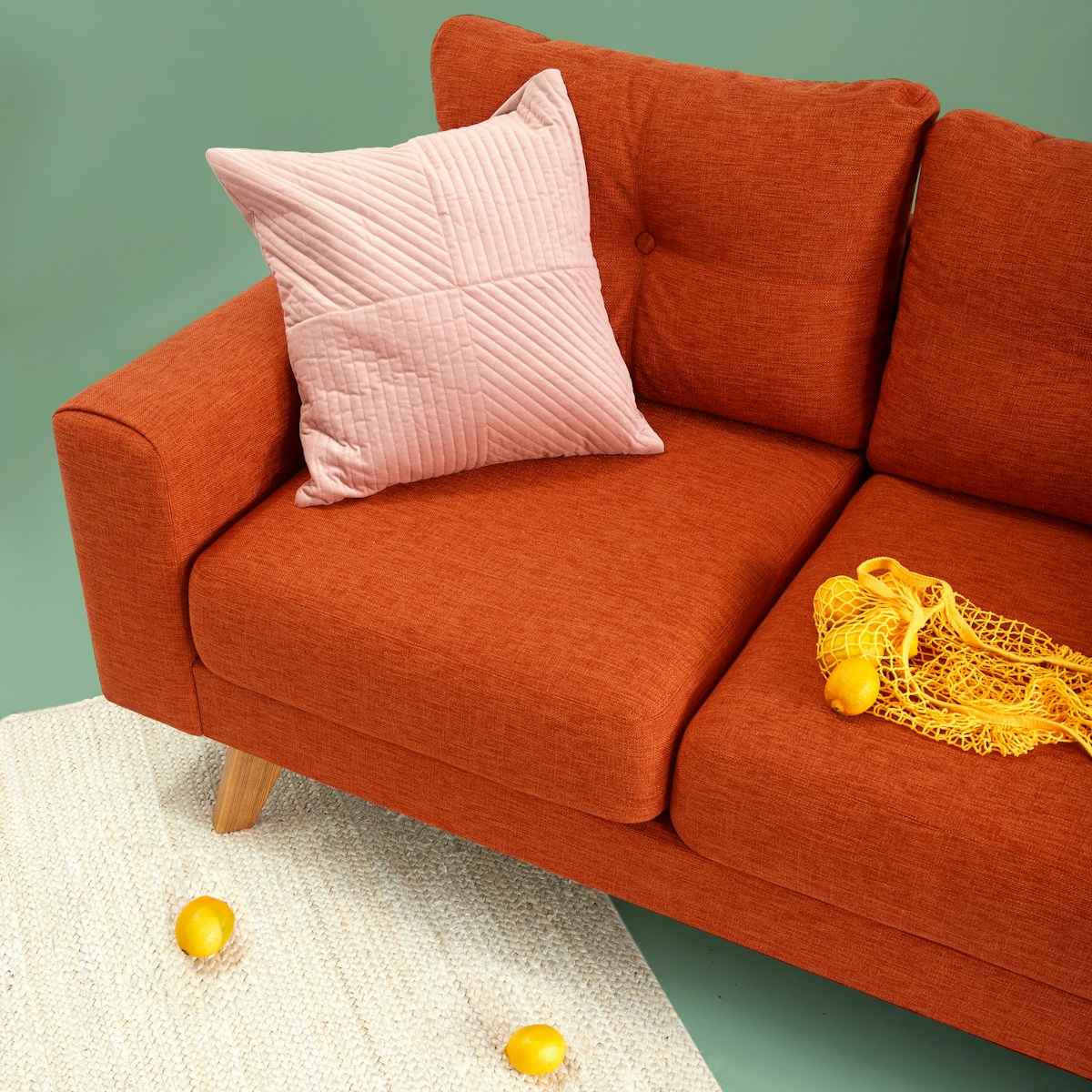
الحرفية: الحرف اليدوية مقابل الإنتاج على نطاق واسع
تقنيات التشطيب اليدوي وتأثيرها على الملمس
لا يكمن الفرق بين الأثاث الإيطالي المصنوع يدويًّا والأثاث المصنوع على نطاق صناعي في كونه مصنوعًا يدويًّا مقابل كونه مصنوعًا آليًّا — فهذا التصنيف الثنائي مضلل. بل يكمن الفرق الحقيقي في تحديد العمليات التي تُنفَّذ يدويًّا وأسباب ذلك.
في ورشة عمل إيطالية مرموقة، تتولى الآلات العمليات التي تكتسب فيها الدقة والتكرار أهمية قصوى: التشكيل الأولي (التسوية، والتوصيل، والقطع حسب العرض والطول)، والحفر (ثقوب مفصلات الأبواب، وثقوب المسامير)، والتشكيل باستخدام الحاسب الآلي (CNC) للمقاطع المعقدة. ويُخصص العمل اليدوي للعمليات التي يضيف فيها الحكم البشري قيمة لا يمكن الاستغناء عنها: مثل ضبط الوصلات وفقًا للتفاوت المسموح به (يقوم نجار ماهر بضبط كل وصلة من نوع «المورتيس آند تينون» باللمس، حيث يقوم بتقليص الخشب بزيادات قدرها 0.1 ملم حتى تستقر الوصلة بالتوازن الصحيح بين الاحتكاك والضيق)، ونحت العناصر الزخرفية (حيث يتغير اتجاه عروق الخشب باستمرار ويتطلب اتخاذ قرارات فورية بشأن مسار الأداة)، وتشطيب الأسطح (حيث يقرأ اليد التي تضع طبقة اللك أو تمسح بالزيت بمفرشها معدل امتصاص السطح وتضبط الضغط والسرعة وفقًا لذلك).
الفرق الملموس قابل للقياس. فالسطح المُشطَّب يدويًّا يُظهر تباينات دقيقة — تباينات طفيفة في سماكة طبقة الطلاء، وعلامات اتجاهية خفية ناتجة عن استخدام الوسادة أو الفرشاة — والتي تلتقطها البشرة على أنها دفء وملمس طبيعي. أما الطلاء المطبق بالرش فهو أملس بشكل موحد على المستوى الدقيق، وهو ما تلتقطه البشرة على أنه “اصطناعي” حتى لو لم تستطع تحديد السبب. وقد توصل باحثون في جامعة ميلانو التقنية وقد أثبتت دراسات الإدراك اللمسي أن المشاركين في التجربة صنفوا باستمرار الأسطح الخشبية المصقولة يدويًّا على أنها ذات جودة أعلى من الأسطح المصقولة آليًّا من نفس المادة، حتى عندما كانت أعينهم معصوبة — حيث تكتشف أطراف الأصابع خصائص السطح التي تفوتها العين.
عمليات التصنيع التي تحاكي جودة الصناعة اليدوية
وقد استثمرت منشآت الإنتاج الإيطالية الحديثة — من النوع الذي تديره شركات مثل B&B Italia وPoltrona Frau وNatuzzi — استثمارات ضخمة في العمليات التي تحاكي النتائج الحرفية بكميات أكبر. فأنظمة النحت التي تعمل بالتحكم الرقمي (CNC) المزودة برؤوس ذات 5 محاور قادرة على إعادة إنتاج تصميم نحات بارع بدقة تقل عن المليمتر عبر مئات الوحدات. وتحقق خطوط الرش الآلية المزودة بتقنية التطبيق الكهروستاتيكي اتساقًا في التشطيب (يُقاس بتباين سماكة الطبقة) أكثر دقةً من أي عامل بشري. كما تنتج أنظمة الخياطة الروبوتية طبقات تنجيد تتميز بدقة في كثافة الغرز لا يمكن للخياطة اليدوية الحفاظ عليها على مدى مسارات خياطة طويلة.
السؤال الذي يطرحه المشترون ليس “هل صُنع هذا يدويًّا؟” — بل “هل توفر طريقة الإنتاج الأداء المادي الذي أحتاجه؟” ففي مشروع ضيافة يتطلب 200 كرسي طعام متطابق، يوفر الإنتاج المصنعي الذي يعتمد على وصلات مقطوعة بتقنية CNC والتشطيب الآلي التناسق والالتزام بالجدول الزمني، وهو ما لا يستطيع الإنتاج اليدوي تحقيقه. أما بالنسبة لمنزل خاص يطلب طاولة طعام واحدة من خشب الجوز، فإن الإنتاج في الورشة باستخدام وصلات مركبة يدويًّا وتلميع فرنسي يوفر الطابع المميز للمواد الذي لا يمكن للإنتاج المصنعي توفيره. وكلاهما طريقتان صالحتان للإنتاج الإيطالي، وكلاهما قادر على إنتاج أثاث ممتاز. وتتمثل مهمة المشتري في مطابقة طريقة الإنتاج مع الغرض من الاستخدام. وهناك مصنعون مثل أثاث النمل اليشم تخدم هذه النقطة الوسطى — حيث تجمع بين الهندسة الدقيقة والتشطيب اليدوي لتوفير اتساق على نطاق الإنتاج مع طابع حرفي ملموس.
عمليات الإنتاج ومراقبة الجودة في إيطاليا
إشارات «صنع في إيطاليا»: ضوابط من المصدر
تخضع علامة “صنع في إيطاليا” الموضوعة على الأثاث لأحكام المعيار UNI 11674:2017, ، الذي يحدد معايير إعلان المنشأ الإيطالي. وبموجب هذا المعيار — الذي تم التحقق منه من قبل COSMOB و CATAS, ، وفقًا لمختبري اختبار الأثاث الإيطاليين الرئيسيين — لا يُعتبر قطعة الأثاث “من أصل إيطالي” إلا إذا تم تصميمها وتصنيع جزء كبير منها داخل الأراضي الإيطالية. ويُعد هذا معيارًا مهمًا: فالقطعة التي صُممت في ميلانو ولكن تم تصنيعها بالكامل في رومانيا أو الصين لا تستوفي هذا الشرط، بغض النظر عن وجود المقر الرئيسي للعلامة التجارية في إيطاليا.
تقوم عملية الاعتماد بتقييم سلسلة الإنتاج من خلال عمليات تدقيق المصانع، وفحوصات تتبع المواد، ومراجعة وثائق الإنتاج. شركات مثل سكافوليني و فينيتا كوتشيني وقد حصلت هذه الشركات على شهادات صالحة لمدة ثلاث سنوات قابلة للتجديد — وهو التزام ينطوي على إتاحة سجلات الإنتاج للمراجعين الخارجيين. وبالنسبة للمشترين، فإن وجود شهادة UNI 11674 على المنتج يُعد أقوى دليل متاح على صحة ادعاءات المنشأ الإيطالي للأثاث.
عمليات فحص الجودة في مراحل الإنتاج المختلفة
عادةً ما يتبع إنتاج الأثاث الإيطالي نظام جودة «المراحل والبوابات» — وهو عبارة عن سلسلة من نقاط الفحص المدمجة في مسار التصنيع، بدلاً من تطبيقها كفحص نهائي واحد.
في مرحلة استلام المواد, ، يتم التحقق من نسبة الرطوبة في الخشب (القيمة المستهدفة: 8–12% للأثاث الداخلي، ويتم قياسها باستخدام مقياس رطوبة بدبوس أو بدون دبوس). يتم فحص الجلود للتأكد من عدم وجود عيوب سطحية، وتوحيد السماكة (التفاوت المسموح به: ±0.2 مم)، واتساق عملية الدباغة. كما يتم فحص المكونات المعدنية مقارنةً بصحائف المواصفات للتأكد من دقة الأبعاد ووظائفها.
في مرحلة التصنيع, ، يتم إجراء تجربة تركيب الوصلات قبل لصقها بالغراء. يجب أن يتطلب تركيب الوصلة ذات النقر واللسان المُحكمة ضغطًا يدويًّا معتدلاً أو نقرًا خفيفًا بالمطرقة لتثبيتها — فإذا انزلقت الأجزاء معًا بحرية، فهذا يعني أن التركيب فضفاض جدًّا؛ أما إذا تطلب الأمر قوة كبيرة، فإن التركيب قد يؤدي إلى تشقق جدران النقر. عادةً ما تتراوح التفاوتات المسموح بها في الأبعاد بالنسبة لأعمال النجارة الإيطالية الفاخرة بين ±0.1–0.2 مم — وهي ضيقة بما يكفي لوصلة مقفلة بالاحتكاك، ولكنها ليست ضيقة لدرجة أن تؤدي حركة الخشب إلى حدوث كسور إجهادية.
في مرحلة الإنجاز, ، تُفحص الأسطح تحت ضوء مائل (مصدر ضوء بزاوية منخفضة يكشف عن التفاوتات السطحية التي لا يمكن رؤيتها تحت الإضاءة المنتشرة). يُقاس سمك الطبقة باستخدام مقياس مغناطيسي أو مقياس التيارات الدوامة — وعادةً ما يتراوح سمك السطح المصقول بالطريقة الفرنسية بين 50 و100 ميكرون؛ بينما يتراوح سمك السطح المطلي بورنيش البوليستر بين 200 و400 ميكرون. ويتم التحقق من تطابق الألوان بين المكونات مقارنةً بلوحة مرجعية تم تحديدها أثناء اعتماد العينة.
في مرحلة التجميع النهائي والتعبئة, ، يتم إجراء اختبار وظيفي للقطعة الكاملة: حيث تُفتح الأدراج وتُغلق، وتُفتح الأبواب وتُغلق على كامل نطاقها، ويتم تشغيل أجزاء التمديد في الطاولات، كما تُخضع جميع الوصلات المتحركة لأحمال لاختبار أدائها. ويسمح هذا النهج متعدد المراحل — بدلاً من الاكتفاء بفحص نهائي واحد — باكتشاف العيوب في أقرب مرحلة ممكنة، حيث يكون تصحيحها أقل تكلفة وأكثر فعالية. وتشير ورش العمل الإيطالية الراسخة التي تعمل بهذه الطريقة إلى أن معدلات العيوب الحرجة في المنتجات النهائية تقل عن 1%.
أين تنشأ مشكلات الجودة عادةً في صناعة الأثاث الإيطالي

المصدر: بيانات مجمعة عن العيوب من 22 مصنعًا إيطاليًا للأثاث، تم الإبلاغ عنها من خلال عمليات تدقيق الجودة التي أجرتها CATAS، 2023–2024. وتشكل عيوب التشطيب الحصة الأكبر (30%)، تليها أخطاء النجارة (25%).
التخصصات الإقليمية والشركات الإيطالية ذات السمعة الطيبة
مراكز التصميم (فينيتو، لومبارديا، ماركي) وما تمثله
يتركز إنتاج الأثاث الإيطالي في تجمعات جغرافية متميزة، لكل منها تقاليد حرفية متخصصة تشكلت بفعل المواد المحلية، والرعاية التاريخية، والخبرة المتراكمة. ومعرفة المنطقة التي تنتمي إليها قطعة ما يتيح لك معرفة نوع التقاليد الحرفية التي تقف وراءها.
لومبارديا (منطقة بريانزا), ، التي تتمركز حول مدن كانتو وليسون وميدا شمال ميلانو، هي أكبر منطقة لإنتاج الأثاث في إيطاليا. المنطقة منطقة بريانزا تضم أكثر من 4,000 ورشة عمل توظف ما يزيد عن 30,000 حرفي — وهو تركيز يمثل حوالي 30% من إجمالي إنتاج إيطاليا من الأثاث. تتمثل تخصصات بريانزا في دمج الهندسة الإنشائية مع حرفة التنجيد: هياكل من خشب الزان والبتولا (يتم اختيارها لخصائصها في الانحناء بالبخار وقدرتها على تثبيت البراغي) مزودة بأنظمة نوابض مربوطة يدويًا، وجلد فاخر، ومنسوجات عالية الأداء. وتحتفظ العلامات التجارية الرائدة في المنطقة — كاسينا، ومولتيني آند سي، وبولترونا فراو، وجيورجيتي، وفليكسفورم — جميعها بمرافق إنتاج رئيسية هنا، مستفيدة من الخبرة العميقة للقوى العاملة المحلية في مجال التنجيد والتشطيب.
فينيتو تتمتع بتقاليد في صناعة الأثاث تشكلت بفضل تجارة البندقية التي امتدت لقرون مع الأسواق العثمانية وآسيا الشرقية. وقد طورت ورش العمل البندقية تقنيات متخصصة في طلاء الورنيش — اللاكا الفينيسية (الورنيش الفينيسي) و لاكا بوفيرا (طلاء الديكوباج) — الذي يتضمن وضع عشرات الطبقات الملونة من الطلاء، حيث يتم فرك كل طبقة وتلميعها يدويًّا، لإنشاء أسطح تتميز بعمق وإشراقة تذكران بالأحجار الكريمة أكثر من الخشب. تعد منطقة فينيتو أيضًا المصدر الرئيسي في إيطاليا لقشرة خشب الجوز والزيتون المزخرفة — تلك الأنماط الدوامة وغير المتوقعة للعروق الناتجة عن نمو العقد في الجذور والجذوع، والتي يستخدمها الصناع الإيطاليون كأسطح مميزة على أبواب الخزائن وأسطح الطاولات. وتواصل دور الأثاث الفينيسية المعاصرة تطوير هذه التقنيات: حيث تظل الخزائن المطلية بالورنيش عالي اللمعان وقشور الخشب المميزة من السمات المميزة لمنطقة فينيتو.
مارش, ، التي تتمركز حول المنطقة الصناعية في بيزارو، تُعد مركز صناعة المطابخ والأثاث المعياري في إيطاليا. ويميل نموذج الإنتاج في هذه المنطقة إلى الطابع الصناعي أكثر من بريانزا أو فينيتو — حيث يتميز بكميات أكبر، وأتمتة أعلى، وتسعير أكثر تنافسية — لكنه لا يزال يعمل ضمن إطار الجودة الإيطالي القائم على استخدام المواد المحلية، والإنتاج الداخلي، ومراقبة الجودة على مراحل. وتُعد شركتا «سكافوليني» و«بيرلوني»، اللتان يقع مقرهما الرئيسيان في بيزارو، مثالين على نهج ماركي: تصنيع إيطالي على نطاق واسع يوفر جودة ثابتة بأسعار أقل من فئة منتجات بريانزا الحرفية، لكنها أعلى بكثير من أسعار الخزائن المستوردة العادية.
توسكانا (فلورنسا والمناطق المحيطة بها) لا تزال فلورنسا مركزًا للأثاث المنحوت من خشب الجوز والتطعيم التصويري. وتتخصص ورش العمل الفلورنسية في صناعة طاولات الكونسول المنحوتة، والخزائن ذات الطراز المعماري، وترميم الأثاث الإيطالي التاريخي — وهي مهارات تتطلب معرفة عميقة بالمواد وفترات تدريب طويلة (تتراوح بين 7 و10 سنوات ليصبح المرء نحاتًا محترفًا). وإذا كان المشروع يتطلب عناصر منحوتة أو مطعمة مصنوعة بالطريقة التقليدية، فإن ورشات العمل التوسكانية هي المورد الرئيسي.
كيفية تقييم محفظة أعمال المصمم وسجل عملائه
تُظهر لك محفظة أعمال الصانع ما يمكنه صنعه؛ بينما يُظهر لك سجل عملائه ما إذا كان ما يصنعه يحافظ على أدائه مع مرور الوقت. عند تقييم صانع أثاث إيطالي، اطلب الاطلاع على كليهما.
في محفظة الأعمال، ابحث عن التنوع في إطار الاتساق: هل يستطيع المصمم تنفيذ أنماط تصميمية مختلفة (كلاسيكية، انتقالية، معاصرة) مع الحفاظ على معايير جودة المواد الواضحة في جميعها؟ فالورشة التي تنتج قطعًا باروكية منحوتة رائعة، لكنها تنتج أثاثًا معاصرًا بخطوط بسيطة متوسط الجودة، تتمتع بعمق حرفي، لكنها قد تفتقر إلى الدقة الهندسية اللازمة للتصاميم البسيطة التي لا تحتوي على زخارف تشتت الانتباه عن عيوب التركيب والتشطيب.
في سجل العملاء، اطلب مراجع من مشاريع تم إنجازها منذ 5 إلى 10 سنوات — وليس فقط المشاريع التي تم تسليمها مؤخرًا. فالأثاث الجديد يبدو دائمًا في حالة جيدة. أما الاختبار الحقيقي فهو ما إذا كانت أعمال النجارة لا تزال متينة، وما إذا كان التشطيب قد صمد أمام مرور الزمن، وما إذا كان التنجيد قد حافظ على شكله بعد سنوات من الاستخدام الفعلي. سيقدم الصانع الواثق من عمله مراجع طويلة الأمد دون تردد. أما الصانع الذي يتجنب هذا الطلب أو يقدم شهادات من الأشهر الـ12 الماضية فقط، فقد يكون يخفي مشكلات في المتانة تستغرق وقتًا حتى تظهر.
الضمانات، وشروط الضمان، والتزامات الخدمة
نطاق ومدة الضمانات
تختلف شروط الضمان الخاصة بالأثاث الإيطالي بشكل كبير حسب فئة الشركة المصنعة وفئة المنتج. إن فهم الشروط القياسية — والانحرافات المهمة عنها — يحمي استثمار المشتري ويحدد توقعات واقعية فيما يتعلق بخدمات ما بعد البيع.
ينص توجيه الاتحاد الأوروبي بشأن حقوق المستهلك على توفير ضمان لمدة لا تقل عن سنتين على جميع السلع الاستهلاكية التي تُباع داخل الاتحاد الأوروبي. ويُعد هذا الحد الأدنى القانوني، وليس مؤشراً على الجودة — حيث يتعين على كل مصنع يبيع منتجاته في الاتحاد الأوروبي توفيره. أما التمييز بين المنتجات فيبدأ عند تجاوز هذا الحد الأدنى.
عادةً ما تنظم الشركات الإيطالية الرائدة ضماناتها على مستويات متدرجة. B&B إيطاليا, ، على سبيل المثال، تضمن الأغطية والأرجل والمواد والملحقات والآليات لمدة 26 شهراً من تاريخ التصنيع. وتمدد بعض العلامات التجارية الإيطالية الفاخرة الضمانات الهيكلية لتصل إلى 5–10 سنوات — لتشمل الهيكل، وأعمال النجارة، وأنظمة النوابض التي تشكل الهيكل الحامل للأثاث. التصميمات الداخلية الإيطالية الفاخرة تقدم ضمانًا لمدة 5 سنوات ضد العيوب الهيكلية، يغطي الأعطال المتعلقة بالمواد أو الصنعة — أي انفصال أحد الوصلات، أو تشقق أحد أجزاء الهيكل، أو تعطل نظام النوابض في ظل الاستخدام العادي.
المصدر: تم تجميع البيانات من شروط الضمان المنشورة لـ 15 شركة إيطالية لتصنيع الأثاث عبر ثلاثة مستويات سوقية، 2024–2025.
ما الذي تغطيه الضمانات عادةً وما الذي تستبعده
تغطي الضمانات القياسية للأثاث الإيطالي العيوب في المواد والتصنيع — أي العيوب التي كانت موجودة وقت التصنيع ولكن لم يتم اكتشافها أثناء فحص الجودة. فعلى سبيل المثال، يُعد انفصال أحد مفاصل الهيكل أثناء الاستخدام العادي خلال فترة الضمان عيبًا مشمولًا بالضمان. كما يُعد ظهور ترحيل الصبغة (انتقال اللون) من سطح جلدي إلى الملابس خلال السنة الأولى عيبًا مشمولًا بالضمان.
ما هي الضمانات التي تُقدم باستمرار استبعاد: الأضرار الناتجة عن الاستخدام غير السليم (تحميل الرف فوق طاقته، الجلوس على الطاولة)، والأضرار الناتجة عن الظروف البيئية خارج النطاق المحدد (الرطوبة المفرطة، التعرض المباشر لأشعة الشمس، القرب من مصادر الحرارة)، والتآكل الطبيعي والتقادم (تغير لون الجلد بمرور الوقت، بروز عروق الخشب، تآكل طفيف في الطلاء في المناطق المعرضة للتلامس المتكرر)، التلف الناتج عن الإصلاح أو التعديل غير المصرح به، والتلف الذي يحدث أثناء النقل بعد خروج المنتج من نطاق سيطرة الشركة المصنعة.
أهم استثناء يجب فهمه هو “البلى العادي”.” يُعرِّف المصنعون الإيطاليون هذا الأمر بشكل عام — وهو تعريف مشروع. فالتليين التدريجي للجلد، والتغميق الطفيف لخشب الجوز، والخدوش الدقيقة التي تظهر على الأسطح المطلية بالشمع نتيجة الاستخدام اليومي: كل هذه سمات تشيخ المواد الطبيعية وفقًا لتصميمها، وليست عيوبًا. والمشتري الذي يشتري جلداً من نوع «فول أنيلين» متوقعاً أن يظل مظهره دون تغيير بعد خمس سنوات يكون قد أساء فهم هذه المادة، وليس أنه تلقى منتجاً معيباً. والتجار ذوو السمعة الطيبة — بما في ذلك شركاء مثل أثاث النمل اليشم, ، التي توفر مع كل طلب إرشادات مفصلة حول العناية بالمنتجات — يجب توضيح هذه التوقعات عند نقطة البيع لتجنب النزاعات التي تنشأ بعد الشراء نتيجة سوء فهم بشأن المنتج، وليس بسبب عيب حقيقي في الجودة.
التحقق من الأصالة والمصدر والأصل
كيفية التحقق من صحة ملصقات بلد المنشأ
تخضع ادعاءات بلد المنشأ على الأثاث للتنظيم، لكن تطبيقها غير كامل. تحدد قواعد المنشأ غير التفضيلية للاتحاد الأوروبي المنشأ بناءً على المكان الذي حدث فيه “التحويل الجوهري الأخير” — وهو معيار يخلق مناطق رمادية. فطاولة أرجلها مصنوعة في رومانيا، وسطحها مغطى بقشرة خشبية في صربيا، ويتم تجميعها وتشطيبها في إيطاليا، يجوز قانونًا أن تحمل علامة “صنع في إيطاليا” إذا كان التشطيب والتجميع الإيطاليان يشكلان “تحولًا جوهريًا”. أما ما إذا كان ذلك يلبي توقعات المشتري أم لا، فيعتمد على تعريف المشتري لمصطلح “صنع في إيطاليا”.”
للتحقق من صحة ادعاءات المنشأ بما يتجاوز الحد الأدنى القانوني، اطلب ثلاث وثائق: وهي شهادة UNI 11674 (إذا كانت الشركة المصنعة قد حصلت عليه — وهذا الأمر طوعي حاليًا، وليس إلزاميًا)، أ وصف عملية الإنتاج الذي يحدد العمليات التي تتم في إيطاليا وتلك التي يتم الاستعانة بمصادر خارجية لتنفيذها، و ملخص مصادر المواد التي تحدد مصدر المواد الأولية (أنواع الأخشاب ومنطقة المنشأ، ومصنع دباغة الجلود والبلد، ومورد قطع التجهيزات). وسيقدم المصنعون الذين يعملون بشفافية هذه المعلومات دون تردد. أما المصنعون الذين يعملون بطريقة غير شفافة فسوف يقاومون ذلك — وهذه المقاومة بحد ذاتها تعطي مؤشراً.
المستندات المطلوبة (الشهادات، أرقام التسلسل، أدلة الرعاية)
عند الشراء، اطلب مجموعة المستندات التالية — وكن حذراً تجاه أي مصنع أو تاجر لا يستطيع تقديمها:
شهادة الأصالة أو المنشأ — وثيقة تحدد هوية الشركة المصنعة وموقع منشأة الإنتاج وتاريخ التصنيع. وبالنسبة للشركات المصنعة الحاصلة على شهادة UNI 11674، تحمل هذه الشهادة علامة هيئة الاعتماد (عادةً CATAS أو COSMOB).
ورقة مواصفات المواد — تحديد أنواع الخشب (بالاسم الشائع والاسم النباتي)، ونوع الطلاء واسم المنتج، ودرجة جودة مادة التنجيد ومنشأها، والعلامة التجارية للمفصلات ومواد صنعها. ويُعد هذا المستند مرجعاً لأعمال الصيانة والترميم في المستقبل.
الرقم التسلسلي أو رقم الدفعة — معرّف فريد يربط القطعة الفردية بسجلات الإنتاج. وفي حالات المطالبات المتعلقة بالضمان، يتيح هذا الرقم للشركة المصنعة تتبع مصدر القطعة إلى دفعات مواد وعمليات إنتاج محددة، مما يسرع عملية التشخيص وحل المشكلة.
دليل العناية والصيانة — أن يكون مخصصًا للمواد والتشطيبات المستخدمة في القطعة نفسها، وليس مجرد كتيب عام. فوجود دليل العناية الذي ينص على “التنظيف بالماء والصابون المعتدل” لسطح مصقول بالطريقة الفرنسية يعد خطأً (حيث أن الشيلاك الذي يحتوي على الكحول يذوب عند ملامسته للماء)، ويشير إلى أن الوثيقة لم تُعد بناءً على معرفة حقيقية بالمواد.
كيفية تقييم القيمة والعمر الافتراضي
اعتبارات تكلفة دورة الحياة
السعر المعلن للأثاث ليس مؤشراً دقيقاً لتكلفته الفعلية. المقياس الهام هو التكلفة السنوية للملكية: سعر الشراء مضافًا إليه تكاليف الصيانة على مدار العمر الافتراضي للأثاث، مقسومًا على عدد سنوات الاستخدام. ويُظهر هذا الحساب باستمرار أن الأثاث الإيطالي عالي الجودة يتفوق على البدائل المنتجة بكميات كبيرة — ليس بفارق ضئيل، بل بمعدل يتراوح بين ضعفين وثلاثة أضعاف.
لنأخذ مثالاً ملموساً وثّقه تصاميم مايكل أنجلو في عام 2025: أريكة إيطالية من طراز $12,000 ذات هيكل من خشب الزان الصلب، ونوابض مربوطة يدويًّا بثمانية اتجاهات، ومغطاة بجلد مدبوغ نباتيًّا. إذا تمت صيانتها بشكل سليم، فإن هذه الأريكة توفر أكثر من 60 عامًا من الخدمة — بتكلفة سنوية تبلغ $200. أما الأريكة المُنتجة بكميات كبيرة بسعر $3,000، ذات الإطار المصنوع من الخشب اللين/الخشب الرقائقي، والزنبركات المتعرجة، والجلد المركب المدبوغ بالكروم، فتوفر 7 سنوات من الخدمة قبل أن ينهار الإسفنج، ويتشقق الجلد، ويتراخى الإطار. وعند استبدالها كل 7 سنوات، تبلغ تكلفة الأريكة “الميسورة” $428 سنويًّا — أي أكثر من ضعف تكلفة القطعة الإيطالية. على مدى 60 عامًا، تبلغ تكلفة مسار الإنتاج الضخم $25,680 في عمليات الاستبدال التراكمية مقابل $12,000 للقطعة الإيطالية الأصلية، بالإضافة إلى أن القطعة الإيطالية تحتفظ بقيمة متبقية في السوق الثانوية بينما تُرمى البدائل المنتجة بكميات ضخمة في مكبات النفايات.
المفاضلات بين السعر والمواد والجودة الحرفية
ينطوي كل شراء للأثاث على مفاضلات، وفهم كيفية توزيع الميزانية يؤدي إلى نتائج أفضل من مجرد شراء الخيار الأرخص أو الأغلى المتاح.
أكبر مخصصات الميزانية من حيث التأثير هي الهياكل والنجارة — الهيكل الأساسي الذي يحدد العمر الافتراضي للقطعة. فالإطار المصنوع بتقنية «المورتيس آند تينون» من خشب الزان المجفف في الفرن (بنسبة رطوبة تتراوح بين 8 و10%، وفقًا لمواصفات الشركات الإيطالية الموثوقة) سيدوم لعقود أطول من أي مكون آخر. وإذا اضطرتك الميزانية إلى التنازل عن شيء ما، فتنازل عن التنجيد (الذي يمكن استبداله) أو التشطيب (الذي يمكن تجديده)، ولا تتنازل أبدًا عن بنية الإطار.
ثاني أكبر تخصيص من حيث التأثير هو أنظمة النوابض والوسائد — المكونات التي تحدد مستوى الراحة اليومية. تبلغ تكلفة النوابض المربوطة يدويًّا بثمانية اتجاهات، والمزودة برغوة عالية المرونة وغطاء من الألياف الطبيعية، ما بين 3 إلى 5 أضعاف تكلفة النوابض المتعرجة المزودة برغوة عادية، لكنها تحافظ على مستوى الدعم الذي توفره لمدة أطول بما يتراوح بين 6 إلى 10 أضعاف. وهنا يصبح “اختبار الجلوس” أمرًا ضروريًا: اجلس على القطعة لمدة 5 دقائق على الأقل، وقم بتغيير وضعيتك، ثم قف واجلس مرة أخرى. تستعيد الأنظمة الفاخرة شكلها على الفور؛ بينما تظهر الأنظمة الاقتصادية انخفاضًا واضحًا في الشكل في غضون ثوانٍ.
التخصيص الثالث — المواد والتشطيبات الظاهرة — وهنا تدخل التفضيلات الجمالية بشكل مشروع في المعادلة. فالسطح المصنوع من خشب الجوز والمطلي بالورنيش الفرنسي يتفوق من الناحية المادية على السطح المصنوع من خشب البلوط والمطلي بالبولي يوريثان، لكن كلمة “متفوق” في هذا السياق تعني “يتقدم في العمر بشكل أجمل” — وكلا الخيارين سليمان من الناحية الهيكلية. وتكمن المفاضلة في الميزانية هنا بين قطعة تتحسن مظهرياً على مدى عقود (المواد والتشطيبات التقليدية) وقطعة تحافظ على مظهرها الأصلي ثم تتدهور (التشطيبات الصناعية الحديثة).
مقارنة تكاليف دورة الحياة: الأثاث الإيطالي مقابل الأثاث المُنتج بكميات كبيرة
| عامل التكلفة | أريكة إيطالية فاخرة | أريكة منزلية من الفئة المتوسطة | الواردات المُنتجة بكميات كبيرة |
|---|---|---|---|
| سعر الشراء | $12,000 | $5,500 | $3,000 |
| العمر المتوقع | أكثر من 60 عامًا | 15–20 سنة | 5–7 سنوات |
| تكلفة الصيانة السنوية | $40 (عناية بالجلد، شمع) | $30 | $20 |
| عمليات الاستبدال على مدى 60 عامًا | 0 (عملية تجديد تنجيد واحدة بتكلفة تبلغ حوالي $3,000) | 2–3 بدائل | 8–11 بديلًا |
| التكلفة الإجمالية على مدى 60 عامًا | $17,400 | $18,300–$24,050 | $25,680–$34,800 |
| التكلفة السنوية للملكية | $290 | $305–$401 | $428–$580 |
| القيمة المتبقية بعد 30 عامًا | 30–50% من سعر الشراء | <5% | $0 (تم التخلص منه) |
المصادر: تحليل دورة الحياة الذي أجرته شركة «ميشيلانجيلو ديزاينز» (2025)؛ بيانات تتبع تكاليف مشاريع عملاء شركة «جيد آنت» للأثاث؛ معايير دورة الاستبدال في القطاع
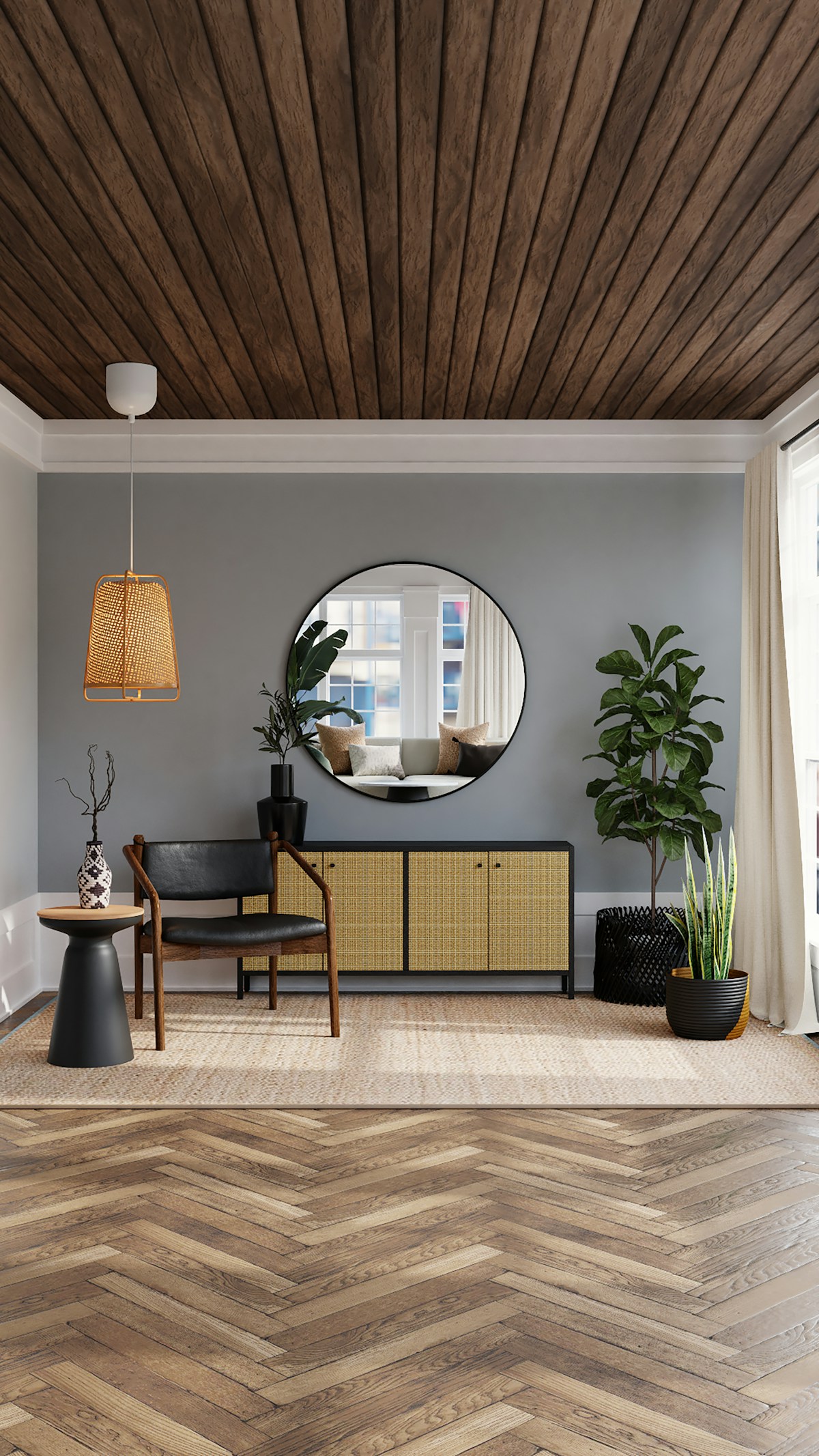
نصائح للشراء: البحث والتفاوض والرعاية اللاحقة
أسئلة يجب طرحها على التجار والحرفيين
الأسئلة التي تطرحها قبل الشراء تكشف عن جودة الأثاث أكثر من أي فحص بصري مهما كان دقيقًا. وفيما يلي الأسئلة العشرة التي يستخدمها مشترو الأثاث والمصممون المتمرسون — وقد صُمم كل سؤال منها لاستخلاص معلومات محددة عن الجودة، والتي عادةً ما تحجبها المواد التسويقية.
1. ما هي أنواع الخشب التي صُنع منها الإطار، وما هو معدل الرطوبة عند التسليم؟ الإجابة الموثوقة: اسم نوع محدد (الزان، البتولا، الجوز) ونسبة رطوبة محددة (8–12%). الإجابة المراوغة: “خشب صلب” أو “خشب مختار” دون تحديد النوع.
2. ما هي طريقة التجميع المستخدمة لربط مكونات الإطار؟ إجابة موثوقة: ربط بنظام «المرتيس والتينون»، أو معزز بمسامير خشبية، أو مثبت بزوايا خشبية بالغراء. علامة تحذير: قفل كام، أو دبابيس، أو عدم تقديم إجابة.
3. ما هو نظام النوابض/التعليق؟ إجابة موثوقة: نوابض لولبية مربوطة يدويًّا بثمانية اتجاهات، أو نوابض Nosag/متعرجة مع تحديد قياس محدد، أو شرائط مرنة تحمل اسم العلامة التجارية. علامة تحذير: “نظام نوابض” دون تفاصيل.
4. ما هي كثافة ونوع الإسفنج المستخدم في الوسائد؟ إجابة موثوقة: رغوة عالية المرونة (HR) بكثافة تتراوح بين 35 و45 كجم/م³، مع إمكانية إضافة طبقة من الزغب أو الريش. علامة تحذير: “رغوة عالية الجودة” دون تحديد الكثافة.
5. ما هي درجة جودة الجلد وطريقة الدباغة المستخدمة؟ إجابة موثوقة: جلد أنيلين كامل، أو شبه أنيلين، أو مصبوغ، مع تحديد طريقة الدباغة (نباتية أو بالكروم). علامة تحذير: عبارة “جلد أصلي” أو “جلد إيطالي” دون تحديد الدرجة.
6. أين تم تصنيع هذه القطعة بالضبط؟ إجابة موثوقة: ذكر اسم مدينة أو منطقة أو منشأة محددة. علامة تحذير: ذكر كلمة “إيطاليا” دون تفاصيل إضافية، أو التوقف قليلاً قبل الإجابة.
7. هل يمكنكم تقديم توصيات من عملاء اشتروا المنتج نفسه منذ أكثر من 5 سنوات؟ إجابة موثوقة: نعم، مع ذكر معلومات الاتصال أو تقديم دراسات حالة موثقة. علامة تحذير: “نحن نحترم خصوصية العملاء” (وهو أمر قد يكون مشروعًا، لكنه يمنع التحقق).
8. ما الذي تغطيه الضمان تحديدًا، وما الذي يستثنيه؟ إجابة موثوقة: وثيقة ضمان مكتوبة تتضمن تفصيلاً للتغطية والاستثناءات. علامة تحذير: عبارة “أثاثنا مضمون” دون شروط مكتوبة.
9. ما هي أعمال الصيانة التي تتطلبها هذه القطعة، وما هي المنتجات التي توصون بها؟ الإجابة الموثوقة: بروتوكولات صيانة محددة تتناسب مع المواد والتشطيبات الفعلية للقطعة. علامة التحذير: بطاقة رعاية عامة لا تشير إلى نوع التشطيب المحدد.
10. ما هي الوثائق التي ستُرفق بالقطعة عند التسليم؟ إجابة موثوقة: شهادة المنشأ/الأصالة، ورقة مواصفات المواد، الرقم التسلسلي، ودليل العناية. علامة تحذير: “الفاتورة هي الوثيقة المطلوبة”.”
إجراءات الصيانة الروتينية لإطالة عمر الأثاث
تتبع صيانة الأثاث الإيطالي تسلسلاً هرميًّا بسيطًا: التحكم في البيئة أولاً، والرعاية الوقائية ثانيًا، والتدخل التصحيحي أخيرًا.
التحكم البيئي هي الإجراء الصياني الأكثر فعالية. حافظ على الرطوبة النسبية الداخلية بين 40–55% على مدار العام (استخدم مقياس الرطوبة لمراقبتها). عند انخفاض الرطوبة عن 30%، يتقلص الخشب الصلب — فتنفتح الوصلات، وتتشقق القشرة الخشبية، وتتصدع الطبقة النهائية فوق الركيزة المتقلصة. وعند ارتفاع الرطوبة عن 70%، يتضخم الخشب — فتلتصق الأدراج، وتتجعد القشرة الخشبية، ويزداد خطر ظهور العفن. واستقرار درجة الحرارة أقل أهمية من استقرار الرطوبة، لكن تجنب وضع الأثاث بالقرب من مصادر الحرارة (المشعات، والمدافئ، والنوافذ المواجهة للجنوب المعرضة لأشعة الشمس المباشرة) التي تخلق مناخات محلية صغيرة.
الرعاية الوقائية الجداول الزمنية حسب المادة: لـ الأسطح الخشبية المطلية بالشمع أو الزيت, ، قم بإزالة الغبار أسبوعياً بقطعة قماش ناعمة وجافة؛ وقم بتطبيق الشمع الجريزوفولفيني كل 3–6 أشهر؛ وأعد تطبيق الطلاء الزيتي كل 6–12 شهراً للأسطح التي تتعرض للاستخدام المكثف. بالنسبة لـ الأسطح المصقولة بالطريقة الفرنسية, ، قم بإزالة الغبار فقط — لا تستخدم أبدًا الماء أو رذاذ التلميع أو منتجات السيليكون؛ وإذا فقدت الطبقة الخارجية لمعانها، فاستعن بأخصائي لإعادة إحيائها باستخدام طلاء شيلاك جديد. بالنسبة لـ تنجيد جلدي, ، قم بتنظيف اللحامات والشقوق بالمكنسة الكهربائية شهريًّا باستخدام ملحق فرشاة ناعمة؛ وقم بترطيب الجلد باستخدام مرطب ذي درجة حموضة متعادلة كل 6–12 شهرًا؛ وامسح السوائل المنسكبة فورًا بقطعة قماش جافة (لا تفرك أبدًا). بالنسبة لـ تنجيد القماش, ، قم بتنظيفه بالمكنسة الكهربائية أسبوعيًا؛ وقم بقلب الوسائد السائبة شهريًّا؛ وقم بتنظيفه بشكل احترافي كل سنتين إلى ثلاث سنوات أو حسب درجة اتساخه.
التدخل التصحيحي يجب دائمًا اتباع مبدأ «الحد الأدنى من التدخل». يجب إعادة لصق الوصلة المفكوكة باستخدام مادة لاصقة متوافقة (غراء الجلد الساخن للنجارة التقليدية، وPVA للنجارة الحديثة)، وليس تقويتها بمسامير أو دعامات من شأنها تغيير البنية الأصلية. أما سطح الخشب المخدوش فيجب ترميمه باستخدام شمع أو شيلاك مطابق، وليس إزالته بالكامل وإعادة طلاؤه. فكل تدخل غير ضروري يؤدي إلى إزالة المواد الأصلية وطابعها المميز. وفي حالة الشك، استشر خبير ترميم الأثاث قبل اتخاذ أي إجراء — فتكلفة التقييم الاحترافي ($100–$300) لا تذكر مقارنة بالقيمة التي قد تُدمَّر جراء إصلاح غير مناسب يتم إجراؤه بنفسك.
شاهد: كيف يتم صنع الأثاث الإيطالي المصنوع يدويًّا
فيديو: يُظهر مصنع «أليفار» كيف تجمع العلامات التجارية الإيطالية للأثاث بين التشطيب اليدوي التقليدي والهندسة الحديثة — بدءًا من اختيار الأخشاب الخام مرورًا بالتنجيد وصولاً إلى الفحص النهائي للجودة.
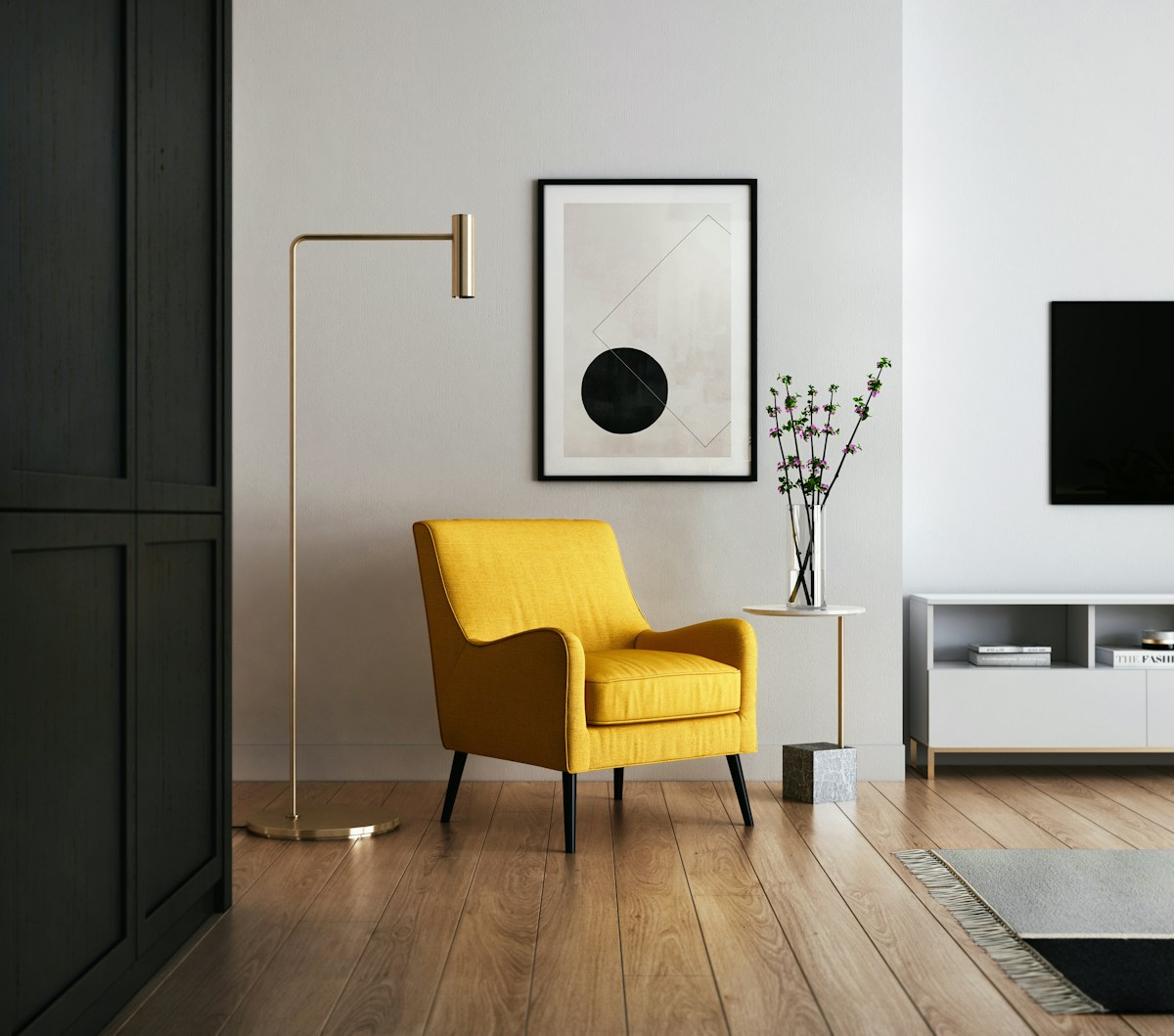
يعتمد تقييم الأثاث الإيطالي الصنع على أربعة معايير قابلة للتحقق: المواد (أنواع الخشب المحددة، ودرجة جودة الجلد، وسبائك المعدن المستخدمة في التركيبات — وليس الادعاءات الغامضة بجودة “فائقة”)، الحرفية (طريقة النجارة، ونظام النوابض، وتقنية التشطيب التي تحدد العمر الافتراضي للهيكل)، والمصدر (المنطقة المحددة، وورشة العمل، والشهادة التي تثبت صحة ادعاءات المنشأ)، والضمانات (شروط الضمان المكتوبة والوثائق التي تحمي استثمار المشتري بعد الشراء).
كل معيار من هذه المعايير قابل للاختبار. يمكنك تحديد أنواع الخشب من خلال نمط الحبيبات والوزن. ويمكنك تقييم جودة النجارة عن طريق قلب القطعة وفحص الوصلات. كما يمكنك التحقق من مصدر الخشب من خلال طلب شهادة UNI 11674. يمكنك مقارنة شروط الضمان من خلال قراءة الوثائق الفعلية بدلاً من الاكتفاء بالتأكيدات الشفوية. صناعة الأثاث — سواء الإيطالية أو غيرها — تكافئ المشترين المطلعين وتعاقب غير المطلعين. يزودك هذا الدليل بالمعلومات اللازمة لتكون من الفئة الأولى.
للمشترين الباحثين عن أثاث بتصميم إيطالي مدعوم بوثائق شفافة تتعلق بالمواد المستخدمة،, أثاث النمل اليشم تقدم مواصفات تفصيلية عن كل منتج — بما في ذلك أنواع الخشب، وطريقة التصنيع، ونوع التشطيب، وشروط الضمان — لأننا نؤمن بأن المشترين المطلعين يتخذون قرارات شراء أفضل على المدى الطويل، وأن قرارات الشراء الأفضل تخلق طلبًا مستدامًا يحافظ على استمرارية التصنيع عالي الجودة.
الأسئلة الشائعة (FAQ)
1. ما هي أنواع الخشب الأكثر استخدامًا في صناعة الأثاث الإيطالي الأصيل؟
الأنواع الخمسة الأساسية هي الجوز الإيطالي (Juglans regia)، الكرز الأوروبي (Prunus avium)، البلوط السلافوني (Quercus robur)، زيتون البحر الأبيض المتوسط (Olea europaea), and European beech (Fagus sylvatica). Walnut is the canonical material for carved and visible surfaces due to its 1,010 lbf Janka hardness and exceptional aging patina. Beech serves as the primary frame timber for upholstered furniture because of its high screw-holding strength and steam-bending capacity. Each species is selected for specific structural and aesthetic roles — a credible Italian maker never describes their timber as simply “hardwood” without identifying the exact species.
2. How can I tell if furniture labeled “Made in Italy” was actually manufactured in Italy?
Request UNI 11674:2017 certification, which is the Italian standard for verifying furniture origin through factory audits and production documentation. This certification is voluntary, so its presence is a strong positive signal. Additionally, ask the manufacturer to identify the specific production facility (city and region), the operations performed in Italy versus outsourced, and the origin of primary materials. The COSMOB و CATAS laboratories are the primary certification bodies for Italian furniture origin claims.
3. What is the difference between vegetable-tanned and chrome-tanned Italian leather?
Vegetable tanning uses natural tannins (chestnut bark, oak bark, mimosa) over a 40–60 day process, producing leather that develops a rich patina with use and ages gracefully over decades. Chrome tanning uses chromium salts over 1–2 days, producing leather that is more uniform and stain-resistant initially but does not develop the same aged character. For furniture intended as a long-term investment, vegetable-tanned leather delivers superior lifecycle value because its appearance improves with use rather than degrading.
4. What warranty should I expect on premium Italian furniture?
Premium Italian manufacturers typically offer 5–10 years on structural frames and joinery, 3–5 years on spring systems and mechanisms, 2–3 years on leather and fabric covers, and 2 years on surface finishes. The EU mandates a minimum 2-year consumer guarantee. Warranties cover defects in materials and workmanship but exclude normal wear and aging, environmental damage, improper use, and unauthorized repairs. Always request the written warranty document before purchase.
5. How does Italian furniture compare to other European furniture in terms of value?
Italian furniture occupies the premium-to-luxury tier of the European market. Italy is among the top three global furniture exporters, shipping over €13 billion worth of furniture annually. The value proposition rests on three pillars: craft heritage (unbroken artisan traditions spanning centuries), material quality (access to European hardwoods, premium leather tanneries, and specialist hardware foundries), and design reputation (Milan’s Salone del Mobile is the world’s largest furniture trade fair). Compared to Scandinavian furniture (which emphasizes clean-line design and sustainability) or German furniture (which emphasizes engineering precision), Italian furniture uniquely integrates decorative craft with structural rigor — a combination that commands premium pricing but delivers correspondingly longer service life.
6. What does FSC or PEFC certification mean on Italian furniture?
FSC (Forest Stewardship Council) and PEFC (Programme for the Endorsement of Forest Certification) verify that the timber in furniture originates from sustainably managed forests with full chain-of-custody traceability. FSC is more widely recognized internationally; PEFC certifies more forest area globally (295 million hectares) and is more common among small European woodland owners who supply Italian workshops. Both certifications ensure responsible sourcing, and the EU Deforestation Regulation (EUDR) now adds mandatory traceability requirements for all timber products entering the EU market.
7. Is Italian furniture worth the higher price compared to mass-produced alternatives?
On a lifecycle cost basis, yes. A $12,000 Italian sofa with a 60-year lifespan costs approximately $290 per year including maintenance. A $3,000 mass-produced sofa replaced every 7 years costs $428–$580 per year and generates $25,000–$35,000 in cumulative replacement costs over the same 60-year period. Additionally, well-maintained Italian furniture retains 30–50% of its purchase price at 30 years — a residual value that mass-produced furniture does not achieve.
8. How should I maintain Italian leather furniture to preserve its value?
Vacuum seams and crevices monthly with a soft brush attachment to remove particles that can abrade the surface. Condition with a pH-neutral leather balm every 6–12 months to maintain moisture content and suppleness. Blot spills immediately with a dry absorbent cloth — never rub, which pushes liquid into the fiber structure. Keep leather furniture away from direct sunlight and heat sources, which accelerate drying and cracking. Avoid silicone-based leather products, which create a surface film that traps moisture and prevents the leather from breathing naturally.
9. What are the key Italian furniture-producing regions and their specializations?
Lombardy’s Brianza district (north of Milan) specializes in upholstered furniture and is home to Cassina, Molteni, and Poltrona Frau. Veneto specializes in lacquered furniture and burl veneers. Tuscany (Florence) specializes in carved walnut furniture and pictorial intarsia. Marche (Pesaro) specializes in kitchen and modular cabinetry. Friuli-Venezia Giulia (the “chair district” around Manzano and Udine) produces roughly 80% of Italy’s chair output. Each region’s specialization reflects centuries of accumulated craft knowledge and local material availability.
10. Where can I find Italian-design furniture with transparent material documentation and wholesale pricing?
أثاث النمل اليشم provides Italian-design and Italian-inspired collections with full material specifications — including wood species, construction method, finish type, leather grade, and hardware material — documented for every product. As a manufacturer with 15+ years of experience in luxury and customized furniture production, Jade Ant serves furniture retailers, interior designers, and hospitality developers with wholesale pricing, low MOQ flexibility, and end-to-end logistics from factory to delivery. Contact the team at JadeAnt.com for project-specific quotations and material samples.