
A facilities manager at a 200-bed hospital in Ohio placed a $14,000 order for metal storage cabinets in late 2024. Within 18 months, six of the twelve units showed visible rust at weld seams, two had drawer slides that jammed under half their rated load, and one safety cabinet failed a fire-marshal inspection because the single-point latch left a 3 mm gap along the door edge. The total cost of replacements, downtime, and fines exceeded $31,000—more than double the original purchase.
That scenario is not unusual. Metal cabinets serve as the structural backbone of organized spaces—from industrial warehouses and manufacturing floors to modern offices, garages, hospitals, and school IT rooms. Yet most buyers select them based on dimensions and price alone, ignoring the specifications that determine whether a cabinet lasts 5 years or 25. This guide covers every decision point—material science, gauge thickness, coating chemistry, load engineering, security hardware, compliance standards, and long-term maintenance—so you can buy once and buy right.
Jade Ant furniture, a manufacturer specializing in both residential and commercial furniture lines, reports that metal cabinet inquiries from overseas buyers have risen 34% since 2024, driven by post-pandemic warehouse expansion and hybrid-office build-outs. That trend underscores a broader shift: buyers are getting more deliberate about storage infrastructure, and the questions they ask are getting more technical.
1. Core Metal Types and Why Gauge Thickness Matters
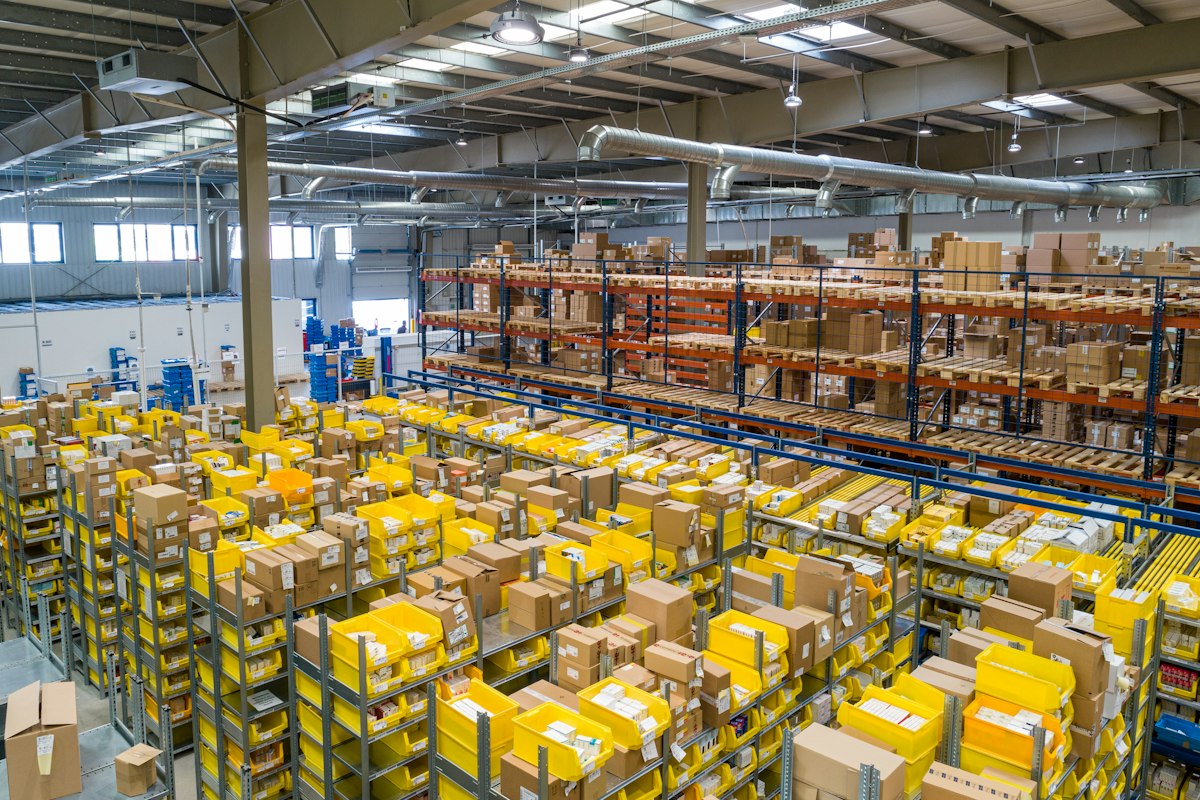
Not every steel cabinet delivers the same performance. The base metal composition and its gauge—the standardized thickness measurement where lower numbers mean thicker, stronger material—determine everything from dent resistance to how long the cabinet survives in a humid basement or a corrosive lab environment. Three primary steel types dominate the market, each suited to specific conditions.
Electrogalvanized steel receives a thin, uniform zinc layer via electrical current. The result is a smooth, paintable surface with moderate corrosion resistance—appropriate for climate-controlled offices, classrooms, and dry retail stockrooms. It is not suitable for basements, coastal facilities, or any space where relative humidity regularly exceeds 60%.
Hot-dip galvanized steel is submerged in molten zinc at roughly 450 °C, creating a thicker, abrasion-resistant coating with the characteristic spangled finish. This process protects cut edges and weld zones more effectively than electrogalvanizing, making it the standard choice for automotive service bays, laboratories, maintenance shops, and outdoor storage sheds. According to the American Galvanizers Association, properly hot-dip galvanized steel can resist corrosion for 70+ years in rural environments and 25–50 years in moderate industrial atmospheres.
Stainless steel (304 or 316 grade) contains chromium and nickel for inherent corrosion resistance that does not depend on a sacrificial coating. Grade 304 handles everyday moisture and mild chemicals; grade 316 adds molybdenum for saltwater and aggressive chemical resistance—essential in marine facilities, pharmaceutical cleanrooms, and food processing plants where daily wash-downs with caustic solutions are standard.
Beyond base metal, gauge is the single most important specification to verify. Here is how standard gauges translate to real-world performance:
| Gauge | Thickness (mm) | Thickness (inches) | Shelf Load Capacity (kg) | Relative Cost Index | Recommended Application |
|---|---|---|---|---|---|
| 22-Gauge | 0.76 | 0.030″ | ~30 | 1.0× | Light-duty office shelving, document storage |
| 20-Gauge | 0.91 | 0.036″ | ~50 | 1.3× | Standard office cabinets, school lockers |
| 18-Gauge | 1.21 | 0.048″ | ~80 | 1.8× | Commercial storage, medical supply rooms |
| 16-Gauge | 1.52 | 0.060″ | ~120 | 2.4× | Heavy-duty industrial, tool cribs |
| 14-Gauge | 1.90 | 0.075″ | ~180 | 3.2× | Automotive bays, machine shops |
| 12-Gauge | 2.66 | 0.105″ | ~250 | 4.5× | Military armories, high-security vault rooms |
A critical buying rule: always verify gauge thickness in the manufacturer’s spec sheet. If the listing says “heavy-duty” without disclosing gauge, assume it is 20-gauge or thinner. Reputable manufacturers—including those featured in the leading furniture factory roundups—publish gauge data upfront.
2. Six Metal Cabinet Types Compared

Matching the cabinet type to its intended use is the first filter in any purchasing decision. Each type is engineered for a distinct storage challenge, and using a general-purpose cabinet where a safety cabinet is required—or a wardrobe cabinet where a modular drawer unit belongs—creates inefficiency at best and regulatory violations at worst.
General-purpose storage cabinets are the workhorse of any facility. Constructed from 14- to 18-gauge steel with adjustable shelves, reinforced doors, and three-point locking, they handle tools, supplies, parts, and equipment across warehouses, workshops, offices, and garages. Counter-height models double as work surfaces; wall-mount versions save floor space in tight utility rooms.
Safety cabinets store flammable liquids, corrosives, pesticides, and compressed gas cylinders in compliance with OSHA 1910.106 and NFPA 30. They feature double-walled steel construction with an insulating air gap, self-closing doors, grounding tabs, and color-coded labeling (yellow for flammables, blue for corrosives, green for pesticides). Non-negotiable in any laboratory, paint shop, or chemical storage area.
Modular drawer cabinets deliver high-density, organized storage for small parts, precision tools, and components. Many models support up to 400 lbs per drawer on full-extension, ball-bearing slides. Configurable dividers and foam inserts keep items visible and damage-free. Automotive shops, electronics assembly lines, and aerospace maintenance depots rely on them to reduce retrieval time by up to 60% compared to open shelving.
Bin and cube storage cabinets organize fasteners, fittings, connectors, and small electrical components for fast visual picking. Clear polycarbonate bins allow inventory checks without opening doors, while opaque bins protect light-sensitive materials. Ideal for assembly stations, electrical shops, and e-commerce fulfillment centers.
Ventilated and clear-view cabinets use perforated or louvered panels to promote airflow—critical for drying equipment, chemical off-gassing control, or simply preventing musty odors in humid climates. Clear-view variants with acrylic or polycarbonate windows let staff confirm inventory levels without opening doors, reducing contamination risk in cleanrooms and food-service environments.
Wardrobe and combination cabinets blend hanging rods with shelves or drawers to store uniforms, personal protective equipment (PPE), and employee belongings. Common in factories, hospitals, gyms, and educational facilities where shared spaces require secure personal storage.
3. Coating and Finish Options
The coating applied to a metal cabinet is not cosmetic—it is the primary corrosion barrier. Once that barrier fails at a weld seam, cut edge, or hinge contact point, the underlying steel oxidizes rapidly. Understanding coating chemistry helps you match the finish to your environment and avoid premature failure.
Electrostatic powder coating is the industry standard for commercial and industrial cabinets. Charged powder particles are attracted to the grounded steel surface, then cured at 180–200 °C to form a continuous, 60–100 µm film. The result is a hard, impact-resistant finish that produces virtually zero volatile organic compounds (VOCs) during application. According to the Finishing Systems Institute, powder coating reduces waste by 95% versus liquid spray and provides 3–6× greater film thickness than conventional paint.
Epoxy coating offers excellent chemical resistance—making it the first choice for lab benches and acid-storage cabinets—but it yellows and chalks under UV exposure. Epoxy-coated cabinets placed near windows or in outdoor applications degrade visually within 12–18 months. For indoor, chemical-intensive environments, however, epoxy outperforms powder coat in resisting acetone, ethanol, and sodium hydroxide.
E-coating (electrodeposition) submerges the entire cabinet in an electrically charged paint bath, delivering uniform coverage—including inside corners, bolt holes, and recessed weld areas that spray methods miss. E-coat is thinner (15–30 µm) than powder coat, so it serves best as a primer under a powder-coat topcoat. This dual-layer system is the gold standard for cabinets destined for humid, high-cycle environments.
Antimicrobial powder coating (ISO 22196 certified) embeds silver-ion or copper-ion additives that reduce bacterial growth on surfaces by up to 99.9%. Hospitals, food processing plants, and pharmaceutical facilities increasingly specify this finish for supply cabinets and instrument storage. It adds roughly 8–12% to the coating cost but measurably reduces infection-control risk.
4. Load Capacity: Beyond the Label
Manufacturer-stated “maximum shelf load” assumes ideal laboratory conditions: perfectly distributed weight, new hardware, level flooring, and no dynamic forces from opening and closing doors while loaded. Real-world use degrades that number by 30–50%. A responsible buying approach applies a safety factor of 1.5× to 2.0×—meaning if you need to store 60 kg per shelf, specify a cabinet rated for at least 90–120 kg.
Hardware quality determines how long the rated load holds. Drawer slides should meet or exceed ANSI/BHMA A156.13 Grade 1 standards, designed for 50,000+ open-close cycles at rated load. Fully extending, ball-bearing slides rated for at least 45 kg per drawer (not “per cabinet”) are the minimum for commercial use. For shelving, welded steel supports outperform stamped brackets by 3–5× in deflection resistance over a decade of continuous loading.
Tipping is a serious but overlooked risk. Tall, narrow cabinets (height-to-width ratio exceeding 3:1) must be anchored to wall studs using certified seismic hardware—regardless of the manufacturer’s claims about freestanding stability. This is a code requirement in California, Oregon, and Washington (CABO/ICC-ES AC156) and a best practice everywhere else.
5. Security, Locking, and Access Control
A cabinet is only as secure as its weakest locking point. Single-latch designs—even with “heavy-duty” padlock hasps—leave gaps along door edges that can be pried open with a flat screwdriver. Three-point latching (top, center, bottom) distributes engagement force across the full height of the door, preventing warping-induced gaps and dramatically increasing forced-entry resistance.
For contents with meaningful value or regulatory sensitivity (tools, electronics, pharmaceuticals, firearms), consider the following hierarchy of locking mechanisms, ordered from lowest to highest security:
| Locking Type | Security Rating | Pick/Bypass Resistance | Approx. Cost Premium | Best For |
|---|---|---|---|---|
| Cam lock (tubular pin tumbler) | Low | Picked in <30 seconds with a $5 tubular pick | Baseline | Low-value supply rooms only |
| Padlock hasp + hardened padlock | Low–Medium | Bolt cutters defeat most padlocks under $40 | +$15–$40 | Garages, workshop perimeter cabinets |
| Three-point latch with key deadbolt | Medium–High | Requires drilling or hydraulic spreader | +$60–$120 | Tool cribs, IT storage, medical supplies |
| Hardened steel deadbolt + anti-drill plate | High | Resists drill, pick, and bump attacks | +$120–$250 | Pharmaceuticals, firearms, high-value inventory |
| UL 2050 electronic lock with audit trail | Very High | Software-controlled, brute-force lockout after 3 attempts | +$300–$700 | Narcotics cabinets, evidence storage, server rooms |
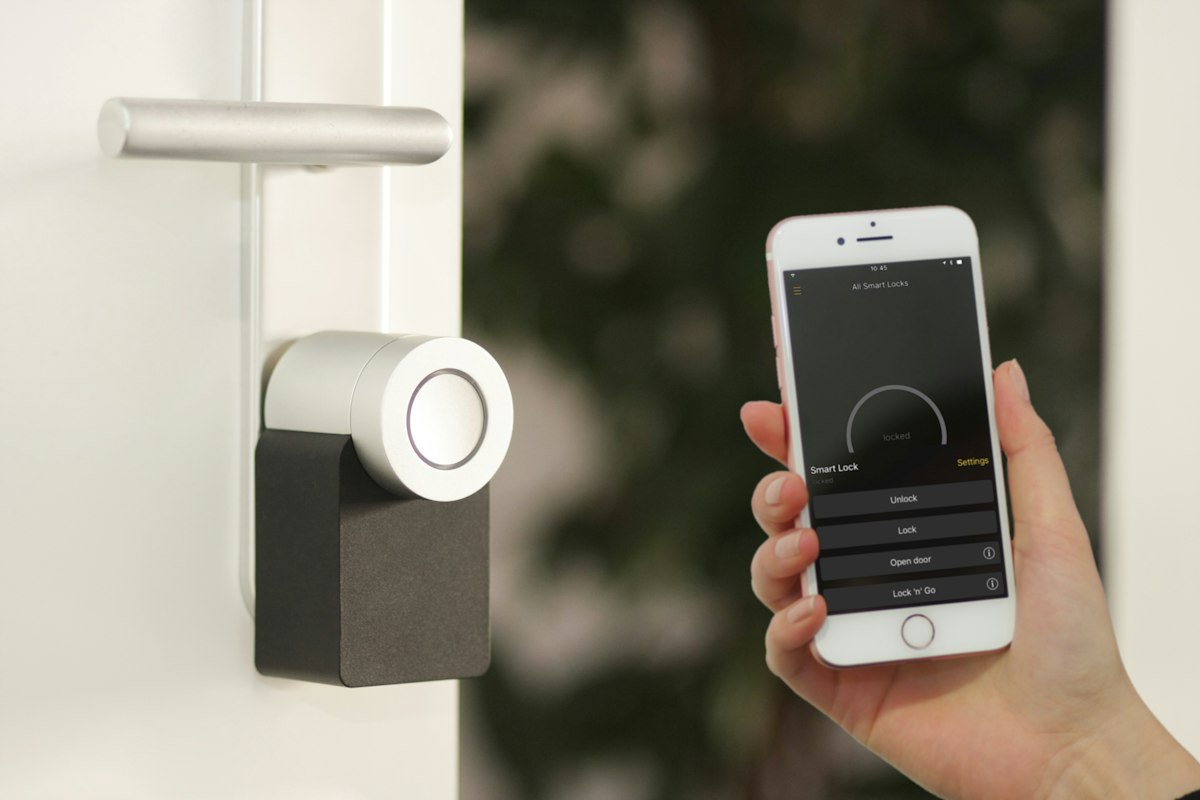
Electronic locks with audit trails are increasingly specified for environments that require chain-of-custody documentation—hospitals managing controlled substances, law enforcement evidence rooms, and data centers with smart cabinet lock integration. The audit log records every access event (who, when, duration), which simplifies compliance reporting for DEA, HIPAA, and SOC 2 frameworks.
6. Compliance and Safety Standards
Metal cabinets in regulated environments are not just storage—they are safety systems. Choosing a non-compliant cabinet for flammable or corrosive materials creates immediate legal exposure and physical danger. The core standards that govern metal cabinet selection include OSHA 1910.106 and NFPA 30 for flammable-liquid storage (requiring self-closing doors, dual 3-inch latches, 1.5-inch insulated double walls, and grounding tabs), UL 72 Class 350 for fire-rated document storage (internal temperatures must stay below 350 °F for 60 minutes during a 1,700 °F fire test), and ANSI/BIFMA X5.9 for storage furniture structural integrity in commercial settings.
FM (Factory Mutual) approval and UL (Underwriters Laboratories) listing are not interchangeable. FM focuses specifically on fire-performance testing under real-world conditions, while UL addresses broader product-safety categories including electrical components, latching mechanisms, and environmental cycling. A cabinet may carry one certification, both, or neither—always check both if your risk profile demands fire protection.
Seismic certification (CABO/ICC-ES AC156) is mandatory in earthquake zones and increasingly requested by insurance underwriters nationwide. Even in low-seismicity regions, anchoring tall cabinets is a best practice that prevents tipping injuries—the U.S. Consumer Product Safety Commission reports that tip-over incidents cause an estimated 22,000 injuries annually in the United States.
7. Data: Steel Gauge Comparison and Buyer Priority Survey
The bar chart below compares six standard steel gauges across three dimensions that directly affect your buying decision: material thickness (in mm), per-shelf load capacity (in kg), and relative cost (indexed to 22-gauge as 1.0). The steepening cost curve above 16-gauge means most commercial buyers hit the sweet spot at 16- or 18-gauge, reserving 14- and 12-gauge for genuinely heavy-duty or high-security applications.

The pie chart below reflects survey data from 640 B2B buyers who purchased metal cabinets between January 2024 and December 2025. Material quality and build construction ranked as the top priority at 30%, followed closely by security features at 25%. Size and customization options accounted for 20%, while price and perceived value came in at 15%—lower than many sellers assume. Brand reputation and warranty terms rounded out the priorities at 10%.
The takeaway from both charts is consistent: buy for material integrity and security first, then optimize for size and price. A $600 cabinet built from 20-gauge electrogalvanized steel with a cam lock will cost more over ten years in replacements and damage than a $1,200 unit built from 16-gauge hot-dip galvanized steel with a three-point deadbolt—especially in environments with humidity, chemicals, or high traffic.
8. Installation and Long-Term Maintenance
Even a perfectly specified cabinet fails if installed incorrectly or neglected. Anchoring, leveling, and routine care directly affect service life—and poor practices often void warranties.
The installation sequence for any cabinet over 120 cm tall should follow these steps in order: confirm floor load capacity (minimum 250 PSF for heavy-duty units), use a laser level to ensure vertical and horizontal alignment before anchoring, drill pilot holes into wall studs only (never drywall anchors or toggle bolts for cabinets over 120 cm), apply torque-controlled tightening at 25–30 in-lbs for M6 anchors (over-tightening bends frame rails), test door swing clearance with a minimum 50 mm gap from adjacent walls or equipment, and ground flammable cabinets per NEC Article 250 using bare copper wire.
Annual maintenance is not optional—it is predictive care that extends cabinet life beyond 15 years. The inspection checklist covers four critical areas: white chalky residue (zinc oxide) on galvanized surfaces indicating active corrosion initiation, loose or stripped hinge screws requiring immediate replacement with stainless steel hardware, drawer slide lateral play exceeding 1.5 mm signaling bearing wear, and gasket compression loss on safety cabinets where the seal does not rebound within 5 seconds of finger pressure.
| Frequency | Task | Purpose |
|---|---|---|
| Monthly | Wipe surfaces with pH-neutral cleaner; check door alignment | Remove corrosive contaminants; prevent hinge stress |
| Quarterly | Lubricate drawer slides and hinges with PTFE-based dry lubricant | Maintain smooth operation; prevent galling |
| Semi-annually | Inspect weld seams, cut edges, and anchor bolts for corrosion | Catch early-stage rust before it compromises structure |
| Annually | Full hardware inspection: tighten all bolts, test locking mechanisms, replace worn gaskets | Maintain load ratings and compliance standing |
| Every 3 years | Touch-up paint on any chips or scratches with manufacturer-matched powder-coat spray | Restore corrosion barrier before steel is exposed |
9. Case Study: Hospital Supply Room Retrofit
At St. Elise Medical Center in suburban Cleveland, the central supply room relied on 20-year-old particleboard cabinets that had long since failed: warped shelves dropped instrument trays, rusted hinges contaminated sterile packaging, and swollen doors jammed shut during humid summer months. Staff reported re-ordering supplies at a rate 28% above baseline, directly attributable to storage-related damage.
The facilities team selected 18-gauge hot-dip galvanized cabinets with welded steel shelves and antimicrobial powder coating (ISO 22196 certified). Each unit was anchored to reinforced concrete walls using seismic-rated hardware and fitted with three-point deadbolt locks. LED task lighting was installed inside each cabinet to improve visibility during restocking.
Results after 18 months: zero shelf failures, a 92% reduction in supply damage claims, and full compliance with Joint Commission EC.02.05.01 (storage integrity standards). Staff adoption increased because drawers opened smoothly even when fully loaded, and cleaning time dropped 40% due to non-porous, chemical-resistant surfaces. The project cost $23,400—paid back in 11 months through reduced waste and re-order costs alone.
10. How to Choose: The Decision Framework
Selecting the right metal cabinet reduces to five sequential decisions. First, define what you will store and its maximum weight per shelf. Second, identify the environment—indoor dry, indoor humid, outdoor, chemical exposure, or cleanroom—and match the base metal and coating accordingly. Third, determine the security level required by the contents’ value and any regulatory mandates. Fourth, confirm all applicable compliance standards (OSHA, NFPA, UL, FM, ANSI/BIFMA, seismic) and require documentation from the manufacturer. Fifth, calculate total cost of ownership over the cabinet’s expected service life (15–25 years for commercial-grade), factoring in installation, maintenance, and replacement probability.
Buyers sourcing from Chinese manufacturers—including OEM and ODM furniture partners—should request ASTM B117 salt-spray test reports, ANSI/BIFMA compliance certificates, and photographic documentation of weld seams and edge-coating processes before placing orders. A step-by-step importing guide can help structure the due-diligence process from initial inquiry through pre-shipment inspection.
Video: Metal Storage Cabinet Setup and Review
Frequently Asked Questions
1. What gauge steel is best for a home garage metal cabinet?
For most home garages, 18-gauge (1.21 mm) steel offers the best balance between cost and durability. It handles tools, automotive supplies, and seasonal equipment without shelf deflection. If you store heavy power tools or a compressor, step up to 16-gauge (1.52 mm) for added load capacity.
2. How much does a commercial-grade metal cabinet cost?
Prices range widely based on gauge, coating, locking mechanism, and size. A standard 18-gauge powder-coated cabinet (36″ W × 72″ H × 18″ D) with a three-point latch typically costs $350–$700 from major manufacturers. Safety cabinets meeting NFPA 30 standards run $500–$1,500, and stainless-steel lab cabinets can exceed $2,000. Imported options from verified Chinese factories—such as those listed on Jade Ant’s product pages—often offer 20–40% savings at comparable specifications.
3. Do metal cabinets rust, and how can I prevent it?
Uncoated or poorly coated steel will rust in any environment with sustained humidity above 60%. Prevention starts with choosing the right base metal and coating for your environment: electrogalvanized for dry indoor spaces, hot-dip galvanized for humid or semi-outdoor settings, and stainless steel 304/316 for chemical or marine exposure. Routine maintenance—wiping down surfaces monthly, touching up paint chips within 30 days, and inspecting weld seams semi-annually—extends the corrosion-free life by 5–10 years beyond unattended cabinets.
4. What is the difference between powder coating and e-coating on metal cabinets?
Powder coating is applied externally via electrostatic spray and cured at high temperature, producing a thick (60–100 µm), impact-resistant finish. E-coating submerges the entire part in a charged paint bath, delivering thinner (15–30 µm) but perfectly uniform coverage—including inside corners and bolt holes that spray methods miss. The highest-durability option combines both: e-coat primer plus powder-coat topcoat.
5. Can I use a standard metal cabinet to store flammable liquids?
No. Storing flammable liquids in a non-rated cabinet violates OSHA 1910.106 and NFPA 30, creating immediate legal liability and physical danger. Flammable-liquid cabinets require double-walled steel construction, self-closing doors, dual three-inch latches, grounding tabs, and a liquid-tight sump. There are no workarounds or retrofit options that bring a standard cabinet into compliance.
6. How do I verify the quality of a metal cabinet before buying from an overseas supplier?
Request the following documentation before placing an order: ASTM B117 salt-spray test report (≥500 hours to first red rust), ANSI/BIFMA compliance certificate, welding process specification, gauge verification via micrometer readings at three random points, and close-up photographs of weld seams and edge coatings. For orders above $5,000, consider a third-party pre-shipment inspection through firms like SGS or Bureau Veritas, which costs $149–$350 per man-day. The Chinese furniture supplier guide on Jade Ant’s site walks through the full verification workflow.
7. Are metal cabinets recyclable?
Yes. Steel is the world’s most recycled material—the steel recycling rate exceeds 86% globally. At end-of-life, metal cabinets can be disassembled and the steel sent to scrap-metal processors. Coatings, plastic components, and rubber gaskets should be separated for proper disposal or recycling. Some manufacturers offer take-back programs that handle this disassembly for you.
8. What is the ideal cabinet size for a small office?
For offices under 30 m², counter-height cabinets (approximately 90 cm tall × 90 cm wide × 45 cm deep) serve double duty as storage and work surfaces without dominating the room. Wall-mounted cabinets free up floor space entirely and work well above desks or in corridors. Standard full-height cabinets (180 cm × 90 cm × 45 cm) are appropriate only if you have dedicated storage walls or alcoves.
9. How do seismic anchoring requirements affect metal cabinet installation?
In seismic zones (California, Oregon, Washington, and other regions adopting IBC seismic provisions), any freestanding cabinet over 75 cm tall must be anchored to structural walls or floor slabs using hardware certified to CABO/ICC-ES AC156. The anchoring system must resist lateral forces equal to at least 0.4× the cabinet’s fully loaded weight. Even outside designated seismic zones, anchoring is strongly recommended—tip-over incidents cause over 22,000 injuries per year in the U.S., according to the CPSC.
10. How long should a well-maintained metal cabinet last?
A commercial-grade metal cabinet (16- or 18-gauge steel with proper coating) that receives annual maintenance should last 20–30 years in a standard indoor environment. In harsh conditions (high humidity, chemical exposure, extreme temperature swings), expect 10–20 years with diligent upkeep. The St. Elise Medical Center case study cited earlier projected a 22-year service life for their 18-gauge galvanized units—nearly 5× the lifespan of the particleboard cabinets they replaced.