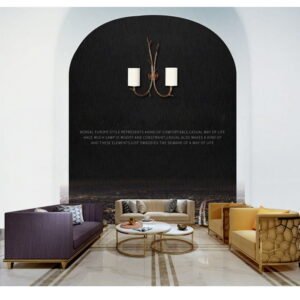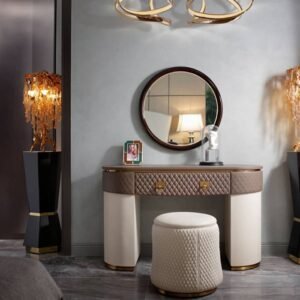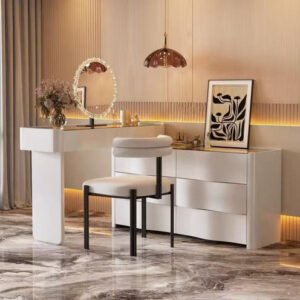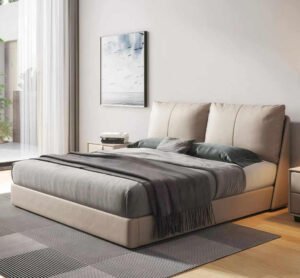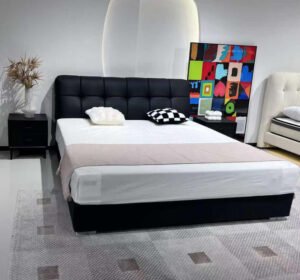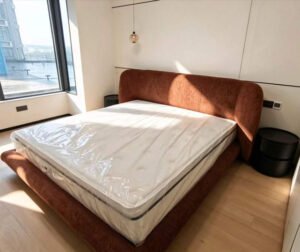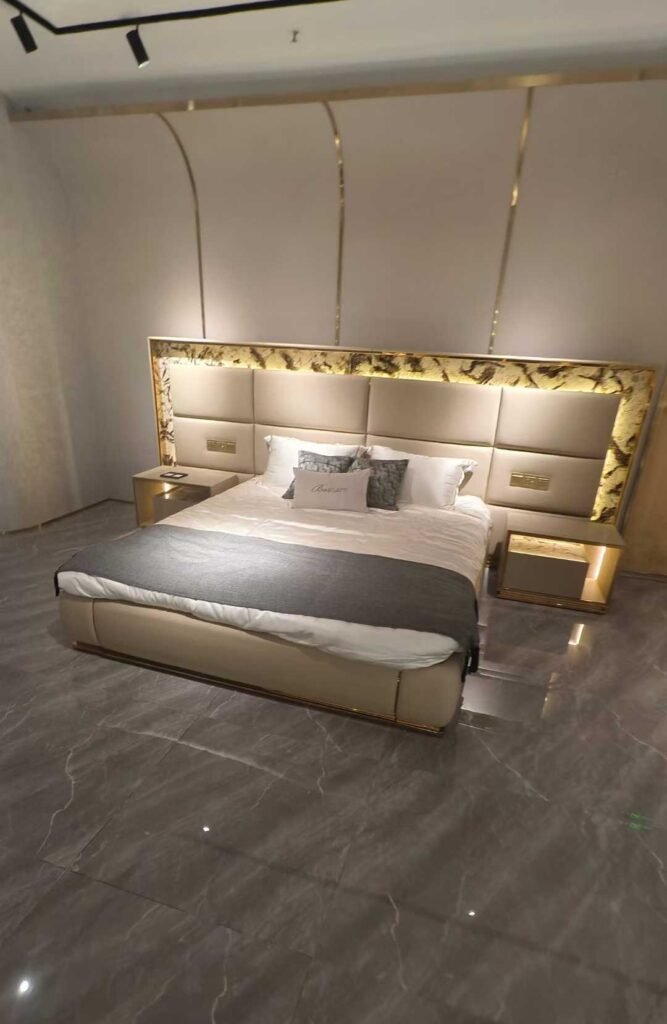
Navigate the complexities of sourcing from Chinese manufacturers with confidence. This comprehensive guide helps furniture distributors, showroom directors, and interior designers evaluate manufacturers against global quality standards, negotiate competitive pricing, and ensure sustainable practices—so you can scale your business without compromising on quality or reputation.
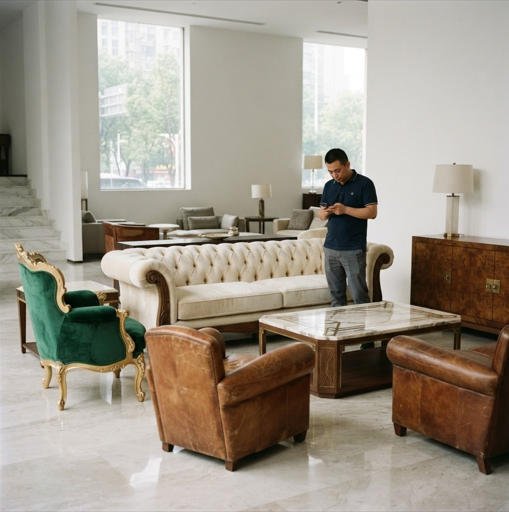
 A five-star hotel suite furnished with contract-grade pieces — precision-engineered for hospitality performance.
Why Chinese Manufacturers Matter to Your B2B Business
The Strategic Advantage of Sourcing from China
China produces approximately 37–40% of the world’s furniture exports, and as of 2026, the global Chinese furniture market is valued at over $482 billion USD — on track to exceed $697 billion by 2035. That’s not a niche statistic. That’s the backbone of the global furniture supply chain, and for distributors, showroom directors, and interior designers operating in competitive markets, it represents one of the most consequential sourcing decisions your business will make this decade.
The distributors consistently outperforming their regional competitors aren’t necessarily those with the flashiest showrooms or the most aggressive pricing. They’re the ones who have invested in understanding how Chinese manufacturing works — its rhythms, its risks, its quality hierarchies, and its partnership dynamics. They know that a 5-star hotel in Dubai or a high-end residential project in London is entirely dependent on a supply chain that begins in Foshan, Guangdong, or Dongguan.
Understanding the market reality: cost efficiency without quality compromise
Let’s be direct: the persistent narrative that “cheap Chinese furniture means low quality” is a decade out of date. Today, China’s manufacturing ecosystem includes facilities producing furniture to EN European standards, BIFMA commercial-grade specifications, OEKO-TEX textile certifications, and FSC-verified wood sourcing. The same factories supplying entry-level contract goods are often the ones producing bespoke hotel room packages for Marriott, Hilton, and Accor properties worldwide.
The real question isn’t whether Chinese manufacturing can meet your quality standards. It’s whether you have the frameworks to identify which manufacturers are operating at that level — and which ones are not.
How leading distributors are leveraging Chinese manufacturers to compete globally
The most successful B2B furniture buyers treat Chinese manufacturers as strategic production partners, not just price lists. They invest in factory visits, establish co-development relationships, and use volume commitments to negotiate preferential lead times and priority production slots. A mid-sized UK furniture distributor we’re aware of reduced its product launch cycle by 30% simply by locking in seasonal production windows with its primary Chinese partner — freeing up cash flow and cutting emergency freight costs entirely.
The hidden risks of overlooking manufacturer standards and certifications
A single defective shipment of hotel room furniture — chairs failing structural load tests, upholstery with VOC levels exceeding indoor air quality thresholds, or wood certified under forged FSC paperwork — can trigger warranty claims, client contract cancellations, and reputational damage that takes years to repair. The risk is not abstract. It is contractual, financial, and professional.
What This Guide Solves for You
If you’ve sourced from China before, you’ve likely encountered at least one of these situations: you received a sample that looked impeccable, but the mass production run was 20% below that standard. Or you accepted a lead time of 60 days that became 90 days, causing you to miss a hotel opening deadline. Or you discovered post-delivery that the “FSC-certified” wood in your shipment had no traceable chain-of-custody documentation.
This guide is built around those specific, costly scenarios. It gives you the evaluation frameworks, negotiation structures, documentation requirements, and market intelligence to make sourcing decisions that protect your margins, your reputation, and your client relationships.
Common challenges B2B buyers face when evaluating Chinese suppliers
The most consistent pain points reported by distributors and showroom directors include: the inability to verify certifications independently, the absence of enforceable contract terms for quality failures, an over-reliance on price as the primary vendor selection criterion, and a lack of visibility into seasonal production bottlenecks that affect lead times and quality consistency.
Why price alone is a dangerous decision-making metric
A quote that arrives 15% below market rate should raise a flag, not a cheer. Below-market pricing typically signals one or more of the following: lower-grade raw materials being substituted, reduced quality control staffing, deferred equipment maintenance, or a manufacturer operating under financial pressure. A distributor sourcing hotel lounge furniture at a $40/unit saving who then faces a 3% defect rate on a 500-unit order has not saved money — they’ve absorbed $18,000+ in replacement, reshipping, and client-management costs, to say nothing of the delay penalty clauses in their hospitality contracts.
Evaluating Manufacturer Credibility and Global Compliance
Beyond the Factory Visit: What Real Quality Assurance Looks Like
A factory tour is not a quality audit. Factories know when buyers are visiting, and production lines look clean, organized, and well-staffed on inspection days. Real quality assurance is systematic, documented, and third-party verified. The question to ask every prospective manufacturer is not “Can I come visit?” — it’s “Can you provide me with your last three independent audit reports?”
Critical compliance certifications your clients expect (and your liability depends on)
ISO 9001 — Quality Management Systems: This certification validates that a manufacturer has standardized, documented production workflows. It does not guarantee the quality of the end product, but it confirms that the factory has systems to identify and correct quality failures. According to data from CIFF (China International Furniture Fair), approximately 92% of top-tier Chinese furniture factories hold ISO 9001 certification — meaning its absence in a potential partner is a significant red flag.
ISO 14001 — Environmental Management Systems: Increasingly required by hospitality brands with published ESG commitments, ISO 14001 confirms that a manufacturer has formal environmental controls over their production processes — covering waste management, chemical use, and emissions. For hotel fit-out specialists working with international chains, this certification is often a non-negotiable supplier requirement baked into the FF&E procurement contract.
Industry-specific certifications covering furniture safety, fire resistance, and chemical compliance vary significantly by destination market. Furniture for a UK hospitality project must meet BS 7177 fire resistance standards for contract upholstery. Commercial furniture for the US market requires BIFMA compliance. Products entering the EU must meet EN standards for structural integrity and chemical safety. Any manufacturer claiming to serve international markets without these certifications should be evaluated with significant skepticism.
 Third-party quality inspection in process — the documentation behind this step is what separates compliant manufacturers from those who merely say they are.
Assessing manufacturing infrastructure and production capacity
Production capacity is not just a number — it’s a set of conditions. A factory quoting 2,000 units per month during their off-peak season may deliver 1,200 during the Chinese New Year window or at peak domestic demand periods. Buyers should request monthly production records for the past 12 months, not just a stated maximum capacity figure.
Red flags in factory operations that signal quality control problems include high workforce turnover (evidenced by asking how long line workers have been employed), CNC machinery that is over 10 years old with no documented maintenance schedule, absence of a dedicated QC department separate from production, and an inability or unwillingness to provide batch traceability records.
How to evaluate whether a manufacturer can scale with your growing orders: Ask specifically about their sub-contracting practices. Some factories — particularly those offering very low pricing — will sub-contract overflow orders to smaller, unverified workshops when their capacity is exceeded. This is one of the most common causes of quality inconsistency in mass-production runs. Require a contractual clause prohibiting sub-contracting without your written approval.
Quality control documentation and third-party testing
A complete quality documentation package for a furniture order should include pre-production material inspection reports, in-process inspection records at defined production milestones, finished goods inspection reports (ideally from an independent third-party inspector such as SGS, Bureau Veritas, or Intertek), and packing and shipping verification documentation.
What inspection reports actually tell you (and what they hide): An inspection report reflects the condition of the units sampled on the day of inspection. It does not capture defects that emerge during transit, installation, or use. Build this understanding into your quality guarantees — specifying that the defect tolerance applies to goods at point of delivery, not point of inspection.
Timing Your Orders to Maximize Margins and Minimize Delays
Timing Your Orders to Maximize Margins and Minimize Delays
The Chinese furniture manufacturing calendar is one of the most consistently misunderstood variables in B2B sourcing. Buyers who plan around it gain a measurable advantage in both pricing and delivery reliability. Buyers who ignore it lose both.
The Chinese furniture manufacturing calendar: peak seasons and quiet periods
| Season | Period | Impact on Buyers |
|---|---|---|
| Chinese New Year | Late Jan – Mid Feb | Factories close 2–4 weeks; pre-holiday rush inflates lead times |
| Peak Production | March – June | Post-holiday catch-up; strong capacity, stable pricing |
| Golden Week | Early October | 7-day national holiday; minor disruption |
| Year-End Rush | Nov – Dec | High demand from export buyers; lead times extend 20–30% |
| Quiet Window | July – Early August | Optimal ordering window for custom and complex items |
How seasonal demand affects pricing, lead times, and production quality: Production quality is not constant across the year. During peak periods — particularly November through December when international buyers are rushing holiday inventory and year-end hospitality fit-outs — factories run at 95%+ capacity, quality control resources are stretched, and the risk of errors in custom specifications increases measurably. Ordering during the July–August window, when most domestic Chinese buyers are quieter, gives you access to full factory attention, shorter lead times, and often more flexible pricing.
Strategic ordering windows for distributors managing inventory costs: For interior designers managing hotel opening schedules, this timing intelligence is critical. A 5-star hotel opening in Q1 should have furniture orders placed no later than October of the prior year — accounting for 90–120 days of production plus 30 days of shipping and customs clearance.
Lead time realities and production bottlenecks
Standard furniture lead times from Chinese manufacturers range from 45–90 days for catalogue items and 90–120 days for fully customized pieces. Add 20–30 days for sea freight to Europe or North America, plus 5–15 days for customs clearance. The practical minimum from order confirmation to warehouse delivery in most Western markets is 75–150 days depending on complexity and destination.
Why “standard” lead times vary dramatically between manufacturers: A factory with a current order backlog of 6 weeks will give you a very different lead time than one running at 50% capacity. Always ask for a production slot confirmation in writing, not just a verbal lead time estimate.
Building buffer time into your showroom’s product launch schedules: Any showroom director who has launched a new collection late — missing the key spring or autumn trade window — understands the commercial cost. Build a minimum 3-week buffer beyond the manufacturer’s committed delivery date into every internal launch plan. For custom hospitality projects, extend that buffer to 4–5 weeks.
Managing inventory risk across seasonal fluctuations
Negotiating flexible payment terms that protect your cash flow: Standard payment structures in the Chinese furniture industry are 30% deposit on order confirmation, with the balance prior to shipment. For buyers with an established relationship, pushing for 40/30/30 milestone payment terms — tied to production confirmation, goods-ready inspection, and final delivery — significantly reduces the financial risk of production delays or quality failures.
Coordinating with interior designers and hotel fit-out teams on realistic delivery timelines: One of the most common friction points in hospitality projects is the gap between what a designer promises their client and what a manufacturer can realistically deliver. The solution is building manufacturer lead times into the design proposal process, not retrofitting them after client approval. This is where platforms like Jade Ant Furniture add genuine value — providing buyers with realistic production-to-delivery timelines upfront.
Pricing Models and Cost-Benefit Analysis for Different Market Segments
Making Smarter Pricing Decisions Based on Your Target Market
 Premium segment sourcing: the cost-per-unit conversation changes entirely when you factor in defect rates, client retention, and design exclusivity.
Understanding the cost structure behind Chinese furniture pricing
A wholesale furniture price from a Chinese manufacturer is composed of raw material costs (typically 35–45% of the FOB price), direct labor (15–25%), factory overhead including equipment depreciation and utilities (10–15%), quality control and management (5–8%), and the manufacturer’s margin (10–20%). Understanding these components tells you where price negotiation is realistic and where it is not.
How manufacturing costs translate to wholesale pricing (and where margins hide): The most common hidden value in Chinese furniture pricing is in material substitution. A quote for a solid oak dining chair may, without explicit specification, arrive using oak veneer over MDF. This is not fraud — it is standard practice in the absence of precise specifications. The buyer’s responsibility is to specify materials in exact technical terms, not commercial descriptions.
Why the cheapest quote often costs you more in the long run: A study of buyer feedback compiled across B2B furniture sourcing platforms consistently shows that buyers who select the lowest-cost supplier experience defect rates 3–4x higher than those who select mid-tier priced manufacturers with verified quality certifications. At a 5% defect rate on a $200,000 order, you’ve absorbed $10,000 in defective goods — plus replacement shipping, delay penalties, and the client relationship cost of arriving late with damaged product.
Segmented pricing strategies for residential, hospitality, and commercial markets
| Market Segment | Typical FOB Price Range (Per Item) | Key Quality Drivers | Acceptable Defect Rate |
|---|---|---|---|
| Entry residential | $50–$200 | Basic durability, aesthetic consistency | ≤3% |
| Mid-market residential | $200–$600 | Material quality, finish consistency | ≤2% |
| Premium residential | $600–$2,000+ | Bespoke spec, luxury materials, craftsmanship | ≤1% |
| Contract hospitality | $150–$1,500 | Fire compliance, durability ratings, brand standards | ≤1% |
| Commercial/office | $100–$800 | BIFMA compliance, ergonomics, warranty coverage | ≤2% |
Volume-based pricing negotiations that work for mid-market distributors: The sweet spot for volume-based discounts typically begins at 50 units per SKU for most mid-tier manufacturers. However, the most effective negotiation approach is not unit count — it’s annual volume commitment. A distributor committing to $500,000 in annual orders has significantly more leverage than one placing five $100,000 spot orders, even if the total is identical.
Hidden costs that inflate your true cost-per-unit
Beyond the FOB price, buyers should budget for: freight forwarding and ocean freight (typically $800–$2,500 per 20ft container depending on destination), customs duties (furniture tariff rates to the US currently sit around 30% for Chinese goods following the 2025 tariff adjustments), inland transport, warehouse receiving and inspection, quality control inspection fees ($300–$600 per factory visit), and bank charges for Letters of Credit.
Currency fluctuations and how to protect your margins: Chinese manufacturers quote in either USD or RMB (Chinese Yuan). Currency movements between the USD and RMB have historically fluctuated by 5–15% annually. Buyers can protect themselves through forward currency contracts (fixing the exchange rate for future purchases), by negotiating fixed USD pricing for longer contract terms, or by including bilateral currency adjustment clauses in their supply agreements.
ROI calculations for different manufacturer partnerships
The true ROI of a manufacturer partnership is not calculated at point of order. It’s calculated at point of client delivery, factoring in defect rates, replacement costs, margin protection, client retention, and the referral value of a successful project. A well-structured partnership with a manufacturer like those represented in the Jade Ant Furniture network — one with verified certifications, transparent production practices, and documented quality control — typically delivers a 15–25% improvement in total landed cost efficiency compared to transactional, lowest-bid sourcing.
Sustainability Standards and ESG Compliance
Why Your Clients Demand Sustainable Sourcing (And Why You Should Too)
This is no longer a “nice to have.” Hotel operators affiliated with international chains — Marriott’s Sustainability and Social Impact Platform, Accor’s Planet 21 program, IHG’s Journey to Tomorrow — now require FF&E suppliers to demonstrate supply chain sustainability credentials as a condition of procurement approval. Interior designers working with commercial clients in the EU face increasing regulatory pressure under the EU Ecodesign for Sustainable Products Regulation. And residential buyers in premium markets are directly asking their designers where furniture comes from.
Global sustainability certifications that matter to your B2B clients
FSC Certification (Forest Stewardship Council): The FSC certificate on a wood product guarantees that the timber was sourced from responsibly managed forests with verified chain of custody. There are over 500 FSC Chain of Custody certificates issued to Chinese manufacturers, but the critical word is verification. FSC certification must be validated through the FSC certificate database directly — not through documentation provided by the manufacturer, which can be fabricated or expired.
OEKO-TEX Standard 100: For upholstered furniture, this certification confirms that every component — fabric, foam, thread, and dye — has been tested against a list of over 100 harmful substances. This is the standard that justifies your “chemical safety” claim to clients and protects you from product liability exposure.
ISO 14001 — Environmental Management Systems: As defined in Section 1, this confirms systematic environmental controls across the manufacturing process. For hospitality clients with published carbon reduction commitments, this is increasingly a contractual requirement.
Labor and manufacturing ethics in Chinese facilities
Third-party ethical auditing in Chinese furniture factories is conducted by organizations such as BSCI (Business Social Compliance Initiative) and Sedex (Supplier Ethical Data Exchange). These audits assess working hours, wages, health and safety conditions, and freedom of association. A manufacturer with a current BSCI audit report showing a “good” or “outstanding” rating provides a defensible answer to the “how do you know your supply chain is ethical?” question that will come from your premium clients.
How to verify ethical practices without being naive about greenwashing: Request audit reports dated within the past 18 months. Ask for corrective action plans if any non-conformances were identified — a factory that has addressed its findings is often more trustworthy than one with a spotless report and no evidence of ongoing monitoring.
Sustainable material sourcing and circular economy practices
Leading Chinese manufacturers are increasingly investing in eco-friendly upholstery alternatives — including recycled polyester fabrics, plant-based foam alternatives, and water-based finishes that eliminate VOC emissions. Water-based lacquers, for example, produce approximately 80% fewer VOC emissions than solvent-based equivalents — a specification that directly impacts indoor air quality test results and is increasingly required for LEED-certified hospitality and commercial projects.
How sustainability positioning strengthens your competitive advantage with designers and hotel operators: Interior designers who can tell their clients “every piece of furniture in this project has documented FSC certification, OEKO-TEX-tested upholstery, and is produced in an ISO 14001-certified facility” command higher design fees and win more tender-based commercial projects. The sustainability documentation is not a cost — it is a revenue-generating differentiator.
Comparing Top Manufacturers — KUKA Home, OPPEIN, and Industry Leaders
Detailed Evaluation Framework for Leading Chinese Manufacturers
 Contract-grade lobby seating: selecting the right manufacturer for this category requires evaluating structural testing results, not just design catalogues.
KUKA Home: Strengths, specializations, and ideal customer segments
Founded in 1982, KUKA Home has evolved from a domestic Chinese upholstery manufacturer into a globally recognized brand with manufacturing operations covering over 3 million square meters of factory space. Their design innovation — including collaborations with international designers — positions them strongly in the premium residential and branded hospitality segments. Their product development cycle integrates 3D prototyping and material testing at scale, which produces higher consistency between approved samples and mass production than most mid-tier competitors.
For distributors, KUKA Home’s primary advantage is brand recognition in premium markets. The disadvantage is pricing — KUKA’s wholesale prices reflect their brand investment, and their MOQ structures and negotiation flexibility are more constrained than smaller, equally competent manufacturers. They are best suited for distributors targeting upper-mid to premium residential buyers, or hospitality operators requiring brand-name furniture credentials.
OPPEIN: Market positioning, product range, and quality consistency
OPPEIN, founded in 1994 and now the largest cabinetry manufacturer in Asia, has expanded into whole-home customization solutions covering kitchens, wardrobes, living spaces, and bathroom vanities. With 30+ years of manufacturing history and an established international B2B distribution network, OPPEIN’s strength is in high-volume customization consistency — their ability to deliver large, complex project orders with repeatable quality across batches.
Their Vietnam B2B showroom launch in recent years reflects their intentional expansion into international commercial project channels. For distributors or fit-out contractors managing large-scale hospitality or residential developments, OPPEIN’s combination of manufacturing scale, customization capability, and project management infrastructure is a significant operational advantage.
Emerging manufacturers worth evaluating
Beyond the established names, the Chinese furniture manufacturing ecosystem includes a growing cohort of specialized producers worth monitoring: companies excelling specifically in modular furniture for serviced apartment operators, outdoor hospitality furniture using FSC-certified teak and powder-coated aluminum, and healthcare-compliant furniture meeting specific antimicrobial and durability requirements. These manufacturers often offer superior quality-per-dollar ratios in their specialist categories compared to generalist producers, and are accessible for B2B buyers who know where to look — resources like China Furniture Sourcing Hubs provide an excellent regional breakdown.
Comparative analysis framework for your decision-making
Use this scorecard framework when evaluating manufacturers across your shortlist:
| Evaluation Criterion | Weight | Scoring Notes |
|---|---|---|
| Quality certifications (ISO, FSC, OEKO-TEX) | 25% | Verify independently |
| Production capacity & scalability | 20% | Request 12-month production records |
| Lead time reliability | 20% | Reference check with existing distributors |
| Pricing transparency & MOQ flexibility | 15% | Total landed cost, not FOB price |
| Sustainability documentation | 10% | FSC, OEKO-TEX, ISO 14001 |
| Communication responsiveness | 10% | Test pre-order; indicator of post-order behavior |
Quality Standards and Testing Protocols
Establishing Non-Negotiable Quality Benchmarks
Understanding international furniture quality standards
EN Standards (European): The EN (European Norm) standards most relevant to furniture buyers include EN 12521/12520 for domestic seating structural strength, EN 1728 for test methods, and EN 597 for fire resistance in upholstered furniture. These are not optional for furniture entering EU markets — and for hospitality projects in EU member states, non-compliance creates direct product liability exposure for the distributor.
BIFMA and ANSI standards: The Business and Institutional Furniture Manufacturers Association publishes performance and safety standards that are the de facto benchmark for commercial furniture in North American markets. BIFMA X5.1 (office chairs), X5.4 (lounges and public seating), and the BIFMA e3 sustainability standard are the most commonly referenced. Hotel lobbies, restaurant seating, and commercial office furniture destined for North American clients should carry documented BIFMA compliance.
Material testing and durability verification
Upholstery durability is measured by the Martindale abrasion test, which counts the number of rub cycles a fabric endures before showing visible wear. Contract-grade specifications for hospitality typically require a minimum of 25,000 Martindale cycles; premium contract applications require 50,000+. A fabric that passes a 15,000-cycle test is appropriate for residential use — it will deteriorate visibly within 18 months of hotel room occupancy. This is a specification detail that, if overlooked, results in premature replacement costs and warranty claims that fall back to the distributor.
Chemical safety and VOC (volatile organic compound) testing
VOC (Volatile Organic Compound) — organic chemicals that off-gas from furniture finishes, adhesives, and foams at room temperature — are regulated under indoor air quality standards in most developed markets. GREENGUARD Gold certification (from UL Environment) is the most recognized standard for low-VOC furniture in North American markets. The EU’s REACH regulation controls the presence of specific hazardous substances in furniture materials. For designers and hotel operators sourcing furniture under LEED certification requirements, low-VOC documentation is a non-negotiable part of the project specification.
Building quality verification into your procurement process
Pre-production samples — approved in writing before mass production begins — are the most effective tool for quality management. The approval should document: material specifications, finish specifications (including paint/lacquer type and sheen level), dimensions with tolerances, joinery methods, and packaging requirements. Any deviation from the approved sample in production should trigger a hold, not a shipment.
Negotiation Strategies and Contract Protection
Securing Terms That Protect Your Business Interests
🎬 Watch: How to Negotiate and Source Furniture from Chinese Manufacturers

This video breaks down the most costly mistakes buyers make — from misleading showroom samples to hidden costs — and how to negotiate terms that protect your business.
Leverage points in manufacturer negotiations
The most effective leverage in Chinese furniture negotiations is not aggressive price pressure — it is structured value demonstration. Manufacturers respond to buyers who represent predictable, growing revenue. Your leverage points include: annual volume commitments (even estimated), payment reliability (offering faster payment cycles in exchange for better pricing), ordering pattern consistency (helping their production planning), and exclusivity arrangements (agreeing not to source competing products from their direct competitors).
Using volume commitments, payment terms, and exclusivity as negotiation tools: A distributor offering a 90-day payment term and placing irregular orders has almost no leverage. A distributor offering a committed $300,000 annual purchase plan with consistent monthly ordering and 30-day payment terms has significant leverage — and should use it to negotiate lower unit pricing, priority production slots, and reduced MOQs for seasonal samples.
Contract essentials that protect distributors and showroom operators
Every supply agreement with a Chinese furniture manufacturer should contain: a quality specification annex (with approved sample reference), acceptable defect rates (typically ≤2% for B2B contract furniture), liability terms for defective goods including replacement timeline and cost allocation, a dispute resolution clause specifying arbitration jurisdiction, and IP protection clauses covering any proprietary designs or exclusive specifications.
Payment structures and risk mitigation
For buyers new to a manufacturer, a 30/70 payment structure (30% deposit, 70% against Bill of Lading) is reasonable. For high-value orders over $100,000, a Letter of Credit provides significant protection — payment is only released to the manufacturer when shipping documents confirming compliance with order terms are verified by the bank. For established relationships, pushing toward 50/50 or 30/40/30 milestone terms improves cash flow and creates natural quality checkpoints.
Building flexibility into long-term agreements
Long-term agreements should include renegotiation clauses triggered by material cost changes exceeding a defined threshold (typically 10–15%), and exit provisions if the manufacturer fails to meet defined performance metrics for three consecutive months. Metrics to track include on-time delivery rate, quality defect rate, and response time to communications.
Building Sustainable Partnerships with Chinese Manufacturers
Moving Beyond Transactional Relationships to Strategic Alliances
 Co-developed exclusive designs like this are only possible when buyer-manufacturer relationships move beyond transactional to genuinely collaborative.
Communication frameworks that prevent misunderstandings
The leading cause of quality failures in Chinese furniture manufacturing is not poor craftsmanship — it is specification ambiguity. A design drawing that uses descriptive language (“dark walnut finish,” “soft texture fabric”) rather than technical codes (RAL color code, fabric SKU, surface roughness specification) leaves too much interpretation to the production floor. Every item in your order should have a complete technical specification document — ideally a 2–3 page spec sheet per SKU covering materials, dimensions, finishes, hardware, packaging, and quality acceptance criteria.
Regular performance reviews and feedback mechanisms: Establish quarterly performance reviews with your key manufacturing partners. These should cover delivery performance, quality metrics, upcoming capacity planning for the next two quarters, and any changes to their production capabilities or certifications. Manufacturers who participate actively in these reviews are significantly more reliable partners than those who treat every order as a standalone transaction.
Managing cultural and operational differences
Chinese business culture places significant weight on relationship depth — what is referred to as guanxi (关系), the network of relationships and goodwill that underpins commercial trust. This does not mean gift-giving or entertainment is required (and in many corporate contexts is inappropriate). It means that consistent engagement, respectful communication, and recognition of the manufacturer’s expertise and constraints builds a form of commercial credit that translates into preferential treatment when capacity is tight.
Understanding Chinese decision-making timelines: Key decisions in Chinese manufacturing companies — especially pricing changes, capacity commitments, and policy exceptions — often require internal consensus that takes longer than Western buyers expect. Building relationship with both the sales contact and the production or factory manager creates faster resolution pathways when issues arise.
Collaborative problem-solving when issues arise
When quality issues occur — and they will — the approach that preserves the relationship while solving the problem is: document everything (photographically and in writing), approach the manufacturer with the documentation before escalating to formal claims, and frame the resolution discussion around what is needed to fix the situation rather than who is at fault. Manufacturers who receive blame-first communications become defensive. Manufacturers who receive solution-focused communications become problem-solving partners.
Scaling partnerships as your business grows
Graduated commitment structures — starting with a trial order at full terms, moving to a preferred supplier agreement after 12 months of satisfactory performance, and eventually to an exclusive or priority partnership — protect both parties and create clear incentives for quality and reliability. The most valuable commercial outcome of a well-managed Chinese manufacturer relationship is priority production access during peak season — something that cannot be bought on the spot market and is only earned through consistent partnership.
Compliance, Documentation, and Risk Management
Protecting Your Business Through Proper Documentation and Oversight
Import compliance and customs documentation
The tariff landscape for Chinese furniture imports has shifted substantially in recent years. As of 2025, US tariffs on Chinese furniture imports sit at approximately 30% following adjustments from the peak 145% rate imposed earlier in the trade dispute cycle. European import duties on furniture from China range from 0–5.6% depending on product category, plus applicable VAT. Understanding your total duty liability before committing to a pricing structure with your clients is fundamental to margin protection.
Required documentation for a clean customs clearance typically includes: Commercial Invoice, Packing List, Bill of Lading, Certificate of Origin (Form E for ASEAN-China FTA, or standard Chinese CO for other markets), and any required certification documents (FSC, OEKO-TEX, etc.) if requested by customs. For the US market, TSCA (Toxic Substances Control Act) compliance documentation is additionally required for wood furniture containing composite panels — a detail that catches many buyers by surprise.
Product liability and insurance considerations
Your product liability insurance policy should explicitly cover furniture sourced from Chinese manufacturers. Verify with your broker that your policy covers: structural failure causing personal injury, chemical exposure from non-compliant materials, and fire-related incidents involving non-compliant upholstery. Manufacturer certifications (ISO 9001, EN compliance, BIFMA) are not just quality signals — they directly affect the terms and cost of your product liability coverage.
Intellectual property and design protection
If you are developing exclusive designs for your showroom or for a client’s project, protect them before sharing them with any manufacturer. File a design patent in China (through the CNIPA — China National Intellectual Property Administration) before sending technical drawings. Include explicit IP ownership clauses in your supply agreement specifying that all designs shared with the manufacturer remain the exclusive property of the buyer. Limit design documentation access within the factory to a defined group of individuals who have signed individual confidentiality agreements.
Audit trails and traceability
Build a documentation system that, for each SKU, can trace the material origin (FSC certificate number and CoC chain), production batch, inspection reports, shipping documents, and any corrective actions taken. This system is not bureaucracy — it is your answer when a hotel operator asks “can you prove this wood is sustainably sourced?” or when a client’s legal team investigates a product liability claim.
Market Trends and Strategic Planning
Staying Ahead of Industry Shifts and Positioning for Growth
 Biophilic design and sustainable material use are no longer trend forecasts — they’re client requirements in premium residential and hospitality projects.
Emerging trends in Chinese furniture manufacturing
Technology adoption across leading Chinese furniture manufacturers is accelerating rapidly. CNC precision cutting, automated spray finishing, and AI-assisted design customization are reducing error rates and enabling faster turnaround on custom specifications. Factories investing in these capabilities in 2025–2026 are building a quality and speed advantage that will compound over the next five years. When evaluating a manufacturer, ask specifically about their capital equipment investment in the past three years — it is one of the most reliable indicators of their trajectory.
Sustainability as a competitive differentiator in premium markets: Chinese manufacturers holding FSC, OEKO-TEX, and ISO 14001 certifications are increasingly winning specification from interior designers on premium residential and hospitality projects — not because clients are demanding it specifically, but because designers are using sustainable sourcing as a design narrative and a fee-justification tool. Being positioned ahead of this trend, with manufacturer partners who have the documentation, gives your business a story to tell.
Shifting consumer preferences and their impact on your sourcing
Interior designers are receiving increasing client requests for personalized and customized furniture — pieces with client-specified dimensions, custom fabric selections, and bespoke finishing options. This is driving demand for manufacturers with strong customization infrastructure: digital design tools, fabric and material libraries, and production flexibility to accommodate small-batch custom orders.
Health and wellness features — ergonomic seating, low-VOC materials, antimicrobial upholstery fabrics, and furniture designed to support posture and movement — are moving from healthcare environments into premium hospitality and residential design. Buyers who can source manufacturers already investing in these product categories are positioning themselves ahead of the specification pipeline.
Geopolitical and economic factors affecting sourcing decisions
The US–China trade tension cycle has taught buyers one critical lesson: supply chain diversification is risk management, not disloyalty. Many sophisticated B2B buyers now maintain primary Chinese manufacturer relationships for their quality and value advantages while developing secondary relationships with manufacturers in Vietnam, Malaysia, or Mexico as geographic hedges. This is not about abandoning Chinese manufacturing — it’s about building supply chain resilience.
Building your competitive advantage through smarter sourcing
The buyers winning in the premium furniture market in 2026 are those who have built exclusive access — to designs, to production capacity, and to manufacturer expertise — that their competitors cannot replicate on a spot purchase basis. This is the long-term value of strategic sourcing. At Jade Ant Furniture, this is precisely the model we operate under: helping distributors, interior designers, and hospitality buyers develop the manufacturer relationships that become genuine competitive moats, not just cost-saving transactions.
Frequently Asked Questions: Solving Your Real Sourcing Challenges
FAQ 1: How do I verify that a Chinese manufacturer’s quality certifications are legitimate?
Request certified copies of all certifications directly from the issuing body — not from the manufacturer. ISO certifications can be verified through the ISO online registry; FSC certificates through the FSC certificate database at info.fsc.org; OEKO-TEX certificates through the OEKO-TEX label check. Beyond document verification, conduct a third-party audit through SGS, Bureau Veritas, or Intertek — an investment of $300–$600 per audit that eliminates the most significant category of sourcing risk.
FAQ 2: What’s the realistic lead time when ordering from Chinese manufacturers, and how much buffer should I build in?
Standard lead times are 45–90 days for catalogue products, 90–120 days for customized items. Add 20–30 days for sea freight to Europe or North America, plus 5–15 days for customs clearance. Build an additional 2–3 week buffer for unforeseen production delays, with an additional week during peak holiday seasons (Chinese New Year, Golden Week, November–December). For hospitality fit-out projects, plan for a minimum 150-day total cycle from order placement to site delivery for complex custom items.
FAQ 3: How do I protect my exclusive designs when manufacturing in China?
File a design patent with the China National Intellectual Property Administration (CNIPA) before sharing technical drawings with any manufacturer. Include explicit IP ownership clauses in your supply agreement. Limit technical drawing access within the factory to named individuals who have signed NDAs. Consider watermarking all digital design files and using staged disclosure — sharing only the information needed for each production phase. Working with a trusted, established manufacturer like those in the Jade Ant Furniture network — where long-term relationship accountability provides an additional layer of protection — also significantly reduces IP risk.
FAQ 4: What’s the minimum order quantity (MOQ) I should expect, and is it negotiable?
Standard MOQs range from 10–50 units depending on product complexity and material sourcing requirements. MOQs are consistently negotiable for buyers who demonstrate purchase history, payment reliability, and long-term commitment. Many established distributors secure MOQs of 5–10 units per SKU on custom items through annual volume commitment agreements. The key is framing the conversation around total annual value, not single-order quantity.
FAQ 5: How do currency fluctuations affect my pricing, and how can I protect my margins?
USD/RMB fluctuations have historically moved 5–15% annually. Protect yourself through forward currency contracts (locking in today’s exchange rate for purchases 3–6 months ahead), negotiating fixed-price terms for the duration of a supply agreement, or building bilateral currency adjustment clauses into contracts that trigger price renegotiation if the exchange rate moves beyond a defined threshold (typically ±5%). Working with a currency specialist broker — not just your bank — typically saves 0.5–1.5% on each large-value transaction.
FAQ 6: What happens if I receive defective products, and what recourse do I have?
Your supply agreement should specify the acceptable defect rate (≤2% for contract furniture), inspection and documentation procedures for claims, manufacturer response timeline for defect confirmation (typically 10 business days), replacement shipment timeline (30–45 days), and cost allocation for replacement shipping. Before shipment, ensure you have a pre-shipment inspection report that documents the condition of goods at the factory. This report is your primary evidence base for any post-delivery defect claim. Document defects photographically within 48 hours of delivery and submit claims in writing.
FAQ 7: How do I evaluate whether a manufacturer can scale with my growing business?
Request production records for the past 12 months (in units, by SKU category). Visit the factory and observe the production floor directly — assess the age and condition of equipment, the organization of the production workflow, and the stability of the workforce (ask how many workers have been employed for more than 3 years). Ask for references from other distributors who have increased their order volumes with the manufacturer and call those references. Ask specifically about sub-contracting practices — this is where quality consistency often breaks down during volume scaling.
FAQ 8: What sustainability certifications should I require, and which ones actually matter?
Priority certifications, in order of impact for B2B furniture buyers: FSC (all wood products — verify independently), OEKO-TEX Standard 100 (all upholstered items), ISO 14001 (manufacturing environmental management — relevant for hospitality clients with ESG requirements), and GREENGUARD Gold (low-VOC compliance for LEED projects). Secondary certifications — BSCI or Sedex for labor ethics, SA8000 for social accountability — are increasingly required by multinational hospitality brands as supplier pre-qualification criteria.
FAQ 9: How do I negotiate better pricing without compromising quality?
Never negotiate on unit price in isolation. Negotiate on the total cost of the relationship. Offer: longer-term volume commitments (12–24 month purchase plans), consistent ordering patterns that improve their production planning efficiency, faster payment terms (net-30 versus the standard pre-shipment balance), and exclusivity in your market for specific product categories. A manufacturer who sees you as a stable, growing revenue stream will offer better pricing — and more importantly, prioritize your production slots during peak capacity periods, which is worth more than a 5% unit price reduction.
FAQ 10: What’s the difference between working directly with manufacturers versus using trading companies or agents?
Direct manufacturer relationships offer lower unit pricing (typically 10–20% better than through a trading company), direct communication on production issues, and the ability to build a genuine strategic partnership. The tradeoff is higher due diligence investment, Chinese language capability requirements, and deeper industry knowledge needed to assess quality and capability. Trading companies provide convenience and a buffer for small or infrequent buyers, but add margin and create an information barrier. Agents offer the best middle ground — providing local language and cultural support, industry network access, and accountability, while maintaining transparency about the manufacturer relationship. The right choice depends on your team’s experience, your order volume, and your appetite for direct engagement. Read more on the Agent vs. Principal sourcing model comparison here.
FAQ 11: How do I ensure compliance with my clients’ specific requirements — hospitality, commercial, residential?
Build a compliance checklist specific to each market segment you serve and require manufacturers to confirm compliance in writing for each order. For hospitality: fire resistance standards (BS 7177 for UK, NFPA 265/266 for US), structural durability ratings, and brand operator standards if applicable. For commercial: BIFMA X-series compliance, ergonomic standards. For residential: chemical safety (REACH/TSCA), VOC compliance, and any applicable EN standards for the destination market. Make compliance documentation part of your QC package, not an afterthought.
FAQ 12: What warning signs indicate a manufacturer is unreliable or cutting corners?
Clear red flags: refusal to provide certification documents for independent verification; vague or verbal-only quality guarantees; pricing significantly (>20%) below comparable manufacturers in the same category; reluctance to share factory ownership or registration details; no fixed address for the factory; unwillingness to permit third-party inspections; inconsistent or delayed communication during the sales process (a reliable indicator of how they’ll communicate during a production problem). Also assess: if a manufacturer is offering every product category across every style and material, they are almost certainly brokering to other factories rather than manufacturing — which means you have no visibility into actual production quality control.
FAQ 13: How do I structure payment terms that protect my cash flow while maintaining good relationships?
For new manufacturer relationships: 30% deposit on order confirmation, 70% against Bill of Lading. For established relationships (12+ months, 3+ orders): push toward 40/30/30 (deposit / production completion with photo documentation / on shipment). For high-value relationships (>$500K annual): negotiate net-30 from Bill of Lading date, or 50/50 (deposit / shipment). Always tie the final payment release to a quality inspection confirmation — this maintains your leverage and creates a natural quality verification checkpoint before money leaves your account.
FAQ 14: What documentation do I need to provide to interior designers and hotel operators about sourcing and compliance?
Prepare a “Sourcing Transparency Package” that includes: manufacturer ISO and relevant industry certifications, FSC and/or OEKO-TEX certificates with verification codes, material safety data sheets (MSDS) for finishes and upholstery materials, structural test reports referencing applicable EN or BIFMA standards, care and maintenance documentation, and warranty terms in client-readable language. This package transforms compliance documentation from a back-office requirement into a front-of-house sales tool — demonstrating to designers and hotel procurement teams that your sourcing meets the standards their client commitments require.
FAQ 15: How often should I audit or revisit my manufacturer relationships, and what metrics should I track?
For active primary suppliers: formal quarterly performance reviews. For secondary suppliers: semi-annual reviews. Metrics to track systematically: on-time delivery rate (target ≥95%), quality defect rate per shipment (target <2%), average response time to communications (target <24 hours during business hours), pricing consistency versus agreed terms, and certification currency (ensure no certificates have lapsed). Use these metrics to make objective decisions about deepening, maintaining, or exiting manufacturer relationships — not gut feelings or sales relationship comfort.
Building Your Competitive Advantage Through Smarter Sourcing
The Strategic Imperative for B2B Furniture Buyers
Sourcing from Chinese manufacturers isn’t about finding the cheapest supplier — it’s about building a strategic advantage that lets you serve your clients better, faster, and more profitably. The distributors, showroom directors, and interior designers winning in today’s market are those who’ve moved beyond price negotiations to become expert evaluators of quality, sustainability, and reliability.
The manufacturers that meet global standards — whether it’s KUKA Home’s premium upholstery positioning, OPPEIN’s whole-home customization scale, or emerging specialists excelling in your particular niche — are increasingly competing on innovation and service, not just cost. Your job is to identify which partnerships align with your market segment and build them into sustainable, profitable relationships that your competitors can’t replicate from a trade show catalogue.
The frameworks in this guide — from certification verification to seasonal ordering windows, from payment term negotiation to sustainability documentation packages — are the operational tools that separate buyers who consistently win premium projects from those who are perpetually reacting to quality failures and delivery delays.
Take the Next Step
Don’t leave sourcing decisions to chance. The Jade Ant Furniture team specializes in helping furniture distributors, interior designers, and hotel fit-out specialists source luxury and contract furniture from China with the quality verification, compliance documentation, and supply chain transparency that premium projects demand. With 15+ years of manufacturer network development, we know which factories are producing at the standard your clients expect — and which ones aren’t.
Explore our manufacturer network and sourcing capabilities at JadeAnt.com — or reach out directly to discuss your specific product categories, target markets, and growth objectives. The right manufacturing partnership, structured correctly from the start, is one of the highest-return investments your B2B furniture business can make.