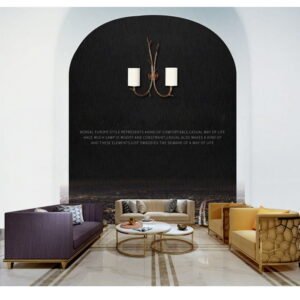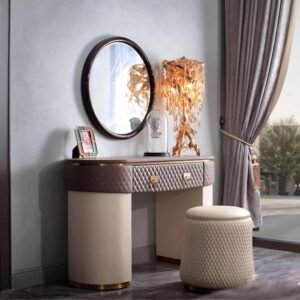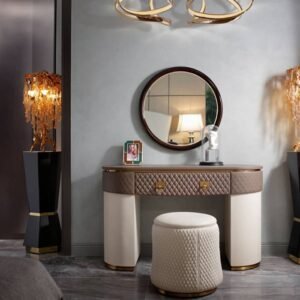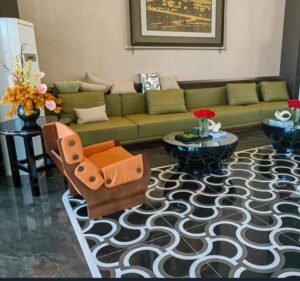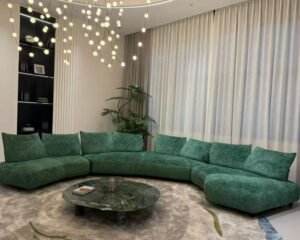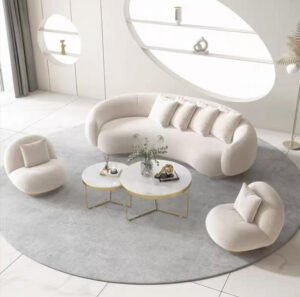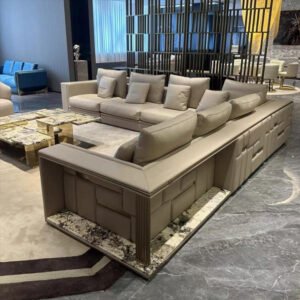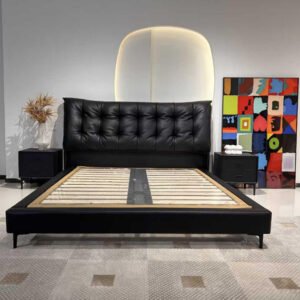
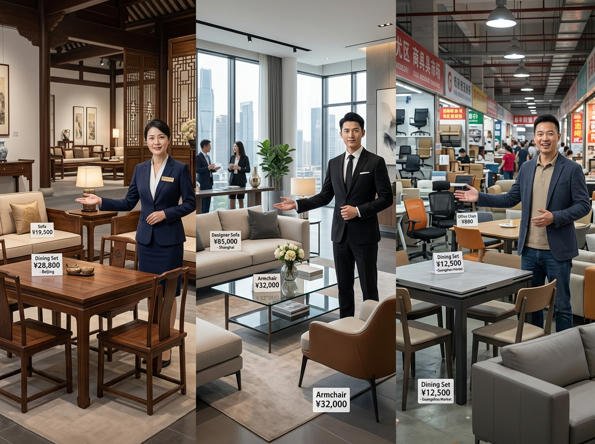
Navegar pelos vastos centros urbanos da China em busca de decoração de interiores requer mais do que apenas um bom olho para o design. Os ecossistemas de varejo em Pequim, Xangai e Guangzhou oferecem experiências muito diferentes, moldadas por economias regionais, rotas comerciais históricas e preferências dos consumidores locais.
Essa comparação detalha as diferenças regionais nessas três megacidades. Quer você seja um expatriado mobiliando um novo apartamento, um designer de interiores que busca produtos para um cliente ou um comprador de varejo, você aprenderá como abordar estrategicamente cada mercado. Exploraremos as tendências de preços, as nuances logísticas e onde encontrar as peças de melhor qualidade.
Visão geral do mercado
Contexto econômico e demanda do consumidor
O pulso econômico de uma cidade dita seu cenário de varejo. Xangai, atuando como o centro financeiro da China, se inclina fortemente para o luxo internacional e o design de vanguarda. Os consumidores daqui geralmente veem os móveis como símbolos de status e peças de investimento.
Pequim tem um peso mais tradicional, com uma forte demanda por madeira sólida e estilos tradicionais, embora modernizados. Guangzhou, historicamente o coração manufatureiro do Delta do Rio das Pérolas, opera com base no volume e na acessibilidade, atendendo a compradores pragmáticos que buscam valor direto da fábrica.
Principais distritos e canais de compras
Em Pequim, o East Fifth Ring Road é famoso pelos enormes mercados em estilo de armazém, enquanto o centro de Chaoyang abriga showrooms de butiques europeias. Os distritos de Jing'an e Xuhui, em Xangai, estão repletos de lojas principais de vários níveis de marcas globais.
Por outro lado, Guangzhou depende de grandes centros atacadistas especializados, como a Lecong Furniture City (tecnicamente na vizinha Foshan, mas que funciona como o motor de sourcing de Guangzhou), onde os compradores navegam por milhões de metros quadrados de estoque.
Principais participantes em cada cidade
O domínio regional varia. No norte, marcas como a Qumei têm uma posição substancial. Xangai é o reduto de marcas importadas por meio de distribuidores como a Domus Tiandi, ao lado de inovadores nacionais de alta qualidade. No sul, as próprias fábricas são os principais participantes, geralmente vendendo diretamente aos consumidores ou por meio de grandes agregadores, como o Louvre Furnishings Group.
Faixas de preço e tendências orçamentárias
Faixas de preços típicas por cidade
Dependendo da sua localização, você terá que alocar seu orçamento de forma diferente. Como Guangzhou está próxima aos centros de fabricação, as despesas gerais de logística são menores, o que se traduz em preços de varejo que geralmente são 20% a 30% mais baratos do que em Pequim ou Xangai para matérias-primas comparáveis.
Xangai comanda o prêmio mais alto, impulsionado por imóveis de varejo caros e uma alta concentração de produtos importados.
Gasto médio em um conjunto de sala de estar premium (RMB)
Descontos e promoções sazonais
O tempo de suas compras pode gerar economias significativas. Em todas as três cidades, as principais janelas promocionais se alinham aos feriados nacionais: Dia do Trabalho (1º de maio), Dia Nacional (1º de outubro) e os festivais duplos de compras on-line e off-line do Double 11 (novembro) e 618 (junho).
Durante esses períodos, é comum ver descontos de fábrica em Guangzhou e pacotes de serviços de design de interiores oferecidos com desconto nos showrooms de Xangai.
Opções de financiamento e planos de parcelamento
Os principais shoppings de Xangai e Pequim frequentemente fazem parcerias com bancos como o ICBC ou o Merchants Bank para oferecer planos de parcelamento a juros zero durante 12 a 24 meses. Nos mercados atacadistas de Guangzhou, o dinheiro ou as transferências bancárias diretas ainda são fundamentais, especialmente ao negociar grandes descontos em massa.
Variedade de produtos e marcas
Presença de marcas nacionais e internacionais
Xangai oferece a maior concentração de marcas internacionais. Se você estiver procurando couro italiano genuíno ou minimalismo escandinavo de origem, as principais lojas de Xangai oferecem disponibilidade imediata. Pequim oferece uma mistura equilibrada, embora se incline fortemente para marcas domésticas premium que adaptam a estética tradicional chinesa.
Guangzhou é predominantemente dominada por fabricantes nacionais. Entretanto, muitas dessas fábricas produzem OEM produtos para marcas globais, o que significa que a qualidade física muitas vezes rivaliza com as marcas internacionais.
Personalização, opções de estofamento e materiais
É na personalização que os fabricantes nacionais se destacam. Em vez de se contentar com um tecido padrão, marcas como Móveis Jade Ant permitem que os clientes selecionem couros específicos de alta qualidade ou tecidos de alto desempenho que resistem a arranhões e respingos de animais de estimação.
Dados de feiras comerciais recentes indicam que a opção por espuma de alta densidade e estofamento premium no início reduz os custos de substituição em até 40% em um ciclo de vida de cinco anos. Guangzhou se destaca na personalização rápida devido à proximidade da cadeia de suprimentos.

Ambientes de compras: Shoppings, mercados e showrooms
Prós e contras de diferentes formatos
Os shoppings de alto padrão oferecem controle climático, vitrines selecionadas e políticas rigorosas de proteção ao consumidor, mas você paga um preço mais alto pelo imóvel. Os mercados tradicionais oferecem preços imbatíveis e variedade bruta, mas exigem fortes habilidades de negociação e um olhar atento para o controle de qualidade.
Os showrooms autônomos atingem um equilíbrio, oferecendo experiências de marca imersivas sem as margens de lucro dos shopping centers.
Pontos de interesse do bairro e lojas principais
Ao planejar sua rota, procure bairros específicos. Em Xangai, a Wukang Road apresenta estúdios de design de butiques. Em Pequim, a periferia do 798 Art District abriga showrooms de vanguarda. Para obter uma combinação perfeita de estética e durabilidade, visite uma loja dedicada a esse tipo de produto. Showroom de móveis Jade Ant oferece uma compreensão tátil de como a ergonomia moderna se integra ao design clássico.
Entrega, montagem e serviço pós-venda
Prazos de entrega e logística
A logística pode ser decisiva para uma compra de móveis. Os itens estocados em Xangai e Pequim geralmente chegam em um prazo de 3 a 5 dias. Entretanto, peças personalizadas de Guangzhou podem levar de 15 a 30 dias para serem fabricadas, além de mais uma semana para o transporte de carga até o norte.
Para a logística entre cidades, o frete padrão raramente inclui a entrega de “luvas brancas” (carregar itens para cima e montá-los). Sempre esclareça se o serviço é “porta a porta” ou apenas “na calçada”.”
Garantias, devoluções e suporte pós-venda
Os varejistas de shopping centers em cidades de nível 1 geralmente oferecem uma garantia padrão abrangente de 1 ano e de até 5 anos para estruturas. Nos mercados de atacado, o suporte pós-venda pode ser notoriamente difícil de ser aplicado depois que o item deixa a província. Certifique-se de que todas as promessas de garantia estejam documentadas no recibo fiscal oficial (fapiao).
Compras on-line versus centros off-line
Plataformas e aplicativos on-line populares em cada cidade
Taobao e JD.com são onipresentes, mas plataformas como Xiaohongshu (Little Red Book) impulsionam a descoberta. Os compradores em Xangai confiam muito no Xiaohongshu para obter inspiração estética antes de visitar uma loja. A JD.com é a preferida em Pequim por sua rede de logística robusta e confiável para itens volumosos.
A função dos showrooms off-line e a visibilidade do estoque
O modelo “O2O” (Online-to-Offline) é padrão. Os consumidores navegam em catálogos on-line, mas visitam showrooms físicos para testar a firmeza de um colchão ou a textura de uma folha de madeira. As marcas que mantêm a visibilidade do estoque em tempo real em suas vitrines digitais e físicas obtêm uma taxa de conversão 30% mais alta.
Preferência do consumidor por estilos de móveis em cidades de nível 1
Destaques de Beijing
Distritos notáveis e lojas emblemáticas
Os super shopping centers Easyhome e Macalline de Pequim pontilham os anéis viários da cidade, oferecendo compras confiáveis e estruturadas. Para trabalhos em madeira sob medida, a Gaobeidian Classic Furniture Street continua sendo um tesouro histórico para peças de Elmwood e Rosewood.
Tendências de preços, preferências de design e disponibilidade
Os compradores de Pequim preferem designs substanciais e sólidos. Há um prêmio notável na madeira sólida em comparação com os materiais compostos. Os preços aqui são estáveis, com descontos menos agressivos do que no sul, refletindo uma base de consumidores que valoriza a longevidade e a construção robusta.
Destaques de Xangai
Distritos notáveis e lojas emblemáticas
Além dos shopping centers, as verdadeiras joias de Xangai estão escondidas em casas de rua reformadas na French Concession, onde designers independentes operam showrooms com hora marcada. Marcas como Architectural Digest frequentemente destacam esses espaços por sua integração inovadora de arquitetura histórica e mobiliário moderno.
Tendências de preços, preferências de design e disponibilidade
Xangai é a capital do “luxo discreto”. Os consumidores evitam logotipos ostensivos, preferindo tecidos de alta qualidade e designs sutis e ergonômicos. Os preços são altos, mas a disponibilidade de estoque internacional não tem paralelo na China continental.

Destaques de Guangzhou
Distritos notáveis e lojas emblemáticas
Embora Guangzhou propriamente dita tenha um varejo extenso, os compradores sérios fazem uma curta viagem até o distrito de Shunde, em Foshan. O Louvre International Furniture Exhibition Center é um complexo labiríntico que requer dias para ser totalmente explorado.
Tendências de preços, preferências de design e disponibilidade
Guangzhou dita as tendências mais amplas do mercado porque controla a produção. Atualmente, há uma grande mudança em direção a móveis integrados para “casas inteligentes”. O preço é altamente negociável, e a disponibilidade é efetivamente ilimitada - se não houver em estoque, eles o construirão para você.
Dicas práticas para comparações regionais
Como planejar visitas a várias cidades de forma eficiente
Se estiver comprando para uma casa inteira, comece sua jornada em Guangzhou para entender os custos básicos de fábrica e garantir itens a granel, como camas e mesas de jantar. Em seguida, use Xangai ou Pequim para adquirir peças de destaque, tapetes e iluminação exclusivos para finalizar o espaço.
Considerações sobre o idioma e etiqueta de atendimento ao cliente
Nos showrooms sofisticados de Xangai e Pequim, é comum haver funcionários que falam inglês. Nos mercados atacadistas de Guangzhou, um tradutor ou agente de compras é fundamental. Para negociar com eficiência, é necessário entender a etiqueta comercial local - criar um relacionamento durante o chá geralmente rende melhores descontos do que pechinchar agressivamente.
Táticas para garantir melhores preços e condições favoráveis
Sempre peça o “preço do projeto” em vez do preço de varejo se estiver comprando vários itens. Solicitar modificações (como um tipo de tecido diferente) também é uma maneira sutil de desviar a conversa do preço de etiqueta e negociar com base nos custos da matéria-prima.
Glossário de termos de fornecimento de móveis
- Folheado: Uma fatia fina de madeira premium colada a painéis centrais (como MDF) para proporcionar uma aparência luxuosa sem a instabilidade ou o alto custo da madeira sólida.
- Entrega com luvas brancas: Um serviço de entrega premium que inclui levar o item para a sala específica, desembalar, montar e remover todos os materiais de embalagem.
- MDF (Medium-Density Fiberboard): Um produto de madeira projetado feito pela decomposição de resíduos de madeira dura ou macia em fibras de madeira, muito usado na fabricação de armários.
Resumo da comparação de mercado
| Recurso | Pequim | Xangai | Guangzhou / Foshan |
|---|---|---|---|
| Força primária | Madeira maciça, estilos tradicionais | Luxo importado, vanguarda | Direto da fábrica, personalização profunda |
| Nível de preço | Médio - Alto | Alta - Premium | Baixo - Médio |
| Velocidade logística | Rápido (estoque local) | Rápido (estoque local) | Mais lento (produção + frete) |
| Melhor para | Construções residenciais clássicas e robustas | Espaços de design que definem tendências | Fornecimento a granel para toda a casa |
A escolha de onde comprar móveis nos principais centros da China depende inteiramente de suas necessidades específicas, orçamento e cronograma. Xangai continua sendo a campeã indiscutível do luxo importado e do design de ponta, embora a um preço mais alto. Pequim oferece uma experiência de varejo robusta e culturalmente ressonante com uma logística local altamente confiável.
Guangzhou e os cinturões de fabricação ao seu redor oferecem flexibilidade e valor inigualáveis, desde que você esteja disposto a navegar em um ambiente de fornecimento mais complexo. Ao aproveitar os pontos fortes de cada cidade - talvez misturando peças de base direto da fábrica com requintados detalhes de showroom - você pode criar um espaço que seja economicamente inteligente e esteticamente espetacular.