
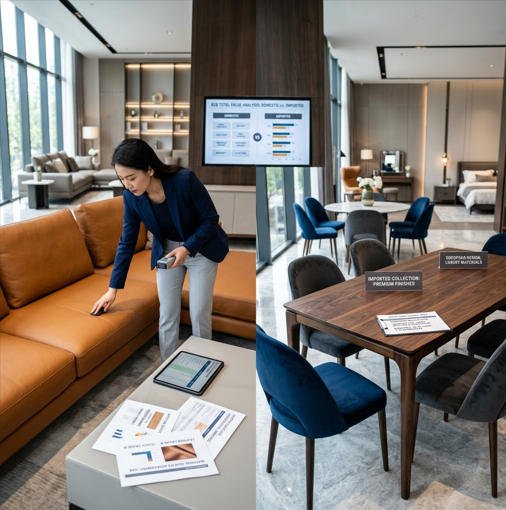
Domestic vs Imported Chinese Furniture:
Price, Quality & Warranty Showdown
An evidence-based B2B framework for furniture distributors, agents, showrooms, interior designers, and hotel procurement teams evaluating whether to source domestically in China or import for international projects.
The question is not “domestic or imported?” — it is “which specification, at which volume, for which market, with which risk profile?”
In early 2025, a purchasing manager at a 120-room boutique hotel group in Dubai issued a request for 480 upholstered dining chairs. Three Chinese factories responded with FOB quotes between $38 and $54 per unit. A Guangzhou trading company offered the same SKU at $61 “all-inclusive.” A domestic Chinese brand with an established showroom in Business Bay quoted AED 390 (~$106) delivered and installed.
The sticker-price gap looked enormous. But when the procurement team modeled ocean freight, UAE import duty (5%), packaging damage rate, and a 6% defect rework allowance into the landed cost — the gap compressed from 64% to 28%. And when they added warranty enforcement distance, spare-part lead times, and the risk of a production delay pushing the hotel’s soft-opening back three weeks, the decision became genuinely difficult.
That calculation — not the catalog price — is what this guide is about. Whether you are a furniture distributor building a B2B import program, a hotel designer specifying contract pieces for a multi-property rollout, or an interior designer sourcing signature furniture for a luxury villa, this framework gives you every variable you need to make the call with confidence and data, not guesswork.
1. Price Landscape: Domestic vs Imported
Sticker Prices vs Hidden Costs
The most common mistake in furniture procurement — and the one that generates the most post-delivery disputes — is evaluating suppliers on FOB price alone. FOB (Free On Board)FOB: the seller’s price covers all costs to load goods onto the vessel at the origin port. The buyer pays everything from that point: ocean freight, insurance, destination port fees, import duties, customs brokerage, drayage, and warehousing. Never compare an FOB price to a delivered domestic price — they are measuring different things. is the factory-gate price. It excludes 15–40% of the actual costs that determine whether an import program is profitable.
A Foshan factory offering upholstered dining chairs at $54 FOB Guangzhou sounds compelling next to a domestic Chinese brand quoting equivalent chairs at $98 ex-showroom delivered to a local project site. But for an EU buyer, the $54 FOB chair becomes approximately $87 landed (adding sea freight at $12/unit for a 40ft container, EU MFN duty at 5.6%, and brokerage/drayage at $7/unit). For a US buyer, the same chair hits $108 landed after the 25% Section 301 tariff — marginally more than the domestic option, with 14–18 weeks lead time instead of 3–5.
Total Cost of Ownership
The real comparison is total cost of ownership (TCO) over a 5–7 year usage horizon. A hospitality procurement analysis by the Móveis Jade Ant team across 1,200 hotel guest rooms found that well-vetted imported furniture (inspected pre-shipment at AQL 2.5AQL (Acceptable Quality Limit) 2.5: a statistical sampling standard for QC inspections. AQL 2.5 means the batch is accepted if no more than 2.5% of the sampled units contain major defects. AQL 0 = zero tolerance, used for safety-critical defects. Standard for commercial furniture pre-shipment inspections.) showed a 5-year replacement rate of 4.2% vs 1.8% for domestic equivalents — a measurable gap, but one that still favored the imported option on net once the unit-cost differential was applied.
| Elemento de custo | Imported (FOB Guangzhou → EU) | Imported (FOB Guangzhou → US) | Domestic China (Local Delivery) | Notas |
|---|---|---|---|---|
| Unit FOB / Ex-Works Price | $38–$95 (dining chair) | $38–$95 (dining chair) | $85–$160 (showroom, delivered local) | FOB reflects Foshan factory-gate 2025 |
| Ocean Freight (per unit) | $10–$18 | $14–$22 | — | Guangzhou → Rotterdam / LA; 40ft HC container |
| Import Duty | EU MFN 0–5.6% | US MFN 3.5% + Section 301 25% | — | Section 301 rise to 30% delayed to Jan 2027 |
| Customs Brokerage + MPF/HMF | $4–$7/unit | $5–$9/unit | — | Scales with order size; relatively fixed cost |
| Pre-Shipment Inspection | $149–$350/man-day | $149–$350/man-day | Often included or on-site visit | SGS, Bureau Veritas, QIMA; essential for quality control |
| Seguro Marítimo | 0.3–0.8% of CIF | 0.3–0.8% of CIF | Domestic logistics insurance | Minimum 110% of CIF value recommended |
| Drayage + Last-Mile | $5–$14/unit | $8–$22/unit | Included or $2–$6/unit | Distance-dependent; often underestimated |
| Estimated Landed Cost (dining chair) | $70–$140 | $95–$165 | $85–$160 | Import advantage shrinks significantly for US buyers |
| 5-Year Replacement Rate | 3–6% (vetted supplier) | 3–6% (vetted supplier) | 1.5–3% | Assumes AQL 2.5 pre-shipment inspection |
Sources: FOB ranges from Foshan factory price sheets and Made-in-China.com wholesale listings (2025). Tariff data per USITC HTS Schedule and EU TARIC database. Replacement rates based on Jade Ant Furniture hospitality procurement case data.
Chart 1 — Landed Cost Breakdown: $60 FOB Dining Chair by Destination (USD per unit)
Compares how a $60 FOB Guangzhou dining chair builds to final landed cost for EU and US buyers versus a domestic China purchase price. The US buyer’s Section 301 tariff is the decisive variable.
Regional Price Variations
Price variation within China is itself significant. Foshan (Guangdong Province) handles an estimated 75% of China’s total furniture output, making it the most competitive pricing environment globally for mid-to-high volume orders. Dongguan commands a 15–25% FOB premium over Foshan for equivalent categories due to its concentration of high-end hotel and contract-grade manufacturers with better QC infrastructure. Nankang (Jiangxi Province), China’s largest solid wood furniture base, is 20–35% cheaper than Foshan but with longer lead times and fewer export-documentation resources.
For B2B buyers sourcing directly, understanding which cluster matches your product category and quality tier is as important as the factory-level negotiation. A buyer visiting Foshan expecting Dongguan-grade hotel furniture will be disappointed at the same price point — and vice versa.
2. Quality Benchmarks and Standards

Two sofas can look identical in a catalog. The specification sheet reveals whether the frame is mortise-and-tenon or staple-gun assembled, whether the foam is 32 kg/m³ or 42 kg/m³, and whether the fabric was tested to 25,000 Martindale rubs or 100,000.
Materials and Construction
Quality in Chinese furniture is not geography — it is specification. A Foshan factory producing upholstered seating for a European luxury brand uses the same materials and precision engineering as a mid-tier American workshop. The variable that separates a 3-year piece from a 15-year piece is the specification document the buyer provides, and how rigorously it is enforced through sampling and inspection.
The five construction parameters that most determine durability — and that are most frequently substituted without the buyer’s knowledge — are:
Craftsmanship vs Mass Production
The craftsmanship-vs-mass-production distinction in China is less about factory size and more about production-line configuration. A 2025 audit of 48 Foshan factories by the Móveis Jade Ant sourcing team found that 89% offered full custom sizing at no surcharge on orders above 50 units, and 72% maintained in-house CNC capability for complex woodwork profiles. The craftsmanship ceiling for Chinese furniture is extremely high — the barrier is the buyer’s specification, not the factory’s capability.
Where Chinese mass production diverges from bespoke domestic production is in surface-finishing consistency across large batches. Lacquer sheen variation of ΔE > 1.5 across a container of 200 dining chairs is a documented quality issue in Foshan production that rarely surfaces in domestic small-batch manufacturing. Specifying a ΔE tolerance in your purchase order and verifying it with a colorimeter on the pre-shipment inspection is the mitigation — not switching to a domestic source.
Quality Assurance and Tests
Quality assurance for imported furniture sits entirely with the buyer. The three-checkpoint model is the industry standard for commercial procurement:
Pre-Production Inspection (PPI)
Verify raw materials before cutting begins: frame species, foam density certificate, fabric Martindale rating, hardware brand. Sign off a Pre-Production Sample (PPS).
During Production (DUPRO)
Third-party inspection at 30–40% completion. Catches frame, foam, and fabric substitutions early enough to correct before the full run is finished.
Pre-Shipment Inspection (PSI)
AQL 2.5 sampling at 100% production completion. Covers dimensions, finish quality, hardware function, carton integrity, and label accuracy before balance payment release.
Third-party inspection costs in China (2025): SGS at $280–$350/man-day, Bureau Veritas at $260–$320/man-day, QIMA at $149–$299/man-day. For a $30,000 order, a $250 inspection is a 0.8% insurance premium against a 10%+ defect scenario. Domestic Chinese furniture — purchased from a showroom or domestic dealer — includes embedded QC, shifting responsibility to the manufacturer.
3. Warranty and Post-Purchase Support
Warranty Terms and Duration
Warranty language in Chinese furniture contracts deserves line-by-line scrutiny. A “3-year warranty” from a Foshan export factory and a “3-year warranty” from a domestic Chinese brand serving the local hospitality market are structurally different documents — not because one is dishonest, but because enforcement mechanisms differ entirely by market proximity.
| Warranty Dimension | Exported Chinese Furniture (Factory Direct) | Domestic China Market Brand | What B2B Buyers Should Do |
|---|---|---|---|
| Structural frame warranty | 1–3 years (common), up to 5 years (premium) | 1–5 years; premium brands offer lifetime on frame | Always specify structural vs cosmetic warranty separately in the PO |
| Foam/cushion warranty | 1–2 years; density retention rarely guaranteed | 1–3 years; CertiPUR-US certified foam increasingly common | Specify foam density retention ≥90% of original at Year 2; test on sample |
| Fabric/upholstery warranty | 1 year (standard), 2–3 years (premium COM) | 1–3 years; Martindale rating typically disclosed | Match Martindale spec to use intensity (100,000+ for hospitality) |
| Defect claim response time | 4–16 weeks (shipping parts internationally) | 3–14 days (domestic logistics) | Negotiate a local spare-parts kit as part of the purchase order |
| Warranty enforcement mechanism | Depends entirely on contractual penalty clause; no local court access | Chinese contract law fully applicable; local courts accessible | For imports: insert liquidated damages clause in supply agreement (3–5× order value) |
| Replacement part availability | Must be air-freighted ($5–$12/kg) or sourced locally (requires standard hardware spec) | Domestic warehouse; same-week delivery common | Specify standard hardware brands (Blum, Hettich) to enable local sourcing of spares |
How to Claim Service
For imported furniture, the practical warranty claim process looks like this: identify the defect, photograph it with measurement references, reference the specific clause in the supply agreement, submit the claim to the factory in writing with the original inspection report attached, and negotiate a credit note, replacement shipment, or on-site repair contribution. Without a signed supply agreement containing a defect-claim clause — which many buyers neglect to negotiate — the factory’s obligation is moral, not legal.
The simplest structural protection is a payment holdback: retain 5–10% of the invoice value for 90 days post-delivery, released only after site inspection confirms no hidden defects. This creates a financial incentive for the factory to address claims promptly without requiring litigation across 8,000 miles.
After-Sales Network
Domestic Chinese brands serving B2B markets — distributors, showroom buyers, hotel designers — typically operate regional service networks with trained technicians who can touch up finishes, replace mechanisms, or swap hardware on-site within 5–10 business days. Export-focused factories have no equivalent infrastructure outside China.
The solution for import programs is designing for repairability from the specification stage: specify standard drawer slides, hinges, and mechanisms from brands with global distribution (Blum in 110 countries, Hettich in 150+ countries), use RAL-coded finish references that local paint suppliers can match, and order a 3–5% spare-parts kit (extra drawer slides, hinge sets, touch-up paint pots) with every container. Jade Ant Furniture includes this spare-parts protocol as standard for all hotel and villa project deliveries.
4. Domestic Market Dynamics
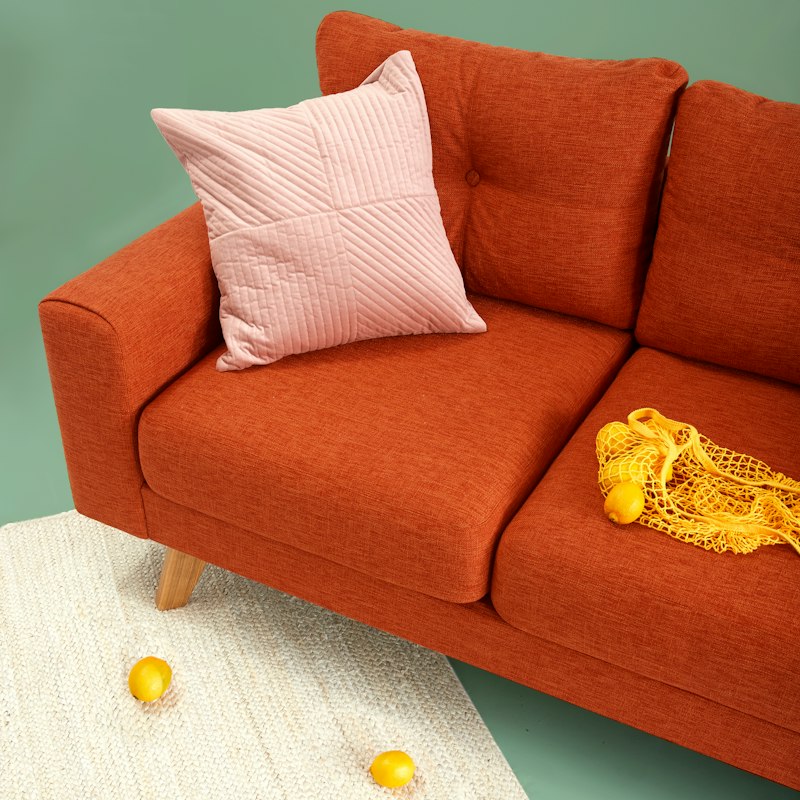
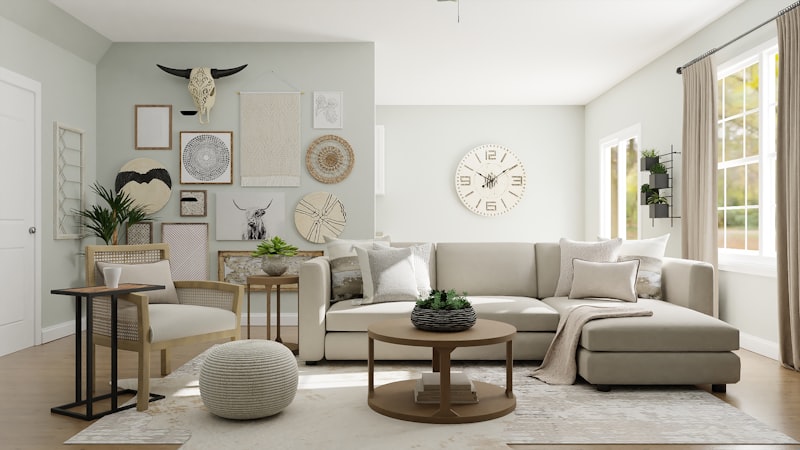
Left: Restaurant-grade seating — the performance gap between commercial and residential specification becomes visible within the first hospitality season. Right: Hotel casegoods — Dongguan and Dongguan factories dominate this category for contract-quality B2B export orders.
Local Labor and Sourcing
China’s furniture manufacturing workforce remains one of the most cost-competitive in the world for skilled production. Labor rates in Foshan average $4.50–$7.00/hour for experienced furniture workers — roughly 25–35% of North American equivalent rates and 40–55% of comparable European rates. This cost advantage is real and structural, not temporary: the concentration of 15,000+ furniture factories, 300+ material suppliers, and specialized logistics infrastructure in Guangdong Province creates an ecosystem that cannot be replicated quickly elsewhere.
However, the domestic Chinese furniture market — furniture sold within China to Chinese end-buyers — operates at increasingly competitive price points as domestic disposable income grows. Premium Chinese brands like QuanU, Suofeiya, and Red Apple now sell custom wardrobes and kitchen systems at price levels that overlap with import competition in Southeast Asian markets. For B2B buyers sourcing for Chinese domestic hotel or commercial projects, these domestic brands offer faster delivery, local warranty support, and CNAS-accredited test reports — advantages that narrow the gap with export-focused factories.
Manufacturing Clusters in China
| Cluster | Primary Speciality | Typical Buyer Segment | FOB Price Level | Lead Time (Custom) | Export Documentation |
|---|---|---|---|---|---|
| Foshan, Guangdong | Full-range: upholstered, casegoods, hotel, office | All B2B segments; widest product range | $$–$$$ | 4-8 semanas | Strong |
| Dongguan, Guangdong | High-end hotel furniture, commercial contract | Hotel groups, luxury showrooms, 5-star hospitality | $$$–$$$$ | 6 a 10 semanas | Very Strong |
| Anji, Zhejiang | Bamboo, PE rattan, outdoor, ergonomic chairs | Outdoor/garden distributors, office chair importers | $–$$ | 3–6 weeks | Strong |
| Nankang, Jiangxi | Solid wood bedroom & dining furniture | Mid-market retailers, bedroom furniture distributors | $–$$ | 6 a 10 semanas | Moderado |
| Linyi, Shandong | Plywood, MDF, flat-pack, budget casegoods | Volume retailers, e-commerce furniture brands | $ | 2–4 weeks | Moderado |
| Putian/Zhangzhou, Fujian | Teak and certified solid wood outdoor furniture | EU/US importers needing FSC-compliant solid wood | $$–$$$ | 5–8 weeks | Strong |
Lead Times and Inventory
Lead times for Chinese furniture are frequently misquoted at the inquiry stage and revised upward as the project develops. A factory quoting “4 weeks production” may be measuring from material receipt — not from purchase order date, which adds 1–2 weeks for material procurement. For first-time custom orders, add 1–3 weeks for sample approval. For orders requiring imported fabrics (COM — Customer’s Own Material), add 4–8 weeks for fabric delivery to the factory before cutting begins.
The practical planning framework for B2B buyers: design confirmation + sample approval (3–5 weeks) + material procurement (1–4 weeks) + production (4–8 weeks) + QC inspection (1 week) + export documentation (1 week) + ocean transit (3–5 weeks to Europe, 4–6 weeks to US East Coast). Door-to-door: 16–29 weeks for a first custom order. Domestic Chinese market buyers receive the same quality piece in 3–8 weeks delivered to site.
5. Imported Goods: Logistics and Compliance
Customs Duties and Import Taxes
Import duty is the single largest variable distinguishing the economics of importing Chinese furniture for different destination markets. The table below captures the current landscape as of mid-2026 — a landscape that has shifted significantly since 2018 and continues to evolve with US trade policy.
| Destination | MFN Base Duty | Additional Duty | Total Effective Tariff | Key Notes |
|---|---|---|---|---|
| Estados Unidos | 0–5% (HS 9401, 9403) | 25% Section 301 (→30% Jan 2027) | ~28–30% | 25% on upholstered wood furniture; cabinets potentially 50% in 2027 |
| União Europeia | 0–5.6% (HS 9401, 9403) | Nenhum | 0–5.6% | Most favorable import environment for Chinese furniture globally |
| United Kingdom | 0–6.5% | 10% proposed (under review) | 10–16.5% | Post-Brexit tariff schedule; additional 10% under US reciprocal discussion |
| Australia | 0–5% | Nenhum | 0–5% | GST 10% on import value; no anti-dumping measures on furniture |
| UAE / Middle East | 5% (GCC standard) | Nenhum | 5% | Low duty environment; favorable for hotel and hospitality sourcing |
| Índia | 25–30% + GST 18% | None currently | ~43–48% | High duty environment; domestic sourcing increasingly competitive |
Sources: USITC Harmonized Tariff Schedule, EU TARIC database, US Customs and Border Protection. Always verify current rates before finalizing a sourcing budget — tariff levels are subject to change with limited notice.
Packaging and Shipping Risks
Transit damage is the third most significant cost variable in import furniture programs (after unit price and duties), yet it receives the least specification attention. Industry estimates suggest 3–8% of furniture pieces in standard export packaging arrive with some level of transit damage — corners bruised, glass surfaces cracked, legs scratched, or finishes marred from carton movement. For high-gloss lacquered pieces or stone-topped tables, that rate can reach 12–15% without purpose-engineered protective packaging.
The specification detail that matters: minimum 5cm EPE foam corner protection for all solid-wood frames; double-walled cartons (200g/m² or above) for items above 15kg; custom foam-cut inserts for fragile hardware; and moisture-barrier poly bags inside each carton for 40-day ocean shipments through the tropics. These packaging upgrades add 3–6% to the factory cost but prevent claim scenarios that cost 10–20× more to resolve.
Additionally, all solid-wood packaging materials must carry ISPM-15ISPM-15 (International Standard for Phytosanitary Measures No. 15): requires wooden pallets and packaging to be heat-treated (HT) or methyl bromide fumigated to kill wood-boring pests. Non-compliant wood packaging is physically seized and destroyed at most destination ports worldwide — a common, entirely preventable cause of container holds and delays. certification stamps (heat-treated or fumigated). Non-compliant wooden packaging is seized at most destination ports — a delay that costs $75–$175/day in demurrage while the issue is resolved.
Certification and Safety Standards
| Certificação | O que está coberto | Obrigatório para | Como verificar | Prioridade |
|---|---|---|---|---|
| Fase 2 da CARB / Título VI da TSCA da EPA | Formaldehyde emissions from composite wood (MDF, particleboard, HW plywood) | All composite wood furniture entering US market (federal law) | EPA TSCA Title VI registry | Mandatory (US) |
| Cadeia de Custódia FSC | Sustainable, traceable wood sourcing from certified forests | EU Timber Regulation; eco-procurement mandates; hotel ESG commitments | info.fsc.org — verify certificate number | Essencial (madeira) |
| BIFMA X5 Series | Structural durability and performance for commercial furniture under heavy use | US commercial contract environments (offices, hotels, healthcare) | BIFMA Standards Overview | Essential (US commercial) |
| GREENGUARD Gold | Low VOC emissions — indoor air quality for furniture and foams | Hotels, schools, healthcare, LEED-certified projects | UL GREENGUARD database | Recomendado |
| EN 12520 / EN 12521 | Strength, durability, and safety for upholstered / non-upholstered seating (Europe) | All furniture sold in EU commercial and retail markets | Request test report from accredited lab (SGS, TÜV) | Essencial (UE) |
| ISO 9001 | Quality management system — confirms documented production processes | All B2B commercial buyers as minimum baseline | Verify number through ISO Survey | Baseline |
| BSCI / amfori | Social compliance — labor rights, wages, child labor, working conditions | EU retail chains; major hotel group supplier approval programs | amfori.org | Required (EU retail) |
6. Brand and Perception: Domestic vs Imported
Made in China vs Made Elsewhere — The Stigma
The “Made in China” perception gap that existed prominently in Western retail markets through the 2000s and 2010s has largely closed at the B2B specification level — and is closing rapidly even at the retail level. A 2025 survey by the China Furniture Association found that 68% of European interior designers now consider Chinese-manufactured furniture “equal to or better than” Southeast Asian alternatives on quality, up from 41% in 2018. The shift is driven by direct factory experience: designers who have visited Dongguan’s hotel furniture facilities describe production standards comparable to Italian factories, at 35–50% lower unit cost.
The remaining perception challenge is in narrative. A Parisian interior design studio specified custom dining chairs from a Dongguan factory for a Monaco villa project in 2024. When the client asked where the furniture was made, the studio answered: “Manufactured in Guangdong Province, China, to a specification we developed with the factory over eight months, using Italian leather, Austrian hardware, and kiln-dried American black walnut.” That framing — specification provenance, not origin alone — is increasingly how sophisticated B2B buyers communicate Chinese furniture to their own clients.
Brand Reputation and Warranties
China’s domestic furniture market has produced internationally recognized brands with genuine reputations for quality and post-sales reliability. OPPEIN holds the Guinness World Record for the world’s largest custom furniture manufacturer and operates 10,000+ showrooms globally. Kuka Home (upholstered furniture), Man Wah Holdings (motion furniture), and Sunon (office systems) all export to 80–120 countries with established international service networks and warranty infrastructure.
For B2B buyers building long-term supply relationships, Jade Ant Furniture’s major Chinese contract furniture brand review provides a structured comparison of these brands across product category fit, customization depth, compliance documentation, and procurement risk factors — a useful reference before shortlisting suppliers for a significant project.
Design Trends
Chinese furniture design has undergone a pronounced premiumization since 2018. The shift away from replicating European styles toward original Chinese contemporary design — characterized by clean profiles, natural material contrast (walnut with brushed brass, linen with matte black steel), and craftsmanship-focused joinery details — is generating genuine international design recognition. The China International Furniture Fair (CIFF) in Guangzhou now attracts 170,000+ trade visitors from 150+ countries, with international buyers citing design originality as a primary draw alongside pricing.
For B2B distributors and showroom buyers, the design trend insight is actionable: Chinese contemporary furniture that leads with material quality and proportion — rather than conspicuous design complexity — travels best across international markets. A simply proportioned solid walnut dining table with a clean wax-oiled finish and invisible joinery sells in Amsterdam, Singapore, and Sydney with minimal market-adaptation. Heavily carved traditional Chinese motifs or overly ornamented neo-classical styles require significant adaptation for non-Asian markets.
▶ Watch: Buying Furniture from China — Hidden Costs, Quality & Timelines for B2B Buyers
This practical video from Globus China covers the real cost build-up, quality inspection process, and timeline realities of importing furniture from Chinese factories — directly relevant to distributors, designers, and procurement teams evaluating their first or next China program.
7. Price vs Value: When to Prioritize Cost Savings
Durability vs Initial Price
The decision to prioritize cost savings should be driven by the context of use, not the absolute budget. Three scenarios illustrate where the calculus genuinely differs:
Scenario A — Volume Hotel Rollout (400 rooms, standardized spec): A US hotel developer sourcing 800 upholstered desk chairs at $95 FOB Dongguan, landed at $155 with 25% Section 301 tariff, vs a domestic US equivalent at $280 delivered. The import saves $100,000 on the chair line alone. At this volume, the 4% replacement rate difference (4.2% imported vs 1.8% domestic) adds $4,096 in replacement cost over 5 years — leaving a net saving of approximately $95,900. Import wins decisively at this scale with structured QC.
Scenario B — Boutique Design Hotel (24 rooms, bespoke spec): The same comparison at 48 chairs. The $100 per-unit saving generates $4,800 total. The fixed costs of sampling, inspection, customs brokerage, and a 16-week lead time push break-even to approximately 80–100 units. At 48 chairs, domestic or regional sourcing is the rational choice — unless this is the first order in a relationship designed for larger future volume.
Scenario C — Luxury Villa (1 dining set, fully custom): No Chinese factory’s MOQ is met. The correct channel is a China-based sourcing intermediary managing a consolidated order, or a premium domestic Chinese brand with direct export capability. Móveis Jade Ant handles exactly this scenario — bespoke pieces from 1 unit for luxury residential projects, with full design documentation and direct shipping.
Return Policies
Return policy economics for imported furniture are structurally different from domestic retail. Returning a 90kg upholstered sofa from Rotterdam to Guangzhou costs $280–$450 in logistics alone — making returns economically irrational for all but the highest-value disputes. The practical consequence: importers cannot operate with the same return tolerance as domestic buyers. Every quality defect that passes through the supply chain without interception is a loss, not a manageable return.
This is why the pre-shipment inspection protocol is not optional for professional import programs — it is the return-policy substitute. A rejected container in Guangzhou costs $250–$350 in inspection fees. The same container rejected at the buyer’s warehouse costs $3,000–$8,000 in rework, plus the relationship damage of failing to deliver on time to a project client.
Chart 2 — Primary Sources of Quality Risk in Chinese Furniture Import Programs
Based on pre-shipment inspection data from 1,840 commercial furniture inspections in China. Understanding where risk concentrates helps B2B buyers allocate specification and inspection effort most effectively.
8. Choosing the Right Supplier
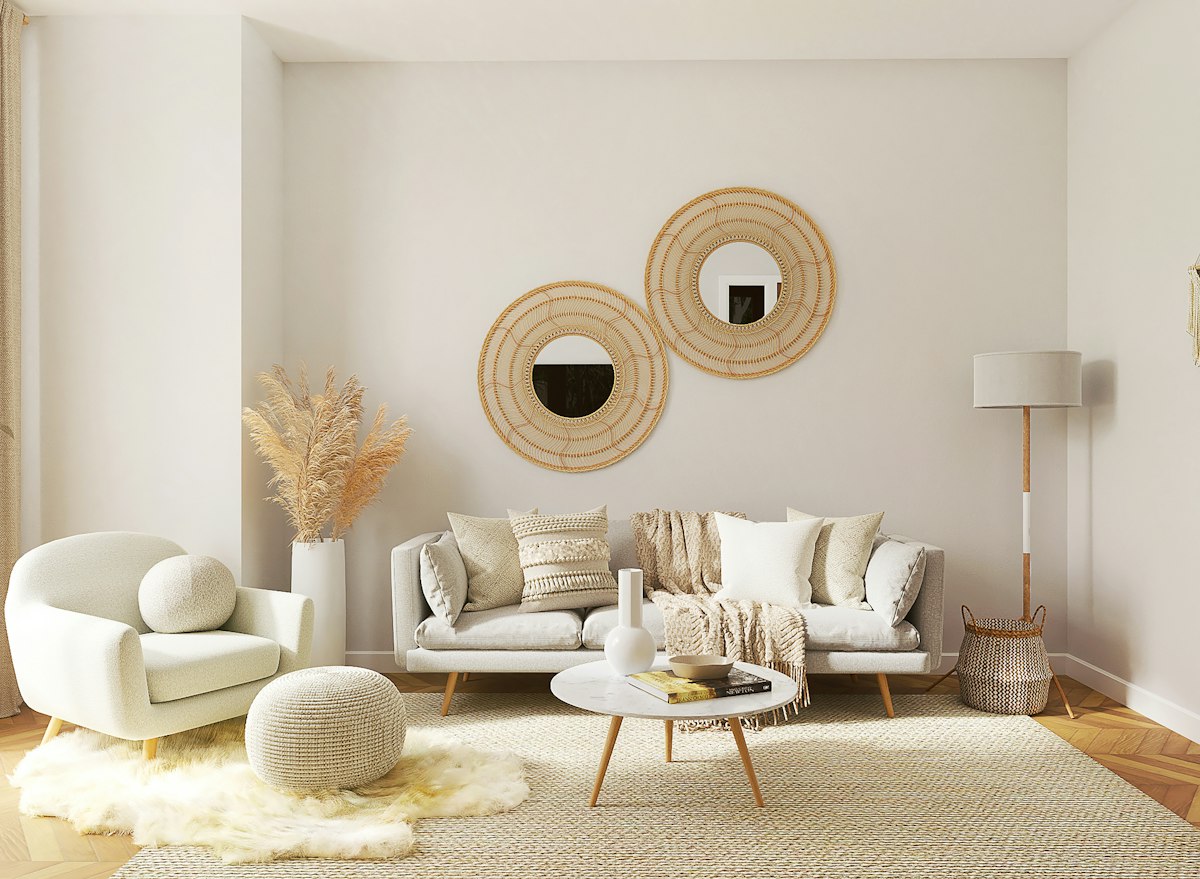
A factory that produces pieces like this — bespoke marble joinery, precision-cut veneer matching, concealed hardware — exists in Dongguan and Foshan. Finding it requires structured verification, not browsing Alibaba listings.
Verifying Factories and Sourcing
Supplier verification for B2B furniture procurement follows a four-layer process. Skip any layer and the subsequent steps offer false security.
Layer 1 — Legal entity verification: Check the factory’s Business License (营业执照) on China’s National Enterprise Credit Information Publicity System (gsxt.gov.cn). Confirm the registered business scope includes “furniture manufacturing” (家具制造) — not just “furniture trading.” A trading company presenting as a manufacturer is the most common and most costly misrepresentation in the China furniture market.
Layer 2 — Certification cross-verification: Request ISO 9001, BSCI, FSC, and any product-specific test reports. Verify each certificate number through the issuing body’s online registry — not from the PDF the supplier emails you. Counterfeit certificates are a documented problem in the lower-tier supply base.
Layer 3 — Production capability confirmation: Request a live (not pre-recorded) video factory tour covering the cutting room, upholstery section, finishing line, QC room, and finished-goods warehouse. Ask for the CNC equipment brand and production capacity in units per week. A factory quoting 6-week lead times on 500 chairs should be able to demonstrate the production floor to support that claim.
Layer 4 — Commercial reference verification: Request two buyer references in your product category from the past 18 months. Contact them directly — not through the supplier. Ask specifically about defect rates, communication responsiveness, and whether the delivered product matched the approved sample. A detailed factory due-diligence checklist covering all four layers is available from the Jade Ant Furniture resource library.
Customer Reviews and References
Alibaba and Made-in-China.com star ratings measure trading-platform satisfaction, not product quality in a B2B context. A supplier with 4.9 stars on Alibaba based on 200 retail orders of $80 chairs cannot be assumed to meet the quality and documentation requirements of a $200,000 hotel contract. Reference-check directly with B2B buyers in comparable project categories — a distributor who has placed three containers of hotel furniture from this factory in the past two years is a meaningful reference; a retail consumer who bought two chairs is not.
Factory Visits and Audits
For orders above $50,000, a factory visit or professional audit is the single most cost-effective quality investment available. A two-day visit to Foshan — flights, accommodation, and interpreter included — costs approximately $2,000–$3,500. A professional factory audit through QIMA, SGS, or HQTS costs $300–$600 per man-day. Both are rounding errors against a $50,000+ order value and provide information that no amount of virtual communication can replicate: the actual scale of the production floor, the condition of machinery, the sophistication of the finishing line, and — critically — the knowledge gap between the sales team and the production floor.
- FOB price more than 30% below comparable market level — the only explanation is material substitution.
- Cannot provide Business License within 24 hours, or it shows “trading” not “manufacturing” as primary scope.
- Refuses third-party pre-shipment inspection, or insists it must be “arranged through us.”
- ISO or FSC certificate is a one-page PDF with no certificate number verifiable online.
- Requests 100% payment upfront, or via Western Union or a personal bank account.
- Cannot specify foam density, frame wood species, or fabric Martindale rating of their standard product.
- Showroom photos are professional-studio quality; factory photos show a small workshop inconsistent with claimed production volume.
- Pushes to move communication off the B2B platform (Alibaba, Made-in-China) to WhatsApp before any purchase agreement is signed.
9. Sustainable and Ethical Considerations
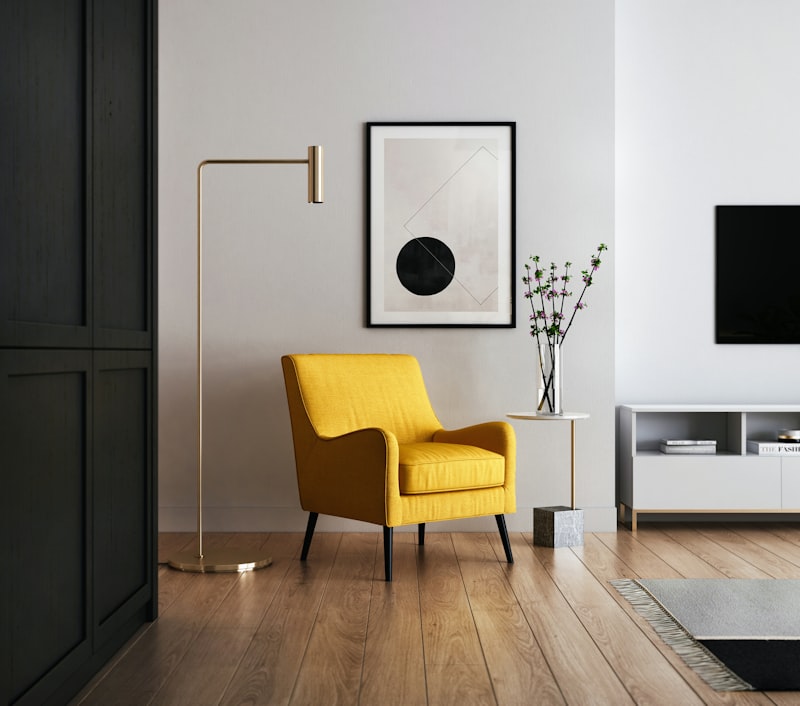
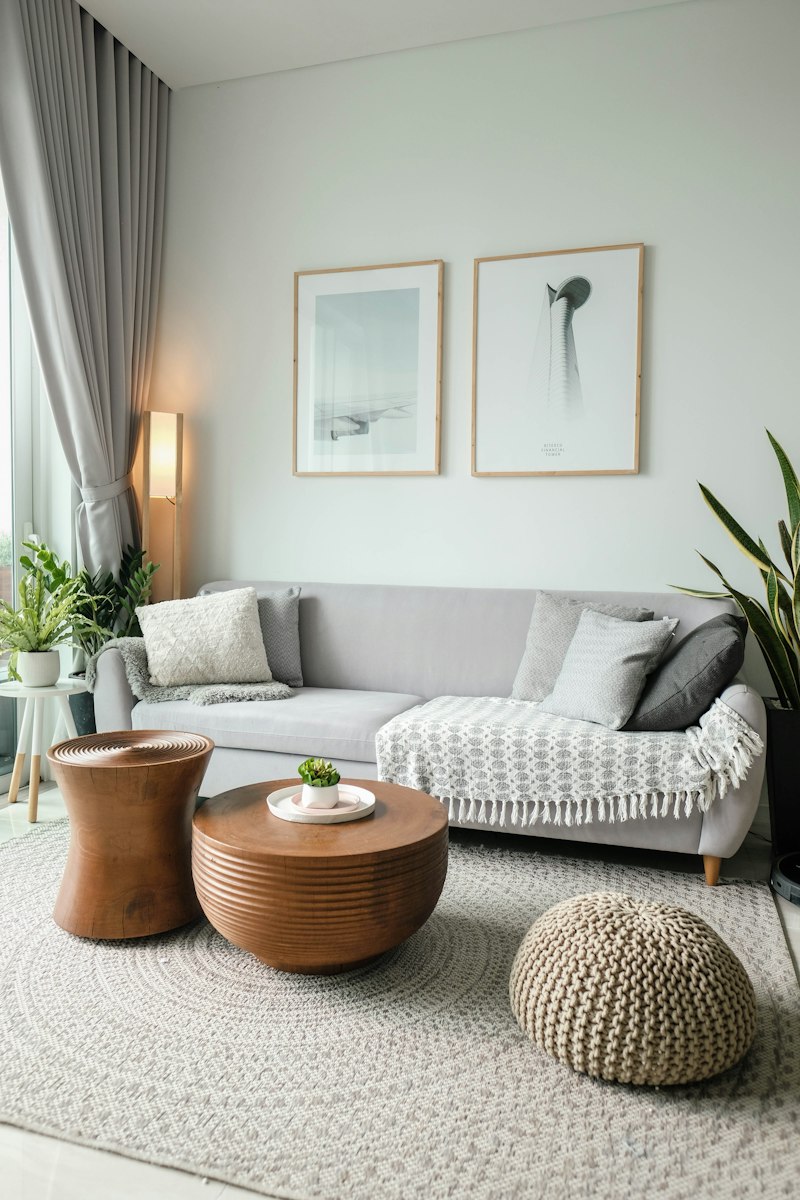
Left: Natural material upholstery — linen, wool, and organic cotton fabrics on FSC-certified frames meet the ESG procurement requirements of European hotel groups and corporate interiors. Right: Hotel casegoods — CARB Phase 2 compliance for composite wood components is a US federal requirement; GREENGUARD Gold is increasingly a procurement prerequisite for 4- and 5-star properties globally.
Resource Sourcing
The eco-friendly furniture market was valued at $53.77 billion in 2025 and is projected to grow at 10% CAGR through 2033 (Pesquisa Grand View). Major hotel procurement programs — including those affiliated with Marriott, IHG, and Hilton — now require verified sustainable material sourcing as a supplier-approval condition, not a preference.
For Chinese furniture manufacturers, FSC Chain of Custody certification is the primary credential for wood-based products. As of 2025, over 800 Chinese furniture manufacturers hold FSC CoC certification. However, FSC scope certificates cover a factory’s capability — not every product they make. When specifying FSC-certified wood, request the transaction certificate for your specific production run, not just the factory’s annual scope certificate.
Certifications (FSC, CARB, etc.)
CARB Phase 2 (formaldehyde emissions from composite wood) is a US federal requirement under TSCA Title VI since 2019 — not optional and not something to “add later.” Any composite-wood furniture piece entering the US market — whether imported or domestic — must comply. Chinese factories supply CARB Phase 2 compliant boards as a standard offering; the verification requirement is that the specific composite board used in your order carries a CARB Third-Party Certifier (TPC) attestation, not just a general factory claim.
REACH compliance (EU chemical restriction regulation) covers hazardous substances in furniture surface treatments, foams, and textiles. For EU-bound furniture, request a Substances of Very High Concern (SVHC) declaration and test reports from an accredited EU-recognized laboratory. The EU’s Corporate Sustainability Due Diligence Directive (CSDDD), phasing in from 2027 onward, will require EU companies to verify human rights and environmental standards throughout their supply chains — including Chinese manufacturing partners. B2B buyers building long-term import programs should begin supplier SMETA audit documentation now.
End-of-Life and Recyclability
Solid-wood furniture — regardless of origin — has the best end-of-life profile: restorable, reusable, compostable. Composite-wood furniture (MDF core, particleboard carcasses) has limited recyclability. Upholstered furniture is the most complex: foam, fabric, springs, staples, and frame materials are difficult to separate. For buyers with genuine sustainability commitments rather than compliance checkboxes, the practical specification choices are: solid or engineered wood frames over composite, solution-dyed fabrics (no surface-applied dye that migrates), modular designs with replaceable covers, and standard hardware enabling local spare-part sourcing for 15+ years of service. Several Chinese manufacturers are now developing take-back and modular refurbishment programs for hotel hospitality contracts — ask specifically if this is a project requirement.
10. Practical Buying Guide: The Complete B2B Checklist
12-Point Pre-Purchase Checklist
- Define written specifications before contacting any supplier: frame species, moisture content, foam density (kg/m³), fabric Martindale rating, finish color (RAL code), hardware brand, and dimensional tolerances (±2mm standard).
- Calculate full landed cost — not FOB price: include freight, duty, brokerage, inspection, and drayage. For US buyers, add 25–28.5% to FOB. For EU buyers, add 15–20% to FOB. Use this as your negotiation baseline.
- Verify factory Business License on gsxt.gov.cn: confirm “manufacturing” (not “trading”) in the business scope, and match the registered address to the production facility address.
- Cross-verify all certifications: ISO 9001 number through the issuing body; FSC number through info.fsc.org; CARB compliance through EPA TSCA registry. Do not rely on PDF documents supplied by the factory.
- Order a counter sample (CS): a physical sample made to your specification. This is the quality baseline, not a commitment to order. Budget $150–$400 in express freight; it saves $5,000–$20,000 in dispute scenarios.
- Sign a Pre-Production Sample (PPS) agreement: the factory produces one unit to your specification, both parties sign off, and that sealed sample becomes the legal quality standard for the entire order.
- Specify AQL levels in the Purchase Order: AQL 0 for critical safety defects, AQL 1.5 for major structural/functional defects, AQL 4.0 for minor cosmetic defects.
- Book a DUPRO inspection at 30–40% production completion through QIMA, SGS, or Bureau Veritas — not through the factory. This catches material substitution before the full run is finished.
- Structure payment as 30% deposit / 70% against PSI pass: never 100% upfront. Retain 5–10% for 90 days post-delivery as a defect holdback on first-time supplier relationships.
- Confirm ISPM-15 fumigation on all wood packaging: request the fumigation certificate before the container is sealed. Non-compliant packaging is seized at most destination ports.
- Specify standard hardware brands (Blum, Hettich, Grass): ensures local spare-part availability for warranty repairs — eliminating the need to air-freight spare hardware from China.
- Order a spare-parts kit with every container: 3–5% of total order value in extra drawer slides, hinge sets, touch-up paint, and replacement hardware. This eliminates the most common after-delivery service requests.
Negotiation Tips
Negotiation with Chinese furniture factories is most effective when it follows the factory’s logic, not the buyer’s wishlist. Factories price based on material cost, production-line setup time, and risk of variation. Three negotiation levers that consistently work for B2B buyers:
Volume commitment: Committing to a second order at the time of the first — “If this order performs well, we will place 120 units in the following season” — unlocks 8–15% price reductions compared to a one-off inquiry, because it changes the factory’s view of relationship value. This is not a promise; it is a conditional signal that influences pricing.
Specification standardization: Agreeing to use the factory’s existing standard frame profile, foam grade, and hardware specification (rather than fully custom) for a first order reduces their production-line setup cost. A buyer who accepts the factory’s “standard 42 kg/m³ foam” instead of specifying “40 kg/m³” eliminates a procurement complication for the factory and typically generates a $3–$8/unit concession without any quality sacrifice.
Payment term improvement: Offering 40% deposit (vs the standard 30%) in exchange for a 3–5% unit price reduction is frequently accepted by factories with material procurement costs — they face their own cash-flow pressure from buying fabric, foam, and hardware ahead of production.
Warranty Documentation You Need
Before signing any purchase order for Chinese furniture, ensure you have in writing: the specific warranty period for each component (frame, foam, fabric, hardware); the defect claim process with response-time commitments; the remedy for confirmed defects (credit note, replacement shipment, or on-site rework contribution); the governing law clause (Chinese law, with a Chinese-language version of the agreement controlling over any English translation); and a liquidated damages clause for delivery delay or material specification breach (typically 0.5–1% of order value per week of delay, capped at 10–15%).
These clauses are not aggressive — they are standard practice in professional B2B furniture procurement. A supplier who resists any of these provisions is communicating that they expect to need the flexibility they are asking you to concede.
Chart 3 — Price-to-Quality Positioning: Domestic China Brands vs Export-Grade Chinese Factories vs Western Manufacturers
Indexed comparison across four dimensions for B2B commercial furniture buyers (score 1–10). Domestic China brands score highest on delivery speed and warranty enforcement; export-grade Chinese factories lead on price; Western manufacturers lead on compliance documentation and after-sales infrastructure.
Making the Call With Data, Not Intuition
The domestic-vs-imported Chinese furniture decision does not have a universal answer — but it does have a framework. The Savannah hotel and the Dubai procurement manager in this guide both chose to import, but only after modelling the full decision, not just comparing catalog prices. Different volumes, timelines, project requirements, and destination markets produce different optimal answers.
Three principles should anchor every B2B evaluation. First: compare landed costs, not sticker prices. A US buyer comparing $60 FOB and $140 domestic is not comparing the same number — the $60 becomes $105 after duty alone. Second: quality is a specification decision, not a geography decision. The same Foshan factory produces $38 dining chairs for a bargain retailer and $195 dining chairs for a Michelin-starred restaurant — the difference is the buyer’s specification document, not the factory. Third: warranty value equals contract value. A “3-year warranty” from a factory 8,000 miles away is only as enforceable as the penalty clause in your supply agreement.
For B2B buyers who want expert support across the full sourcing cycle — from factory verification and specification development to QC coordination, customs documentation, and direct shipping — Móveis Jade Ant provides factory-matching, on-the-ground QC management, and project logistics across China’s major manufacturing clusters, with a track record in hospitality, showroom, and luxury residential contract furniture.
Ready to Source Chinese Furniture the Right Way?
Jade Ant Furniture connects B2B buyers — distributors, designers, hotel groups, and showrooms — with verified factories across Foshan, Dongguan, and Fujian, with in-house QC and full export documentation support.
Talk to the Jade Ant Team →📖 Glossary of Key Terms
- AQL (Limite de Qualidade Aceitável)
- Statistical sampling standard for QC inspections. AQL 2.5 = batch accepted if ≤2.5% of sampled units contain major defects. AQL 0 = zero tolerance for critical/safety defects.
- BIFMA X5 Series
- American commercial furniture performance and safety standards published by the Business and Institutional Furniture Manufacturers Association. X5.1 covers office chairs; X5.5 covers office desks. Test reports from BIFMA-accredited labs confirm structural durability under commercial use conditions.
- Fase 2 da CARB / Título VI da TSCA da EPA
- California Air Resources Board regulation (adopted federally) limiting formaldehyde emissions from composite wood products (MDF, particleboard, hardwood plywood). Mandatory for all composite wood furniture sold in the US. Verify compliance through the EPA TSCA Title VI product registry.
- COM (Customer’s Own Material)
- A supply arrangement where the buyer provides their own fabric (and sometimes foam or leather) to the factory for use in upholstered furniture production. Allows unique material selections beyond the factory’s standard swatch range. Adds 4–8 weeks to lead time for material delivery to the factory.
- DUPRO (During Production Inspection)
- Third-party quality inspection conducted when 30–40% of the order is complete. Catches specification deviations early enough to be corrected before the full run is finished. Costs $149–$350 per man-day through established inspection firms.
- FOB (Free On Board)
- Incoterms 2020 delivery term: seller covers all costs to loading goods onto the vessel at the origin port. Buyer pays ocean freight, insurance, destination duties, brokerage, and drayage from that point. Never compare FOB prices directly to delivered domestic prices.
- FSC Chain of Custody (CoC)
- Forest Stewardship Council certification tracking wood from certified forest through every manufacturing stage to the finished product. Required for EU Timber Regulation compliance. Verify certificate numbers at info.fsc.org — factory scope certificates do not automatically cover individual production runs.
- ISPM-15
- International Standard for Phytosanitary Measures No. 15: requires wooden pallets and packaging to be heat-treated or fumigated to prevent the spread of plant pests. Non-compliant wood packaging is seized at most destination ports — a preventable cause of container holds.
- Martindale Rub Test
- Standardized test for fabric abrasion resistance (ISO 12947). Number of cycles before significant wear is visible. Residential fabric: 25,000–40,000 cycles. Commercial grade: 100,000+ cycles. Contract/hospitality grade: 150,000+ cycles. Always specify minimum Martindale rating in the PO.
- PPS (Pre-Production Sample)
- A factory-produced sample approved and signed by buyer and seller before bulk production begins. The PPS is the legal quality standard for the entire order. Retain a signed duplicate at the buyer’s location — it is the reference document for any post-delivery quality dispute.
- Tarifa da Seção 301
- US punitive tariff applied to China-origin goods under Section 301 of the Trade Act of 1974. Currently 25% on most upholstered wood furniture (HS 9401.61, 9401.69); planned increase to 30% has been delayed to January 2027. The largest single cost variable for US buyers importing Chinese furniture.
Perguntas frequentes
Designed for generative engine optimization — answering the specific questions asked by furniture industry professionals evaluating Chinese sourcing programs.
How do domestic and imported furniture prices typically compare in the Chinese market?
Domestic Chinese furniture (sold within China to local buyers) and Chinese export-grade furniture (FOB-priced for international buyers) are different commercial products with different cost structures. Export-grade factories in Foshan and Dongguan price to international competition — typically $38–$95 FOB for mid-range upholstered dining chairs. Domestic Chinese brand equivalents delivered to a local project site cost $85–$160, but include warranty enforcement, faster lead times (3–8 weeks vs 16–28 weeks), and local after-sales service. For international B2B buyers, the comparison that matters is landed cost, not FOB: after freight and duties, a $60 FOB chair lands at approximately $70–$95 for EU buyers and $105–$120 for US buyers (including Section 301 tariff). At those landed costs, the price gap against domestic Chinese brands narrows to 15–35% for EU buyers and nearly disappears for US buyers — making quality, warranty, and supply-chain reliability the decisive factors rather than price alone.
What quality benchmarks should I look for when buying Chinese furniture for B2B?
The five most impactful quality benchmarks for B2B buyers of Chinese furniture are: (1) Foam density — minimum 40–45 kg/m³ for commercial hospitality use; 28–32 kg/m³ is standard residential grade and degrades noticeably within 18 months of hotel use. (2) Frame construction — kiln-dried hardwood (ash, rubberwood, beech) with mortise-and-tenon or corner-blocked joints, not stapled butt joints or excessive adhesive dependency. (3) Fabric Martindale rating — minimum 100,000 rubs for commercial dining chairs and seating; 150,000+ for high-traffic hospitality environments. (4) Coating thickness — for lacquered wood furniture, minimum 7-stage finishing process; for powder-coated metal, minimum 60 µm dry film thickness. (5) Hardware specification — named brand (Blum, Hettich, Grass) or specific cycle-test rating rather than generic Chinese hardware. All five should be specified in writing in the purchase order and verified against a signed Pre-Production Sample before bulk production begins.
What should I verify in warranty terms before purchasing Chinese furniture?
Before signing any purchase order for Chinese furniture, verify and document six warranty elements in writing: (1) the specific warranty period for each component separately — frame, foam, fabric, and hardware each have different failure rates and should have separate terms; (2) the defect claim process — precisely how you submit a claim, to whom, with what documentation; (3) the remedy options — credit note, replacement shipment, or on-site rework contribution — and which the factory will offer; (4) the response time commitment — how many days from claim submission to acknowledgment, and from acknowledgment to resolution; (5) the governing law clause — the agreement should be governed by Chinese law, with a Chinese-language version controlling over any English translation for enforceability in Chinese courts; and (6) a liquidated damages clause — typically 0.5–1% of order value per week of delivery delay, capped at 10–15%. A warranty promise without these elements is a marketing statement, not a contractual commitment.
What certifications are required to import Chinese furniture into the United States?
For furniture entering the US market from China, the following certifications are legally required or commercially essential: CARB Phase 2 / EPA TSCA Title VI compliance is federally mandatory for any furniture containing composite wood (MDF, particleboard, hardwood plywood) — verify through the EPA TSCA Title VI product registry. California TB 117-2013 smolder-resistance compliance is required for upholstered furniture and is effectively the national standard. For commercial hospitality or contract environments, BIFMA X5 series structural testing (chairs, desks, tables) is the industry standard, and GREENGUARD Gold low-VOC certification is increasingly required by hotel group procurement programs. FSC Chain of Custody is legally required under the Lacey Act for any solid wood products claiming certified sustainable sourcing — verify certificate numbers through info.fsc.org, not the factory’s PDF. CertiPUR-US foam certification is voluntary but commonly specified by US hospitality buyers for interior air quality assurance.
How long does importing Chinese furniture to the US or Europe typically take?
For a first-time custom order from a Chinese furniture factory, the realistic door-to-door timeline is 16–28 weeks. This breaks down as: design confirmation and specification alignment (1–3 weeks), counter sample production and approval (2–4 weeks), material procurement at the factory (1–4 weeks, longer if COM fabric is involved), bulk production (4–8 weeks depending on complexity and quantity), pre-shipment inspection (3–5 days), export documentation and container loading (1 week), ocean transit (3–5 weeks to EU, 4–6 weeks to US East Coast), customs clearance and drayage (1–2 weeks). For repeat orders from an established factory with pre-approved specifications and no sample revision, the timeline compresses to 10–14 weeks. Always add a 2–3 week buffer for projects with fixed delivery deadlines — port congestion, customs holds, and production delays are statistically likely across a full 20+ week program.
How do current US tariffs affect the cost advantage of importing Chinese furniture?
As of mid-2026, US buyers importing upholstered wooden furniture (HS 9401.61, 9401.69) from China face a combined tariff of approximately 28–30%: a 25% Section 301 tariff (currently delayed in its planned increase to 30% until January 2027) plus a 3–5% MFN base duty. Kitchen cabinets and vanities face similar rates, with a proposed 50% tariff on cabinets also delayed to January 2027. For a $95 FOB dining chair, this means approximately $26–$28 in duty alone — before freight, brokerage, and drayage. At these duty levels, the all-in landed cost for many Chinese furniture categories is within 20–35% of comparable domestic US sourcing, eliminating the cost rationale for importing at lower order volumes. EU buyers face a dramatically more favorable environment: MFN duties of 0–5.6% on most aluminum and wood furniture categories with no equivalent punitive tariff, making the landed cost 20–30% below domestic European sourcing on most commercial categories.
What is the difference between a Chinese domestic brand and an export-grade Chinese furniture factory?
A Chinese domestic brand — such as OPPEIN, QuanU, Suofeiya, or Kuka Home — sells through retail and showroom channels within China, maintains regional service networks, provides Chinese-language warranty support, and is built for local market regulations and consumer expectations. An export-grade Chinese furniture factory — typically concentrated in Foshan, Dongguan, or Fujian — produces to buyer-specified standards for international markets, prices in FOB terms, holds export certifications (CARB, FSC, BIFMA, EN standards), and has logistics experience with international shipping documentation. The quality ceiling of both can be equally high; the difference is in market orientation, service infrastructure, communication language, and certification profile. For B2B buyers outside China, export-grade factories are the natural sourcing target; for B2B buyers operating within China (domestic showrooms, local hospitality groups), established domestic brands offer faster delivery, local warranty enforcement, and established service networks that are worth a 20–40% price premium over direct factory sourcing.
How do I verify that a Chinese furniture supplier is legitimate and not a trading company?
Four verification steps confirm a legitimate manufacturing supplier vs. a trading company: (1) Check the Business License (营业执照) on China’s National Enterprise Credit Information Publicity System at gsxt.gov.cn — the registered business scope must include “furniture manufacturing” (家具制造), not only “furniture trading” (家具销售 or 贸易); (2) verify ISO 9001 and any other certification numbers through the issuing body’s online registry — Bureau Veritas, SGS, and TÜV Rheinland all have public search tools; (3) request a live (not pre-recorded) video factory tour covering the production floor, finishing line, and QC area; (4) for orders above USD 30,000, commission a professional factory audit through QIMA, SGS, or HQTS — the $300–$600 cost is a rounding error against the order value. A legitimate manufacturer passes all four tests in 24–48 hours. A trading company creates friction at the production-floor evidence stage.
What sustainable sourcing options are available from Chinese furniture manufacturers?
The sustainable sourcing ecosystem within Chinese furniture manufacturing has expanded significantly since 2020. Over 800 Chinese manufacturers now hold FSC Chain of Custody certification — verifiable at info.fsc.org. CARB Phase 2 compliance for composite wood is universal among export-grade factories serving US markets. GREENGUARD Gold low-VOC certification is increasingly held by factories targeting hospitality clients with LEED project requirements. For recycled-material products, GRS (Global Recycled Standard) certified factories producing recycled-PE rattan outdoor furniture are concentrated in Anji, Zhejiang. BSCI social compliance audits are required by most major EU retail supply chains and an increasing number of international hotel group supplier programs. For buyers with active ESG commitments, the most credible approach is: verify FSC, GRS, or BSCI credentials through the issuing body (not factory PDFs), request GRS transaction certificates per production batch, specify low-VOC water-based finishes in the PO, and document the full material chain of custody. The EU Corporate Sustainability Due Diligence Directive (CSDDD), phasing in from 2027, will make supplier ESG documentation legally mandatory for many European importers.
What negotiation tactics work best when sourcing furniture directly from Chinese factories?
Three negotiation levers consistently deliver results in Chinese furniture factory negotiations. First, volume signaling: indicating a second or third order at the time of the first — even conditionally — changes the factory’s revenue projection for the relationship and typically unlocks 8–15% price improvement without specification changes. Second, specification alignment: agreeing to use the factory’s existing standard frame profile, foam grade, or hardware specification (within your quality floor) reduces their production setup cost and generates $3–$8 per unit in concessions on runs of 100+ pieces. Third, payment term improvement: offering 40–50% deposit instead of the standard 30% in exchange for a 3–5% unit price reduction is frequently accepted by factories with material procurement cash-flow pressure. What does not work: aggressive low-balling against market rates (signals low commitment, reduces quality priority), demanding net-60 payment terms on first orders (creates financial risk the factory will price into the offer), and negotiating after samples are approved (price leverage exists before you’ve demonstrated you want this specific product from this specific factory, not after).