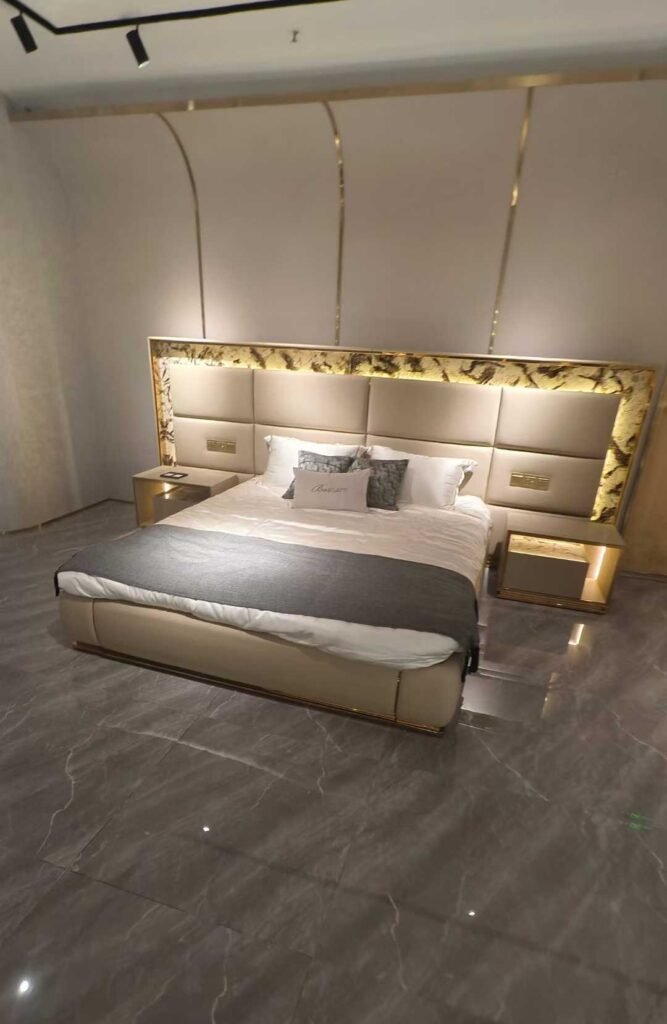
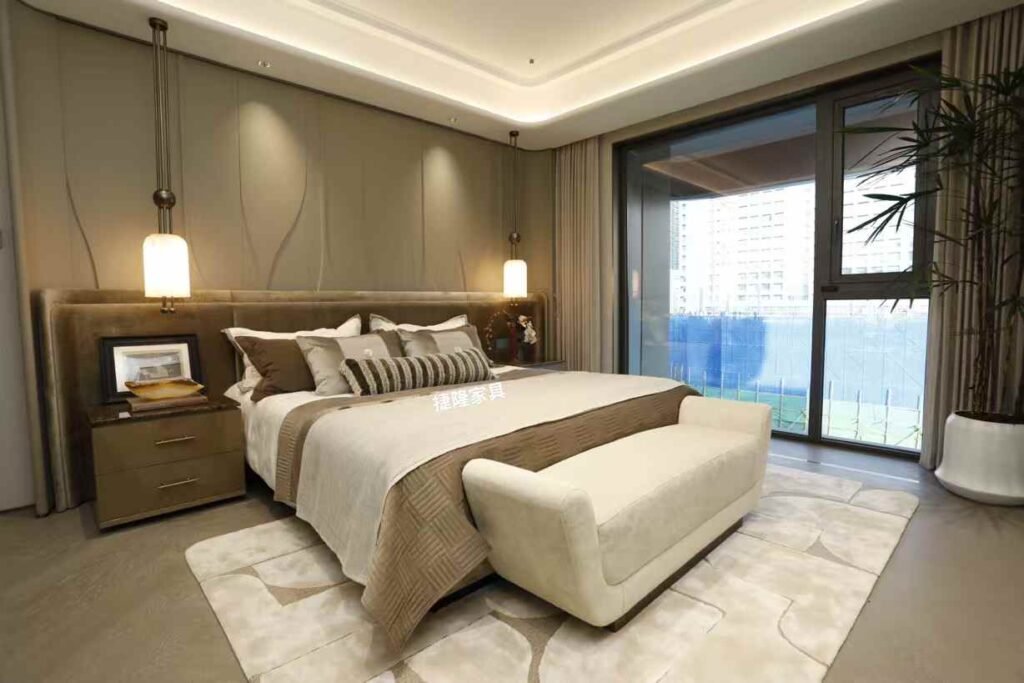
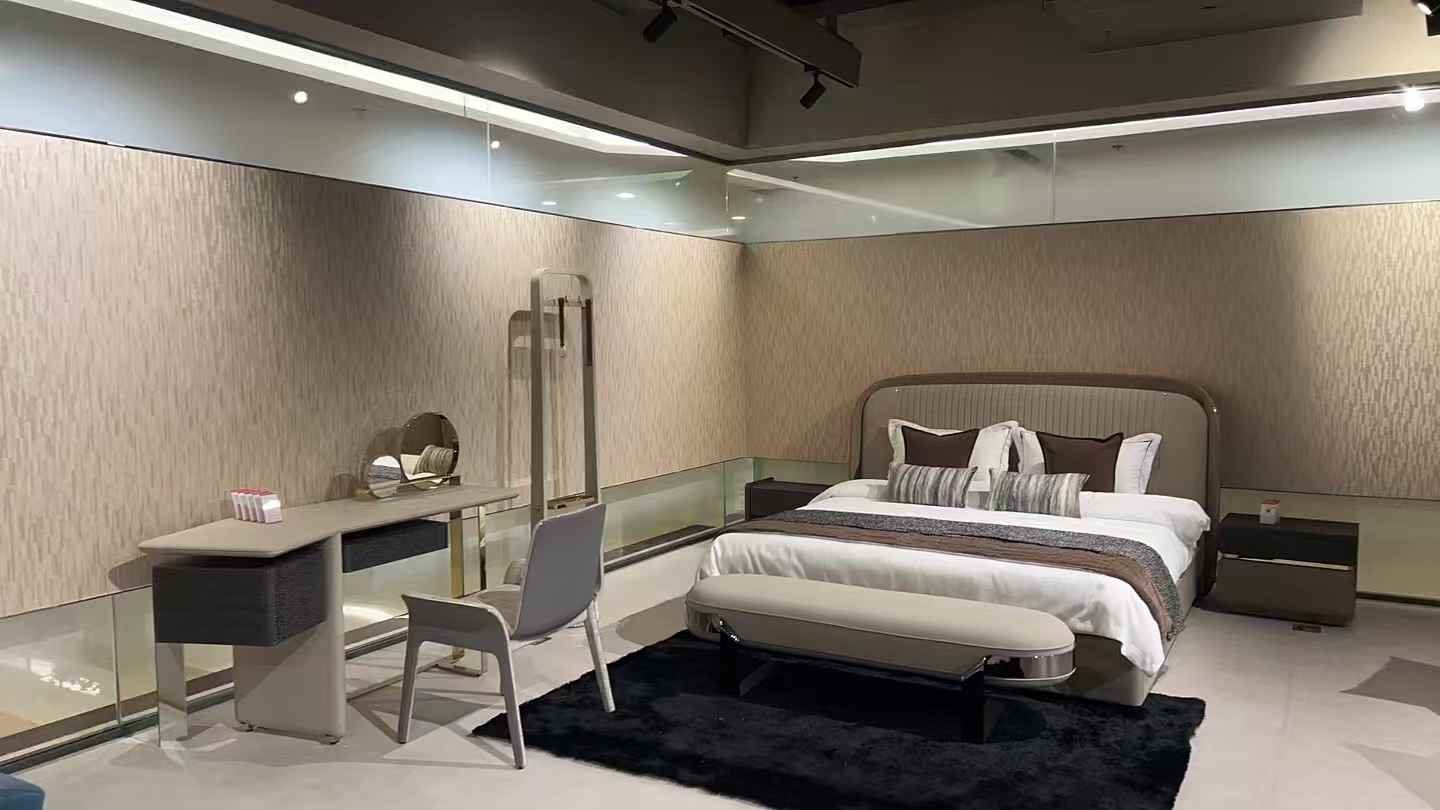
A master bedroom is where you spend roughly 33% of your life, yet most buyers allocate less planning time to it than to a kitchen renovation. In a 2025 survey by the National Sleep Foundation, 62% of respondents said their bedroom furniture directly affected sleep quality — and 41% reported buyer’s remorse within the first year of purchase. The difference between a bedroom that rejuvenates and one that disappoints almost always comes down to five decisions: bed frame, nightstands, dresser, material quality, and spatial proportions.
This guide walks you through every element of choosing a luxury bedroom furniture set — from wood species and headboard types to layout mathematics and long-term care. Whether you are furnishing a 140 sq ft urban apartment bedroom or a 350 sq ft suburban master suite, the frameworks here translate directly into better sleep, higher resale value, and a room that still looks intentional a decade from now. Brands like Móveis Jade Ant have built their catalog around exactly this principle: every piece in a set should earn its square footage.
1. Measure Your Room Before You Browse
The single most expensive mistake in bedroom furnishing is buying a piece that technically fits but functionally suffocates the room. Interior designers use a 36-inch minimum walkway rule: every path around the bed and between furniture pieces needs at least 36 inches (91 cm) of clearance for comfortable movement and safety egress. In bedrooms under 180 sq ft, that clearance alone can eliminate king-size bed frames from consideration.
Start with a floor-plan sketch — graph paper or a free app like RoomSketcher works. Mark fixed elements first: door swing radius, window placement, closet openings, electrical outlets, and HVAC vents. Then overlay the bed footprint. A queen mattress measures 60 × 80 inches, but the bed frame adds 4–8 inches on each dimension depending on headboard overhang and side rails. That means your “queen bed” actually occupies a 66–72 × 85–90 inch rectangle on the floor. A king adds roughly 16 inches of width to that footprint.
Room-Size Reference Table
| Room Size (sq ft) | Max Bed Size | Nightstands | Dresser Width | Walkway Clearance |
|---|---|---|---|---|
| 120–150 | Full / Queen | 1 (or 2 narrow, ≤16 in) | ≤48 in | 30–36 in (tight) |
| 150–200 | Queen | 2 (18–22 in each) | 48–60 in | 36 in |
| 200–280 | Queen / King | 2 (22–26 in each) | 60–72 in | 36–42 in |
| 280–350 | King / Cal King | 2 (24–30 in each) | 60–72 in | 42–48 in |
| 350+ | Any | 2 + bench or vanity | 72+ in or double dressers | 48+ in |
One practical test recommended by Homes & Gardens: after marking the bed’s intended footprint on the floor with painter’s tape, walk around it for two days. Open every drawer and door in the room. If anything collides, resize before ordering.
2. Choosing the Right Bed Frame
The bed frame accounts for 40–50% of a bedroom set’s visual weight and roughly the same percentage of the total budget. Three frame categories dominate the luxury segment: platform, panel, and storage. Platform beds sit lower (12–14 inches to the top of the mattress support), eliminate the need for a box spring, and suit contemporary and Japandi aesthetics. Panel beds use a traditional headboard-footboard structure that adds verticality; they pair well with upholstered or carved-wood headboards. Storage beds integrate two to four drawers into the base — recovering 8–12 sq ft of otherwise dead space underneath.
For most master bedrooms, the deciding factor is mattress compatibility. Memory-foam and hybrid mattresses perform best on slatted or solid-platform bases with slat spacing ≤ 3 inches. Traditional innerspring mattresses often need a box spring or bunkie board, adding 5–8 inches of height. Jade Ant furniture’s luxury bed frames are engineered with reinforced slat systems rated for mattresses up to 14 inches thick, making them compatible with both foam and hybrid types without additional support.
Mattress-Size Dimensions Quick Reference
| Mattress Size | Width × Length (in) | Frame Footprint (approx.) | Ideal Room Min (sq ft) | Melhor para |
|---|---|---|---|---|
| Twin XL | 38 × 80 | 42 × 84 | 90 | Single sleeper, guest rooms |
| Full | 54 × 75 | 58 × 80 | 120 | Single sleeper, apartments |
| Queen | 60 × 80 | 65 × 86 | 150 | Couples, most master bedrooms |
| King | 76 × 80 | 82 × 86 | 220 | Couples wanting space, large rooms |
| Cal King | 72 × 84 | 78 × 90 | 220 | Taller individuals (6’2″+) |
3. Headboard Styles: Upholstered vs Wood vs Hybrid
The headboard sets the room’s visual tone more than any other single element. In 2026, designers at Homes & Gardens identified seven dominant trends: wall-to-wall headboards, curvy sculptural silhouettes, pattern-on-pattern, velvet and tactile textiles, natural textures, retro revival, and custom artisan designs. All seven fall into three construction categories — upholstered, solid wood, and hybrid.
Upholstered headboards dominate the comfort-first market. A tufted linen or performance-velvet headboard absorbs sound, provides a padded reading surface, and visually softens a room. The trade-off is maintenance: fabric headboards require vacuuming every two weeks, professional cleaning every 12–18 months, and remain vulnerable to stains from hair oils and pets. Average lifespan before re-upholstering: 7–10 years.
Solid-wood headboards, by contrast, last 20–30 years with minimal upkeep — a weekly dusting and an annual wax or oil is all they need. They age gracefully, developing patina rather than wear marks. Oak, walnut, and cherry are the most popular species in the luxury segment, each offering distinct grain character and warmth. The downside is acoustic: wood reflects sound rather than absorbing it, and it offers no padding for sit-up readers.
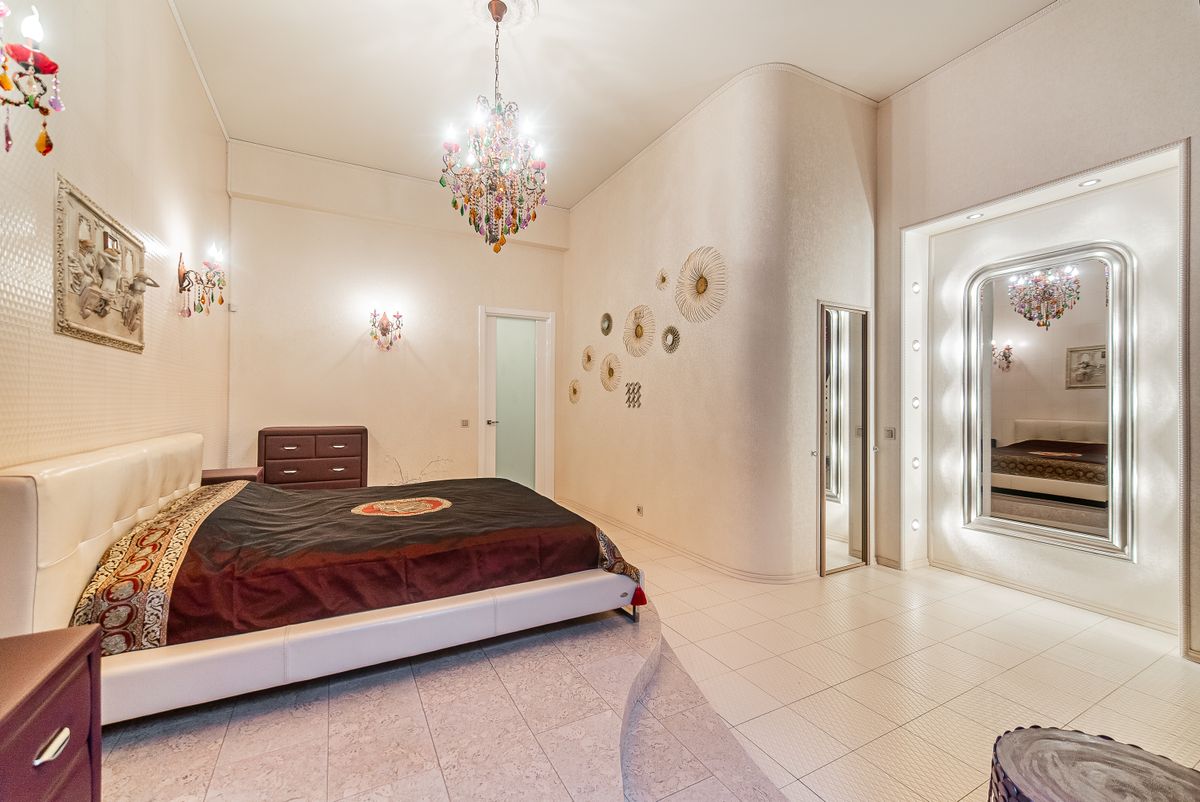
Hybrid headboards — a solid-wood frame with an upholstered center panel — attempt to solve both problems. They cost 15–25% more than pure-wood versions but deliver better acoustics, easier panel replacement, and a more layered aesthetic. This is where Jade Ant’s bedroom sets excel: their hybrid designs use a kiln-dried hardwood perimeter with a removable upholstered insert, letting owners swap fabric without replacing the frame.
Headboard Comparison Table
| Attribute | Upholstered | Solid Wood | Hybrid |
|---|---|---|---|
| Comfort (back support) | High | Low | Medium–High |
| Durability (years) | 7–10 before re-upholstery | 20–30 | 15–25 (panel swappable) |
| Maintenance effort | High (vacuum bi-weekly, professional clean annually) | Low (dust weekly, wax annually) | Medium |
| Sound absorption | Excellent | Minimal | Good |
| Style versatility | Contemporary, Glam, Romantic | Traditional, Mid-Century, Japandi | Transitional, Eclectic |
| Cost (Queen, mid-luxury) | $800-$2.500 | $1,000–$3,000 | $1,200–$3,500 |
| Allergen risk | Higher (dust mites, pet dander) | Low | Moderate (smaller fabric area) |
4. Nightstands: Height, Width, and Proportion Rules
A nightstand that is too tall forces your arm upward to reach a phone charger at 2 a.m.; one that is too low makes the bed look oversized and the room off-balance. The widely accepted design rule is that the nightstand top should sit within 2–4 inches of the mattress top — typically 24–27 inches from the floor, according to Emily Henderson’s bedroom design rules. Width should be roughly one-third the width of the bed’s headboard panel: 18–22 inches for a queen, 22–26 inches for a king.
Depth matters just as much as width in smaller rooms. A 16-inch-deep nightstand preserves walkway clearance while still accommodating a lamp, a book, and a charging station. Below 14 inches, functional surface area drops below what most adults find useful. Above 22 inches, the nightstand starts competing with the bed for visual dominance.
Matching nightstands create symmetry, which multiple studies correlate with perceived room orderliness and better sleep hygiene. However, Studio McGee’s design team notes that mismatched nightstands can work if they share the same height and one consistent design element — material finish, hardware color, or silhouette family. The rule of thumb: no more than two contrasting wood tones in any bedroom. Jade Ant furniture’s nightstand collection offers matching and complementary pairs precisely for this reason, with heights calibrated to their bed-frame range.
5. Dressers, Chests, and Wardrobes
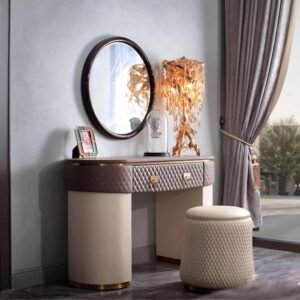
Storage furniture in a luxury bedroom serves two roles: it hides daily clutter and it anchors the wall opposite the bed. According to Houzz’s bedroom measurement guide, most buyers want a dresser that measures 60–72 inches wide and 32–36 inches high. The wider the dresser, the more horizontal wall space it fills, reducing the need for additional art or mirrors above it. Depth typically ranges from 16–20 inches; beyond 20 inches, the dresser can impede foot traffic in rooms under 250 sq ft.
Chests of drawers are the vertical alternative — 32–40 inches wide, 48–55 inches high, with five to seven drawers stacked in a single column. They fit narrow walls and corners but should be anchored to the wall with anti-tip brackets (ASTM F2057 standard). Wardrobes, while less common in homes with built-in closets, remain essential in older buildings and international markets. A freestanding wardrobe from Jade Ant’s wardrobe collection combines hanging space, shelving, and drawers in a single 78–84 inch tall unit, offering 28–35 cu ft of organized storage.
6. Materials and Construction
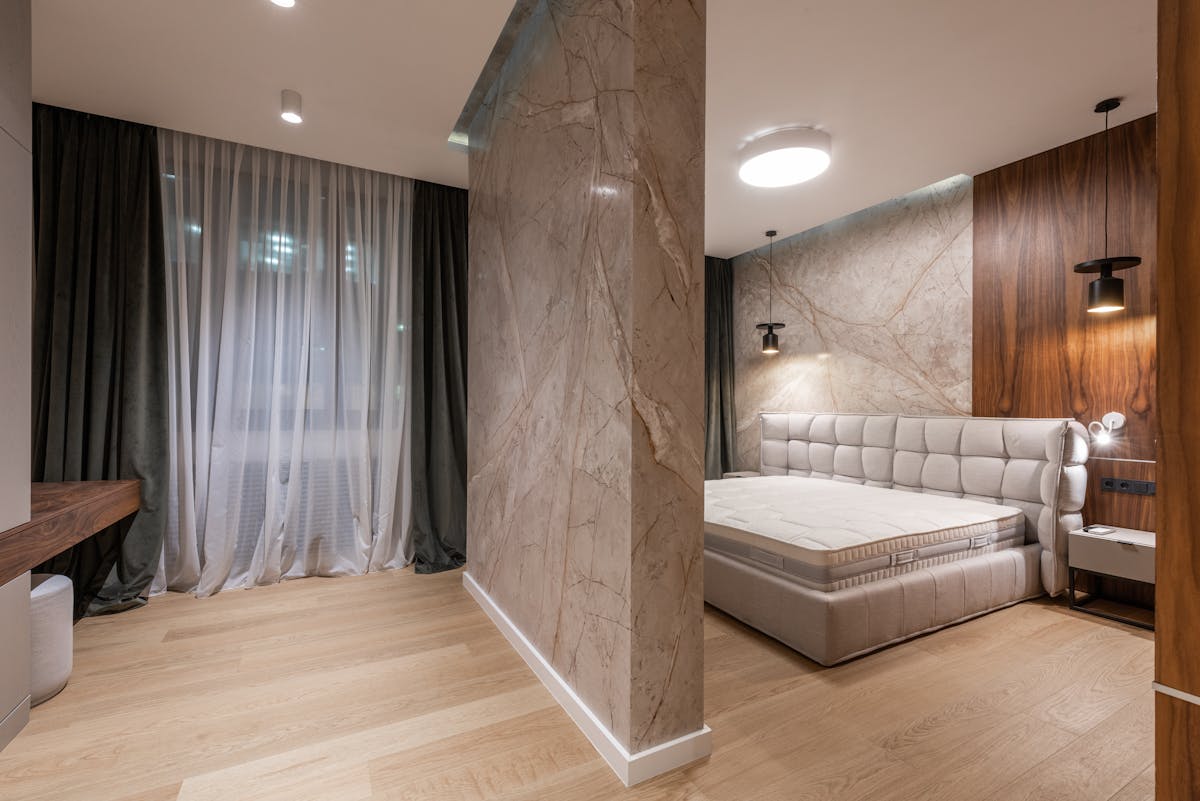
Material quality separates a bedroom set that lasts five years from one that lasts twenty-five. The four most common frame materials in the luxury segment are solid hardwood, engineered wood (MDF/HDF with veneer), metal, and mixed-media (wood + metal + upholstery). Solid hardwood remains the gold standard for longevity and repairability; scratches can be sanded and refinished rather than replaced. Engineered wood offers tighter dimensional stability (it resists warping in humidity fluctuations), costs 30–40% less, and accepts high-definition printing for exotic grain appearances — but cannot be refinished more than once.
Wood Species Comparison
Oak (Janka 1,360 lbf) delivers the best balance of hardness, workability, and availability — which is why it dominates North American and European furniture production. Walnut (1,010 lbf) commands a premium for its rich, dark grain and is the material of choice for mid-century modern and contemporary-luxury sets. Cherry (950 lbf) develops a deeper reddish patina over time, which some owners love and others dislike. Ash (1,320 lbf) is the underrated workhorse — nearly as hard as oak, lighter in color, and 15–20% less expensive. Rubber wood (980 lbf), widely used in Southeast Asian and Chinese manufacturing, offers a reasonable hardness at a low cost, but has less grain character.
Joinery tells you more about quality than species. Look for corner-blocked construction (glue + screws + a triangular brace at every stress junction), mortise-and-tenon joints on headboard-to-side-rail connections, and center support legs on queen-size and larger frames. Staple-only construction is a red flag in any piece over $500. A reputable manufacturer like Jade Ant’s OEM/ODM operation will provide a cross-section diagram or factory photo of their joinery methods upon request.
7. Style Cohesion Across a Set
A luxury bedroom set typically includes three to five pieces: bed frame, two nightstands, dresser, and optionally a chest or vanity. The challenge is not matching them identically — that can look showroom-sterile — but creating visual coherence through shared DNA. Designers use three anchoring principles for this.
First, consistent hardware: if the bed frame uses brushed-brass pulls, the nightstand and dresser should echo that finish. Second, aligned leg profiles: tapered legs, square block legs, and turned legs each carry distinct style associations (mid-century, contemporary, and traditional, respectively). Mixing tapered nightstand legs with block-leg dressers creates visual dissonance. Third, a shared wood tone or two: Studio McGee recommends a maximum of two contrasting wood tones per room.
For 2026, the dominant aesthetic movements are “quiet luxury” — muted palettes, natural materials, no visible logos — and “refined heritage,” which brings back turned-wood details and rich stains reminiscent of 1940s furniture. Both movements favor warm walnut, matte-lacquered oak, and bouclé or performance-linen upholstery. The quieter the set, the louder the textiles can be: a walnut bed frame with a cream bouclé headboard panel allows bolder choices in bedding, rugs, and curtain fabric without visual overload.
8. Budgeting a Luxury Bedroom Set
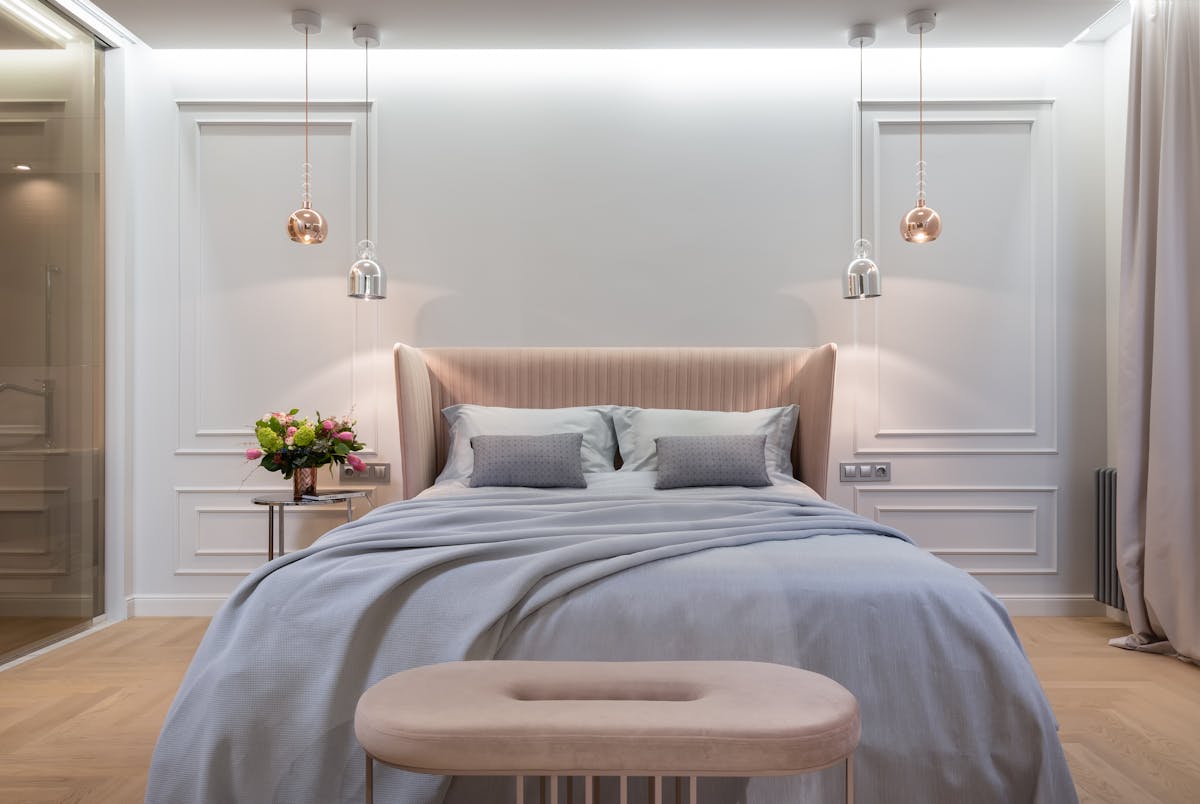
According to pricing data from major U.S. retailers, furnishing a complete master bedroom (bed, mattress, two nightstands, dresser, mirror) falls into three tiers. Entry-level luxury ranges from $3,000–$6,000, mid-luxury from $6,000–$12,000, and high-end custom from $12,000–$25,000+. The allocation split most designers recommend is: 40–50% on the bed frame and mattress (the pieces with the greatest impact on daily comfort), 20–25% on storage furniture (dresser, chest, wardrobe), 15–20% on nightstands and accent pieces, and 10–15% on accessories such as lighting, mirrors, and decorative objects.
Budget Tier Breakdown
| Piece | Entry-Level ($) | Mid-Luxury ($) | High-End ($) |
|---|---|---|---|
| Bed Frame (Queen/King) | 500–1,500 | 1,500–3,500 | 3,500–8,000+ |
| Mattress | 500–1,200 | 1,200–3,000 | 3,000–6,000+ |
| Nightstands (×2) | 200–600 | 600–1,800 | 1,800–4,000+ |
| Dresser + Mirror | 400–1,200 | 1,200–3,000 | 3,000–6,000+ |
| Chest of Drawers / Wardrobe | 300–800 | 800–2,000 | 2,000–5,000+ |
| Total Set | 1,900–5,300 | 5,300–13,300 | 13,300–29,000+ |
One cost-saving strategy used by interior designers and hospitality procurement teams: source from manufacturers who offer complete-set pricing rather than à la carte. Jade Ant furniture’s bedroom sets, for example, bundle bed, nightstands, and dresser at 12–18% below the sum of individual pieces, with coordinated delivery and consistent finishing across all items.
9. Maintenance and Long-Term Care
Luxury furniture is an investment that depreciates or appreciates based on maintenance. A walnut bed frame that receives annual oiling can look better at year fifteen than at year one — its grain deepens, minor scratches blend into patina, and the surface develops a warm, lived-in sheen. The same frame left unattended will show water rings, joint loosening, and finish degradation within five years.
Maintenance Calendar
| Frequency | Task | Product / Tool | Purpose |
|---|---|---|---|
| Weekly | Dust all surfaces | Microfiber cloth (dry) | Prevent grit scratching finish |
| Bi-weekly | Vacuum upholstered headboard | Brush attachment, low suction | Remove dust mites and pet dander |
| Monthly | Wipe wood with damp cloth + dry | Mild soap (pH-neutral), warm water | Remove fingerprints and light grime |
| Quarterly | Polish / oil wood surfaces | Beeswax polish or Danish oil | Nourish wood, maintain luster |
| Bi-annually | Check and tighten all hardware | Phillips screwdriver, Allen key | Prevent joint loosening and squeaks |
| Annually | Professional upholstery clean | Hot-water extraction or dry foam | Remove embedded soil and allergens |
| Every 3 years | Inspect drawer slides, re-lubricate | White lithium grease or silicone spray | Maintain smooth operation, extend slide life |
A critical but often overlooked task: checking headboard-to-frame bolts every six months. Upholstered headboards mounted with French cleats or bolt-on brackets can loosen over time as the padding compresses. A torque of 15–20 in-lb on M8 bolts is the typical specification. Loose headboards create noise, wobble, and eventually wall damage.
10. Where and How to Source
Three sourcing channels dominate the luxury bedroom furniture market: domestic retailers (showroom + delivery), direct-to-consumer (DTC) online brands, and overseas manufacturing (primarily Foshan, China). Each channel has distinct trade-offs in cost, lead time, customization, and quality control.
Domestic retailers offer the advantage of in-person testing — you can lie on the bed, open every drawer, and feel the finish. Lead times range from 2–8 weeks for in-stock items and 12–20 weeks for custom orders. Pricing reflects showroom overhead: expect a 2.5–3.5× markup over manufacturing cost. DTC brands like those reviewed on Jade Ant’s manufacturer comparison page compress that markup to 1.8–2.5× by eliminating the physical showroom, but you sacrifice the ability to test before buying.
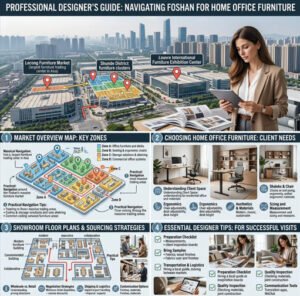
For project-scale buyers — interior designers, Airbnb operators, boutique hotel developers — sourcing directly from Foshan furniture factories can reduce per-piece cost by 35–50%. Minimum order quantities (MOQs) typically start at 10–30 sets, with lead times of 45–90 days including ocean freight. Payment terms are usually 30% T/T deposit and 70% before shipment, with third-party inspection strongly recommended at the AQL 2.5 level.
For individuals furnishing a single home, the import-vs-domestic decision hinges on whether you value hands-on testing (domestic advantage) or cost savings and customization breadth (import advantage). A hybrid approach — buy the bed and mattress domestically for testing, source nightstands and dresser from a vetted overseas manufacturer — can deliver 20–30% total savings while protecting the highest-stakes purchase.
Watch: Luxury Bedroom Design Ideas for 2026
Your Five-Step Decision Framework
Choosing a luxury bedroom furniture set does not need to be overwhelming if you follow a structured sequence. First, measure your room and confirm maximum bed-frame dimensions with the 36-inch walkway rule. Second, select a headboard category — upholstered for comfort-first, solid wood for durability-first, hybrid for balance. Third, lock in nightstand and dresser proportions using the height and width rules in Sections 4 and 5. Fourth, choose materials based on the hardness-lifespan-cost trade-off that matches your climate and lifestyle — the bar chart above makes this a visual comparison. Fifth, set a budget tier and allocate 40–50% to the bed and mattress before distributing the remainder.
Every surface you touch in the first and last ten minutes of each day belongs to your bedroom furniture. Invest the planning time now, and the set will reward you with better sleep, a calmer environment, and a room that still looks intentional ten years from today. Explore Jade Ant furniture’s full bedroom collection for sets designed around exactly these principles — or start with their dressing table e double bed pages to see specific constructions and material specs.
Frequently Asked Questions
1. What pieces should a luxury bedroom furniture set include?
A standard luxury set includes a bed frame (with headboard and footboard or platform), two nightstands, a dresser with mirror, and optionally a chest of drawers or wardrobe. Some sets also include a bench, vanity, or accent chair. The minimum for a cohesive look in a master bedroom is the bed frame plus two nightstands plus one storage piece.
2. How much should I budget for a complete master bedroom set?
Entry-level luxury sets start around $3,000–$6,000. Mid-luxury typically falls in the $6,000–$12,000 range, including a quality mattress. High-end or custom sets can exceed $25,000. Interior designers generally advise allocating 40–50% of the total to the bed frame and mattress.
3. Is an upholstered headboard better than a wooden one?
It depends on priorities. Upholstered headboards offer superior comfort and sound absorption but require more maintenance and have a shorter lifespan (7–10 years before re-upholstering). Wooden headboards last 20–30 years with minimal care. Hybrid headboards — wood frame with a fabric insert — combine both advantages. See the comparison table in Section 3 for details.
4. What wood species is best for bedroom furniture?
Oak (Janka 1,360 lbf) offers the best overall balance of hardness, availability, and cost. Walnut (1,010 lbf) is premium-priced but prized for its dark grain. Ash (1,320 lbf) delivers near-oak hardness at a lower price. Rubber wood (980 lbf) is the most affordable hardwood option. For humid climates, teak or treated oak provides better moisture resistance. Consult Furniture Fair’s wood ranking for extended comparisons.
5. How tall should nightstands be relative to the bed?
The nightstand top should sit within 2–4 inches of the mattress top, typically 24–27 inches from the floor. Nightstand width should be roughly one-third the width of the headboard. A depth of 16–20 inches preserves walkway clearance without sacrificing surface area.
6. Can I mix furniture from different brands in a bedroom?
Yes, provided you maintain visual coherence. Stick to a maximum of two contrasting wood tones, use the same hardware finish across all pieces, and align leg profiles (all tapered, all block, etc.). Matched sets feel more formal; curated mixes feel more personal and editorial.
7. How do I verify quality when ordering furniture from China?
Request cross-section photos of joinery (look for corner-block construction and mortise-and-tenon joints). Confirm the wood species and grade with a third-party lab test or ASTM D143 certification. Require a pre-shipment inspection at AQL 2.5 level. Read Jade Ant’s guide to working with Chinese suppliers for a full QC checklist.
8. What mattress sizes are available, and which fits my room?
Standard U.S. mattress sizes range from Twin (38 × 75 in) to California King (72 × 84 in). For a room of 150 sq ft or more, a Queen (60 × 80 in) is the most versatile. King-size requires at least 220 sq ft to maintain 36-inch walkways on three sides. See the mattress-size table in Section 2 and Sleep Foundation’s sizing guide for additional detail.
9. How often should I maintain bedroom furniture?
Weekly dusting is non-negotiable. Wood surfaces benefit from quarterly polishing with beeswax or Danish oil. Upholstered headboards need bi-weekly vacuuming and annual professional cleaning. Hardware (bolts, drawer slides) should be torque-checked bi-annually. A full maintenance schedule is included in Section 9.
10. Are bedroom furniture sets better value than buying pieces individually?
Almost always. Set pricing from reputable manufacturers typically saves 12–18% compared with purchasing each piece separately. Sets also guarantee finish consistency, hardware uniformity, and coordinated proportions — things that are difficult to replicate when assembling pieces from multiple sources. For project buyers, comparing Foshan manufacturers on set pricing versus individual pricing is a worthwhile exercise.









 Portuguese
  English
  Arabic