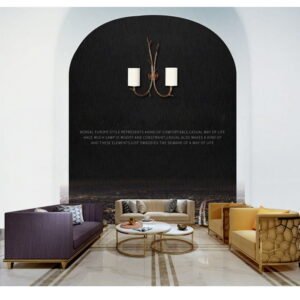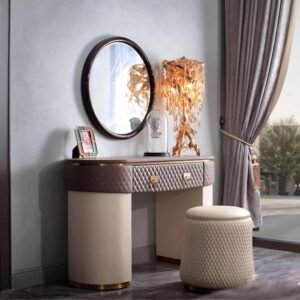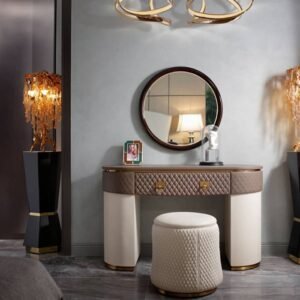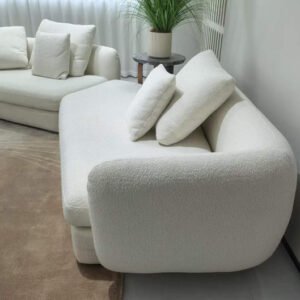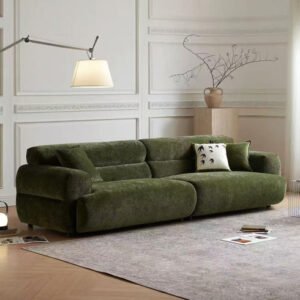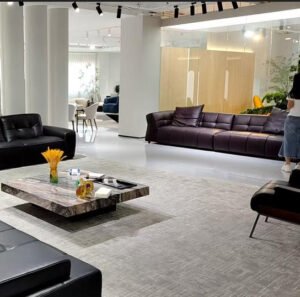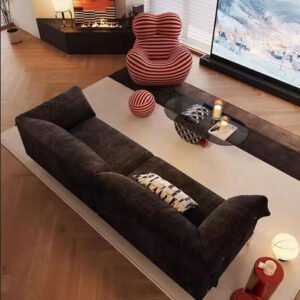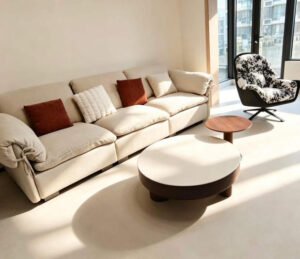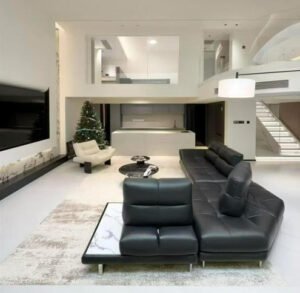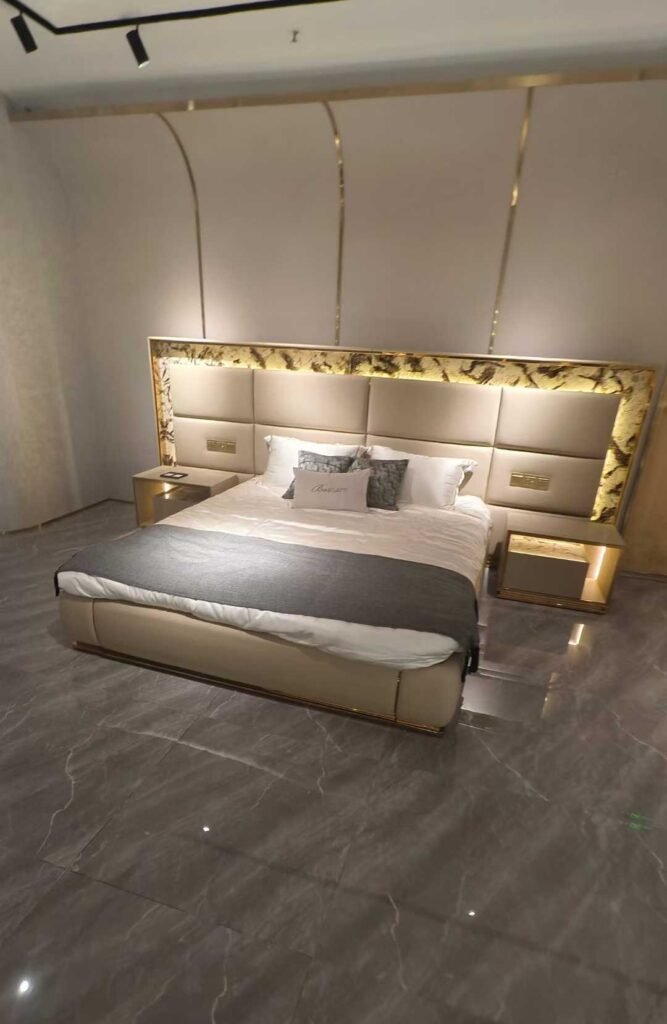
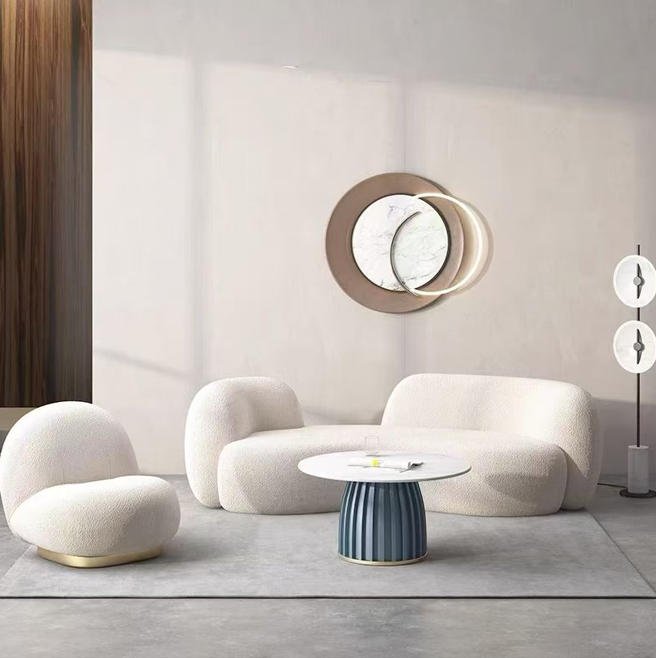
 O saguão de um hotel de luxo atemporal, onde cada escolha de mobiliário é uma estratégia deliberada de geração de receita — e não apenas uma preferência de design. | Foto: Pexels
Há um momento que todo hóspede de hotel vive nos primeiros trinta segundos após passar pela porta de entrada. Antes mesmo de falar com qualquer funcionário, antes de chegar ao quarto, antes de abrir o cardápio — ele já decidiu se esse hotel justifica o preço cobrado.
Essa decisão não é tomada conscientemente. Ela é tomada por meio de sinais sensoriais: a densidade do ar, o calor da iluminação, a textura do tecido da poltrona do saguão, a proporção do mobiliário em relação à altura do teto. Nenhum desses sinais é acidental em um imóvel bem projetado. Cada um deles é uma escolha deliberada feita por um designer, um incorporador ou um comprador de FF&E — muitas vezes meses antes de um único hóspede sequer ter entrado pela porta.
Este guia foi elaborado para os profissionais responsáveis por essas decisões. Não se trata de um moodboard nem de um catálogo de tendências. É uma abordagem estruturada para criar interiores de hotéis que transmitam uma sensação genuinamente luxuosa, permaneçam relevantes além do próximo ciclo de reforma e gerem retorno financeiro ao longo da vida útil do ativo. Seja você um incorporador hoteleiro definindo um briefing de design, um comprador de FF&E especificando móveis para 300 quartos, um designer de interiores apresentando um conceito a um grupo de proprietários ou um distribuidor criando uma coleção de marca própria para o mercado hoteleiro — os princípios deste guia se aplicam diretamente ao seu trabalho.
Compreendendo a psicologia do luxo no design hoteleiro
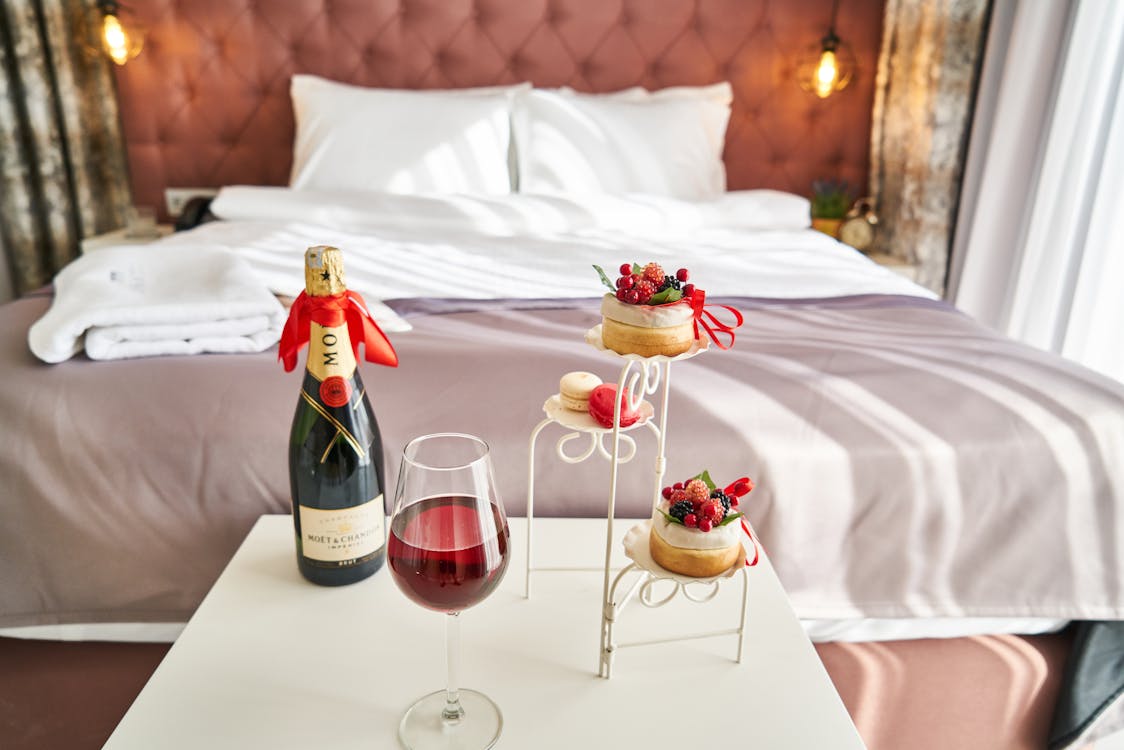 Luxo sensorial: uma única poltrona, um tapete com camadas, um abajur aconchegante — cada elemento contribuindo para criar uma sensação pela qual os hóspedes pagam a mais para voltar. | Foto: Pexels
Como os hóspedes avaliam o luxo — antes mesmo de conseguirem explicá-lo
Pesquisa realizada por Faculdade de Administração Hoteleira da Cornell quantificou o que designers experientes já sabiam intuitivamente há muito tempo: uma melhora de um ponto na pontuação das avaliações de um hotel está correlacionada com 0,891 TP3T ADR mais alto (Tarifa média diária — receita total com quartos dividida pelo número de quartos ocupados), 0,541 TP3T: maior taxa de ocupação, e 1.42%: RevPAR mais alto (Receita por quarto disponível — ocupação multiplicada pela tarifa média diária). A qualidade do design se reflete diretamente no desempenho financeiro. O mobiliário do seu hotel não é apenas um cenário. É uma variável de receita.
A psicologia da percepção do luxo opera em três níveis:
O primeiro é imediatismo sensorial — o que os hóspedes percebem nos primeiros oito segundos. Essa percepção é dominada pela amplitude, pela iluminação e pelos materiais. Um saguão com pé-direito duplo, um lustre imponente e um banco estofado com tecidos luxuosos desperta uma reação do tipo “isso é de primeira” antes mesmo que o cérebro tenha tempo de processar os detalhes individuais.
A segunda é confirmação tátil — o que os hóspedes percebem ao se sentarem, tocarem e se movimentarem pelo espaço. Uma cadeira que transmite solidez ao sentar-se nela, uma superfície de mesa que é fresca e lisa, uma maçaneta com peso — essas microexperiências confirmam ou contradizem a impressão inicial. Móveis de série que balançam ou estofados que parecem finos prejudicam a narrativa de design que o arquiteto levou meses para construir.
O terceiro é coerência narrativa — se o design transmite uma sensação de intencionalidade, em vez de parecer apenas uma combinação aleatória. Os hóspedes não conseguem expressar isso em palavras, mas percebem claramente. Um ambiente em que o tapete, os estofados, o tom da madeira e o acabamento metálico falam uma linguagem visual comum transmite uma sensação de sofisticação, independentemente do custo unitário de cada peça. Um ambiente em que quatro fornecedores contribuíram com quatro estilos estéticos desconexos transmite uma sensação de falta de sofisticação, independentemente do valor gasto.
A primeira impressão se forma no saguão
O saguão é o ponto de entrada emocional de toda a propriedade. Pesquisas mostram consistentemente que os índices de satisfação geral dos hóspedes estão fortemente ligados à sua experiência inicial na chegada — antes de chegarem ao quarto, antes de receberem qualquer serviço, antes de formarem qualquer outra impressão sobre a propriedade. A estudo de design de interiores do saguão de um hotel constatou que a experiência no saguão define o parâmetro de referência mental do hóspede para todas as interações subsequentes. Um saguão decepcionante faz com que um bom quarto pareça apenas adequado. Um saguão extraordinário faz com que um quarto adequado pareça uma descoberta.
Para compradores e designers de FF&E, isso se traduz em um princípio de investimento claro: investir desproporcionalmente no saguão em relação aos quartos padrão. O retorno financeiro por dólar gasto em design nos espaços públicos — saguão, bar, entrada do restaurante, suíte exclusiva — supera consistentemente o retorno nos quartos padrão, pois os espaços públicos geram as impressões que impulsionam os prêmios na tarifa média diária (ADR), o conteúdo nas redes sociais e as pontuações nas avaliações online.
Relacionando o design ao posicionamento da marca e ao retorno sobre o investimento (ROI) para os investidores
Para operadores e incorporadores hoteleiros que atuam nos segmentos premium e de luxo, a qualidade do design não é uma preferência. É um mecanismo de posicionamento. As propriedades que estabelecem uma narrativa de design forte — um ambiente interior coerente e imersivo que nenhum concorrente consegue replicar simplesmente recorrendo ao mesmo catálogo de fornecedores — obtêm preços mais elevados que se mantêm por mais tempo do que as propriedades que competem apenas com comodidades ou serviços. A marca Aman é talvez o exemplo mais documentado: as propriedades Aman estão entre as que apresentam as maiores tarifas médias diárias (ADR) em seus respectivos mercados, quase inteiramente devido à sua linguagem de design ambiental e de materiais. Nenhum programa de fidelidade, nenhum pacote de comodidades oferece o mesmo poder de precificação.
Definindo o atemporal: além das tendências na estética hoteleira
Design atemporal Isso não significa falta de estilo. Significa escolher princípios de design — proporção, qualidade dos materiais, paleta de cores sóbria, construção honesta — que não dependem dos ciclos das tendências para justificar sua existência.
A diferença entre uma tendência e um princípio
As tendências de design de interiores seguem ciclos de aproximadamente cinco anos. As curvas estavam em toda parte em 2023. O minimalismo “Japandi” dominou 2022. O maximalismo com blocos de cores marcou 2021. Cada tendência tem seu momento de destaque nas redes sociais, seu período de adoção pelo grande público e, em seguida, o momento em que passa a parecer ultrapassada. Os hotéis que correram atrás de cada tendência pagaram caro por isso em custos de reforma — o resultado mais caro de escolher móveis com base na moda, em vez de seguir princípios.
Os princípios de design atemporais, por outro lado, têm orientado a estética das propriedades de luxo mais duradouras do mundo há décadas:
Silhueta clássica refere-se a móveis cujas proporções se inspiram em precedentes históricos — a curva elegante do encosto de um Chesterfield, as linhas verticais simples de uma mesa Parsons, o afunilamento suave da perna de uma cadeira de meados do século. Essas formas foram aperfeiçoadas ao longo de séculos e transmitem uma sensação de “qualidade” a qualquer observador, independentemente da época em que se encontre.
Paletas neutras e naturais — pedra, marfim, carvalho aconchegante, latão envelhecido, azul-marinho intenso, verde-floresta — mantêm sua relevância visual ao longo dos ciclos de tendências porque remetem a materiais encontrados no mundo natural. Eles não dependem de um momento cultural específico para justificar sua existência.
Proporção refinada significa móveis que se encaixam perfeitamente no espaço — sem parecerem pequenos demais em relação à arquitetura, nem dominá-la. Um sofá com as dimensões adequadas para a altura do teto de um saguão parece sofisticado. O mesmo sofá em uma sala com teto mais baixo parece desproporcional.
Imóveis icônicos e as decisões de design que os tornaram assim
O Ritz Paris ocupa a Place Vendôme desde 1898. Após sua reforma em 2016, a equipe de design preservou os painéis de boiserie no estilo Luís XVI, os padrões dos tapetes tecidos à mão e as proporções do mobiliário original — ao mesmo tempo em que modernizou os sistemas estruturais, os materiais e os padrões de conforto. A reforma custou 200 milhões de euros. O resultado visual transmitiu uma sensação de continuidade, e não de mudança. Os hóspedes que já haviam se hospedado no hotel antes da reforma se sentiram imediatamente em casa. Esse é o valor comercial do design atemporal: ele se valoriza, em vez de se desvalorizar.
O Peninsula Hong Kong, em funcionamento desde 1928, manteve um vocabulário estético consistente — um classicismo europeu refinado aliado à riqueza material do Leste Asiático — ao longo de várias fases de reforma. Sua seleção de móveis concentra-se em madeiras de lei com acabamento francês, estofados em brocado de seda e detalhes em metal dourado: materiais e formas que não têm data de validade.
Para desenvolvedores e designers, a lição prática é simples: invista em móveis com silhuetas clássicas, qualidade autêntica dos materiais e equilíbrio proporcional — e use os detalhes decorativos e as camadas têxteis (que podem ser atualizadas a baixo custo) para incorporar quaisquer referências contemporâneas que a marca exija.
Seleção estratégica de móveis para obter o máximo impacto
Qualidade em vez de quantidade: a abordagem do grau de investimento
Um dos erros mais frequentemente documentados na aquisição de FF&E (móveis, equipamentos e acessórios) para hotéis é especificar um número excessivo de peças com qualidade inferior, em vez de um número menor de peças com qualidade de investimento. Um saguão com doze cadeiras medíocres é menos impressionante e mais caro de manter do que um saguão com seis cadeiras excelentes. A riqueza visual em interiores de luxo normalmente não vem da densidade de objetos, mas da profundidade da qualidade de cada objeto — o detalhe da costura feita à mão em um painel estofado, o peso de uma maçaneta de latão maciço, a profundidade do veio da madeira em um acabamento aplicado à mão.
Principais categorias de móveis e o que elas exigem
Cada categoria de mobiliário de hotel apresenta requisitos funcionais e de design distintos. Compreender esses requisitos evita erros nas especificações que resultam em custos de substituição em um prazo de três anos.
Assentos no saguão é a categoria de maior impacto no imóvel. Ela deve atender a três aspectos simultaneamente: impacto visual, conforto ergonômico para diferentes tempos de permanência e durabilidade estrutural sob tráfego em escala comercial. Os requisitos técnicos para assentos de lobby de nível comercial incluem estrutura em madeira maciça com encaixes de mortise e tenon, espuma de alta resiliência com densidade mínima de 2,0 lb/ft³ para a almofada do assento (a espuma residencial, com 1,5 lb/ft³, sofre compressão irreversível em uso comercial em até 18 meses), estofamento com classificação mínima de 100.000 duplas passagens (a medida do teste de abrasão Wyzenbeek para durabilidade do tecido — o padrão residencial é normalmente de 15.000 a 25.000 duplas passagens) e um acabamento da estrutura que possa ser retocado sem a necessidade de um novo acabamento completo.
Esfregadas duplas = a norma do teste de abrasão de Wyzenbeek: um pedaço de tecido de algodão liso é esfregado para frente e para trás sobre o tecido em teste. Cada movimento de vaivém conta como uma dupla esfregada. O número de esfregadas a partir do qual o tecido em teste apresenta desgaste mensurável indica a durabilidade comercial. Residencial: 15.000–30.000. Setor hoteleiro (uso comercial): 100.000+.
Camas nos quartos de hóspedes são os locais onde os hóspedes formam sua impressão mais pessoal e fisiologicamente significativa sobre a propriedade. As especificações estruturais são tão importantes quanto as estéticas: a estrutura de uma cama king size deve ser capaz de suportar uma carga distribuída de 500 kg sem rangidos, flexão ou movimento. É necessário um suporte central nas pernas para comprimentos superiores a 1,5 metros. A cabeceira — o elemento visual central do quarto — deve ser estofada com um tecido adequado para limpeza com desinfetantes comerciais, com um forro de espuma de alta densidade que mantenha sua forma ao longo do ciclo de vida útil de 10 anos.
Conjuntos de mesa (para restaurantes e quartos) exigem as especificações de material mais rigorosas, pois estão expostas às condições de uso mais agressivas: derramamento de líquidos, limpeza comercial diária, carga de peso contínua dos clientes sentados e o arrastar repetitivo das cadeiras pelo piso. As superfícies das mesas devem ser de pedra sinterizada, vidro temperado ou madeira maciça com acabamento em verniz UV, testadas quanto à resistência química; as estruturas das cadeiras devem ser reforçadas com aço ou de madeira maciça com suportes de canto em aço; o estofamento das cadeiras de jantar deve ser feito de tecido com classificação de resistência ao fogo Classe 1 e índice de Martindale de 50.000+.
A ergonomia como especificação comercial, e não como um recurso adicional de bem-estar
Um viajante a negócios que passa três horas na recepção de um hotel sentado em uma cadeira desconfortável avaliará o quarto com notas mais baixas em todos os critérios das plataformas de avaliação. Um hóspede que dorme mal porque o colchão não oferece o apoio adequado ao corpo raramente atribuirá sua insatisfação ao colchão — mas avaliará o quarto como abaixo das expectativas. A ergonomia passa despercebida quando bem aplicada e se destaca quando mal aplicada. As cadeiras de escritório para quartos de hotel devem oferecer apoio lombar e uma faixa de altura do assento de 43 a 53 cm (abrangendo a maior variedade possível de tipos físicos de adultos). As mesas nos quartos devem ter profundidade mínima de 60 cm para acomodar simultaneamente um laptop e uma superfície para escrever. Essas não são especificações de luxo — são requisitos funcionais que protegem suas notas nas avaliações online.
Inteligência de Materiais: Escolhendo Acabamentos de Alta Qualidade que Duram
Os materiais que definem o luxo — e sua realidade comercial
Cada material de alta qualidade utilizado no mobiliário de hotéis de luxo possui tanto um valor estético quanto um conjunto de características de desempenho na prática. Compreender ambos evita os erros dispendiosos decorrentes da escolha de um material com base em sua aparência, em vez de seu desempenho.
| Material | Força estética | Considerações-chave sobre desempenho | Melhor aplicativo |
|---|---|---|---|
| Madeira maciça (nogueira, carvalho, teca) | Grão rico, profundidade tonal aconchegante, envelhece com personalidade | Requer ambiente com umidade controlada; deve ser seco até atingir a EMC do destino | Móveis de estante, mesas de jantar, estruturas de cama, peças decorativas |
| Mármore (pedra natural) | Impacto visual inigualável e posicionamento de luxo | Poroso — manchas de óleo e ácido sem impermeabilização; logística complexa | Superfícies de destaque: balcões de recepção, mesas de destaque |
| Pedra sinterizada | Aparência de mármore com porosidade praticamente nula | Praticamente à prova de manchas, resistente ao calor e a arranhões | Superfícies de mesas, pias e bancadas sujeitas a uso intenso |
| Latão (maciço) | Calor e toque artesanal, que, com o passar do tempo, se transformam em uma pátina rica | Requer revestimento com verniz em ambientes úmidos ou costeiros | Ferragens, pés decorativos, detalhes da estrutura, iluminação |
| Veludo | Qualidade tátil suntuosa, reflexo de luz intenso | Veludo de alta resistência (mais de 100.000 duplas fricções) necessário para uso comercial | Assentos estofados, cabeceiras de cama, poltronas decorativas |
| Couro (de grão integral) | Durabilidade, ganha personalidade com o tempo, fácil de limpar | Deve ser especificado com classificação de resistência ao fogo para uso comercial (BS 5852 / CAL 133) | Assentos para o lobby e a área de refeições, bancos de bar, painéis para cabeceiras de cama |
| Misturas de linho e Tencel | Natural, refinado, respirável em climas quentes | Menor resistência à abrasão — ideal para áreas com menor tráfego | Têxteis para quarto, capas de almofada, cortinas |
A escolha entre mármore e pedra sinterizada
Para designers que especificam superfícies de destaque em ambientes de hospitalidade de alto tráfego, a escolha entre mármore natural e pedra sinterizada representa uma das decisões mais significativas do ponto de vista comercial no projeto. O mármore natural — especialmente as variedades Calacatta e Carrara — possui uma imponência visual inigualável. É o material que transmite luxo de forma mais clara do que qualquer outro no ambiente construído. Mas ele é poroso. No restaurante de um hotel, um único derramamento de vinho tinto, suco cítrico ou azeite de oliva manchará permanentemente uma superfície de mármore não selada. Quando devidamente selado e mantido, o mármore pode ter um bom desempenho em ambientes comerciais — mas requer um programa de manutenção documentado e trabalho contínuo, o que não é necessário para a pedra sinterizada.
A pedra sinterizada — produzida pela compressão de minerais naturais sob calor e pressão extremos — reproduz o aspecto visual do mármore com porosidade praticamente nula. É imune a manchas, resistente ao calor até 300 °C e significativamente mais leve que seu equivalente natural, reduzindo os custos de frete e os requisitos estruturais. Para superfícies de mesas em restaurantes, mesas de centro de saguões e balcões de recepção, a pedra sinterizada oferece um visual luxuoso com custos de manutenção e riscos drasticamente menores. O mármore natural, reservado para aplicações de destaque — como uma moldura de lareira impressionante ou uma parede escultural na recepção —, mantém seu poder narrativo sem os problemas de manutenção decorrentes da exposição comercial diária.
Ética e sustentabilidade no abastecimento na seleção de materiais
Para importadores e distribuidores que trabalham com fornecedores internacionais, a documentação de origem dos materiais não é mais opcional. Marcas hoteleiras operadas por entidades institucionais frequentemente exigem a certificação FSC (Forest Stewardship Council) para todo o conteúdo de madeira — uma certificação de cadeia de custódia que rastreia a madeira desde a floresta até o produto acabado. Para os componentes têxteis, a certificação OEKO-TEX Standard 100 confirma que não há substâncias nocivas em nenhum componente, incluindo fios, corantes e materiais de base. A certificação GREENGUARD Gold para acabamentos confirma que os níveis de COV (Compostos Orgânicos Voláteis — emissões químicas provenientes de tintas, adesivos e revestimentos) estão dentro dos limites rigorosos exigidos para projetos hoteleiros com certificação LEED e voltados para o bem-estar.
Solicitar essas certificações por escrito — com números de certificado verificáveis — antes de fechar contrato com qualquer fornecedor deve ser um requisito padrão de compras, e não apenas uma sugestão de boa prática. A verificação é simples: os certificados FSC podem ser conferidos no registro público Banco de dados de certificados FSC utilizando o código do certificado do fabricante.
Criação de uma narrativa de design coesa entre os espaços
Por que a coerência é mais poderosa do que declarações isoladas
Um hotel com uma cadeira extraordinária no saguão e quatro quartos genéricos cria uma experiência discordante. Os hóspedes circulam entre os espaços, e as transições revelam se o design foi intencional ou improvisado. Coerência não significa uniformidade — um hotel cinco estrelas com móveis idênticos no saguão, no restaurante e nos quartos daria a sensação de ser institucional, em vez de ter sido cuidadosamente projetado. Significa um vocabulário comum: o mesmo tom de madeira presente na recepção do saguão, nas bases das mesas do restaurante e nos móveis dos quartos; o mesmo acabamento metálico no lustre do saguão, nos apliques do restaurante e nos acessórios do banheiro; a mesma gama de cores dos estofados, variando de ousada nos espaços públicos a mais discreta nos quartos privados.
O termo técnico para isso é um linguagem de design: um conjunto definido de escolhas de materiais, cores e proporções que se mantém consistente em todos os espaços da propriedade, permitindo que o hóspede sinta que está percorrendo os capítulos de uma história coerente, em vez de entrar em uma série de cômodos sem relação entre si.
Alinhando o mobiliário com a história da marca e a identidade do local
Os imóveis de luxo de maior sucesso financeiro são aqueles cujo projeto não pode ser reproduzido em nenhum outro lugar. Isso não é por acaso. É o resultado deliberado de decisões tomadas na fase de definição do briefing: qual é a história desse lugar? Que materiais existem nessa paisagem? Quais tradições artesanais fazem parte dessa cultura? Qual é a história desse local?
Um resort na costa do Algarve que apresenta detalhes nas paredes com painéis de cortiça (o sobreiro é nativo da região), inserções de azulejos pintados à mão localmente no balcão da recepção e móveis estofados com um tecido texturizado azul e branco que remete à tradição pesqueira local não está apenas decorando um hotel. Trata-se de apresentar um argumento comercial: essa experiência só está disponível aqui, e isso justifica o preço dos nossos quartos.
Para compradores de FF&E e designers de interiores, o processo prático consiste em desenvolver um resumo de identidade do local no início do processo de projeto — antes da definição do mobiliário —, que reflete a paisagem, os materiais, as tradições artesanais e as referências culturais específicas do local. Cada decisão relativa ao mobiliário e aos materiais é então avaliada com base no fato de reforçar ou enfraquecer esse briefing.
Circulação entre as áreas públicas, os quartos e as áreas de serviço
A sequência de chegada — entrada, saguão, área dos elevadores, corredor, quarto de hóspedes — deve transmitir a sensação de uma experiência única e cuidadosamente planejada, que faz uma transição gradual da grandiosidade dos espaços públicos para a intimidade dos espaços privados. A escala do mobiliário, a densidade dos materiais e a intensidade da iluminação devem seguir um arco deliberado: peças marcantes e de grande escala na chegada, modulando-se para especificações mais refinadas e íntimas no quarto de hóspedes. O corredor, muitas vezes tratado como um espaço de transição secundário, representa uma oportunidade significativa de design: arandelas de parede, revestimento de parede de qualidade e uma mesinha auxiliar bem proporcionada no final do corredor contribuem para a impressão que o hóspede tem da propriedade por uma fração do custo do mobiliário do saguão.
A iluminação como elemento central do design em interiores de luxo
A estratégia de iluminação em quatro camadas
A iluminação é o elemento mais negligenciado nos interiores de hotéis. A maioria dos quartos de hotel padrão conta apenas com uma luz central no teto e dois abajures de cabeceira — uma abordagem com três fontes de luz que cria uma iluminação monótona, agressiva e profundamente pouco acolhedora. As propriedades de luxo utilizam um sistema de quatro camadas, em que cada camada cumpre uma finalidade distinta e todas as quatro interagem para criar o ambiente em camadas, aconchegante e espacialmente complexo que os hóspedes percebem como sendo de alta qualidade.
| Camada de iluminação | Objetivo | Aplicação típica | Especificações recomendadas |
|---|---|---|---|
| Ambiente | Iluminação geral: define o nível básico de iluminação da sala | Soleiras de teto, luzes embutidas, lustres | Branco quente, 2.700–3.000 K, com regulagem de intensidade até 0% |
| Tarefa | Iluminação funcional para atividades específicas | Luzes de leitura para cabeceira, luminárias de mesa, iluminação para penteadeira | 3.000 K com maior intensidade luminosa (mais de 300 lux na penteadeira) |
| Acentuação | Destaca as características arquitetônicas, as obras de arte e os materiais | Refletores direcionados, luzes de fundo, luzes para quadros | Ângulo de feixe estreito (15–25°), alto CRI (90+) |
| Decorativo | Elemento de destaque, identidade visual, âncora emocional | Lustres, pendentes esculturais, arandelas de parede | Selecionado por seu impacto estético; deve estar em conformidade com o código elétrico |
CRI (Índice de Reprodução de Cores) mede a precisão com que uma fonte de luz revela as cores reais dos materiais e das superfícies. Um CRI de 100 = perfeito (equivalente à luz solar do meio-dia). Para aplicações em hotéis de luxo, especifique um CRI mínimo de 90 — nesse nível, os veios aconchegantes da madeira, a profundidade do veludo e o brilho do mármore são reproduzidos com a riqueza que justifica o posicionamento premium. Um CRI abaixo de 80 faz com que os materiais de luxo pareçam sem vida.
A iluminação como realçador de materiais
O investimento em iluminação com maior retorno em um hotel de luxo é a luz rasante em superfícies texturizadas. A iluminação rasante na parede — colocar uma fonte de luz próxima e direcionada ao longo de uma superfície texturizada — revela a profundidade, a sombra e o acabamento do material de uma forma que a iluminação superior ou difusa apaga completamente. Uma parede de tijolos feitos à mão, um painel de pedra esculpida, um revestimento de parede de linho texturizado ou um folheado com veios de madeira alcançam sua máxima riqueza visual sob a luz rasante. O investimento é mínimo — uma luminária linear posicionada a 150–200 mm da superfície da parede — e o efeito é transformador.
Para projeto de iluminação em camadas para hotéis de luxo, o princípio que distingue o projeto profissional do amador é a integração do controle de intensidade luminosa. Cada camada de iluminação em um quarto de hotel de luxo deve poder ter sua intensidade ajustada de forma independente, com a faixa de regulação estendendo-se até 0% (desligamento total, não apenas intensidade baixa) e a tecnologia do regulador de intensidade compatível com as especificações do LED para evitar cintilação. Um quarto em que todos os circuitos de iluminação possam ser ajustados de forma independente — incluindo a capacidade de regular a intensidade de todas as fontes simultaneamente para dormir — proporciona uma experiência ao hóspede que a simples ativação/desativação genérica não consegue reproduzir.
Eficiência energética sem comprometer a elegância
A tecnologia LED evoluiu a tal ponto que a qualidade da iluminação, a precisão da temperatura de cor e o desempenho de regulagem de intensidade das fontes LED de alta qualidade são visualmente indistinguíveis das fontes halógenas e incandescentes que substituíram. A economia de energia é comprovada: um hotel de luxo que substitui a iluminação halógena por LED em todos os quartos e áreas comuns normalmente reduz o consumo de energia com iluminação em 60–75%. Para uma propriedade com 200 quartos, isso representa uma redução significativa nas despesas operacionais (OPEX) anuais. O requisito técnico mais importante para a qualidade: CRI de 90+ para todas as aplicações voltadas aos hóspedes e um perfil de regulação de intensidade quente (em que a temperatura de cor se torna mais quente à medida que a luz diminui, imitando o comportamento das fontes incandescentes tradicionais) para os circuitos de iluminação ambiente do saguão e dos quartos.
O papel dos tecidos e dos artigos de decoração em aumentar o conforto
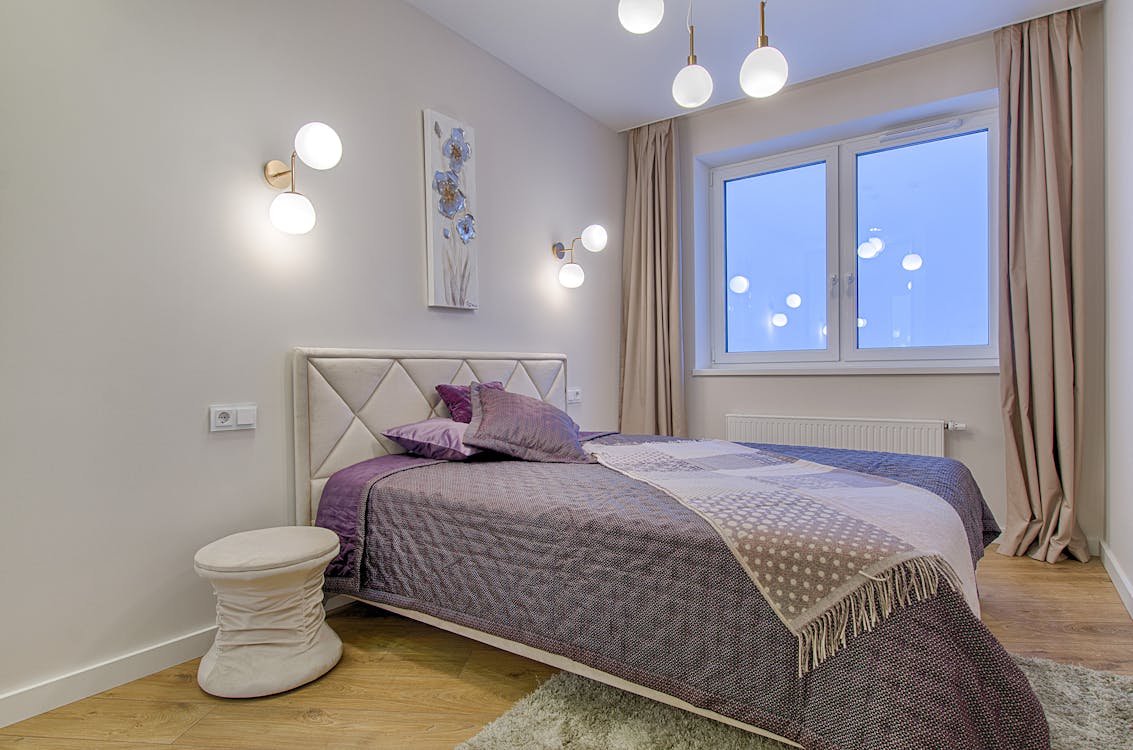 Tecidos de luxo dispostos em camadas em um quarto de hotel de alto padrão — cortinas de linho, tapete de lã e estofados de veludo que se combinam para criar uma riqueza tátil que fica linda nas fotos e tem ótimo desempenho comercial. | Foto: Pexels
Por que os tecidos são o elemento de luxo mais tangível em um ambiente
Os hóspedes não tocam na bancada de mármore repetidamente. Eles tocam na roupa de cama, nas almofadas decorativas, nas cortinas e na cadeira estofada toda vez que entram no quarto. Os tecidos são o ponto de contato mais íntimo entre um hóspede e o design, e a qualidade tátil que eles experimentam — o peso da roupa de cama, a maciez do enchimento das almofadas, a suavidade ao toque das cortinas — transmite qualidade de uma forma que nenhum elemento visual do design consegue reproduzir.
Um quarto de hóspedes com móveis visualmente impressionantes e roupa de cama medíocre suscitará comentários do tipo “não é tão confortável quanto o esperado”. Um quarto de hóspedes com móveis adequados e tecidos de qualidade excepcional — uma capa de edredom de algodão egípcio de 600 fios, um tapete feito à mão e cortinas forradas que vão do chão ao teto — vai gerar comentários do tipo “a cama mais confortável em que já dormi”. A qualidade dos tecidos é o caminho mais rápido para receber elogios específicos que geram avaliações cinco estrelas.
Seleção de tecidos para garantir durabilidade e integridade do design
No caso de móveis estofados em ambientes comerciais do setor de hospitalidade, a seleção do tecido exige o equilíbrio entre três requisitos simultâneos: luxo tátil, riqueza visual e durabilidade comercial. Esses requisitos não são mutuamente exclusivos — mas exigem uma especificação bem fundamentada, em vez de uma simples consulta ao catálogo.
O Teste de abrasão de Martindale (a norma da UE para medir a durabilidade dos tecidos) utiliza um movimento circular para simular o desgaste; o Teste de Wyzenbeek (a norma dos EUA) utiliza um movimento de fricção dupla, para frente e para trás. Ambas medem quantos ciclos um tecido suporta antes de apresentar sinais de desgaste. Os limites para a especificação do setor de hospitalidade:
- Assentos na sala de visitas (menor movimento): 40.000 Martindale / 30.000 duplas fricções, no mínimo
- Assentos no saguão e no restaurante (alta movimentação): 80.000–100.000 Martindale / mais de 60.000 duplas fricções
- Bancos de bar e cadeiras de jantar muito usadas: Mais de 150.000 Martindale
Veludos de alto desempenho com mais de 100.000 ciclos Martindale estão disponíveis no mercado e são visualmente indistinguíveis do veludo padrão para o hóspede. Tecidos acrílicos tingidos na massa — nos quais a cor é incorporada à fibra, em vez de aplicada à superfície — atingem mais de 1.500 horas de resistência aos raios UV sem perda de cor, tornando-os a especificação ideal para qualquer aplicação à beira da piscina, em terraços ou em saguões iluminados pelo sol.
As normas de segurança contra incêndios não são negociáveis
Todos os tecidos utilizados em móveis para o setor hoteleiro devem atender à norma regional de segurança contra incêndios aplicável. Trata-se de uma exigência legal em todos os mercados, e o descumprimento expõe o operador hoteleiro, o projetista e o instalador a uma responsabilidade civil significativa. As normas que regem os tecidos para móveis de hotel:
- EUA: A norma TB 117-2013 da Califórnia (resistência à combustão latente) tem aplicação ampla; a norma TB 133 da Califórnia (teste de chama aberta) é obrigatória para aplicações comerciais
- Reino Unido: BS 5852:2006 — avalia móveis estofados em relação a oito fontes de ignição de intensidade crescente
- UE: EN 1021-1 e EN 1021-2 — ignição por cigarro e por fósforo, respectivamente
Sempre solicite a documentação de conformidade ao seu fornecedor de têxteis — um certificado com um número de referência de teste verificável, e não apenas uma garantia verbal.
Coordenação de cores, sobreposição de texturas e adaptabilidade sazonal
A abordagem comercialmente mais eficiente para a especificação de têxteis para hotéis é uma base fixa com camadas decorativas intercambiáveis. A camada base — estofados principais, revestimento de parede, cortinas e tapete — é definida em tons neutros ou seminutros (pedra quente, marfim escuro, linho envelhecido, carvão da floresta) que não dependem de tendências e mantêm sua relevância visual durante todo o ciclo de design de 10 anos. A camada de destaque — almofadas decorativas, mantas decorativas, colchas, arranjos florais e acessórios sazonais — é intercambiável a baixo custo, permitindo que a propriedade renove sua energia visual sazonalmente sem necessidade de investimento de capital.
Para marcas de móveis de marca própria que desenvolvem linhas têxteis exclusivas, a oportunidade consiste em criar uma identidade têxtil diferenciada — uma estrutura de trama específica, uma paleta de cores exclusiva ou um padrão característico da marca — que passe a ser associada à coleção e crie barreiras à imitação que a forma pura e as especificações dos materiais, por si sós, não conseguem oferecer.
Oportunidades de personalização e marca própria para diferenciação da marca
Por que os móveis sob medida são uma estratégia de negócios, e não um luxo extravagante
Quando um hotel escolhe móveis de um catálogo padrão, ele acaba compartilhando essas peças com todos os estabelecimentos concorrentes que utilizam o mesmo fornecedor. Um hóspede que já se hospedou em três estabelecimentos na mesma cidade pode reconhecer a mesma cadeira de jantar, o mesmo sofá do saguão, o mesmo abajur de mesa. Esse reconhecimento corrói a exclusividade percebida que justifica os preços mais altos. O mobiliário personalizado rompe essa ligação: uma peça feita exclusivamente para o seu estabelecimento não pode ser vista em nenhum outro lugar, e essa exclusividade tem um valor comercial comprovado.
Um grupo europeu de hotéis boutique, em parceria com um fabricante OEM para desenvolver uma coleção de 22 peças em uma paleta de cores que combina nogueira e bouclé, exclusiva para suas propriedades, informou que, 18 meses após o lançamento, essa coleção já estava gerando conteúdo nas redes sociais por parte dos hóspedes, que comentavam especificamente sobre os móveis — postagens, reels e avaliações que funcionaram como marketing orgânico, sem nenhum custo adicional. O valor estimado da mídia ganha pela coleção ultrapassou o investimento no desenvolvimento já no primeiro ano.
OEM (Fabricante de Equipamentos Originais) = um fabricante produz móveis de acordo com suas especificações exatas de design, sob a sua marca. ODM (Fabricação de projeto original) = O fabricante desenvolve o design, que você licencia, personaliza e comercializa sob sua marca. Ambos os modelos oferecem a você a exclusividade do produto, algo que a compra por catálogo não oferece.
Orientações práticas para desenvolvedores e designers que colaboram com fabricantes
A colaboração entre um designer ou desenvolvedor e um fabricante de móveis sob medida funciona de maneira mais eficiente quando começa na fase do briefing de projeto — e não na fase de especificação. Envolver um parceiro de fabricação desde o início permite que as restrições técnicas de produção orientem o projeto, em vez de exigir modificações dispendiosas em fases posteriores. As informações essenciais de que um fabricante precisa para elaborar um orçamento preciso e um cronograma realista são:
- Lista de móveis por cômodo, com quantidades e peças prioritárias
- Desenhos técnicos ou esboços detalhados (para peças personalizadas)
- Preferências de materiais e acabamentos com imagens de referência
- Destino-alvo (condições ambientais, requisitos do código de incêndio)
- Porto de entrega e requisitos logísticos
- Faixa orçamentária por categoria
- Data de início ou prazo final
Móveis Jade Ant trabalha diretamente com desenvolvedores, designers de interiores, compradores de FF&E e operadores de marcas próprias para transformar briefings de design em especificações prontas para produção, com recursos de OEM e ODM para projetos de hotelaria, vilas e residências de alto padrão. A equipe oferece revisão de desenhos técnicos, coordenação de amostras de materiais, acompanhamento da produção e documentação de qualidade pré-embarque como elementos padrão do processo do projeto.
O retorno sobre o investimento (ROI) de peças personalizadas no posicionamento premium
Imóveis que investiram em programas personalizados de FF&E apresentam, de forma consistente, desempenho superior ao de imóveis equivalentes com especificações padrão nos indicadores mais importantes para proprietários e investidores. Os resultados comprovados incluem uma ADR mais elevada (pois a narrativa do design justifica preços premium que os concorrentes não conseguem igualar), maior retenção de hóspedes (pois os hóspedes retornam para vivenciar um espaço que não existe em nenhum outro lugar) e maior valorização do ativo na saída (pois o mobiliário personalizado sinaliza intenção de investimento e reduz a percepção de risco do comprador em relação a despesas de capital no curto prazo). Para incorporadoras que mantêm ativos a longo prazo, o argumento de retorno sobre o investimento (ROI) para especificações sob medida é claro. Para aquelas que planejam uma saída em 5 anos, o foco deve estar em espaços públicos de alto impacto — lobby, restaurante, suíte exclusiva —, onde peças personalizadas geram a impressão visual que impulsiona o preço de venda.
Estratégias de fornecimento e aquisição para móveis, equipamentos e acessórios (FF&E) de alto padrão
O escopo completo da aquisição de FF&E
A aquisição de FF&E (móveis, utensílios e equipamentos) no desenvolvimento de hotéis não se resume a comprar móveis. Trata-se de um processo complexo de gerenciamento de projetos que abrange a coordenação do projeto, a qualificação de fornecedores, a análise de amostras, o gerenciamento da produção, o controle de qualidade, a logística, o desembaraço aduaneiro, a instalação e a transferência da garantia. Cada etapa tem implicações em termos de custo e cronograma, e qualquer falha em uma delas — uma amostra rejeitada que exija reprojeto, o não cumprimento de um marco de produção, um atraso na alfândega — tem um efeito cumulativo sobre o cronograma de inauguração.
O processo de aquisição de FF&E para hotéis Para uma obra nova ou uma grande reforma, o processo deve começar entre 12 e 18 meses antes da data prevista para a inauguração. Projetos que iniciam o processo de aquisição com 8 meses ou menos de antecedência enfrentam, de forma consistente, os piores resultados: prazos apertados significam menos opções de fornecedores, custos mais altos com agilização de processos, tempo reduzido para controle de qualidade e o maior risco de taxas de defeitos e substituições que prejudicam a intenção do projeto.
Melhores práticas para a avaliação de fornecedores internacionais
O processo de qualificação de fornecedores deve avaliar sete dimensões — e as cinco primeiras são mais importantes do que o preço unitário:
Experiência em projetos do setor de hospitalidade: O fornecedor já realizou projetos comparáveis em termos de escala, nível de qualidade e complexidade? Solicite estudos de caso documentados com referências verificáveis dos projetos, e não apenas fotos do portfólio.
Capacidade de produção e programação: O fornecedor pode confirmar se possui capacidade de produção para o seu volume dentro do prazo solicitado? Um fabricante operando em plena capacidade deixará seu pedido em segundo plano caso surjam conflitos.
Documentação de controle de qualidade: O fornecedor mantém um programa estruturado de controle de qualidade que inclua verificações de materiais antes da produção, inspeções durante o processo e relatórios de inspeção pré-embarque? Solicite amostras da documentação antes de fechar o contrato.
Capacidade de certificação e conformidade: O fornecedor pode apresentar, como padrão, a certificação FSC, a documentação GREENGUARD, certificados de testes de resistência ao fogo (CAL 117, BS 5852, EN 1021) e documentação de conformidade dos materiais? A ausência dessa capacidade gera risco de não conformidade para o seu projeto.
Comunicação e gestão de projetos: Esse é o critério mais subestimado e a causa mais comum de fracasso nos projetos. Um fornecedor que responde em até 24 horas, designa um coordenador de projeto dedicado e fornece atualizações estruturadas sobre a produção tem um valor significativamente maior do que um fornecedor mais barato que fica indisponível quando surge um problema.
Processo de amostras e protótipos: O fornecedor oferece amostras de pré-produção e simulação da coordenação do ambiente antes de se comprometer com a produção em grande escala? Essa etapa evita as surpresas mais caras.
Responsabilidade pós-venda: Qual é o prazo de garantia e qual é o processo de reclamação? Um fornecedor que oferece uma garantia estrutural de 5 anos e mantém registros dos componentes (códigos de acabamento, lotes de tecido) durante toda a vida útil do produto é um parceiro estratégico. Um fornecedor que não faz isso é apenas uma transação.
Mitigação de riscos: transporte, alfândega e conformidade de materiais
O risco logístico mais comum na aquisição internacional de FF&E para hotéis é a diferença entre a ETA (Hora Estimada de Chegada) e a entrega pronta para instalação. Móveis que chegam ao país não significam móveis instalados em um quarto. A sequência do porto até a instalação — desembaraço aduaneiro, logística de última milha, manuseio no depósito, coordenação da entrega no local, desembalagem e posicionamento no quarto — acrescenta de 2 a 6 semanas ao cronograma operacional, dependendo do destino e da complexidade do projeto. Inclua essa margem de segurança em todos os cronogramas de aquisição.
Para as importações dos EUA provenientes da China, os móveis geralmente se enquadram nos códigos HS com alíquota de 25% (conforme a política comercial de 2025). Para as importações europeias, os direitos aduaneiros padrão sobre móveis variam de 0 a 5,61 TP3T, dependendo da classificação do material. Ambos devem ser considerados no modelo de custo de importação antes que qualquer comparação de preço unitário entre fornecedores regionais e internacionais seja significativa.
A certificação FSC para o conteúdo de madeira é obrigatória para o cumprimento das normas de importação previstas no Regulamento da Madeira da UE e na Lei Lacey dos EUA — ambos os quais proíbem o comércio de madeira extraída ilegalmente. A presença de madeira não conforme em uma remessa de móveis importados pode resultar em apreensão alfandegária, multa financeira e prejuízo à reputação. Exija comprovantes documentais de todos os fornecedores de madeira antes de efetuar qualquer pedido.
Preparando seu projeto para o futuro: sustentabilidade, tecnologia e adaptabilidade
Veja: Como a tecnologia inteligente está sendo integrada ao mobiliário de hotéis de luxo
Um tour por uma suíte de hotel de luxo que demonstra como a integração de móveis inteligentes, o fluxo espacial e os itens de mobiliário, equipamento e decoração (FF&E) de alta qualidade se combinam para criar uma experiência premium para os hóspedes. Conteúdo diretamente relevante para compradores de FF&E, incorporadores e designers de interiores que atuam no mercado atual.
Incorporando tecnologia inteligente sem comprometer a elegância
Até 2025, 60% de hotéis em todo o mundo estavam implantando sistemas integrados com IA em suas operações — e uma proporção cada vez maior desses sistemas está integrada ao mobiliário, em vez de ser acoplada a ele. O desafio do design é oferecer funcionalidades inteligentes sem fazer com que o ambiente pareça um showroom de tecnologia.
As categorias de móveis em que a integração inteligente agrega mais valor aos hóspedes:
Superfícies de carregamento sem fio (Certificação Qi — o padrão universal de carregamento sem fio compatível com todos os principais smartphones) integrado às mesinhas de cabeceira e às superfícies das mesas. Sem peças visíveis. Sem precisar procurar cabos. O hóspede coloca o celular sobre a superfície e ele começa a carregar. Para um hotel voltado para o segmento de viagens de negócios e de luxo da geração millennial, essa especificação já é uma expectativa, não mais um diferencial.
Assentos no saguão com sensor de ocupação utiliza sensores de pressão embutidos nas almofadas dos assentos — invisíveis para o hóspede — para enviar dados de ocupação em tempo real ao sistema de gestão do hotel. Esses dados permitem uma organização mais eficiente dos serviços de limpeza, o agendamento dos serviços de alimentação e bebidas e a gestão de energia, sem que haja qualquer tecnologia visível no ambiente.
Cabeceira e móveis com iluminação circadiana integrada. A cabeceira da cama — que já é o elemento visual dominante do quarto de hóspedes — é o local ideal para elementos de iluminação que variam a temperatura de cor ao longo do dia: branco frio pela manhã (5.000–6.500 K promove o estado de alerta e favorece o ciclo energético matinal), âmbar quente à noite (2.700–3.000 K estimula a produção de melatonina e favorece o sono). A Equinox Hotels tornou essa especificação um elemento característico de seu programa “Sleep Experience”. Para propriedades de segmentação premium, trata-se de um recurso atraente que não requer área adicional no quarto.
Luxo sustentável: materiais com certificação ecológica e design circular
O O mercado de hotéis de bem-estar foi avaliado em $84,6 bilhões em 2025, sendo que as propriedades com foco no bem-estar cobram tarifas mais altas, na faixa de $340 a $780 por estadia do hóspede. A relação entre sustentabilidade e a disposição dos hóspedes em pagar tarifas mais altas já está comprovada: os hóspedes dos segmentos de luxo e estilo de vida escolhem cada vez mais as propriedades com base em sua postura ambiental e pagam mais para se hospedar em hotéis cujo design reflete um compromisso genuíno com o abastecimento responsável de materiais.
Para os incorporadores hoteleiros e compradores de FF&E, o luxo sustentável em 2026 se articula em três níveis práticos. O primeiro é aquisição de materiais certificados: madeira certificada pelo FSC, tecidos com certificação OEKO-TEX, acabamentos com certificação GREENGUARD e fabricantes com sistemas de gestão ambiental ISO 14001. O segundo é a longevidade como indicador de sustentabilidade: móveis com vida útil de 12 a 15 anos geram significativamente menos resíduos de fabricação, emissões decorrentes do transporte e volume de resíduos enviados a aterros sanitários do que três ciclos de substituição de peças de qualidade inferior ao longo do mesmo período. O terceiro é projeto para desmontagem: a escolha de móveis com componentes de estofamento removíveis e substituíveis — almofadas de assento que podem ser reestofadas, em vez de se ter que substituir a cadeira inteira — prolonga a vida útil e reduz o consumo de materiais a longo prazo.
Para projetos que buscam a certificação LEED v4, os móveis com certificação GREENGUARD Gold contribuem diretamente com créditos de Qualidade Ambiental Interna (IEQ). Estratégias de aquisição sustentável de móveis para hotéis Especificações de nível comercial com as certificações exigidas estão disponíveis por meio de fabricantes que estruturaram suas cadeias de suprimentos especificamente com foco na conformidade com as certificações.
Preparando os espaços para as expectativas em constante evolução dos hóspedes
Três segmentos voltados para hóspedes estão redefinindo as especificações de mobiliário hoteleiro de maneiras que irão além do atual ciclo de renovação:
Viajantes em regime de trabalho híbrido — profissionais que prolongam suas viagens de negócios com dias de trabalho remoto — exigem uma verdadeira estação de trabalho integrada ao quarto de hóspedes, sem comprometer a estética residencial. As especificações: uma superfície de mesa com profundidade mínima de 60 cm (com espaço para um laptop e periféricos), uma cadeira de escritório com apoio lombar e altura ajustável (faixa de 43 a 53 cm), gerenciamento integrado de cabos e acesso à energia elétrica, além de iluminação ambiente que possa ser ajustada para permitir um trabalho concentrado sem iluminar excessivamente todo o quarto.
Grupos de viagem multigeracionais Exigem móveis que acomodem todas as faixas etárias de um grupo familiar — desde uma criança de 6 anos até um avô de 70 anos. Caminhos livres entre as peças de mobiliário (espaço livre mínimo de 90 cm para acesso com dispositivos de mobilidade), uma variedade de alturas de assentos na sala (nem todos baixos nem todos altos) e construção robusta em toda a mobília (sem peças que tombem quando usadas como apoio por um convidado idoso) são os requisitos práticos de especificação.
Viajantes interessados em bem-estar alcançam os prêmios mais altos e apresentam os requisitos espaciais mais específicos: acabamentos e materiais de estofamento certificados com baixo teor de COV, sistemas ergonômicos de descanso e assentos, integração da iluminação circadiana e espaço para a prática de exercícios físicos dentro do cômodo, sem obstrução por móveis. Imóveis que atendem a esses requisitos em suas especificações de mobiliário — em vez de apenas adaptar posteriormente as instalações de bem-estar — criam o posicionamento de bem-estar mais coerente e comercialmente duradouro.
Uma observação sobre a parceria de fabricação
Criar uma estética atemporal e sofisticada para um hotel exige mais do que bom gosto e um orçamento generoso. É necessário um parceiro de fabricação capaz de transformar sua intenção de design em especificações prontas para produção, manter a qualidade ao longo de todo o processo de produção, documentar todas as decisões relativas a materiais e certificações e cumprir o prazo exigido pelo seu projeto.
Móveis Jade Ant é uma fabricante de móveis personalizados e de luxo sediada na China, com mais de 15 anos de experiência no atendimento a incorporadoras hoteleiras, compradores de FF&E, designers de interiores e marcas próprias na Ásia, Europa, Oriente Médio e América do Norte. A equipe atua desde o briefing de design até a prototipagem, produção, inspeção de qualidade e logística — oferecendo a transparência e a responsabilidade que projetos de hospitalidade de alto risco exigem.
Explore o Linha de produtos Jade Ant ou entre em contato diretamente com a equipe junto com o briefing do seu projeto para que possamos apresentar uma resposta estruturada que abranja prazos, materiais, certificações e preços.
Glossário de termos-chave
FF&E — Móveis, acessórios e equipamentos. Todos os itens móveis e não permanentes especificados para um projeto de hotel, incluindo móveis, iluminação decorativa, obras de arte e eletrodomésticos. Normalmente, representam de 10 a 15% do custo total de desenvolvimento do hotel.
ADR (Tarifa Média Diária) — Receita total por quarto dividida pelo número de quartos ocupados. Um dos principais indicadores do poder de fixação de preços de um hotel.
RevPAR (Receita por Quarto Disponível) — ADR multiplicado pela taxa de ocupação. O único indicador mais abrangente para avaliar o desempenho da receita hoteleira.
Nível de contrato — Móveis projetados e testados para atender aos requisitos estruturais e de durabilidade de ambientes comerciais do setor de hospitalidade. Não são intercambiáveis com especificações destinadas ao uso residencial.
Esfregões duplos / Contagem de Martindale — As duas principais normas para medir a durabilidade de tecidos para estofamento. O teste de “double rubs” (Wyzenbeek, norma dos EUA) conta os ciclos de abrasão para frente e para trás. O teste Martindale (norma da UE) utiliza um movimento circular. Ambos indicam a durabilidade comercial.
CRI (Índice de Reprodução de Cores) — Uma medida da precisão com que uma fonte de luz reproduz as cores reais dos materiais. Escala de 0 a 100; especifique um mínimo de 90 para todas as aplicações no setor de hospitalidade de luxo.
COV (Compostos Orgânicos Voláteis) — Gases químicos emitidos por acabamentos de móveis, adesivos e espumas. A certificação GREENGUARD Gold confirma que os níveis de COV estão dentro de limites rigorosos para a qualidade do ar interno.
FSC (Forest Stewardship Council) — A certificação reconhecida mundialmente para o manejo florestal responsável e a cadeia de custódia da madeira. Verificável pelo número do certificado no banco de dados público do FSC.
OEM / ODM — Fabricação de Equipamentos Originais (OEM) / Fabricação de Design Original (ODM). Modelos de fabricação que permitem aos compradores produzir móveis sob sua própria marca, com plena propriedade dos direitos de propriedade intelectual.
Pedra sinterizada — Um material composto para superfícies produzido pela compressão de minerais naturais sob calor e pressão extremos. Porosidade quase nula, resistente a manchas e ao calor. Frequentemente utilizado como alternativa ao mármore em aplicações com alto tráfego.
Certificação Qi — O padrão universal de carregamento sem fio, compatível com todas as principais marcas de smartphones. A especificação exigida para superfícies de carregamento sem fio integradas ao mobiliário de hotéis.
CAL 117 / BS 5852 / EN 1021 — Normas regionais de segurança contra incêndios para móveis comerciais estofados. CAL 117: EUA. BS 5852: Reino Unido. EN 1021: UE. Todas exigem documentação de conformidade dos fabricantes.
Perguntas frequentes
1. Como escolher móveis que transmitam uma sensação de luxo, mas que também sejam duráveis para ambientes de hotéis com alto fluxo de pessoas?
O segredo está em seguir os padrões de construção de nível comercial, em vez dos de qualidade residencial, independentemente da aparência da peça. Procure por estruturas de madeira maciça ou reforçadas com aço, com encaixes de mortise e tenon ou juntas de aço soldadas; espuma de alta resiliência com classificação de 2,0 lb/pé³ ou superior para almofadas de assento; e tecidos de estofamento com um índice mínimo de resistência ao atrito duplo adequado para a área específica — mais de 30.000 para quartos de hóspedes, mais de 100.000 para áreas de recepção e refeições. Solicite por escrito ao seu fornecedor os dados dos testes de ciclo de carga comercial e as certificações dos materiais antes de finalizar qualquer especificação. Uma peça que pareça luxuosa, mas seja fabricada de acordo com padrões residenciais, revelará suas limitações dentro de 18 a 24 meses de uso comercial.
2. Quais são as paletas de cores e os estilos de design mais atemporais para hotéis de luxo?
Paletas baseadas em tons naturais — pedra quente, marfim envelhecido, marrom nogueira, latão envelhecido, verde-floresta profundo e azul-marinho intenso — têm longevidade comprovada, pois remetem a materiais encontrados na natureza e não dependem dos ciclos das tendências. Estilos de design com longevidade comprovada no setor de hospitalidade de luxo incluem o modernismo refinado de meados do século (linhas simples, materiais naturais, proporções bem pensadas), o classicismo contemporâneo (silhuetas históricas com materiais atualizados) e o modernismo biofílico (riqueza de materiais naturais com formas orgânicas). Evite paletas altamente gráficas ou baseadas em padrões como especificações principais — elas ficam ultrapassadas mais rapidamente e são mais difíceis de renovar sem uma substituição completa.
3. Como posso garantir que meu fornecedor de móveis cumpra as normas internacionais de qualidade e segurança?
Exija certificação documentada — e não garantias verbais — para todas as normas relevantes antes de emitir um pedido de compra. Certificação FSC para todo o conteúdo de madeira (verificável em info.fsc.org); GREENGUARD Gold para conformidade com os limites de COV no acabamento; OEKO-TEX Standard 100 para todos os componentes têxteis; e certificados de conformidade com normas de segurança contra incêndio (CAL 117 para os EUA, BS 5852 para o Reino Unido, EN 1021 para a UE) com números de referência de testes verificáveis. Solicite também uma cópia do protocolo de controle de qualidade do fornecedor — inspeção de materiais na pré-produção, registros de inspeção durante o processo e relatórios de inspeção pré-embarque utilizando o padrão de amostragem AQL 2,5. Qualquer fornecedor de nível comercial de boa reputação terá esses documentos prontamente disponíveis.
4. Qual é a diferença entre móveis personalizados de alta qualidade e peças de luxo prontas para uso?
Peças de luxo prontas para uso são projetadas para serem bonitas e atraentes no maior número possível de contextos — suas dimensões são padronizadas, as opções de acabamento se limitam ao catálogo do fabricante e elas já estão presentes em outros imóveis que utilizaram o mesmo fornecedor. Móveis sob medida de alto padrão são projetados para atender aos requisitos específicos de espaço, ambiente e marca do seu projeto: dimensões exatas para o layout dos seus ambientes, especificações exclusivas de acabamento que não podem ser replicadas em nenhum outro lugar, materiais selecionados de acordo com o clima e as condições de uso do local, além de direitos de propriedade intelectual que pertencem a você. A diferença comercial é que o mobiliário sob medida sustenta uma narrativa de design que os concorrentes não conseguem reproduzir, o que garante a capacidade de praticar preços premium a longo prazo.
5. Como faço para criar um visual harmonioso nos quartos, saguões, restaurantes e suítes?
Estabeleça uma linguagem de design logo no início do briefing — um conjunto documentado de decisões que abranja espécies e tons de madeira, acabamentos metálicos (latão, bronze, bronze escuro, cromo), a família de cores primária dos estofados, as cores secundárias de destaque e o vocabulário de proporções (relações proporcionais entre altura e profundidade para assentos, padrões de altura das mesas etc.). Em seguida, avalie cada especificação de mobiliário e material para determinar se ela reforça ou dilui essa linguagem. Coerência não significa uniformidade — o saguão pode apresentar uma escala mais ousada e uma densidade de materiais mais rica do que o quarto de hóspedes —, mas as transições devem parecer capítulos de uma mesma história, e não narrativas separadas.
6. Quais materiais oferecem o melhor equilíbrio entre elegância e baixa manutenção para climas tropicais?
Em ambientes tropicais, a escolha dos materiais deve levar em conta a alta umidade, o ar salino (em imóveis à beira-mar), a intensa exposição aos raios UV e o contato frequente com a umidade. Os materiais que apresentam desempenho confiável nessas condições sem sacrificar a estética de luxo são: teca (naturalmente oleosa, resistente ao apodrecimento e com envelhecimento elegante), ferragens de aço inoxidável maciço ou latão revestido com laca (aço inoxidável tipo 316 para áreas litorâneas), tecidos acrílicos de alto desempenho tingidos na solução (classificados para mais de 1.500 horas de exposição aos raios UV sem perda de cor), superfícies de pedra sinterizada (porosidade zero, impermeáveis à umidade e a organismos tropicais) e estruturas de alumínio com revestimento em pó para uso externo, destinadas a peças de área externa e semi-externa. Evite mármore natural, ferragens de metal não tratadas e espuma de uso residencial em zonas de alta umidade — todos esses materiais se deteriorarão em um prazo de 18 a 36 meses.
7. Como os proprietários de vilas e os operadores de hotéis boutique podem alcançar uma estética de 5 estrelas com um orçamento limitado?
A estratégia de maior retorno para projetos com restrições orçamentárias é investir intensamente em três elementos de alto impacto e gastar com moderação em todos os demais aspectos. Os três elementos são: iluminação (um sistema de iluminação em camadas bem projetado transforma até mesmo móveis simples em um ambiente sofisticado), têxteis (roupa de cama, cortinas e tecidos de decoração de qualidade criam uma percepção imediata de luxo por uma fração do custo dos móveis) e uma ou duas peças de destaque por espaço principal (uma poltrona lindamente estofada, uma mesa de centro com tampo de mármore, um abajur de chão marcante). Essas peças dão ao espaço a sensação de ter sido projetado intencionalmente. Os móveis complementares — mesinhas laterais, móveis de armazenamento, assentos funcionais — podem ser escolhidos a um custo unitário menor sem prejudicar a impressão geral, especialmente se a linguagem de materiais e acabamentos for consistente.
8. Qual é o papel da iluminação na valorização de móveis e decoração de luxo?
A iluminação é o maior multiplicador de efeito no design de interiores — ela pode fazer com que os mesmos móveis pareçam extraordinários ou medíocres, dependendo inteiramente de como for especificada. A luz rasante (direcionada em um ângulo raso sobre uma superfície texturizada) revela o veio da madeira, a profundidade do veludo e o caráter da pedra de maneiras que a iluminação difusa vinda de cima destrói completamente. A temperatura de cor quente (2.700–3.000 K) faz com que materiais nobres — latão, couro, nogueira, veludo — pareçam mais aconchegantes, mais ricos e de maior qualidade. A temperatura de cor fria (acima de 4.000 K) faz com que os mesmos materiais pareçam frios e impessoais. Qualquer investimento em móveis de luxo é prejudicado por uma especificação inadequada de iluminação. Por outro lado, uma iluminação em camadas bem especificada pode elevar móveis de boa qualidade a um padrão de luxo.
9. Como posso trabalhar com designers para desenvolver uma linha de móveis de marca própria para a minha marca?
O processo começa com um briefing da marca — e não com um mood board. Defina o cliente-alvo, o posicionamento de preço, o vocabulário de design, a paleta de materiais e os requisitos de desempenho da coleção antes de iniciar qualquer trabalho de design. Envolva o fabricante desde o início do processo de desenvolvimento, para que as restrições técnicas de produção orientem o design, em vez de exigir alterações dispendiosas em fases posteriores. Proteja sua propriedade intelectual por meio de três camadas: um acordo de confidencialidade (NDA) antes de compartilhar quaisquer arquivos de design, o registro formal do design na jurisdição do fabricante antes do início da produção e uma cláusula de exclusividade no contrato de fabricação. Planeje um cronograma de desenvolvimento de, no mínimo, 12 a 18 meses, desde o briefing até a primeira entrega comercial de uma nova coleção. Para uma visão geral do processo de marca própria para móveis de luxo, incluindo opções de OEM/ODM, considerações sobre fabricação regional e estratégias de proteção de propriedade intelectual; o guia detalhado aborda cada etapa com orientações práticas e específicas.
10. Quais são os erros mais comuns que os compradores de FF&E cometem ao adquirir móveis de luxo?
Cinco erros se repetem em projetos hoteleiros: iniciar o processo de aquisição tarde demais (12 a 18 meses é o horizonte mínimo de planejamento para móveis personalizados internacionais; começar com 6 meses significa aceitar as piores opções de fornecedores e o maior risco de atraso); especificar com base no preço unitário em vez do Custo Total de Propriedade (uma cadeira mais barata que precisa ser substituída em 4 anos custa mais do que uma cadeira mais cara que dura 12); aceitar garantias verbais de qualidade em vez de certificações documentadas; deixar de realizar uma revisão do quarto-modelo antes de aprovar a produção completa (essa única etapa elimina as surpresas mais caras); e tratar a aquisição como uma função de compras em vez de uma função de gerenciamento de projetos, sem um cronograma estruturado, acompanhamento de marcos e processo de escalonamento para atrasos.
11. Como posso garantir que o projeto do meu hotel se mantenha atualizado diante das mudanças nas tendências de design e nas expectativas dos hóspedes?
Baseie seu projeto em princípios, não em tendências. Silhuetas clássicas, materiais naturais, construção de qualidade e equilíbrio proporcional têm se mostrado relevantes ao longo de décadas de ciclos de design e podem ser renovados por meio de detalhes decorativos e atualizações nos tecidos, sem necessidade de gastos com investimentos de capital. Escolha móveis com componentes de estofamento substituíveis, para que a cor e a textura possam ser atualizadas sem a necessidade de substituir a estrutura da peça. Instale reguladores de intensidade independentes em cada circuito de iluminação para que o ambiente do espaço possa evoluir sem a necessidade de obras elétricas. Projete espaços públicos com disposições modulares de assentos, em vez de configurações fixas, para que o ambiente possa se adaptar a padrões de uso em constante evolução. E mantenha um briefing de linguagem de design — um registro documentado de todas as decisões sobre materiais e acabamentos — para que atualizações futuras possam se basear e ampliar, em vez de contradizer, a especificação original.
12. Quais certificações devo verificar ao importar móveis de luxo para uso comercial?
O conjunto básico de certificações para móveis comerciais para o setor de hospitalidade importados para os principais mercados: FSC ou PEFC para o conteúdo de madeira (exigido para conformidade com o Regulamento da Madeira da UE e a Lei Lacey dos EUA); GREENGUARD Gold para emissões de COV dos acabamentos (exigido para contribuições aos créditos LEED EQ); OEKO-TEX Standard 100 para todos os componentes têxteis; e testes de segurança contra incêndio específicos para cada mercado (CAL 117 / TB 133 para os EUA, BS 5852 para o Reino Unido, EN 1021 para a UE). Para os fabricantes, a certificação de gestão da qualidade ISO 9001 e a certificação de gestão ambiental ISO 14001 confirmam a gestão sistemática da qualidade dos processos e do meio ambiente no nível da fábrica. Para Padrões de desempenho da BIFMA No que diz respeito à durabilidade estrutural de assentos comerciais e móveis de armário, solicite a documentação de conformidade específica para a categoria de produto em questão.
13. Como as práticas sustentáveis se alinham ao design da hotelaria de luxo?
Eles se alinham precisamente quando a sustentabilidade é impulsionada pela qualidade do material, e não por concessões em relação a ele. A demonstração mais clara: a nogueira maciça com certificação FSC é materialmente idêntica à nogueira maciça de origem convencional — o mesmo caráter do veio, a mesma profundidade do acabamento, a mesma durabilidade. A certificação atesta a origem. O veludo de alto desempenho com certificação OEKO-TEX é visual e tátilmente indistinguível das alternativas não certificadas. Os acabamentos com certificação GREENGUARD Gold têm aparência idêntica aos acabamentos não certificados. A especificação sustentável na hotelaria de luxo não exige concessões estéticas — exige um fornecedor que tenha incorporado a infraestrutura de certificação à sua cadeia de suprimentos. O argumento comercial para esse investimento é simples: a certificação sustentável abre cada vez mais portas para briefings de projetos institucionais e requisitos de investidores em conformidade com os critérios ESG, aos quais fornecedores não certificados não têm acesso.
14. Quais são os prazos de entrega e as considerações logísticas a serem levadas em conta na importação de móveis sob medida?
Para móveis personalizados para hotéis produzidos na Ásia, o prazo realista desde a confirmação do pedido até a entrega no local na Europa ou na América do Norte é de 16 a 26 semanas, dependendo da complexidade, do volume e da logística de destino. A divisão do prazo geralmente segue este padrão: prototipagem e aprovação de amostras (4 a 6 semanas), produção em série (8 a 14 semanas), inspeção de qualidade e documentação pré-embarque (1 semana), frete marítimo (3 a 5 semanas para a Europa, 4 a 6 semanas para a Costa Leste dos EUA), desembaraço aduaneiro e entrega final (1 a 3 semanas). Os projetos que incluem uma margem de segurança para cada etapa — e iniciam o processo de aquisição com mais de 18 meses de antecedência em relação à inauguração — são aqueles que chegam a tempo. A causa mais comum de atraso não é a produção: são decisões tardias de design, aprovações tardias de amostras ou revisões tardias de controle de qualidade que atrasam todas as etapas subsequentes.
15. Como os escritórios de arquitetura e design de interiores podem colaborar melhor com os fornecedores de móveis desde o início do projeto?
As relações mais produtivas com os fabricantes no projeto de hotéis e pousadas começam na fase de projeto esquemático — e não nos documentos de construção. O envolvimento precoce permite alcançar três objetivos que o envolvimento tardio não consegue: as restrições técnicas de produção podem orientar o projeto antes que ele seja finalizado, evitando reformulações dispendiosas em fases avançadas; o fabricante pode fornecer informações precisas sobre o prazo de entrega para o cronograma do projeto, em vez de receber um prazo impossível de cumprir; e amostras de materiais e protótipos podem ser desenvolvidos a tempo para uma análise significativa, em vez de uma aprovação apressada. Para as empresas de design, a disciplina interna necessária é um protocolo de orientação aos fornecedores — um formato padronizado para compartilhar a intenção do projeto, requisitos dimensionais, preferências de materiais e restrições de prazo com os parceiros de fabricação no início de cada projeto, e não após a emissão da documentação de construção. As empresas que adotaram essa prática de forma consistente relatam menos surpresas nas especificações, custos de revisão mais baixos e índices mais altos de satisfação dos clientes em relação à qualidade da entrega. Explore melhores práticas de aquisição de móveis para designers e distribuidores para uma abordagem estruturada na construção de relações produtivas com os fabricantes desde a primeira fase do projeto.
Publicado por Móveis Jade Ant — Fabricante de móveis personalizados e de luxo com sede na China, que atende incorporadoras hoteleiras, designers de interiores, compradores de FF&E, proprietários de casas de campo, marcas próprias e distribuidores de móveis em todo o mundo. Para consultas sobre projetos e orientações sobre fabricação sob medida, acesse jadeant.com ou entre em contato diretamente com a equipe.