China accounts for roughly 35% of global furniture exports and generated over $20.8 billion in wood furniture export value in 2025 alone, according to Lesprom Network. But behind that aggregate number lies a critical distinction that most buyers overlook: a manufacturer optimized for residential living rooms is not automatically the right fit for a 300-room hotel renovation. The reverse is equally true.
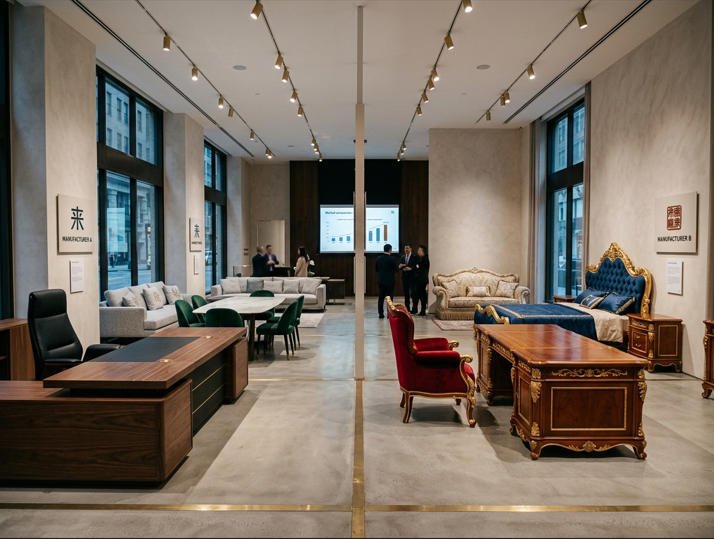
This review compares two of China’s most recognized furniture manufacturers — KUKA Home و مجموعة أوبين هوم جروب — across residential and commercial applications. The goal is not to declare a winner but to equip distributors, interior designers, project developers, and procurement teams with the data-driven context they need to make sourcing decisions that hold up through delivery, installation, and long-term use.
The structure of this review follows a practical framework: market context first, then individual manufacturer deep-dives for both residential and commercial performance, a comparative analysis, and finally a decision framework — including a procurement checklist and engagement process that applies regardless of which manufacturer you choose. For buyers who need project-specific customization at lower MOQs, we also reference مفروشات النمل اليشم, a Shanghai-based custom and luxury furniture manufacturer that serves as a production partner for residential and hospitality fit-out projects globally.
Overview of the Market Context
Global Demand Trends in Residential Furniture
The global home furniture market reached approximately $508.59 billion in 2025, with forecasts from استخبارات موردور projecting it to exceed $646 billion by 2030. Growth is no longer driven by volume alone. The World Furniture Outlook 2025–2026, published by CSIL Milano, estimates real consumption growth of about 1.4% globally — reflecting a consumer shift toward fewer but higher-quality purchases, longer replacement cycles, and sustainability-conscious decision making.
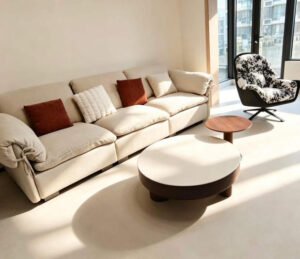
In the residential segment, three forces are converging. First, remote and hybrid work has permanently expanded the definition of “home furniture” to include ergonomic desks, adjustable chairs, and multi-functional living room pieces that double as workspaces. Second, the premiumization trend — particularly among millennial and Gen Z homeowners — is pushing demand toward customizable designs, natural materials, and certified-safe finishes. Third, cross-border e-commerce platforms like Wayfair, Amazon, and Temu have shortened the distance between Chinese factories and end consumers, making it feasible for mid-market brands to source directly from manufacturers like KUKA or smaller specialists like Jade Ant’s living room collections.
Commercial Furniture Procurement Dynamics
Commercial furniture procurement operates on a fundamentally different timeline and risk profile. A hospitality group furnishing a new resort needs 400 identical headboards delivered within a 45-day window, with fire-retardant certifications, warranty documentation, and on-site installation coordination. A corporate office refurbishment demands BIFMA-tested seating, GREENGUARD-certified desking, and ADA-compliant configurations — all verified before a purchase order is signed.
In the commercial space, China’s share continues to grow because of supply chain integration. A single Guangdong province cluster can handle CNC milling, upholstery, metal fabrication, powder coating, and logistics consolidation within a 50-kilometer radius. This density reduces lead times to 30–60 days for contract orders, compared with 90–120 days from fragmented European supply chains. According to GTAIC research, China, Vietnam, and Poland collectively accounted for 52% of wooden furniture supplies to the top 30 import markets — with China alone increasing exports to these markets by $2.06 billion in a single reporting period.
Common Criteria Buyers Use: Quality, Lead Times, Certifications
Whether buying for a home or a hotel, experienced procurement professionals evaluate manufacturers across a consistent set of dimensions. The weighting changes — a homeowner may prioritize aesthetic customization, while a hotel operator prioritizes fire-safety compliance — but the underlying criteria remain:
| Evaluation Criteria | Residential Priority (1–5) | Commercial Priority (1–5) |
|---|---|---|
| Design flexibility & customization | 5 | 3 |
| Material & finish quality | 5 | 5 |
| Durability / lifecycle (warranty) | 3 | 5 |
| Certifications (FSC, REACH, BIFMA, fire safety) | 2 | 5 |
| Price competitiveness | 4 | 4 |
| Lead time reliability | 3 | 5 |
| MOQ flexibility | 4 | 2 |
| After-sales support & logistics | 3 | 5 |
Industry insiders often describe this as the “certification-customization tradeoff”: commercial buyers accept less design freedom in exchange for documented compliance, while residential buyers accept fewer certifications in exchange for bespoke finishes and lower order quantities. The best manufacturers — and the best sourcing partners — understand which mode to optimize for.
Manufacturer X: KUKA Home — Company Profile and Product Strategy
History, Scale, and Geographic Reach
KUKA Home was established in 1982 in Nantong, Jiangsu Province, making it one of the oldest continuously operating furniture manufacturers in China. Over four decades, the company expanded from a regional upholstery workshop into a publicly listed global operation with manufacturing facilities in China, Vietnam, and Mexico. The Vietnam factory, in particular, serves as a tariff-mitigation asset — enabling KUKA to bypass the 25% U.S. tariffs on Chinese-origin furniture that reshaped competitive dynamics starting in 2018.
KUKA operates over 6,700 retail stores across 120 countries. Its core R&D partnership with Italy’s Natuzzi has influenced its design language, blending Italian ergonomic principles with Chinese manufacturing efficiency. The company holds ISO 9001 quality management certification and BIFMA compliance for the North American market, and maintains an active presence at trade events including the Canton Fair and CIFF Guangzhou.
Core Product Categories and Price Tiers
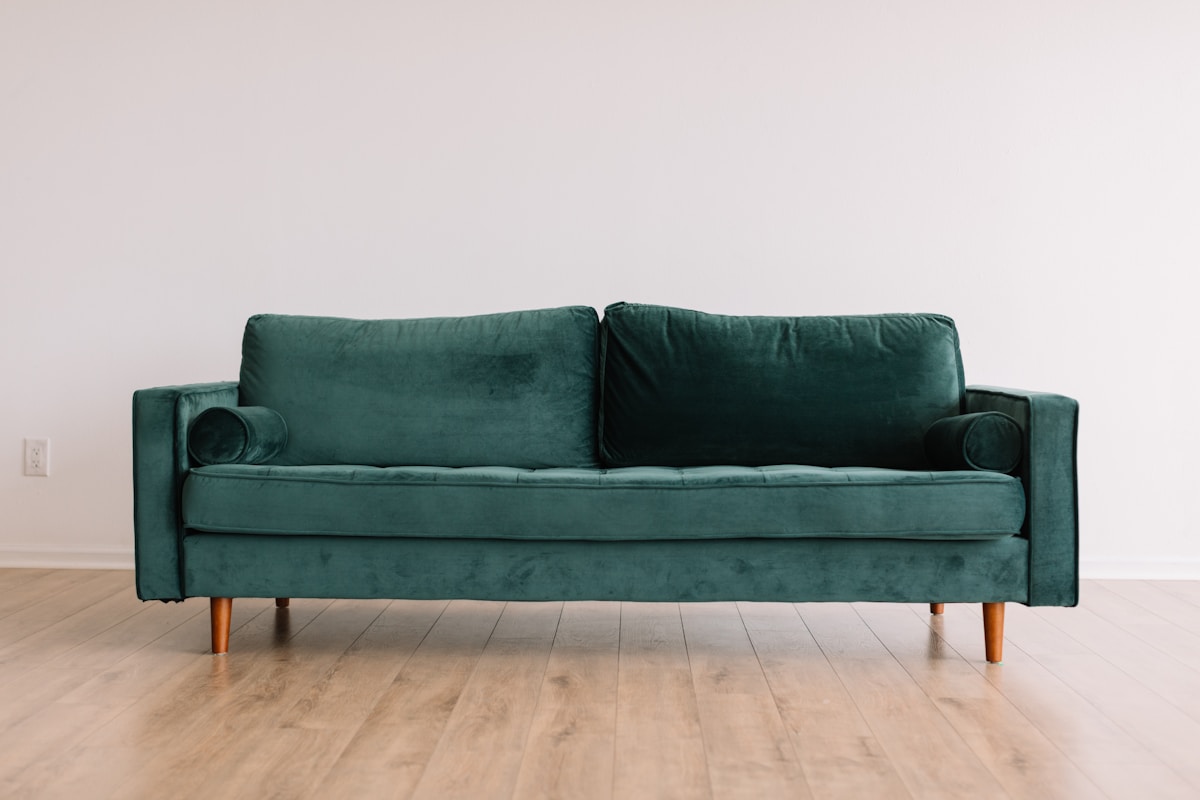
KUKA’s product portfolio centers on upholstered seating — specifically modular sofas, functional recliners, and leather furniture — with secondary categories in bedroom sets, dining furniture, and mattresses. The company commands an estimated 12% global market share in functional sofas, driven largely by its proprietary Zero Gravity Mechanism, which won a Red Dot Design Award. Price positioning ranges from mid-market (retail $800–$2,000 for stationary sofas) to upper-mid ($2,500–$6,000 for powered reclining sectionals). At wholesale, FOB pricing from the China factory typically runs 40–55% below North American retail.
Design Philosophy and Customization Capabilities
KUKA’s design philosophy leans toward comfort-engineered modularity. The company offers fabric and leather options across approximately 200 SKUs per season, with modular configurations that let retailers and distributors assemble different sectional layouts from standardized components. Customization at KUKA operates at the configuration level — selecting modules, cover materials, and mechanism types — rather than at the bespoke level. Buyers seeking fully custom dimensions, unique finishes, or one-off designs would find KUKA’s system less accommodating than a dedicated custom manufacturer like مفروشات النمل اليشم, which handles low-MOQ bespoke orders with dimensional and material flexibility down to a single unit.
KUKA Home: Residential Market Performance
Product Suitability for Homes (Collections, Finishes, Ergonomics)
In residential applications, KUKA’s strength is immediate, tangible comfort. The Zero Gravity reclining mechanism — which distributes body weight across an optimized recline angle — has been validated through ergonomic studies showing 23% reduced lumbar pressure compared to flat-recline systems. For homeowners with back pain or those who spend extended hours seated (a growing segment since remote work became permanent), this is a measurable, not merely marketing, advantage.
Collections rotate seasonally, with leather options sourced from tier-one Italian tanneries and performance fabrics tested to exceed 50,000 Martindale rub cycles — roughly five to seven years of heavy household use. Color options span 40+ leather tones and 80+ fabric swatches per season. The Rooms To Go partnership in North America provides a useful reference: KUKA supplies over 35% of that retailer’s motion sofa category, meaning the product has been stress-tested at scale by a major retail chain with strict return-rate thresholds.
Pricing Strategy and Value Proposition for Households
KUKA competes on what the industry calls “accessible premium” — pricing that undercuts European brands like Natuzzi Editions or Flexform by 30–45% at comparable material specifications. A three-seat power recliner in top-grain leather, for example, retails around $2,800 in the U.S. through Rooms To Go, compared with $4,200–$5,500 for a similar configuration from an Italian brand. The value proposition is not “cheap Chinese furniture” but rather “Italian-influenced engineering at Chinese manufacturing cost.”
For distributors and bulk residential buyers, KUKA’s wholesale MOQs typically start at 20–40 units per SKU, with lead times of 35–50 days from order confirmation. Payment terms usually follow a 30/70 structure (30% deposit, 70% against shipping documents), which is standard in the industry.
Case Studies: Sample Residential Installations
KUKA furniture appears in thousands of North American, Southeast Asian, and Middle Eastern homes through its retail network. Costco North America — through the CHEERS sub-brand under parent company Man Wah Holdings, KUKA’s chief competitor — has demonstrated that Chinese-manufactured upholstered furniture can achieve return rates below 3% in the mass market. KUKA’s own return rate through Rooms To Go has been publicly referenced as “below industry average” in annual investor presentations, suggesting product durability holds up after delivery.
KUKA Home: Commercial Market Performance
Contract Capabilities (Hospitality, Offices, Retail)
KUKA’s commercial penetration is more limited than its residential footprint. The company has supplied lobby and lounge furniture for mid-scale hotel projects in Asia, but it does not position itself as a dedicated contract furniture supplier in the way that brands like Bernhardt Hospitality or Fairfield Chair do. Its commercial offering consists largely of adapted residential products — standard sofa models specified in contract-grade fabrics — rather than purpose-built hospitality furniture designed for 24/7 public use.
Certifications, Durability, and Warranty Considerations
KUKA holds ISO 9001 and BIFMA certifications, which cover residential and light commercial applications. However, for heavy-duty commercial use — especially in hospitality environments where furniture faces 10–15x the daily use cycles of a residential living room — buyers should verify fire-safety compliance (CAL 117, BS 7176, or equivalent) on a per-project basis. KUKA’s standard warranty for residential products is 3–5 years on frames and mechanisms; commercial warranty terms would need to be negotiated separately and are not part of the standard package.
Project Execution, Lead Times, and After-Sales Support
For commercial projects, KUKA operates through its wholesale division rather than a dedicated project management team. Lead times for custom-fabric commercial orders run 50–70 days, and installation coordination is typically the buyer’s responsibility. This is a meaningful limitation for hospitality projects where the manufacturer is expected to handle white-glove delivery and on-site assembly. If your project requires that level of service, it may be worth exploring manufacturers with dedicated project management capabilities — for instance, مفروشات النمل اليشم offers end-to-end support from drawings through customs declaration and logistics arrangement, which reduces the coordination burden on the buyer side.
Manufacturer Y: OPPEIN Home Group — Company Profile and Product Strategy
History, Scale, and Geographic Reach
OPPEIN Home Group was founded in 1994 in Guangzhou and is listed on the Shanghai Stock Exchange (SHA: 603833). The company has grown into the largest cabinetry manufacturer in Asia, with annual revenues exceeding ¥20 billion (approximately $2.8 billion) and a workforce of over 15,000 employees. OPPEIN operates eight manufacturing bases in China and maintains R&D operations in Munich, Germany — a strategic investment that signals its ambition to serve European design sensibilities from a Chinese cost base.
OPPEIN was the official furniture supplier for the China Pavilion at Dubai Expo 2020, a credential that demonstrates its ability to deliver complex, high-profile projects under international scrutiny. The company exports to over 100 countries through a network of distributors, franchisees, and direct project relationships.
Core Product Categories and Price Tiers
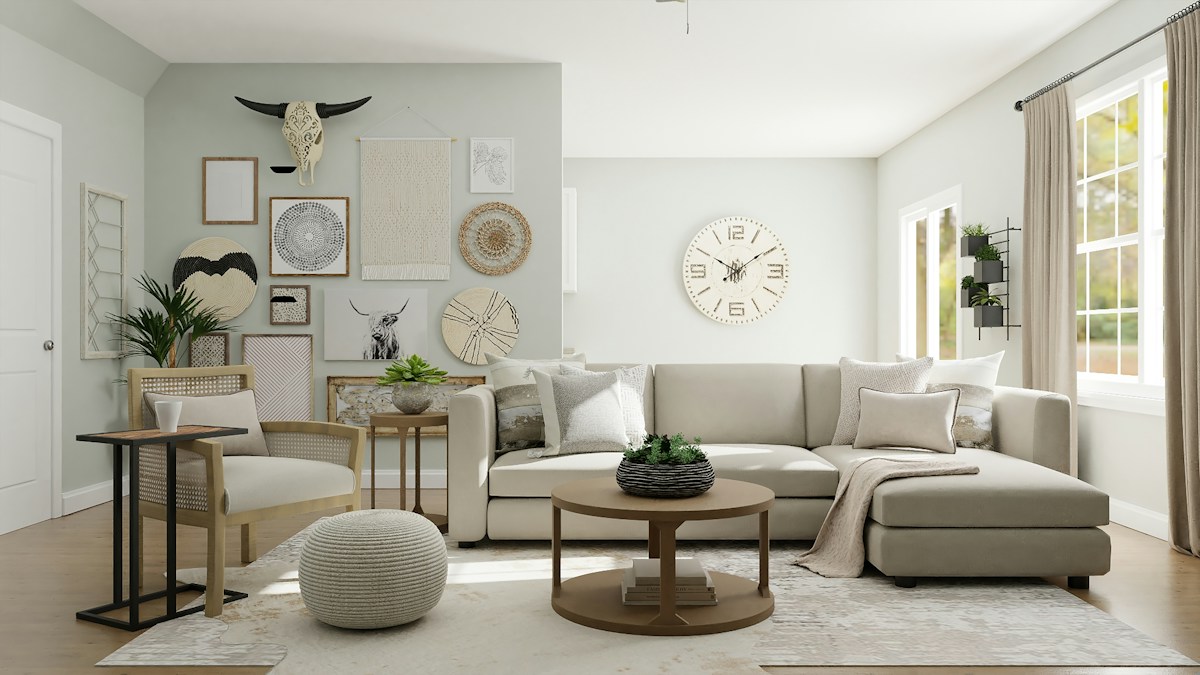
Unlike KUKA’s upholstery focus, OPPEIN covers the entire built environment of an interior. Its product categories include kitchen cabinetry, wardrobes, bathroom vanities, interior doors, windows, and whole-house modular systems. The company’s approach is what the industry calls “whole-house customization” — a model in which a single manufacturer designs, produces, and coordinates all millwork and fitted furniture for a residential or commercial project.
Price positioning varies by category. Kitchen cabinetry ranges from $150–$450 per linear foot at wholesale (depending on materials and finish), which places OPPEIN at 40–60% below comparable German or Italian kitchen brands. The whole-house customization model typically prices at $15,000–$80,000 per residential unit, depending on apartment size, material grade, and design complexity.
Design Philosophy and Customization Capabilities
OPPEIN has invested heavily in AI-adaptive design tools that can generate room-specific layouts optimized for regional preferences — a key differentiator when serving markets as diverse as Brazil, Saudi Arabia, and South Korea. The Munich R&D center provides European design direction, while the Guangzhou production base handles manufacturing. FSC-certified wood sourcing and a LEED Gold-certified factory reinforce OPPEIN’s sustainability credentials.
Customization at OPPEIN operates at a deeper level than KUKA. Because cabinets and wardrobes are inherently fitted products, OPPEIN’s standard workflow includes dimensional customization as a default. Material options span solid wood, multilayer plywood, particleboard, lacquer, melamine, PET, and acrylic finishes, with over 500 color options across its catalog.
OPPEIN: Residential Market Performance
Product Suitability for Homes (Collections, Finishes, Ergonomics)
For residential applications, OPPEIN excels in fitted furniture — kitchens, wardrobes, and bathroom vanities — where dimensional precision and material consistency directly impact the homeowner’s daily experience. A kitchen from OPPEIN is not a standalone piece of furniture; it is an integrated system where soft-close hinges, drawer runners, corner solutions, and countertop interfaces all need to work together seamlessly.
OPPEIN’s collections span modern minimalist, European classical, mid-century, and Asian contemporary aesthetics. Edge-banding technology ensures that moisture does not penetrate particleboard cores — a critical quality factor in humid climates like Southeast Asia or the Gulf states. In independent testing referenced in OPPEIN’s product documentation, their soft-close hinge systems withstand over 200,000 open-close cycles, equivalent to approximately 27 years of daily kitchen use.
Pricing Strategy and Value Proposition for Households
OPPEIN’s pricing strategy leverages vertical integration. By controlling the supply chain from raw panel processing through CNC cutting, edge banding, finishing, and packing, the company eliminates markup layers that inflate the cost of European kitchen brands. For a typical three-bedroom apartment, full OPPEIN whole-house customization (kitchen, wardrobes, bathroom vanity, interior doors) costs approximately $25,000–$45,000 at distributor pricing — compared with $60,000–$120,000 for equivalent German kitchen + European wardrobe combinations.
Case Studies: Sample Residential Installations
OPPEIN has completed residential projects across over 100 countries. In the Middle East and Africa, where apartment developers frequently furnish 200–500 units simultaneously, OPPEIN’s whole-house model delivers standardized quality at scale. One documented project in Kenya involved furnishing 320 apartment units with full kitchen, wardrobe, and bathroom cabinetry within a 90-day delivery window — a timeline that would be difficult to achieve with fragmented European sourcing.
OPPEIN: Commercial Market Performance
Contract Capabilities (Hospitality, Offices, Retail)
OPPEIN’s commercial capabilities center on fixed millwork — hotel room cabinetry, restaurant fitted furniture, office storage systems, and retail display fixtures. The Dubai Expo project demonstrated the company’s ability to handle high-profile commercial fit-outs with strict deadlines and quality requirements. OPPEIN also supplies kitchen systems for hotel chains, where standardized cabinet layouts need to be replicated across properties with minimal variation.
Certifications, Durability, and Warranty Considerations
OPPEIN holds FSC Chain of Custody certification (verifying that wood comes from responsibly managed forests), CARB Phase 2 compliance (California’s strict formaldehyde emission standard), and ISO 14001 environmental management certification. The LEED Gold certification of its main factory further validates its environmental practices. For commercial buyers in Europe and North America, these certifications directly impact project eligibility — many green building standards now require FSC or equivalent timber certifications as a procurement condition.
Warranty terms for commercial installations typically run 3–5 years on cabinetry hardware and 10 years on structural components, though terms vary by project contract. OPPEIN’s after-sales network in major export markets provides replacement part logistics, which reduces downtime risk for commercial operators.
Project Execution, Lead Times, and After-Sales Support
OPPEIN’s project execution model is more structured than KUKA’s for commercial applications. The company assigns project coordinators for orders above certain thresholds, and its factory scheduling system can accommodate staggered delivery — a critical requirement for hotel openings where floors are furnished in sequence. Standard commercial lead times range from 45–75 days depending on customization complexity and order volume.
KUKA Home: Design, Sustainability, and Certifications
Materials Sourcing and Environmental Standards
KUKA sources leather from Italian tanneries that comply with EU REACH regulations, ensuring restricted substance compliance for export to European markets. Frame timber is primarily sourced from plantation-grown hardwoods, though KUKA has not publicly disclosed FSC certification status for its wood supply chain. Foam components meet CertiPUR-US standards in products destined for North America.
Certifications (Emissions, Safety, FSC, REACH)
KUKA’s certification portfolio includes ISO 9001 (quality management), BIFMA compliance (North American commercial standards), REACH compliance (European chemical safety), and CAL 117 fire retardancy for specific product lines. The company does not currently hold FSC Chain of Custody certification, which may be a procurement barrier for projects that specify sustainably sourced timber.
Circular Economy Initiatives and Warranties
KUKA has introduced modular sofa designs where individual sections can be replaced without discarding the entire unit — a practical step toward circular economy principles. Cover replacement programs allow homeowners to update fabric or leather covers after 5–7 years rather than replacing the sofa, which extends product lifecycle by an estimated 40%. However, these programs are currently available only through authorized retail channels in China and select international markets.
OPPEIN: Design, Sustainability, and Certifications
Materials Sourcing and Environmental Standards
OPPEIN’s FSC-certified wood sourcing is a core differentiator. The company’s environmental commitment extends beyond certification to operational practice: its LEED Gold factory incorporates solar power generation, wastewater recycling, and dust extraction systems that reduce particulate emissions by 95% compared to conventional woodworking facilities.
Certifications (Emissions, Safety, FSC, REACH)
OPPEIN’s certification portfolio is broader than KUKA’s for sustainability-sensitive markets: FSC Chain of Custody, CARB Phase 2 (formaldehyde), ISO 14001 (environmental management), ISO 9001 (quality management), and CE marking for European market access. This portfolio makes OPPEIN a more straightforward choice for green-building projects seeking LEED, BREEAM, or WELL Building Standard compliance.
Circular Economy Initiatives and Warranties
OPPEIN has piloted take-back programs for kitchen cabinetry in selected Chinese cities, where old cabinets are dismantled and core materials are recycled into new panel stock. The company’s use of formaldehyde-free adhesives in its premium product lines (branded as “Zero Formaldehyde Added”) addresses the indoor air quality concerns that increasingly drive both residential and commercial specification decisions.
Comparative Analysis: Strengths, Weaknesses, and Fit for Different Buyers
Product Quality and Durability Comparisons
Product Quality & Durability Scores (Out of 10)
Upholstery Comfort
Cabinetry Precision
Material Diversity
Durability (Commercial)
شهادات الاستدامة
9.0
5.0
7.0
6.0
6.0
5.0
9.5
9.0
8.0
9.0
KUKA Home
OPPEIN
The bar chart above illustrates a fundamental product-type divergence. KUKA dominates in upholstery comfort — its Zero Gravity mechanism and premium leather sourcing create a sensory experience that fixed-furniture manufacturers simply do not offer. OPPEIN, conversely, excels in cabinetry precision, material diversity, and sustainability certifications — the dimensions that matter most for fitted residential interiors and commercial millwork. Neither manufacturer is “better” in absolute terms; they are better at different things.
Pricing, Supply Stability, and Lead Times
| البعد | KUKA Home | OPPEIN |
|---|---|---|
| Primary product type | Upholstered seating, sofas, recliners | Cabinetry, wardrobes, whole-house millwork |
| Wholesale price range | $350–$3,200 per unit (FOB) | $150–$450/linear ft (kitchen); $15K–$80K/unit (whole-house) |
| MOQ (residential) | 20–40 units per SKU | 1 unit (whole-house); 50+ for component orders |
| MOQ (commercial) | 50+ units per SKU | Project-based (no fixed minimum) |
| Standard lead time | 35–50 days (residential); 50–70 days (commercial) | 45–60 days (residential); 45–75 days (commercial) |
| Manufacturing bases | China, Vietnam, Mexico | 8 bases in China; R&D in Germany |
| Tariff mitigation | Vietnam/Mexico factories reduce U.S./EU tariff exposure | Limited; primary production in China |
| Payment terms | 30% deposit / 70% against B/L | 30% deposit / 70% against B/L (standard) |
A critical insight for buyers sourcing to the United States: KUKA’s Vietnam factory provides a tangible tariff advantage. With U.S. tariffs on Chinese furniture currently at 25%, a KUKA sofa manufactured in Vietnam enters at a significantly lower duty rate. OPPEIN, with all primary production in China, bears the full tariff burden — which gets passed through to the buyer. For U.S.-destined orders, this tariff differential can swing total landed cost by 15–20%, which may outweigh unit-price differences.
Design Flexibility and Customization Options
Customization Capability Profile
KUKA Home
Configuration: 60%
OPPEIN
Dimensional: 45%
Config 60%
Material 25%
Bespoke 15%
Dimensional 45%
Material/Finish 35%
Layout 20%
The pie charts above illustrate a structural difference in customization philosophy. KUKA’s customization is dominated by configuration choices — selecting sofa modules, mechanism types, and cover materials from a predefined menu. Only about 15% of KUKA’s customization capability involves true bespoke dimensions. OPPEIN, as a fitted-furniture manufacturer, derives 45% of its customization value from dimensional adjustments — custom cabinet widths, wardrobe heights, and countertop depths — with another 35% from material and finish selection. For buyers who need fully bespoke freestanding furniture (unique dining tables, custom-sized beds, one-off accent chairs), neither KUKA nor OPPEIN is the optimal choice. That is precisely the niche served by custom manufacturers like مفروشات النمل اليشم, where every piece starts from the buyer’s specifications rather than a catalog template.
Recommendations and Decision Framework for Buyers (Residential vs. Commercial)
How to Decide Between KUKA and OPPEIN Based on Use Case
The decision is not about which manufacturer is “better” — it is about which manufacturer’s production model aligns with your project requirements. Here is a practical decision matrix:
| Your Scenario | الخيار الأنسب | Why |
|---|---|---|
| Residential distributor focused on sofas and recliners | KUKA Home | 12% global share in functional sofas; proven retail channel; Vietnam factory for U.S. tariff mitigation |
| Apartment developer needing 200+ units furnished | OPPEIN | Whole-house customization at scale; 45–60 day lead times; kitchen + wardrobe + doors from one source |
| Hotel operator furnishing lobby and guest rooms | OPPEIN (millwork) + specialist (upholstery) | OPPEIN for fixed cabinetry; partner with a hospitality upholstery specialist for seating and beds |
| Interior designer sourcing custom pieces for a villa | مفروشات النمل اليشم | Low MOQ (1 piece per type); bespoke dimensions, materials, and finishes; design-to-delivery support |
| Office fitout requiring BIFMA-certified desking | KUKA (seating) + dedicated office manufacturer | KUKA for ergonomic chairs; pair with a contract office furniture manufacturer for systems desking |
| Retail brand launching a private-label furniture line | KUKA (sofas) or OPPEIN (cabinetry) | Both offer OEM/ODM capabilities; choice depends on product category |
Procurement Checklist: Specs, Certifications, Logistics
Regardless of which manufacturer you engage, the following checklist ensures your procurement process covers the dimensions that prevent costly mistakes downstream:
| Category | What to Verify | Why It Matters |
|---|---|---|
| Product specs | Detailed drawings with dimensions (mm), material specs, finish codes, hardware brands | Prevents “similar but not same” substitutions that appear after production starts |
| Certifications | Request copies of ISO 9001, FSC CoC, CARB P2, BIFMA, CAL 117, REACH — specific to YOUR products | Certifications apply to specific product lines, not the entire factory |
| Sample approval | Require a physical production sample (not a showroom piece) before bulk order | Showroom samples may use higher-grade materials than production runs |
| Quality inspection | Third-party pre-shipment inspection (SGS, Bureau Veritas, or equivalent) | Independent verification catches defects before goods leave the factory |
| Logistics terms | Clarify Incoterms (FOB, CIF, DDP); confirm packaging spec; discuss insurance | Damage claims are nearly impossible to resolve once goods arrive at port without proper documentation |
| Payment structure | 30/70 split with milestone-based releases; consider LC for orders above $50K | Letters of Credit provide bank-backed protection for both buyer and seller |
| Contract terms | Specify penalty clauses for late delivery; define “acceptable defect rate” (typically <3%) | Without written terms, disputes default to “relationship negotiation” — which favors the supplier |
Suggested Engagement Process: RFQ, Samples, Pilot Projects
The most reliable engagement process with Chinese furniture manufacturers follows a staged approach that de-risks each step before committing more capital:
Stage 1: RFQ and Initial Screening (Week 1–2). Send a detailed Request for Quotation to 3–5 shortlisted manufacturers. Include product drawings, quantity estimates, target pricing, required certifications, and delivery timeline. Evaluate responses based on responsiveness, pricing clarity, and willingness to provide references.
Stage 2: Sample Development (Week 3–6). Commission production samples — not catalog samples — from 2–3 finalists. Budget $500–$2,000 per sample depending on product complexity. Evaluate samples for material accuracy, finish quality, hardware function, and packaging integrity.
Stage 3: Pilot Order (Week 7–14). Place a small pilot order (10–50 units) with the selected manufacturer. Use this order to validate lead time accuracy, packaging quality, shipping coordination, and documentation completeness. Conduct a third-party inspection before shipment.
Stage 4: Scale-Up (Ongoing). Based on pilot order performance, negotiate bulk pricing and framework agreements for ongoing supply. Establish quarterly quality reviews and annual factory audits.
This staged approach is the same process recommended by sourcing professionals at مفروشات النمل اليشم, where the workflow moves from shared ideas and drawings → design confirmation → approved production → organized delivery within a 30–60 day cycle.
See Inside a Chinese Furniture Factory
Understanding how furniture is actually produced in China helps buyers set realistic expectations for quality, lead times, and customization limits. This factory tour video shows the end-to-end process — from raw material selection through CNC cutting, upholstery, finishing, and packing — at a major Guangdong furniture manufacturing facility:
Industry Insights: What the Data Tells Us About Sourcing From China in 2026
Several macro trends are reshaping how buyers should think about Chinese furniture sourcing this year:
Tariff fragmentation is creating supply chain arbitrage. The U.S. maintains 25% tariffs on Chinese furniture, but manufacturers with Vietnam or Mexico operations (like KUKA) can offer lower landed costs to American buyers. Meanwhile, the EU’s Carbon Border Adjustment Mechanism (CBAM), while initially focused on heavy industries, is signaling that embodied carbon in imported goods — including furniture — may face future levies. Manufacturers with strong environmental certifications (like OPPEIN’s LEED Gold factory) are better positioned for this regulatory trajectory.
The “China Plus One” strategy is real, but China remains dominant. Vietnam’s furniture exports are growing rapidly, but China’s infrastructure depth — the ability to source raw materials, produce components, assemble finished goods, and consolidate shipments within a single industrial cluster — remains unmatched. China exported $20.8 billion in wood furniture alone in 2025, up 2.7% year-on-year. For complex, multi-category projects (where you need sofas, cabinetry, lighting, and accessories from coordinated sources), China’s cluster advantage is difficult to replicate elsewhere.
Digital procurement is compressing decision cycles. AI-powered design tools (OPPEIN’s Munich-developed system is one example) and virtual showrooms are enabling buyers to approve designs, review 3D renderings, and confirm specifications without traveling to China. This reduces the pre-production phase from 4–6 weeks to 1–2 weeks for experienced buyers. Factory live-streaming during production — increasingly common among Chinese manufacturers — provides real-time quality visibility that was impossible five years ago.
Sustainability is no longer optional — it is a procurement requirement. FSC certification, CARB Phase 2 compliance, and low-VOC finishes are now table stakes for commercial projects in Europe, North America, and Australia. Residential buyers are following the same trajectory, with consumer surveys showing that 68% of millennial homeowners consider environmental credentials when selecting furniture. Manufacturers without these certifications are being excluded from an expanding portion of the addressable market.
For residential buyers: KUKA Home is the stronger choice if your primary need is upholstered seating — sofas, recliners, and sectionals — with proven comfort engineering and a retail-tested supply chain. OPPEIN is the stronger choice if your need is fitted furniture — kitchens, wardrobes, bathroom vanities, and interior doors — with dimensional customization and sustainability certifications. For fully bespoke freestanding furniture at low MOQs, a dedicated custom manufacturer like مفروشات النمل اليشم fills the gap that neither KUKA nor OPPEIN is designed to serve.
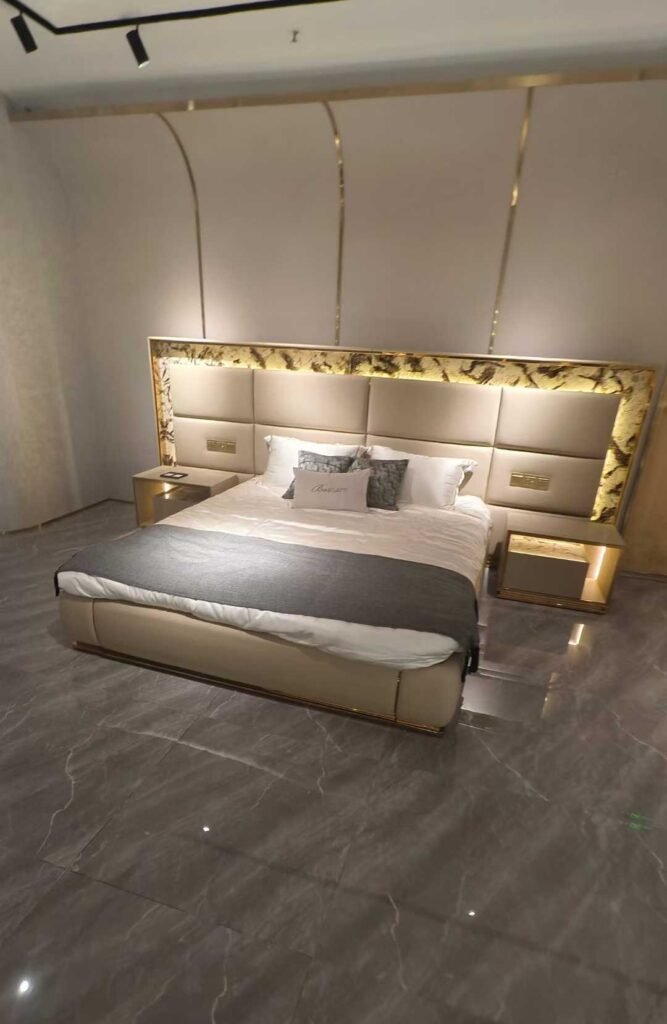
For commercial buyers: OPPEIN’s project management structure, certification portfolio, and fitted-furniture expertise make it the more reliable choice for hospitality and commercial millwork. KUKA can supplement with seating for lobby and lounge areas, but should not be the sole supplier for a full hotel fit-out. For hospitality projects requiring custom beds, dining furniture, and lobby pieces with specific design intent, Jade Ant’s project-oriented approach — from concept drawings through customs declaration — offers the flexibility and accountability that large-scale manufacturers sometimes cannot provide at the individual-project level.
The most successful sourcing strategies combine manufacturers based on their strengths rather than forcing a single supplier to cover all categories. Pair KUKA’s sofa expertise with OPPEIN’s cabinetry precision and a custom specialist’s bespoke capability, and you have a supply chain that delivers the right product for every room in the project.
الأسئلة الشائعة (FAQs)
1. What factors matter most when choosing between a residential and commercial furniture line from Chinese manufacturers?
The primary distinction is durability specification and certification requirements. Commercial furniture must withstand 10–15x the daily use cycles of residential pieces — a hotel lobby sofa, for example, serves dozens of guests daily versus a single household. Commercial buyers need to verify fire-safety certifications (CAL 117, BS 7176), structural testing (BIFMA), and formaldehyde compliance (CARB P2) before placing orders. Residential buyers can prioritize aesthetic customization, comfort features, and price competitiveness. Both buyer types should confirm material specifications in writing and require production samples before bulk orders.
2. How important are certifications and sustainability credentials in furniture procurement?
Certifications have shifted from “nice to have” to “deal-breaking requirement” in major markets. In the EU, green public procurement policies increasingly mandate FSC-certified timber for government-funded projects. In the U.S., LEED and WELL Building Standard certifications — which drive commercial real estate leasing premiums of 5–15% — require documented environmental compliance from furniture suppliers. Even in residential markets, 68% of millennial homebuyers consider sustainability credentials when choosing furniture. Manufacturers like OPPEIN (FSC, CARB P2, ISO 14001) offer broader certification coverage than upholstery-focused brands like KUKA.
3. What should buyers ask for in a contract or RFQ to mitigate risk?
A well-structured RFQ should include detailed product specifications (dimensions in millimeters, material codes, hardware brands), required certifications with valid certificate copies, target pricing with Incoterms clarification, delivery timeline with penalty clauses for delays, quality acceptance criteria (maximum defect rate, typically below 3%), payment milestones tied to production stages, and third-party inspection rights before shipment. Avoid vague language like “high quality” or “best materials” — every specification should be measurable and verifiable.
4. How do I verify that a Chinese furniture manufacturer’s certifications are legitimate?
Cross-reference certificate numbers against the issuing body’s public database. FSC certificates can be verified at FSC’s public certificate search portal. ISO certifications can be confirmed through the certification body listed on the certificate. BIFMA compliance can be validated through testing lab reports. Request copies of the actual certificates — not just claims on a website — and confirm they apply to the specific product lines you are ordering, not just the factory in general.
5. What is the typical lead time for furniture orders from China, and how can I reduce it?
Standard lead times range from 30–60 days for residential orders and 45–75 days for commercial projects, depending on customization complexity and order volume. To reduce lead times, provide complete specifications upfront (incomplete drawings cause revision loops), approve samples promptly, confirm material selections before production starts, and use a manufacturer with in-house supply chain capabilities. Manufacturers like مفروشات النمل اليشم quote 30–60 day delivery windows from order confirmation, with the main variable being design approval speed on the buyer’s side.
6. Can I order small quantities (low MOQ) from major Chinese furniture manufacturers?
MOQ flexibility varies significantly. KUKA’s wholesale MOQs typically start at 20–40 units per SKU, making it less accessible for small buyers or sample-room projects. OPPEIN offers single-unit whole-house customization but requires higher minimums for component-level orders. For buyers who need mixed categories at low volumes — such as 5 sofas, 10 dining chairs, and 3 custom beds for a villa project — a specialist like Jade Ant Furniture accepts MOQs as low as 1 piece per furniture type, subject to project communication and confirmation.
7. How do tariffs affect the total cost of furniture imported from China to the United States?
U.S. tariffs on Chinese-origin furniture currently stand at 25% under Section 301. This is applied to the declared customs value (typically FOB price). Manufacturers with production facilities in Vietnam or Mexico — such as KUKA’s Vietnam and Mexico factories — can ship products classified as Vietnamese or Mexican origin, significantly reducing duty exposure. Buyers should confirm country-of-origin documentation and Harmonized System (HS) codes with their customs broker before placing orders, as misclassification can trigger penalties.
8. What is the difference between whole-house customization and bespoke furniture manufacturing?
Whole-house customization (OPPEIN’s model) refers to a system where fitted furniture — cabinets, wardrobes, doors — is manufactured to the dimensional specifications of a specific residence, but using standardized components and production processes. Bespoke furniture manufacturing (the model used by مفروشات النمل اليشم and similar custom workshops) means every aspect of a piece — dimensions, materials, finishes, hardware, and design details — is determined by the buyer’s specifications from scratch. Whole-house customization is more efficient at scale; bespoke manufacturing offers deeper personalization for individual statement pieces.
9. How do I handle quality disputes with a Chinese furniture manufacturer after delivery?
Prevention is more effective than resolution. Use pre-shipment inspection by a third-party agency (SGS, Bureau Veritas, Intertek) to catch defects before goods leave China. If quality issues arise post-delivery, refer to the contract’s quality acceptance clause — which should define acceptable defect rates and remediation procedures. For orders above $50,000, using a Letter of Credit through your bank provides financial leverage, as payment release can be conditioned on inspection results. Maintaining a professional, documentation-first approach yields better outcomes than emotional negotiation.
10. Which Chinese furniture manufacturer is best for hotel and hospitality projects?
No single manufacturer is “best” for all hospitality needs. OPPEIN excels at hotel room millwork (cabinetry, wardrobes, vanities, doors). KUKA can supply lobby and lounge seating. For guest room beds, dining furniture, and custom lobby pieces, a dedicated hospitality furniture manufacturer with project management capability — such as مفروشات النمل اليشم, which specializes in hotel, villa, and commercial fit-out projects — provides the design-to-delivery coordination that the project requires. The most effective approach is a curated supplier panel where each manufacturer handles the product category they do best.