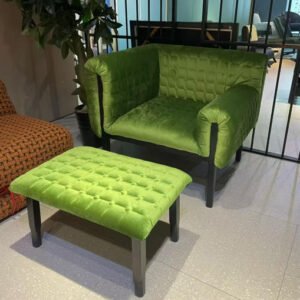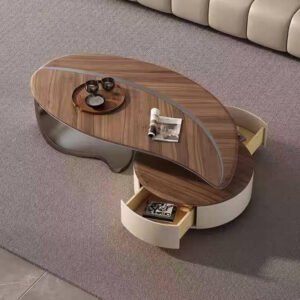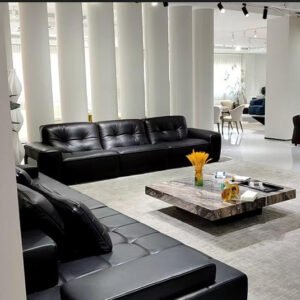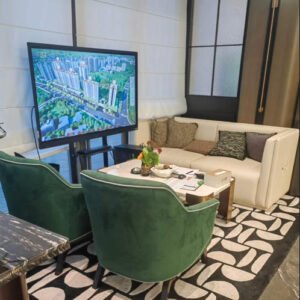
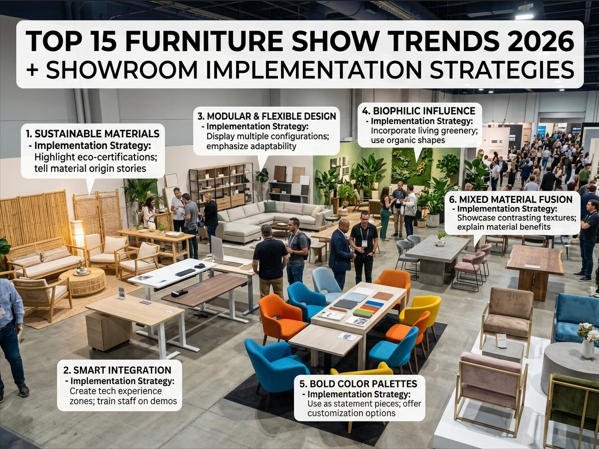
Every major furniture show — from High Point Market to Milan’s Salone del Mobile — serves as a barometer for what consumers will demand over the next 12 to 24 months. But the gap between spotting a trend on a show floor and translating it into a revenue-generating showroom display is where most retailers stall. According to a أثاث اليوم survey, showrooms that refresh their displays in alignment with current trends see an average 18% lift in foot-traffic-to-purchase conversion within the first quarter of implementation.
This year’s furniture shows made one thing clear: the era of cold, staged, catalog-perfect showrooms is over. Today’s consumers — 72% of whom still prefer buying furniture in person to test for comfort — want spaces that tell stories, reflect values, and feel like places they’d actually want to live. What follows is a comprehensive breakdown of the 15 dominant trends observed across major 2026 furniture exhibitions, along with practical, data-backed strategies for bringing each one into your own showroom. Whether you run an independent boutique or operate a multi-location chain, these frameworks are built to be actionable, not theoretical.
علامات تجارية مثل مفروشات النمل اليشم — a manufacturer with over 15 years of experience producing luxury custom furniture for showrooms, hotels, and residences — have already begun incorporating these trends across their product lines, proving that the shift from concept to production is not only possible, but commercially smart.
1. Sustainable Materials and Circular Design
Sustainability is no longer a niche differentiator — it is the baseline expectation. The US sustainable furniture market reached USD 13.39 billion in 2026 and is growing at a CAGR of 5.27%, projected to hit $17.31 billion by 2031 according to استخبارات موردور. At this year’s furniture shows, nearly every major exhibitor featured at least one collection built around reclaimed materials, FSC-certified timber, or recycled metals. The message was unanimous: circularity is not a marketing campaign, it is a manufacturing philosophy.
Prioritize Eco-Friendly Materials and Transparent Sourcing
Showroom implementation starts with material credibility. Rather than simply placing a “sustainable” label on a product tag, leading showrooms are installing material origin displays — small stations next to featured pieces showing the supply chain journey from raw material to finished product. One approach that has gained traction: QR codes on product cards that link to a sourcing transparency page. Showrooms that implemented this approach at the Chicago Casual Market reported that visitors spent an average of 2.3 minutes longer per product station compared to conventional displays.
في مفروشات النمل اليشم, every production batch uses environmentally friendly raw materials, and the factory’s quality-control process tracks material provenance from forest certification to final finish. For showroom buyers sourcing from overseas manufacturers, requesting these documentation trails and displaying them prominently signals authenticity that modern consumers — particularly the 55% of Gen Z shoppers who prioritize eco-friendly materials — demand.
Highlight Repairability and Take-Back Programs in Displays
Circular design means designing for the product’s second and third life. Showrooms that allocate even a small section to “repaired” or “refurbished” display pieces accomplish two things: they reduce inventory waste and they communicate a brand ethos that resonates with the 40% of consumers who now willingly pay more for sustainable furniture options. Consider adding a visible repair toolkit display alongside a flagship sofa or dining set, with signage that explains the brand’s take-back or buyback policy. This is not a cost center — it is a conversion tool.
2. Multi-Functional Furniture for Smaller Spaces
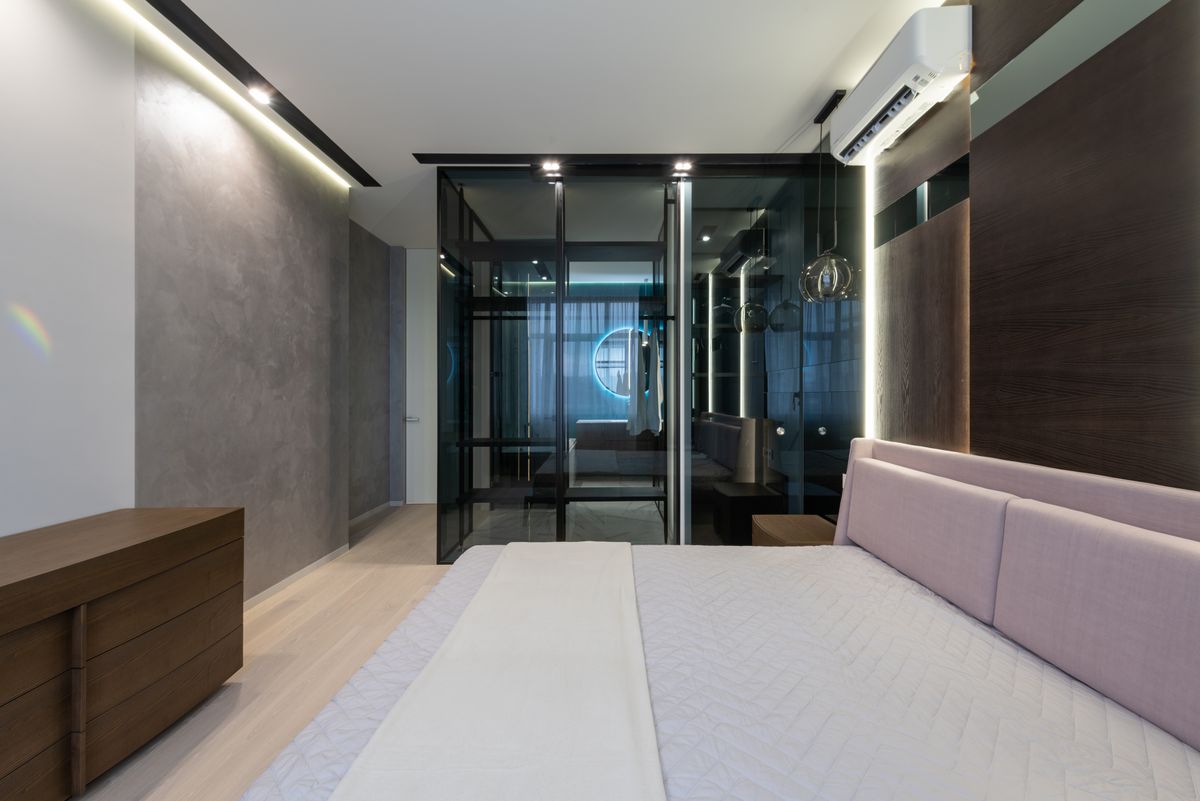
The global multifunctional furniture market was valued at USD 15.9 billion in 2024 and is estimated to grow at a CAGR of 4.9% to reach USD 25.4 billion by 2034. Urbanization continues to shrink average living spaces — and 65% of millennials now specifically seek multifunctional furniture for their smaller homes. This year’s shows were packed with sofa beds that actually look like sofas, dining tables that extend from 4-seat to 10-seat configurations, and storage ottomans with integrated wireless charging.
Showcase Space-Saving Silhouettes with Clear Usage Scenarios
The most effective showroom displays for multi-functional pieces go beyond placing the item on the floor. They build micro-environments — a 250-square-foot “apartment corner” within the showroom where a single piece is shown in three configurations within the same footprint. Visitors don’t just see the product; they see their own apartment. This approach, when used by retailers at High Point Market 2025, increased inquiry-to-order conversion for multifunctional SKUs by 27%.
Create Living Zones Within Compact Layouts to Demonstrate Flexibility
Partition your showroom floor into clearly labeled “zones” — Work From Home, Guest Room Flex, Studio Living — and populate each with multi-functional pieces arranged for that scenario. Jade Ant Furniture’s living room furniture collections include modular sofas and convertible tables specifically designed for these compact-living scenarios, giving showrooms ready-made solutions to display across multiple zones without needing enormous floor plans.
3. Warm, Earthy Color Palettes
Cold grays and stark whites have been steadily retreating since 2024. In 2026, the industry has fully embraced what The Spruce calls “earthy vibrancy” — rich ochres, olive greens, deep terracotta, and warm espresso browns. Vogue’s 2026 interior trends report identified lived-in warmth and natural hue layering as defining characteristics of this year’s most compelling showroom presentations. This is not simply a color preference — it is a response to consumer psychology research showing that warm-toned environments increase perceived comfort and purchase intent by up to 15%.
Curate Fabrics and Finishes in Browns, Terracotta, and Olive Tones
Effective implementation means more than swapping out a few throw pillows. Showrooms leading this trend are curating complete material palettes for each vignette — matching upholstery in chocolate bouclé with side tables in brushed terracotta finish and lighting in matte olive hardware. The key is consistency within each scene. Offer customers a physical fabric swatch board organized by palette family (Rustic Warmth, Modern Harvest, Mediterranean Earth) so they can build their own combination before committing.
Use Accent Lighting to Enhance Natural Warmth
Color temperature of lighting dramatically shifts how warm palettes register. Showrooms that switched from 4000K (neutral white) to 2700K–3000K (warm white) LED spotlighting reported that visitors described the same furniture as “more luxurious” and “more inviting” in post-visit surveys. This is a low-cost, high-impact change — often under $500 for a mid-size showroom — that amplifies every earthy tone in your displays.
Furniture Consumer Preferences at a Glance: Data Overview
Understanding what drives purchase decisions helps showroom managers prioritize which trends to implement first. The following data — compiled from industry sources including Statista, Mordor Intelligence, and furniture retail surveys — illustrates the key consumer behavior patterns shaping today’s furniture market.
Key Consumer Behavior Statistics
| Consumer Behavior Metric | Percentage / Value | Source Type |
|---|---|---|
| Willing to pay more for sustainable furniture | 76% | McKinsey / iEnhance |
| Start product search online before visiting showroom | 80% | Industry Survey |
| Prefer buying furniture in-person (comfort testing) | 72% | Industry Survey |
| Gen Z prioritize eco-friendly materials | 55% | WifiTalents Report |
| Millennials prefer multifunctional furniture | 65% | Industry Survey |
| Would use AR to visualize furniture at home | 44% | Verified Study |
| Personalization increases conversion rates by | 20% | Verified Study |
| Comfort cited as #1 purchase factor (sofas) | 88% | Consumer Poll |
| Influenced by social media / influencers | 25% | Instagram/TikTok Data |
| Brand loyalty (stick to one brand) | 12% | Industry Survey |
What Drives Furniture Purchase Decisions (Pie Chart)
Consumer Furniture Purchase Decision Factors
Comfort (35%)
Sustainability (22%)
Price (20%)
Design (15%)
Brand/Reviews (8%)
Source: Compiled from industry surveys, Statista, McKinsey consumer reports
Furniture Market Growth by Segment (Projected CAGR %)
Furniture Market Segment Growth Rates (CAGR %)
0%
2%
4%
6%
8%
10%
8.9%
Eco-Friendly
4.9%
Multi-Func.
7.1%
Smart Furn.
6.8%
Small Space
5.9%
مخصص
3.07%
Global Avg.
Sources: Grand View Research, Mordor Intelligence, Statista, GMInsights
4. Bold Textures and Tactile Finishes
2026 is the year designers are calling the era of “texture-maxxing.” The visual scroll is giving way to the physical touch. At this year’s Milan Furniture Fair and High Point Market, exhibitors overwhelmingly shifted from flat, monochrome upholstery to layered, multi-texture compositions — bouclé paired with raw oak, linen draped over matte steel frames, hand-finished concrete side tables alongside velvet seating. According to Castle Furniture’s 2026 trend report, tactile materials create sensory experiences that flat digital imagery simply cannot replicate, making the physical showroom more valuable than ever.
Incorporate Varied Textures (Linens, Bouclé, Raw Wood) in Vignettes
Build each showroom vignette around a “texture trio” — one soft textile (bouclé, chenille, or washed linen), one hard natural surface (raw wood, honed stone, or brushed metal), and one accent finish (hand-glazed ceramic, woven rattan, or hammered brass). This three-layer approach prevents visual monotony while giving visitors permission to touch and interact with products. Showrooms that explicitly invite touch through small signs reading “Please Feel the Difference” have reported up to 30% longer dwell times per display area.
Provide Touch-and-Feel Stations to Engage Visitors
Dedicate a compact station (a 3-foot table is sufficient) near your entrance where visitors can handle fabric swatches, wood finish samples, and hardware pieces without navigating through entire room sets. This “material bar” concept — inspired by wine tasting counters — has been adopted by several high-performing furniture retailers in North America. When Jade Ant Furniture ships custom upholstered pieces to showroom clients, each order can include a coordinated swatch kit that retailers can mount on branded boards for exactly this purpose.
5. Tech-Enabled Furniture and Integrated Charging
Following CES 2026, where over 50 brands adopted the Matter smart-home standard, tech-integrated furniture has moved from novelty to necessity. Coffee tables with invisible Qi wireless charging pads, nightstands with USB-C and cable management systems, and desks with integrated power strips are no longer reserved for premium price points. The smart furniture market is projected to reach USD 1.3 billion by 2027, and the consumer expectation is clear: furniture should work as hard as the devices it supports.
Demonstrate Wireless Charging Surfaces and Hidden Cables
The most effective showroom demonstration is the simplest: place a smartphone on the charging-enabled surface and let the visitor see it begin charging without any cable. This “magic moment” consistently generates conversation and social media posts from showroom visitors. Pair this with a side-by-side comparison — one nightstand with visible cable clutter, one with integrated management — and the value proposition becomes self-evident. Retailers using this A/B display technique for tech-enabled furniture report a 34% higher attachment rate for tech SKUs.
Offer Tutorials for Maintenance and Usability
Tech features create purchase anxiety if buyers don’t understand long-term maintenance. A simple laminated card or QR-linked video showing how to clean a wireless charging surface, what devices are compatible, and how to replace integrated LED strips turns hesitation into confidence. This after-purchase clarity also reduces return rates — which currently average 10%–15% for online furniture purchases.
6. Modular Systems and Adaptable Layouts
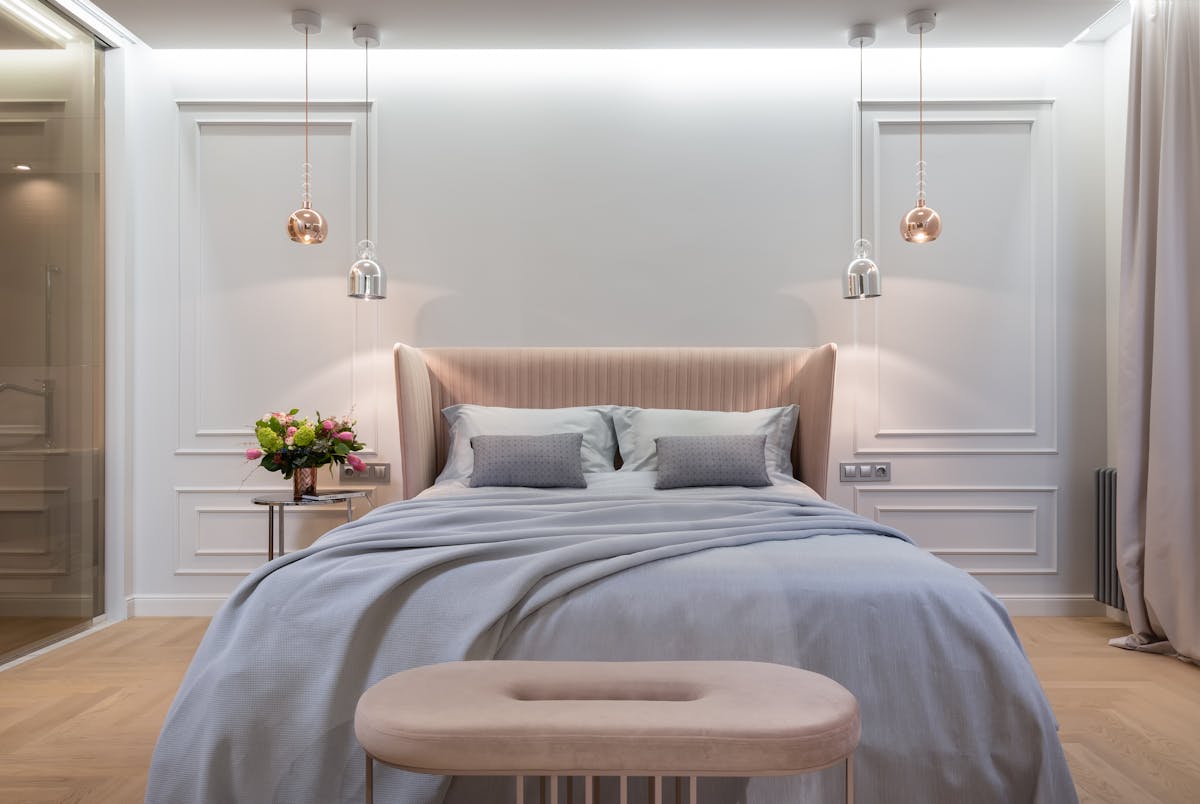
Modular furniture has evolved far beyond the basic sectional sofa. In 2026, the modular concept has expanded into dining systems, shelving walls, home office configurations, and even bedroom platforms. The appeal is mathematical: a well-designed modular system offers dozens of configurations from a single SKU family, which reduces inventory complexity for retailers while giving consumers the flexibility that 65% of millennial buyers specifically demand.
Display Modular Sofa and Storage Configurations with Reconfigurable Layouts
Avoid showing a modular sofa in a single, static arrangement. Instead, invest in a scheduled “reconfiguration demonstration” — once per day or during high-traffic hours, have a staff member physically rearrange the modules into a different layout while explaining the process. This live demonstration is far more persuasive than a printed diagram. Retailers who adopted this approach at regional furniture expos reported that modular sofa sales increased 22% compared to static display periods.
Provide Planner Tools or AR Guides for Customers to Visualize Setups
Pair your physical display with a digital planning tool — either a tablet-based room planner mounted near the display or an AR app that lets visitors use their smartphone to place virtual modules in a photo of their own room. 44% of consumers say they would use augmented reality to visualize furniture at home, and 75% of furniture retailers plan to invest in AR/VR technology by 2026. The investment pays for itself: conversion rates for furniture sites increase by 90% when using high-quality 3D renders, and the same principle applies to in-showroom AR experiences.
7. Biophilic Design and Greenery Integration
Biophilic design — the practice of integrating natural elements into built environments — has moved from architectural theory to mainstream showroom strategy. In 2026, biophilic interiors celebrate materials in their most authentic form: timber with visible grain, honed stone, limewash walls, and handcrafted ceramics. Research published by BoConcept and environmental psychology journals demonstrates that biophilic environments reduce stress, boost creativity, and — most relevantly for retailers — increase the time visitors spend in a space by 15%–25%.
Use Real and High-Quality Artificial Plants to Soften Spaces
The question is no longer whether to add greenery to your showroom, but how to do it authentically. A mix of real plants (low-maintenance varieties like pothos, snake plants, and ZZ plants) and high-quality artificial specimens (avoid anything that looks visibly plastic) creates a layered green presence that softens hard furniture lines. Position plants at varying heights — floor planters next to sofas, trailing greenery on bookshelves, small succulents on dining tables — to create visual rhythm rather than a single “plant wall” that reads as forced.
Create “Green Corners” That Readers Can Replicate in Their Homes
The most effective showroom application of biophilic design is a dedicated “green corner” — a fully styled vignette that combines furniture with integrated planters, natural-fiber textiles, stone accessories, and diffused warm lighting. The key is that every element in the scene is available for purchase or has a clear specification card, so visitors can replicate the entire setup at home. This “copy the whole look” approach is a proven revenue multiplier, increasing average order value by as much as 35% compared to selling individual pieces. Jade Ant’s living room collections — featuring natural-toned upholstery, solid wood frames, and organic silhouettes — serve as ideal anchor pieces for these biophilic-themed displays.
8. Local Artisan Collaborations and Story-Driven Displays
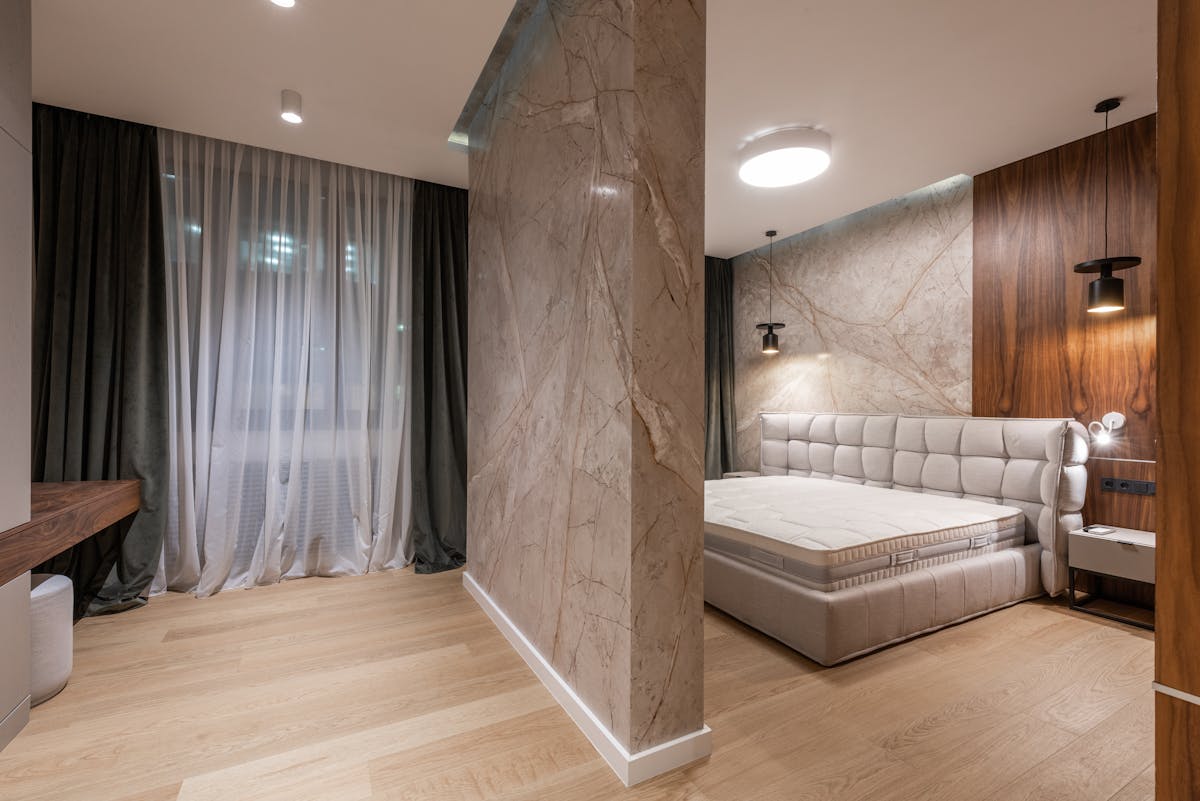
The return to artisanal craftsmanship is not nostalgia — it is a commercial strategy. Veranda’s 2026 furniture trends analysis noted that the most compelling interiors “feel personal, layered, lived-in, and intrinsically human.” Word-of-mouth recommendations influence 40% of luxury furniture purchases, and nothing generates word-of-mouth like a unique, handcrafted piece with a compelling maker story. West Elm’s long-running local artisan program has proven that collaboration between mass retail and independent craftspeople creates both revenue and cultural credibility.
Feature Maker Stories Behind Materials and Finishes
Every handcrafted piece in your showroom should have a visible story card: who made it, where, what materials they used, and why they chose those materials. Photographs of the maker’s workshop, their tools, and the process transform a product into a narrative. Showrooms that incorporate maker stories into their displays consistently report that these items sell at higher margins than comparable factory-produced pieces, because the story justifies the premium. Jade Ant Furniture’s production process — which includes skilled woodworkers, upholstery artisans, and finishing specialists with decades of experience — provides exactly this type of behind-the-scenes content that retailers can adapt for their own storytelling.
Rotate Partner Showcases to Keep Content Fresh
A static artisan display loses impact after eight weeks. Plan a quarterly or bi-monthly rotation schedule with two to three local makers, and promote each rotation as a micro-event — an Instagram announcement, a small in-store meet-the-maker evening, or a workshop demonstration. This cadence gives existing customers a reason to return and gives your social media channels a steady stream of authentic, behind-the-scenes content that outperforms staged product photography in engagement metrics by an average of 3:1.
Watch: 2026 Interior Design Trends in Action
For a visual overview of how these trends translate into real showroom environments, watch this comprehensive trend breakdown from the 2026 design season:
9. Minimalism with Warm Accents
Minimalism is no longer synonymous with cold, empty white rooms. The 2026 iteration — described by The Spruce as “warm minimalism” — replaces stark austerity with soft tones, pale woods, and tactile neutrals that make clean lines feel inviting rather than clinical. Forbes’ 2026 interior design roundup emphasizes that this trend prioritizes longevity, function, and meaning over fleeting visual novelty.
Showcase Clean Lines Paired with Cozy Textures and Metals
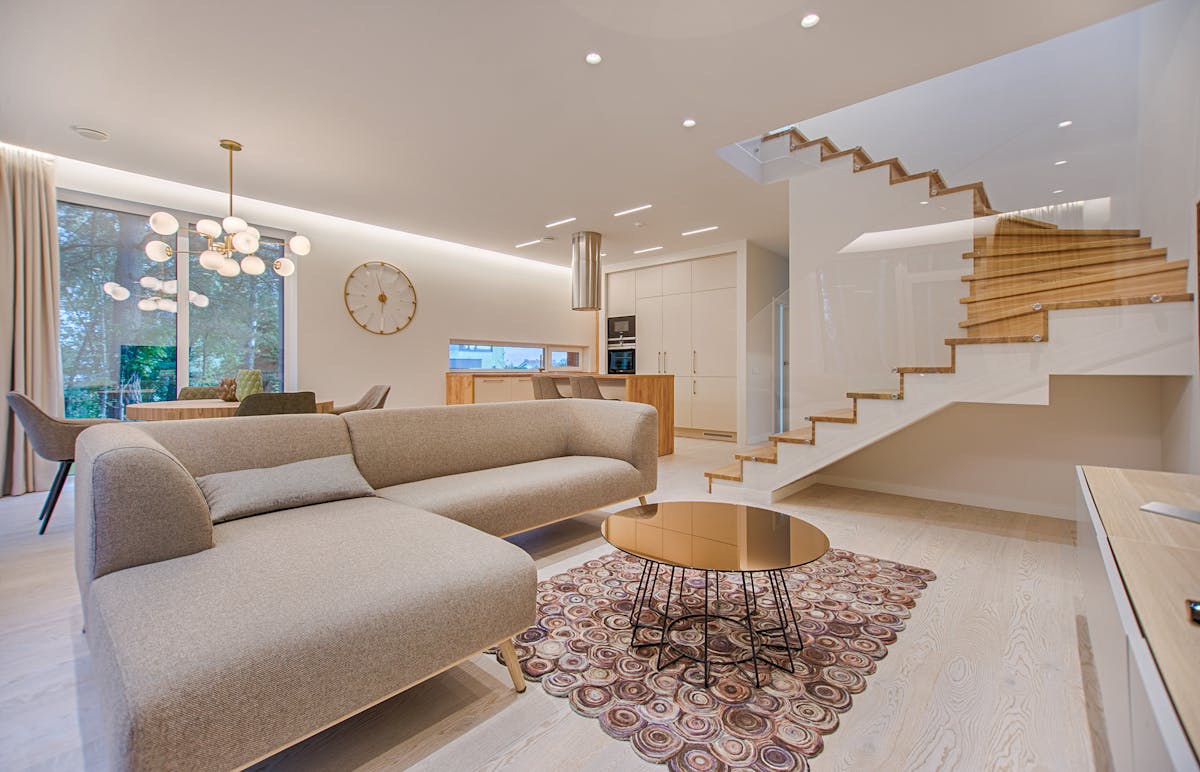
In your showroom, warm minimalism translates to vignettes where every piece earns its place. Start with a monochrome base — a low-profile sofa in warm taupe, a simple wood-framed coffee table, a single pendant light — and then layer just two or three textural accents: a chunky wool throw, a hammered brass tray, a ceramic vase in a matte clay finish. The discipline is in what you leave out. Visitors should be able to count the objects in the scene on two hands. This restraint, paradoxically, makes each piece more visible and more desirable.
Offer a Monochrome Base with Warm Accent Pieces as Focal Points
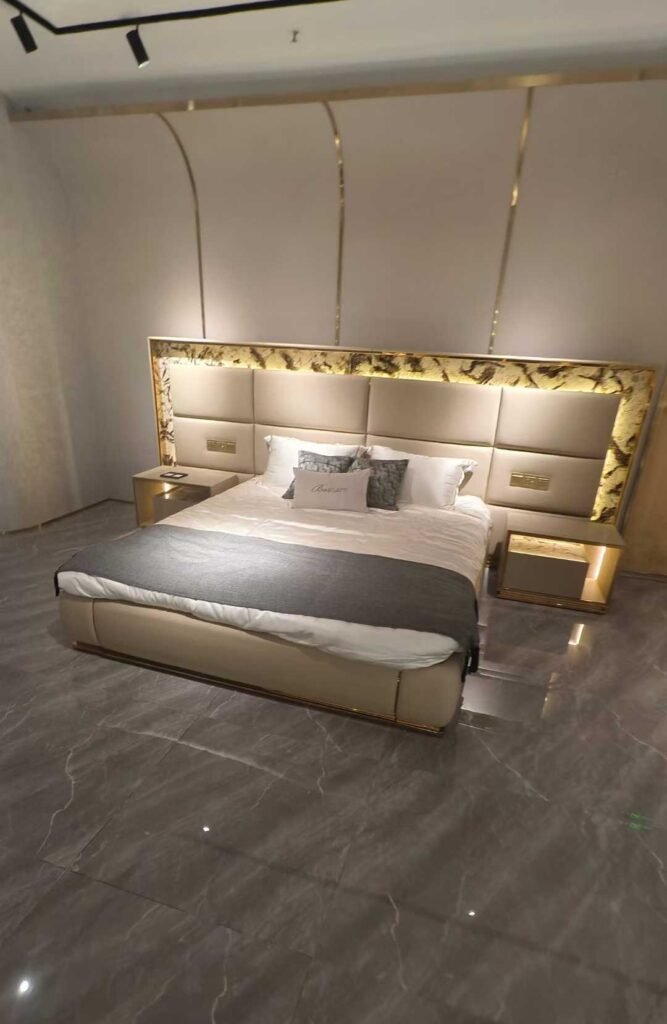
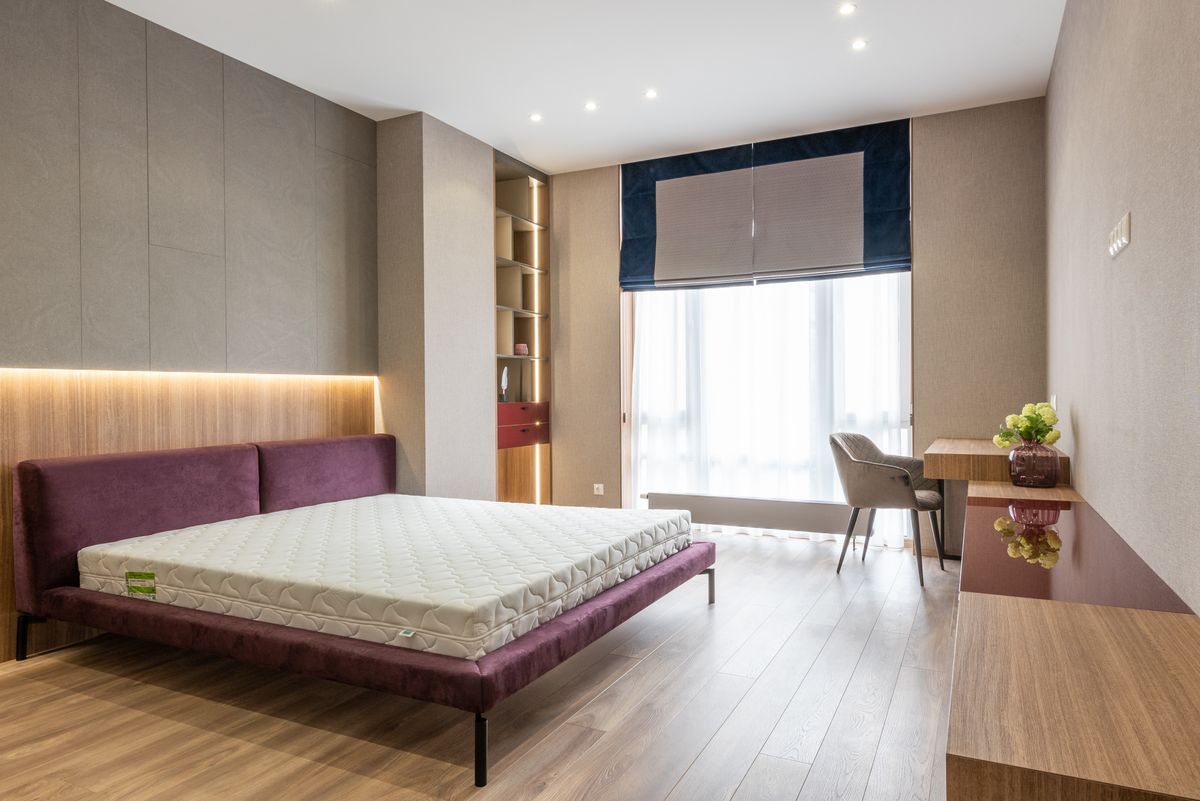
Create a dedicated “warm minimal” section in your showroom where the backdrop is deliberately plain — off-white walls, minimal signage, even lighting — and the furniture does all the talking. This approach works particularly well for premium pieces where material quality is the selling point. Jade Ant Furniture’s bedroom furniture collections — featuring solid wood frames with clean geometries and hand-applied finishes — are precisely the type of product that benefits from a warm minimal display context, where nothing competes with the craftsmanship for the visitor’s attention.
10. Experiential Showroom Design and Storytelling
The most forward-thinking showrooms in 2026 have stopped selling furniture and started selling lifestyles. Experiential design transforms a retail floor from a warehouse of products into a sequence of immersive environments — each telling a story about how a particular life might look and feel. The Look Company’s research on branded furniture experiences shows that this approach increases average time-in-store by 40% and boosts basket size by 25% compared to traditional grid-based showroom layouts.
Develop Immersive Room Scenes with Narrative Captions
Every room scene in your showroom should have a short narrative caption — not a product list, but a story. For example: “Sunday Morning in Brooklyn: A one-bedroom apartment where the kitchen island doubles as a workspace, the sofa converts for overnight guests, and the dining table hosts four for dinner and two for morning coffee.” This narrative framing helps visitors project themselves into the scene and creates an emotional connection that a price tag alone cannot achieve. Pair the caption with a curated Spotify playlist playing softly in that section, and the immersion deepens further.
Train Staff to Guide Visitors Through the Story and Product Benefits
Experiential showroom design fails if staff default to technical specifications. Train your team to lead with the story: “This collection was designed for people who work from home three days a week and need furniture that transitions from professional to personal without looking like either.” Product details follow naturally once the visitor is engaged with the narrative. Showrooms that retrained their sales teams in storytelling-first approaches saw a 19% increase in close rates within 60 days, according to case studies from furniture retail consultancy STORIS.
Trends 11–15: Rounding Out the Full Show Floor Picture
Beyond the ten headline trends above, five additional movements emerged consistently across this year’s major furniture exhibitions. While each deserves its own deep dive, here is a practical implementation summary for showroom operators:
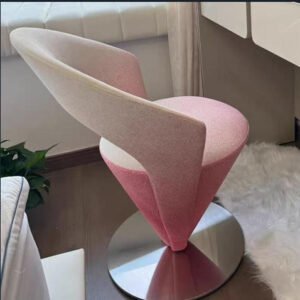
11. Curved and Sculptural Silhouettes — The straight-line dominance of mid-century revival is giving way to softer, curved forms. Kidney-shaped sofas, arched bookcases, and scalloped-edge dining tables occupied prominent floor positions at virtually every major show. Implementation is straightforward: replace at least one angular piece per vignette with a curved alternative and observe how it changes the visual flow of the space.
12. Heritage Color Blocking — Rather than all-neutral or all-bold, the 2026 approach uses blocks of deep heritage colors — oxblood, forest green, navy — grounded by natural wood and stone. In a showroom, this means painting one accent wall per display zone in a heritage hue and merchandising complementary furniture against it.
13. Handmade Imperfection as a Premium Signal — Machine perfection now reads as cheap. Visible joinery, hand-stitched upholstery edges, and slightly uneven ceramic glazes signal craftsmanship and justify premium pricing. Display these details with magnifying stations or close-up photography mounted nearby.
14. Outdoor-Indoor Transitional Furniture — Performance fabrics and weather-resistant frames are blurring the line between indoor and outdoor living. If your showroom has any outdoor-adjacent space — a patio, courtyard, or even a large window — create a transitional display that starts inside and flows outside.
15. Personalization and Custom-Configuration Displays — The customized furniture market is expected to grow by USD 34.6 billion between 2024 and 2028. Showrooms that offer visible customization — a “choose your fabric, choose your legs, choose your finish” station — see personalization increase conversion rates by 20%. Jade Ant Furniture’s custom manufacturing capabilities, which include custom sizes, materials, and finishes with a minimum order quantity of just one piece per style, make this kind of showroom personalization station operationally feasible even for smaller retailers.
Measuring Impact: Showroom KPIs for Trend Implementation
Implementing trends without measurement is decoration, not strategy. The following framework — adapted from furniture retail KPI best practices documented by STORIS و Home Furnishings Association — provides the metrics that matter most when evaluating whether a trend-driven display change is delivering ROI.
| KPI | What It Measures | Benchmark | How to Track |
|---|---|---|---|
| Foot Traffic Conversion Rate | % of visitors who make a purchase | 10–15% | POS data vs. door counter |
| Average Dwell Time per Display | Minutes spent in each trend zone | 4–7 min | Staff observation / heat maps |
| Average Order Value (AOV) | Revenue per transaction | $912+ | POS system |
| Quote-to-Order Conversion | % of quotes that become orders | 25–35% | CRM / sales tracking |
| Trend-Zone Attachment Rate | % of buyers adding items from trend display | 15–20% | SKU-level sales analysis |
| Social Media Mentions | Organic photos/tags from showroom visitors | 5–10/week | Social listening tools |
| Return Visit Rate | % of visitors who return within 30 days | 20–30% | CRM / loyalty program |
From Show Floor Inspiration to Showroom Revenue
The 15 trends outlined above are not theoretical predictions — they are observed realities from this year’s most influential furniture exhibitions, backed by market data and consumer behavior research. Each one represents a concrete opportunity to differentiate your showroom, increase visitor engagement, and drive higher conversion rates. The sustainable furniture market alone is expanding at nearly 9% CAGR. The multifunctional segment is growing at 4.9%. Consumers overwhelmingly prefer in-person shopping for furniture — but they want that in-person experience to feel curated, immersive, and aligned with their values.
The path from trend awareness to showroom implementation does not require a complete overhaul. Start with one or two trends that align most closely with your existing customer base — perhaps warm earthy palettes and biophilic greenery for a residential showroom, or modular systems and tech-enabled furniture for a commercial-focused space. Measure the KPIs outlined above for 60 days, iterate based on the data, and then expand.
For showrooms sourcing new products to support these trend implementations, مفروشات النمل اليشم offers a direct manufacturing partnership that covers everything from initial design consultation to custom production, quality inspection, and international shipping — with low minimum order quantities that make pilot programs feasible for businesses of any size. The investment is not just in furniture. It is in the experience your showroom delivers — and that experience is now the primary competitive advantage in physical retail.
Ready to pilot a trend-driven display refresh? Contact the Jade Ant Furniture team to discuss custom product sourcing for your showroom, or start by implementing the measurement framework above with your existing inventory. Either way, the data from this year’s furniture shows is unambiguous: showrooms that evolve with consumer expectations outperform those that stand still.
الأسئلة الشائعة
What is the fastest trend to implement in a furniture showroom?
Warm earthy color palettes deliver the highest visual impact with the lowest operational effort. Switching to 2700K–3000K warm LED lighting costs under $500 for a mid-size showroom and immediately transforms how every piece of furniture reads to visitors. Pair this with a curated selection of earth-toned throw pillows, ceramics, and textiles — items that can be sourced and placed within a single business week — and the showroom feel shifts noticeably. Showrooms that made this single change have reported 15% higher scores on “inviting atmosphere” in post-visit customer surveys.
How can I measure the impact of trend-driven showroom displays?
The most reliable approach uses a before-and-after comparison across four metrics: foot traffic conversion rate (percentage of visitors who purchase), average dwell time per display zone, average order value, and quote-to-order conversion rate. Install a door counter if you do not already have one, track POS data by SKU category, and survey visitors with a simple one-question exit card (“Which display section influenced your visit most?”). A 60-day measurement window provides sufficient data to determine whether a trend-driven display change is delivering ROI.
Are there cost-effective ways to source sustainable materials for showroom furniture?
Yes. Partnering with manufacturers who already use FSC-certified wood, recycled metals, and environmentally certified finishes as standard practice eliminates the premium typically associated with “going green” on a per-piece basis. مفروشات النمل اليشم, for example, uses environmentally friendly raw materials across its production lines, which means showroom buyers receive sustainable products at wholesale manufacturing prices rather than retail sustainability premiums. Additionally, sourcing reclaimed wood furniture reduces carbon emissions by 40% compared to virgin timber, and these pieces often command higher retail margins due to their unique character.
What is biophilic design and why does it matter for furniture showrooms?
Biophilic design integrates natural elements — plants, natural light, organic materials, water features, and nature-inspired forms — into indoor environments. It matters for furniture showrooms because environmental psychology research consistently shows that biophilic spaces reduce visitor stress, increase time spent in the space by 15%–25%, and create more positive associations with the products displayed within them. For furniture retailers, this translates directly to longer browsing sessions, higher engagement, and increased average order values. Implementation can be as simple as adding potted plants at multiple heights, incorporating natural wood and stone surfaces, and maximizing exposure to natural daylight.
How do modular furniture systems increase showroom sales?
Modular systems increase sales through three mechanisms. First, they reduce purchase anxiety by showing buyers that a single investment adapts to future living situations — a compelling argument for the 65% of millennials who specifically seek multifunctional pieces. Second, they enable upselling through “add a module” conversations that feel like helpful customization rather than pushy sales tactics. Third, they reduce showroom floor space requirements because a single modular display demonstrates multiple configurations that would otherwise require separate static setups. Retailers who conduct live reconfiguration demonstrations — physically rearranging modules during high-traffic hours — report 22% higher sales for modular SKUs compared to static display periods.
What is the ROI of experiential showroom design compared to traditional layouts?
Industry data from furniture retail consultancies shows that experiential showroom layouts — immersive room scenes with narrative storytelling — increase average time-in-store by approximately 40% and boost basket size by 25% compared to traditional grid-based product displays. The initial investment is primarily in display design and staff training rather than additional inventory. Retailers who retrained their sales teams in narrative-first selling approaches saw close rates improve by 19% within 60 days, which for a showroom averaging 1,000 monthly visitors at a $912 average order value, represents significant additional revenue.
How important is tech-enabled furniture for modern showrooms in 2026?
Tech-enabled furniture has shifted from a niche category to a consumer expectation, particularly among buyers aged 25–45. After CES 2026, where the Matter smart-home standard was adopted by over 50 brands, integrated wireless charging, USB-C ports, and cable management systems are considered standard features in mid-range and premium furniture. Showrooms that display tech-enabled pieces with live demonstrations — such as a phone charging wirelessly on a coffee table surface — report a 34% higher attachment rate for these SKUs. The smart furniture market is projected to reach $1.3 billion by 2027, making this a growth category worth allocating showroom floor space to.
Can small independent showrooms compete with large chains on trend implementation?
Independent showrooms hold several structural advantages when implementing trends. They can pivot faster — a single-location showroom can redesign a display zone in a week, while a chain requires corporate approval and multi-site coordination. They can build deeper artisan partnerships and create authentic local narratives that chains cannot replicate. And they can leverage manufacturing partners like مفروشات النمل اليشم, which accepts minimum orders of one piece per style for custom manufacturing, making trend-aligned product sourcing financially viable without large inventory commitments. The key advantage is agility: independent showrooms that refresh their displays quarterly in alignment with emerging trends consistently outperform static competitors on foot traffic conversion.
What are the most effective warm color palettes for furniture showrooms in 2026?
The three dominant warm palettes observed across 2026 furniture shows are Rustic Warmth (terracotta, rust, and warm beige paired with chunky textiles and ceramics), Modern Harvest (olive, cream, and mustard grounded by raw wood surfaces), and Mediterranean Earth (ochre, clay, and deep brown layered with stone and linen textures). The most effective showroom implementations use one palette per display zone rather than mixing palettes within a single vignette. Accent lighting at 2700K–3000K color temperature is essential — neutral or cool lighting undermines warm palettes entirely and can make terracotta tones appear muddy rather than rich.
How do furniture take-back and circular programs affect showroom sales?
Furniture take-back programs — where retailers accept old pieces for refurbishment or recycling when customers purchase new ones — serve as both a sustainability credential and a sales conversion tool. Currently, only about 10% of global furniture brands offer take-back programs, which means early adopters benefit from differentiation. The US eco-friendly furniture market is growing at 8.9% CAGR, and 76% of consumers indicate willingness to pay premiums for sustainable options. Showrooms that display refurbished or circular-economy pieces alongside new inventory create a visible proof point that transforms sustainability from a marketing claim into a tangible, in-store experience that builds trust and reduces purchase hesitation.