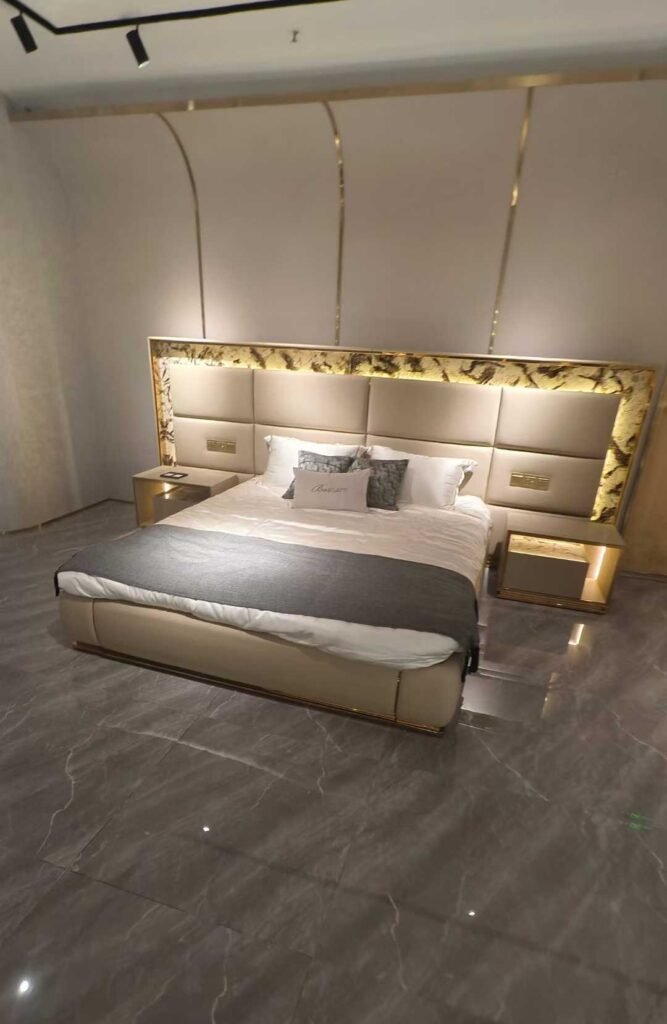

A comprehensive B2B resource guide to sourcing quality furniture manufacturers in China, complete with performance ratings, MOQ requirements, lead times, and direct contact information for distributors, agents, and design professionals.
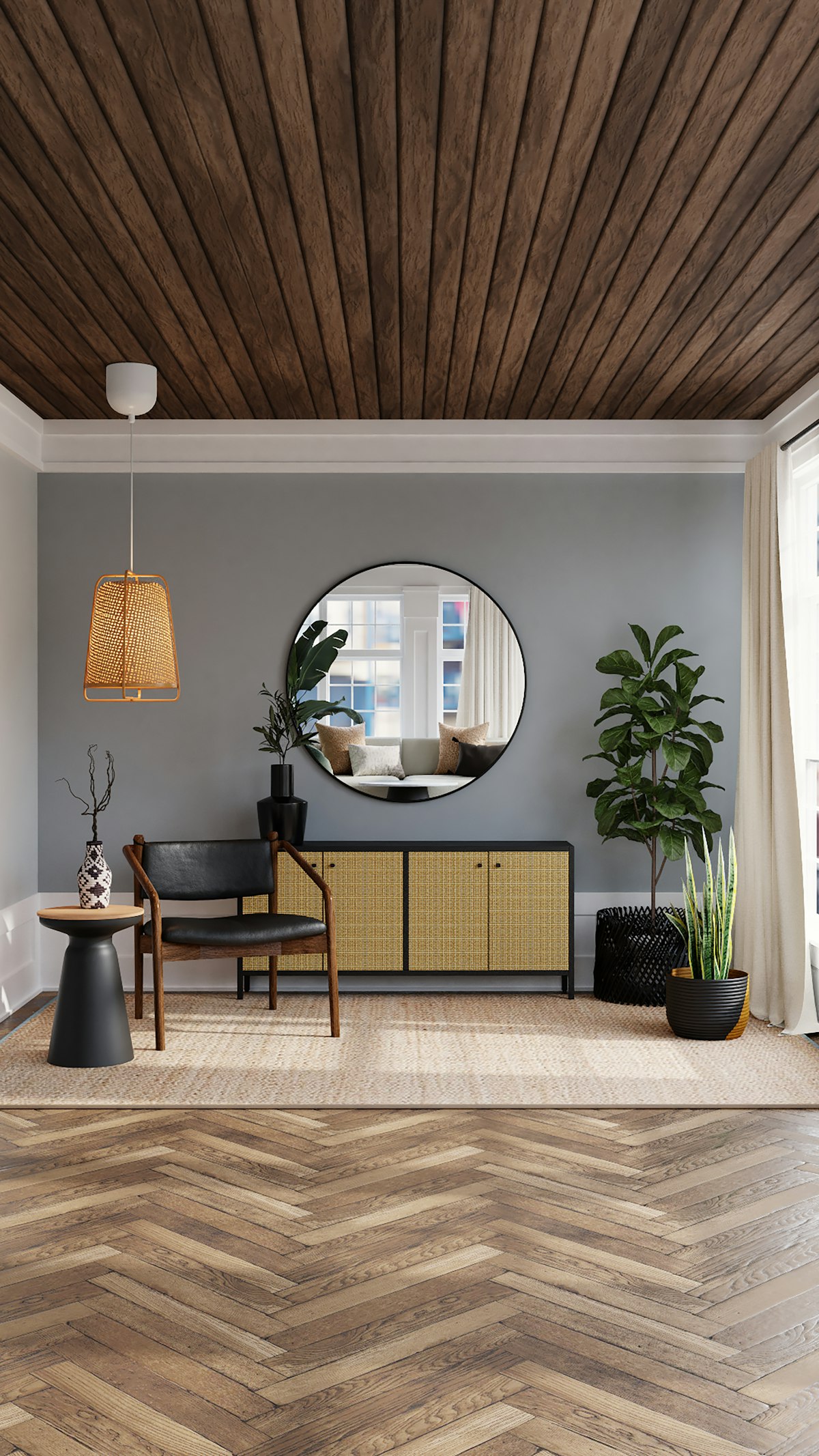
China is not simply the world’s largest furniture manufacturer — it is the infrastructure upon which the global furniture trade is built. In 2025, China’s furniture industry recorded cumulative export value of approximately $67.81 billion USD, supplying everything from high-end hospitality casegoods to volume residential furniture across more than 180 countries. The China furniture market itself was valued at $160.53 billion USD in 2025, with projections reaching $169.23 billion in 2026 and continuing to climb through the decade.
For furniture dealers, distributors, interior design firms, and hotel procurement teams, the question is no longer whether to source from China — it is how to do it intelligently, with the right manufacturers, the right terms, and the right safeguards in place.
This directory was built specifically for B2B buyers who need more than a list of company names. It covers manufacturer performance ratings across every major furniture category, realistic MOQ and lead time benchmarks, the certifications that actually matter, and the regional sourcing intelligence that separates buyers who win on margin from those who learn the hard way.
Whether you are stocking a multi-location showroom, outfitting a boutique hotel collection, or building a distributor catalog from scratch, this guide gives you the framework to evaluate, negotiate, and partner with China’s best manufacturers with confidence.
How to Use This Directory
Each section of this guide is organized by furniture category, then by manufacturer performance tier. Performance tiers are based on a composite rating system explained in full in Section 4, covering quality control, delivery reliability, communication responsiveness, and certification depth.
Use the tables in each section to shortlist manufacturers by your priority criteria — whether that is MOQ flexibility, customization depth, sustainability credentials, or production capacity. Then use the sourcing strategy and logistics sections to structure your engagement and protect your interests through every stage of the supply chain.
Teams at Meubles Jade Ant use this exact framework when evaluating manufacturing partners on behalf of B2B clients across North America, Europe, and the Middle East — and update it annually to reflect current market conditions, tariff changes, and emerging supplier capabilities.
1. Living Room Furniture Manufacturers

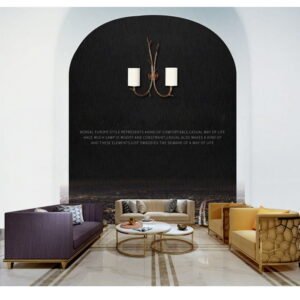
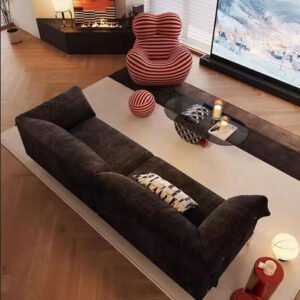
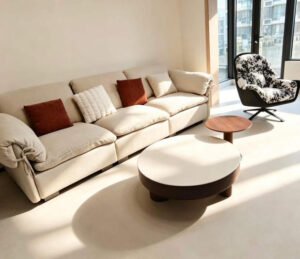
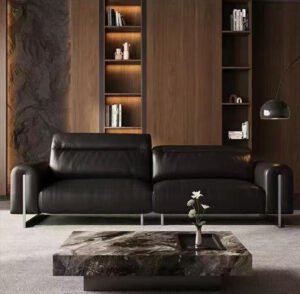
Living room furniture represents the highest-volume export category in Chinese furniture manufacturing, with sofas, sectionals, and upholstered seating alone accounting for a significant share of total furniture exports annually. The manufacturing ecosystem for this category is extraordinarily deep — particularly in Foshan, which handles an estimated 35% of China’s total furniture production and is home to more than 9,000 manufacturing companies and over 20,000 furniture trading businesses.
Top-Ranked Manufacturers by Performance Tier
Premium Tier — Ratings 4.8–5.0
Manufacturers in this bracket operate with full ISO 9001 certification, maintain dedicated QC teams, and routinely pass third-party pre-shipment inspections without rework. They offer proprietary fabric and leather sourcing relationships, providing buyers access to material libraries that smaller factories cannot match. Typical MOQs run 50–100 units per SKU, reflecting their premium positioning and production scheduling discipline. Lead times average 45–60 days in standard season.
These manufacturers are the right fit for hotel FF&E programs, high-end showroom floor models, and private-label distributor programs where the product itself must carry the brand reputation.
Mid-Tier — Ratings 4.4–4.7
The mid-tier is where the most compelling value proposition in the Chinese furniture market lives. Manufacturers in this band have established quality systems, accept more varied order profiles, and typically offer better customization flexibility than premium-tier factories — at 15–25% lower per-unit cost. MOQs range from 30–80 units per SKU, and lead times run 35–55 days depending on complexity. This is the target range for most distributors and design firms building scalable SKU libraries.
Value Tier — Ratings 4.0–4.3
Value-tier manufacturers offer competitive bulk pricing and are well-suited to high-volume, standardized orders where design complexity is low and margin compression is the commercial priority. MOQs often start at 100+ units per SKU. Lead times are longer (50–75 days) due to production batching. Third-party inspection is strongly recommended for this tier, as QC consistency is more variable.
Sofas and Sectionals
| Système métrique | Premium Tier | Mid-Tier | Value Tier |
|---|---|---|---|
| Typical MOQ (per SKU) | 50–100 units | 30–80 units | 100–200 units |
| Standard Lead Time | 45–60 days | 35–55 days | 50–75 days |
| Profondeur de personnalisation | Full (dimensions, fabric, frame) | Modéré | Limité |
| Fabric Sourcing | Proprietary mill relationships | Catalog selection | Standard catalog only |
| FSC/OEKO-TEX Certified | Majority | Select manufacturers | Rare |
| Rush Order Premium | 15–20% | 20–30% | Not typically available |
Industry Insight: The most common sourcing mistake for sofas and sectionals is approving a fabric sample from a factory’s catalog, then discovering that the actual production run used a different batch of the same color — because the original batch was exhausted. Premium-tier manufacturers maintain minimum stock commitments on approved fabrics. Mid-tier and value-tier manufacturers may not. Request a fabric reserve confirmation in writing before approving your production order.
Customization options at leading manufacturers include frame dimensions (width, depth, height), leg material and finish, seat density (foam ILD rating), arm profile, and fabric or leather specification down to COM (Customer’s Own Material) provision. Full customization typically adds 10–20% to lead time and 5–15% to unit cost.
Coffee Tables and TV Stands
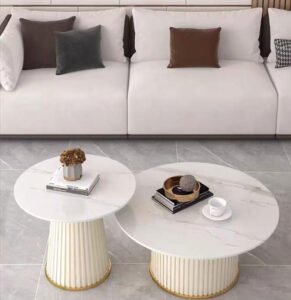
Wooden coffee table and TV unit manufacturing is concentrated in Jiangmen and Heshan — satellite cities to Foshan with deep solid wood processing expertise. Leading manufacturers in this category offer a range of wood species including oak, walnut, ash, and engineered wood cores with solid wood veneers, along with finishing techniques from oil wax to high-gloss UV lacquer.
Metal and glass specialists, concentrated in Shenzhen and the broader Pearl River Delta, lead in modern and design-forward aesthetics. These manufacturers invest in CNC bending, powder coating lines, and tempered glass sourcing relationships that enable design precision uncommon in wood-primary factories.
Bulk order pricing structures for coffee tables and TV stands typically unlock at 50 units per SKU for premium manufacturers and 100 units for value tier. At 200+ units, tiered discounts of 8–15% are standard negotiating territory.
Entertainment Units and Storage Solutions
Modular storage is one of the fastest-growing segments in Chinese furniture export, driven by demand from apartment-scale distributors and hotel design teams seeking scalable solutions that can be configured across room types without custom tooling.
Leading manufacturers in this category offer parametric design systems — where a core module can be specified in multiple widths, heights, and configurations from a single SKU base — dramatically reducing the MOQ burden for buyers who need range without carrying excessive inventory. Technical drawing requirements for bespoke orders typically include dimensioned elevation views, section cuts, and hardware specifications. Most premium manufacturers provide CAD support as part of the order process.
2. Bedroom Furniture Manufacturers
Bed Frames and Mattress Bases
Premium bed frame manufacturing in China is dominated by manufacturers with deep upholstery capability — tufted headboards, channel-stitched panels, and integrated storage bases that meet the exacting standards of hospitality procurement teams and high-end residential design firms. The durability standards at this level include frame load testing to commercial-grade thresholds (typically 250–400 kg dynamic load), warranted for 3–5 years in contract applications.
Platform bed specialists have developed particularly strong capabilities in storage integration — hydraulic lift systems, drawer configurations, and under-bed storage modules that are increasingly specified by hotel designers seeking to maximize guestroom utility. MOQs for platform beds with storage integration typically run 30–80 units, with lead times of 40–65 days.
| Bed Frame Type | MOQ Range | Lead Time | Key Materials |
|---|---|---|---|
| Upholstered platform bed | 30–80 units | 40–60 days | Solid wood frame, foam, fabric/leather |
| Storage bed (hydraulic lift) | 20–50 units | 45–65 days | MDF/plywood, steel mechanism, upholstery |
| Solid wood bed frame | 20–40 units | 35–55 days | Oak, walnut, ash — FSC available |
| Metal bed frame | 50–100 units | 30–45 days | Powder-coated steel, brass finish options |
| Hotel-spec bed base | 50–200 units | 35–50 days | Engineered wood, high-density foam |
Wardrobes and Closet Systems
Sliding door wardrobe manufacturing is a category where Chinese manufacturers have achieved genuine global leadership in customization depth. Leading factories offer parametric configuration systems where buyers specify interior layout, door panel design, handle finish, and carcass dimension with millimeter-level precision — all managed through digital design tools that generate production drawings automatically.
For large-scale hotel or residential development projects (100+ units), leading manufacturers provide dedicated project management, phased delivery scheduling, and installation coordination support. These are not standard services from all factories — they are a differentiating capability worth specifically qualifying during manufacturer selection.
Lead times for fully bespoke wardrobe systems average 50–70 days, with an additional 7–14 days for design approval and technical drawing sign-off before production begins.
Bedroom Storage and Nightstands
High-quality nightstand and drawer storage manufacturing is one area where hardware selection separates manufacturers dramatically. Premium manufacturers use soft-close drawer mechanisms from Blum (Austria) or Grass (Austria) — brands whose performance under daily use is measurable: Blum’s Tandem runners are rated for 30,000 opening cycles at full load. Mid-tier manufacturers use Chinese-branded soft-close hardware rated for 15,000–20,000 cycles. Value-tier manufacturers may use non-rated hardware that fails in hotel applications within 12–18 months.
For hotel chain procurement, this hardware differentiation is not aesthetic — it directly impacts maintenance call frequency and guest satisfaction scores. Specify hardware brand and load rating in your purchase order, not just “soft-close.”
Bulk pricing for hotel nightstand programs typically unlocks meaningful discounts at 100+ units, with the most competitive pricing available for 500+ unit programs spread across a single hotel group’s properties.
Bedroom Lighting and Accessories
Integrated headboard manufacturers — producing upholstered headboard panels with embedded reading lights, USB charging ports, and bedside control systems — have become increasingly relevant to hospitality buyers as hotels work to reduce room electrical installation complexity. Leading manufacturers in this niche operate at the intersection of furniture and lighting, with dedicated R&D teams updating integrated hardware packages annually.
Material options across this category include fully upholstered panels (fabric or leather, with or without tufting), solid wood with routed channel detail, metal frames with fabric insets, and painted MDF with applied molding profiles. MOQ requirements for integrated headboard programs typically start at 20–30 units given the higher per-unit complexity and tooling investment.
3. Outdoor Furniture Manufacturers
Patio and Garden Sets
Weather resistance is not a binary specification in outdoor furniture — it is a spectrum of material performance under specific environmental conditions. Leading Chinese outdoor furniture manufacturers test their products against UV degradation, moisture cycling, salt spray corrosion, and thermal expansion stress — because their primary export markets include coastal resort developments, rooftop restaurant installations, and tropical hospitality projects where these forces operate simultaneously.
Key material standards to specify when sourcing outdoor furniture from China include: powder-coated aluminum with a minimum 60-micron coating thickness (per AAMA 2604 standard for architectural-grade coating durability), HDPE (high-density polyethylene) rattan weave rated for UV resistance above 2,000 hours without color shift, and Batyline or Phifertex mesh fabrics for lounge seating — both of which are measurably superior to generic “outdoor fabric” alternatives in long-term UV and mildew performance.
| Matériau | Meilleure application | UV Resistance | Maintenance Level | Typical Lifespan (Commercial) |
|---|---|---|---|---|
| Powder-coated aluminum | All outdoor categories | Excellent | Faible | 10–15 years |
| HDPE rattan weave | Lounge and dining | Very Good | Faible | 7–10 years |
| Teak (Grade A) | Dining, decking | Excellent | Moyen | 15–25 years |
| Galvanized steel | Dining, commercial | Bien | Moyen | 8–12 years |
| Recycled polyethylene | Casual seating | Very Good | Very Low | 10+ years |
Outdoor Seating Solutions
Lounge chair and daybed manufacturing for pool and resort applications requires specific capability in cushion and fabric management that not all factories possess. Leading manufacturers maintain relationships with Sunbrella (Glen Raven), the industry benchmark for outdoor fabric, as well as domestic equivalents that offer comparable performance at reduced cost for volume programs.
For large hospitality projects (200+ lounge units), leading manufacturers offer seasonal storage consulting — advising on cushion storage systems and furniture stacking configurations that extend product life in high-turnover resort environments. This kind of operational knowledge is a meaningful differentiator that distinguishes manufacturers who understand hospitality procurement from those who simply produce garden furniture at volume.
Pool and Waterside Furniture
Waterside furniture requires specific attention to chlorine and salt-water resistance that goes beyond standard outdoor ratings. The key failure modes for pool furniture are: corrosion of metal components from chlorinated splash contact, degradation of foam cushion cores from moisture infiltration, and color bleed from fabric dyes when in contact with pool chemicals.
Premium manufacturers address these through: marine-grade aluminum alloys (6061-T6 or equivalent) for frame construction, closed-cell foam cores for cushion inserts that resist water infiltration, and solution-dyed fabrics (where the color is embedded in the fiber, not applied to the surface) that are inherently resistant to bleaching and chemical exposure.
Commercial-grade pool furniture programs start at MOQs of 50–100 units and represent one of the strongest areas of Chinese manufacturing expertise for resort and hospitality buyers.
4. Manufacturer Rating System Explained
How We Evaluate Manufacturers
The performance ratings used throughout this directory are based on a composite assessment across four dimensions. Each dimension is weighted to reflect the priorities of B2B buyers operating in professional procurement environments.
Quality Control Standards (40% weight): Assessment includes factory audit results (production floor organization, material storage conditions, in-process QC checkpoint documentation), defect rate data from third-party inspection reports over a minimum 12-month period, and sample-to-production consistency verification. Manufacturers achieving ratings of 4.8+ maintain defect rates below 1.5% on inspected shipments.
Customer Service and Communication (25% weight): Response time to technical queries (benchmark: under 24 hours during business days), clarity of specification acknowledgment, and problem resolution track record documented through buyer reference interviews. Language capability (English-proficient dedicated account management) is weighted within this dimension.
Production Reliability (25% weight): On-time delivery percentage against committed production dates, capacity consistency during peak season (Q3 and pre-Chinese New Year periods), and transparency in communicating production delays before they become shipping crises.
Certification Depth (10% weight): Verification of claimed certifications with issuing bodies, currency of test reports (within 24 months), and proactive compliance documentation management.
Quality Certifications That Actually Matter
Not all certifications claimed by Chinese furniture manufacturers carry equal weight. The table below explains what each certification means in practical terms for a B2B buyer.
| Certification | What It Covers | Why It Matters to B2B Buyers |
|---|---|---|
| ISO 9001 | Quality management systems | Verifies the factory has documented QC processes — not just quality claims |
| ISO 14001 | Environmental management | Required by many European buyers; signals production discipline |
| FSC (Forest Stewardship Council) | Sustainable wood sourcing | Mandatory for buyers with ESG commitments; differentiates product to end clients |
| OEKO-TEX Standard 100 | Textile chemical safety | Critical for upholstered furniture in residential and hospitality markets |
| Phase 2 du CARB / Titre VI de la TSCA | Formaldehyde emissions (wood panels) | Non-negotiable for US market imports — non-compliance risks shipment holds |
| BIFMA | Commercial furniture structural integrity | Required for office and contract furniture sold to institutional buyers |
| TB 117 / BS 5852 | Fire safety (upholstery) | Mandatory for hospitality furniture in US (California standard) and UK markets |
| GreenGuard Gold | Indoor air quality | Preferred by healthcare and education sector buyers |
Always verify certifications directly with the issuing body. Request the certificate number and check it against the issuing organization’s online registry. Legitimate manufacturers welcome this verification — and the few that resist it provide important information about their reliability in other areas.
For authoritative certification verification resources, the FSC certificate search et OEKO-TEX certificate check tools are publicly available and free to use.
Understanding MOQ and Lead Times
MOQ (quantité minimale de commande) is not a fixed wall — it is a starting point for negotiation, and the mechanics of that negotiation depend heavily on context. The table below shows realistic MOQ ranges by product category and manufacturer tier:
| Product Category | Premium Tier MOQ | Mid-Tier MOQ | Value Tier MOQ |
|---|---|---|---|
| Upholstered sofa / sectional | 20–50 units | 30–80 units | 100–200 units |
| Dining chairs | 50–100 units | 50–150 units | 100–300 units |
| Bed frames | 20–50 units | 30–80 units | 50–150 units |
| Wardrobes (bespoke) | 10–20 units | 20–50 units | 50+ units |
| Outdoor lounge sets | 30–50 sets | 50–100 sets | 100–200 sets |
| Outdoor dining sets | 30–50 sets | 50–100 sets | 100+ sets |
Negotiation Strategies for Lower MOQ: Offering a multi-year volume commitment in exchange for a reduced per-order MOQ is the most effective lever. Agreeing to simplified customization (standard fabric from the manufacturer’s catalog rather than COM) also reduces MOQ because it eliminates fabric procurement risk for the factory. Some buyers consolidate orders across multiple SKU categories with the same manufacturer to meet aggregate MOQ thresholds while maintaining variety.
Seasonal Lead Time Variations: Lead times extend significantly in the 6–8 weeks before Chinese New Year (January/February depending on the lunar calendar) and during the Q3 peak shipping season. Premium manufacturers communicate these windows 3–4 months in advance to key clients and offer production slots. Buyers who don’t plan for these windows discover them through missed delivery commitments.
5. Sourcing Strategy for B2B Buyers
Assessing Your Sourcing Needs
Effective furniture sourcing from China begins not with a supplier list, but with an honest inventory analysis. The questions that determine your sourcing architecture include: what is your annual volume per SKU, what is your sell-through velocity, what is your storage capacity and working capital tolerance, and what is the lead time buffer your business model can absorb?
For distributors, the critical calculation is optimal order quantity — the balance between per-unit cost savings from larger orders and the carrying cost of holding inventory through slower periods. A rule of thumb used by experienced furniture distributors: calculate your 90-day sell-through forecast, add a 20% buffer for forecast error, and use that as your target order quantity. This keeps inventory lean while protecting against the cost of expedited reorders.
Budget Allocation Framework for New Sourcing Programs:
| Cost Category | Typical % of Total Landed Cost |
|---|---|
| Factory FOB price | 55–65% |
| Ocean freight (FCL or LCL) | 8–12% |
| Import duties and tariffs | 10–25% (China-origin) |
| Pre-shipment inspection | 1–3% |
| Customs clearance and documentation | 1–2% |
| Inland logistics and last-mile | 3–6% |
| Compliance testing (amortized per SKU) | 1–3% |
| Total landed cost index | 100% |
Negotiating with Manufacturers
The most durable negotiating gains in furniture sourcing come not from squeezing per-unit price in a single transaction, but from structuring the commercial relationship to create mutual value over time. Manufacturers routinely offer 10–20% discounts to buyers who can demonstrate committed annual volume, consistent order timing, and simplified specification management.
Key terms worth negotiating in every purchase order beyond unit price: payment terms (the difference between 30/70 and 50/50 split is a meaningful working capital impact at scale), defect threshold and resolution process (define acceptable defect rates and remediation responsibilities explicitly before production begins), packaging specification (export packaging quality directly affects damage rates in transit), and production scheduling priority (for buyers with seasonal windows, a production slot commitment from the manufacturer is worth more than a marginal price concession).
Building toward an exclusive distribution agreement for a specific region or market segment is the most powerful long-term negotiating position. Manufacturers value market exclusivity because it simplifies their sales overhead and provides volume predictability. In exchange, buyers typically receive preferred pricing (5–15% below standard), priority production scheduling, and first access to new designs.
Quality Assurance During Production
A professional quality assurance process for Chinese furniture sourcing has three mandatory checkpoints, not one.
Pre-Production Sample Approval: Before a single unit of a new SKU goes into production, a physical sample — built to spec, in the specified materials — should be approved by an authorized decision-maker. Sample approval timelines run 7–21 days depending on complexity. Budget for one revision cycle in your project timeline; it is rare that a first sample requires zero modification.
In-Process Inspection (at ~50% completion): An inspection conducted when approximately half the production run is complete allows defects in construction or materials to be caught and corrected before they multiply across the remaining batch. This is the checkpoint most often skipped by direct importers — and the most effective at preventing large-scale rework situations.
Pre-Shipment Inspection (PSI): The final inspection before goods are loaded. This should be conducted by an independent third-party agency — QIMA, Bureau Veritas, SGS, or equivalent — not by the factory’s own QC team. Standard PSI costs run $280–$500 per inspector-day.
Meubles Jade Ant incorporates all three checkpoints as standard process for every client order, with inspection reports delivered to buyers at each stage before any production or shipment decision is made.
6. Logistics and Shipping Considerations
Understanding Lead Times
The total timeline from purchase order to warehouse receipt is longer than most new importers budget for. The breakdown below reflects realistic 2026 timeframes for standard furniture orders from China:
| Phase | Typical Duration | Notes |
|---|---|---|
| Material sourcing (fabric, hardware, wood) | 5–15 days | Longer for COM or non-standard materials |
| Production and assembly | 20–45 days | Varies by product complexity and order volume |
| Pre-shipment inspection | 2–5 days | Schedule before booking container |
| Port processing and export clearance | 3–7 days | Allow buffer for documentation review |
| Ocean freight (China → US West Coast) | 14–18 days | FCL, standard routing |
| Ocean freight (China → US East Coast) | 25 à 35 jours | FCL, standard routing |
| Customs clearance on arrival | 3–7 days | Compliant documentation; longer if exam triggered |
| Inland delivery to warehouse | 2–7 days | Varies by port proximity |
| Total standard lead time | 69–139 days | Plan for 120 days minimum for new suppliers |
Industry Insight: Experienced B2B furniture buyers build a 15–20% time buffer into every production timeline — not because Chinese manufacturers are universally unreliable, but because the system as a whole (material lead times, port congestion, customs processing) has variance that is impossible to eliminate entirely. The buyers who miss client deadlines are typically those who planned to the median timeline, not the realistic worst-case.
Cost Structure for Bulk Orders
FOB (Free on Board) pricing — where the manufacturer covers costs to the point of loading on the export vessel — is the most common quote format from Chinese factories. It allows buyers to control freight sourcing, which matters when you have volume consolidation opportunities across multiple supplier orders. The risk is that every cost after the vessel loading is the buyer’s responsibility and subject to market rate volatility.
CIF (Cost, Insurance, Freight) pricing shifts ocean freight and insurance responsibility to the manufacturer. It simplifies the buyer’s logistics management but removes the ability to optimize freight costs independently.
DDP (Delivered Duty Paid) pricing is offered by professional sourcing intermediaries and covers all costs to the buyer’s warehouse, including import duties. It provides maximum cost predictability and is the format used by Meubles Jade Ant for B2B clients who prioritize margin certainty over freight control.
Freight Consolidation for Multi-Manufacturer Orders: One of the most underutilized cost levers in furniture sourcing is container consolidation across multiple manufacturers. A buyer sourcing sofas from Manufacturer A in Foshan and dining tables from Manufacturer B in Jiangmen can consolidate both into a single FCL container at the Nansha or Yantian port — splitting FCL costs (typically $3,000–$5,500 to US West Coast) rather than paying LCL premiums on two separate smaller shipments. Executed well, this reduces per-unit freight costs by 20–35%.
Customs and Documentation
Proper documentation is not optional — it is the gating requirement for smooth customs clearance. For furniture imports to the United States, the standard documentation package includes: commercial invoice (with itemized product descriptions, quantities, and declared values), packing list (must match the invoice exactly), bill of lading, certificate of origin, and compliance test reports for any regulated material (CARB/TSCA for wood panels, TB 117 for upholstered furniture).
HS Code Accuracy: Every furniture product must be assigned a correct 10-digit Harmonized System (HS) code. This determines your duty rate, and misclassification can trigger CBP reclassification, retroactive duty assessments, and audit exposure. The U.S. ITC Harmonized Tariff Schedule is the authoritative public reference for code verification.
Duty Optimization: Legitimate duty reduction strategies include proper classification, first-sale valuation (in some cases), and where applicable, bonded warehouse deferral programs. These require licensed customs broker expertise and are not improvised — they need to be structured from the beginning of the sourcing relationship.
7. Specialized Categories: Hotel and Commercial Furniture

Hospitality Furniture Manufacturers
Hotel furniture procurement operates under constraints that residential and distributor sourcing does not — fire safety certifications, high-traffic durability requirements, brand standard compliance, and phased installation timelines that must coordinate with construction schedules.
Fire Safety Certifications: For US hotel projects, TB 117-2013 (California Technical Bulletin 117) is the minimum fire safety standard for upholstered furniture. For UK and European hospitality projects, BS 5852 Crib 5 is the relevant standard. Both require third-party testing from accredited labs and cannot be self-declared. When qualifying hotel furniture manufacturers in China, request current test certificates with issuing lab accreditation details — not just a factory claim of compliance.
Durability Standards: Commercial-grade hotel furniture should be tested to BIFMA durability benchmarks, which include chair structural tests (BIFMA X5.1), desk/table structural tests (BIFMA X5.5), and seating fatigue tests. A dining chair that passes BIFMA X5.1 has been verified to withstand 250,000 cycles of seat loading — the equivalent of years of daily restaurant-grade use. A chair that hasn’t been tested to this standard is a guest injury risk, not just a warranty issue.
| Hotel Furniture Category | Key Certification | Typical MOQ (Hotel Program) | Lead Time |
|---|---|---|---|
| Guestroom bed frames | BIFMA, TB 117 | 30–100 rooms | 45–65 days |
| Upholstered seating (lobby/restaurant) | TB 117, BIFMA X5.1 | 50–200 units | 40–60 days |
| Casegoods (dressers, nightstands) | CARB Phase 2 | 30–100 rooms | 40–55 days |
| Outdoor/pool furniture | ASTM F1858 or equiv. | 50–200 units | 35–55 days |
| Banquet/function chairs | BIFMA X5.1 | 100–500 units | 30–50 days |
Interior Design Professional Resources
For interior design firms sourcing for client projects, the manufacturer relationship requirements differ from distributor programs in important ways. Project-based sourcing demands sample availability (most premium manufacturers maintain display samples for design professionals at reduced or no cost), CAD drawing provision for space planning and client presentations, and timeline flexibility that accommodates phased approvals in the design process.
Leading manufacturers serving the design professional market provide dedicated design liaison contacts, virtual showroom access for remote specification, and COM (Customer’s Own Material) programs that allow designers to specify fabrics or leathers sourced independently of the manufacturer’s standard library — a critical capability for design-forward projects with specific material requirements.
Le Meubles Jade Ant team works directly with interior design firms to navigate manufacturer selection, sample coordination, and production management for project-specific sourcing programs.
Showroom and Retail Furniture Sourcing
Display furniture for furniture showrooms and retail environments has specific requirements: visual impact in a competitive floor setting, modular reconfigurability as product ranges evolve, and the ability to carry custom branding (hang tags, upholstery labels, branded packaging) without minimum quantity constraints.
Manufacturers specializing in showroom display programs often offer floor sample programs — where initial units are supplied at cost or reduced margin in exchange for visible placement and subsequent volume commitments. For multi-location showroom operators, this can substantially reduce the capital cost of launching a new product range.
8. Sustainability and Ethical Sourcing
Eco-Friendly Furniture Manufacturers
The furniture industry’s sustainability credentials have evolved from marketing language to verifiable, audited standards that are increasingly required by corporate buyers, hospitality groups with ESG reporting obligations, and government procurement programs.
FSC-Certified Wood: The Forest Stewardship Council (FSC) certification verifies that wood materials are sourced from responsibly managed forests — a traceable chain of custody from harvest to finished product. For buyers in markets where deforestation legislation is active (the EU Deforestation Regulation, for example), FSC certification is becoming a procurement prerequisite, not a preference.
Recycled and Reclaimed Materials: A growing segment of Chinese manufacturers now offers furniture incorporating recycled aluminum (30–100% post-consumer content), reclaimed teak, and recycled HDPE plastic lumber (made from post-consumer plastic waste and ideal for outdoor applications). These materials often carry a modest price premium but open access to sustainability-committed buyer segments that standard materials cannot serve.
Energy-Efficient Production: Leading manufacturers have invested in solar panel installations, waste heat recovery systems, and waterborne (low-VOC) finishing lines that reduce both environmental impact and chemical exposure risk for workers. These are meaningful differentiators — not just for CSR reporting, but as indicators of factory management quality and operational discipline.
Social Responsibility Standards
Fair Labor Verification: Social responsibility audits — typically conducted by audit firms such as Sedex, amfori BSCI, or SA8000 — assess working conditions, wage levels, working hours, and health and safety standards at manufacturing facilities. For buyers supplying retail chains, hotel groups, or government contracts, supplier social audit reports are often a contractual requirement.
Supply Chain Transparency: Request manufacturer documentation of their primary material suppliers — wood panel mills, fabric suppliers, hardware manufacturers. Transparency to the second-tier supply chain is the emerging standard for serious ESG-committed buyers, and manufacturers who can provide it are demonstrably more organized than those who cannot.
9. Technology and Innovation in Chinese Furniture Manufacturing
Manufacturing Innovation
Chinese furniture manufacturers at the premium tier have invested heavily in CNC (Computer Numerical Control) machining, automated upholstery cutting, and robotic welding systems that deliver dimensional consistency and finish quality that manual production cannot achieve at scale. A CNC-routed cabinet component has tolerances of ±0.5mm — the level of precision required for soft-close mechanism alignment and modular system interchangeability.
3D Design and Rapid Prototyping: Leading manufacturers offer digital design services where buyers can submit concept sketches or reference images and receive 3D-rendered visualizations with accurate material and finish representation before committing to a physical sample. Physical rapid prototyping turnaround at these factories runs 10–21 days, compared to 30–45 days through traditional sample production processes.
Digital Tools for Sourcing
The sourcing process itself has been transformed by digital platforms and visualization tools. Virtual showrooms — 3D-rendered factory product environments navigable via web browser — allow design firms and distributors to review product ranges, request samples, and initiate quotations without travel. Several leading manufacturers now offer augmented reality (AR) preview tools that allow buyers to visualize furniture in their own space using a smartphone camera.
Supply Chain Management Platforms: Buyers managing multi-manufacturer programs benefit from supply chain platforms that consolidate order tracking, production milestone reporting, inspection scheduling, and shipping documentation in a single dashboard. These tools reduce the administrative overhead of direct sourcing programs and provide the visibility needed to manage timeline risk proactively.
For a deeper look at how digital sourcing platforms compare for furniture procurement, the Jade Ant Furniture sourcing guide provides regularly updated platform evaluations alongside manufacturer intelligence.
10. Regional Manufacturing Hubs and Specializations

China’s furniture manufacturing geography is not uniform. Understanding regional specializations is one of the most practical forms of sourcing intelligence available to B2B buyers — because selecting the right region before selecting the right factory reduces your shortlist significantly.
Major Furniture Manufacturing Regions in China
Foshan, Guangdong Province — Upholstered Furniture Capital
Foshan is the undisputed global center of upholstered furniture production, processing an estimated 35% of China’s total furniture output from a base of more than 9,000 manufacturing companies. The Foshan-Shunde furniture zone — which includes the Lecong International Furniture Exhibition Center, one of the world’s largest furniture trading complexes at over 3 million square meters — provides unmatched access to the full upholstered furniture supply chain: fabric suppliers, foam processors, frame lumber yards, hardware manufacturers, and finishing facilities, all within a concentrated geographic footprint.
For sofas, sectionals, upholstered beds, and dining chairs, Foshan is the primary sourcing destination. Competition among manufacturers is intense, which works in buyers’ favor — pricing is competitive, customization is deep, and manufacturers are experienced with international buyer requirements.
Jiangmen and Heshan — Solid Wood Specialists
Jiangmen and its satellite city Heshan are the heartland of solid wood furniture manufacturing in southern China, with particular strength in bedroom furniture, dining tables, and wooden cabinetry. The region has developed a mature supply chain for solid wood materials — including domestically harvested and imported species — and a skilled labor pool with generational expertise in wood jointing, finishing, and detailing.
For buyers seeking FSC-certified solid wood furniture, Jiangmen manufacturers have the deepest certified wood sourcing relationships of any Chinese region.
Shenzhen and Pearl River Delta — Design-Forward Manufacturing
The Shenzhen corridor has attracted a different type of furniture manufacturer — one focused on design innovation, export to premium markets, and integration of technology into product and process. Manufacturers here invest more heavily in 3D design capabilities, rapid prototyping, and finishing innovation. They are the right sourcing destination for buyers seeking modern aesthetics, design collaboration, and access to the latest finish and material technologies.
Export infrastructure in the Pearl River Delta is excellent, with multiple major ports (Yantian, Shekou, Nansha) providing competitive freight rates and reliable sailing schedules to North America, Europe, and Australia.
Northeast China (Dalian, Harbin) — Solid Wood and Traditional Styles
Northeast China’s furniture manufacturing is characterized by access to domestic solid wood resources — particularly pine, birch, and elm — and a manufacturing tradition rooted in traditional Chinese furniture styles as well as Scandinavian-influenced solid wood designs. Labor costs in the northeast are lower than Guangdong, which creates competitive pricing for solid wood product categories.
Geographic proximity to Russian and Central Asian markets makes northeast manufacturers logical partners for buyers targeting those regions, while ocean access through Dalian port serves East Asian and North American markets.
Regional Advantages Summary
| Region | Primary Specialization | Logistics Hub | Relative Labor Cost | Best Buyer Profile |
|---|---|---|---|---|
| Foshan / Shunde | Upholstered furniture, sofas | Guangzhou, Nansha | Moyen | Distributors, hotel buyers, showrooms |
| Jiangmen / Heshan | Solid wood, bedroom | Guangzhou, Nansha | Moyen | Design firms, premium distributors |
| Shenzhen / Pearl River Delta | Modern, design-forward | Yantian, Shekou | Medium-High | Design-led distributors, hospitality |
| Northeast (Dalian, Harbin) | Solid wood, traditional | Dalian port | Low-Medium | Price-sensitive solid wood buyers |
| Zhejiang (Anji) | Office chairs | Shanghai | Moyen | Office furniture distributors |
🎬 Watch: Sourcing Furniture in China — Inside the World’s Largest Furniture Market
Before committing to a manufacturer shortlist, watching experienced sourcing professionals navigate China’s furniture hubs provides irreplaceable context. This video takes you inside Foshan’s furniture manufacturing and trading ecosystem:
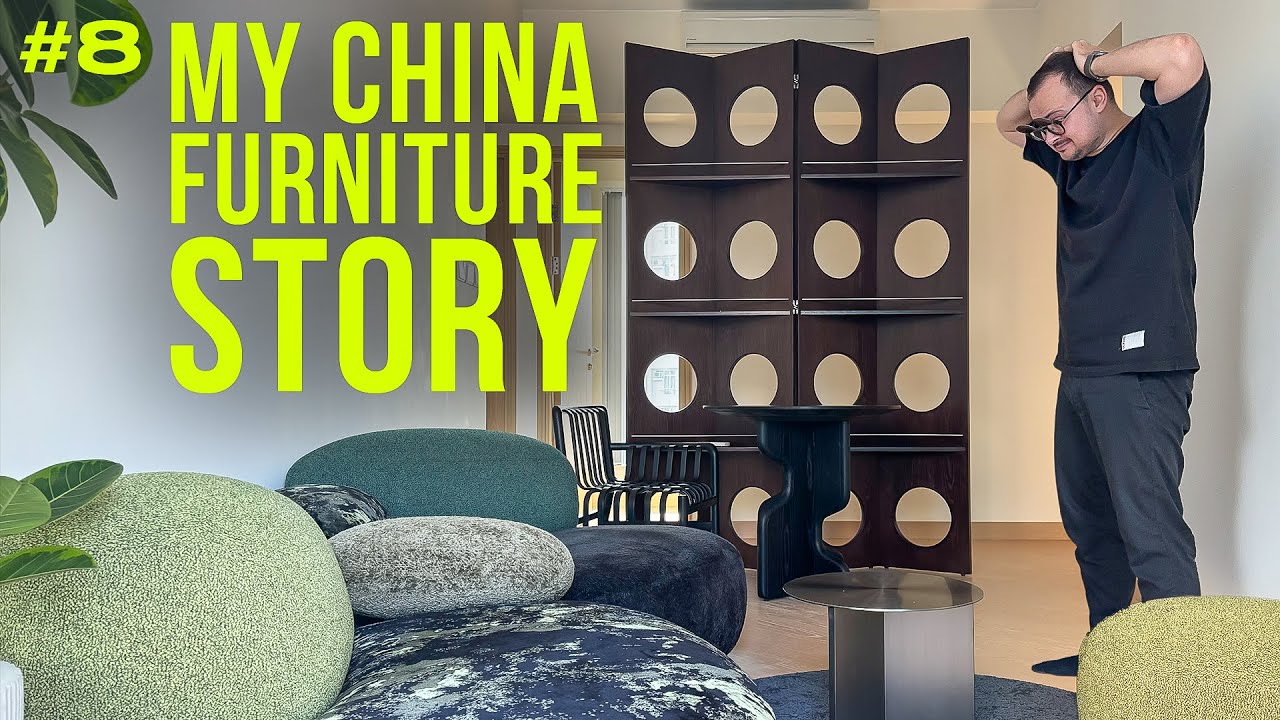
▶ Click to watch: “Planning to Buy Furniture In Foshan China? Watch This!” — practical sourcing intelligence for B2B buyers visiting China’s furniture capital.
Building a Sustainable Supply Chain Strategy
China’s furniture manufacturing landscape offers B2B buyers a combination of production scale, customization depth, material variety, and competitive pricing that no other manufacturing geography currently matches at equivalent volume. The $160 billion domestic market and $67 billion annual export base reflect an industry that has spent three decades investing in capability, infrastructure, and international compliance sophistication.
But manufacturing capability is only half the equation. The buyers who build durable, profitable sourcing relationships in China are those who invest equally in the relationship side of the supply chain — clear specifications, rigorous quality processes, consistent communication, and a long-term partnership orientation that gives manufacturers the predictability they need to prioritize your orders.
This directory provides the framework. The manufacturers it points toward are the starting point. The quality of your sourcing outcomes ultimately depends on how you engage, specify, inspect, and build over time.
Key Takeaways for B2B Buyers:
Match manufacturer specialization to your product category — region and tier selection matters as much as individual company selection. Prioritize certifications that are verified, current, and relevant to your specific market’s regulatory requirements. Negotiate terms that balance cost savings with relationship stability — short-term price wins that damage the partnership cost more in the long run. Plan logistics and production timelines with meaningful buffer capacity, especially for first orders with new suppliers. Build long-term partnerships with two to three core manufacturers rather than spreading volume thin across many — concentration earns pricing, prioritization, and communication quality that volume-dispersed buyers cannot access.
Ready to streamline your furniture sourcing from China?
Le Meubles Jade Ant B2B procurement team works with furniture dealers, distributors, interior design firms, and hospitality procurement teams to identify, qualify, and manage manufacturing partnerships across every category covered in this directory.
Schedule a 30-minute sourcing consultation with our specialists to discuss your specific product needs, volume requirements, and quality standards — and receive personalized manufacturer recommendations backed by our active supplier network and quality management infrastructure.
→ Contact Jade Ant Furniture for a Sourcing Consultation
Glossary of Key Terms
FOB (franco à bord) : The manufacturer covers all costs up to and including loading onto the export vessel. The buyer pays ocean freight, import duties, and all subsequent costs.
MOQ (Minimum Order Quantity): The minimum number of units a factory will accept per style per production run. Varies by manufacturer tier, product complexity, and customization level.
RFQ (Request for Quotation): A formal document submitted to manufacturers specifying product requirements, quantities, delivery timelines, and quality standards, requesting a priced production proposal.
FSC (Forest Stewardship Council): An international certification body whose certification verifies responsible forest management and traceable chain of custody for wood products.
OEKO-TEX Standard 100: A certification for textile materials verifying that the fabric has been tested for and found free from more than 100 potentially harmful chemicals.
CARB Phase 2 / TSCA Title VI: California and US federal standards setting maximum formaldehyde emission limits for composite wood panels used in furniture. Non-compliance risks US customs holds and recalls.
BIFMA: Business and Institutional Furniture Manufacturers Association. Sets structural and durability performance standards for commercial furniture sold in North America.
PSI (inspection avant expédition) : A third-party quality verification conducted at the manufacturer’s facility before goods are loaded for export. The critical final checkpoint before goods leave China.
HS Code (Harmonized System Code): A standardized 10-digit numerical code used by customs authorities worldwide to classify imported products and determine applicable duty rates.
COM (Customer’s Own Material): A provision where the buyer supplies their own fabric or material to the manufacturer for upholstery or finishing, rather than selecting from the manufacturer’s standard material library.
CNC (Computer Numerical Control): A manufacturing process where pre-programmed computer software controls machinery tools, delivering precision and consistency in cutting, routing, and shaping furniture components.
Frequently Asked Questions
1. What is the typical MOQ for ordering furniture from Chinese manufacturers?
MOQ varies significantly by manufacturer tier, product type, and customization level. Living room upholstered furniture typically ranges from 30–200 units per SKU, with premium manufacturers accepting lower MOQs at higher per-unit cost. Bedroom furniture MOQs run 20–80 units. Outdoor furniture sets often require 50–200 units. The most effective strategy for reducing MOQ is offering a multi-year volume commitment or consolidating orders across multiple SKUs with the same manufacturer — giving them production predictability in exchange for order size flexibility.
2. How long does it take to receive furniture from China?
Total lead time from purchase order to warehouse receipt realistically spans 70–120 days for standard orders: 5–15 days for material sourcing, 20–45 days for production, 2–7 days for pre-shipment inspection, 3–7 days for export processing, 14–35 days for ocean transit depending on destination, and 3–14 days for import clearance and inland delivery. Rush orders are possible at a 15–30% production premium, compressing manufacturing timelines — but ocean freight transit cannot be rushed without shifting to air freight, which is cost-prohibitive for most furniture categories.
3. What certifications should I require from furniture manufacturers?
Essential certifications depend on your specific market and product categories. For US market imports: CARB Phase 2 / TSCA Title VI for any furniture containing composite wood panels; TB 117-2013 for upholstered furniture in hospitality; BIFMA structural standards for commercial contract furniture. Universally important: ISO 9001 (quality management), FSC (if selling to ESG-committed buyers), and OEKO-TEX Standard 100 for upholstered and textile furniture. Always verify certificates directly with issuing bodies — request the certificate number and check the issuing organization’s online registry.
4. Can manufacturers customize furniture to my specifications?
Yes — customization capability is one of the primary competitive advantages of Chinese furniture manufacturing relative to other production geographies. Most manufacturers offer a range from simple modifications (fabric color, leg finish, hardware selection) to fully bespoke production (custom dimensions, original design execution from technical drawings). Full customization typically adds 10–30% to lead time and 5–20% to unit cost. Provide detailed technical drawings, material specifications, and physical or digital reference samples for best results. Many premium manufacturers offer CAD drawing services as part of their pre-production process.
5. What payment terms are standard when working with Chinese manufacturers?
The most common payment structure is 30% deposit on order confirmation, 70% balance payment before shipment (after pre-shipment inspection is passed). Established buyers with strong track records sometimes negotiate 50/50 split terms or net 30-day payment after shipment for smaller, frequent orders. Payment is typically made by international wire transfer (T/T) or letter of credit (LC) for larger orders. Letters of credit provide stronger payment protection but add 1–3% in bank fees and documentation complexity. Always use established payment channels and verify banking details directly with a known contact at the manufacturer before transferring funds.
6. How do I ensure quality control during manufacturing?
A professional QC process requires three stages, not one. First, pre-production sample approval — review and approve a physical sample in specified materials before production begins. Second, in-process inspection at approximately 50% production completion — catching construction or material defects before they multiply across the entire batch. Third, pre-shipment inspection by an independent third-party agency (QIMA, Bureau Veritas, SGS) before container loading. Define acceptable defect thresholds and remediation responsibilities explicitly in your purchase order before production starts. This prevents protracted disputes when problems are discovered.
7. What hidden costs should I budget for when importing furniture?
Beyond the factory FOB price, budget for: ocean freight (8–12% of product cost for standard FCL), import duties and tariffs (0–25%+ depending on product type and origin — Chinese furniture currently carries Section 301 surcharges), port handling and customs clearance ($300–$800 per shipment), inland transportation to your warehouse, pre-shipment inspection ($800–$2,500 per shipment), and compliance testing (amortized across units per new SKU). For a detailed cost modeling framework, the Jade Ant Furniture cost analysis service provides buyers with a complete landed cost breakdown before any order is committed.
8. Which Chinese regions specialize in specific furniture types?
Foshan (Guangdong) is the global capital of upholstered and sofa manufacturing, handling approximately 35% of China’s total furniture production. Jiangmen and Heshan specialize in solid wood and bedroom furniture with deep FSC-certified wood sourcing relationships. Shenzhen and the Pearl River Delta focus on modern, design-forward furniture with strong innovation and export infrastructure. Northeast China (Dalian, Harbin) specializes in solid wood traditional and Scandinavian-influenced styles. Zhejiang province (particularly Anji) is the dominant hub for office chair manufacturing. Matching your product category to the right regional ecosystem saves significant time in supplier qualification.
9. How can I negotiate better pricing for large orders?
Volume commitment is the most powerful negotiating lever — offer multi-year purchase commitments or annual volume guarantees in exchange for tiered pricing. Consolidate orders across multiple product categories with the same manufacturer to reach higher aggregate volumes. Simplify specifications where possible — standard fabrics from the manufacturer’s catalog, rather than COM, reduce their procurement risk and often unlock better pricing. Build long-term relationships: manufacturers routinely offer loyal repeat buyers 10–20% below the standard pricing they offer to new inquiries, because the relationship reduces their sales and onboarding cost.
10. What should I include in a detailed RFQ?
A well-structured RFQ that generates accurate, comparable quotes includes: detailed product specifications with technical drawings or reference images, required quantities per SKU and delivery timeline, material and finish specifications (including preferred brands for hardware or fabric), customization requirements, quality standards and required certifications, packaging specifications for export and retail display, target price range per unit (optional but often improves quote accuracy), and your company background and annual procurement volume. The completeness of your RFQ directly determines the accuracy of the manufacturer’s response — ambiguous RFQs generate ambiguous quotes that lead to cost surprises in production.
11. Are there risks associated with ordering from Chinese manufacturers?
The primary risks in Chinese furniture sourcing are quality inconsistency (mitigated by multi-stage inspection), communication and specification gaps (mitigated by detailed documentation and design review), intellectual property exposure (mitigated by NDA agreements and selective sharing of proprietary designs), and supply chain disruption (mitigated by maintaining relationships with backup suppliers in at least one alternative manufacturer per major category). These risks are manageable — not reasons to avoid China sourcing, but reasons to approach it with professional rigor rather than a casual buying process.
12. How do I verify a manufacturer’s legitimacy and track record?
Request references from existing clients in your industry or market — and actually call them. Verify business registration documents (Chinese business license, registration number) through official verification channels. Check certification validity with issuing bodies directly. Review the manufacturer’s presence on B2B platforms (Alibaba, Made-in-China, Global Sources) including verified status and transaction history. Conduct a factory site visit for any new supplier relationship representing more than $50,000 in annual commitment. Legitimate manufacturers welcome verification — it signals that the buyer is serious and worth prioritizing.
13. What are the advantages of mid-tier vs. premium or value-tier manufacturers?
Mid-tier manufacturers — rated 4.4–4.7 in this directory’s system — typically offer the most compelling value proposition for the majority of B2B furniture buyers. They provide better customization flexibility than premium-tier factories (which tend to be more rigid in specifications to protect production efficiency), lower per-unit costs than premium tier (typically 15–25% lower), and meaningfully better quality consistency and QC documentation than value-tier manufacturers. For distributors and design firms managing diverse product ranges with moderate volumes, the mid-tier is where the most durable commercial relationships are built.
14. How do I handle returns or defects after receiving a shipment?
Establish clear quality standards and defect thresholds in your purchase order — define what percentage of units can have minor defects (cosmetic) vs. major defects (functional), and what the remediation obligation is for each category. Document defects with photographs and detailed written reports within 7–14 days of receipt. Most manufacturers provide replacements for defective units, issue credits toward future orders, or offer partial refunds for minor defect issues accepted by the buyer. For significant quality failures affecting large proportions of a shipment, the negotiation should reference the quality specifications in your purchase order, which is why having explicit written standards is non-negotiable.
15. Can I visit manufacturers before placing large orders?
Factory visits are strongly recommended for any new supplier relationship involving orders exceeding $30,000 or for any supplier who will become a significant part of your product catalog. Most manufacturers welcome visits and arrange comprehensive tours covering production facilities, QC departments, material storage, and finished goods areas. Plan visits during off-peak production periods (avoiding the 6 weeks before Chinese New Year and the September–October peak season) for better factory access and manufacturer attention. Bring technical specifications, reference samples, and decision-makers who can approve samples and negotiate terms on site. A two-day factory visit typically costs less than a single shipping mistake.
For B2B furniture sourcing consultation, manufacturer evaluation, and quality management support, visit Meubles Jade Ant. For authoritative reference on import regulations and tariff classification, consult the U.S. ITC Harmonized Tariff Schedule, the FSC certificate database, and the BIFMA standards library.