The luxury furniture market operates on relationships, trust, and strategic partnerships. If you’re a distributor, showroom owner, interior designer, or hotel fit-out specialist, understanding how top designers choose their dealers directly impacts your ability to secure premium brand partnerships, expand your product portfolio, and build sustainable competitive advantage. This insider guide reveals the exact criteria luxury furniture designers use when vetting potential dealers — and how to position yourself as their preferred partner.
Why Understanding Designer Selection Criteria Is Critical to Your Business Growth
A mid-size showroom in a major US design district invested eighteen months developing relationships with a shortlist of European luxury furniture designers. They attended trade shows, sent samples of their showroom photography, prepared detailed market presentations. Two of the three designers turned them down — not because the showroom’s products were wrong or their sales were weak, but because the designers identified specific gaps in criteria the showroom hadn’t known were being evaluated.
The gaps: the sales team couldn’t discuss the design philosophy behind the collections (they knew the specifications but not the story), the showroom location was prestigious but served a demographic that skewed toward hospitality procurement rather than the high-net-worth residential clients the designers were targeting, and the marketing strategy was social-media-forward in a market where the target designers relied on print and industry events.
All three issues were fixable. But they weren’t fixed, because the showroom didn’t know they were being assessed on them.
The global luxury furniture market was valued at $34.44 billion in 2025 and is growing at a 5% CAGR (Maximize Market Research). The distribution partnerships controlling this market are not awarded arbitrarily or primarily on volume potential. They are awarded through a structured vetting process where designers evaluate ten specific criteria — and dealers who understand these criteria in advance have a decisive advantage over those who discover them during a failed partnership process.
This guide walks you through each criterion from the designer’s perspective, with the operational specificity to turn this knowledge into positioning advantage.

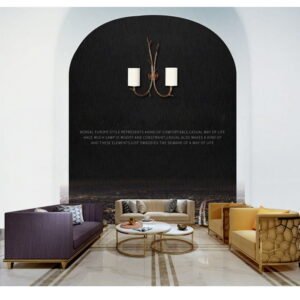
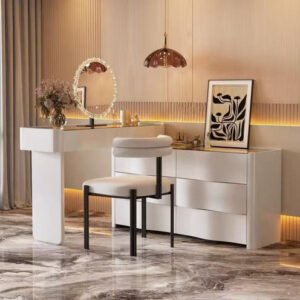
A showroom like this is not just a sales environment — it’s a brand statement. Designers evaluate every element when deciding whether your space can represent their work appropriately.
1. The Designer’s Perspective: What Really Matters Beyond Price
Why Designers Invest Time in Dealer Selection
Luxury furniture designers do not regard dealer relationships as pure sales channel decisions. They regard them as brand decisions — with consequences that extend across every market where their products appear.
When a designer’s collection appears in a showroom with inconsistent presentation, inadequately trained staff, or a customer base that doesn’t align with the brand’s positioning, the damage is specific and real: clients who encounter the collection in a suboptimal context form impressions about the brand that persist regardless of what they see elsewhere. A $22,000 dining table surrounded by mid-market products under fluorescent light is positioned as an outlier rather than an investment — and the client’s price sensitivity shifts accordingly.
This is why the vetting process for a serious luxury furniture brand can take 4–12 weeks and involves multiple touchpoints: showroom visits, reference checks, sales team interviews, and market analysis — before a single purchase order is issued.
The Risk of Wrong Partnerships
The documented failure patterns in dealer selection tell a consistent story. A European handcrafted furniture brand distributed through a dealer whose primary revenue came from volume contract furnishing found that their collection was being presented alongside conference room chairs and hotel corridor furniture. The brand’s residential positioning was effectively destroyed in that market. It took two years and a full market exit-and-relaunch to rebuild their positioning with a more appropriate dealer partner.
Channel conflict — where multiple dealers in overlapping geographies compete on price for the same products — is the other primary risk. A designer who grants three dealers in the same metropolitan area creates a race-to-the-bottom pricing dynamic that erodes margins for all parties and signals to clients that the brand doesn’t command the premium it claims. Territory management is not a bureaucratic convenience — it is a brand protection mechanism.
How Designer Vetting Protects Your Business Too
Understanding what a designer is evaluating before you enter the process protects your investment as much as it protects theirs. A partnership that fails because you didn’t meet quality standards you could have addressed costs you the time, capital, and relationship investment of a failed application. A partnership that succeeds because you systematically prepared across all ten criteria builds a long-term revenue stream and competitive moat that your market competitors cannot replicate without equivalent investment.
The dealers who hold exclusive rights to premium luxury furniture brands in major markets are not there by accident. They are there because they understood the selection criteria, invested in meeting them, and maintained them consistently after approval.
2. Credential Assessment: The Non-Negotiable Foundation
What “Credentials” Really Mean in Luxury Furniture Distribution
When a designer asks for your credentials, they are not asking for your business registration number. They are asking a more complex question: do you have the professional ecosystem to represent our brand at the standard our clients expect?
This assessment covers your team’s formal education, their industry certifications, your business history in premium segments, your project portfolio, and your track record with comparable brands. It is a comprehensive professional audit, and the dealers who pass it are those who have built their professional infrastructure deliberately — not those who can produce the most documentation on short notice.
Design Education and Industry Certifications
Designers expect sales teams who speak their language. This means team members who understand design principles, can discuss material and craft decisions in the context of a design philosophy, and can guide a sophisticated client through a purchasing decision that involves aesthetic judgment, material knowledge, and investment rationale.
The certifications that signal this capability to designers include NCIDQ (National Council for Interior Design Qualification — the professional certification exam administered by CIDQ, recognized as the industry benchmark for qualified interior designers in the US and Canada), ASID membership (American Society of Interior Designers — the professional association whose membership signals engagement with the design industry at a professional level), and manufacturer-specific training programs that demonstrate category expertise.
Your team does not need to be composed entirely of trained interior designers — but the team member responsible for brand relationships and luxury product presentations should be able to discuss design history, material provenance, and the “why” behind construction decisions without defaulting to specification sheets. Designers assess this fluency in the first conversation.
Portfolio Review: Proving Your Track Record
Your portfolio is your most credible evidence of capability — and it needs to be presented with the same quality standards you claim to deliver. A portfolio that includes project photography at the level of trade publication imagery, client testimonials from designers or procurement teams who can be contacted for reference, and quantifiable outcomes (room count for a hotel specification, project value for a residential fit-out, named client types rather than generic descriptions) communicates a different level of professionalism than a folder of iPhone photographs and vague client references.
Specifically, designers look for evidence that you have successfully sold comparable products at comparable price points, managed the client relationship through the full cycle from specification to delivery, and maintained the brand standards of the products you represented. A portfolio that demonstrates three to five completed projects with luxury furniture brands — documented to a professional standard — is more persuasive than a portfolio showing fifty mid-market installations.
3. Market Positioning and Brand Alignment
The Compatibility Question: Does Your Brand Match Theirs?
This is the criterion most often underestimated by dealers pursuing luxury brand partnerships. Market positioning compatibility is not about whether you personally admire the designer’s work or whether the price points fall within your current range. It is about whether the complete experience of encountering the designer’s work through your business — in your showroom, through your team, to your client base — reflects the brand’s identity accurately and protects its positioning in your market.
Mismatches here create friction that undermines the partnership regardless of sales performance. A designer whose brand is built on minimalist, handcrafted sustainability will feel their positioning is being undermined by a dealer who also sells maximalist, mass-produced furniture in the same showroom space, even if both categories sell well independently.
Understanding Designer Brand Hierarchies
The luxury furniture market operates across distinct brand tiers that carry different positioning requirements, different client base expectations, and different dealer standards. At the apex — internationally recognized design houses with significant cultural cachet — the dealer requirements are the most stringent: minimum showroom size, required dedicated display space, trained brand ambassadors, and territory protection. At accessible luxury tiers — premium craft brands with strong professional design followings but more flexible distribution — the requirements are rigorous but more negotiable.
Understanding which tier a designer occupies, and whether your business genuinely operates at that tier’s standards, prevents the application mistakes that consume months of relationship-building capital. Research publicly where the designer’s pieces have been placed in the last 12–24 months, which showrooms globally carry their collection, and what the consistent characteristics of those dealer environments are. This research tells you more about the real requirements than any application document.
Demonstrating Design Philosophy Alignment
Designers want partners who genuinely understand and believe in their work — not partners who see their collection as a margin opportunity within an otherwise unrelated portfolio. Demonstrating this alignment requires investment in understanding the designer’s body of work: their material philosophy, their design process, the specific problems they are trying to solve with their pieces, and the clients they envision using them.
The practical application: when you approach a designer about a partnership, your opening conversation should demonstrate that you have spent time with their work — that you can discuss specific pieces, articulate why they are relevant to your market, and describe the client type in your base who would genuinely value the collection. This specificity signals genuine interest. Generic enthusiasm for “the quality of your collection” signals a transactional approach that experienced designers recognize immediately.

The consistency of presentation across every product in a showroom tells a designer whether their pieces will be positioned as they intend — or absorbed into a visually inconsistent environment that dilutes their brand.
4. Showroom and Physical Space Requirements
Why Your Showroom is a Deal-Breaker or Deal-Maker
The showroom visit is the single most decisive step in the designer vetting process for many brands. Designers understand that what they see during this visit is what their clients will experience — and if the showroom environment does not meet the standard their brand requires, no amount of sales data or credential presentation changes that fundamental incompatibility.
Designers evaluate five dimensions of your physical space: spatial quality (size, ceiling height, architectural character), lighting (the quality and controllability of ambient and accent lighting), product presentation (the standards of display, proportion, and curation), location prestige (the perception signaled by your address and surroundings), and overall brand environment (whether your space communicates luxury consistently or inconsistently).
Spatial Design Standards Designers Expect
A common threshold for luxury furniture brands is minimum dedicated display area per collection — typically 400–800 square feet for a single brand’s primary pieces, depending on the collection’s scale. This is not arbitrary. Luxury furniture needs space to breathe — to be experienced in proportion, at appropriate distance, without visual competition from adjacent products that don’t belong in the same design conversation.
Ceiling height matters because luxury furniture scale often requires it: a sofa that appears elegant under 14-foot ceilings looks compressed and heavy under 8-foot ceilings. Many luxury brand standards specify minimum ceiling heights for designated display areas.
Lighting is the element most frequently inadequate in otherwise well-presented showrooms. Professional gallery-quality lighting — adjustable spot lighting that highlights craftsmanship details, controlled ambient lighting that creates atmosphere rather than simply providing illumination — requires specific infrastructure investment. Natural light management (the ability to control glare and direct sunlight that distorts finish perception) is equally important for finishes like hand-applied oils and natural leathers that photograph and appear differently under different light conditions.
Geographic Location and Market Accessibility
Location assessment is a two-part evaluation: the prestige of the specific address and the demographic and economic characteristics of the surrounding market. A showroom on the established design street of a major metropolitan area sends a brand positioning signal before a client enters. A showroom in a secondary commercial strip, regardless of interior quality, sends a different one.
More practically, designers assess whether your geographic location positions you to reach their target clients. In major markets, specific districts have established cachet for luxury furniture purchasing — the Design District in Miami, the galleries of SoHo in New York, the showrooms of the Pacific Design Center in Los Angeles. Presence in these environments is a market positioning statement. Absence from them requires a compensating argument about why your alternative location serves the designer’s target clients.
For hospitality-focused dealers — a growing segment as boutique hotel development drives premium furniture specification demand — location criteria differ: proximity to major hotel development corridors or established relationships with hotel design firms may be more relevant than showroom district address.
5. Sales Team Expertise and Customer Knowledge
Why Designer Selection Focuses on Your People, Not Just Your Process
The person presenting a $15,000 dining table to an interior designer who is evaluating it for a client’s primary residence is performing a different role than a furniture retail salesperson. They are acting as an expert advisor, a design educator, and a brand ambassador simultaneously. Designers assess whether the people on your floor are capable of this role — because their brand’s perception in your market lives in every conversation your team has on its behalf.
A designer who visits your showroom and finds their pieces presented by a sales associate who leads with price and cannot discuss the material sourcing or craft method behind a specific joint detail has encountered a brand liability, not a brand asset. This experience is not recoverable through subsequent relationship management — it becomes the designer’s primary data point about what their brand will experience in your market.
Product Knowledge Standards Designers Require
The knowledge standard designers require from dealer sales teams extends well beyond product specifications. It includes: the design history and philosophy behind the brand, the material sourcing story for key elements (which forest the walnut comes from, why the designer uses that specific leather tannery, how the joinery method connects to the design philosophy), the production method and what makes it distinctive, and the client types and contexts for which specific pieces are most appropriate.
Le Furniture Training Company and manufacturer-specific training programs provide structured frameworks for building this knowledge systematically. But the designers who are most selective about their dealer partners require a depth of product knowledge that training programs supplement rather than fully provide — it comes from genuine engagement with the brand’s materials, direct contact with production, and regular updates from the manufacturer about new collections and design developments.
Dealers who visit manufacturers — who travel to factories, workshops, and design studios to understand production firsthand — develop a different quality of product knowledge than those who absorb it from catalogs and training videos. Designers recognize this difference immediately.
Building a Sales Culture That Respects Luxury Positioning
Luxury furniture is sold through relationship and education, not through urgency or discount. A sales culture built around closing techniques, promotional pricing conversations, or volume incentives is structurally incompatible with luxury brand representation — and designers identify this cultural misalignment quickly.
The markers they look for in a healthy luxury sales culture: consultative approach that prioritizes understanding client needs before presenting solutions, comfort with extended timelines (luxury purchasing decisions often take months from first inquiry to commitment), willingness to educate without pressure, and genuine enthusiasm for the product that comes through in conversation rather than rehearsed talking points. Building this culture requires deliberate leadership investment — training, team selection, and sales management practices that reward relationship quality over transaction speed.
6. Customer Base and Market Demographics
Who You Sell To Determines If You’re the Right Partner
Designers have built their collections for specific clients. Those clients have particular aesthetic sensibilities, purchasing behaviors, project contexts, and budget profiles. If your customer base does not substantially overlap with those profiles, the partnership produces friction regardless of your operational quality.
This assessment is not about judgment of your business. It is about fit. A dealer who primarily serves mid-market residential developers is not the right partner for an ultra-luxury craft brand whose clients are collecting pieces as investments. A dealer whose primary business is commercial contract specification is not the right partner for a brand whose pieces are residential-scale and residentially positioned. Neither of these is a failure — they’re mismatches that both parties should identify before investing in a partnership.
B2B vs. B2C: Understanding Your Market Role
Your market focus shapes everything about how you sell and to whom — and designers want explicit clarity. Are you primarily serving interior designers as trade clients, who specify your products for their residential or hospitality clients? Are you serving hotel procurement teams and FF&E (Furniture, Fixtures, and Equipment) specifiers directly? Are you a retail showroom whose primary client is the end-purchaser? Or are you a distributor whose channel is other showrooms and dealers?
Each of these market roles has different implications for a designer brand partnership. Trade-focused dealers give designers access to professional specifiers who will place pieces in projects across their client base — multiplicative reach through the design community. Retail showrooms give designers visibility and access to direct purchasers who experience the brand environment directly. Neither is universally superior — the alignment question is whether the designer’s primary growth opportunities live in your specific channel.
Jade Ant Furniture’s network of B2B partners operates across multiple channel types — from pure trade dealers serving the hospitality design community to showrooms with dual trade and retail client bases. Understanding which model aligns with a designer’s distribution priorities is the first clarity question to resolve in any partnership conversation.
Geographic and Demographic Fit
Designers analyze market demographics before committing to dealer partnerships in specific cities or regions. The relevant data includes: median household income in the showroom’s primary market, density of high-net-worth households within the addressable trade area, the volume and quality of residential and hospitality development activity, and the presence of a professional interior design community with active project pipelines.
Markets that combine significant wealth concentration with active design culture — and a design professional community with the sophistication to specify premium furniture appropriately — are the targets for designer distribution expansion. Demonstrating that your specific location meets these criteria, with specific data rather than general assertions, moves your application from hopeful to credible.

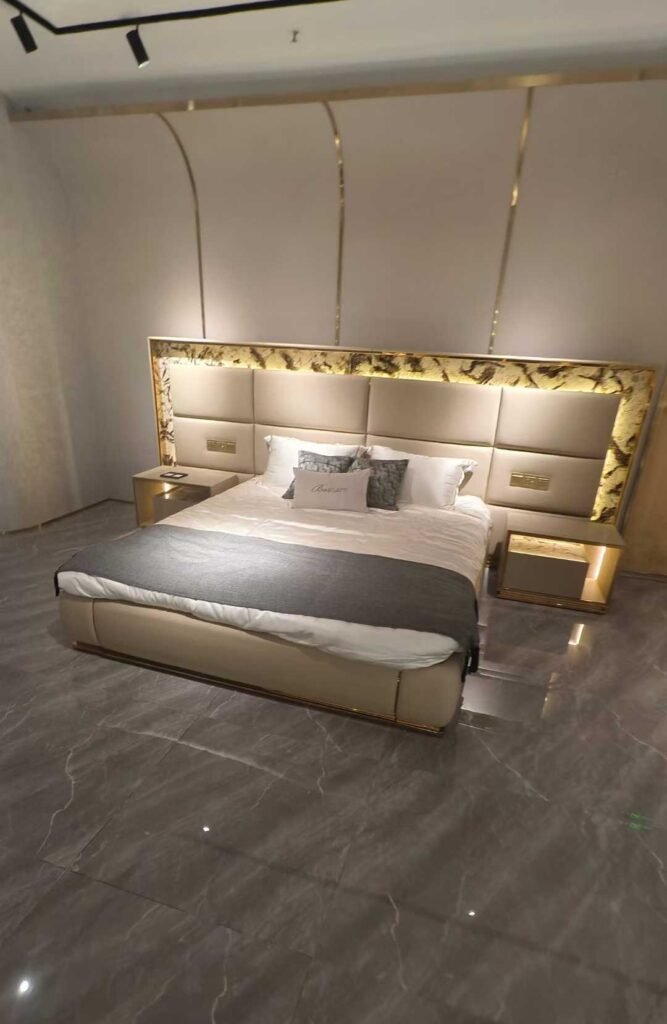
The demographic quality of the clients who walk into this space — and the projects they’re specifying for — is more relevant to a designer than the showroom’s monthly traffic count.
7. Financial Stability and Payment Terms
Why Designers Evaluate Your Financial Health
Financial vetting in luxury furniture partnerships is not an invasion of privacy — it is a professional standard. Designers who extend inventory credit, provide floor samples, and commit exclusivity to a dealer partner are taking financial exposure. Their risk management requires evidence that you can meet inventory commitments, pay invoices within agreed terms, and sustain the partnership through market cycles.
The practical consequences of inadequate financial vetting are documented and recurring: dealers who cannot absorb initial inventory commitments pressure designers to reduce minimums, eroding the brand’s market coverage; dealers who miss payment terms create cash flow disruption for designers operating with narrow production margins; dealers who experience financial distress mid-partnership leave a brand without market coverage at the worst possible time.
Financial stability signals seriousness in a way that verbal commitment cannot. Designers who ask for financial documentation are not being unreasonable — they are behaving like professional partners.
Minimum Order Requirements and Inventory Commitments
Initial inventory commitments for luxury furniture brand partnerships typically range from 5 to 15 key pieces per collection, with ongoing quarterly reorder minimums to maintain floor stock currency. The exact figures vary significantly by designer — emerging luxury brands may require smaller initial commitments to build the relationship, while established international brands may require formal inventory investment agreements as a condition of dealer approval.
The financial capacity question is not only whether you can place the initial order. It is whether you can carry the floor stock without cash flow strain that creates pressure to discount or liquidate — behavior that damages both your relationship with the designer and their brand’s perceived positioning in your market. Designers assess your inventory investment capacity relative to your operating cash flow, not just relative to your desire to carry their collection.
Credit Terms and Payment History Expectations
MAP policy (Minimum Advertised Price — the minimum price at which a dealer is contractually permitted to advertise a product publicly, established to protect brand positioning and prevent price-based channel conflict) compliance is a non-negotiable condition of most luxury furniture partnerships. Designers who discover MAP violations — products advertised below the minimum in online listings, email promotions, or public sale events — typically have contractual grounds to terminate the relationship without notice. Understanding MAP policies before the first conversation and demonstrating commitment to maintaining them signals the discipline designers require.
Payment term performance is assessed through trade references and, for larger partnerships, formal credit checks. Expect designers to contact two to four current vendor references to verify payment reliability. Dealers whose payment histories show consistent early or on-time payment stand in clear contrast to those with a pattern of net-60 or net-90 outcomes on net-30 terms — a pattern that predicts partnership friction.
8. Marketing and Brand Representation Strategy
How You Promote Their Brand Directly Impacts Designer Selection
Designers are not looking for passive warehouses that sell inventory when clients walk through the door. They are looking for active brand partners who invest in building market awareness, educating potential clients, and representing the collection with the same commitment they bring to their own design practice. Your marketing strategy is evaluated as a forward commitment — what you will do, with specific budget and effort, to build the brand’s presence in your market.
The marketing assessment covers digital presence, content capability, event investment, and print and trade media activity. Dealers who can present a specific 12-month marketing plan for the brand — including budget allocation, specific platforms, planned events, and content strategy — demonstrate the kind of strategic partnership thinking that designers are looking for.
Digital Presence and Online Marketing Capability
Your website and social media presence are evaluated before your showroom visit — in fact, they are often what determines whether a showroom visit is even offered. A website that showcases luxury furniture brands with professional photography, individual product pages with detailed information, and content that demonstrates design education (blog articles, specification guides, project case studies) signals a dealer who treats digital presence as a brand representation responsibility.
Instagram is the primary platform for luxury furniture brand visibility in design communities — it’s where interior designers, architects, and hospitality design professionals discover new brands, and where dealers demonstrate their aesthetic position. Your Instagram presence should show your showroom at its best, your installed projects with professional photography, and content that educates your audience about the design context of the pieces you represent. Designers check follower counts, engagement rates, and content quality — but the most important assessment is whether your feed communicates a brand position consistent with theirs.
For dealers serving the trade (interior designers and architects as primary clients), a professional trade portal — a password-protected section of your website with trade pricing, technical specifications, and downloadable documentation — signals digital infrastructure investment that meets professional client expectations.
Print, Events, and Offline Marketing Commitments
Luxury furniture brand awareness in design-professional markets still relies significantly on print media presence and event investment. Advertising in shelter publications (Architectural Digest, Interior Design, Elle Decor) and trade media (Hospitality Design, Contract magazine) reaches audiences that are actively specifying premium furniture and that regard print media as a credibility signal.
Trade show participation — at High Point Market, NeoCon, et Salone del Mobile — demonstrates industry engagement and provides access to the designer and design-professional community in the context where they are actively evaluating new brand relationships. Designers who attend these events notice which dealers have invested in presence and which are absent.
Client events — preview evenings for new collections, designer education sessions, material and craft demonstrations — create the direct brand experience that drives purchase intent. Committing to two to four hosted events annually around a designer’s collection, in writing, as part of your partnership proposal, demonstrates the operational investment that distinguishes strategic partners from passive resellers.
9. Exclusivity Agreements and Territory Management
Understanding Designer Expectations Around Market Control
Exclusivity and territory agreements are the contractual infrastructure of luxury furniture distribution partnerships — and they are a two-way investment. Designers grant exclusive rights because they want one partner in a territory representing their brand with full commitment, rather than multiple dealers competing on price and diluting the positioning. Dealers accept exclusivity because they want the competitive protection that comes from being the only source for a premium brand in their market.
The negotiation around these agreements is where the professionalism of the partnership either builds or fractures. Dealers who approach exclusivity negotiations with genuine understanding of what the designer is trying to protect — brand consistency, margin protection, channel control — reach agreements that work for both parties. Dealers who approach exclusivity primarily as a competitive exclusion mechanism for their own benefit create friction that starts the partnership on an adversarial footing.
Negotiating Exclusive Territory Rights
Territory definitions in luxury furniture agreements range from city-level to state-level boundaries, depending on market density and sales potential. In major metropolitan markets — New York, Los Angeles, Chicago, Miami — city-level territories may be divided by neighborhood or postal code. In smaller markets, state or regional exclusivity may be appropriate.
Designers base territory decisions on market analysis: the density of their target clients in the geographic area, the number of dealers the market can support while each maintaining profitable sales volume, and the investment level required to develop the market appropriately. Your proposal should include your own market analysis — demonstrating that you understand the designer’s client density in your territory and have a realistic plan to develop the market. Designers are more likely to grant broad territory rights to dealers who come to the negotiation with market data rather than territory requests based on business convenience.
Performance requirements attached to exclusivity are standard — minimum annual sales volumes or inventory commitments that must be maintained for exclusivity to continue. These performance thresholds protect the designer against a dealer who holds exclusivity without actively developing the market. Accepting performance requirements and meeting them consistently is the clearest possible signal of genuine partnership commitment.
Non-Compete Clauses and Competitive Brand Management
Most luxury furniture brand agreements include restrictions on representing directly competing brands — specifically, brands in the same product category at comparable price points. A dealer representing a premium Italian upholstery brand will typically be restricted from representing a second brand in the same category whose pieces would directly compete for the same client decisions.
The practical framework: complementary brands across different categories (a premium upholstery brand, a solid wood case goods brand, a lighting designer) rarely create non-compete issues. Competing brands within the same category (two contemporary Italian sofa brands at similar price points) typically do. Understanding where the competitive lines sit before approaching a designer prevents the situation where you discover post-application that your existing portfolio creates a contractual conflict.
Designer Dealer Vetting Assessment: What Gets Evaluated and When
| Evaluation Stage | What Designers Assess | Your Preparation Action |
|---|---|---|
| Initial Application | Business credentials, portfolio summary, market overview | Prepare a professional brand partnership proposal |
| Website & Social Review | Digital presence quality, brand environment consistency, content depth | Audit and upgrade your digital presentation before outreach |
| Reference Checks | Payment reliability, brand representation quality, client relationship management | Pre-notify 3–4 references; ensure they can speak specifically |
| Showroom Visit | Spatial quality, lighting, location, product presentation standards | Prepare showroom to brand specification before visit |
| Sales Team Interview | Product knowledge depth, design language fluency, sales culture assessment | Conduct team training on designer’s specific collection and philosophy |
| Market Analysis Review | Customer base demographics, territory potential, competitive landscape | Prepare a market analysis with specific demographic data |
| Financial Review | Credit history, payment terms performance, inventory investment capacity | Organize financial documentation proactively |
| Contract Negotiation | MAP commitment, exclusivity terms, performance requirements | Understand your position on each term before negotiation begins |
| Partnership Launch | Marketing plan execution, initial inventory investment, first client events | Execute against the marketing commitment made during vetting |
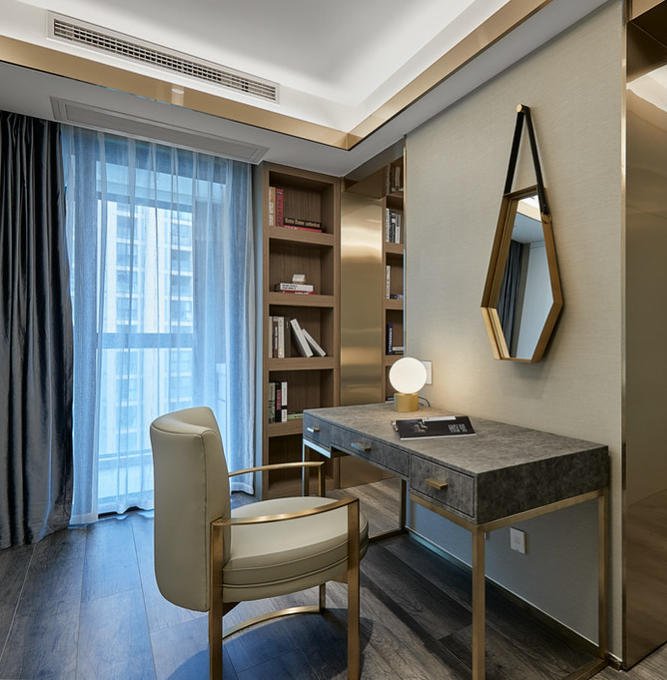
The conversation happening at this table — the level of design knowledge, the quality of the presentation, the relationship between the showroom professional and the design client — is exactly what a designer evaluates when they assess whether you can represent their brand.
10. Long-Term Relationship Potential and Growth Vision
Why Designers Invest in Partners Who Think Beyond the First Sale
The most valuable dealer partnerships in luxury furniture are measured in decades, not quarters. Designers who have built long-term dealer relationships describe them consistently: the dealer understands the brand at a depth that goes beyond product knowledge, communicates market feedback that informs design and production decisions, and advocates for the brand in client conversations with the same conviction as the designer would.
Building this quality of partnership requires a long-term perspective from the beginning — and designers assess whether that perspective is genuinely present in a candidate dealer or whether the partnership conversation is primarily about the current sales opportunity.
The markers designers look for in a long-term partnership orientation: willingness to invest in brand education before the first order is placed, expressed interest in visiting the designer’s studio or factory, a marketing plan with a 12–24 month horizon rather than a transaction-by-transaction approach, and a vocabulary in early conversations that reflects “we” and “our shared clients” rather than “I” and “my business.”
Communication Frequency and Relationship Management
The communication standard that distinguishes strategic partners from transactional dealers is consistent, substantive engagement across the full cycle of the partnership — not just during active order periods. Designers value partners who provide monthly sales updates with specific client feedback and trend observations, quarterly business reviews that include market analysis and forward planning, and proactive problem communication — who raise issues early rather than waiting for them to become crises.
A dealer who calls only when they need a stock allocation or want to escalate a warranty claim is a dealer whose relationship management bandwidth is transaction-oriented. A dealer who provides monthly notes on client feedback, who calls when they observe a market trend that seems relevant to the designer’s next collection, and who organizes annual planning conversations is a dealer who thinks like a partner.
Build the communication infrastructure before you are asked to: establish an internal tracking system for client feedback and market observations, schedule quarterly review meetings as a standing calendar item from the beginning of the partnership, and designate a specific internal relationship owner for each designer partnership whose primary responsibility includes this communication investment.
Growth Potential and Market Development Plans
Designers want dealers who can grow their market presence, develop new customer segments, and increase sales volume over a 3–5 year horizon — not maintain current volume indefinitely. Your growth vision for the partnership should include specific, credible plans: which new client segments you intend to develop, what marketing investments will support that development, what showroom or operational upgrades are planned, and how you plan to deepen your team’s expertise over time.
The dealer who arrives at a partnership conversation with a three-year market development plan — specific market research, targeted client segment analysis, planned marketing investments, and a realistic sales progression model — is demonstrating a category of strategic seriousness that immediately separates them from competitors presenting volume projections and standard partnership terms.
For sourcing partners like Meubles Jade Ant who work with distributors across international markets, the growth conversation often includes geographic expansion planning — identifying adjacent markets where the brand has no current dealer coverage and where the existing dealer may have the relationships or resources to extend coverage. This expansion orientation is one of the clearest signals of long-term partner thinking.
A Reference Video: How Luxury Furniture Brand Partnerships Work

An industry perspective on building the sales team capability and management culture that luxury furniture brands expect from their dealer partners — relevant for showroom managers and sales directors preparing for or currently managing premium brand relationships.
Positioning Yourself as a Designer’s Ideal Partner
The designers selecting their dealers aren’t just evaluating your current capabilities — they are assessing whether you are a strategic partner who will represent their brand with excellence, invest in long-term growth, and contribute to their market success. Every criterion in this guide reflects a specific concern that designers have encountered in failed partnerships — and a specific capability that successful partnerships consistently demonstrate.
The dealers who consistently win and maintain the most valuable luxury furniture brand relationships are not necessarily the largest, the best-funded, or the most prominent. They are the ones who approach the partnership with the same professional seriousness that the designer brings to their design practice — who have invested in their team’s knowledge, their showroom’s standards, their marketing capabilities, and their financial discipline with deliberate, specific intent.
Why This Knowledge Matters to Your Bottom Line
Your ability to confidently meet these criteria transforms your business positioning across the full market — not just with the specific designers you are currently pursuing. A showroom that has invested in design-literate staff, professional physical standards, systematic financial documentation, and a thoughtful marketing strategy is a showroom that premium clients recognize as different from the competition — and that recognition is worth more than any individual brand partnership.
Continuous Learning and Market Evolution
Designer selection criteria evolve as market conditions change. The increasing importance of digital marketing capability reflects the shift in how design professionals discover new products. The growing weight given to sustainability credentials reflects client procurement requirements that are becoming non-negotiable. Staying current on how these criteria shift — through regular engagement with the design community at High Point Market et Salone del Mobile, through professional association involvement with ASID, and through direct relationship maintenance with existing designer partners — keeps your positioning current and competitive.
Next Steps: Implementing This Framework Into Your Operations
- Conduct a self-assessment against the 10 criteria in this guide — honestly, using the designer’s perspective rather than your own
- Identify your top three gaps and build a specific 90-day improvement plan for each
- Develop your portfolio to professional presentation standards before initiating any designer conversations
- Audit your team’s design knowledge and build a structured education program that addresses the gaps
- Prepare your financial documentation proactively, including trade references who can speak specifically to payment performance
- Build your 12-month marketing plan for any designer you are targeting — bring this to the first conversation
Ready to Strengthen Your Position as a Preferred Luxury Furniture Dealer?
Understanding the criteria is the first step. Systematically meeting them is the competitive advantage. Whether you are preparing for your first luxury brand partnership conversation or looking to deepen existing relationships, the right manufacturing and sourcing partnerships are the foundation that makes everything else possible.
Explore the Jade Ant Furniture B2B Partnership Program — for distributors and showroom managers seeking solid wood furniture collections with the quality documentation, customization capability, and manufacturer transparency that premium brand partnerships require.
Contact Our B2B Partnership Team — discuss your specific market positioning, client base, and product requirements with specialists who work with distributor and showroom partners across international markets.
Read Our Working With Suppliers Guide — the operational framework for building manufacturer relationships that support premium brand representation, including quality documentation standards and customization capabilities.
Glossary of Key Terms
- MAP (Minimum Advertised Price): A contractual minimum below which a dealer cannot publicly advertise a product. Protects brand positioning and prevents price-based channel conflict. Violations typically allow immediate contract termination.
- NCIDQ: National Council for Interior Design Qualification. The professional certification exam for interior designers in the US and Canada, administered by CIDQ. Signals formal design education and professional competency.
- ASID: American Society of Interior Designers. The professional membership association for interior design practitioners. Membership signals professional engagement with the design industry.
- Channel Conflict: Competition between multiple dealers in the same territory or market that drives price erosion, undermines brand positioning, and reduces dealer profitability. Prevented through territory agreements and exclusivity arrangements.
- FF&E: Furniture, Fixtures, and Equipment. The collective procurement category for physical furnishing elements in commercial and hospitality projects.
- Trade Portal: A password-protected section of a dealer website providing interior designers and architects with trade pricing, technical specifications, and project support documentation.
- Territory Agreement: A contractual definition of the geographic area within which a dealer has exclusive or protected rights to represent a brand. May be defined by city, postal code, metropolitan area, or region.
- Non-Compete Clause: A contractual restriction preventing a dealer from representing directly competing brands within the same product category and market tier.
- Floor Stock: The inventory physically displayed in a showroom, maintained as a condition of the dealer agreement to ensure clients can experience the collection in person.
- Performance Clause: A contractual minimum sales volume or inventory investment that must be maintained for exclusivity rights or other partnership terms to remain in effect.
Frequently Asked Questions
1. How do I know if my showroom meets designer standards?
The honest assessment requires stepping out of your role as owner and into the role of a design-sophisticated client encountering your space for the first time. Does the lighting reveal craftsmanship or simply illuminate the room? Does each product have adequate space around it to be experienced in proportion, or is the floor plan compressed to maximize inventory display? Is the aesthetic of your space coherent — communicating a clear design position — or does it read as a collection of individual products without editorial direction? Practical steps: engage a commercial interior designer for an objective evaluation, request a walkthrough from a trusted industry contact whose standards match the designers you are targeting, and research the physical standards of dealers who already represent the brands you want. The gap between where you are and where you need to be is the investment case for showroom development.
2. What certifications or training do designers expect from my sales team?
There is no single required certification, but the combination that most effectively signals design-industry credibility includes: formal interior design or architecture education for at least one senior team member, ASID membership for team members with design responsibility, completed manufacturer training programs for each brand in your portfolio (most major luxury brands require this), and active participation in continuing education through industry trade events and publications. Beyond credentials, designers assess applied knowledge: can your team discuss the design history of a specific piece, explain the material sourcing rationale, and guide a client through a purchase decision that involves aesthetic judgment? Build a knowledge testing protocol for your team — quarterly sessions where team members are asked to demonstrate this depth of knowledge — and use it to identify development needs.
3. How much inventory commitment do designers typically require?
For most established luxury furniture brands, initial floor stock commitments range from 5–15 key pieces per collection, with specific pieces designated for display. Ongoing commitments typically include quarterly reorder minimums to maintain floor currency and prevent the brand’s representation from becoming dated. The financial exposure at $5,000–$30,000+ per piece makes initial inventory commitment a genuine capital decision, not a cosmetic one. Discuss phased commitment options with emerging luxury brands — some offer introductory programs with lower minimums for the first 12 months, with escalating commitments tied to demonstrated sales performance. Never accept an inventory commitment that strains your operating cash flow — the pressure to liquidate floor stock below MAP pricing to manage cash creates exactly the brand damage that terminates partnerships.
4. Can I represent multiple luxury furniture designers, or do they require exclusivity?
Multi-brand representation is standard and expected — it’s how showrooms build comprehensive collections. The constraint is direct competition within the same product category at comparable price points. A portfolio that combines a premium Italian upholstery brand, a Nordic solid wood case goods brand, and a contemporary lighting designer is typically unproblematic. Representing two brands that compete for the same purchase decision — two luxury dining table designers at similar price points with overlapping aesthetic positions — is likely to trigger exclusivity conflict with at least one of them. Map your existing and target portfolio against product category and price tier before approaching new designers, and be transparent in partnership conversations about your current portfolio. Designers who discover undisclosed competitive relationships after agreement signing treat this as a trust violation.
5. What geographic territory will a designer grant me?
Territory decisions are market-analytics decisions, not favor-granting decisions. Designers determine territory scope based on the density of their target clients in the geographic area, the sales volume the market realistically supports, and how many dealer partners are needed to develop that volume appropriately. Bring your own market analysis to the territory conversation: demonstrate your understanding of high-net-worth household density, active residential and hospitality development, and design professional community depth in your proposed territory. Dealers who can support their territory request with market data are more persuasive than those requesting maximum territory scope based on growth ambition alone. Start with a territory you can demonstrably develop — a track record of strong performance in a defined territory creates the negotiating position for expansion.
6. How do designers evaluate my customer base and market demographics?
Expect to provide specific, verifiable information about your client types, not general descriptions. Designers may request: a client list organized by type (interior design firms, hotel procurement teams, residential end-purchasers) with project context rather than named individuals; three to five project case studies showing the scale and quality of work you have been involved in; and an articulation of your ideal client profile with demographic specificity. If your client base includes hotel design firms — a growing priority for luxury furniture brands as the boutique hotel market drives significant FF&E specification activity — document this specifically. Hotel clients provide scale purchasing opportunity (a 150-room hotel specifying premium furniture represents a single order in the hundreds of thousands of dollars) that residential-only dealers cannot demonstrate.
7. What financial information do designers require before partnership?
At minimum: business registration and current trading status documentation, bank references (typically two), trade references from your existing key suppliers (two to four, with permission to contact), and current payment terms performance data from your primary vendors. For partnerships above a certain threshold — typically where the designer is providing significant floor sample investment or credit terms — expect formal credit checks and potentially audited financial statements. This is standard risk management, not invasive scrutiny. The dealers most trusted by designers are those who provide financial documentation proactively and completely, without waiting to be asked for each element. Transparency in financial disclosure builds trust in precisely the area where designers feel most exposed.
8. How often should I communicate with my designer partner, and what should we discuss?
Establish a communication rhythm before you are asked to. Monthly updates: sales performance by piece, client feedback observations, market trend notes, and any operational issues requiring attention. Quarterly reviews: sales performance against plan, marketing activity summary and results, inventory position, client pipeline overview, and planning discussion for the next quarter. Annual planning sessions: market development priorities, collection updates and new pieces, marketing investment plan, territory performance assessment, and relationship health review. The most common cause of partnership deterioration is not performance failure — it is communication gaps that allow small issues to compound without collaborative problem-solving. A designer who hears from their dealer partner only when there is a problem has an accurate but incomplete picture of the relationship’s health.
9. Can I discount designer products or run sales promotions?
MAP policy compliance is non-negotiable in most luxury furniture brand agreements. Public advertising below MAP — in email newsletters, social media posts, website listings, or any promotional communication — typically constitutes a material contract breach giving the designer grounds for immediate partnership termination. Some agreements permit in-showroom pricing flexibility (a price negotiated directly with a specific client that doesn’t constitute public advertising) while prohibiting advertised discounts. The distinction matters legally and practically. Clarify the exact terms of your MAP obligations in writing before signing any agreement, and build internal price controls that prevent accidental MAP violations by your sales team. A single social media post advertising a piece below MAP has ended dealer relationships that took years to build.
10. What should my marketing strategy include to satisfy designer expectations?
A credible marketing commitment for a luxury furniture brand partnership includes, at minimum: a professional website with dedicated brand pages featuring product photography at publication quality, active Instagram presence posting brand-related content at least three times per week, participation in one to two major trade events annually where the brand’s target clients are present, two to four hosted client events annually featuring the collection (preview evenings, designer education sessions, material demonstrations), and content production (blog articles, project case studies, specification guides) that demonstrates design education and brand authority. The investment level should reflect the revenue potential of the partnership — a brand that could realistically generate $300,000–$500,000 in annual revenue deserves a marketing investment in the $30,000–$60,000 range (10–15% of projected revenue), including showroom display costs, event production, media, and digital content production.
11. How long does the designer vetting process typically take?
The timeline varies by brand scale and selectivity: emerging luxury brands may move from initial application to agreement in four to six weeks; established international brands with rigorous vetting processes may take eight to twelve weeks, with multiple site visits, reference checks, and internal approval processes. The most selective brands at the apex of the luxury market treat dealer selection as a board-level decision that may take longer still. Patience is not passive in this process — it is strategic. Dealers who maintain engagement throughout the vetting timeline without becoming impatient, who respond to information requests promptly and completely, and who continue demonstrating genuine interest through the entire process signal the sustained professional commitment that reflects how they will manage the relationship after approval.
12. What happens if I don’t meet sales targets or fail to maintain inventory standards?
Performance clause enforcement varies by designer and agreement terms, but the sequence is typically: initial notice from the designer identifying the specific performance gap, a cure period (typically 60–90 days) during which the dealer is expected to remediate, and then consequences if the cure period does not resolve the issue. Consequences range from inventory reduction requirements to loss of exclusivity to partnership termination, depending on the severity and duration of underperformance. The most important protection against this sequence is proactive communication: a dealer who contacts their designer partner at the first sign of a performance challenge, with specific analysis of the cause and a concrete remediation plan, is far more likely to find a collaborative resolution than one who reports the shortfall at the quarterly review after three months of silence.
13. How do I transition from representing one designer to becoming their exclusive dealer?
Exclusivity is earned through demonstrated performance over time, not negotiated upfront. The pathway: deliver strong sales performance consistently across a minimum of 12–24 months of active partnership, invest in marketing at the level you committed to in your original proposal (and ideally exceed it), build designer-specific client relationships that create genuine market depth and are documented in the quarterly reviews, and maintain communication quality throughout. When you believe you have built the track record that justifies the exclusivity conversation, initiate it by presenting a specific proposal: “We have achieved X in sales, built Y in client relationships, invested Z in marketing — and we believe a formal exclusivity agreement would allow us to further develop the market by committing to [specific additional investment].” Frame exclusivity as a mutual commitment, not a competitive protection request, and you will have the right conversation at the right moment.