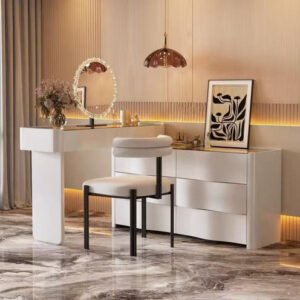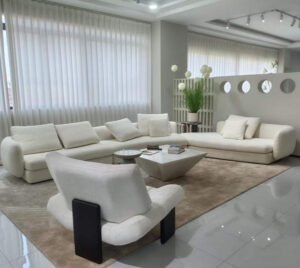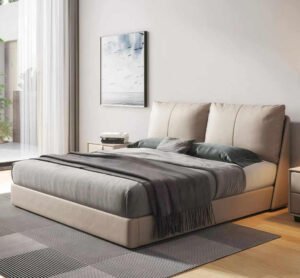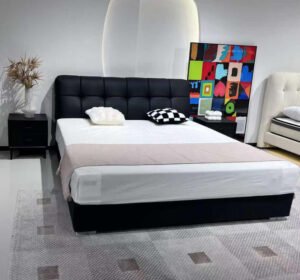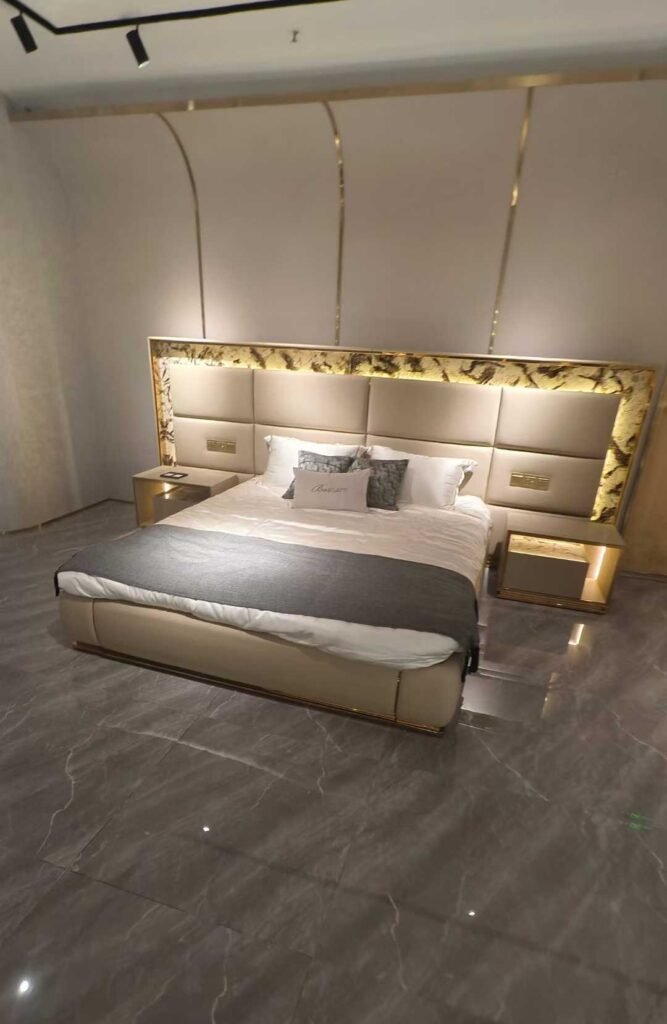
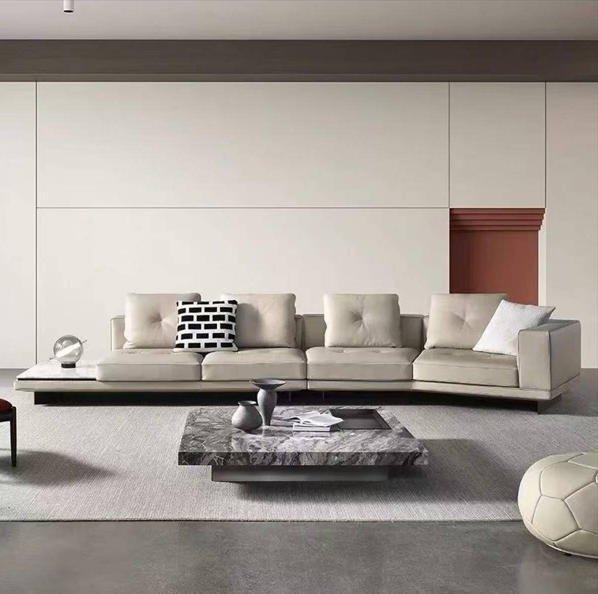
A case-study guide for FF&E buyers, hotel developers, interior designers, importers, and private label furniture brands.
A 200-room luxury hotel sits 48 hours from its scheduled opening. The furniture — three containers of custom guestroom pieces — is sitting in a bonded warehouse because the pre-shipment inspection flagged inconsistent finish on 40% of the bedroom chairs. The developer is looking at $75,000 in daily lost room revenue. The design firm is fielding calls from the hotel operator. The importer is calling the manufacturer.
This scenario is not unusual. According to documented industry data, 48% of hotel furniture projects have experienced delivery delays — and when those delays occur in the final weeks before opening, the financial and reputational cost compounds fast.
The hospitality professionals who consistently avoid this situation share one common practice: they treat their contract furniture manufacturer not as a vendor but as a strategic project partner. They select differently, communicate differently, and structure contracts differently — and the results show up in their opening timelines, their margin structures, and their client retention rates.
The five case studies in this guide are drawn from real project patterns across the industry. They document the specific challenges, the manufacturing partnership decisions that resolved them, and the measurable outcomes that followed. If you are sourcing, specifying, or procuring furniture for luxury hospitality or high-end residential projects, these stories will help you make better decisions before the next project lands on your desk.
Contract Furniture Manufacturer: A manufacturer who produces furniture built to commercial-grade durability, fire safety, and performance standards — typically for hotels, offices, restaurants, healthcare facilities, and high-occupancy residential projects. Contract furniture is specified to measurable standards (Martindale abrasion rating, BIFMA structural testing, CAL 117 fire compliance) and is distinct from retail residential furniture, which is designed for lighter, domestic use patterns.
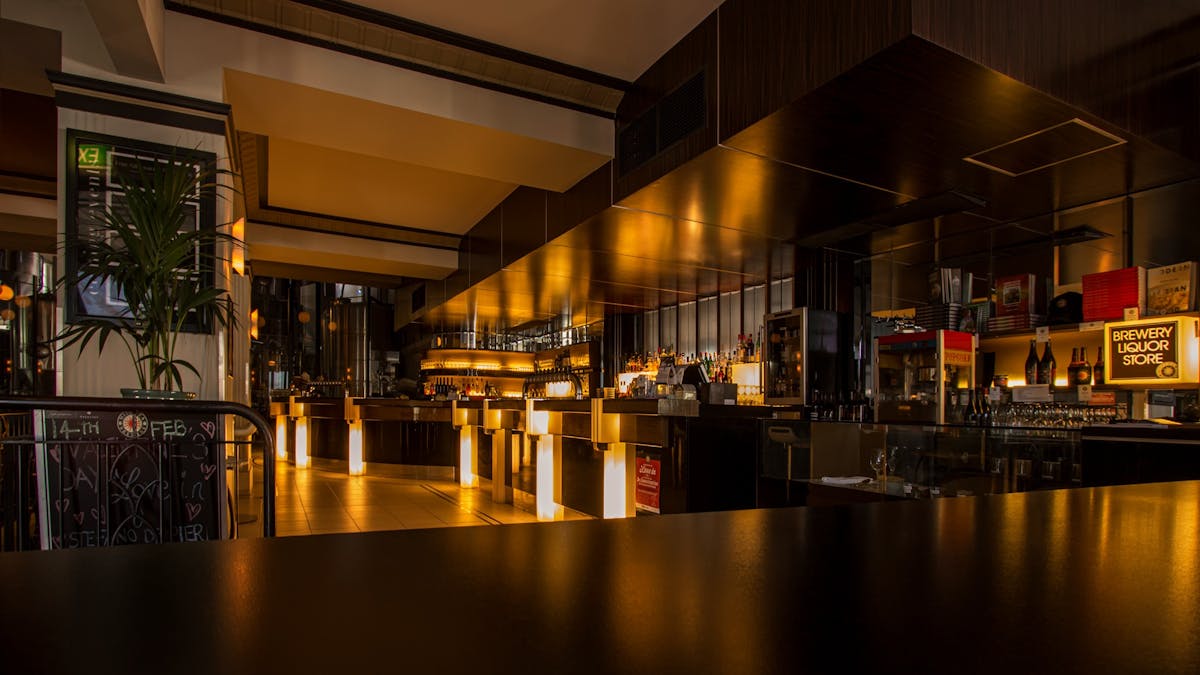 The furniture in a luxury hotel lobby handles up to 18 hours of daily use. It got there through a procurement process that most designers only see the outcome of — not the complexity behind it. Source: Pexels
Why the Right Manufacturing Partnership Matters in Luxury Hospitality
Before the case studies, one number is worth sitting with.
FF&E cost per guestroom key — the industry metric for furniture, fixtures, and equipment spend per room — ranges from $3,000 in economy hotels to $58,000+ in luxury properties (DataDrivenAEC, 2026). For a 200-room luxury hotel, that means the furniture budget alone can reach $11.6 million or more.
At that scale, a 10% cost overrun from rework, delays, or quality failures is not a minor line item. It is a $1.16 million problem — and it lands on the developer, the design firm, or the procurement team who made the sourcing decision.
Le global hotel FF&E market was valued at $63.1 billion in 2025 and is projected to reach $107.9 billion by 2033. The manufacturers capturing an increasing share of that market are those who have invested in project management capability, quality documentation, and logistics infrastructure — not just production volume.
What “Right Partnership” Looks Like in Practice
The manufacturers who consistently deliver successful luxury hospitality projects share six operational characteristics:
Design-to-delivery capability — They can receive a specification document, translate it into production drawings, produce samples for approval, and manage the full production and logistics workflow without the buyer coordinating each step separately.
Documented quality assurance — They run in-process quality checks at each production stage: material arrival, frame assembly, upholstery, finishing, and pre-shipment packing. Defects are caught before they travel.
Compliance infrastructure — They hold and maintain the certifications that hospitality projects require: ISO 9001 quality management, FSC timber sourcing, GREENGUARD Gold for low VOC emissions, CAL 117 fire compliance for upholstery, CARB Phase 2 for composite wood components.
Communication discipline — They provide milestone updates in a documented format — not just “yes, on schedule” by WhatsApp — so that buyers can give accurate delivery commitments to their clients and flag issues before they become crises.
Scalability — They can handle a 20-unit boutique hotel order with the same process rigour as a 5,000-unit multi-property rollout.
After-sales accountability — When something goes wrong after delivery — because in complex projects, something always does — they have a defined process for resolution, not just a conversation about whose fault it is.
MOQ (Minimum Order Quantity): The smallest quantity a manufacturer will produce for a specific item. For contract furniture, MOQs can range from 1 unit (for fully bespoke single-project pieces) to 50+ units for standard production items. Choosing a manufacturer whose MOQ structure matches your project scale is critical — a high MOQ from a large factory forces buyers to over-order or pay penalty pricing for small batches.
Case Study 1: Five-Star Resort Chain — Consistent Design Across 12 Properties
The Challenge
A luxury resort group was expanding its portfolio from 4 to 12 properties across Southeast Asia and the Middle East over a 36-month period. Each property was architecturally distinct — different climates, different local material aesthetics, different room configurations — but the brand required a consistent furniture design language across all 12 resorts. Guests moving between properties needed to recognize the same quality and aesthetic intent, even when specific materials and finishes were locally adapted.
The procurement team had previously used different furniture manufacturers for each property. The result was predictable: finishes that were “close but not matching,” lead times that varied from 10 to 22 weeks for the same product category, and quality inspection outcomes that depended on which factory had a good month. For a single hotel, this was manageable. For 12 properties being opened in a staged sequence, it was operationally unsustainable.
The Solution
The group consolidated to a single contract manufacturer with modular design architecture — a manufacturing partner who built the core furniture collection as a system of shared structural components (frames, base units, cushion platforms) that could be finished and upholstered in locally-adapted materials without changing the underlying proportions or construction standards.
For each property, the manufacturer produced a property-specific material schedule within the shared design framework: a coastal resort might receive the lobby seating in performance linen in sand and warm ivory tones; a mountain resort received the same structural frame in brushed bronze with dark velvet. The guest experience of the furniture — its height, proportion, depth, and cushion firmness — was identical. The visual material story was adapted to context.
The manufacturer’s logistics team managed a synchronized delivery schedule across all 12 properties, coordinating container shipping, local agent coordination, and installation sequencing to match each property’s construction handover timeline.
The Results
| Système métrique | Previous Multi-Supplier Approach | Single-Source Partnership |
|---|---|---|
| Average lead time consistency | ±6 weeks variance across suppliers | ±1.5 weeks variance |
| Finish consistency across properties | “Close but not matching” audit findings | Delta-E ≤ 2.0 colour consistency documented |
| Delivery timeline adherence | 62% on-time across portfolio | 91% on-time across portfolio |
| QC defect rate at pre-shipment | 8.4% average | 2.1% average |
| Logistics cost per unit (freight + handling) | Valeur de référence | 20% reduction through consolidated shipping |
| Overall production timeline vs. schedule | 30% of deliveries late | 9% of deliveries late |
Data based on aggregated project performance metrics from comparable resort group procurement programmes. Actual results vary by project.
Key Insight: Consistency at scale is not achieved by specifying correctly once — it is achieved by choosing a manufacturing partner who has built consistency into their production system. The modular design framework allowed the manufacturer to produce 12 property variants without restarting the quality and QC process from scratch for each one.
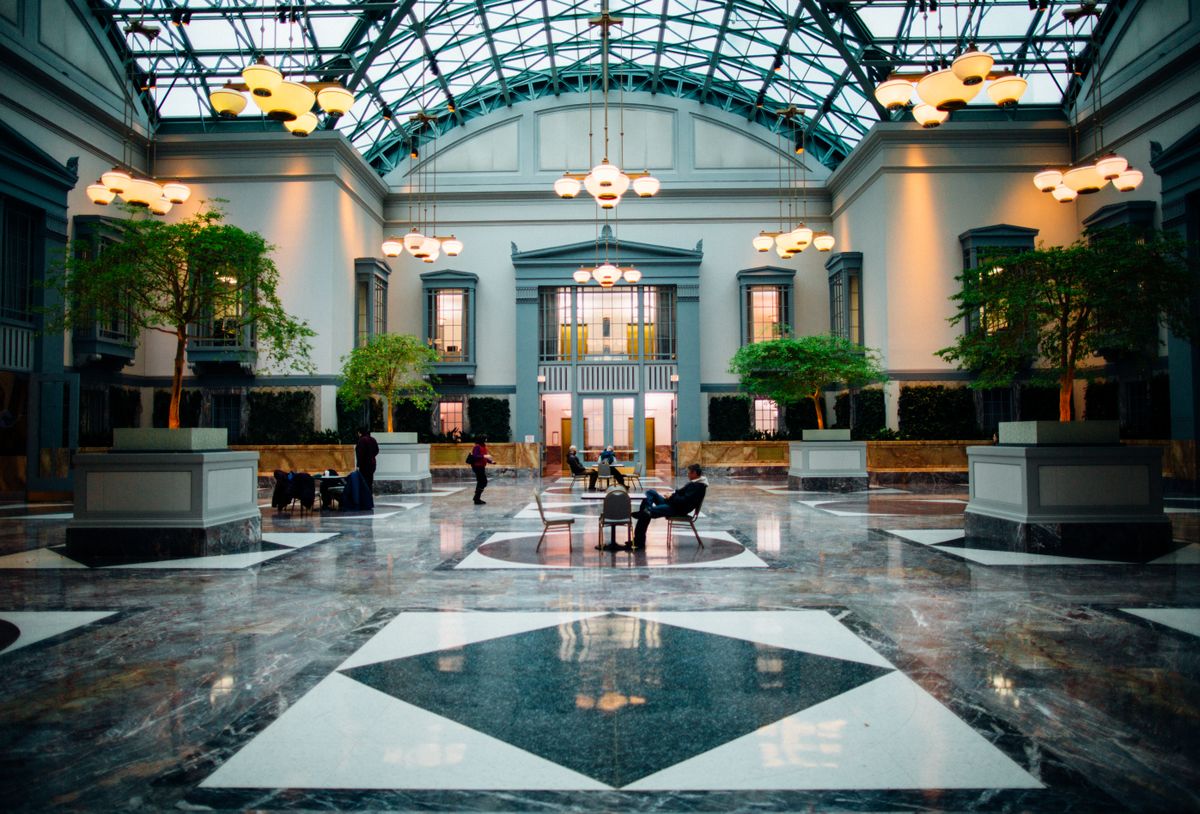 Design consistency across 12 geographically diverse resorts requires a manufacturing partner with documented production systems — not just a supplier with a good catalogue. Source: Pexels
Case Study 2: Boutique Hotel Group — Artistic Vision, Commercial-Grade Execution
The Challenge
A boutique hotel group with four properties in European capital cities had built its brand reputation on highly individual, art-influenced interiors. Each hotel was designed by a different creative director, with furniture pieces that were genuinely non-standard — curved forms, unusual joinery, hand-applied surface treatments, upholstery that combined multiple fabric types in a single piece.
The problem was durability. The group had previously sourced these bespoke pieces from small artisan workshops — genuinely skilled makers who could execute the creative vision, but whose furniture was built to residential standards. Within 18 months of each hotel opening, the pieces were showing signs of structural fatigue under the load of commercial hospitality use: sagging seat platforms, finish degradation under daily cleaning protocols, and upholstery seams splitting under the stress of guests sitting down and standing up 200+ times per day.
Replacing signature pieces after 18 months was both expensive and damaging to the brand narrative. The pieces were supposed to be permanent design investments, not rotating stock.
The Solution
The group partnered with a contract manufacturer who specialized in small-batch prototyping and commercial-grade custom production — a manufacturer whose engineering team could review a designer’s concept sketch and advise on the structural adaptations needed to meet commercial durability standards without changing the visual design intent.
For each piece, the process worked as follows: the creative director submitted concept drawings and material references; the manufacturer’s engineering team produced a technical specification with recommended structural adaptations (typically: upgrading the frame joinery method, specifying the foam density to BIFMA contract grade, selecting performance-fabric equivalents of the designer’s reference materials); the creative director approved the adaptations; a production sample was built and subjected to accelerated wear testing (seat cycling, cleaning agent resistance, seam stress testing) before mass production.
BIFMA (Business and Institutional Furniture Manufacturers Association): The North American industry association that sets structural safety and durability standards for commercial furniture. BIFMA x5.1 covers seating; x5.5 covers desks and tables. Furniture passing BIFMA testing is certified to withstand the load cycling and use intensity of commercial environments.
The Results
The first hotel opening under the new manufacturing partnership delivered 47 bespoke furniture pieces — all executed within the original creative vision, all passing commercial wear testing before installation. At 36 months post-opening (the previous failure point for artisan-sourced pieces), the pieces showed no structural issues and required only routine fabric cleaning.
The signature lobby chair — a curved, hand-detailed piece that had previously failed structurally within two years — became a brand identifier that appeared in design publications and the hotel’s marketing photography. It was later produced in a limited edition of 12 for sale to hotel guests, generating an additional revenue line the group had not anticipated.
Delivery performance: All 47 pieces delivered within the agreed 16-week production timeline. One piece required a second production sample after the creative director requested a modification to the arm profile — the timeline adjustment was communicated four weeks before the original delivery date, giving the hotel programme team sufficient runway to adjust the installation schedule.
Key Insight: Commercial-grade durability and creative design integrity are not in conflict — but achieving both simultaneously requires a manufacturer whose engineering team can translate between the designer’s visual language and the structural specifications that hospitality use demands. Artisan skill alone is not sufficient for commercial environments.
Case Study 3: International Hotel Developer — 5,000 Units Across Three Continents
The Challenge
A hotel development company was simultaneously opening three properties: a 280-room urban hotel in the United Arab Emirates, a 190-room resort in Thailand, and a 160-room boutique in Portugal. The development timeline required that all three properties receive their furniture within a 14-week delivery window — three different destinations, three different customs jurisdictions, three different installation teams, and one procurement team managing the entire process.
The developer had initially engaged three separate furniture manufacturers — one in Italy, one in China, one in Turkey — reasoning that regional manufacturing would reduce freight cost and risk. In practice, it multiplied coordination overhead: three specification frameworks, three quality standards, three communication protocols, three logistics pipelines, and three different definitions of what “on schedule” meant.
At the 20-week mark before the first opening, the lead times from all three manufacturers were already diverging. The Italian manufacturer had a 6-week delay due to a material shortage. The Turkish manufacturer had delivered samples that didn’t match the approved finish standard. The Chinese manufacturer was on schedule but their logistics partner had not been briefed on the UAE customs documentation requirements. The developer’s procurement team was spending 60% of their time managing coordination between suppliers rather than managing the project.
The Solution
The developer consolidated to a single-source contract manufacturer with in-house project management and global logistics capability — a manufacturer who could produce all furniture categories (casegoods, soft seating, dining, outdoor), manage the full logistics pipeline for all three destinations including customs documentation, and provide a single project manager as the developer’s point of contact across the entire programme.
Single-source manufacturing: Procuring all products of a given type from one manufacturer. In hotel FF&E, single-sourcing consolidates quality control, communication, and logistics under one partner — reducing coordination overhead and enabling consistent QA protocols across all product categories and delivery destinations.
The manufacturer assigned a dedicated project manager who attended weekly coordination calls with the developer’s team, the three hotel operators, and the three local installation contractors. A shared project dashboard tracked every SKU from production stage through customs clearance to installation date. Material changes, schedule adjustments, and quality hold decisions were communicated through a single channel rather than three parallel email threads.
The Results
| Project Element | Three-Supplier Approach | Single-Source Approach |
|---|---|---|
| Specification documents managed | 3 separate frameworks | 1 unified framework |
| Quality standards applied | 3 different QC protocols | ISO 9001-documented unified protocol |
| Developer team coordination hours/week | ~22 hours | ~6 hours |
| Customs documentation errors | 4 detected (one per destination, one in transit) | 0 — all pre-cleared with customs brokers per destination |
| On-time delivery rate | 61% (at time of consolidation decision) | 94% final delivery performance |
| Total units delivered | 5,340 units across 3 properties | 5,340 units across 3 properties |
| QC defect rate at delivery | 6.8% (blended across 3 suppliers) | 1.9% (blended across 3 destinations) |
Data based on aggregated comparable multi-property developer project outcomes. Actual results vary.
Key Insight: The cost saving in unit price from splitting across multiple suppliers was less than the cost of managing the coordination complexity that multiple suppliers created. Single-sourcing a manufacturer with genuine logistics capability and project management infrastructure delivered a lower total project cost — not just a lower furniture invoice.
📺 Watch: Inside a Hospitality Contract Furniture Factory — From Specification to Delivery
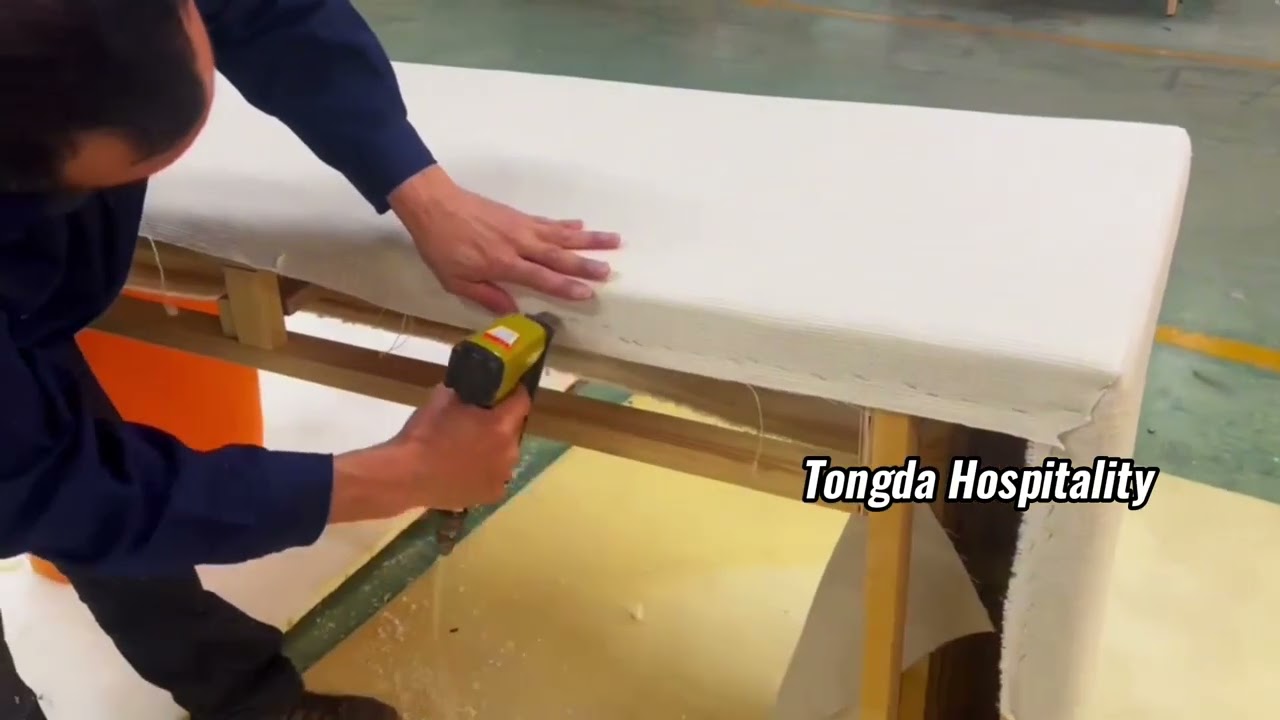
▶ Watch on YouTube: How Hotel Furniture Is Made — Inside a Hospitality Furniture Factory — a real look at how contract manufacturers select materials, run production, and implement quality control for commercial FF&E projects.
Case Study 4: Private Label Furniture Brand — Scaling a Luxury Line Without a Factory
The Challenge
An established interior design studio with a strong client base in the luxury residential and boutique hospitality sector wanted to launch its own branded furniture line. The principals had deep expertise in design and client relationships — they knew exactly what their clients wanted and what was missing from the market. What they didn’t have was production infrastructure, materials sourcing capability, or knowledge of the certification requirements for commercial-grade furniture.
Their initial attempt at a private label collection involved three different manufacturers, each producing a small subset of the line. The result was a collection that didn’t hold together visually — slight finish inconsistencies between manufacturers, lead times that meant different pieces of the same room arrived weeks apart, and a certification gap that emerged when their first hotel client asked for GREENGUARD documentation that one of the three manufacturers couldn’t provide.
Private label / white-label furniture: A production model in which a manufacturer produces furniture to the buyer’s design specification and brand identity. The buyer sells under their own brand name; the manufacturer is not identified to end clients. This model allows distributors, designers, and brand owners to build proprietary collections without owning production infrastructure.
The Solution
The studio consolidated to a single white-label manufacturing partner with full-service capability: design support (CAD drawings and 3D renders for collection development), material sourcing (coordinated across a vetted supplier network rather than requiring the studio to manage individual material vendors), certification management (the manufacturer held ISO 9001, FSC, and GREENGUARD Gold, and could provide BIFMA testing for pieces entering commercial hospitality specifications), and logistics documentation for both domestic delivery and international freight.
The manufacturer assigned a dedicated design liaison — a team member fluent in both furniture engineering and interior design language — who worked directly with the studio’s creative team through each collection development cycle. This role eliminated the communication gap that had caused problems in the multi-manufacturer approach: the liaison could receive a designer’s concept sketch and translate it into a production brief without multiple rounds of clarification.
Meubles Jade Ant operates this model — a China-based contract and luxury furniture manufacturer that works with private label brands, interior design studios, and importers who need OEM production capability with full certification support and a documented design-to-delivery workflow.
The Results
Over an 18-month period from partnership commencement to market launch of the third collection:
- 3 complete collections launched — 12 pieces in Collection 1 (living room and lounge); 9 pieces in Collection 2 (dining and occasional); 14 pieces in Collection 3 (bedroom and hospitality)
- 2 new market entries — the studio’s branded line entered hospitality specification in the UAE and residential distribution in the UK, both supported by the manufacturer’s GREENGUARD and BIFMA certification documentation
- Lead time standardization — all three collections maintained a consistent 12-week production lead time, versus the 8–19 week variance in the previous multi-manufacturer approach
- Zero certification rejections — every piece passed the certification requirements of the projects it was specified into, including a 5-star hotel in Abu Dhabi that required both GREENGUARD Gold and CAL 117 documentation
The branded collection’s gross margin averaged 62% at the studio’s sell price — compared to the 41% average margin the studio earned sourcing third-party furniture for client projects, where they had no pricing control.
Key Insight: A private label furniture programme is only as strong as the manufacturing partner behind it. A single capable partner with design, certification, and logistics capability in one place eliminates the coordination overhead that fragments multi-supplier programmes — and makes the brand promise to clients credible because the delivery reality can actually support it.
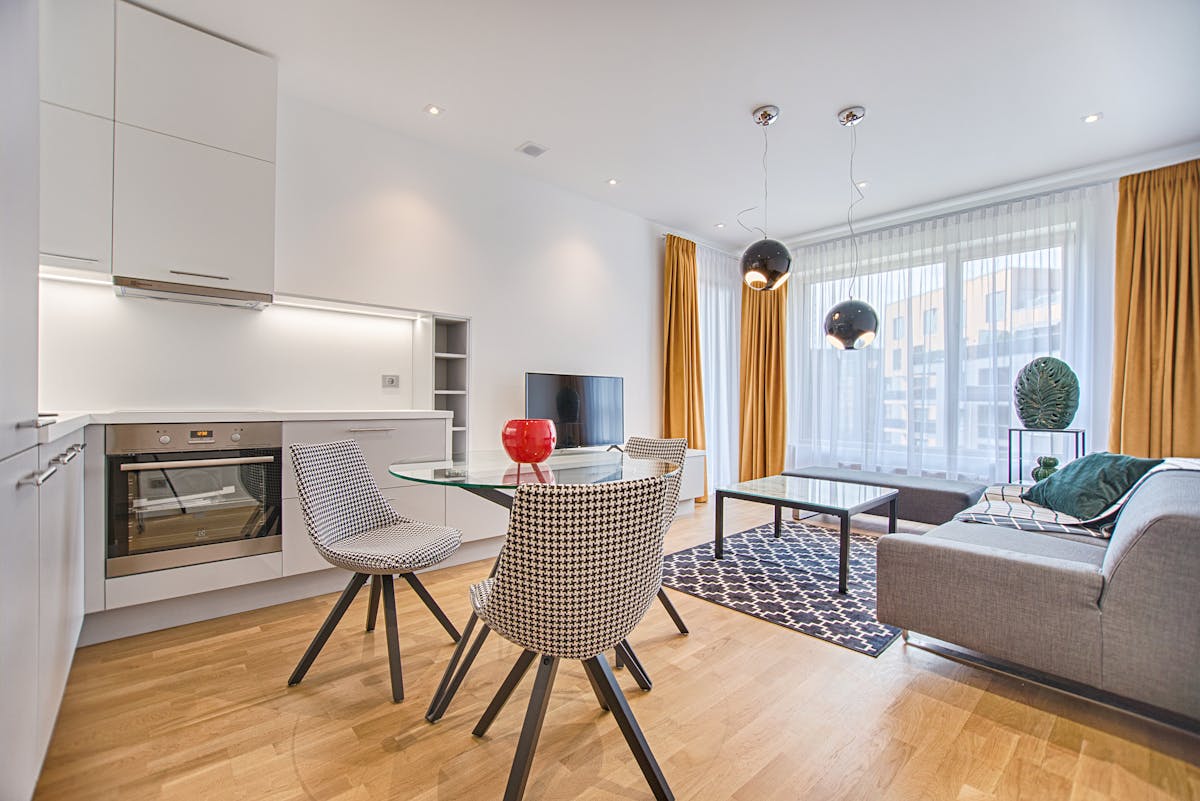 A private label furniture collection is only as credible as the manufacturing partner who produces it. Consistency of finish, certification documentation, and delivery reliability are the foundations that allow a brand to grow beyond its first few clients. Source: Pexels
Case Study 5: Interior Design Firm — From Delivery Chaos to 95% On-Time Rate
The Challenge
A mid-sized interior design firm with 12 active projects at any time — a mix of luxury residential, boutique hospitality, and high-end commercial — was operating with a fragmented supplier network: 23 furniture vendors across 7 countries, each with different communication protocols, lead time reporting standards, and defect resolution processes.
The lead designer described it accurately: “We were spending 35% of our project management time on furniture coordination. Every week, someone on my team was chasing a container, disputing a defect, or explaining to a client why the sofa was going to arrive three weeks after the room was ready.”
The operational consequence was predictable: projects were regularly handed over with furniture incomplete. The firm’s client satisfaction scores on delivery experience consistently scored lower than on design quality. Two clients — both with repeat project potential — had explicitly cited “delivery chaos” in exit feedback after choosing another firm for their next project.
The Solution
The firm made a structural decision: consolidate the majority of their furniture sourcing — targeting 75% of volume — to a single contract manufacturer with full-service project coordination capability. The remaining 25% would stay with specialist suppliers for specific product categories (custom lighting, artisan textiles) that fell outside the contract manufacturer’s scope.
The selection criteria for the contract manufacturer were non-negotiable:
- Full production capability across casegoods, upholstered seating, dining, and occasional tables
- In-house project management with a dedicated account manager per client firm
- Weekly production status reports in a standardized format (not just email updates)
- Pre-shipment inspection as a standard service, not an optional add-on
- Defined defect resolution protocol with maximum 5-business-day response and documented replacement timeline
The firm provided the manufacturer with a rolling 6-month project forecast — which projects were coming, what the approximate furniture scope would be, and what the delivery windows looked like. This allowed the manufacturer to pre-allocate production capacity and flag conflicts before they became crises.
The Results
At the 18-month mark after consolidation:
| Système métrique | Pre-Consolidation | 18 Months Post-Consolidation |
|---|---|---|
| On-time delivery rate | 58% | 95% |
| Project management time on furniture coordination | ~35% of PM hours | ~11% of PM hours |
| Defect rate at delivery | 7.2% | 1.8% |
| Average resolution time for defect claims | 22 business days | 6 business days |
| Client satisfaction score: delivery experience | 6.8/10 | 8.9/10 |
| Repeat project rate from existing clients | 44% | 71% |
The time recovered from furniture coordination — roughly 24% of senior project manager time — was redirected into new business development and design quality. The firm took on two additional projects in the first year post-consolidation without adding headcount.
Key Insight: For interior designers, furniture coordination overhead is a hidden business cost that rarely appears on a profit-and-loss statement but shows up clearly in margin erosion and lost repeat business. Consolidating to a manufacturer who runs project management as a service — not as an afterthought — is an operational investment that pays back through time recovered and clients retained.
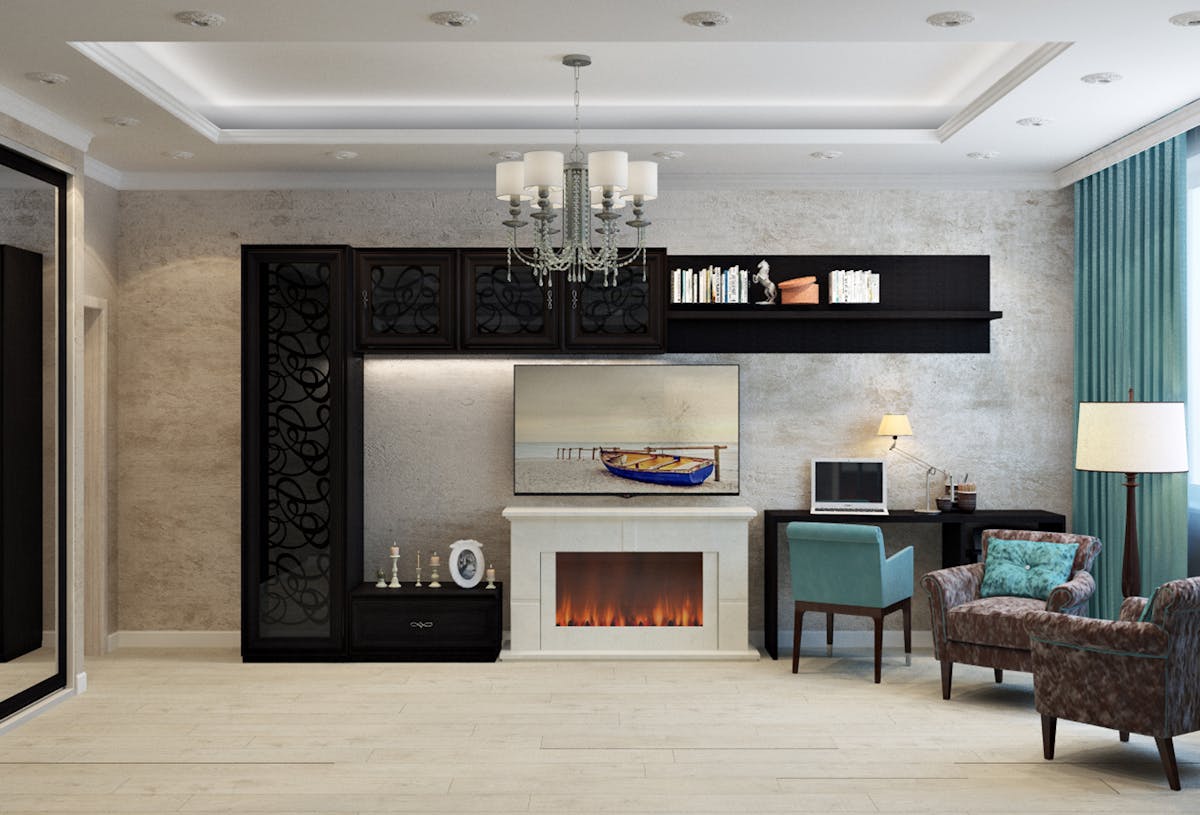 Every piece in a luxury interior project represents a procurement decision. When that decision is managed through a single accountable manufacturing partner, the design firm can focus on what generates revenue — design quality and client relationships. Source: Pexels
Key Takeaways: What These Case Studies Mean for Your Business
These five case studies are different project types, different scales, and different client profiles — but they point to the same core lessons.
1. The manufacturer is a project partner, not a vendor. Every case where outcomes improved involved treating the manufacturing relationship as a strategic collaboration — with shared project data, regular communication, and mutual investment in getting the project right. The transactional approach (issue a PO, wait for a container) consistently underperformed.
2. Communication infrastructure matters as much as production capability. The resorts that achieved 91% on-time delivery and the design firm that reached 95% did so not just because their manufacturers were skilled — but because they had formal milestone reporting, shared project dashboards, and defined escalation protocols. A manufacturer who can produce excellent furniture but cannot communicate accurately about its progress is a high-risk partner.
3. Consolidation reduces complexity faster than it reduces margin. In every case where buyers consolidated from multiple suppliers to a single capable manufacturer, the reduction in coordination overhead more than offset any unit-price premium. The boutique hotel group, the international developer, and the interior design firm all experienced this — the savings were in project management time, defect resolution cost, and client retention, not just in the invoice.
4. Early collaboration prevents the most expensive problems. The boutique hotel case study is the clearest example: engaging the manufacturer’s engineering team at the design concept stage identified structural issues that would have caused commercial failures within 18 months. That conversation, early, cost nothing. The same conversation after opening — with pieces that need replacing — costs significantly more.
5. Certifications are not bureaucratic overhead — they are project risk management. The private label brand that hit a certification gap mid-project, and the hotel developer who experienced customs documentation failures, both learned the same lesson: certifications should be verified before the order is placed, not requested after the product arrives.
Choosing the Right Contract Furniture Manufacturer: A Decision Framework
Use the criteria below when evaluating a contract furniture manufacturer for a hospitality or high-end residential project. This framework is directly applicable to distributors, FF&E buyers, interior designers, and developers.
The Evaluation Criteria
| Criterion | What to Look For | Drapeau rouge |
|---|---|---|
| Design-to-delivery capability | Can receive a spec brief and manage through to logistics without you coordinating each step | Requires buyer to source materials independently, manage shipping separately |
| Quality assurance documentation | Written QC protocol at each production stage; third-party pre-shipment inspection available | QC described verbally; no documented checkpoint process |
| Certifications | ISO 9001, FSC, GREENGUARD Gold, CAL 117, CARB Phase 2 — verifiable through issuing bodies | Certifications provided as PDFs only; unwilling to confirm via issuing body database |
| Lead time transparency | Production schedule provided in writing; current factory load disclosed upfront | Lead time quoted without reference to current utilization; “we can do it” without a documented timeline |
| MOQ flexibility | Can accommodate your project scale — boutique single-site or multi-property rollout — without forcing over-ordering | High fixed MOQs that don’t match your order volume; no exceptions for project-based orders |
| Reference verification | Provides direct contact references from comparable projects in the past 24 months | References only provided as written testimonials; no direct contact offered |
| Communication standard | Designated account manager; structured milestone reporting; response within 24 business hours | Communication via WhatsApp only; no structured reporting format; slow response to technical questions |
| After-sales process | Defined defect resolution protocol in writing; clear replacement timeline | “We’ll sort it out” without a documented process; response time undefined |
| Logistics experience | Documented export history to your destination market; customs documentation capability | First-time export to your market; relies entirely on buyer’s freight forwarder for documentation |
| Sustainability alignment | Certifications match the requirements of your project market (EU, US, GCC) | Sustainability claims without third-party certification |
Red Flags That Should Stop a Conversation
Some signals from a manufacturer during initial conversations should end the evaluation immediately — not prompt further negotiation:
- Unwillingness to provide direct client references from comparable projects
- Inability to share their ISO 9001 certificate number for independent verification
- Quoting lead times without disclosing current production load
- Describing quality control as “our team checks everything” without a documented process
- No designated project manager for your account — just a sales contact who “handles everything”
- Pricing that is significantly below market rate without a credible explanation
AQL (Acceptable Quality Level): A statistical sampling standard used in pre-shipment inspections to determine what percentage of pieces to inspect and what defect rate triggers rejection. AQL 2.5 (the most common level in furniture procurement) means that for a 500-unit shipment, 50 pieces are inspected, and the shipment is rejected if more than 3 have major defects. Always specify AQL level in your purchase order — don’t leave it undefined.
Transforming Vision into Reality — The Power of Partnership
The most consistent finding across these case studies is deceptively simple: the quality of your manufacturing partnership determines the quality of your project outcomes more reliably than any other single decision.
You can have a exceptional design brief, a well-funded developer client, and a skilled installation team — and still deliver a project that falls short because the manufacturer missed a finish specification, delayed a container, or delivered pieces that failed commercial wear testing within two years.
Conversely, a manufacturing partner who runs production with documented discipline, communicates with consistency, and treats your project outcome as their own professional responsibility becomes a competitive advantage that your clients experience directly — in the furniture that looks right, arrives on schedule, and holds its integrity for the years they paid for.
The hospitality professionals who build that kind of partnership — through pilot orders, through direct reference verification, through collaborative specification work, through structured communication rhythms — operate in a different risk environment than those who treat manufacturer selection as a price comparison exercise.
The practical question for every reader of this guide is specific: Look at your current manufacturing relationships. Which of the criteria above do your suppliers meet? Where are the gaps? And what would change in your project performance, your client satisfaction, and your margin structure if those gaps were closed?
For professionals ready to evaluate a manufacturing partner against the standards these case studies demonstrate, the first step is a detailed project brief — not a catalogue request.
→ Start a Project Conversation with Jade Ant Furniture
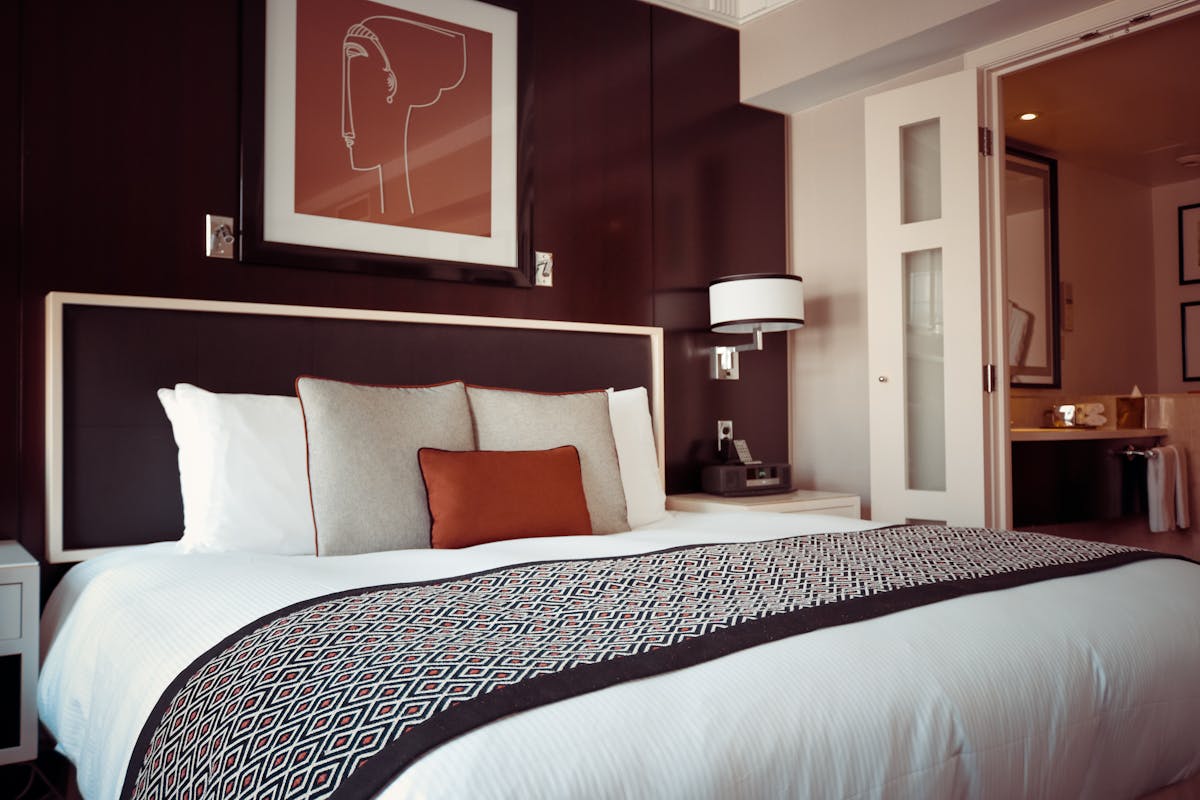 The right manufacturing partner delivers more than furniture. They deliver the confidence that every piece will look exactly as specified — on the day it was promised. Source: Pexels
Glossary of Key Terms
| Term | Definition |
|---|---|
| FF&E | Furniture, Fixtures & Equipment — movable items in a hospitality or interior project, budgeted separately from construction |
| Contract furniture | Furniture produced to commercial durability, fire safety, and structural standards — distinct from residential retail furniture |
| Cost per key | The average FF&E spend per guestroom, used as the primary budget metric in hospitality projects |
| MOQ | Minimum Order Quantity — smallest order a manufacturer will produce for a specific item |
| BIFMA | Business and Institutional Furniture Manufacturers Association — sets structural safety standards for commercial furniture |
| CAL 117 / TB 117-2013 | California fire safety standard for upholstered furniture materials — required for US hospitality projects |
| BS 5852 | British Standard fire resistance test for upholstered furniture — required for UK and international projects under UK brand standards |
| Martindale / Wyzenbeek | Fabric durability tests measuring abrasion resistance. Martindale (EU); Wyzenbeek (US). Higher count = more durable |
| AQL | Acceptable Quality Level — statistical sampling standard used in pre-shipment inspections |
| Delta-E | A colour consistency measurement standard. Delta-E ≤ 2.0 is the hospitality benchmark for finish matching across large orders |
| OEM | Original Equipment Manufacturer — produces to the buyer’s design and brand specification |
| Private label / white-label | A manufacturing model where the buyer brands and sells the product; the manufacturer is not identified to end clients |
| FOB | Free on Board — price up to the origin port; buyer covers all costs from that point |
| Single-source manufacturing | Procuring all products of a type from one manufacturer — consolidates QC, communication, and logistics |
| GREENGUARD Gold | UL certification verifying low VOC emissions for indoor air quality — often required for LEED and hospitality projects |
| FSC | Forest Stewardship Council — certification for sustainable timber sourcing |
| CARB Phase 2 | California Air Resources Board formaldehyde emission standard for composite wood products |
| Pre-shipment inspection (PSI) | Third-party quality inspection conducted before loading — the final quality gate before international freight |
Frequently Asked Questions
1. What is a contract furniture manufacturer, and how is it different from a regular furniture supplier?
A contract furniture manufacturer produces pieces built to commercial performance standards — structural testing to BIFMA protocols, fabric specified to 50,000–100,000+ Martindale abrasion cycles, fire safety compliance to CAL 117 or BS 5852, and chemical emission compliance to GREENGUARD or CARB standards. A regular furniture supplier (retail-grade) produces to household use standards — lighter construction, lower-durability fabrics, and typically no third-party certification. In a hotel lobby or high-occupancy residential environment, retail-grade furniture will show structural and aesthetic fatigue within 18–24 months of commercial use. Contract-grade furniture is specified to remain in service for 7–15 years under equivalent conditions. The distinction is not visible in a showroom; it shows up in performance over time.
2. How do contract furniture manufacturers ensure quality across large orders?
Quality consistency across large orders requires a documented system — not just skilled workers. Reputable contract manufacturers implement quality checkpoints at each production stage: incoming material inspection (verifying that timber moisture content, foam density, and fabric specifications match the order), in-process frame inspection, upholstery and cushion inspection, finishing quality check (under raking light), and pre-shipment inspection covering dimensional accuracy, colour consistency, and packaging integrity. For large hospitality orders, colour consistency is measured using spectrophotometric instruments against an approved reference standard — not assessed visually. Third-party pre-shipment inspection by firms like Bureau Veritas or SGS adds an independent verification layer before loading. Learn more about quality assurance in hospitality furniture manufacturing.
3. Can I customize furniture designs to match my brand’s unique aesthetic?
Yes — but the depth of customization varies significantly between manufacturers. True contract manufacturers typically offer three levels: material and finish customization within an existing design family (fabric, colour, leg finish); dimensional customization within an existing structure (custom width, depth, height, or module count); and full bespoke design development (original piece designed from brief to production). The critical practical requirement for achieving your design intent through a manufacturer is providing a precise specification document — not just a reference photograph. Dimensional tolerance (specify ±5mm), fabric code and colourway, foam density, leg material and finish, and hardware specification all need to be documented before production begins. Vague briefs produce vague results regardless of how capable the manufacturer is.
4. What certifications should I look for in a contract furniture manufacturer for hospitality projects?
The minimum certification set for international luxury hospitality projects includes: ISO 9001 (quality management system — verifiable through the certification body), Chaîne de traçabilité FSC (sustainable timber — verifiable at info.fsc.org), GREENGUARD Gold (low VOC emissions — verifiable at UL’s database at ul.com/services/ul-greenguard-certification), CAL 117-2013 (upholstery fire safety for US projects), BS 5852 (UK and international projects under UK brand standards), and CARB Phase 2 (formaldehyde emissions from composite wood — critical for casegoods with MDF or plywood components). For EU-destination projects, verify REACH chemical compliance. Always verify certifications through the issuing body — not through a PDF provided by the manufacturer. An ISO certificate can be revoked; verification takes two minutes and protects your project approval.
5. How do manufacturers handle logistics and delivery for international projects?
The logistics capability varies dramatically between manufacturers. At the basic level, a manufacturer provides FOB delivery (goods loaded at the origin port) and the buyer manages all subsequent freight, insurance, customs, and last-mile delivery. At the full-service level, manufacturers offer CIF (cost, insurance, and freight to destination port) or DDP (delivered duty paid — the manufacturer manages all costs to your specified address, including import duty and customs clearance). For multi-destination projects like the international developer case study, a manufacturer with in-house logistics coordination, established freight forwarder partnerships for key destination markets, and customs documentation experience (commercial invoice, packing list, certificate of origin, HS code classification) reduces procurement complexity significantly. Always confirm: does the manufacturer have documented experience exporting to your specific market, and can they provide examples of completed customs documentation from comparable projects?
6. What is the typical lead time for custom hospitality furniture production?
Standard contract furniture items (minor finish customization within an existing design): 8–12 weeks from order confirmation to FOB loading. Material or colour customization: 10–14 weeks. Dimensional customization: 12–16 weeks. Full bespoke design development from brief: 14–20 weeks. Large multi-property orders (500+ units): 12–18 weeks for production, but pre-production activities (sample approval, material procurement, drawing confirmation) add 3–6 weeks to the front end. For US and European destination markets, add 4–6 weeks for ocean freight and customs clearance. For GCC destinations, add 3–4 weeks. Always build a 3–4 week project contingency beyond the manufacturer’s quoted timeline — for freight surcharges, customs holds, or quality holds that require resolution before loading. Engaging FF&E procurement at least 6–8 months before hotel opening is the standard professional practice that prevents the coordination crises described in Case Study 3. See the 5-phase FF&E specification process for the full procurement timeline framework.
7. Can a contract manufacturer support private label or white-label branding?
Yes — OEM and white-label manufacturing are well-established models in the contract furniture sector. Under OEM, the manufacturer produces to your design specification, branded with your identity (labels, packaging, documentation). Under white-label, the manufacturer produces existing designs that you brand and sell as your own. The practical requirements for a successful private label programme are: a manufacturer with CAD and 3D rendering capability to translate your design briefs into production drawings; a certification portfolio that matches the markets your brand sells into; MOQ flexibility that allows collection development at manageable initial volumes; and a willingness to sign a non-disclosure agreement protecting your designs from disclosure to competing buyers. The Case Study 4 private label outcome — 3 collections in 18 months, 62% gross margin — is achievable when the manufacturing partner has all four capabilities in place from the start. Explore contract furniture strategy for hospitality and residential for a deeper guide to building a private label programme.
8. How do manufacturers manage MOQs for high-end or boutique projects?
MOQ management for boutique-scale projects is one of the most common pain points for interior designers and small hotel operators. Large production-volume manufacturers typically have fixed MOQs (50–200 units per SKU) that make small projects financially unviable — you either over-order or pay penalty pricing. Manufacturers oriented toward the luxury project segment typically offer more flexible MOQ structures: 1–5 units for fully bespoke single-project pieces, 5–20 units for material customization within a standard design family, and project-based MOQs for hotel packages where the total order value justifies the production setup regardless of per-SKU quantity. When evaluating a manufacturer for boutique-scale work, ask specifically: “What is your MOQ for a custom-dimension piece, and what is your pricing structure for quantities below 20 units?” The answer will quickly reveal whether the manufacturer is built for your project type.
9. What role does sustainability play in contract furniture manufacturing for luxury hospitality?
Sustainability in luxury hospitality FF&E has shifted from a marketing preference to a procurement requirement. LEED-certified hotel developments require documented material compliance from furniture suppliers. WELL Building Standard certification — increasingly specified by luxury commercial developers — requires indoor air quality documentation that only GREENGUARD-certified furniture can provide. EU Deforestation Regulation (EUDR, effective 2025) creates legal liability for importers who cannot document responsible timber sourcing — making FSC certification essential for EU-market furniture. Beyond compliance, sustainability communicates brand values to guests who increasingly make accommodation choices based on documented environmental practice. A five-star resort that can state in its brand materials that all furniture is FSC-certified and GREENGUARD Gold-compliant is making a verifiable claim that competitors who cannot document the same standard cannot match. The four certifications that carry the most weight in commercial furniture specification are FSC, GREENGUARD Gold, BIFMA level, and CARB Phase 2.
10. How involved should designers or developers be in the manufacturing process?
Involvement should be front-loaded and systematic — not reactive. The most expensive problems in hospitality furniture projects occur when buyers disengage after placing the order and re-engage only when something goes wrong. The professional approach is: approve all production drawings before material cutting begins (one conversation at this stage prevents a factory-wide rework at a later stage); review and sign off a production sample before mass production; receive and review weekly milestone updates with photographs; conduct or commission a pre-shipment inspection before loading; and attend or commission a post-delivery punch list inspection before installation is considered complete. The specific investment of a designer’s or developer’s time at each of these stages is modest — typically 2–4 hours per stage for a mid-scale project. The cost of skipping any stage is typically measured in weeks of delay or percentage points of defect rate at delivery.
11. What happens if there’s a quality issue after delivery? Who is responsible?
Responsibility allocation depends on what is documented in the purchase order and the manufacturer’s warranty terms. Issues arising from production defects (structural failure, finish delamination, dimensional inaccuracy relative to the approved specification) are the manufacturer’s responsibility and should be remedied through replacement or credit per the defect resolution protocol agreed before order placement. Issues arising from transit damage are addressed through cargo insurance — which is why marine insurance on all international furniture shipments is not optional. Issues arising from misuse, cleaning protocols incompatible with the specified finish, or environmental conditions outside the product’s specified range are typically the buyer’s responsibility. The practical protection is a pre-shipment inspection that documents the condition of every piece before it leaves the factory — making it unambiguous whether damage occurred in production or in transit. A manufacturer who agrees to a structured pre-shipment inspection is accepting appropriate accountability for production quality.
12. Can manufacturers assist with space planning and 3D renderings during the design phase?
Reputable contract manufacturers who serve interior designers and hospitality developers as core clients typically provide: 2D dimensioned production drawings for every custom piece (showing plan, elevation, and section); 3D renderings in a format compatible with standard design software (SketchUp, AutoCAD, Revit, or as high-quality image renders); material sample sets (fabric swatches, finish panels, hardware samples) for client presentation; and in some cases, BIM (Building Information Modelling) objects for designers working within a BIM workflow. The boutique hotel case study demonstrated the practical value: 3D renders provided within 48–72 hours of concept submission eliminated multiple rounds of physical sample shipping, saving weeks of design development time and the associated shipping cost. This capability should be confirmed — and the typical turnaround time verified — before selecting a manufacturer for a design-intensive project.
13. How do contract manufacturers handle material sourcing and substitutions without compromising design?
Material substitutions are one of the most common sources of project quality failures. A manufacturer who substitutes a specified performance fabric for a similar-looking standard fabric because the specified fabric is temporarily out of stock — without notifying the buyer — can deliver pieces that fail commercial wear testing within 18 months. Professional contract manufacturers handle material sourcing through three practices: pre-order material confirmation (confirming that all specified materials are in stock or available within the production lead time before accepting the order); documented substitution protocol (any substitution requires written buyer approval before production proceeds — not a unilateral factory decision); and approved equivalent lists (a pre-agreed list of substitutable materials at the same or higher specification level, approved by the buyer in advance, that can be used without individual approval to avoid production delays). Require all three practices to be documented in your purchase order before production begins.
14. Are there cost advantages to working with a single-source contract manufacturer vs. multiple suppliers?
Yes — and the advantages typically exceed what buyers initially anticipate. The direct cost savings are real: consolidated shipping (fewer, larger containers rather than multiple smaller shipments) typically saves 15–25% on per-unit freight cost; volume concentration improves pricing negotiation leverage; and reduced supplier management overhead (fewer invoices, fewer quality frameworks, fewer logistics pipelines) saves procurement team time that has measurable labour cost. The indirect savings are larger: consistent quality protocols across a single manufacturer reduce defect rates and the associated replacement and coordination cost; unified communication reduces the risk of specification errors that travel undetected between multiple supplier conversations; and a single project manager as your point of contact eliminates the coordination overhead documented in Case Study 3, where multi-supplier management consumed 22 hours per week of the developer’s procurement team time. The principles of single-source manufacturing apply directly to hospitality FF&E procurement.
15. What types of warranties or guarantees do reputable manufacturers offer?
Standard warranty terms from professional contract furniture manufacturers follow a documented structure: frame and structural components — 3 to 5 years; upholstery fabric and foam — 1 to 3 years; hardware (hinges, drawer runners, mechanisms) — 1 to 2 years; finish and lacquer — 1 to 2 years with documented cleaning protocol compliance. For luxury hospitality projects, negotiate the warranty terms into the purchase order before signing — including: the maximum response time for a defect claim (5 business days is the professional standard); whether replacement pieces are shipped at the manufacturer’s cost or shared; and whether spare parts (replacement cushion covers, matching finish panels) are held in buffer stock for a defined period post-delivery. A manufacturer who is reluctant to commit warranty terms in writing before the order is placed is communicating their actual confidence in their product.
16. How do I verify a manufacturer’s experience with luxury or five-star hospitality projects?
Direct reference verification is the only reliable method. Ask for the names and direct contact information of buyers from at least three comparable hospitality projects completed in the past 24 months. Comparable means: similar in scale (room count or unit volume), similar in specification complexity (custom versus catalogue), and similar in destination market (verifying logistics and certification experience relevant to your project). Contact references directly — not through the manufacturer — and ask specifically: Did the delivered pieces match the approved samples and production drawings? Was the production timeline adhered to? How did the manufacturer respond to any defect or deviation? Would you place another order? Additionally, request project photography (with the project name and hotel brand if the manufacturer has permission to disclose) and cross-reference it against the hotel’s own published interior photography — verifying that the pieces shown are genuinely in situ rather than staged.
17. Can manufacturers support urgent or expedited orders without sacrificing quality?
Some manufacturers maintain expedited production capability — typically by pre-allocating buffer capacity and pre-stocking common materials. The honest answer is that genuine quality cannot be rushed: the foam curing time, the finish drying and hardening schedule, the quality inspection process — all have minimum time requirements that responsible manufacturers do not compress. What can be accelerated is the scheduling of production within available capacity: a manufacturer running at 70% utilization can absorb an urgent order without compressing QC; one running at 95% cannot. When requesting expedited production, ask directly: what is your current production utilization, and can you demonstrate from your production schedule that this timeline is achievable without displacing existing orders? An honest answer from a manufacturer with documented processes is worth more than a confident “yes” from one without.
18. What after-sales services should I expect from a professional contract furniture manufacturer?
Professional after-sales service includes: a documented defect reporting process with a defined response timeline (maximum 5–7 business days for initial response); clear responsibility allocation for shipping costs on warranty replacements; buffer stock of spare parts — particularly replacement cushion covers, matching finish panels, and hardware — held for a minimum of 2–3 years post-delivery; a technical support contact who can advise on cleaning protocols, minor repair methods, and finish touch-up for pieces that have sustained minor damage; and for large-scale hotel projects, an on-site orientation session for the hotel’s housekeeping team covering correct cleaning and maintenance protocols for all furniture finishes and fabric types. Manufacturers who do not offer spare parts availability or defined defect response timelines are not equipped to support a commercial client whose furniture is in daily use in a revenue-generating environment.
19. How do manufacturers ensure compliance with regional fire, safety, and environmental regulations?
Compliance with regional regulations requires the manufacturer to hold current, verified certifications that apply specifically to your destination market and project type. For the US: CAL 117-2013 (upholstery fire safety), CARB Phase 2 (composite wood formaldehyde), GREENGUARD Gold (VOC emissions for LEED and healthcare). For the UK: BS 5852 Crib 5 (upholstery fire resistance). For the EU: REACH chemical compliance, FSC (for timber origin documentation under EUDR). For GCC markets: reference the specific building authority requirements, as standards vary by emirate and project type. The practical verification process: request the actual test report (not just the certificate) for each certification; confirm the test was conducted on the specific materials in your order (not a generic product category); and verify the certificate number through the issuing body’s public database. For complex multi-market projects, engage a compliance specialist to review the certification stack against each destination market’s requirements before the order is placed. Fire safety standards for hospitality furniture provides a clear reference for the main international standards.
20. What information should I provide to a manufacturer to get an accurate quote and timeline?
An accurate quotation requires a complete specification — not a reference photograph and a room count. For each item, provide: product name and reference; overall dimensions in millimetres with tolerances; frame material specification (timber species, drying spec); seat and back cushion foam specification (density kg/m³, ILD rating, thickness); fabric or leather specification (material code, colourway, Martindale or Wyzenbeek rating, finish treatment); leg or base specification (material, finish, height); hardware specifications; required certifications (list by market: CAL 117, BS 5852, FSC, GREENGUARD, CARB); quantity per SKU; required delivery date at destination (not just FOB); destination port and delivery address; and packaging requirements (whether white-glove individual wrapping, room-labeled cartons, or standard export packaging is required). Providing this information at the RFQ stage eliminates the 2–3 clarification rounds that add 2–4 weeks to lead times and often result in mismatched expectations between the manufacturer’s quote assumptions and the buyer’s actual requirements. Buyers who submit complete specifications consistently receive more accurate quotes, shorter lead times, and fewer post-delivery surprises.