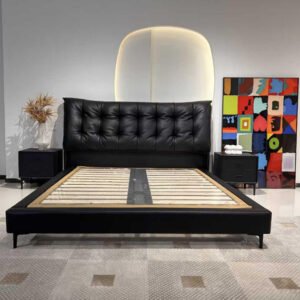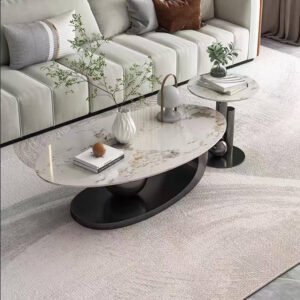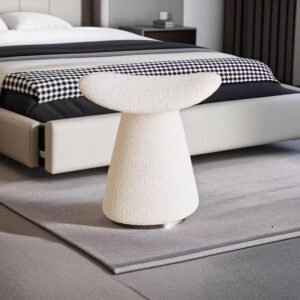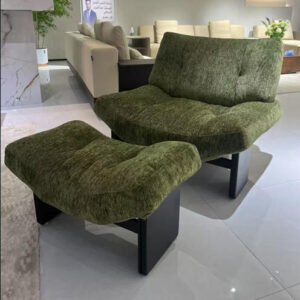

The first time most furniture buyers contact a Chinese supplier, they ask one question: “What’s your best price?” That single move — skipping context, credentials, and verification — is exactly why so many sourcing projects end in disappointment: a hotel dining set that arrives with inconsistent veneers, a custom sofa whose foam collapses within eight months, or a shipment held at customs because the certificate of origin was incorrectly completed.
China’s luxury furniture sector is not a monolith. The market encompasses state-of-the-art automated factories producing for Europe’s biggest retail brands, small ateliers in Foshan crafting bespoke lacquered cabinets by hand, and everything in between. As of 2025, the China luxury furniture market is valued at approximately USD 4.1 billion and is forecast to reach USD 6.8 billion by 2035, driven by hospitality expansion, rising domestic taste for premium interiors, and sustained demand from global importers (GM Insights, 2026). That scale means extraordinary opportunity — and extraordinary noise.
This guide cuts through that noise. Whether you are sourcing a bespoke dining set for a boutique hotel, building a product line for a design studio, or entering the China market for the first time as a retail buyer, you will find a structured path here: from reading the market and assessing brands, to verifying provenance, benchmarking craftsmanship, negotiating with confidence, and managing quality all the way to delivery. The team at Móveis Jade Ant — a Shanghai-based custom and luxury furniture manufacturer — has contributed practical experience throughout this article, grounding every section in real sourcing conditions rather than theory.
Understanding the Luxury Furniture Market in China
Market Size, Growth Segments, and Current Trends
China’s furniture manufacturing industry is the largest in the world by volume, but the luxury segment operates by entirely different rules than the mass market. The luxury tier — defined broadly as custom, premium-material, or design-led pieces priced above USD 2,000 per item at wholesale — has grown consistently at a CAGR of 3.9%–4.2% since 2022, even as the overall furniture market navigated trade friction, raw material volatility, and shifting export demand (Credence Research, 2024).
Three trends are reshaping the sector right now. First, scenario-based customisation — where buyers order furniture matched to a specific spatial concept rather than a catalogue item — is becoming the norm for hospitality and villa projects. Second, smart integration (motorised mechanisms, embedded lighting, concealed cable management) is increasingly expected even at the traditional craftsmanship end of the market. Third, sustainability documentation has moved from a marketing differentiator to a procurement requirement: buyers in the EU and UK now routinely request FSC chain-of-custody certificates for all wood-based goods.
Regional Hubs and Their Specialties
China’s luxury furniture production is geographically concentrated, and knowing where to look determines what you will find. Foshan, Guangdong — often called the “Furniture Capital of the World” — is the epicentre of high-end residential, hotel, and custom contract furniture. The Louvre International Furniture Exhibition Center in Foshan hosts more than 2,000 brands, with particular depth in neoclassical, contemporary luxury, and bespoke atelier-produced lines. Dongguan specialises in office and commercial-grade furniture, with several factories that cross over into the upper-contract hospitality space. Xangai serves as the commercial hub for international buyers seeking sourcing agents, project management services, and factory-matched logistics — manufacturers such as Móveis Jade Ant operate here, coordinating factory relationships across the Yangtze Delta region.
Further north, Pequim e Tianjin have growing clusters of design-forward brands targeting China’s domestic luxury housing sector, while Zhejiang Province (particularly Hangzhou and Yiwu) produces strong upholstery work and high-volume customised pieces for the hotel chain segment.
Buyer Personas: Designers, Developers, and Retail Buyers
How you approach the China market should depend on your role. Interior designers and architects typically need a supplier that can interpret technical drawings, match finishes across a multi-category package, and meet project milestone dates — flexibility and communication matter as much as price. Property developers running large-volume hotel or villa projects prioritise MOQ (minimum order quantity), lead time reliability, and on-site installation support. Retail furniture buyers, on the other hand, need catalogue-ready products with clean packaging, CE or CARB compliance documentation, and consistent reorder capability. Each persona will be navigating the same factories, but weighting entirely different criteria.
Key Segments of Luxury Furniture in China
Bespoke dining sets — one of the fastest-growing request categories for hotel and villa projects sourced in China.
High-End Mass-Market vs. Atelier-Made Pieces
The most important distinction in China’s luxury furniture landscape is between high-end mass-market production e atelier-made bespoke manufacturing. High-end mass-market refers to furniture produced at moderate volume (typically 50–500 units per SKU) using premium materials but with a standardised construction process — think upholstered beds with consistent foam grades, veneer-faced casegoods, and powder-coated metal frames. Quality here is measurable, repeatable, and documentable.
Atelier-made pieces, by contrast, are crafted in small workshops — sometimes by teams of fewer than 20 artisans — with significant hand-finishing, individual attention to grain matching, hand-laid marquetry, or hand-stitched leather. Lead times are longer (16–24 weeks versus 8–14 weeks for mass-market), MOQs are lower or even single-piece, and price points are typically 2–4× higher for equivalent dimensions. The atelier segment is where China’s luxury market has evolved most dramatically in the past decade: cities like Foshan now host dozens of workshops that produce furniture on par — or superior — to comparable European ateliers, at significantly lower fabrication costs.
Outdoor, Indoor, and Contract-Grade Categories
Understanding material requirements by category prevents expensive mismatches. Outdoor luxury furniture in China increasingly uses teak, powder-coated marine-grade aluminium, stainless steel 316, or synthetic HDPE rattan — materials that must pass UV, moisture, and salt-spray resistance tests. Indoor residential luxury leans on solid walnut or oak, Italian-sourced fabrics, engineered stone, and hand-applied lacquers. Contract-grade pieces (for hotels, restaurants, and offices) must meet additional durability benchmarks: seating, for example, should pass 100,000-cycle endurance tests for hospitality use, while tabletops need surface hardness ratings suitable for commercial cleaning chemicals.
Limited Editions, Customisation, and Bespoke Options
China’s manufacturing infrastructure makes true bespoke furniture economically accessible in a way that most Western markets cannot replicate. A custom upholstered armchair with a client-specified COM (customer’s own material), non-standard arm height, and a two-tone lacquer base can be produced from drawing to delivery in 10–14 weeks by a skilled Foshan atelier — at a fraction of the equivalent Italian or Scandinavian lead cost. Limited-edition collections, where a designer releases 10–30 pieces with hand-signed provenance documentation, have become a credible business model for Chinese furniture brands seeking global retail recognition.
Brand Landscape: Identifying Reputable Brands and Designers
How to Evaluate Brand Pedigree and Design Provenance
“Luxury” in the Chinese furniture market is a claim made by nearly every supplier; it is confirmed by almost none without verification. Brand pedigree in this context means the cumulative evidence of a manufacturer’s or designer’s track record: verifiable project references, consistent product photography (not just renderings), documented client relationships, exhibition history at credible trade fairs such as the Feira Internacional de Móveis da China (CIFF), and a design identity that extends beyond catalogue aggregation.
A practical first test: ask any brand claiming luxury positioning to provide the names of three completed hotel or residential projects you can independently verify. A genuine luxury manufacturer — whether a mid-size factory or a boutique atelier — will be able to name specific projects, provide photographs, and in many cases facilitate a reference call. A trading company pretending to manufacture, or a catalogue aggregator misrepresenting its capabilities, typically cannot.
Red Flags: Overused Claims, Sampling vs. Production Pieces
Channels to Verify Authenticity
Reliable verification channels include: trade fair participation records at CIFF or the China Guangzhou International Furniture Fair; business licence checks via China’s National Enterprise Credit Information Publicity System; ISO 9001 certificate verification through the China National Accreditation Service (CNAS); and third-party audits arranged through firms such as SGS, Bureau Veritas, or Intertek. For buyers working without a local agent, platforms like Alibaba Trade Assurance and Global Sources provide baseline supplier credibility markers, but they should be treated as a starting point, not a final verification.
Provenance and Materials: What to Verify
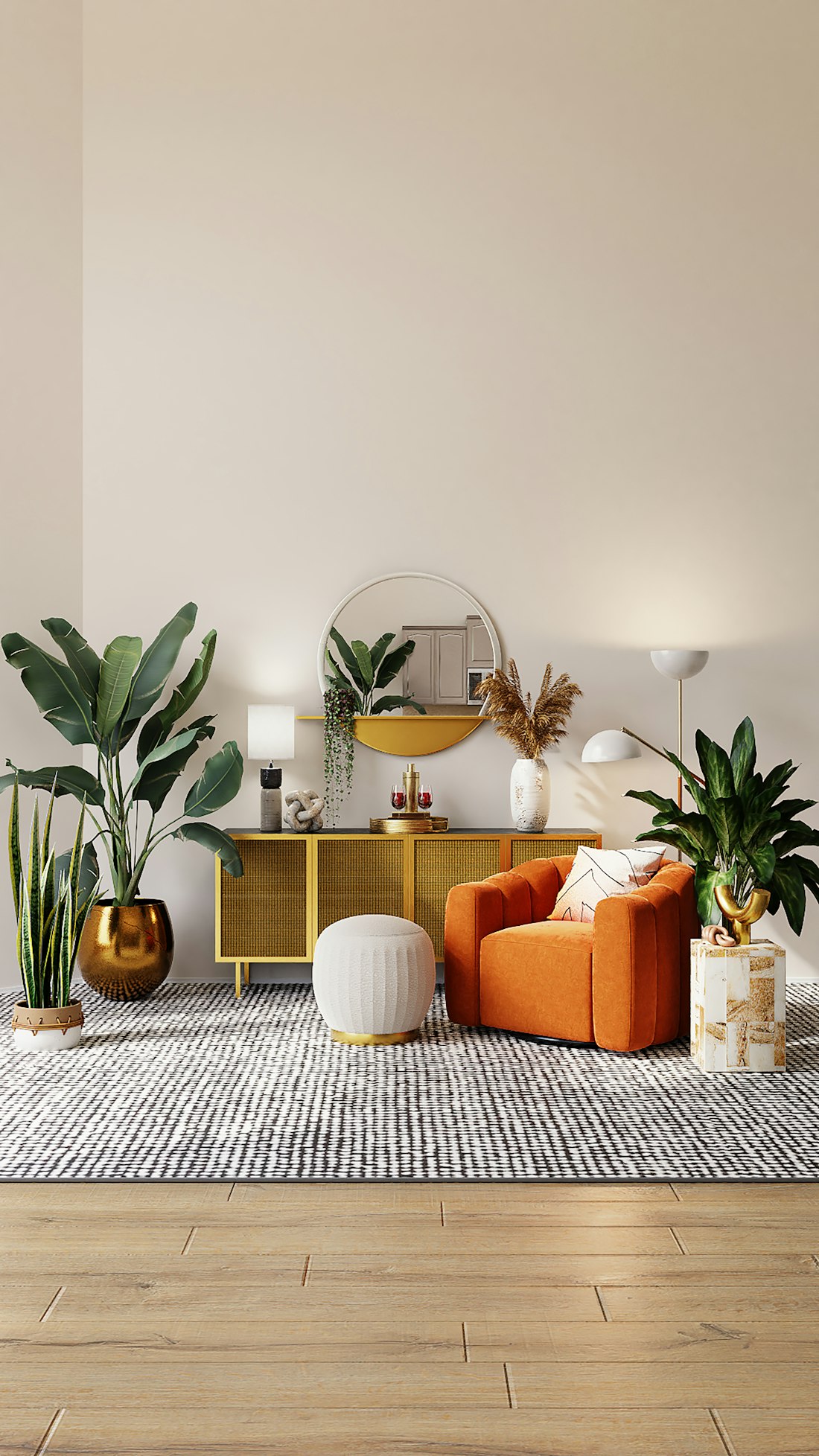
Wood species selection and moisture content control are among the most critical — and most frequently overlooked — material checks in luxury furniture sourcing.
Wood Species, Sourcing Certifications, and Sustainability Claims
The wood species used in a piece of luxury furniture is not merely an aesthetic choice — it is a structural, legal, and sustainability declaration. China’s premium furniture sector uses a wide range of timber: American black walnut (Juglans nigra) for deep-grained casegoods; European oak (Quercus robur) for dining tables and floor-standing pieces; teak (Tectona grandis) for outdoor and bathroom furniture; rosewood — though now heavily CITES-regulated; and various engineered timber substrates (HDF, MDF, plywood) for veneer-faced furniture where stability is prioritised over solid-wood aesthetics.
When a supplier claims “solid wood,” verify it. Request a cross-section photograph of a structural component, specify the species in the bill of materials, and ask for the moisture content at the point of fabrication (ideal is 8%–12% for most interior applications). For export markets with legal timber obligations — notably the EU Timber Regulation (EUTR) and the US Lacey Act — FSC chain-of-custody documentation is not optional; it is a legal compliance requirement. Always request FSC certificates with a valid certificate number you can verify directly at FSC’s certificate database.
Provenance Documentation: Certificates, Invoices, and Traceability
A fully documented luxury furniture order should include: supplier business licence and export registration; commercial invoice itemising all components by material and origin; packing list; certificate of origin (Form E for ASEAN markets, standard CO for others); fumigation certificate if solid wood packaging is used; wood species declaration or phytosanitary certificate where required; material safety data sheets (MSDS) for lacquers, adhesives, and surface treatments; and relevant test reports (formaldehyde emission, flammability, structural load). Missing any of these documents is not a bureaucratic inconvenience — it can mean customs holds, rejected shipments, or legal liability.
| Document | Purpose | Who Issues | Obrigatório para |
|---|---|---|---|
| Commercial Invoice | Declares value, description, quantity | Fornecedor | All exports |
| Packing List | Itemises contents, weights, dimensions | Fornecedor | All exports |
| Certificate of Origin | Confirms manufacturing origin | China Customs / CCPIT | All exports; duty rates |
| FSC Chain-of-Custody Certificate | Confirms legal, sustainable timber sourcing | FSC-accredited body | EU, UK, US wood imports |
| Fumigation Certificate | Pest treatment confirmation for wood packaging | Approved fumigation firm | Most countries (ISPM 15) |
| MSDS (Material Safety Data Sheet) | Chemical composition of finishes/adhesives | Material manufacturer | Regulated markets (EU, AU) |
| Formaldehyde Test Report | Confirms emission limits compliance | Third-party lab (SGS, Intertek) | EU, US (CARB Phase 2), AU |
| Flammability Test Report | Confirms fire resistance of upholstery | Third-party lab | UK (BS 5852), US (TB 117) |
| Bill of Lading | Shipping contract and cargo receipt | Freight carrier / forwarder | All ocean/air freight exports |
Craftsmanship Indicators: Joinery, Finishing, and Hand-Finishing Details
The difference between a USD 800 wholesale dining chair and a USD 2,500 luxury equivalent is usually not the marketing. It is in the joinery (mortise-and-tenon vs. dowel vs. cam-lock); the frame construction (kiln-dried solid wood vs. finger-jointed scrap vs. metal-reinforced engineered frame); the foam specification (25–28 kg/m³ high-resilience vs. low-density foam); the upholstery tension (hand-stitched double welt vs. glue-secured fabric edges); and the finish schedule (7-stage lacquer process with sanding between coats vs. two-coat spray). When visiting or auditing a supplier, these are the production-floor details that reveal the real standard — not the glossy showroom.
📖 Glossário de termos-chave
- Mortise-and-Tenon
- A traditional wood joinery method where a projecting piece (tenon) fits into a cavity (mortise). Stronger than dowel or cam-lock joints; a mark of structural quality in solid wood furniture.
- Veneer
- A thin slice (typically 0.6mm–3mm) of premium wood applied to a substrate (MDF or plywood). Not inherently inferior to solid wood — in luxury applications, book-matched veneers are prized for their symmetrical grain patterns.
- CARB Fase 2
- California Air Resources Board standard limiting formaldehyde emissions from composite wood products. The de facto benchmark for US furniture imports; equivalent to E1/E0 in Europe.
- COM (Customer’s Own Material)
- Upholstery fabric or leather supplied by the buyer to the manufacturer, used when the buyer wants a specific material not available from the factory’s standard range.
- FSC (Forest Stewardship Council)
- A global certification body ensuring timber is sourced from responsibly managed forests. FSC-COC (Chain of Custody) certification tracks wood from forest to finished product.
- MOQ (Quantidade Mínima de Pedido)
- The smallest number of units a supplier will accept per product. In luxury furniture, MOQs range from 1 (atelier) to 50–200 (mid-scale factory).
- Incoterms
- International commercial terms (published by the ICC) defining who pays for freight, insurance, and customs at each stage of a shipment. Common terms: EXW, FOB, CIF, DDP.
Craftsmanship and Production Techniques
Traditional vs. Modern Production Methods
China’s luxury furniture manufacturing has not abandoned tradition — it has layered modern precision on top of it. The best factories operate with CNC-routed frames (for dimensional consistency) that are then hand-sanded, hand-stained, and hand-finished by artisans with 10–20 years of experience. This hybrid model — machine accuracy plus human touch — produces results that are more consistent than purely hand-built furniture and far more refined than fully automated production.
Traditional Chinese joinery techniques — including the 榫卯 (sǔn máo, mortise-and-tenon system) used in Ming and Qing dynasty furniture — have experienced a significant revival. Several Foshan ateliers now produce contemporary furniture incorporating classical joinery without glue or metal fasteners, a construction approach that is both structurally superior and increasingly valued by collectors and design-conscious buyers globally.
Quality Benchmarks for Metals, Veneers, and Upholstery
| Componente | Standard Specification | Luxury Specification | Verification Method |
|---|---|---|---|
| Foam (seating) | 18–20 kg/m³ density | 25–28 kg/m³ HR foam + feather wrap | Ask for foam spec sheet; cut and weigh sample |
| Veneer | 0.3mm rotary-cut, single species | 0.6mm+ sliced, book-matched, continuous grain | Request grain-matching photos; check seam lines |
| Lacquer finish | 2–3 coats, spray, no inter-coat sanding | 5–7 stage: primer, fill, sand, colour, topcoat, polish | Count stages in production schedule; scratch test |
| Metal frame (chair) | 1.0mm wall thickness, mild steel | 2.0mm+ stainless or solid brass; TIG-welded | Request material cert; check weld seam quality |
| Hardware (hinges, handles) | Zinc alloy, chrome plating | Solid brass, satin or PVD finish; named brand (Blum, Häfele) | Ask for hardware supplier name; inspect fit and feel |
| Fabric/leather | Polyester blend, 30,000 Martindale rubs | Boucle, velvet, or full-grain leather; 100,000+ Martindale | Request Martindale test certificate; check seam alignment |
Inspection Points During Production Runs or Pre-Shipment
Professional buyers do not wait until the container is loaded to find out whether the furniture matches the approved sample. The most effective QC model inserts checkpoints at: (1) incoming material inspection — verifying wood moisture, foam grade, fabric roll lot number; (2) in-process inspection at frame completion stage; (3) pre-finishing inspection before lacquer or staining; (4) pre-upholstery inspection for frame, spring, and foam; (5) final assembly inspection; (6) packaging inspection including drop-test validation; and (7) pre-loading inspection against the packing list and shipping documents. Third-party inspection firms such as SGS ou Bureau Veritas can be engaged for the final pre-shipment stage if an internal team is not available in China.
Customisation, Lead Times, and Project Management
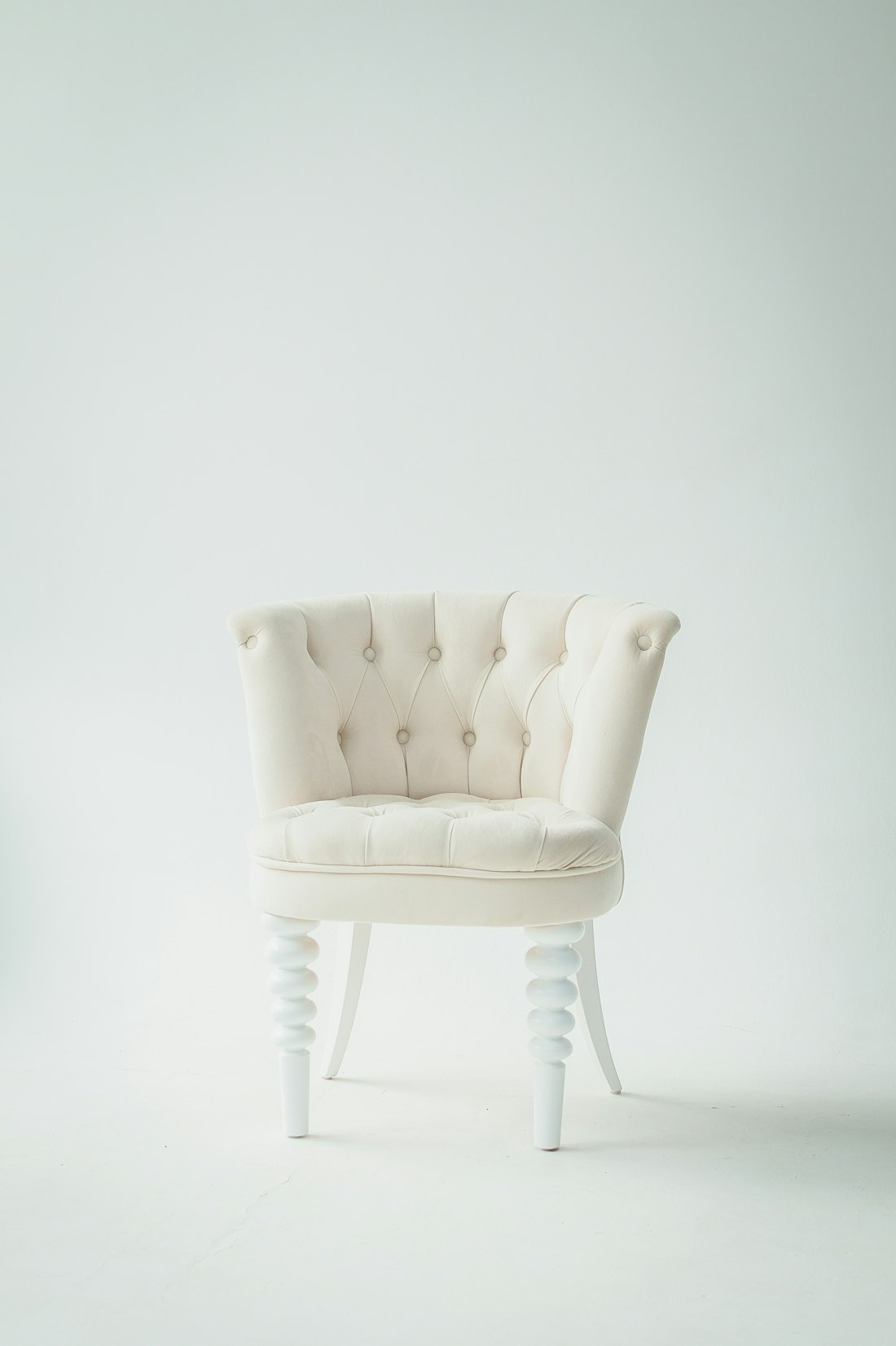
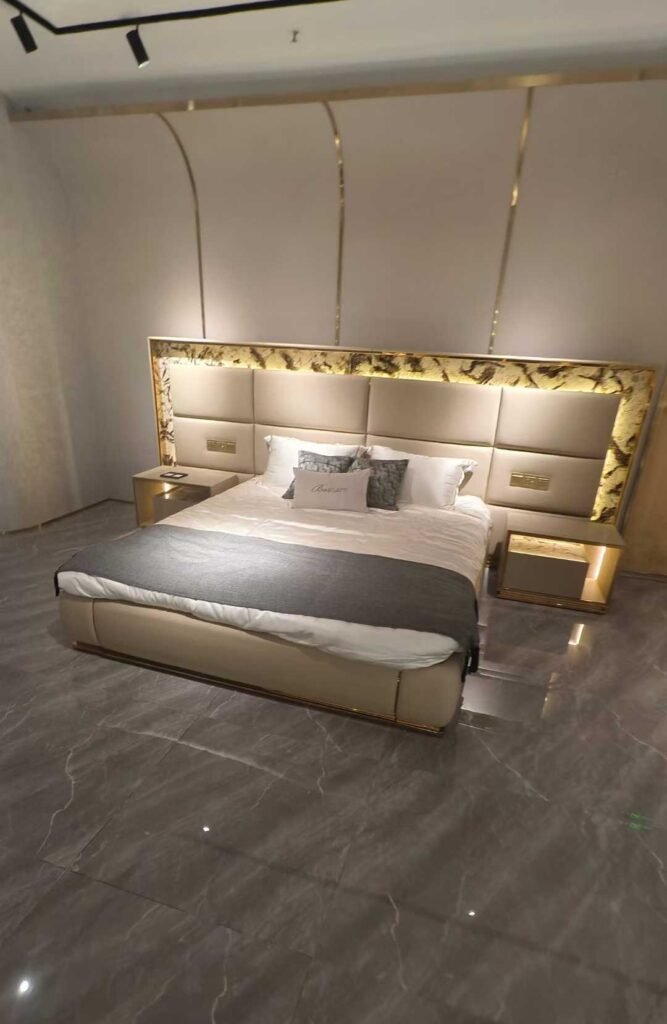
A luxury bedroom package — coordinating bed frame, casegoods, and soft furnishings across a single production schedule requires detailed milestone planning.
Scope of Customisation: Dimensions, Finishes, Upholstery, Hardware
The customisation capability of China’s leading luxury furniture manufacturers extends far beyond changing colour. A competent atelier-scale factory can produce from buyer-supplied AutoCAD or SketchUp drawings, match a specific RAL or NCS colour reference for lacquer, source COM upholstery material from the buyer’s preferred textile house, replicate a hardware profile in solid brass, adjust dimensions within millimetre tolerances, and produce multiple finish samples for client approval before production begins. What they cannot always do — and where clear communication is critical — is interpret ambiguous design briefs or resolve conflicting instructions from multiple project stakeholders without a single point of contact.
Realistic Lead Times and Project Scheduling
| Production Type | Typical Lead Time | Key Variables |
|---|---|---|
| Catalogue item (in stock / minor modification) | 3–6 weeks | Fabric availability, port schedule |
| Custom from standard range (COM, colour change) | 6 a 10 semanas | Sample approval time, COM lead time |
| Fully bespoke (new design, technical drawings) | 12–18 weeks | Drawing confirmation, prototype approval, material sourcing |
| Atelier / hand-finished luxury piece | 16–24 weeks | Artisan schedule, finish complexity, seasonal demand |
| Hotel project (multi-category, 50+ rooms) | 18–28 weeks | Coordination across multiple factories, phased delivery |
Communication Best Practices with Chinese Ateliers
Effective communication in cross-cultural project management is not just about language — it is about structure. Chinese manufacturing teams respond best to written specifications (not verbal instructions), clear drawing references with version numbers, milestone-linked approval points (rather than open-ended “let me know when it’s ready”), and a single named contact on each side. Avoid sending multiple conflicting instructions from different stakeholders. When changes are made after sample approval, document them in writing with timestamps — this protects both sides and prevents production errors caused by informal conversations.
Price Ecosystem: What Drives Luxury Pricing in China
- 35% — Raw materials (wood, foam, fabric, hardware)
- 25% — Labour & artisan craftsmanship
- 15% — Brand / design premium & IP
- 13% — Factory overheads & QC
- 12% — Packaging, documentation & export logistics
Raw Material Costs, Labor, and Craftsmanship Premium
A standard walnut dining table from a mid-tier factory in Foshan might wholesale at USD 350–500. The same table produced by an atelier using kiln-dried American black walnut with a 7-stage oil finish, hand-fitted butterfly joints, and provenance documentation might wholesale at USD 1,800–2,400. The material cost difference accounts for roughly USD 200–350; the remaining premium reflects skilled labour (artisans in premium finishing roles earn 3–5× the average workshop wage), process time, quality rejection rates, and the atelier’s brand premium.
Labour costs in China’s furniture manufacturing sector have risen approximately 6–8% per year since 2020, driven by rising living costs in Guangdong and increased competition for skilled finishing and upholstery workers. This is actually a positive sign for buyers: factories investing in skilled labour retention tend to produce more consistent work than those competing on the lowest possible wage bill.
Brand Equity, Exclusivity, and Distribution Margins
Chinese furniture brands that export directly — rather than through multi-tier trading networks — are increasingly capturing a larger share of the value chain. A brand with a verified design identity, a documented project portfolio, and direct factory ownership can command a 20–40% premium over an equivalent unbranded product, while still offering the international buyer better total value than a comparably specified European or American brand at retail. The key is knowing how to identify which “brand” claims are backed by genuine design and production ownership, and which are simply label-printing exercises on generic catalogue furniture.
Hidden Costs: Shipping, Duties, Taxes, and Insurance
The gap between the FOB (Free on Board) price you negotiate and the landed cost at your warehouse can be substantial — and is frequently underestimated by first-time buyers. For furniture imported from China to the United States, current costs include: ocean freight (USD 800–1,800 per CBM for LCL, or USD 3,500–6,000 per 20′ FCL as of 2025); import duty under HS Chapter 94 (base MFN rate 0%–6.5%, plus Section 301 tariffs of up to 25% for many wood furniture categories); customs brokerage fees (USD 150–400); port handling; inland freight; and cargo insurance (typically 0.3%–0.5% of CIF value). For EU buyers, EU customs duties on furniture from China are generally 0% under MFN rates, though EUDR (EU Deforestation Regulation) documentation requirements add compliance costs. Always model landed cost before comparing supplier quotes.
Negotiation Strategies with Chinese Suppliers
▶ Watch: Practical negotiation strategies with Chinese suppliers — covering pricing, payment terms, and relationship management.
Preparation: Setting Targets, MOQs, and Payment Terms
Effective negotiation begins before the first conversation. Your target price should be built from a detailed understanding of the cost structure — not from a gut feeling about what sounds reasonable. Before engaging a supplier, benchmark prices across at least three comparable factories or ateliers, model your landed cost (as described above), and set a clear walk-away point. Know your MOQ flexibility: many Chinese luxury manufacturers will reduce MOQ for buyers who commit to a longer-term relationship or share a production calendar in advance.
On payment terms, the industry standard for first-time orders is 30%–50% deposit before production, with the balance payable before shipment. For established relationships, net-30 or net-45 terms from bill of lading date are achievable. If you are ordering from a new supplier at scale, consider milestone-based payments tied to specific production checkpoints — frame completion, sample approval, packaging completion — rather than a single pre-shipment lump sum.
Tactics: Bundle Deals, Phased Payments, and Long-Term Partnerships
The most powerful leverage in negotiating with Chinese luxury furniture suppliers is not price pressure — it is volume certainty and relationship longevity. A buyer who presents a 12-month rolling forecast of orders, or who agrees to an annual framework contract covering multiple furniture categories, can typically negotiate 8–15% better unit pricing, priority production slots during busy seasons, faster lead times, and more flexible payment terms than a buyer who negotiates order by order.
Bundle deals — grouping multiple furniture categories (bedroom, dining, living) into a single order — create economies of scale that benefit both sides. The factory reduces scheduling overhead; the buyer reduces per-unit freight cost. Phased payment structures, where payments are tied to verifiable production milestones with photographic evidence, are increasingly standard practice among sophisticated buyers working with premium Chinese manufacturers like Móveis Jade Ant, which documents each production stage for client approval.
Cultural Considerations and Effective Communication
Chinese business culture places significant weight on guanxi (关系) — the network of relationships and mutual obligations that underpin long-term commercial trust. This does not mean that professional boundaries are ignored; it means that building personal rapport, demonstrating respect for the supplier’s expertise, and maintaining consistency between what you say and what you do (particularly regarding payment timing) creates a relationship context in which better commercial terms become more accessible over time. Conversely, aggressive one-sided price pressure, frequent last-minute changes, or late payments — even small ones — erode supplier confidence rapidly in this cultural context, often leading to deprioritisation of your production slot during busy periods.
Quality Assurance, Inspection, and Documentation
Pre-Shipment Inspection Checklists for Luxury Pieces
For luxury furniture specifically, a pre-shipment inspection (PSI) must go beyond the standard AQL (Acceptable Quality Level) sampling used in mass-market goods. Every piece in a luxury order — or at minimum, a statistically valid sample — should be inspected against the approved golden sample across the following criteria:
- Dimensional accuracy (±2mm tolerance for luxury custom pieces)
- Finish consistency: colour, sheen level, and texture uniformity across all units
- Veneer grain matching and absence of delamination
- Upholstery seam alignment, tension consistency, and fabric direction
- Hardware fit, operation, and finish (hinges, drawer runners, handles)
- Structural integrity: stability test, wobble check, load test for seating
- Surface defects: scratches, dents, bubbles, pinholes, overspray
- Packaging integrity: carton strength, corner protection, moisture barrier
- Labelling: shipping marks, country of origin, product codes
- Document check: packing list accuracy, certificate availability
Factory Audit, Quality Control, and Third-Party Verification
A factory audit for luxury furniture should not look like a warehouse inspection. Evaluators should examine the spray booth environment (dust control, temperature, humidity monitoring), the upholstery station setup (pattern cutting accuracy, seam equipment calibration), the wood storage area (controlled humidity, correct stacking), and the finished goods holding area (protection from contact damage, climate conditions). Ask for the factory’s internal defect log from the past three production runs — a factory that cannot produce this document does not have a functioning QC system, regardless of what its certification says.
Documentation Bundle: Warranty, Care Manuals, and Returns Policy
Luxury furniture buyers should negotiate a documentation bundle that goes beyond shipping documents. This should include: a written warranty statement (typically 1–3 years for structural components, 12 months for finishes and upholstery); a care and maintenance guide specific to the materials used; a spare parts list with part codes for hardware, upholstery components, and proprietary elements; and a clearly documented returns or replacement policy including the evidence required to make a claim (photographs, defect description, timeline). For hotel projects, a spare parts kit (extra fabric swatches, touch-up lacquer in the matched colour, spare hinges) should be included in the original shipment.
Logistics, Import/Export, and After-Sales Service
Packaging, Shipping Modes, and Risk Management
The packaging of luxury furniture is not a logistics afterthought — it is a quality control decision. A handcrafted lacquered cabinet that survives 18 weeks of production can be ruined in 20 minutes of poor container loading. For high-value pieces, best-practice packaging involves piece-level wrapping (foam corner protection, stretch wrap, and intercalary cardboard); individual carton boxing for each item; wooden crate protection for marble tops, glass panels, or oversized items; pallet wrapping for stability inside containers; and container bracing to prevent shifting. Ocean freight via LCL (less-than-container-load) is appropriate for small orders; FCL (full container load) reduces handling exposure for larger projects.
Customs Clearance, Duties, and Local Compliance
Furniture imported under HS Chapter 9403 (Other furniture and parts) faces varying duty structures by destination. For US imports, the base MFN rate ranges from 0%–6.5%, with Section 301 tariffs adding a further 7.5%–25% for most China-origin furniture categories — always verify the current classification at USITC’s Harmonized Tariff Schedule. EU buyers face 0% MFN customs duty but must comply with EUDR and REACH regulation chemical restrictions. Australian buyers should verify AQIS (biosecurity) requirements for any solid timber or wood packaging. Engaging a licensed customs broker in your destination country is strongly recommended for luxury furniture shipments, where misclassification risk is higher due to mixed material compositions (wood + metal + stone + upholstery in a single piece).
After-Sales Support: Maintenance, Repairs, and Replacement Parts
The best Chinese luxury furniture manufacturers distinguish themselves not just in production but in what happens after delivery. A supplier who can ship matched lacquer touch-up paint within two weeks of a warranty claim, who can provide a replacement drawer front with the correct veneer lot, or who assigns a dedicated after-sales contact for the duration of a hotel project — these are the operational capabilities that convert a one-time transaction into a long-term partnership. Ask specifically about after-sales service structure before placing your first order; the response will tell you a great deal about the supplier’s operational maturity.
Risk Management and Ethical Considerations
- 35% — Quality control failures (finish, dimensions, materials)
- 23% — Capacity & lead time overruns
- 15% — Compliance documentation gaps
- 15% — Logistics & packaging damage
- 12% — Communication failures & misaligned expectations
Intellectual Property and Design Rights Protection
China has significantly strengthened IP protection frameworks since 2019, but practical enforcement remains uneven. For buyers commissioning bespoke designs, a non-disclosure agreement (NDA) and a design ownership clause in the supply contract are baseline protections. Register designs with China’s National Intellectual Property Administration (CNIPA) if the design will be commercially significant — registration costs are low relative to the protection offered. Avoid sharing full technical drawings with a supplier until NDAs are signed and a basic trust relationship has been established. Several experienced buyers work with a local IP lawyer in Shanghai or Beijing to draft supply contracts with appropriate IP protections — the cost is usually USD 500–2,000 and can prevent losses orders of magnitude larger.
Sustainability and Supply Chain Transparency
The EU Deforestation Regulation (EUDR), which requires companies to prove that wood products did not contribute to deforestation, places new due diligence obligations on furniture importers from 2025 onward. Practically, this means requiring suppliers to provide geo-location data for timber origins and full chain-of-custody documentation. FSC certification covers most of this requirement if obtained from an accredited body. For buyers in any regulated market, working with a supplier that proactively manages sustainability documentation — rather than one that scrambles to produce it when asked — is a material risk reduction.
Counterfeit Risk and How to Mitigate It
Counterfeit furniture in China operates at multiple levels: outright replicas of famous European brands (legally risky for the buyer to import in many markets); “inspired by” designs that appropriate iconic forms without direct trademark infringement; and misrepresented materials (labelling HDF as solid wood, or synthetic leather as genuine leather). Mitigation involves buying from verified manufacturers with transparent material documentation, conducting material verification through third-party lab testing when in doubt, and understanding the legal implications of importing products that closely replicate protected designs in your destination market.
Case Studies and Practical Checklists
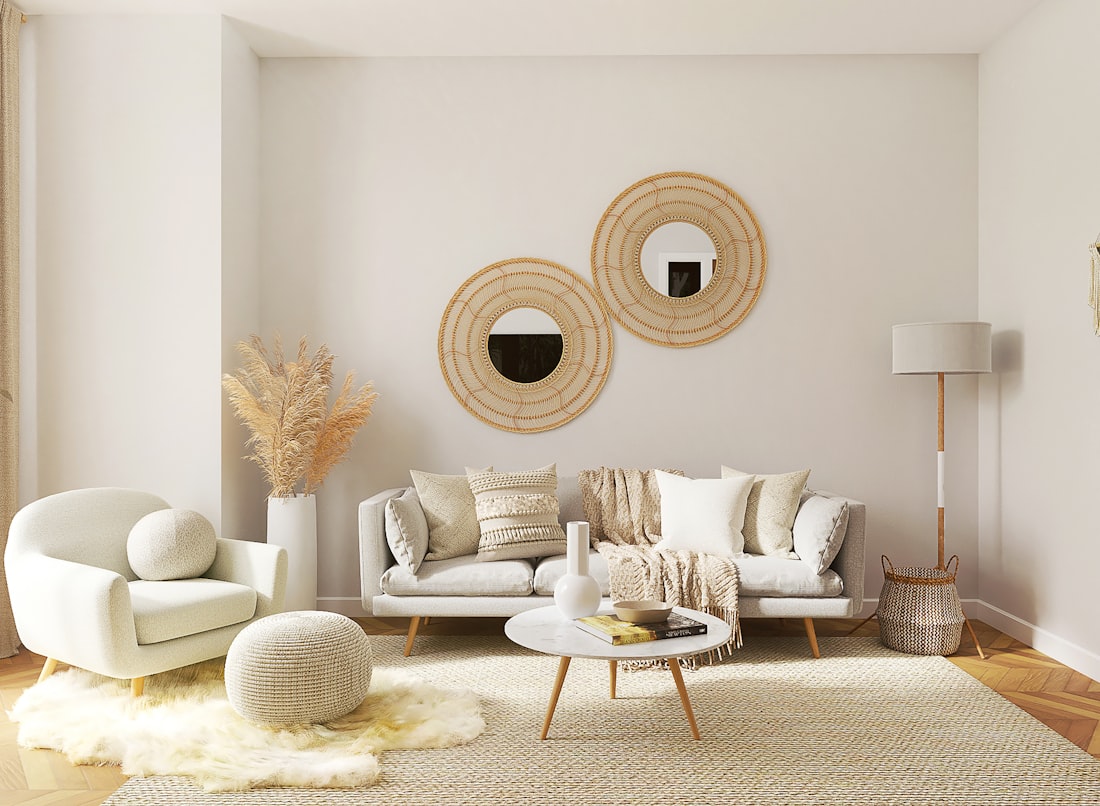
A 5-star hotel restaurant fitted with custom-sourced dining furniture from China — 240 covers, four furniture categories, 14-week production timeline.
Case Study: Sourcing a Bespoke Dining Set for a Hotel Project
A boutique hospitality group in Southeast Asia needed a 240-cover restaurant dining set for a new 5-star property: custom walnut-veneer dining tables (1,200mm round, with polished brass column bases), upholstered dining chairs (custom COM bouclé fabric, aged brass leg), and sideboard buffets with hand-applied aged brass inlay. Their brief to Móveis Jade Ant included AutoCAD drawings, Pantone references for the lacquer, and a Martindale test requirement of 80,000 rubs for the fabric.
Timeline: Week 1–2, drawing confirmation and material sample approval. Week 3, COM fabric sourced from a Hong Kong textile agent and shipped to factory. Week 4, prototype chair produced and approved via video call and courier sample. Weeks 5–14, mass production with bi-weekly photo updates. Week 13, third-party pre-shipment inspection conducted; 3 dining chairs flagged for veneer edge delamination and re-worked within the schedule. Week 15, FCL container loaded and departed Guangzhou. The project delivered on time, within 3% of projected landed cost, and the hotel opened on schedule — a result achieved through structured documentation, milestone-based communication, and a pre-agreed quality standard that left no room for subjective interpretation at inspection time.
Quick-Start Checklist for First-Time Luxury Furniture Buyers
- Define full product specification (dimensions, materials, finishes, compliance requirements) before contacting suppliers
- Identify at least three candidate suppliers with verified export experience in your furniture category
- Verify business licence, factory location, and export registration via official Chinese databases
- Request and evaluate samples — including packaging — before placing any production order
- Build a landed cost model including freight, duties, insurance, and defect risk before accepting any FOB quotation
- Sign a supply contract with NDA, IP ownership, payment terms, QC standards, and warranty terms before paying deposit
- Arrange third-party pre-shipment inspection for any order over USD 15,000 FOB value
- Confirm all shipping documentation requirements for your destination market before production begins
- Plan for spare parts, touch-up materials, and after-sales contact as part of the order
Due-Diligence Questionnaire Template for Suppliers
| # | Question | What a Strong Answer Looks Like | Red Flag Response |
|---|---|---|---|
| 1 | Can you provide your business licence and factory address? | Business licence with matching factory address, verifiable via GSXT | Delay, refusal, or mismatched addresses |
| 2 | Who owns and operates your production facility? | Clear disclosure of factory ownership; honest about subcontracting | Vague answer about “partner factories” |
| 3 | What is the wood species and moisture content in this product? | Specific species name + moisture certificate or production protocol | “Premium solid wood” with no specification |
| 4 | What QC checkpoints do you have during production? | Named stages, documentation, photographic evidence from recent orders | “We have strict quality control” with no details |
| 5 | Can you provide your ISO 9001 or relevant certificates? | Current certificate with verifiable body; explains scope | Expired certificate or unverifiable issuer |
| 6 | What is your warranty policy and after-sales support process? | Written warranty period + named after-sales contact + spare parts plan | “We guarantee quality” with no written terms |
| 7 | Can you share 3 completed project references with photos? | Named projects, verifiable photos, willingness to provide reference calls | Generic showroom photos only |
| 8 | Do you have FSC or equivalent wood certification? | FSC-COC certificate with verifiable certificate number | “Our wood is from sustainable sources” without documentation |
Closing Guidance: Building a Reliable Sourcing Workflow in China
Step-by-Step Sourcing Workflow from Brief to Delivery
Reliable sourcing from China’s luxury furniture sector is a process, not a transaction. The most successful buyers follow a consistent workflow that treats each stage as a risk control point — not just a logistical step. Begin with a fully written product brief (not a verbal description), then identify and verify at least three suppliers before requesting formal quotations. Evaluate quotations on landed cost, not unit price. Request and approve samples with written sign-off documentation. Execute a supply contract before paying any deposit. Insert production checkpoints at key milestones. Arrange pre-shipment inspection. Confirm documentation before container loading. Track the shipment to arrival and plan customs clearance in advance. After delivery, complete a quality reception report and share feedback with the supplier — this closes the loop and strengthens the relationship for the next order.
Recommended Partner Networks and Verification Steps
Building a reliable partner network in China takes time, but several resources accelerate the process. Trade fairs — particularly CIFF (held biannually in Guangzhou and Shanghai) and the Hong Kong International Furniture Fair — provide direct access to vetted manufacturers. Industry bodies such as the China National Furniture Association (CNFA) maintain member directories. Third-party sourcing and quality control firms with on-the-ground China teams can provide supplier audits, production monitoring, and pre-shipment inspection without requiring the buyer to be physically present. For buyers who want a single integrated solution — factory matching, production oversight, QC, and export coordination — working with an established manufacturer-sourcing partner such as Móveis Jade Ant can significantly reduce the complexity and risk of direct factory engagement.
Metrics to Measure Success and Ensure Ongoing Quality
| KPI | Target Benchmark | How to Measure |
|---|---|---|
| On-time delivery rate | ≥ 95% of orders arrive within agreed window | Track actual vs. agreed ETD/ETA per order |
| Inspection pass rate (first-pass) | ≥ 92% of units pass PSI without rework | Pre-shipment inspection reports, defect log |
| Transit damage rate | ≤ 2% of pieces arrive with damage | Reception report at delivery; photo documentation |
| Documentation accuracy | 100% — zero customs delays due to doc errors | Track customs clearance timelines and queries |
| Warranty claims rate | ≤ 1.5% of units generate a warranty claim within 12 months | After-sales log; claims tracking system |
| Supplier response time | ≤ 24 hours for standard queries; ≤ 4 hours for urgent issues | Log communication timestamps |
Conclusão
Sourcing luxury furniture from China rewards preparation and punishes shortcuts. The market offers genuine access to world-class craftsmanship, extraordinary customisation capability, and competitive pricing — but only to buyers who approach it with the discipline that any complex, high-value supply chain requires. The buyers who consistently succeed are those who invest time in market awareness before their first conversation, who verify provenance and credentials before their first payment, and who build negotiation strategies around long-term partnership value rather than short-term price extraction.
Due diligence is not an obstacle to doing business — it is the mechanism by which doing business in China becomes reliably profitable. The documentation, the quality checkpoints, the cultural awareness, the landed cost modelling — these are not bureaucratic overheads. They are the tools that convert a market full of noise into a precisely tuned supply chain that delivers on time, on spec, and within budget.
Whether you are sourcing your first container of custom dining furniture or managing a recurring procurement programme for a global hospitality brand, the structured approach outlined in this guide provides a framework you can adapt to your specific context. Start with clarity, verify systematically, and build relationships that create value on both sides of the table. That is how the best buyers work — and it is how Móveis Jade Ant approaches every project it supports, from the first drawing to the final delivery.