Getting More from Your High-End Hospitality Furniture Supplier
1. The Strategic Value of a Trusted Hospitality Furniture Partner
Most furniture relationships end at the loading dock. The container ships. The pieces arrive. The invoice is paid. And the supplier number gets filed somewhere between the architect’s contact and the contractor’s warranty folder — ready to be retrieved the next time something breaks.
That model costs you more than you think.
The global hospitality furniture market was valued at USD 8.9 billion in 2025 e deve atingir USD 14.7 billion by 2032, growing at a CAGR of 7.4% according to Strategic Market Research. Within that, the luxury hospitality furniture segment alone is expected to grow from USD 7.99 billion in 2025 to USD 14.99 billion by 2035. These figures reflect something the industry has learned the hard way: furniture is not a one-time capital event. It is a recurring operational responsibility.
Hotels that manage FF&E reactively — replacing pieces as they fail, reordering from memory, scrambling for documentation during brand inspections — pay a 18–30% premium per replacement cycle compared to operators running a structured, supplier-supported lifecycle program. For a 150-room property, that premium can amount to over USD 1.2 million in unbudgeted spend per PIP (Property Improvement Plan) cycle when assets are not tracked systematically.
FF&E (Furniture, Fixtures & Equipment): The movable items in a hotel or villa that are not permanently attached to the building — beds, lounge seating, case goods (wardrobes, dressers, nightstands), dining sets, and decorative fixtures. Typically representing 12–18% of total development cost, these are managed separately from construction and are the primary driver of ongoing capital expenditure in luxury hospitality.
PIP (Property Improvement Plan): A formal document issued by a hotel brand or asset manager specifying upgrades required to maintain brand standard compliance. PIPs trigger major FF&E replacement cycles and can represent USD 12,000–25,000 per guestroom in a full renovation.
The professionals who consistently deliver on-brief, on-budget hospitality projects — and who protect those investments over time — treat their furniture supplier not as a vendor but as a strategic operational partner. One who understands the property’s brand standards, has documentation ready for brand inspections, can fulfill urgent replacement orders without a three-month lead time, and has already thought about what your furniture will need in year eight.
This guide is for FF&E buyers, hotel operators, villa developers, interior designers, furniture importers, and private-label brand owners who want to extract that full value from every supplier relationship — from the first sample approval through the full lifecycle of the property.
2. Proactive Maintenance Protocols for Long-Term Durability
A five-star suite in Bali was refurnished in 2021. By 2023, the leather headboard had developed a white haze — a sign of mold forming beneath the surface finish. The villa management team blamed the manufacturer. The manufacturer pointed to the maintenance log: no conditioning protocol had been followed since installation. The moisture content of the tropical air had done exactly what it does when leather is left untreated in a high-humidity environment.
The piece was not defective. It was under-maintained. The cost of replacement: USD 4,200 per room. The cost of a quarterly conditioning protocol: USD 40 per room per year.
This is the gap that proactive maintenance protocols close — and it is one that your furniture supplier is uniquely positioned to help you fill.
Material-Specific Maintenance Protocols
Different materials fail in different ways and require different care schedules. The following benchmarks are based on commercial hospitality use in high-traffic luxury environments.
| Material | Cleaning Agent | Frequência | Key Risk | O que evitar |
|---|---|---|---|---|
| Full-grain leather (tropical) | pH-neutral leather cleaner + conditioner | Clean weekly, condition every 3–4 months | Mold, surface cracking, UV fade | Alcohol-based cleaners, direct sunlight without UV film |
| Performance fabric (Martindale 80,000+) | Mild soap + warm water; HEPA vacuum | Weekly vacuuming, spot clean as needed | Pilling, colour fade in high-UV zones | Bleach, high-heat steam on some synthetics |
| Solid hardwood (indoor lacquered) | Microfibre cloth, dry or lightly damp | Dust daily; polish every 3–6 months | Surface checking in AC-dry environments | Abrasive pads, silicone-based polishes that attract dust |
| Solid hardwood (outdoor teak) | Mild detergent and soft brush | Clean monthly; oil annually | UV graying if left untreated; mold in joints | Pressure washers at close range (damage surface grain) |
| Sintered stone tops | Non-acidic stone cleaner | Wipe after each use; deep clean weekly | Etching from acidic liquids (citrus, wine) | Vinegar, bleach, acidic tile cleaners |
| Powder-coated metal (outdoor) | Mild soap and water | Monthly in coastal/marine environments | Salt-air pitting if coating chips | Steel wool, abrasive pads that scratch the coating |
| Velvet upholstery | Soft brush or upholstery attachment | Weekly brushing; professional clean annually | Crush marks, water staining | Water spotting — always blot, never rub |
Source: Commercial hospitality furniture maintenance benchmarks, 2025.
Seasonal Maintenance Checklists
For tropical and coastal villa environments, divide your maintenance calendar into two bands: wet season (higher mold risk, inspect joints, fabrics, and organic surfaces) and dry season (higher UV and temperature stress, prioritize outdoor timber oiling and leather conditioning).
For continental climates, run a winter protocol for indoor furniture (HVAC-driven low humidity increases risk of timber checking and veneer delamination — use humidifiers in rooms where furniture is stored during off-peak periods) and a summer protocol for outdoor pieces (inspect coating integrity before peak season, not after the first damage is visible).
The Supplier’s Role in Maintenance
A supplier who genuinely understands the properties they service provides a material-specific maintenance schedule as a standard deliverable — not something you request six months post-delivery. This document should detail approved cleaning agents by material type, recommended conditioning products (with brand names, not generic descriptions), and replacement thresholds (for example: “replace seat foam when visible sagging exceeds 20% of original profile depth” — not just “replace when worn”).
Móveis Jade Ant builds this documentation into its standard post-delivery package for hotel and villa projects — because a piece that fails early due to improper care is a claim conversation nobody wants to have.

3. Care Training Programs for In-House and Facility Staff
The most precisely specified furniture can fail ahead of schedule when the people cleaning it daily do not know what they are working with. A housekeeping attendant who uses an all-purpose bleach spray on a hand-oiled timber surface, or who steam-cleans a velvet headboard at the wrong temperature setting, is not being careless. They have simply never been told what the material is or how it behaves.
This is not a housekeeping problem. It is a procurement and supplier integration problem — and it is fixable.
What Effective Care Training Covers
A supplier-delivered care training program for hotel and villa staff should address four areas. First, material identification: staff need to recognize on sight what surface type they are working with — lacquered timber versus oiled timber, performance fabric versus natural velvet, sintered stone versus natural marble. Each has a different response to cleaning chemicals and moisture.
Segundo, approved product protocols: provide a laminated one-page material care reference card (physically installed in the housekeeping storage area of each room or zone), listing the approved cleaning agent, correct dilution ratio, and application method for each furniture category. This single document eliminates the most common maintenance errors without requiring staff to memorize complex protocols.
Terceiro, damage identification and escalation: train staff to recognize the early signs of material stress — surface checking in timber, colour shift in leather, loosening joints in seating frames — and to report these through a defined channel before minor issues become costly repairs. A loose joint caught at month three is a ten-minute fix. The same joint left for six months becomes a frame failure.
Fourth, handling protocols for specific pieces: bespoke or high-value items often have specific handling requirements for deep cleaning. Outdoor furniture with detachable cushions should have those cushions removed and air-dried (not stored damp). Leather pieces should not be sprayed — they should be wiped with an already-dampened cloth. Teak furniture should not be dragged across stone terraces.
Digital and On-Site Delivery Options
For properties where supplier travel is impractical, a video training library — broken down by material type and room zone, accessible via QR code on a card attached to the cleaning supplies cart — is an effective and scalable solution. Well-documented suppliers can deliver this as a ready-to-use resource. For flagship openings or complex bespoke installations, an on-site care training session at property handover (covering the key custodians: head of housekeeping, villa manager, and facility coordinator) is the gold standard.
Tip for FF&E Buyers: During supplier qualification, ask directly: “What care and maintenance documentation do you provide with delivery? Do you offer staff training, and in what format?” A supplier who has a ready answer has thought about the full lifecycle. A supplier who pauses has not.
4. Streamlined Replacement Ordering: Reduce Downtime, Maximize Efficiency
A guestroom sofa is damaged by a guest. The villa manager photographs it, sends an email, and waits. Two weeks later, after several exchanges to confirm the original specification, a quote is issued. The fabric is no longer available in the original colourway. The manager escalates. Weeks pass. The room runs at reduced rate with a temporary replacement.
This is a scene that plays out repeatedly in properties that have not built a structured replacement ordering system with their supplier — and it is entirely avoidable.
The Three Components of an Effective Replacement System
The first component is unique piece identification. Every piece of furniture in a high-end property should have a physical identifier — a discreet QR code tag or laser-engraved ID plate on a non-visible surface — that links to a digital record containing the piece’s full specification: dimensions, timber species, foam density, fabric colourway, finish reference, and production date. When a replacement is needed, staff scan the tag and the system generates a pre-populated reorder request. No specification archaeology. No misidentification.
QR Code Asset Tagging: A simple, cost-effective system where each furniture piece carries a machine-readable QR code that stores or links to its specification record, installation date, warranty status, and maintenance history. Increasingly standard in professional FF&E management, this system allows any staff member with a smartphone to instantly access everything a supplier needs to fulfil a replacement order. Learn more about the technology in Loft’s Digital Asset Tagging overview.
The second component is a locked specification archive held by the supplier. The moment your furniture order is completed and delivered, the manufacturer should archive every specification in a named project file — materials, finishes, fabric dye lots, hardware references, and production drawings — and commit to holding that archive for a defined period (minimum 5–7 years, ideally 10). When you need a replacement or an extension order, this archive enables like-for-like production without re-specification from scratch.
The third component is SLA-backed turnaround commitments. An SLA (Service Level Agreement — a contractual commitment to defined response times and service standards) for replacement orders should specify: acknowledgement within 24 hours of a replacement request, a confirmed lead time and quotation within 48–72 hours, and an express production option (typically 30–50% of standard lead time, at a defined surcharge) for urgent cases such as pre-season openings or high-occupancy periods.
Replacement Lead Time Benchmarks
| Scenario | Typical Timeline (Standard Process) | With Structured Supplier System |
|---|---|---|
| Like-for-like fabric replacement (same spec, same dye lot) | 8–14 weeks | 4–6 weeks (archived spec + priority slot) |
| Frame replacement (same design, same finish) | 10 a 16 semanas | 5–8 weeks |
| Full piece replacement (custom design) | 14–22 weeks | 8 a 12 semanas |
| Urgent pre-season express order | Not available (standard process) | 3–5 weeks (express surcharge: 20–35%) |
| Complete room or suite refurbishment | 16–26 weeks | 10–18 weeks |
Source: Industry FF&E replacement lead-time benchmarks, 2025. Express timelines available from manufacturers with dedicated capacity allocation programs.
The difference is not magic. It is preparation — the specification archive, the reserved production capacity, and the pre-agreed commercial terms that eliminate the renegotiation delay from every replacement cycle.
5. Digital Asset Management: Access Product Specs, CADs, and Warranty Info Instantly
According to OxMaint’s 2026 Hotel FF&E lifecycle analysis, 82% of hotels cannot produce a real-time FF&E condition report when ownership requests capital expenditure justification. Most properties manage their FF&E on spreadsheets and physical walk-through checklists — a system that works when the property is small and the management team is stable, and fails when either of those conditions changes.
For large villa estates, multi-property hotel portfolios, and any property undergoing brand inspections or investor audits, digital asset management is not a luxury add-on. It is a professional operational standard.
What a Supplier-Supported Digital Asset System Provides
At the most practical level, a dedicated client portal — maintained and updated by your furniture supplier — gives your team 24/7 access to the documentation that would otherwise live in a folder on a departing project manager’s laptop. This includes:
- Technical drawings (AutoCAD DWG/DXF and BIM-compatible Revit RFA files) for every custom piece — essential for MEP and FF&E coordination during renovations or extensions. FF&E BIM coordination resources explain why Revit and BIM file formats are becoming the standard for FF&E data exchange in architecture and interior design practice.
- Material certifications: FSC chain-of-custody, GREENGUARD Gold, fire safety compliance (CAL 117, BS 5852, EN 1021), CARB Phase 2 — instantly retrievable for brand inspections, LEED documentation, or regulatory compliance audits.
- Warranty terms per piece category, with clear documentation of what constitutes a covered defect versus normal wear, and the process for initiating a warranty claim.
- Order history and production records: batch numbers, dye lots, production dates, and shipping documentation — the chain of evidence needed to manage a consistent replacement program across years.
- Maintenance schedules: material-specific, referenced to the actual pieces in the property, not generic guidance.
BIM (Building Information Modeling): A digital representation of the physical and functional characteristics of a building, used by architects, engineers, and interior designers to coordinate all building components — including FF&E — in a single shared model. When furniture suppliers provide BIM-compatible files (RFA format for Revit users), designers can place accurate three-dimensional furniture models directly into the building model, eliminating dimensional conflicts and improving coordination with MEP (Mechanical, Electrical, and Plumbing) systems.
The Practical Case: Brand Inspection Preparation
A hotel group with 12 properties in Southeast Asia was preparing for a brand standards inspection across its portfolio. The FF&E coordinator needed fire safety compliance documentation for 47 furniture categories across all properties. With a supplier-maintained digital asset portal, the complete documentation set was assembled in four hours. The alternative — contacting individual suppliers, re-requesting documents issued two to four years prior, chasing responses across time zones — would have taken four weeks and several would have been unrecoverable.
That four-hour versus four-week difference is the commercial value of professional digital asset management in hospitality FF&E.
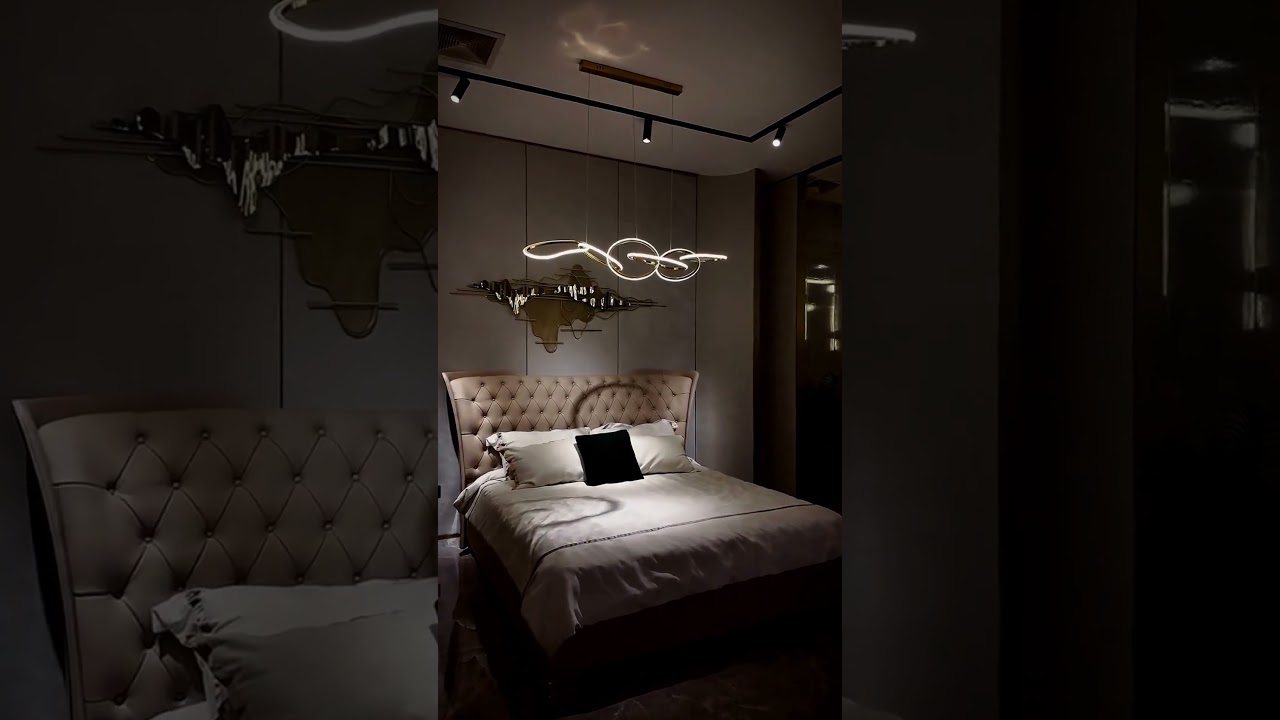
▶ Watch: What Nobody Tells You About Hotel FF&E Procurement Until It’s Too Late — a concise breakdown of the procurement mistakes that surface right before opening day, directly relevant to anyone managing a hospitality furniture project from brief through delivery.
6. Predictive Refresh Planning: Aligning Aesthetic and Operational Cycles
A 2026 analysis of hotel FF&E lifecycle data from OxMaint found that hotels replacing FF&E reactively — when pieces visibly fail — pay 18–30% more per replacement cycle than operators running a structured, condition-based renewal program. The reason is straightforward: reactive replacement requires emergency procurement (higher unit cost, expedited logistics), disrupts in-service rooms (lost revenue during replacement), and typically results in inconsistent specifications as original materials and finishes are no longer available.
Predictive refresh planning replaces that reactive cycle with a data-driven forecasting model that tells you — with reasonable accuracy — which furniture categories will require attention in years three, five, and eight. This protects your capital budget, allows off-season procurement (typically 15–20% lower cost than peak-season emergency orders), and ensures brand consistency across replacement phases.
The Furniture Lifecycle Framework by Category
| FF&E Category | Expected Commercial Lifespan | Replacement Cost Range | Optimal Refresh Trigger |
|---|---|---|---|
| Guestroom case goods (wardrobes, dressers, nightstands) | 7–10 years | USD 1,200–2,800 per room | Condition score + brand PIP |
| Guestroom mattresses | 5–7 years | USD 400–900 per set | Guest complaint threshold; surface indentation |
| Lobby and public-area seating (contract-grade) | 10 a 15 anos | USD 2,500–8,000 per piece | Wear scoring + design refresh cycle |
| Dining seating (restaurant, F&B) | 5–8 years | USD 300–1,200 per chair | Fabric abrasion failure; frame integrity |
| Outdoor furniture (Grade-A teak, marine-grade aluminum) | 10 a 15 anos | USD 800–3,500 per piece | Annual condition audit; coating integrity |
| Soft goods (drapery, bedding, cushion covers) | 3 a 5 anos | USD 600–1,400 per room | Brand standard refresh; visible wear |
| Upholstered headboards (commercial-grade fabric) | 6–10 years | USD 400–1,500 per unit | Fabric degradation; guest review signals |
| Decorative and accent furniture | 8–12 years | USD 200–3,000 per piece | Design evolution; visible wear in high-traffic zones |
Source: Industry-standard FF&E replacement cycle benchmarks, OxMaint Hotel FF&E Lifecycle CMMS data, 2026.
Foot Traffic and Guest Feedback as Refresh Signals
The two most reliable non-obvious signals for furniture refresh timing are foot traffic data and guest review sentiment. A villa lounge used for eight hours daily generates roughly three times the wear of a guestroom lounge chair in equivalent use — which means its refresh cycle should be planned on a three-times-shorter timeline, not the same generic seven-year window.
Guest review language is equally informative. When TripAdvisor or Google reviews begin using words like “dated,” “tired,” or “showing wear” for interior spaces that were last refreshed five years ago, that is early-warning data for your refresh planning model. Assign someone in your operations team to track review language for furniture and interior references on a quarterly basis — it is a low-cost signal that consistently precedes the need for capital expenditure by 12–18 months.
Aligning Refresh Cycles with Brand Evolution
For private-label furniture brands, importers, and hotel operators managing evolving brand aesthetics, the refresh cycle is not only about physical condition — it is also about design currency. A lobby that was contemporary in 2018 may communicate “legacy” by 2026, even if the furniture is structurally sound. Building a design refresh budget (separate from a maintenance and replacement budget) into your five-year capital plan allows you to update visible, high-impact spaces on a design cycle without waiting for furniture to fail physically.
7. Modular Design and Future-Proofing: Design for Disassembly and Upgrades
In 2021, a boutique resort in the Maldives faced a routine refurbishment of its overwater villa lounges. The lobby sofas — solid mahogany frames in excellent structural condition, upholstered seven years earlier — had fabric showing visible wear from daily use and salt air exposure. The operator’s options with their previous non-modular furniture: replace the entire sofa (USD 3,400 per unit × 28 units = USD 95,200), or accept the visual degradation in a property charging USD 1,800 per night.
With a modular specification, the option would have been to replace the seat and back cushion assemblies (USD 480 per unit × 28 units = USD 13,440) while retaining the frame — a saving of USD 81,760 on a single furniture category in a single refresh cycle.
Modular design is not about budget furniture. It is about engineering longevity and flexibility into high-value pieces from the specification stage.
What Modular Hospitality Furniture Enables
The core principle is component-level replaceability: any part of the piece that is subject to wear — upholstered seat cushions, back pads, leg assemblies, table-top surfaces — can be replaced independently without requiring the entire item to leave service. For pieces with solid hardwood or metal frames that have a 15–25 year structural lifespan, this extends the effective useful life of the asset dramatically while reducing refresh costs.
A ResearchGate study on modular furniture for the circular economy found that furniture designed for disassembly and component recovery reduces material waste by up to 60% compared to fully bonded or permanently assembled alternatives, while extending functional asset lifespan by 40–80% depending on material specification.
For operators managing 200-room resorts or multi-villa estates over a 15-year horizon, those percentages translate to substantial capital savings and a significantly lower environmental footprint — both of which are increasingly relevant to ESG reporting requirements for institutional investors and brand groups.
What to Specify for Modular Hospitality Furniture
When briefing a supplier on modular hospitality seating, specify the following engineering requirements in writing:
- Detachable seat and back cushion assemblies using concealed clips, hook-and-loop fasteners, or zip-and-tongue systems — not permanently adhered foam.
- Replaceable leg assemblies using threaded inserts into the frame, allowing leg profile or finish updates without frame replacement.
- Modular table-top systems where the surface (stone, timber, sintered stone) is fixed to the base using concealed brackets that allow surface replacement without base replacement.
- Frame-to-cushion connection that is accessible to trained technicians on-site — not requiring factory return for basic component replacement.
- Standard hardware throughout (one bolt specification per product family, not bespoke hardware for each component) to simplify on-site servicing.
Manufacturers who can engineer to this level of detail — as Jade Ant’s custom furniture program is structured to do — provide genuine long-term operational value, not just a beautiful product on delivery day.
8. Private Label and Customization Support: Strengthening Brand Identity
When a high-end villa developer or hotel group specifies furniture from a publicly available catalogue, they are making a quiet concession: that their property’s interior identity is available — in identical form — to any competitor who browses the same website.
In a market where a single villa or hotel’s brand differentiation can directly command a USD 200–500 per night premium over competitors in the same location, that concession is not trivial.
Private label furniture development — where your supplier produces designs that are exclusively yours, not available to any other buyer — is the alternative. And for importers, distributors, and design firms building proprietary collections, it is the most commercially powerful position available.
How Private Label Furniture Development Works
The process begins with a design brief: your aesthetic direction, target market, key material preferences, and the spaces the collection will serve. A capable manufacturer translates this brief into technical drawings, then into pre-production samples for your approval. Once approved, the designs are archived under your exclusivity agreement — they are not offered to other clients.
From that point, every order against that collection is yours. Your name on the label. Your margin on the sale. Your story in the showroom or on the property.
OEM (Original Equipment Manufacturer): A manufacturing model where the factory produces furniture to your exact design specifications. You own the design; they produce it. ODM (Original Design Manufacturer): The factory develops the design and you brand and sell it. OEM gives maximum exclusivity; ODM is faster to market but the design may be shared with other clients unless you negotiate exclusivity.
What Customization Support Should Cover
For hotel operators and villa developers specifying bespoke furniture — not necessarily under a private label, but tailored to a specific project — customization support from a professional manufacturer includes:
- Dimensional adaptation: furniture produced to exact room measurements, not adjusted from a standard size. A nightstand specified at 55 cm × 38 cm × 62 cm (H) for a particular room configuration should arrive at exactly those dimensions — not “approximately 60 cm × 40 cm.”
- COM acceptance (Customer’s Own Material): the ability to supply your specified fabric to the manufacturer, who upholsters to order using that material. This gives interior designers and brand owners absolute control over the upholstery specification.
- Pantone and RAL finish matching: the ability to match a finish to a specific colour reference code, validated with a spectrophotometer sample before mass production.
- Custom hardware development: for exclusive hardware profiles — a specific handle shape, a unique leg bracket — a capable manufacturer can commission tooling (typically USD 800–2,000 per profile) that produces hardware unavailable anywhere else.
- Brand integration: discreet incorporation of logos, monograms, or brand identifiers into upholstery stitching, hardware, or timber carving — relevant for hotel groups and luxury villa brands building a recognizable identity across their portfolio.
O Ultimate Guide to Private Labeling High-End Furniture on the Jade Ant site covers this model in full detail — from brief development through exclusivity agreements and scaling across a multi-property portfolio.
9. Sustainability and Circular Furniture Strategies
Sustainability in luxury hospitality is no longer a positioning statement. It is an operational requirement — increasingly enforced by brand standards, investor ESG reporting mandates, and a wave of regulation arriving between 2025 and 2030.
But for most FF&E buyers, the challenge is not willingness — it is knowing what “sustainable furniture” actually means in practice, and how to source it without sacrificing the material quality that justifies the luxury price point.
The answer, supported by a 2025 peer-reviewed PMC study analyzing 25 furniture pieces, is that manufacturing phase and material choice account for 60–80% of a piece’s total carbon footprint — meaning the specification decisions made at the procurement stage have the highest environmental leverage. Choosing correctly at brief is worth more than any offset purchased after delivery.
The Three-Pillar Sustainable Furniture Framework
The first pillar is aquisição de materiais certificados. FSC (Forest Stewardship Council) certification for all timber components, OEKO-TEX STANDARD 100 for upholstery textiles, GREENGUARD Gold for finishes and adhesives (documenting low VOC — Volatile Organic Compound — emissions into occupied spaces), and CARB Phase 2 compliance for any composite wood components. These are verifiable standards, not marketing claims. Every certificate number should be independently checked through the issuing body’s public database.
The second pillar is durability as a sustainability strategy. The greenest furniture is the piece that never needs replacing. A piece engineered for a 15-year commercial lifespan and using materials specified for the destination climate will have a lower lifetime environmental footprint than a “sustainable-branded” piece replaced every four years. Jade Ant Furniture’s sustainable hospitality FF&E guide covers this in detail, including lifecycle data for common hospitality materials.
The third pillar is circular design and end-of-life planning. A circular furniture strategy — one informed by Enky’s Sustainable Hospitality Design framework — designs pieces from the outset for disassembly, component recovery, and material reuse. At end-of-life, solid timber frames can be salvaged and refinished. High-quality metal hardware can be melted and recast. Certified foam can be processed into acoustic insulation. None of this happens unless it is designed in from the specification stage.
Take-Back Programs and Refurbishment Services
The most advanced hospitality furniture suppliers now offer structured take-back programs — collecting end-of-life pieces, assessing their condition, and either refurbishing them for secondary markets or dismantling them for certified material recovery. For hotel operators with ESG reporting obligations, a take-back program with documented chain-of-custody provides verifiable evidence of responsible asset disposal — the kind that appears in sustainability reports and investor briefings.
For a developer managing a 30-villa estate with a 10-year renovation cycle, a supplier-supported refurbishment program (reupholstering solid frames, refinishing timber surfaces, replacing hardware) can extend the useful life of the asset by five to eight years at roughly 25–35% of full replacement cost — while diverting nearly the entire furniture volume from landfill.
Certifications That Matter for ESG Reporting
| Certificação | O que ele verifica | Relevant For |
|---|---|---|
| FSC (Forest Stewardship Council) | Timber from responsibly managed forests | LEED v5, BREEAM, ESG timber sourcing disclosure |
| GREENGUARD Gold | Low VOC emissions; safe for occupied spaces | LEED v5 Indoor Environmental Quality; WELL Building |
| OEKO-TEX STANDARD 100 | Textiles free from harmful substances | Health and wellness-focused hotel brands |
| BIFMA e3 | Commercial furniture sustainability across full lifecycle | North American sustainability specifications |
| ISO 14001 | Environmental management system at manufacturing facility | Supply chain ESG due diligence |
| EPD (Environmental Product Declaration) | Third-party verified lifecycle carbon footprint data | LEED v5 Materials & Resources credits; investor ESG reporting |
| Do Berço ao Berço (C2C) | Full lifecycle circularity: material health, reutilization, renewable energy | Premium circular design programs |
Verify FSC certificates at info.fsc.org. Verify GREENGUARD certifications through the UL product database.
10. Dedicated Client Success Management: Your Single Point of Contact
A hotel developer managing a portfolio of eight boutique properties across Southeast Asia described the practical reality of working without a dedicated account structure: “Every time I needed something — a replacement quote, a warranty document, a production update — I was starting from zero. Different people, different systems, rediscovering who we are every time.”
This is the structural failure that dedicated client success management fixes. And in luxury hospitality, where a single delayed replacement can cost a suite three weeks of reduced revenue, the value of having one person who knows your properties, your brand standards, your preferred specifications, and your urgency thresholds is not marginal — it is significant.
What a Concierge-Level Account Structure Provides
A professional hospitality furniture supplier serving FF&E buyers, villa developers, and hotel operators at scale should provide each client with an assigned account manager who maintains:
- A complete project file: all specifications, drawings, production records, and correspondence for every order ever placed — organized by property, by room type, and by furniture category. Any team member on the client’s side can call and receive accurate information within minutes, not days.
- Brand standards familiarity: knowledge of the client’s aesthetic direction, preferred materials, finish references, and any exclusivity arrangements. The account manager should be able to flag a supplier deviation before it enters production — not after delivery.
- Proactive lifecycle alerts: 90-day advance notice when furniture categories in the client’s portfolio are approaching their expected end-of-useful-life window, based on installation dates and condition benchmarks. Not a reactive call when something fails — a proactive recommendation to plan.
- Emergency response protocol: a clearly defined escalation path for urgent requests — same-day acknowledgement, 48-hour turnaround on quotes for urgent replacements, and access to express production slots where pre-agreed.
- Cross-property coordination: for hotel groups and villa estate operators managing multiple properties, the ability to batch-order replacement pieces across properties for cost efficiency, or to coordinate phased delivery across a renovation schedule.
The Commercial Case for Dedicated Account Management
A luxury hotel group that moved from transactional supplier relationships to a dedicated account management model with their primary furniture supplier documented the following in a 12-month review: procurement administration time reduced by 40% (fewer specification re-requests, fewer revision rounds); average replacement order processing time reduced from 18 days to 6 days; and one emergency room-damage situation resolved within 21 days (express production + air freight) versus the 10–14 weeks a standard process would have required. The latter alone avoided approximately USD 38,000 in lost room revenue from an extended suite closure.
That is the return on a supplier relationship treated as a strategic partnership rather than a recurring purchase order.
Glossário de termos-chave
| Term | Definition |
|---|---|
| FF&E | Furniture, Fixtures & Equipment — movable property items budgeted and procured separately from construction |
| PIP | Property Improvement Plan — brand-mandated upgrade requirements triggering major FF&E replacement cycles |
| TCO | Total Cost of Ownership — the full financial cost of an asset over its useful life, including purchase, maintenance, replacement, and disruption costs |
| SLA | Service Level Agreement — contractual commitment to defined response times and service standards |
| OEM | Original Equipment Manufacturer — produces furniture to the buyer’s exclusive design specification |
| ODM | Original Design Manufacturer — develops the design; buyer brands and sells it (may or may not be exclusive) |
| COM | Customer’s Own Material — buyer supplies fabric; manufacturer upholsters to order |
| BIM | Building Information Modeling — 3D digital building model used by architects and designers to coordinate all components including FF&E |
| FSC | Forest Stewardship Council — international certification for responsibly managed timber sourcing |
| GREENGUARD Gold | UL certification for low VOC chemical emissions from furniture finishes and adhesives in occupied spaces |
| CARB Fase 2 | California Air Resources Board formaldehyde emission standard for composite wood components |
| VOC | Volatile Organic Compound — chemical emissions from paints, lacquers, and adhesives in indoor environments |
| Martindale Test | European fabric abrasion standard; higher rub cycle count = greater durability. Luxury contract: 80,000–100,000+ |
| EPD | Environmental Product Declaration — third-party verified lifecycle environmental impact data for a product |
| Circular Economy | An economic model designed to eliminate waste by keeping materials in use as long as possible through repair, reuse, refurbishment, and recycling |
| Modular Furniture | Furniture designed with replaceable components (cushions, legs, tops) so individual parts can be serviced without replacing the entire piece |
| QR Code Asset Tagging | A physical tag on each furniture piece linking to its digital specification, maintenance record, and warranty information |
| Take-Back Program | A supplier service that collects end-of-life furniture for refurbishment or certified material recovery |
| LEED v5 | The latest version of the US Green Building Council’s building rating system; awards credits for sustainable FF&E material documentation |
| WELL Building Standard | A certification focused on human health outcomes in built environments; awards credits for low-emission finishes (GREENGUARD Gold) |

The Supplier Relationship That Protects Your Investment
Every section of this guide addresses something that does not appear on a purchase order but absolutely affects the outcome of a luxury hospitality furniture investment: the maintenance protocols that extend lifespan, the training that prevents premature damage, the replacement systems that minimize disruption, the digital infrastructure that makes documentation instantly retrievable, the predictive planning that replaces emergency spend with strategic capital allocation, the modular engineering that keeps 15-year-old frames in service, the private label programs that build exclusive brand equity, the sustainability credentials that satisfy investor and regulatory requirements, and the account management structure that makes all of it accessible without administrative friction.
None of these services are complicated to provide. They require a supplier who has thought beyond the production run — who considers the full lifecycle of what they make and builds operational infrastructure to support it.
For hotel operators, villa developers, interior designers, FF&E buyers, and furniture importers managing luxury properties at any scale, the question is not whether these services matter. The question is whether your current supplier provides them.
If you are evaluating manufacturing partners capable of supporting your projects at this level, explore Jade Ant Furniture’s full custom hospitality range ou entre em contato diretamente com a equipe with your project brief. The team supports custom specifications, private-label programs, express replacement ordering, and full documentation packages for hotel groups and villa developers across Asia-Pacific, the Middle East, Europe, and North America.
Perguntas frequentes (FAQs)
1. How do I maintain Italian leather upholstery in high-humidity tropical villas?
Italian leather in tropical environments requires a consistent four-step protocol. First, weekly dusting with a dry microfibre cloth to prevent dust from settling into the surface pores. Second, monthly cleaning with a pH-neutral leather cleaner — never alcohol-based or silicone-based products, which strip the natural oils and accelerate cracking. Third, conditioning with a leather conditioner every three to four months to replenish the oils lost to humidity cycling and air conditioning. Fourth, maintaining ambient humidity between 45–65% using dehumidifiers in rooms with leather furniture — particularly in wet-season periods when ambient humidity in tropical environments can spike above 85%. For full-grain Italian leather in coastal villa environments, applying a UV-protective leather treatment annually will also significantly slow the colour shift and surface drying caused by indirect sunlight exposure. Ask your supplier for a material-specific care card at delivery — any professional manufacturer should provide this as standard.
2. What is the fastest realistic turnaround time for an urgent replacement order — for example, after suite damage in a five-star property?
With a structured supplier system in place — a locked specification archive, QR-tagged furniture identification, and a pre-agreed express production agreement — a single piece replacement in a matching specification can realistically be completed in 21–28 days door-to-door: approximately 3–5 days for specification retrieval and production slot confirmation, 10–14 days of express production (at a 20–35% surcharge on standard production cost), and 5–7 days for air freight to the destination. Without this infrastructure, the same order typically takes 10–16 weeks via standard ocean freight. For properties in high-revenue periods, the cost of an express surcharge is almost always lower than the revenue loss from a closed or downgraded suite. Build express production terms into your supplier agreement before you need them — not after a damage event.
3. Can your supplier provide fire-retardant certification compliant with EU and US hospitality codes?
Yes — but the correct certification depends on the installation zone and destination country. For the United States, public-area seating (lobby, restaurant, conference) must meet CAL TB 133 (California Bureau of Home Furnishings standard for full-piece assembly fire performance), while guestroom seating requires CAL TB 117-2013 (component-level smolder resistance). For the United Kingdom, the standard is BS 5852 (ignition resistance for upholstered seating). For the European Union, EN 1021-1 and EN 1021-2 apply (smoldering cigarette and flame tests for upholstered furniture). A manufacturer supplying professional hospitality projects should be able to provide independent lab test certificates — not self-declarations — for the specific standards applicable to your project jurisdiction. Always specify the jurisdiction and installation zone when requesting compliance documentation, and verify that the test was conducted on the actual fabric and foam combination, not on a different material combination.
4. Do you offer fabric swatches and finish samples matched to my brand’s Pantone colours?
A professional custom furniture manufacturer should provide physical fabric swatches in your specified colourway, finish chips matched to your Pantone or RAL reference (validated with spectrophotometer measurement, not visual approximation), and a COM (Customer’s Own Material) acceptance program if you supply your own fabric. For Pantone colour matching in lacquer finishes, expect a turnaround of 5–10 business days for a matched sample, with a tolerance of ±2 Delta E units from the reference (Delta E is the standard unit for colour difference measurement — a Delta E of 2 is considered imperceptible to the naked eye in most lighting conditions). For exact colour-critical applications — branded hotel furniture where the finish must match wall paint, joinery, or textile references — request a spectrophotometer report alongside the physical sample, confirming the measured Delta E against your reference.
5. How can I track the production and shipping status of my custom order in real time?
A structured manufacturer should provide weekly photographic production milestone updates at each defined stage: frame completion, foam and spring installation, upholstery, finishing, quality control inspection, and packing. For orders above USD 50,000 FOB value, a third-party pre-shipment inspection by SGS or Bureau Veritas provides an independent quality confirmation before the container is sealed. Once shipped, a Bill of Lading and tracking reference from the freight forwarder allows container-level tracking via the shipping line’s digital portal. For clients who require integrated project tracking — particularly on multi-property or phased-delivery programs — ask your account manager for a shared production schedule document updated weekly, with milestone dates and container departure confirmations.
6. What training do you provide for housekeeping teams on delicate wood and veneer care?
Effective housekeeping training for fine timber surfaces covers three areas. First, product selection: approved cleaning agents by timber type (for lacquered timber, a lightly damp microfibre cloth only — no spray cleaners; for oiled timber, a dry cloth or diluted mild soap). Second, technique: always wipe in the direction of the grain, never against; avoid circular scrubbing motions that create micro-scratches visible under raking light; use dry cloths on surfaces where moisture can cause swelling or veneer lifting at edges. Third, damage recognition: teach staff to identify early signs of surface failure — veneer edge lifting, white haze in lacquer (indicating moisture penetration), or surface checking (hairline cracks from humidity cycling) — and to report them through a defined escalation channel before they worsen. For large villa estates and hotel groups, a supplier-produced training video library — accessible via QR code in the housekeeping store — is the most scalable delivery format, eliminating the need for supplier travel for every property.
7. Can modular lounge seating be reconfigured as our villa or hotel space evolves?
Yes — when the modular system is designed for reconfigurability from the outset. The key engineering requirements are: standardized connection hardware (so any module can connect to any other module in the same family without bespoke adapters), consistent module heights (so reconfigured arrangements maintain visual and physical alignment), and documented module dimensions that your architect or interior designer can use to plan new configurations in CAD before physical reconfiguration on-site. For villa and hotel lounge spaces that host multiple event formats — social seating, private dining, corporate events — a correctly specified modular system can transition from a 12-person reception configuration to a 6-person intimate seating arrangement in under two hours, without tools. Specify this performance requirement in writing at the briefing stage, and ask the manufacturer to demonstrate modular connection and separation in the pre-production sample.
8. Do you support circular economy initiatives such as furniture refurbishment or take-back programs?
The most commercially practical circular economy services available from professional hospitality furniture manufacturers include: structured take-back programs (collecting end-of-life furniture for condition assessment, refurbishment for secondary markets, or certified material recovery), on-site refurbishment services (reupholstering structurally sound frames with new fabric at 25–35% of full replacement cost), and material traceability documentation (supporting ESG reporting on responsible asset disposal). For hotel groups with investor ESG reporting obligations, a documented take-back and recovery chain provides verifiable evidence of circular furniture practice — the kind that appears in sustainability reports rather than just policies. For villa developers and operators, a refurbishment program can extend the useful life of premium solid-frame furniture by five to eight years, protecting the original investment while diverting furniture volume from landfill. Ask your supplier for their documented end-of-life protocol — a professional partner should have one.
9. How do you ensure design confidentiality for private-label and bespoke custom projects?
Design confidentiality in custom furniture manufacturing is protected through three mechanisms. First, a mutual NDA (Non-Disclosure Agreement) covering all designs, drawings, material specifications, and commercial terms — signed before any design brief is shared. Second, a design exclusivity clause in the manufacturing agreement, specifying that the designs produced for your project will not be offered, sold, or replicated for any other buyer for a defined period (typically 3–7 years, renewable). Third, CNIPA registration (China National Intellectual Property Administration) for designs manufactured in China — a formal design registration that creates a legal record of design ownership enforceable under Chinese intellectual property law. For designs intended for sale in European or US markets, parallel design registration through the EU Intellectual Property Office (EUIPO) or the US Patent and Trademark Office (USPTO) provides additional protection. Any manufacturer reluctant to sign an NDA and exclusivity agreement before receiving your design brief should not receive your design brief.
10. What is your process for matching legacy furniture when adding rooms or renovating a phase of a property?
Matching legacy furniture across phases requires that the original specifications be archived in exact detail — not just a visual reference, but the measured finish Delta E, the exact foam density and ILD rating, the fabric dye lot or equivalent substitute (with lab-tested colour and texture match), and the production drawings. A professional manufacturer archives all of this under a unique project reference from the moment of initial delivery. When a phase-two or renovation order is placed, the archive is retrieved and the new pieces are produced against the original specification — with a pre-production sample sent for client approval before full production begins. If a specific fabric has been discontinued, a professional supplier will identify the closest available equivalent, produce test swatches in both the original and the substitute, and present a side-by-side comparison under matching lighting conditions for the client’s approval decision. This process is only possible if the original specification was documented in full at the time of initial procurement — which is another reason why specification documentation is a non-negotiable requirement, not a luxury service level.
11. Can I access CAD and BIM files for FF&E coordination with architects and MEP consultants?
Yes — and this is a standard deliverable from any manufacturer working on professional hospitality projects. CAD files in DWG/DXF format (compatible with AutoCAD and most design platforms) should be provided for all custom pieces, enabling your interior designer or architect to work with accurate geometry in their layout drawings. For projects using BIM platforms (Revit, ArchiCAD, or Navisworks), RFA or IFC file formats allow furniture models to be placed directly into the building model — critical for MEP coordination (verifying that furniture clearances do not conflict with HVAC, lighting, or plumbing runs) and for brand inspection documentation. When briefing a supplier, specify which CAD and BIM formats you require as part of the project deliverables. For further context on FF&E BIM coordination workflows, Canoa’s FF&E design software guide provides a comprehensive overview of industry-standard platforms and file formats.
12. How do you handle warranty claims for structural defects in high-usage public areas?
A professionally structured warranty claim process for commercial hospitality furniture follows five steps. First, documentation: the property team photographs the defect clearly from multiple angles, noting the installation date, the nature of the failure, and whether it resulted from normal commercial use or an identifiable external cause (accidental damage, improper cleaning, misuse). Second, submission: the claim is submitted to the manufacturer’s warranty channel — ideally via a client portal or dedicated warranty email — within the warranty period. Third, assessment: the manufacturer reviews the documentation and, for significant claims, may request a video inspection call or arrange an on-site assessment by an independent inspector. Fourth, resolution: the manufacturer proposes a resolution — repair, component replacement, partial or full unit replacement — within a defined SLA period (best practice: 5 business days for a resolution proposal, 30–60 days for physical resolution). Fifth, prevention: for systemic defects affecting multiple pieces of the same type, the manufacturer issues a product advisory and a proactive replacement plan for affected units. For a comprehensive framework on what commercial furniture warranty terms should cover, GCon Group’s commercial furniture warranty guide is a useful reference for buyers.
13. Are your wood materials FSC-certified or sustainably sourced?
FSC (Forest Stewardship Council) certification is the international benchmark for responsible timber sourcing — it verifies that the timber was harvested from forests managed to strict environmental, social, and economic standards. For professional hospitality projects, ask for the manufacturer’s FSC chain-of-custody certificate number and verify it independently at info.fsc.org — do not accept a certificate logo on a brochure without verification. Beyond FSC, responsible timber sourcing documentation should include the species name, country of origin, and the drying specification (kiln-dried to what moisture content and what target range for the destination climate). For projects targeting LEED v5 Materials and Resources credits, FSC-certified wood is a direct contributor — ensure your supplier can provide the relevant credit documentation in the format required by your LEED certification consultant.
14. Can you replicate discontinued items if we need like-for-like replacements years later?
This depends entirely on whether the original specification was documented in full and whether the manufacturer maintains an active archive. A professional manufacturer with a structured project archive system can replicate a discontinued item years after original delivery — provided the technical drawing, material specification, finish reference, and fabric or leather specification are on record. If the original fabric has been discontinued, a colour-matched substitute is sourced and lab-tested against the original for both colour (spectrophotometer measurement) and texture before a replacement sample is approved. This is exactly the argument for choosing a manufacturer with a formal project archive policy — and for insisting, at the time of initial procurement, that the archive will be maintained for a minimum of seven to ten years post-delivery. For property owners planning multi-phase villa developments or hotels with rolling renovation cycles, ask directly: “What is your archive retention policy, and how do you handle material discontinuations in replacement orders?”
15. What steps do you take to minimize delivery delays for international projects?
Delivery delay prevention starts six to nine months before the target installation date — not at the production stage. The key steps in a professional delay-prevention protocol are: finalizing all specifications and technical drawings before issuing the purchase order (mid-production changes are the leading cause of production delays); confirming the manufacturer’s current production capacity and buffer availability before committing the order; agreeing a production milestone schedule with weekly photographic updates; building customs and documentation preparation into the production timeline (phytosanitary certificates for timber, certificates of origin, correct HS code classification); engaging a freight forwarder with experience in the destination country’s import regulations; and building a 4–6 week contingency buffer into the project timeline beyond the manufacturer’s quoted lead time. For time-critical projects — pre-sold seasons, brand-inspection deadlines, or investor presentation dates — discuss express production and air freight options with your supplier at the briefing stage, and agree commercial terms for those options before they are needed. The suppliers that consistently deliver on time are the ones that address logistics proactively, not reactively.
Published by the editorial team at Jade Ant Furniture. Jade Ant is a China-based custom and luxury furniture manufacturer serving hotel operators, villa developers, interior designers, FF&E buyers, and private-label brands across Asia-Pacific, the Middle East, Europe, and North America. For project enquiries, replacement ordering, sample requests, or custom specification briefs, visit jadeant.com or reach the team directly at jadeant.com/contact-us. All market data referenced is sourced from publicly available industry research current as of 2025–2026.