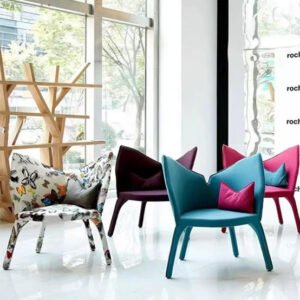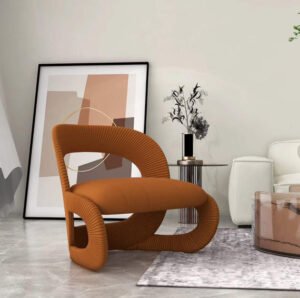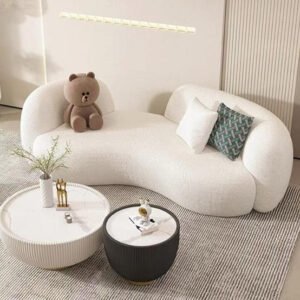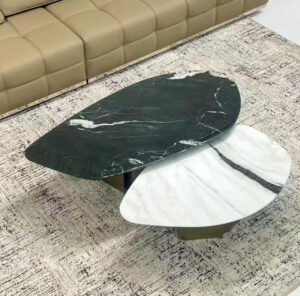
Specifying Modern and Contemporary Luxury Furniture: A Data-Driven Framework for High-Traffic Projects
For high-end furniture importers and distributors, villa owners, interior designers, private label brands, FF&E buyers, architecture and engineering firms, developers, and hotel operators
I. The Complexity of FF&E in High-End Projects
Quick definition: FF&E stands for Furniture, Fixtures, and Equipment. It covers all the movable items in a building, such as sofas, beds, dining tables, lighting, and rugs, as opposed to the parts built into the structure.
On a luxury project, the FF&E schedule can run to hundreds of line items. Each one needs a material, a finish, a size, a fire rating, a supplier, and a delivery date. On top of that, each piece has to look right in the space and hold up to the way the space is actually used.
The Cost of Specification Errors
Specification mistakes rarely show up on day one. More often they look like this:
- Lead-time delays: A custom marble table is ordered late, so the restaurant opens with temporary tables.
- Material failure: A beautiful linen sofa in a hotel lobby starts pilling within four months.
- Brand misalignment: A “contemporary” lounge chair arrives looking more like 1960s retro than the clean, sculptural style the brand asked for.
Each mistake costs money to fix. It also costs trust with the owner, the operator, or the end client.
Objective of This Guide
This guide gives you a professional framework for specifying furniture that holds up in the real world, not just in the render. It follows one simple sequence:
Use case → Material → Logistics → Checklist
Key Terms Glossary
| Termo | Significado em linguagem simples | Example |
|---|---|---|
| Specification (“spec”) | The written description of exactly what to make or buy | “Lounge chair, ash frame, bouclé fabric, 45 cm seat height” |
| Contract grade | Furniture built and tested for commercial use | Hotel lobby seating rated for heavy daily use |
| Martindale test | A fabric abrasion test that counts rubbing cycles until visible wear | 50,000 rubs = suitable for heavy commercial use |
| Teste de Wyzenbeek | The main US abrasion test, measured in “double rubs” | 30,000 double rubs = heavy-duty contract use |
| Sintered stone | Engineered stone made by fusing minerals under heat and pressure | Hard, stain-resistant dining tabletops |
| PVD coating | Physical Vapor Deposition: a thin, very hard metal layer bonded onto a surface | Brass-look legs that resist scratches and humidity |
| Revestimento em pó | A dry paint powder baked onto metal | Matte black outdoor chair frames |
| Critical path | The chain of tasks that sets the earliest possible finish date | Marble slab selection → cutting → shipping |
| AQL | Acceptable Quality Limit: the maximum share of defects allowed in an inspection sample | AQL 1.5 for major defects |
| Golden sample | The approved physical sample that all mass production must match | A signed and sealed dining chair kept at the factory |
| VOC | Volatile Organic Compounds: chemicals released into the air by some paints, glues, and finishes | The “new furniture smell” in a closed room |
| Value engineering | Reducing cost while keeping the look and performance | Swapping solid walnut for walnut veneer on hidden panels |
Where Specification Failures Usually Start
Informações sobre o setor: When teams review problem projects, most failures go back to decisions made at the specification desk. The factory floor is rarely where things first went wrong.

Illustrative breakdown based on patterns commonly reported by FF&E buyers and design teams.
Every slice in that chart can be prevented with the right information at the right time.
II. Defining the Aesthetic: Modern vs. Contemporary in High-End Contexts
Precise terminology is the foundation of clear communication between designers and manufacturers.
Many people use “modern” and “contemporary” to mean the same thing. Factories don’t. If your brief just says “modern,” you might get 1950s tapered legs when you wanted a 2026 sculptural curve.
Distinguishing the Main Styles
| Estilo | Time Period | Key Features | Typical Luxury Use |
|---|---|---|---|
| Mid-Century Modern | Roughly 1945–1970 | Tapered legs, warm teak and walnut, organic curves, low profiles | Boutique hotels, design-led villas |
| Minimalist | Ongoing since the 1960s | Clean lines, hidden hardware, limited palette, “less is more” | Urban penthouses, wellness resorts |
| Contemporary | What’s current now (changes over time) | Today it means sculptural curves, bouclé, mixed materials, soft neutrals | Luxury residences, branded hotels |
Mid-century modern refers to a specific historical design movement. Contemporary simply means “of the present moment,” so what counts as contemporary keeps changing.
Tip: Never send a style word on its own. Attach 3–5 reference images, and name the features you want: “rounded arm, plinth base, no visible legs.”
Aligning Silhouettes with Architecture
Furniture should match the building it sits in.
| Architectural Language | What It Looks Like | Furniture That Fits |
|---|---|---|
| Brutalist | Raw concrete, heavy geometry, strong shadows | Monolithic stone tables, blocky low sofas, dark metals |
| Organic modernism | Curved walls, natural materials, flowing spaces | Rounded sofas, bouclé, soft-edge timber, travertine |
| Tropical modern | Open layouts, timber, indoor-outdoor living | Teak, woven textures, breathable fabrics |
| Classic contemporary | Clean walls with refined detail | Tailored upholstery, brass accents, fluted wood |
Brutalist architecture is one example: a soft, frilly accent chair will look out of place in a raw concrete space.
The Role of “Timelessness” in Asset Value
Trend pieces date quickly. For developers and hotel owners, that’s a financial problem, because a lobby that looks dated after three years may need a refresh ahead of schedule.
A practical rule many senior designers follow is the 80/20 split:
- 80% timeless anchors: Sofas, beds, dining tables, casegoods in proven shapes and durable materials
- 20% trend accents: Accent chairs, cushions, lighting, and décor that are cheaper to swap out
Casegoods are hard furniture with no upholstery, such as dressers, nightstands, and sideboards.
III. Strategic Alignment: Matching Furniture to Use Case and Traffic
Aesthetic appeal is irrelevant if the piece fails under the actual operational load of the space.
High-Traffic vs. Low-Traffic Zoning
A sofa in a villa bedroom might be sat on for 30 minutes a day. A lobby sofa in a 300-room hotel could see hundreds of guests every day. Those two sofas should be specified very differently.
| Zone | Traffic Level | Grade Needed | Key Spec Priorities |
|---|---|---|---|
| Hotel lobby / lounge | Muito alto | Contract, heavy-duty | High rub count, fire rating, reinforced frame, removable covers |
| Restaurant / bar | Muito alto | Contract | Wipeable fabrics, spill-resistant finishes, stable bases |
| Hotel guestroom | Medium–high | Contract / hospitality | Durable casegoods, edge protection, scratch-resistant tops |
| Villa living room | Médio | Residential luxury | Comfort, beauty, quality fabrics |
| Villa master bedroom | Baixo | Residential luxury | Comfort, softness, premium hand-feel |
| Corporate lounge | Medium–high | Contract | Durability, ergonomic support, easy cleaning |
Contract grade means the furniture has been built and tested for commercial use. In North America, many specifiers use durability standards from BIFMA, the industry group for commercial furniture.
Ergonomic Analysis
Ergonomia means designing furniture to fit the human body and the activity being done.
Think through the guest’s journey:
| Seating Type | Uso típico | Seat Height | Seat Depth |
|---|---|---|---|
| Lounge seating | Relaxing, 30+ minutes | 38–42 cm | 55–65 cm |
| Dining seating | Eating, 1–2 hours | 45–48 cm | 45–50 cm |
| Bar stools | Short stays at a counter | 65–75 cm | 40–45 cm |
| Task seating | Working at a desk | Adjustable, 42–52 cm | 45–50 cm |
Typical ranges. Always check against table heights and your specific users.
Real-world scenario: A designer specified deep, low lounge chairs (65 cm deep, 38 cm high) for a hotel’s business lounge. They looked beautiful, but guests working on laptops kept leaning forward uncomfortably. Within a year, the operator swapped half of them for chairs with firmer, shallower seats.
Weight and Load Capacities
In commercial spaces, you have to plan for every kind of user, including heavier guests, people sitting on arms, and kids jumping on beds.
- Ask for the tested weight capacity of seats, beds, and benches.
- For commercial seating, many specifiers look for chairs tested well beyond normal use.
- Check that bar stools and high chairs have wide, stable bases, so they don’t tip.
- Make sure wall-mounted headboards and floating vanities have structural backing in the wall.
IV. Material Science: Evaluating Durability and Performance
High-end specifications require a deep dive into the technical properties of finishes to prevent premature wear.
Fabric Grading: Martindale and Wyzenbeek
O Teste de abrasão de Martindale rubs a fabric sample in a figure-eight pattern until it shows visible wear. It’s the main test used in Europe, the UK, and Asia.
O Teste de Wyzenbeek rubs fabric back and forth in a straight line. It’s the main test used in North America and is measured in “double rubs.” The Association for Contract Textiles publishes performance guidelines that many US specifiers follow.
The two tests aren’t directly interchangeable, so always ask which one a fabric was tested with.
Suggested benchmarks used by many specifiers. Brand standards and local codes may require more.
| Use Level | Martindale Rubs | Wyzenbeek Double Rubs | Aplicação típica |
|---|---|---|---|
| Light residential | 10,000–15,000 | 9,000–15,000 | Decorative cushions, villa bedrooms |
| General residential | 15,000–25,000 | 15,000 | Family living rooms |
| Heavy residential / light contract | 25,000–40,000 | 15,000–30,000 | Guestrooms, executive offices |
| Heavy contract | 40,000+ | 30,000+ | Lobbies, restaurants, lounges |
Informações sobre o setor: Rub count isn’t the whole story. A fabric can pass 100,000 rubs and still pill, meaning small fuzz balls form on the surface. Delicate fabrics like bouclé, velvet, and silk can also snag, crush, or fade. Ask for pilling, colorfastness (resistance to color fading), and seam slippage results as well.
This short video shows how the Martindale abrasion test works in a textile lab:
https://www.youtube.com/watch?v=DzOpjwq9vmU
Hard Surface Analysis
| Material | Scratch Resistance | Stain Resistance | Heat Resistance | Melhor para | Watch Out For |
|---|---|---|---|---|---|
| Natural marble | Low–medium | Low (etches with acids) | Médio | Statement dining tables, villa consoles | Wine, lemon, and coffee marks |
| Natural granite / quartzite | Alto | Medium–high (when sealed) | Alto | Bar tops, heavy-use tables | Weight, fewer “soft” veining options |
| Sintered stone | Muito alto | Muito alto | Muito alto | Hotel restaurants, outdoor tables | Edge chipping if hit hard |
| Treated hardwood (lacquered) | Médio | Medium–high | Low–medium | Guestroom casegoods, dining tables | Heat rings, scratches on gloss finishes |
| Oiled hardwood | Low–medium | Low–medium | Baixo | Villas with gentle use | Needs regular re-oiling |
Etching is a dull mark that appears when an acid, like lemon juice or wine, reacts with marble. It isn’t a stain. It’s actual damage to the surface.
Tip for hotel restaurants: If the design calls for a marble look, a sintered stone with realistic veining often gives you 90% of the visual effect with far fewer maintenance complaints.
Metal Finishes: PVD vs. Powder Coating
| Recurso | PVD Coating | Revestimento em pó |
|---|---|---|
| How it’s applied | Vaporized metal bonded under vacuum | Dry powder baked onto the surface |
| Veja | Metallic (gold, brass, bronze, champagne) | Solid colors, matte or gloss |
| Scratch resistance | Muito alto | Médio |
| Coastal/humid performance | Excellent over stainless steel | Good, but chips can let rust in |
| Custo | Mais alto | Inferior |
| Best for | Luxury legs, hardware, frames | Outdoor frames, colored metal pieces |
Physical vapor deposition is why high-end “gold” table legs can survive years of vacuum cleaners and chair bumps. Revestimento em pó is a strong, affordable option for painted metal. On the coast, though, check what’s underneath it: stainless steel 316 resists salt air much better than ordinary steel.
V. The Logistics of Luxury: Managing Lead Times and Supply Chains
A project’s success is often measured by the precision of the delivery schedule rather than the design itself.
Identifying Critical Path Items
O critical path method helps you find the tasks that, if delayed, delay the whole project. In luxury furniture, long-lead custom items usually sit on that path.
| Long-Lead Item | Why It Takes Longer | Typical Extra Time |
|---|---|---|
| Book-matched marble tops | Slab selection, matching, and reserving | +3–6 weeks |
| Exotic or figured veneers | Limited log supply | +4–8 weeks |
| Designer or COM fabrics | Mill runs, international shipping | +3–6 weeks |
| Custom-cast metal bases | Mold making and casting | +4–6 weeks |
| Custom leather colors | Tannery dye lots | +3–5 weeks |
COM means Customer’s Own Material: a fabric or leather you supply for the factory to use.
Rule of thumb: Specify and order long-lead items first, even before the rest of the room is final.
Buffer Management
A factory’s “45-day lead time” usually covers production only. A realistic end-to-end plan looks like this:
| Palco | Duração típica | Suggested Buffer |
|---|---|---|
| Shop drawing approval | 1 a 2 semanas | +1 week |
| Sampling and approval | 3 a 5 semanas | +1–2 weeks |
| Mass production | 6 a 10 semanas | +1–2 weeks |
| Inspection and packing | 1 a 2 semanas | +3–5 days |
| Ocean freight | 2-6 semanas | +1–2 weeks |
| Customs clearance | 3–10 days | +1 week |
| White-glove delivery and installation | 1 a 2 semanas | +3–5 days |
White-glove installation means the team unpacks, assembles, places, and cleans each piece, then removes all packaging.
Informações sobre o setor: Chinese New Year 2027 falls on February 6. Most furniture factories in China slow down about two weeks before the holiday and need 3–4 weeks to get back to full speed. If your project needs goods in March or April, confirm orders by early November.
Vendor Vetting
Before you award a private label or project contract, check:
- Capacity: Can they make your full quantity without subcontracting to unknown workshops?
- QC system: Do they inspect raw materials, work in progress, and finished goods?
- Track record: Can they show a past project of similar size and complexity?
- Communication: Is there one project contact who understands technical drawings?
For a deeper vetting method, see our step-by-step guide on comparing top hospitality furniture manufacturers.
VI. The Specification Checklist: A Standardized Framework for Teams
Eliminating human error requires a rigid, repeatable checklist for every piece of furniture.
Technical Data Requirements
Every item on your schedule should have these fields filled in before you send it out for quotes:
| Field | Example Entry |
|---|---|
| Item code | LS-104 |
| Descrição | 3-seat lounge sofa, curved back |
| Overall dimensions (W × D × H) | 2400 × 1000 × 760 mm |
| Seat height / depth | 420 mm / 600 mm |
| Weight (net / packed) | 85 kg / 130 kg |
| Moldura | Kiln-dried ash, corner-blocked joints |
| Foam | HR foam, 35 kg/m³, fiber wrap |
| Tecido | Bouclé, 50,000 Martindale, color “Ivory 02” |
| Metal finish | PVD champagne bronze over SS304 |
| Fire rating | CAL TB117-2013 / BS 5852 (per market) |
| Quantity | 12 |
| Localização | Lobby Zone A |
HR foam means High Resilience foam, which bounces back better and lasts longer than standard foam.
Fire ratings depend on the market. For example, California Technical Bulletin 117 is widely used for US residential upholstery, while UK projects typically need BS 5852 testing. Hotels and public spaces often need stricter contract standards. Confirm what applies with your fire consultant or the brand standards.
Quality Control Benchmarks
Acceptable Quality Limits set how many defects are allowed in an inspection sample before the batch fails.
| Defect Type | Example | Common Luxury AQL |
|---|---|---|
| Critical | Broken frame, sharp edge, unstable base | 0 (none allowed) |
| Major | Visible finish runs, crooked stitching, wrong color | 1.5 |
| Minor | Small mark on a hidden surface | 2.5–4.0 |
For luxury finishes, list the specific checks:
- Stitching: straight lines, even spacing, no loose threads
- Finishing: no orange peel, runs, or dust spots on lacquer
- Grain: matching grain direction across drawer fronts
- Pattern: matching fabric patterns across seams and cushions
Documentation: The FF&E Schedule
An FF&E schedule is the master spreadsheet that connects the designer’s intent to the procurement team’s purchase orders. It should include:
- Item code and room/zone
- Full specification (from the table above)
- Supplier and quote reference
- Lead time and order-by date
- Approval status (drawing, sample, final)
- Budget vs. actual cost
Tip: Keep the FF&E schedule in one shared, live file. When the designer and the procurement officer each work from their own version, problems usually follow.
VII. Budgetary Optimization for High-Value Projects
Strategic specification involves balancing “Investment Pieces” with “Operational Pieces.”
| Categoria | Definição | Examples | Budget Approach |
|---|---|---|---|
| Investment pieces | Items that define the space and are seen by everyone | Lobby sofa, dining table, master bed | Spend more on materials and craft |
| Operational pieces | Items that need to work well and last, but aren’t the visual focus | Guestroom desk chairs, back-of-house seating, side tables | Optimize for durability and cost |
Value Engineering
Value engineering is about saving money while keeping the design intent intact. Done carelessly, it just means a cheaper, worse product.
| Original Spec | Value-Engineered Option | Savings Potential | Visual Impact |
|---|---|---|---|
| Solid walnut throughout | Walnut veneer on panels, solid edges | 20–35% | Almost none |
| Natural marble tabletop | Sintered stone with marble look | 15–30% | Baixo |
| Solid brass legs | PVD brass finish over stainless steel | 30–50% | Very low |
| Hand-tufted wool rug | Hand-knotted wool/viscose blend | 20–40% | Baixo |
| Full-grain leather on whole piece | Full-grain on seat and arms, matching split leather on back | 15–25% | Baixo |
Life-Cycle Cost Analysis
Life-cycle cost analysis compares the total cost of an item over its whole working life, not just the price you pay on day one.
Illustrative model for one lobby sofa. In this example, the residential-grade piece needs replacing twice in 10 years.
The contract-grade sofa costs 50% more up front. Over 10 years, it ends up costing about half as much.
Scaling for Developers
Developers with multiple units or properties can save a lot by standardizing:
- Use the same core sofa, bed, and dining frames across unit types
- Change only fabrics, finishes, and accessories to give each unit its own character
- Lock in program pricing for repeat SKUs across project phases
A SKU (Stock Keeping Unit) is the unique code for one specific product and configuration.
Real-world scenario: A developer furnishing 60 branded residences used three bed frames, two sofa frames, and one dining table base across all units, with six fabric and finish combinations. Volume pricing on the frames cut the furniture budget by roughly 18%. Owners still felt their homes were individual.
VIII. Customization and Private Labeling Strategies
For brand owners and developers, custom specification is the primary tool for market differentiation.
Prototyping and Golden Samples
A render shows you the idea. A sample shows you the reality, including comfort, proportions, finish depth, and how the fabric falls.
The golden sample process:
- Protótipo: The factory builds a first sample from your drawings.
- Review: You check comfort, dimensions, finish, and details in person or by video.
- Revise: The factory adjusts the sample, often 1–3 rounds for complex pieces.
- Approve: You sign and seal the final sample.
- Reference: The sealed sample stays at the factory as the standard for mass production.
At Jade Ant furniture, design drawings are confirmed with the client before mass production starts, and the approved sample stays on the factory floor as the reference for inspectors. In practice, it settles most color and comfort questions before they turn into disputes.
Brand Integration
Private label furniture should feel like seu brand when someone touches it, not just when they see the label.
| Branding Detail | Example | Typical Added Lead Time |
|---|---|---|
| Custom hardware | Signature pull cast in solid brass | +4–6 weeks (tooling) |
| Signature textiles | Exclusive fabric colorway | +3–6 weeks |
| Logo details | Debossed leather tab, engraved metal plate | +1–2 weeks |
| Unique silhouette elements | Signature arm shape or leg profile | Built into prototype stage |
| Branded packaging and care cards | Printed crates, care booklet | +1–2 weeks |
IP Protection
IP (intellectual property) is your legal ownership of your designs. To protect it when working with a third-party factory:
- Sign an NNN agreement (Non-Disclosure, Non-Use, Non-Circumvention) before sharing drawings. For Chinese factories, it should be written in Chinese and enforceable in China.
- Register your designs in the countries where you manufacture and sell. The World Intellectual Property Organization explains international design registration.
- State in your contract that you own all molds and custom tooling.
This is general information, not legal advice. Work with an IP lawyer for your specific situation.
For a full walk-through, see our guide to building a private label luxury furniture brand.
IX. Sustainability and Wellness in Contemporary Specification
Modern luxury is increasingly defined by environmental responsibility and occupant health.
Investors, hotel brands, and wealthy homeowners are asking harder questions about where materials come from and what they release into the air.
Certificações
| Certificação | O que isso significa | Who Asks for It |
|---|---|---|
| FSC | Wood from responsibly managed forests | Developers, hotel brands with ESG goals |
| LEED (building-level) | Green building rating; furniture data can support credits | Developers, architects |
| GREENGUARD Gold | Low chemical emissions, suitable for sensitive spaces | Hotels, schools, healthcare, wellness villas |
You can check certificates through the Forest Stewardship Council, read how projects earn credits through the USGBC LEED program, and find details on UL GREENGUARD certification.
Non-Toxic Finishes
Many paints, glues, and lacquers release VOCs into the air for weeks after installation. The US EPA’s guidance on VOCs explains how they affect indoor air quality.
To reduce exposure:
- Specify low-VOC or water-based lacquers
- Use natural oils and waxes where wear levels allow
- Ask for formaldehyde-compliant panels (such as CARB Phase 2 or TSCA Title VI for the US)
- Let furniture “air out” in a ventilated space before guests arrive, especially in new hotels
Informações sobre o setor: For wellness resorts and high-end villas, a “no new furniture smell” handover is becoming a selling point. Some operators now ask for emission test reports alongside the fire certificates.
Circularity
O circular economy is the idea of keeping products and materials in use for as long as possible, instead of throwing them away.
In furniture, that means specifying:
- Removable, replaceable seat cushions and covers
- Bolt-on legs instead of glued legs
- Modular sofas where one damaged section can be swapped out
- Standard hardware that can still be bought in 10 years
This approach is more sustainable. It also saves operators money every time a single part fails.
X. The Integrated Approach
| Etapa | Key Question | Main Tools |
|---|---|---|
| 1. Use case | Who uses this piece, how often, and how hard? | Traffic zoning, ergonomics, load capacity |
| 2. Material | Will it survive that use? | Martindale/Wyzenbeek, stone and metal comparisons |
| 3. Logistics | Can it arrive on time? | Critical path, buffers, vendor vetting |
| 4. Checklist | Is every detail written down and checked? | Spec sheets, AQL, FF&E schedule |
The Long-Term Impact
Good specification shows up in ways clients feel but rarely name: a lobby that still looks sharp in year five, guestrooms that don’t need early refurbishment, a villa owner who never has to call about a peeling finish. For owners, that means a stronger asset. For designers and importers, it means repeat work and referrals.
Move from picking furniture by eye to a systematic specification process. On your next project:
- Zone every space by traffic level before you choose a single piece.
- Ask for test data, not adjectives, on every fabric and finish.
- Order critical path items first.
- Use one shared FF&E schedule from start to finish.
For more support, read our guide to selecting a hospitality contract furniture manufacturer, our breakdown of costly villa furniture procurement mistakes, and our overview of importing and distributing high-end furniture.
You can also browse more articles in the Jade Ant knowledge library, learn who Jade Ant is and how we work, ou send your FF&E schedule to our project team for specification feedback and a production plan.
Related FAQs for High-End Clients
1. How do I determine if a fabric is suitable for a high-traffic hotel lobby versus a private villa? Check the abrasion test results first. Lobbies typically need 40,000+ Martindale rubs or 30,000+ Wyzenbeek double rubs, while villa bedrooms can use 15,000–25,000. Also ask for pilling, colorfastness, and fire test results, and choose fabrics that are easy to clean or have removable covers.
2. What are the most reliable ways to verify the authenticity of “premium” materials from overseas suppliers? Ask for material certificates, test reports from recognized labs, and supplier details for wood, leather, and stone. Request close-up photos and videos of raw materials before production. Then hire a third-party inspector to check materials in person and compare bulk pieces with the golden sample.
3. How can I reduce lead times for custom contemporary furniture without sacrificing quality? Approve drawings and samples quickly, order long-lead materials first, and use pre-approved fabrics and finishes wherever you can. Share a rough forecast with your manufacturer, so they can reserve production slots and buy materials ahead of time.
4. What specific certifications should I demand from manufacturers for commercial-grade safety? It depends on your market. Common requirements include fire certifications (such as CAL TB117-2013 or BS 5852), formaldehyde compliance (CARB Phase 2 or TSCA Title VI for the US), and durability testing based on BIFMA standards. Many hotel brands and wellness projects also ask for FSC and GREENGUARD Gold.
5. How do I handle “discrepancies” between a digital render and the physical furniture sample? Treat the render as a guide and the signed sample as the final standard. Review samples in person, or by live video in daylight, and record any changes in writing. Approve only once the sample matches your design intent, then seal it as the golden sample for production.
6. What is the best way to organize an FF&E schedule for a multi-unit luxury development? Use one live spreadsheet or database with one row per item per unit type. Include item codes, full specs, quantities by unit, suppliers, order-by dates, and approval status. Standardize core frames across units, and vary only fabrics and finishes, to keep the schedule manageable.
7. Which finishes are most recommended for coastal properties to prevent corrosion? For metals, use stainless steel 316 or PVD-coated stainless steel, which hold up much better in salt air than standard steel. For outdoor pieces, quality powder coating over aluminum or marine-grade stainless works well. Seal natural stone, and use sealed or oiled teak for outdoor timber.
8. How do I balance the desire for “trendy” contemporary pieces with the need for long-term durability? Use the 80/20 rule: 80% timeless, durable anchor pieces and 20% trend-led accents that are cheaper to replace. Put trend colors and shapes into cushions, accent chairs, lighting, and décor rather than the main sofas, beds, and casegoods.
9. What are the risks of private labeling furniture, and how can I mitigate quality control issues? The main risks are inconsistent quality, design copying, and delays. Reduce them by using golden samples, multi-stage inspections, clear AQL standards, and NNN agreements. Register your designs, and work with a manufacturer that has a proven track record with private label clients.
10. How do I calculate the “total cost of ownership” for furniture in a high-turnover rental property? Add the purchase price, delivery, installation, cleaning and maintenance, repairs, and replacements over the item’s expected life. Then compare options over the same period, for example 10 years. Contract-grade pieces often cost more up front but less over time in heavy-use rentals.
11. What is the ideal timeline for specifying and ordering furniture in a large-scale architecture project? For custom or imported furniture, start specification at least 9–12 months before the planned opening or handover. Orders for long-lead items should go in roughly 6–8 months ahead. Leave 2–4 weeks of buffer for customs and installation, and plan around factory holidays like Chinese New Year.
12. How can I ensure that custom-specified furniture fits perfectly within the architectural constraints of a site? Get final site measurements, not just architectural drawings, before production starts. Check delivery routes, including elevators, doors, stairs, and corridors. Ask the manufacturer for shop drawings that show every dimension. For very large pieces, design them in sections so they can be assembled on site.