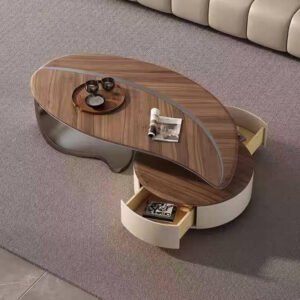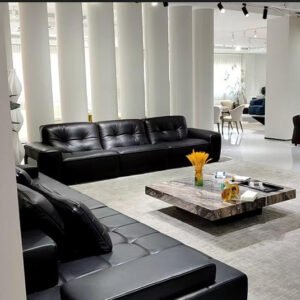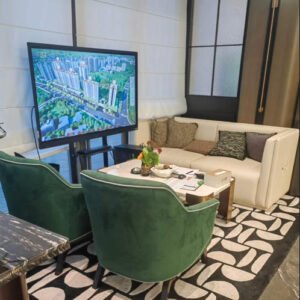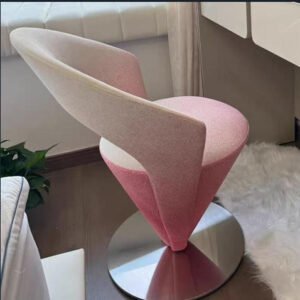
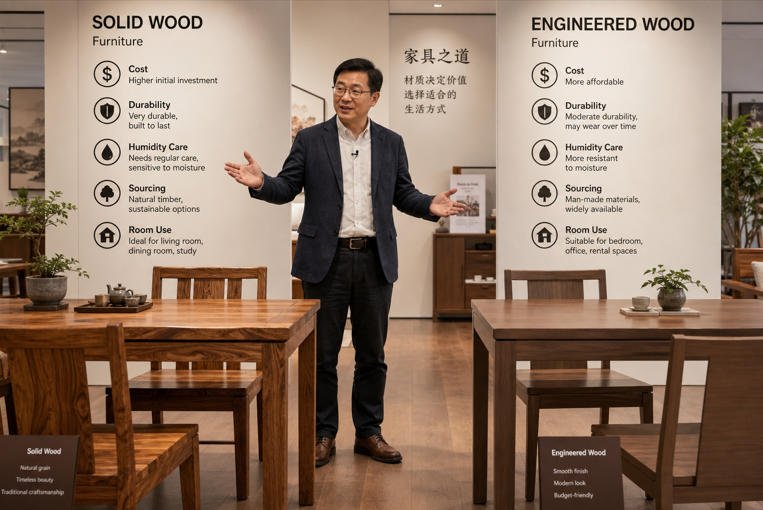
Choosing between solid wood and engineered wood is not only a price decision. For Chinese furniture, the right choice depends on climate, construction method, room use, expected lifespan, and how much maintenance the owner is willing to accept.
This guide compares both materials through budget, durability, care, sourcing, and room-specific use cases, with quick definitions included for clarity.

Understanding solid wood and engineered wood
What counts as solid wood
Solid wood furniture is made from natural timber boards or blocks. In Chinese furniture, common choices include elm, walnut, ash, oak, teak, and rosewood-style hardwoods. A table leg, chair frame, cabinet rail, or carved apron made from one continuous piece of timber counts as solid wood even when multiple boards are joined into a wider panel.
The industry advantage is repair depth. A scratched solid walnut dining table can usually be sanded, recolored, and refinished several times. In high-touch pieces such as dining tables, armchairs, sideboards, and bed frames, this repairability is often more valuable than the initial material premium.
What counts as engineered wood: composite, plywood, MDF, veneer
Engineered wood is made by bonding wood fibers, particles, veneers, or layers into a stable panel. The main types used in Chinese furniture are:
- Plywood: thin wood layers cross-laminated for strength and dimensional stability.
- MDF: fine wood fibers compressed into a smooth, dense board, often used under lacquer or veneer.
- Particleboard: wood particles bonded into economical panels, often used in budget furniture.
- Veneer panels: a thin layer of natural wood bonded to plywood, MDF, or another engineered core.
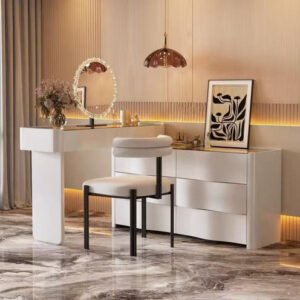
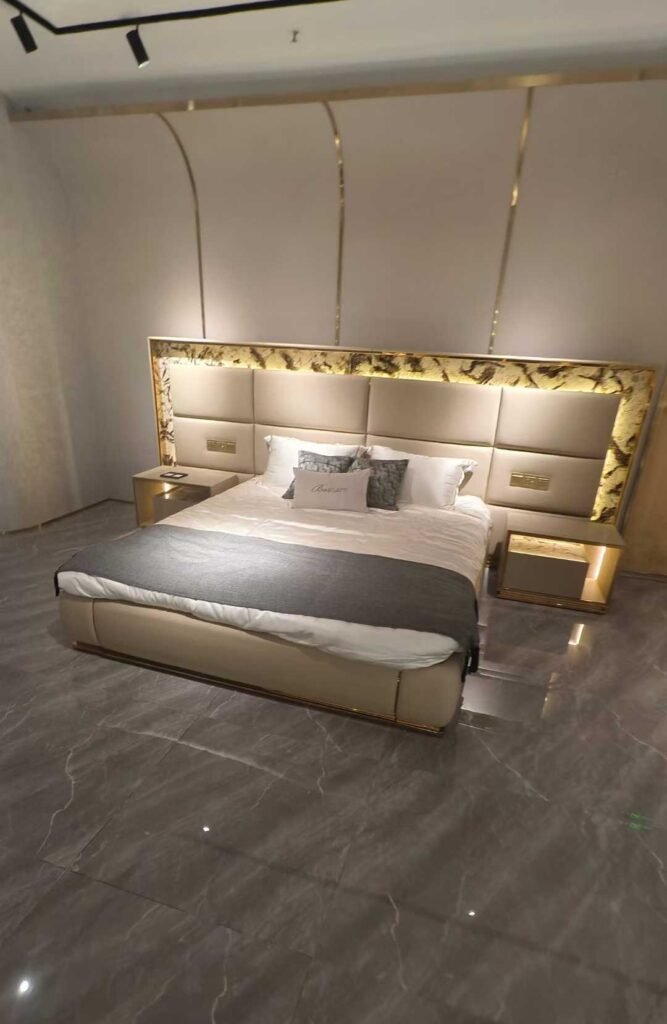
Good engineered wood is not automatically “cheap furniture.” In premium Chinese-style cabinets, wardrobes, hotel furniture, and curved panels, a stable engineered core with carefully matched veneer can outperform solid wood in flatness, weight control, and resistance to seasonal movement.
Key structural differences and how they impact furniture behavior
Solid wood expands and contracts across the grain as humidity changes. The Architectural Woodwork Institute wood movement guide explains that humidity is the primary driver of this movement. That is why a solid tabletop needs floating fasteners, expansion space, and balanced finishing on both sides.
Engineered wood behaves differently. Cross-laminated plywood and MDF are more dimensionally stable because their fibers or layers reduce directional movement. This is why engineered panels are common in large cabinet doors, wardrobes, wall panels, and hotel built-ins where perfectly flat surfaces matter.
Budget considerations for solid vs engineered wood
Upfront cost comparisons across common furniture pieces
Solid wood normally costs more at purchase because timber selection, drying, joinery, and waste management are more demanding. Engineered wood reduces cost by using sheet goods efficiently and by allowing decorative veneers to cover stable cores.
| Furniture Piece | Solid Wood Typical Range | Engineered Wood Typical Range | Best Value Choice | Buyer Insight |
|---|---|---|---|---|
| Dining table | $900–$5,000+ | $350–$1,800 | Solid top or hybrid | The top takes the abuse; solid or thick veneer pays off here. |
| Cadeiras de jantar | $120–$600 each | $60–$250 each | Solid frame | Chair joints fail before panels do; solid frames are safer long-term. |
| Guarda-roupa | $1,500–$8,000 | $600–$3,500 | Engineered panels with solid edges | Large doors stay flatter with plywood or MDF cores. |
| Bed frame | $800–$4,000 | $350–$1,600 | Hybrid | Use solid wood for load-bearing rails; engineered panels are fine for headboards. |
| TV cabinet / sideboard | $700–$3,500 | $300–$1,800 | Depends on finish | Veneered engineered panels can look refined and resist warping. |
Long-term value and resale considerations
Solid wood tends to hold value better when the design is timeless and the joinery is sound. In Chinese furniture, Ming-inspired forms, round dining tables, carved cabinets, and hardwood armchairs often remain desirable because they can be repaired rather than discarded.
Engineered wood usually has weaker resale value, but there are exceptions. A high-grade veneered cabinet with clean lacquer, tight seams, and premium hardware may outperform a poorly dried solid wood cabinet that has cracked after two summers. Buyers should compare expected years of use, not just the invoice total.
Hidden costs: finishes, hardware, assembly
Low-cost furniture often hides expenses in the details: thin veneer, weak hinges, soft drawer slides, uneven lacquer, or knock-down fittings that loosen after relocation. For custom projects, Móveis Jade Ant commonly discusses material, finish, and hardware as one package because a strong panel with poor hinges still creates a poor ownership experience.
0
Purchase
Manutenção
Replacement Risk
Solid higher upfront
Budget panels risk replacement
Solid wood
Engineered wood
Hybrid construction
Durability and lifespan: which holds up in Chinese furniture contexts
Susceptibility to humidity and temperature changes
China’s climate range is wide: humid coastal cities, dry northern winters, and air-conditioned high-rise apartments all stress wood differently. Solid wood can last for generations, but only when it is properly dried, joined, finished, and acclimated. Engineered wood is often more stable in wide panels, especially in wardrobes, cabinet doors, and wall-mounted pieces.
For export buyers, the key question is not “solid or engineered?” but “was the material conditioned for the destination climate?” Furniture leaving Guangdong for Dubai, London, Toronto, or Singapore should not be built to the same moisture assumptions.
Scratches, dents, and wear over time
Solid hardwoods such as oak, ash, walnut, and rosewood-style timbers can be spot-repaired when scratches cut into the finish. Softer solid woods dent more easily but can still be restored. Engineered wood depends heavily on surface thickness: a thick veneer can survive light sanding; a paper-thin decorative layer cannot.
In family dining rooms, the finish is often more important than the core. A catalyzed lacquer or high-quality matte polyurethane can reduce water rings and utensil marks. A beautiful oil finish feels natural but needs more frequent care.
Repairability and refinishing options
Solid wood wins when restoration matters. A solid elm console or walnut table can usually be refinished many times. Engineered wood can be repaired if the damage is shallow, but deep scratches, swollen corners, or delaminated veneer are harder to hide.

Environmental impact and sourcing
Forest stewardship and certifications: FSC/PEFC
Sourcing matters because premium hardwood is limited and global buyers increasingly ask for traceable material. The Forest Stewardship Council e PEFC International provide certification systems that help buyers verify responsible forest management and chain-of-custody claims.
For commercial projects, certification can influence procurement approval. Hotels, serviced apartments, and international retailers often require documentation before production begins, especially for wood-heavy orders.
Indoor air quality and finishes
Engineered wood uses adhesives, so indoor air quality should be checked carefully. For products imported into the United States, the EPA formaldehyde emission standards for composite wood products require regulated hardwood plywood, MDF, particleboard, and finished goods containing them to comply with TSCA Title VI labeling and certification rules.
For buyers, the practical checklist is simple: ask for emission compliance documents, finish safety data, and production batch records before paying the final balance.
End-of-life recyclability and disposal
Solid wood is easier to repair, repurpose, and eventually recycle. Engineered wood can be harder to recycle because of adhesives, laminates, and mixed materials. However, a durable engineered cabinet that stays in use for 15 years is still better than a poorly built solid wood cabinet discarded after three years.
Aesthetics and design versatility
Color, grain, and finish options for solid wood
Solid wood offers natural depth. Walnut darkens into a rich chocolate tone, oak shows strong grain, ash takes stain evenly, and elm delivers the relaxed texture often seen in Chinese country-style furniture. In Chinese interiors, visible grain works especially well with Ming-inspired clean lines because ornamentation is restrained and material character carries the design.
Compatibility with traditional Chinese furniture styles
Traditional Chinese furniture relies on proportion, joinery, and tactile edges. Solid wood is usually preferred for horseshoe chairs, carved cabinets, altar tables, round dining tables, and pieces with exposed joinery. Engineered wood is less suitable for deep carving but excellent for clean New Chinese lacquer panels, wardrobes, and hospitality case goods.
Texture and consistency advantages of engineered wood
Engineered wood provides consistency. Designers can specify repeated panels across a hotel corridor, apartment project, or restaurant chain without fighting natural color variation. Veneer matching also allows symmetrical grain layouts that would be expensive or unstable in solid slab construction.

Care and maintenance: solid wood
Humidity control, cleaning, and polishing routines
Solid wood should be kept away from standing water, direct heat, and strong sunlight. Maintain indoor humidity around a stable comfort range, especially during dry winters or humid summers. Clean with a slightly damp microfiber cloth, dry immediately, and avoid silicone-heavy sprays that can complicate future refinishing.
Preventing warping and cracking in humid climates
Warping is usually a construction and climate-control issue. Wide solid panels need expansion allowances, balanced finish on both sides, and stable room humidity. A solid tabletop fixed rigidly to a base is at higher risk because the top cannot move naturally.
When refinishing is appropriate
Refinishing is appropriate when scratches penetrate the finish, water rings remain after cleaning, or the surface looks uneven under natural light. For valuable Chinese hardwood or carved furniture, use a professional restorer rather than aggressive DIY sanding, because edges, carvings, and patina are part of the value.
Care and maintenance: engineered wood
Cleaning and avoiding moisture damage
Engineered wood should be cleaned with minimal moisture. Wipe spills quickly, especially near seams, corners, and edge bands. Swelling usually starts where water enters the core, so edges are the first inspection point.
Cabinet-grade veneers and edge banding care
High-grade veneer can look almost identical to solid wood, but it needs gentler care. Avoid abrasive pads, steam cleaners, and prolonged wet wiping. Check edge banding annually, especially on bathroom-adjacent cabinets, humid apartments, and commercial dining spaces.
When veneers can delaminate and what to do
Veneer delamination appears as bubbling, lifting corners, or hollow-sounding patches. Small lifted edges can sometimes be re-bonded by a technician. Large bubbles usually indicate moisture exposure, adhesive failure, or heat damage. If multiple panels show the same issue, review room humidity and supplier warranty terms.
Failure
risk drivers
Moisture at seams: 30%
Low-grade core: 28%
Weak edge banding: 22%
Heat / impact / poor assembly: 20%
Choosing for different room types: living room, dining, bedroom
Common functional requirements by room
Dining rooms need scratch resistance, heat protection, and easy cleaning. Living rooms need visual warmth and durable surfaces for daily objects. Bedrooms need stable panels, quiet hardware, and finishes that do not create odor issues. Home offices need flat desktops, cable management, and resistance to pressure marks from equipment.
Weight, mobility, and assembly considerations
Solid wood is heavier and may be harder to move through elevators, staircases, and high-rise apartments. Engineered furniture is often lighter and easier to assemble, which is useful for rental homes, show flats, and hospitality installations. However, repeated disassembly can weaken low-cost knock-down fittings.
Style alignment with space and décor
For a heritage Chinese interior, solid wood statement pieces bring authenticity. For a modern apartment, a hybrid approach often works better: solid wood where hands touch, engineered panels where flatness and weight matter. Buyers can compare room-based collections through the Jade Ant furniture product range when planning dining, living, bedroom, and home-office furniture together.

Budget-friendly strategies and alternatives
Balancing core material with hardware and finishes
If the budget is limited, spend first on structural quality, then on finish, then on decorative details. A plywood-core cabinet with premium veneer, sealed edges, and reliable hinges usually beats a low-grade solid wood cabinet with poor drying and weak hardware.
Considering hybrid constructions: solid wood frames with engineered panels
Hybrid construction is often the smartest specification. Use solid wood for legs, chair frames, table aprons, exposed edges, and high-stress joints. Use engineered panels for large doors, drawer bottoms, wardrobe sides, curved surfaces, and lacquered areas. This combination controls cost while improving stability.
Buying second-hand vs new: pros and cons
Second-hand solid wood Chinese furniture can be excellent value if the joints are tight, the wood is dry, and previous repairs were done properly. Avoid pieces with active insect holes, deep structural cracks, or heavy chemical odor. New furniture gives better control over dimensions, finish color, compliance documents, and warranty support.
How to assess quality before purchasing
Interpreting product specs and warranties
Useful product specs should list wood species, core material, veneer thickness, finish type, hardware brand or grade, panel thickness, joinery method, and warranty scope. Vague descriptions such as “wood color,” “environmental board,” or “premium material” are not enough for serious purchasing.
Physical checks: joints, veneers, and hardware quality
Run your hand along edges. Check whether drawer gaps are even. Open doors slowly and listen for hinge stress. Press gently on wide panels to feel flex. Look under tables and chairs: the hidden side usually tells more truth than the showroom surface.
Vendor reliability and return policies
A reliable vendor should explain material trade-offs clearly instead of pushing one answer for every room. For sourcing from China, review factory experience, sample policy, packaging method, moisture control, and after-sales process. The Chinese furniture quality buyer’s guide is a useful reference for pre-shipment checks and supplier evaluation.
Informações sobre o setor: In export furniture projects, packaging and moisture control can matter as much as material choice. A well-built veneered cabinet can fail if it sits in a damp warehouse; a solid wood table can crack if shipped before its moisture content stabilizes. Serious buyers should ask for pre-shipment photos, packing details, and destination-climate planning.
Video: Solid wood vs engineered wood explained
The video below provides a simple visual explanation of how solid wood and engineered wood differ. It is useful background before evaluating furniture specs or discussing custom production.
Solid wood is the better choice when the piece must carry weight, age visibly, accept refinishing, or serve as a long-term statement item. Dining tables, chairs, carved cabinets, console tables, and heirloom-style Chinese furniture benefit from solid construction.
Engineered wood is the better choice when large flat panels, cost control, lighter weight, consistent veneer matching, or humidity stability matter more. Wardrobes, wall panels, lacquered cabinets, hotel furniture, and apartment storage pieces often perform better with engineered cores.
The most practical decision framework is simple: choose solid wood for structure and touch points; choose engineered wood for broad panels and dimensional stability; choose hybrid construction when you want Chinese furniture that looks refined, ships safely, and survives real daily use.
You want long-term ownership, refinishing potential, visible grain, stronger resale value, and authentic traditional Chinese construction.
You need stable large panels, lower cost, lighter furniture, consistent finishes, or project-scale repeatability.
You want the best balance: solid frames and edges with engineered panels where movement control matters.
Check moisture control, veneer thickness, finish type, hardware quality, warranty terms, and compliance documents.
Perguntas frequentes
How long does solid wood typically last in humid environments common in China?
Well-built solid wood furniture can last decades in humid environments if the wood is properly dried, finished on all sides, and allowed to expand and contract naturally. Problems usually come from poor drying, rigid tabletop attachment, or long exposure to standing moisture.
Are engineered woods safe for indoor air quality?
Engineered wood can be safe when it meets recognized formaldehyde emission standards such as TSCA Title VI for the U.S. market. Buyers should ask for compliance labels, test reports, and finish documentation before purchasing.
Can solid wood furniture be repaired or refinished multiple times?
Yes. Solid wood can usually be sanded and refinished several times, depending on thickness, design, and previous repairs. This is one reason solid wood dining tables and cabinets can remain useful for generations.
Which is better for small spaces with humidity fluctuations?
For small apartments with changing humidity, hybrid furniture is often best. Solid wood can be used for legs and frames, while engineered panels keep wardrobes, cabinet doors, and storage surfaces flatter.
Do warranties differ significantly between solid wood and engineered wood products?
Yes. Solid wood warranties often focus on structural joints and major cracking, while engineered wood warranties may cover delamination, veneer lifting, or panel defects. Always check whether humidity damage, improper cleaning, or commercial use is excluded.
Is veneer always lower quality than solid wood?
No. A thick, well-matched natural veneer over high-grade plywood or MDF can be excellent for cabinets and large panels. Thin decorative film over low-density particleboard is the version buyers should treat cautiously.
What is the best material for a Chinese dining table?
For heavy daily use, a solid hardwood top or thick-veneer top with a strong solid frame is usually best. For formal rooms, walnut, ash, oak, elm, and rosewood-style hardwoods provide strong visual character and repairability.
How can I tell if Chinese furniture is truly solid wood?
Look at end grain, underside construction, drawer sides, exposed edges, and repeated grain patterns. If the surface grain continues naturally around edges, it may be solid; if the edge has a separate strip or repeated pattern, it may be veneer or laminate.