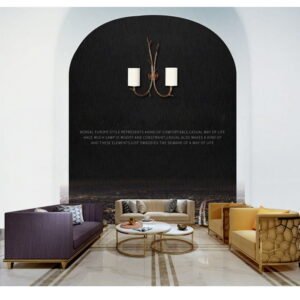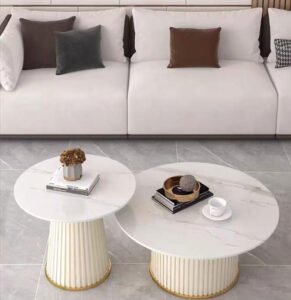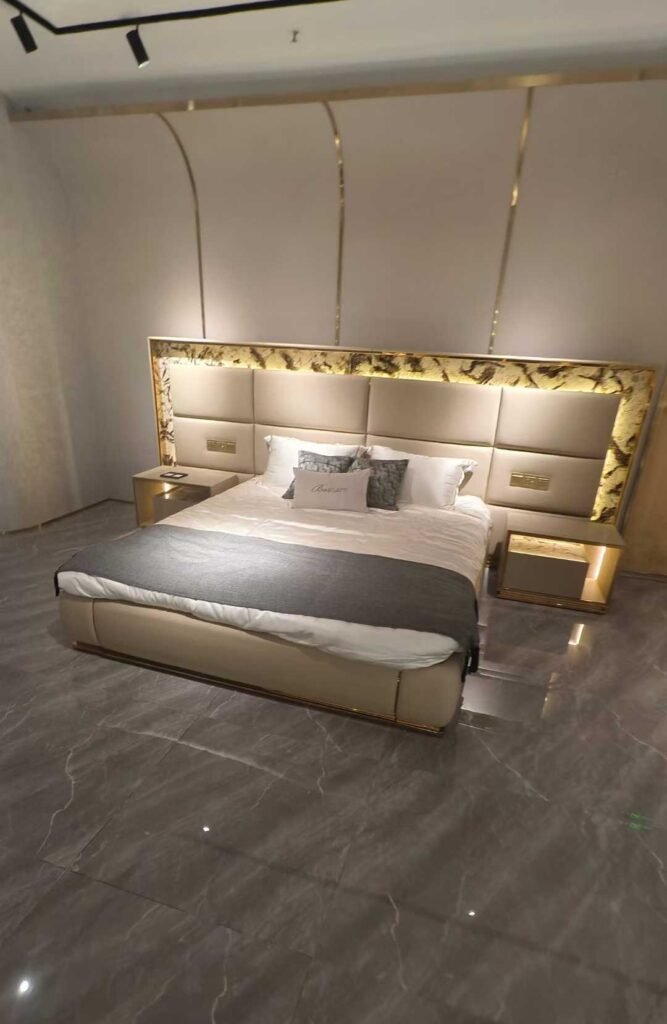

Foshan is one of China’s most active furniture and building-material sourcing hubs, especially for buyers looking for custom kitchen cabinets, wardrobes, bathroom vanities, whole-house cabinetry, and project furniture. The advantage is choice: many factories, showrooms, material suppliers, hardware vendors, and export service providers are clustered within a concentrated supply chain.
This guide walks you through a practical, step-by-step process to source custom kitchen cabinets from Foshan manufacturers, covering supplier discovery, specification clarity, cost considerations, quality checks, and logistics.
The goal is not simply to find the lowest cabinet quote. A successful cabinet project depends on accurate measurements, clear door-style decisions, durable board and hardware choices, reliable CAD drawings, realistic lead times, careful packaging, and contract terms that protect the buyer when revisions or defects appear.

Overview of Foshan Cabinet Manufacturing Landscape
Visão geral do mercado
Foshan, located in Guangdong Province, is widely known for furniture, ceramics, building materials, doors, sanitary ware, lighting, and interior products. For kitchen cabinet buyers, the city’s value lies in its supply-chain density. Within the broader Foshan and Pearl River Delta ecosystem, buyers can often find cabinet factories, stone suppliers, hardware distributors, panel suppliers, finishing workshops, and logistics agents within manageable travel distance.
For overseas buyers, Foshan is attractive because many suppliers already understand export packaging, container loading, showroom presentation, and project-based communication. However, the market is fragmented. Some companies are export-ready manufacturers with CAD teams and QC systems; others are showroom traders, assembly workshops, or project coordinators using subcontracted production.
Industry insight: the most successful cabinet buyers do not evaluate Foshan suppliers only by showroom appearance. They confirm who controls measurement conversion, CAD drawings, panel cutting, edge banding, drilling, hardware installation, packing, and after-sales replacement parts. In cabinet projects, one wrong hole position or missing hinge plate can delay installation more than a visible surface defect.
What “Custom” Means in Foshan
In Foshan, “custom kitchen cabinets” can mean several different things. A buyer should clarify the level of customization before comparing quotes.
- Size customization: cabinet modules adjusted to fit room dimensions.
- Door customization: slab, shaker, framed, glass, fluted, lacquered, veneer, PET, UV, or thermofoil doors.
- Material customization: plywood, MDF, particle board, stainless steel, aluminum, solid wood, veneer, stone, sintered stone, or compact laminate.
- Hardware customization: hinges, drawer slides, lift-up systems, pull-out baskets, soft-close mechanisms, handles, and internal organizers.
- Project customization: full apartment, villa, hotel serviced apartment, showroom, or developer package with repeated room types.
For buyers sourcing kitchen cabinets as part of a wider interior package, it can be useful to coordinate cabinet finishes with dining, living, and bedroom furniture. A custom furniture manufacturer such as Móveis Jade Ant can be considered when loose furniture, dining pieces, and cabinet-adjacent finishes need to align across a project rather than being sourced in isolation.
Define Project Requirements
Space, Style, Materials
Before contacting Foshan manufacturers, prepare a clear project brief. Cabinet factories can quote accurately only when they understand the room dimensions, wall conditions, ceiling height, appliance sizes, plumbing locations, electrical points, door style, material preferences, countertop expectations, and installation market.
Your project file should include:
- Floor plan with kitchen dimensions
- Wall elevations with window, door, pipe, outlet, and appliance locations
- Ceiling height and bulkhead dimensions
- Preferred cabinet layout: L-shape, U-shape, galley, island, peninsula, or open kitchen
- Door style references and finish samples
- Countertop material and thickness
- Sink, faucet, cooktop, oven, dishwasher, refrigerator, and hood specifications
- Target market requirements, such as U.S., EU, Middle East, Australia, or Southeast Asia
For door style, avoid saying only “modern” or “luxury.” A matte lacquer slab door, a walnut veneer handleless door, and a champagne-metal framed glass door can all look modern, but they use different materials, production processes, packaging methods, and maintenance expectations.
Functional Needs
A kitchen cabinet project should be designed around use. Think about cooking habits, storage volume, cleaning frequency, appliance integration, waste sorting, lighting, children’s access, and whether the kitchen is for a private home, rental apartment, hotel residence, or commercial showroom.
Functional questions to answer early include:
- How many drawers, shelves, tall units, pantry units, and corner units are required?
- Do you need soft-close hinges and drawer slides?
- Will there be built-in lighting or hidden power?
- Should the cabinet interiors be moisture-resistant?
- Are the cabinets used in a coastal, humid, or high-temperature environment?
- Will the end user expect easy replacement parts after installation?

Budgeting and Cost Expectations
Factory Pricing Models
Foshan cabinet manufacturers may price projects in different ways. Some quote by linear meter, some by square meter, some by cabinet module, and some by a complete project package. Buyers should ask exactly what the pricing unit includes.
Common pricing variables include:
- Carcass material and thickness
- Door material, finish, and edge treatment
- Hardware brand and mechanism type
- Countertop material and processing
- Glass, metal, lighting, and accessories
- CAD drawings and design service
- Sample development
- Packaging level for export
- Shipping terms and destination charges
A quote that looks 15% cheaper may simply exclude countertop processing, premium hinges, internal organizers, installation drawings, spare parts, or reinforced export packaging. To compare fairly, request an itemized quotation and a bill of materials.
Hidden Costs and Freight
Hidden costs often appear after the deposit if the original scope is vague. These may include drawing revisions, color sample remakes, hardware upgrades, countertop cutouts, island panel changes, special crates, fumigation, local delivery, customs clearance, storage, and installation labor.
International buyers should clarify Incoterms early. The ICC Incoterms rules explain common trade terms such as EXW, FOB, CIF, and DDP. If you are importing into the United States, the Guia Incoterms da Administração de Comércio Internacional is also useful for understanding buyer and seller responsibilities.
Bar Chart: Typical Custom Kitchen Cabinet Cost Structure
The chart below shows a sample cost structure. Actual percentages vary by material, finish, hardware, order size, packaging, and destination.
Typical Custom Kitchen Cabinet Cost Structure
40%
30%
20%
15%
10%
5%
Panels
Doors
Hardware
Countertop
Packing
Docs
Finding Reliable Foshan Manufacturers
Online Directories vs. Trade Shows
Buyers usually find Foshan cabinet suppliers through online directories, search engines, sourcing agents, showrooms, referrals, trade fairs, and direct factory visits. Each channel has advantages and limitations.
Online directories are efficient for building a shortlist, but supplier profiles may not reveal whether the company is a true manufacturer, trading company, showroom, or project broker. Trade shows and Foshan showroom visits allow buyers to inspect finishes, hardware, door samples, edge banding, and display kitchens in person, but showroom quality must still be verified against actual factory production.
When researching suppliers, also review adjacent custom furniture capabilities. For example, Jade Ant company information can help buyers understand how a China-based custom furniture supplier presents project experience, categories, and export orientation before starting detailed discussions.
Vetting Factories: Factory Capability, Certifications
A reliable Foshan cabinet manufacturer should be able to explain its production flow, equipment, materials, quality checkpoints, export experience, and after-sales process. Ask whether panel cutting, edge banding, drilling, lacquering, door production, countertop processing, and packaging are completed in-house or outsourced.
Key vetting questions include:
- Can you provide a business license and factory address?
- Do you have a CAD or technical drawing team?
- Which board brands and hardware brands do you use?
- Can you provide board emission reports or material certificates?
- Do you export cabinets to my target market?
- Can you show recent packing photos and container loading photos?
- How do you replace damaged panels or missing hardware after delivery?
For wood and board sourcing, buyers may review FSC furniture certification guidance. For quality management systems, ISO 9001 quality management provides a reference point, although product-level inspection is still necessary.
Requesting Quotes and Product Specs
RFI/RFQ Checklist
A structured RFI or RFQ helps you compare Foshan manufacturers on the same basis. Send a complete request instead of asking, “How much per meter?” Without details, suppliers will make different assumptions and the quotes will not be comparable.
Your RFQ should include:
- Kitchen floor plan and wall elevations
- Cabinet layout reference
- Door style and finish reference images
- Carcass material and thickness requirements
- Door material, edge treatment, and coating type
- Countertop material, thickness, and cutout requirements
- Hardware requirements: hinge, drawer slide, lift system, baskets
- Appliance dimensions and installation manuals
- Quantity, project phase, and target delivery date
- Destination port or address
- Preferred Incoterms
- Packaging requirements
- Warranty expectations and spare-part request
CAD Drawings and 3D Renders
CAD drawings are essential for custom kitchen cabinets. They should show plan view, elevations, cabinet module sizes, door swing, drawer positions, appliance gaps, filler panels, end panels, countertop details, and installation notes.
3D renders are useful for visual confirmation, but they should never replace technical drawings. A beautiful render may hide practical issues such as drawer collision, insufficient dishwasher clearance, sink cabinet conflicts, or a refrigerator door that cannot open fully.
For broader interior coordination, buyers may compare cabinet finishes against dining room furniture categories e living room furniture options, especially in open-plan homes where the kitchen, dining, and living areas are visually connected.

Confirming Customization Options and Lead Times
Door Styles, Finishes, Hardware
Door style and finish selection will strongly affect cost, durability, lead time, and maintenance. A matte lacquer door can look refined but may need careful packaging and touch-up planning. PET or laminate doors can be more practical for rental apartments. Veneer doors offer warmth but require grain-matching control. Glass and aluminum frame doors can elevate the design but add hardware and breakage considerations.
Hardware should be specified by brand, model, function, and load rating where possible. Soft-close hinges, undermount drawer slides, tall pantry pull-outs, corner systems, lift-up doors, and waste sorting bins all influence the user experience. Avoid accepting vague terms such as “high-quality hardware” without model numbers or equivalent standards.
Lead Times, MOQs
Lead times depend on project size, material stock, finishing complexity, drawing approval speed, and factory workload. A small custom kitchen may require several weeks after drawing approval; multi-unit apartment or hotel projects may require phased production planning.
MOQs vary. Some Foshan manufacturers accept one kitchen for private residential buyers, while others focus on project quantities. If you need only one kitchen, ask whether the factory will still provide full CAD drawings, export packaging, spare parts, and after-sales support.
Pie Chart: Common Lead-Time Risk Factors
The following chart shows typical sources of delay in custom cabinet sourcing.
Custom Cabinet Lead-Time Risk Factors
Late drawing approval: 35%
Material or hardware delay: 25%
Finish sample revisions: 18%
Packaging or shipping issue: 15%
Site measurement change: 7%
Quality Control and Sampling
Sample Process
Samples are especially important for cabinet doors, finishes, board colors, edge banding, metal frames, glass inserts, handles, and countertop materials. For a one-off kitchen, a finish sample and door sample may be enough. For a developer or hospitality project, buyers should consider a full mock-up kitchen or at least a representative cabinet module.
Sample approval should confirm:
- Door surface color and gloss level
- Edge banding color match and adhesion
- Panel thickness and substrate type
- Hinge hole position and screw grip
- Drawer slide smoothness and load feel
- Handle finish and installation method
- Countertop edge profile and cutout finish
QC Checks, Standards
Quality control should happen before packing, not after the cabinets arrive at site. Ask the factory to inspect panel dimensions, hole positions, edge banding, door flatness, color consistency, hardware operation, countertop cutouts, packing labels, and accessory quantities.
A practical cabinet QC checklist includes:
- CAD drawing version matches production order
- Module dimensions checked against approved drawings
- Door gaps and alignment tested during trial assembly
- Hinges, drawer slides, and lift systems installed and tested
- Visible surfaces checked under consistent lighting
- Countertop cutouts checked against sink and cooktop dimensions
- Panels labeled by room, wall, and installation sequence
- Hardware packed separately and clearly marked
- Photos taken before packaging and after packaging
Excel-Style RFQ and QC Comparison Table
Use this table to compare Foshan cabinet suppliers. It is structured for direct copying into Excel or Google Sheets.
| Evaluation Area | O que verificar | Peso | Supplier A Score | Supplier B Score | Evidence Required |
|---|---|---|---|---|---|
| Technical Drawings | CAD accuracy, elevations, module dimensions, appliance gaps | 20% | 8/10 | 6/10 | CAD files, drawing version record |
| Materiais | Board type, door finish, edge banding, countertop | 20% | 9/10 | 7/10 | BOM, samples, supplier certificates |
| Hardware | Hinges, slides, lift systems, baskets, handles | 15% | 8/10 | 7/10 | Brand/model list, photos, test video |
| Factory Capability | Cutting, edge banding, drilling, finishing, trial assembly | 15% | 7/10 | 8/10 | Factory video, audit report, production photos |
| Embalagem | Panel protection, carton labels, hardware packing, crates | 15% | 8/10 | 6/10 | Packing photos, labels, loading plan |
| After-Sales | Replacement panels, spare hardware, warranty response | 15% | 8/10 | 6/10 | Warranty terms, claim process, spare-part list |
Factory Visit Considerations and Due Diligence
Visit Checklist
If your order is high value, visit the factory or arrange a third-party audit. Do not only visit the showroom. A showroom can show design capability, but the factory reveals production control.
Factory visit checklist:
- Business license and registered address
- Factory entrance, production area, and warehouse
- Panel cutting equipment
- Edge banding quality and glue control
- Drilling accuracy and CNC equipment
- Door finishing area and dust control
- Hardware storage and labeling
- Trial assembly process
- QC inspection records
- Packaging materials and carton labels
- Finished goods storage conditions
- Export document samples
Compliance and IP Protection
Compliance requirements depend on the target market and product specification. Buyers may need low-emission boards, wood sourcing documentation, packaging treatment records, safety labels, or product-specific test reports. For U.S. imports, U.S. Customs and Border Protection import guidance can help importers understand basic documentation expectations.
For IP protection, clarify whether your cabinet design, CAD drawings, renders, brand details, and project layouts can be reused by the factory. If the design belongs to a developer, designer, or hotel brand, include confidentiality and non-use clauses in the purchase agreement.

Shipping, Packaging, and Logistics
Incoterms, Freight Terms
Cabinets are often shipped as panels, modules, hardware packages, countertops, accessories, and installation components. The shipping method affects packaging, labeling, documentation, and risk responsibility. Common terms include EXW, FOB, CIF, and DDP, but each term shifts cost and responsibility differently.
Before confirming freight terms, ask:
- Who arranges inland transport to the port?
- Who pays for export customs clearance?
- Who books the container?
- Who buys cargo insurance?
- Who handles destination customs and local delivery?
- What happens if panels are damaged during transit?
Packaging for Protection
Cabinet packaging should protect surfaces, edges, corners, glass, metal parts, countertops, and hardware. Export packaging should also help the installer identify each panel quickly.
Good cabinet packaging usually includes:
- Foam or EPE protection on visible faces
- Corner guards for doors and panels
- Moisture-resistant wrapping where needed
- Separate hardware boxes with labels
- Room-by-room or wall-by-wall carton marks
- Packing list that matches the installation sequence
- Crates for stone, glass, or fragile lacquered pieces
- Photos before closing cartons
For open-plan residential projects, kitchen cabinetry often visually connects with loose furniture. Buyers can review bedroom furniture customization and other interior categories when coordinating finishes across a villa, apartment, or serviced residence.
Negotiation, Contracts, Warranties, and After-Sales Support
Contract Clauses
A purchase contract should define the exact cabinet scope and prevent disputes after production begins. Include drawings, materials, door finish, hardware model, countertop details, quantity, unit price, total price, packaging, Incoterms, lead time, inspection method, payment milestones, warranty, replacement policy, and change-order rules.
Useful contract clauses include:
- Final CAD drawings must be approved before production.
- Material substitutions require written approval.
- Color and finish must match approved samples within agreed tolerance.
- Supplier must provide pre-packing photos and inspection records.
- Payment milestones should be tied to evidence, not only dates.
- Damaged or missing parts must be replaced within a defined timeline.
- Late changes must include written cost and schedule impact.
Warranty and After-Sales
Warranty support matters because cabinets are installed systems, not loose decorative pieces. A missing hinge, incorrect panel, damaged door, or mismatched filler can stop completion. Ask whether the supplier keeps production records and can remake a single door or panel later using the same finish reference.
After-sales planning should include:
- Spare hinges, screws, drawer clips, handles, and shelf pins
- Touch-up materials for minor surface marks
- Panel code list and cabinet location map
- Warranty claim email and response time
- Replacement part production lead time
- Maintenance instructions for doors, countertops, and hardware
If you are sourcing cabinets alongside custom furniture, contact Jade Ant furniture to discuss how kitchen-adjacent dining, living, bedroom, and project furniture finishes can be coordinated with your interior design direction.
Related Video: Kitchen Cabinet Manufacturing Process
The video below gives buyers a visual reference for how custom cabinetry moves through cutting, machining, assembly, finishing, and inspection. Use it as a prompt when asking Foshan manufacturers about their own production workflow and QC checkpoints.
Sourcing custom kitchen cabinets from Foshan can deliver strong value when the project is managed with clear specifications, rigorous vetting, and proactive risk management. Foshan’s supply chain offers broad options, but buyers must separate real manufacturing capability from showroom presentation and vague quotation language.
The most important success factors are accurate measurements, detailed CAD drawings, confirmed materials, itemized pricing, approved samples, documented QC checks, protective packaging, clear freight terms, and written after-sales responsibilities. When these pieces are handled early, buyers reduce the risk of installation delays, missing hardware, finish mismatch, freight damage, and unexpected cost increases.
For homeowners, importers, developers, and designers, the safest approach is to treat cabinet sourcing as a technical project rather than a simple product purchase. Document every decision, approve every drawing version, keep samples, and tie payments to visible progress.
Perguntas frequentes
1. What should I ask Foshan manufacturers during initial outreach?
Ask whether they are a factory or trading company, what cabinet materials they use, whether they provide CAD drawings, which hardware brands they offer, what export markets they serve, how they package cabinets, and how they handle damaged or missing parts after delivery.
2. How long does the sourcing and sampling process typically take?
Initial supplier screening may take one to three weeks. Drawings and quotation alignment may take another one to three weeks. Samples can take one to four weeks depending on door finish, hardware, and countertop selection. Larger projects require more time for revisions and approvals.
3. What common risks should I watch for when sourcing from Foshan factories, and how can I mitigate them?
Common risks include unclear specifications, material substitution, inaccurate CAD drawings, delayed approvals, weak packaging, missing hardware, and poor after-sales response. Mitigate them with detailed RFQs, approved samples, factory vetting, inspection records, labeled packaging, and contract clauses for replacement parts.
4. Should I visit Foshan before placing a cabinet order?
For high-value or multi-unit projects, a Foshan visit is strongly recommended. If travel is not possible, arrange a live video factory tour or third-party audit that checks production equipment, material storage, QC records, trial assembly, and packaging.
5. What documents should a Foshan cabinet supplier provide before production?
The supplier should provide CAD drawings, 3D renders if needed, itemized quotation, bill of materials, hardware list, finish samples, production schedule, packaging plan, payment terms, warranty terms, and export document templates.
6. How do I compare cabinet quotes from different Foshan manufacturers?
Compare the same scope: carcass material, door material, finish, hardware model, countertop, accessories, packaging, freight terms, drawings, samples, warranty, and replacement policy. A cheaper quote may exclude items that another supplier has included.
7. What cabinet materials are commonly used by Foshan manufacturers?
Common materials include plywood, MDF, particle board, lacquered panels, PET panels, laminate, veneer, solid wood details, aluminum frames, glass, stainless steel, quartz, marble, and sintered stone. The right choice depends on budget, climate, durability needs, and design style.
8. How should payment terms be structured for custom kitchen cabinets?
Use milestone-based payments where possible: deposit after contract signing, payment after drawing and sample approval, production balance after inspection, and final payment according to agreed shipping terms. Avoid paying the full amount before drawings, samples, and QC evidence are confirmed.
9. How can I reduce installation problems after cabinets arrive?
Approve accurate CAD drawings, confirm appliance dimensions, request trial assembly where possible, label panels by room and wall, pack hardware separately with clear codes, keep installation drawings in each shipment, and inspect all cartons before installation begins.