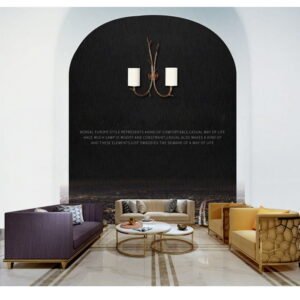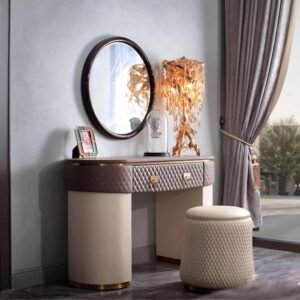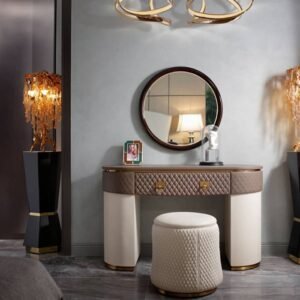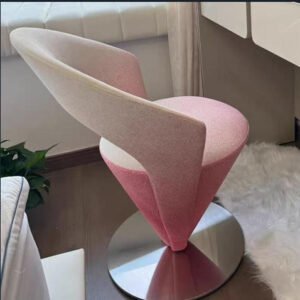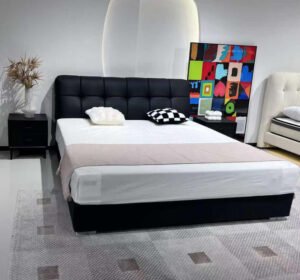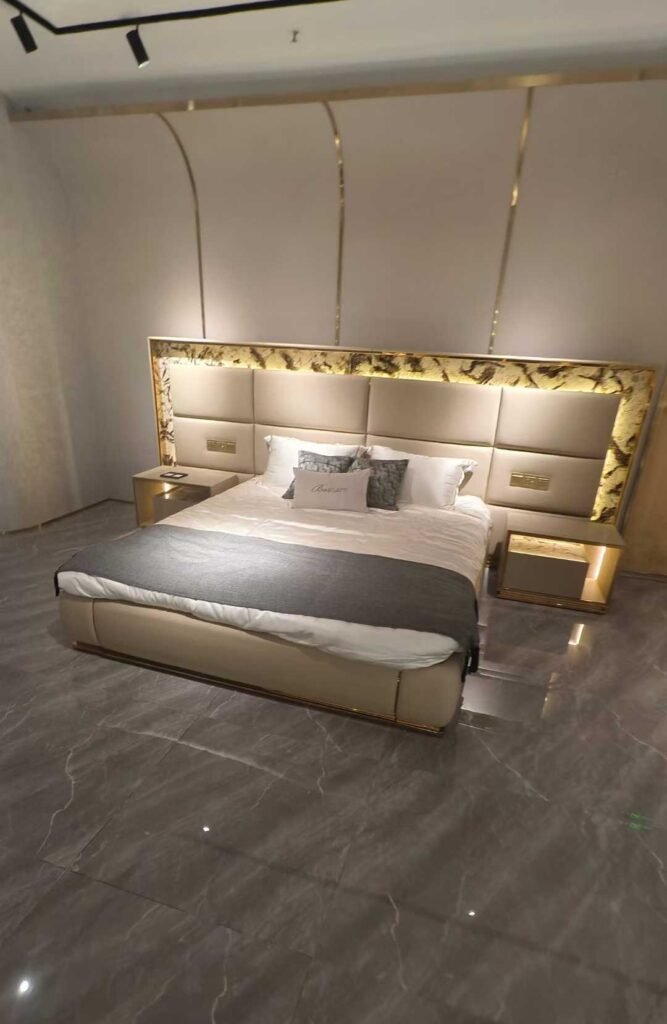
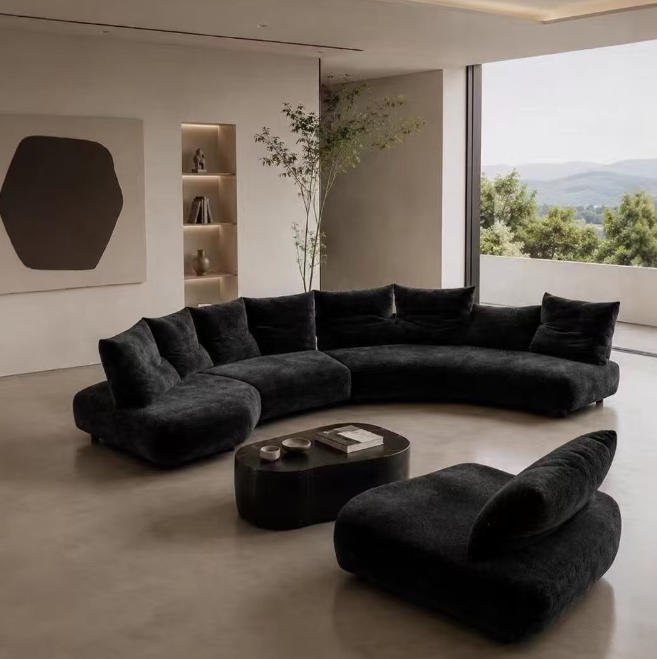

For importers, FF&E buyers, interior designers, developers, villa owners, and hospitality operators working at the premium end of the market.
1. Executive Summary
The luxury hospitality sector entered 2021 at an inflection point. After a year of near-total operational shutdown, high-end hotels faced a fundamental question: when guests return, what kind of experience will earn their loyalty — and their willingness to pay a premium rate?
The answer, drawn from real project data and market intelligence, points directly to the furniture specification. Rooms where furniture communicates sustainability, wellness, local identity, and intelligent design are outperforming standard luxury counterparts on guest satisfaction scores, average daily rate (ADR — the revenue earned per occupied room night), and review sentiment.
This guide is written for the professionals making those specification decisions: importers and distributors sourcing at scale, interior designers briefing manufacturers, FF&E (Furniture, Fixtures and Equipment — the movable, non-structural components of a hotel interior) buyers managing project budgets, and developers evaluating long-term ROI. It is not a trend report for general audiences. It is a strategic intelligence document for the premium segment.
The five trends analyzed here are not predictions — they are already visible in live projects, procurement briefs, and the demands arriving at manufacturers’ doors. Understanding them is a competitive advantage. Missing them is an increasingly expensive mistake.
The global hotel FF&E market was valued at approximately $58.4 billion in 2025 e deve atingir $112.8 billion by 2035 at a CAGR of 6.8% (Market.us). Within that growth, the premium and ultra-luxury segment is expanding fastest — driven precisely by the five forces this guide addresses.
2. Trend 1: Sustainable & Ethically Sourced Materials
Luxury has redefined itself. Responsibility is now part of the brief.
A procurement manager at a six-property boutique resort group described the shift this way: “Three years ago, clients asked about aesthetics first and sustainability as an afterthought. Now it arrives in the first paragraph of every brief we receive.” That experience is not isolated.
Booking.com’s 2021 Sustainable Travel Report found that 82% of accommodation providers surveyed view sustainability in hospitality as important — and that figure has only risen in the years since. The guests staying in high-end properties are increasingly high-net-worth individuals with strong values alignment; the brands they choose to stay with need to reflect those values in their physical environment.
For hotel furniture, this translates into four practical material shifts:
FSC-certified timber (Forest Stewardship Council — an international body that certifies wood sourced from responsibly managed forests, verified by an auditable chain of custody) is now a baseline specification for any hotel pursuing LEED certification or ESG alignment. Without it, sourcing untraceable hardwoods carries both reputational and regulatory risk in key markets.
Recycled and low-impact metals — including recycled aluminum frames, reclaimed steel hardware, and powder-coated finishes that avoid chromium-based processes — are appearing in high-end lobby and bedroom programs as a response to embodied carbon (the carbon released during the production and transportation of materials) targets.
Organic and certified textiles such as OEKO-TEX certified fabrics and wool certified under the Responsible Wool Standard eliminate the chemical concerns associated with conventional upholstery — a meaningful differentiator in properties pursuing WELL Building Standard certification.
Low-VOC finishes (VOC = Volatile Organic Compound — chemicals that off-gas from lacquers, adhesives, and coatings and degrade indoor air quality) are not optional in markets where GREENGUARD certification is required. Hotels specifying low-VOC furniture also report a measurable reduction in guest complaints about “chemical smell” during the first weeks after installation.
For FF&E buyers and importers, the practical implication is clear: sustainability is no longer a filter you apply after you have found the right design. It is a filter that narrows the supplier field from the very start.
When verifying claims, request certificates directly: FSC chain-of-custody numbers can be verified at fsc.org. ISO 14001 (environmental management systems certification) demonstrates that a manufacturer has auditable processes for minimizing environmental impact — not just marketing claims. REACH compliance (the EU’s chemical safety regulation — Registration, Evaluation, Authorisation and Restriction of Chemicals) must be confirmed in writing for any furniture entering European markets.
Informações sobre o setor: Suppliers who cannot produce material traceability documentation on request — listing wood species, origin forest, certification number, fabric composition, and finish chemistry — represent a compliance and reputational risk that no premium project can afford.

Sustainable material specification is no longer a design aesthetic choice — it is a compliance and brand reputation requirement in the premium segment.
3. Trend 2: Biophilic Design Integration
Nature in the room is not decoration. It is measurable performance.
Design biofílico is the practice of incorporating natural elements — materials, forms, textures, light, and living plants — into built environments to support human psychological and physiological well-being. In hospitality, it has moved from design trend to evidence-based specification standard.
The numbers are specific enough to build a business case around:
- Guests in biophilically designed hotel rooms report stress reduction scores 23% higher than guests in conventionally furnished rooms (Dataintelo Research).
- Properties that integrated biophilic elements reported ADR uplifts of up to 18% in research published by Terrapin Bright Green, with 36% more guests spending time in biophilically designed communal areas — driving F&B and ancillary revenue.
- Academic research published in the journal Buildings confirmed that high-quality biophilic design in hotel settings significantly affects guest well-being, perceived value, and repeat booking intention.
For furniture specifiers, biophilic design manifests in choices that are simultaneously aesthetic and functional:
Live-edge timber pieces — tables and headboards cut from slabs that retain the natural outline of the tree — carry the irreproducibility of nature into spaces where every other surface is engineered. No two pieces are identical. In a luxury context, that uniqueness is a feature, not an inconsistency.
Rattan, cane, and woven natural fiber seating and panels bring tactile texture and the visual warmth of organic material without the weight and cost of solid timber. In villa and resort settings, these materials align with wellness positioning and perform well in humid climates when properly finished.
Organic curves and sculptural forms — furniture that avoids the hard 90-degree angles of conventional casegoods (case goods = furniture pieces such as wardrobes, dressers, and nightstands that enclose or store items) — signal psychological comfort at an almost unconscious level. Soft edges read as safe. They reduce the visual stress response that sharp, angular environments can trigger.
Stone accents — marble-topped nightstands, travertine side tables, terrazzo flooring tiles coordinated with furniture bases — bring geological timescale into spaces. Guests cannot articulate why a marble surface feels more luxurious than a high-gloss lacquer simulation, but the data shows they respond differently to the two.
For architects and interior designers presenting biophilic concepts to hotel clients, the business case framing is straightforward: a biophilic room command 15–18% higher ADR than a comparable conventionally furnished room in the same property. At a 70% occupancy rate across 100 rooms, that differential compounds into substantial annual revenue. Furniture is not a cost item in this frame — it is a revenue driver.
4. Trend 3: Smart & Multifunctional Furniture
The guest who books a luxury room in 2021 may be working from it for three days.
The term bleisure travel (a portmanteau of business and leisure — the growing pattern of guests extending business trips for personal time, or working productively during what are nominally leisure stays) entered mainstream hospitality vocabulary in the mid-2010s. By 2021, the post-pandemic acceleration of remote work had made it a dominant booking pattern in the upper-upscale and luxury segments.
A guest who works from their room for two to three days per stay has fundamentally different furniture requirements than one who uses the room only for sleeping and dressing. They need:
- A desk surface wide enough to accommodate a 15″ laptop alongside a second screen and documents
- A chair that supports 6–8 hours of seated work without causing back or shoulder fatigue
- Power and data access without adapter clutter — USB-A, USB-C, and wireless charging integrated flush into the desk or nightstand surface
- A seating arrangement that allows informal video calls (a low chair pulled to a low table reads poorly on camera; a well-proportioned lounge chair with appropriate lighting does not)
The furniture response to these requirements has evolved into what the hospitality industry terms smart and multifunctional design — pieces that integrate technology, adapt to multiple use configurations, or serve dual purposes without aesthetic compromise.
Specific examples now appearing in premium hotel specifications include:
Wireless charging nightstands with Qi-standard (the universal wireless charging protocol compatible with most modern smartphones) charging surfaces integrated flush into the wood or stone top. Guests never need to find a cable; the surface simply works when a compatible device is placed on it.
Height-adjustable desks that convert from seated work height to standing configuration — a wellness-aligned feature increasingly specified in upper-upscale properties targeting extended-stay guests and the wellness traveler segment.
Modular lounge configurations using sectional seating that can be reconfigured by staff or guests to support dining, working, or conversation — a single furniture investment that serves multiple room functions without requiring multiple furniture sets.
App-controlled reading lights and panel systems integrated into headboards — allowing guests to manage lighting color temperature and intensity from a smartphone or in-room tablet without leaving bed.
Para private label furniture brands, the smart feature layer is a meaningful product differentiation opportunity. A custom nightstand with your brand’s proprietary wireless charging integration and hardware finish cannot be replicated by competitors sourcing from generic catalogs. For FF&E buyers, the critical evaluation question is IoT compatibility (IoT = Internet of Things — the network of physical devices that communicate via the internet): does the furniture’s embedded technology integrate with the property’s building management system, or create a separate, unsupported island of functionality?
As research from IoT hospitality specialists confirms, the most effective implementations are those where the furniture communicates with the property’s broader smart room ecosystem — lighting, HVAC, and entertainment — rather than operating in isolation.

Smart furniture design in high-end hotels serves the bleisure traveler: productive, comfortable, and always connected — without compromising the luxury aesthetic.
5. Trend 4: Ergonomic Luxury
The most expensive oversight in luxury furniture specification is forgetting that guests actually sit in it.
There is a consistent pattern in high-end hotel renovation post-mortems: the space photographs beautifully. The ADR supports the five-star positioning. And then the guest reviews begin. “Lovely room, but the chair was uncomfortable after 20 minutes.” “The bed was stunning but I woke with back pain.” “The sofa looked incredible but felt like sitting on a park bench.”
Ergonomia (the science of designing furniture and environments to support the human body’s natural position, movement, and load-bearing during use) is the discipline that prevents those reviews. And in the premium segment, it is increasingly non-negotiable.
The commercial evidence is clear. Hotels that invest in ergonomically designed furniture report:
- Improved guest satisfaction scores and higher Net Promoter Scores (NPS — a measure of how likely guests are to recommend the property to others on a scale of -100 to +100)
- Higher repeat booking rates from guests who associate physical comfort with the property
- Reduced maintenance costs, because ergonomically designed furniture distributes load more effectively and experiences less structural fatigue over time
For a luxury property with 150 rooms operating at a premium ADR, a 5-point improvement in NPS correlates with measurable gains in direct bookings and reduced OTA (Online Travel Agency) commission dependency — the kind of financial impact that justifies a specification premium on seating and sleeping furniture.
What does ergonomic specification look like in practice for high-end hospitality?
Lounge seating should offer a seat depth of 48–55 cm for standard adult proportions, with lumbar support built into the backrest curve rather than relying on scatter cushions. Seat cushion foam should be specified at minimum 40 kg/m³ density for contract environments — lower-density foam compresses and loses support within 18 months of intensive use, generating guest complaints that are entirely avoidable.
Beds and mattresses in the upper-upscale category are increasingly specified with zoned pocket spring systems and hotel-grade memory foam layers — supporting the full range of sleeping positions without the motion transfer that disturbs couples. A bed that generates five-star reviews on multiple booking platforms is a revenue asset.
Task chairs in rooms that will attract bleisure guests should meet or exceed BIFMA Level 2 ergonomic standards (BIFMA = Business and Institutional Furniture Manufacturers Association — the body that develops safety and performance standards for commercial furniture) — not because of regulatory requirements, but because a guest who works productively and pain-free from your room will book it again.
Distributors evaluating ergonomic claims from manufacturers should request test data, not marketing copy. Cushion density certificates, spring count specifications, and third-party ergonomic assessments are the documents that separate genuine ergonomic engineering from aesthetic mimicry.
Jade Ant furniture, a China-based custom and luxury furniture manufacturer with over 15 years of hospitality and villa project experience, builds its contract-grade upholstered pieces to these exact specifications — density-certified foam, reinforced frame joinery at high-stress points, and finish durability testing — because the team understands that furniture in a hotel environment must perform not just on opening day, but through 50,000 guest interactions over seven to ten years. Explore the full range at jadeant.com.
6. Trend 5: Locally Inspired, Globally Crafted Aesthetics
Generic luxury is losing. The properties winning are telling stories.
Walk through the lobby of a leading luxury hotel in Kyoto, a boutique resort in Ubud, or a five-star property in Marrakech. The furniture does not look like it could be in any of the other three. It looks — and feels — like it belongs in exactly that place.
This is not an accident. It is a deliberate strategy, and it is one of the most commercially powerful trends in premium hospitality design.
The shift is away from global luxury uniformity — the marble floors, identical bed platforms, and brushed-chrome hardware that could be in Dubai or São Paulo or Singapore — and toward regionally authentic design programs that use local artisan techniques, indigenous materials, and cultural references as the foundation for the specification.
The commercial case is straightforward. Boutique hotels and lifestyle properties that succeed in communicating genuine place identity — through furniture that uses local craft techniques, regional materials, or cultural visual languages — generate a narrative that guests share. That narrative drives organic social content, press coverage, and word-of-mouth referral that paid advertising cannot replicate.
Interior Architects confirms that luxury hotels which blend local culture with global craftsmanship standards create spaces with a fundamentally stronger sense of place — and that sense of place drives emotional loyalty that translates into direct repeat booking.
Para design firms and interior architects, this trend creates an opportunity: the ability to develop narrative-driven furniture programs that distinguish properties from competitors and justify specification at the premium end. A hand-carved wooden headboard panel referencing a regional textile tradition is not just a design statement — it is a story that the hotel can tell, that guests can repeat, and that media will cover.
Para importers and distributors, locally inspired collections require a different supply chain conversation. The most successful implementations combine:
- Regional artisan techniques (hand-carving, lacquerwork, weaving, brass casting) applied to base furniture forms that are manufactured to consistent commercial tolerances and safety standards
- A manufacturer capable of scaling artisan elements without losing the quality that makes them compelling — a genuine craft capability, not a surface simulation
Para FF&E buyers managing multi-property programs, the practical framework is what specialists call “signature core + localized accent”: standardize the structural pieces across properties (beds, case goods, storage) for procurement efficiency and brand consistency, then customize the accent pieces — headboards, lounge chairs, decorative tables — for each property’s regional identity. This approach captures the brand advantage of place-specific design without sacrificing the cost efficiency of a coordinated procurement program.
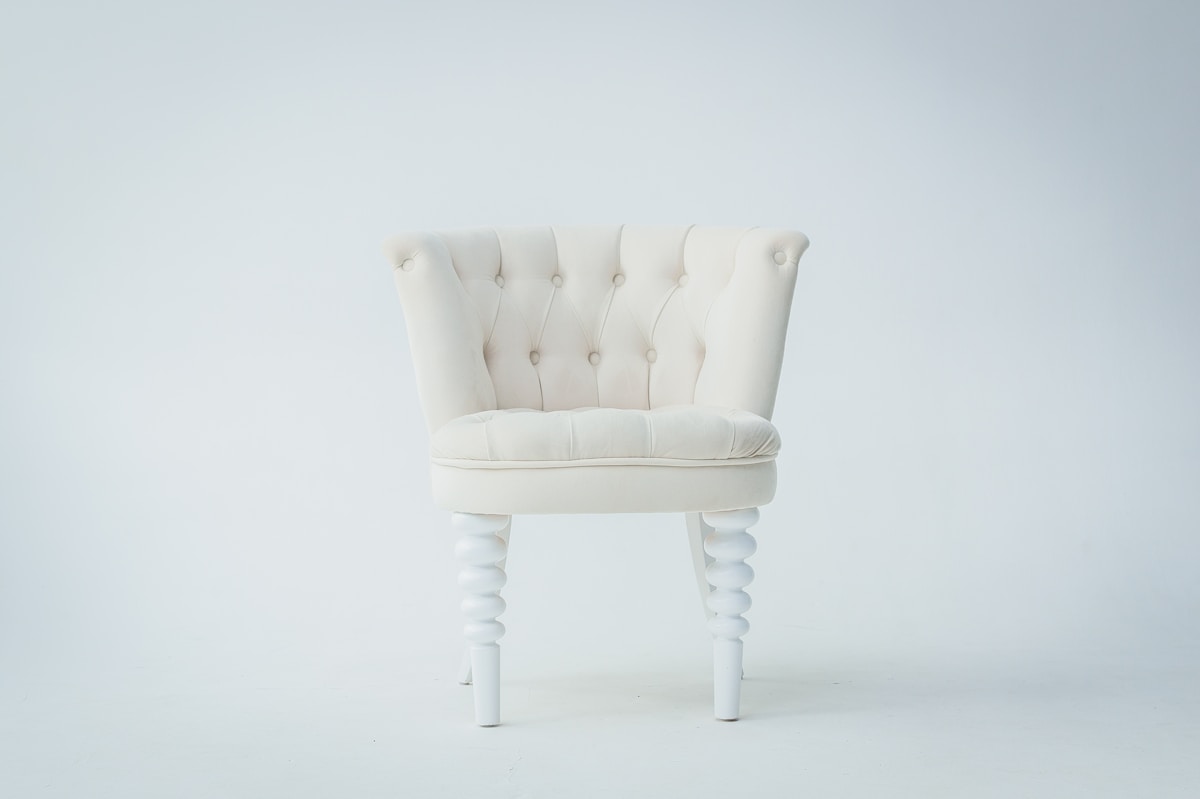 Furniture that tells a regional story — using local artisan techniques alongside globally consistent manufacturing quality — is the hallmark of the boutique and lifestyle hotel segment winning in 2021 and beyond.
7. Sourcing & Supply Chain Considerations
The gap between design intent and delivered quality is almost always a supply chain problem.
The 2020–2021 period exposed fragilities in global furniture supply chains that the industry had been able to ignore during more stable years. Raw material shortages, shipping container scarcity, port congestion, and extended lead times combined to stress-test every procurement relationship in the hospitality furniture market. Properties that were sourcing from single-source suppliers with thin documentation trails paid the heaviest price.
For importers and developers operating in the current environment, the supply chain conversation must include:
Compliance documentation: REACH (EU chemical safety regulation) compliance must be confirmed in writing for any furniture entering European markets. CARB (California Air Resources Board — sets limits on formaldehyde emissions from composite wood products) Phase 2 compliance is mandatory for US market furniture containing plywood, MDF, or particleboard. These are not optional extras — they are legal requirements in their respective markets, and non-compliant furniture can be seized at customs.
Production transparency: Ask prospective manufacturers to provide a complete Bill of Materials (BOM — a comprehensive list of the raw materials, sub-assemblies, and components that make up a finished product) for key items. If a factory cannot or will not produce this documentation, the risk profile of that supplier relationship is high.
Lead time realism: For custom hospitality furniture in 2021, realistic lead times for overseas production are 12–20 weeks for standard programs and 20–28 weeks for complex or large-volume projects when ocean freight is included. Building these into project timelines at the outset — rather than discovering them mid-schedule — is the difference between a smooth opening and a delayed one.
Agile manufacturing capability: Suppliers who maintain flexible production capacity — the ability to respond to design revisions, material substitutions, and timeline compressions without disrupting the order — are significantly more valuable than lower-priced alternatives with rigid processes. The cheapest quote often delivers the most expensive outcome when a project runs into the inevitable complications of a live build.
The Jade Ant furniture team works specifically on this challenge: helping importers, design firms, and hotel developers build reliable production pipelines from a single manufacturing partner who manages design confirmation, production scheduling, customs documentation, and logistics in a coordinated way. Visit the Jade Ant blog for practical sourcing intelligence on managing international furniture procurement.
8. Customization & Private Label Opportunities
The highest-margin furniture programs are the ones no competitor can copy.
When a luxury hotel chain approached a contract furniture manufacturer in late 2020 with a brief to develop a signature bedroom collection — specific dimensions, proprietary fabric colorways, custom hardware finishes, and packaging carrying the hotel brand — they were investing in more than furniture. They were building a product identity that could not be replicated by a competitor who found the same catalog supplier.
Private label furniture (furniture designed and produced under a client’s own brand identity rather than the manufacturer’s catalog) is the most commercially powerful tool available to hotel brands, interior design studios, and serious furniture importers who want to differentiate their offering in a crowded market.
The business case:
- A private label bedroom collection is protected from direct comparison with competitors’ sourcing — you are not bidding against identical spec on price
- The brand equity built into a recognized, distinctive furniture language compounds across properties — guests who recognize “the Nomad Hotel chair” across three cities are experiencing brand reinforcement that no marketing budget can replicate
- Gross margin on private label programs typically runs 15–25% higher than equivalent catalog pieces, because the client controls the specification and the market positioning
Para interior design studios, co-development with a manufacturer capable of handling custom dimensions, fabric specifications, and finish development means offering clients a genuine exclusive — a piece that exists only in their space. That exclusivity has significant value in pitching premium commissions.
Protecting design intellectual property (IP) when working with overseas manufacturers requires specific steps. IP legal specialists advise that buyers register designs in the country of manufacture before sharing technical drawings — in China, this means filing with the China National Intellectual Property Administration (CNIPA). A signed NDA (Non-Disclosure Agreement — a contract that legally prevents the manufacturer from sharing or replicating your design with third parties) should precede any design file transfer. Limit tooling access to trusted, legally vetted partners. Document all design approvals in writing.
The table below summarizes the key differences between standard catalog procurement and a private label program:
| Criterion | Catalog Procurement | Private Label Program |
|---|---|---|
| Design exclusivity | Shared with all buyers | Exclusive to your brand |
| Price comparison risk | High — competitors can match | Eliminated by exclusivity |
| Lead time on reorders | Standard (8–16 weeks) | Priority scheduling negotiated |
| Gross margin potential | Standard | 15–25% higher |
| IP protection | Nenhum | NDA + design registration |
| Brand equity contribution | Mínimo | Compounding across properties |
| Flexibilidade de MOQ | Often high (50–100+ units) | Negotiated — can start lower with the right partner |
For brands ready to explore private label development, the Jade Ant custom furniture range represents a practical starting point: a manufacturer with proven customization capability across bedroom, living room, and dining categories, structured for collaborative development with design studios and brand owners.
9. ROI & Longevity: Designing for Durability
The real cost of hotel furniture is never the purchase price.
A hospitality procurement director described the calculation this way: “We had two quotes for 150 room bedroom sets. One was 22% cheaper per unit. We chose it. Eighteen months later, the veneer was lifting on 40% of the nightstands and the drawer runners were failing. The replacement cost, plus the negative reviews, plus the operational disruption, put us well behind where we would have been with the premium option.”
This is the total cost of ownership (TCO) problem in hospitality furniture — and it is the most common, most expensive, and most avoidable mistake in FF&E procurement.
The industry standard replacement cycle for hospitality furniture assets is seven to ten years for quality contract-grade pieces (Market.us). Luxury hotels specifying higher-end casegoods (solid wood structures with quality joinery, rather than veneered MDF) report lifespans of 10 a 15 anos before primary replacement is needed. In a 200-room hotel, extending the average furniture lifespan from 7 to 10 years — by specifying correctly at the outset — eliminates one complete replacement cycle over a 20-year period. At an average room set cost of $8,000–$15,000 for premium properties, that is $1.6–3 million in deferred capital expenditure.
The material and construction variables that determine longevity are specific:
| Material / Componente | Economy Specification | Contract-Grade Specification | Impact on Lifespan |
|---|---|---|---|
| Drawer box material | Particleboard with stapled joints | Solid wood with dovetail joints | +5–8 years |
| Upholstery foam density | 25–30 kg/m³ | 40–45 kg/m³ | +3–5 years before sagging |
| Veneer substrate | Standard MDF | Moisture-resistant MDF or solid wood core | +4–6 years in humid climates |
| Finish type | Standard lacquer | Catalyzed lacquer or UV-cured | +3–5 years before dullness |
| Hardware grade | Standard zinc alloy | Brass or stainless steel | Eliminates tarnish and failure |
| Joinery method | Dowel and glue | Mortise-and-tenon or dovetail | Foundation of structural longevity |
Para FF&E buyers presenting furniture budgets to investors, the TCO framework converts the furniture conversation from a cost center discussion to a capital efficiency discussion. A piece that costs 30% more but lasts twice as long and generates materially better guest satisfaction reviews is not a budget overrun — it is a superior investment.
🎬 Watch: Inside a Luxury Hotel Furniture Manufacturing Process

This video provides an inside look at how luxury contract furniture is designed, manufactured, and quality-controlled for five-star hotel projects — essential viewing for FF&E buyers, designers, and developers evaluating new manufacturing partnerships.
10. Future-Proofing Your Portfolio
The furniture decisions you make today will define your property’s positioning for the next decade.
The trends identified in this guide are not temporary cycles. They are structural shifts in what luxury hospitality guests expect, what investors demand in ESG alignment, and what regulatory frameworks will require in key markets within the next five years.
The professionals who will navigate the coming decade most successfully are those who treat furniture specification not as a procurement exercise but as a strategic decision — one that touches brand identity, guest experience, operational efficiency, and long-term capital management simultaneously.
Several forward-looking priorities deserve specific attention:
Modular and repairable design is moving from environmental aspiration to commercial logic. A bedroom collection designed so that upholstery panels can be replaced without discarding the structural frame — and so that the frame can be refinished without full replacement — delivers dramatically lower lifecycle costs. As leading hospitality designers confirm, modular systems that allow operators to reconfigure layouts or refresh aesthetics without full replacement are the next frontier of specification intelligence for premium hotels.
Carbon accounting for furniture is an emerging requirement. A growing number of hotel brands are setting Scope 3 carbon targets (Scope 3 = the indirect emissions in a company’s value chain, including the carbon embedded in purchased goods like furniture). By 2025, several leading hotel groups had begun requiring manufacturers to provide Product Carbon Footprint (PCF) documentation alongside quality and compliance certificates. This is not yet universal — but the direction is clear.
Design flexibility and digital integration will compound in importance as hotel operators face increasingly sophisticated guest expectations. Manufacturers who provide BIM (Building Information Modeling) files, 3D renderings, and digital configuration tools are the partners that design teams will prioritize — because they reduce coordination friction and minimize the risk of specification errors arriving on site.
Emerging demand markets for luxury hotel furniture in the 2021–2022 horizon include the Middle East (Saudi Vision 2030 is funding extensive ultra-luxury hospitality development), Southeast Asia (wellness resort development in Thailand, Indonesia, and Vietnam is accelerating), and secondary European cities where boutique hotel conversion of historic buildings is generating strong demand for locally inspired, craftsmanship-driven furniture programs.
The brands, importers, and designers building relationships with manufacturing partners who can grow with them across multiple projects and market cycles — rather than transacting project-by-project — will carry a structural advantage as the premium hospitality market expands.
Perguntas frequentes
1. How can high-end furniture importers verify the sustainability claims of overseas manufacturers?
Request the specific certificate numbers for FSC chain-of-custody certification (verifiable directly at fsc.org), GREENGUARD or GREENGUARD Gold certification (verifiable at greenguard.com), and ISO 14001 environmental management certification. For REACH and CARB compliance, ask for test reports from accredited third-party laboratories such as SGS, Bureau Veritas, or Intertek. Marketing claims without auditable documentation are not verifiable — certificates with registration numbers are. Visit the manufacturer in person or appoint a third-party inspection firm to conduct a factory audit before placing a significant order.
2. What are the most durable fabric options for luxury hotel upholstery in high-traffic areas?
Solution-dyed acrylic fabrics (where color is embedded in the fiber before weaving, rather than applied as a dye) offer exceptional fade resistance and stain repellency in high-UV and high-traffic applications. Crypton® performance fabrics provide a moisture barrier at the fiber level, preventing staining without a surface coating that can crack or wear. High-performance contract wools (specified at 100,000+ Martindale rub cycles) deliver the luxury hand-feel that guests associate with premium properties while withstanding intensive commercial use. For public area seating, a minimum of 50,000 Martindale cycles is advisable; for guest room upholstery, 30,000–40,000 cycles is a reasonable baseline.
3. How do I balance aesthetic uniqueness with scalability when sourcing for multiple properties?
The most effective framework is “signature core + localized accent.” Standardize the primary furniture program across properties — beds, case goods, primary seating — using a consistent specification that enables bulk procurement, predictable lead times, and brand recognition. Then customize the accent layer — headboards, lounge chairs, decorative tables, lighting — for each property’s geographic and cultural context. This approach captures the commercial efficiency of a coordinated program while delivering the place-specific identity that premium guests increasingly demand. Brief your manufacturer on both elements simultaneously so they can plan production accordingly.
4. Are smart furniture systems worth the investment for luxury hotels?
Yes — particularly in properties targeting business travelers, extended-stay guests, and the bleisure segment. The ROI comes through three channels: guest satisfaction scores improve when technological friction (searching for power outlets, managing cables, adjusting multiple separate controls) is eliminated; differentiation value commands ADR premiums in a competitive market; and reduced service calls for simple guest requests (additional adapters, cable extensions) lower operational costs. The critical evaluation question is integration: smart furniture features that communicate with the property’s building management system deliver far greater value than isolated, proprietary systems that create a separate support burden.
5. What should interior designers consider when specifying furniture for biophilic luxury spaces?
Prioritize material authenticity — the difference between a live-edge walnut table and a printed-vinyl simulation of wood grain is immediately perceptible to luxury guests. Specify organic forms: curved backs, softened table edges, and upholstered surfaces that echo natural shapes. Coordinate furniture with lighting design — natural materials under warm, appropriately directed light behave very differently from the same materials under flat, cool overhead fluorescents. Consider tactile contrast: the combination of smooth stone, soft linen, rough-woven rattan, and the warmth of solid timber in a single room creates the multi-sensory richness that makes biophilic spaces feel genuinely restorative.
6. How can private label furniture brands protect their designs when working with OEMs?
Register your design in the country of manufacture before sharing any technical drawings or prototype specifications. In China, file with the China National Intellectual Property Administration (CNIPA); in the EU, register with the EUIPO. Have a comprehensive NDA signed before the first design conversation begins — not after. Limit access to tooling, molds, and production specifications to personnel directly involved in your program. Choose manufacturing partners with documented IP protection policies and a track record of maintaining design exclusivity. For designs with significant commercial value, retain IP legal counsel with specific experience in furniture and consumer goods.
7. What are the latest fire safety and compliance standards for hotel furniture in the EU and the U.S.?
In the European Union, upholstered furniture must comply with EN 1021-1 (cigarette ignition test) and EN 1021-2 (match flame ignition test) as minimum standards; some markets require BS 5852 crib 5 testing for higher-specification public area pieces. In the United States, California Technical Bulletin 117-2013 (CA TB 117) is the primary standard for upholstery materials; CA TB 133 applies to fully assembled upholstered furniture in public occupancy environments. NFPA 701 governs decorative textiles used in public areas. Contract upholstered furniture should always be tested to the most stringent standard applicable to the project’s jurisdiction — and confirmation of compliance should be obtained in writing from the manufacturer before order placement.
8. How can developers reduce furniture replacement costs in luxury villas and resorts?
Specify modular and repairable designs from the outset — furniture where upholstery, drawer runners, and surface finishes can be replaced independently without discarding the structural frame. Work with manufacturers who maintain production records for your specification and can supply spare parts and matched replacement components for at least ten years after delivery. Establish a refurbishment program rather than a replacement program: high-quality frames can be reupholstered two or three times over a furniture’s structural lifespan, extending the investment cycle significantly. The upfront specification premium for contract-grade materials typically recovers within the second or third year of operation through avoided replacement and maintenance costs.
9. What role does ergonomics play in luxury guest satisfaction?
It plays a fundamental and frequently underestimated role. A chair that photographs perfectly in a design rendering but fails to support a seated guest for more than 30 minutes will generate negative feedback that no amount of aesthetic investment can offset. Ergonomic shortcomings — a mattress that produces back pain, a desk at the wrong height for comfortable working, a lounge chair without adequate lumbar support — appear consistently in luxury hotel review analytics as among the most frequent sources of negative guest commentary. For operators monitoring NPS, addressing ergonomic failures in furniture specification typically delivers more immediate improvement to satisfaction scores than equivalent investment in aesthetic upgrades.
10. How can FF&E buyers ensure design continuity across different furniture suppliers?
Establish a master CMF (Color, Material, and Finish) specification guide before engaging any supplier — a reference document that defines exact finish colors (referenced to a physical standard or Pantone/RAL code), material grades, hardware specifications, and dimensional tolerances. Distribute this document to all suppliers simultaneously and require written confirmation of compliance before order placement. Appoint a lead designer or FF&E consultant with authority to approve samples across all categories. For multi-supplier programs, commission pre-production samples from each supplier and evaluate them side-by-side in the actual lighting conditions of the installation space before approving bulk production.
11. Is locally sourced furniture more cost-effective than imported high-end pieces?
Not always — and “cost-effective” requires defining what costs you are measuring. Local sourcing eliminates import duties, reduces ocean freight costs, and shortens lead times — advantages that can be significant on projects where timeline is the critical constraint. However, for properties in markets where local manufacturing capacity for premium hospitality furniture is limited, imported pieces from established contract furniture manufacturers may offer superior quality consistency, broader customization capability, and more competitive pricing at scale. The most rigorous evaluation compares total landed cost (unit price + freight + duties + insurance + customs clearance + any rework) against the total lifecycle value — not just the ex-factory price.
12. What are the emerging markets for luxury hotel furniture demand in 2021–2022?
The three highest-priority growth markets for the premium hospitality furniture segment are: the Middle East, where Saudi Vision 2030’s hospitality development pipeline is driving demand for ultra-luxury FF&E at unprecedented scale; Southeast Asia, where wellness resort development in Thailand, Bali, and Vietnam is accelerating and specifying nature-inspired, locally influenced furniture programs; and secondary European cities, where the boutique hotel conversion of historic buildings is generating demand for regionally authentic, high-craftsmanship furniture that national capitals have been absorbing for several years. Importers and distributors building supply relationships for these markets now are positioned to serve the demand curve as it peaks in 2023–2025.
13. How can architecture firms integrate furniture planning earlier in the design process?
Involve FF&E consultants during the schematic design phase — before floor plans are finalized — so that spatial layouts, electrical infrastructure, and aesthetic frameworks are developed in coordination with the furniture specification rather than in advance of it. The most common and costly failures in hotel design are misalignments discovered late: a bed platform that cannot fit through a door opening, a desk position that lacks an accessible power outlet, a lounge area dimensioned for catalog furniture that cannot accommodate the custom pieces specified later. BIM-compatible furniture manufacturers who provide Revit families and AutoCAD files allow architects to place accurate furniture models in the digital design environment during schematic design — eliminating these conflicts before construction begins.
14. What are the best practices for maintaining high-end wooden furniture in humid climates?
Specify wood species with demonstrated stability in high-humidity environments: teak, iroko, thermally modified ash (wood treated through a controlled heat process that reduces moisture absorption), and properly sealed bamboo perform significantly better than standard temperate-climate hardwoods in tropical or coastal settings. Apply UV-resistant, penetrating oil finishes rather than surface lacquers for exterior and semi-exterior pieces — oil finishes move with the wood as it expands and contracts seasonally, while surface lacquers crack. Maintain interior humidity at 40–60% relative humidity through HVAC management — the single most effective intervention for preventing cracking, warping, and joint failure in interior wooden furniture.
15. How can hotel operators justify higher furniture budgets to investors?
Present the investment through three commercial lenses simultaneously. First, guest satisfaction: quantify the correlation between furniture quality and NPS score using review analytics — a 5-point NPS improvement in a luxury hotel typically translates to measurable ADR uplift and direct booking rate improvement. Second, lifecycle cost: model the total cost of ownership over a 10-year period comparing the proposed premium specification against an economy alternative, including replacement cycles, maintenance, and any revenue impact of quality failures. Third, brand equity: document how design-forward, durable furniture contributes to press coverage, social content, and brand positioning that would otherwise require paid marketing investment to achieve. This three-part presentation converts a budget conversation into an investment conversation — and investors respond to returns, not costs.
Glossário de termos-chave
| Term | Definition |
|---|---|
| FF&E | Furniture, Fixtures, and Equipment — the movable components of a hotel interior that are not permanently attached to the building |
| Design biofílico | The practice of incorporating natural materials, forms, and elements into built environments to support human well-being |
| Certificação FSC | Forest Stewardship Council — certifies that wood is sourced from responsibly managed forests with auditable chain of custody |
| REACH | EU regulation on chemical safety (Registration, Evaluation, Authorisation and Restriction of Chemicals) — mandatory for furniture entering EU markets |
| CARB Fase 2 | California Air Resources Board — sets formaldehyde emission limits for composite wood products entering U.S. markets |
| VOC | Volatile Organic Compound — chemicals that off-gas from finishes and adhesives; low-VOC specifications protect indoor air quality |
| Bleisure | A portmanteau of business + leisure; guests who extend business trips for personal time, or work productively during leisure stays |
| Martindale cycle | A standardized rub-test measuring fabric abrasion resistance; contract-grade upholstery typically requires 30,000–100,000 cycles |
| TCO | Total Cost of Ownership — the full cost of a furniture program over its lifespan, including purchase, maintenance, and replacement |
| NPS | Net Promoter Score — a measure of how likely guests are to recommend a property to others; directly correlated with revenue performance |
| BIFMA | Business and Institutional Furniture Manufacturers Association — sets safety and performance standards for North American commercial furniture |
| ADR | Average Daily Rate — the revenue earned per occupied room per night; a core KPI for hotel financial performance |
| IoT | Internet of Things — the network of physical devices that communicate via the internet; relevant to smart furniture integration |
| Scope 3 emissions | Indirect carbon emissions in a company’s value chain, including the carbon embedded in purchased furniture and materials |
| CMF | Color, Material, and Finish — the specification framework used to ensure design consistency across suppliers and properties |
For more intelligence on luxury contract furniture sourcing, procurement strategy, and hospitality design trends, visit the Jade Ant furniture resource hub — built for importers, designers, and hotel developers working at the premium end of the market.
Ready to source contract furniture that performs as well as it looks?
The Jade Ant team works with hotel developers, interior designers, FF&E buyers, and luxury furniture importers across global markets. Whether you are specifying a single boutique property or building a multi-project pipeline, our production process is structured to be transparent, timeline-predictable, and precision-focused.
📩 Contact Jade Ant furniture — share your project brief and receive a detailed response within 24 hours.