
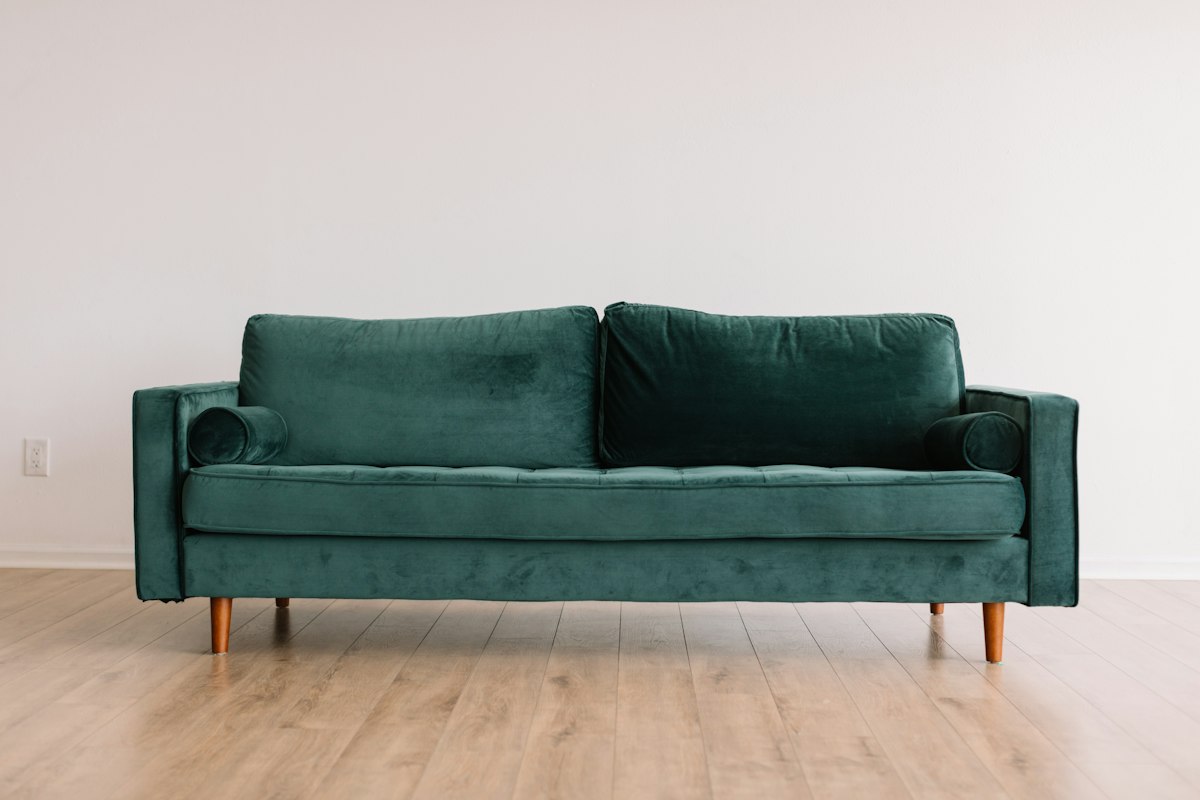
A customer walks into an RH gallery in San Francisco. She runs her hand along a cloud-soft Belgian linen sofa priced at $8,500. Two weeks later, she visits an Arhaus store and sits on something nearly as comfortable for $3,999. Both pieces look beautifully crafted. Both brands describe themselves as luxury. The sofa she eventually buys will sit in her living room for the next decade — so she asks the only question that truly matters: Where is this thing actually made, and does it affect what I’m getting?
That question is the engine of this guide. Manufacturing origin is not just a footnote on a product tag. It determines labour standards, material sourcing, quality control frequency, lead times, tariff exposure, and — ultimately — what survives five years of everyday use versus what doesn’t. For shoppers comparing RH against rivals like Arhaus, Ethan Allen, West Elm, and Pottery Barn, understanding where furniture is made is the single most clarifying piece of information available.
As a useful reference point: buyers comparing custom factory-direct options sometimes look beyond retail brands entirely. Manufacturers like مفروشات النمل اليشم — a Shanghai-based luxury and custom furniture specialist — offer a window into exactly how the same factories that supply major retail brands operate when you work with them directly, without the brand markup layer. That context informs several of the observations below.
Where Furniture Is Made: An Overview of Manufacturing Locations
Domestic vs. Overseas Production: General Trends in the Industry
The American furniture industry largely migrated offshore during the 1990s and 2000s, drawn by labour cost differences that could reach 80–90% below US equivalent rates. What was lost in that transition was not always quality — skilled craftspeople in Vietnam, China, and Cambodia often produce technically excellent work — but control: over raw material sourcing, over production scheduling, over defect correction speed, and over the supply chain’s exposure to geopolitical disruption.
Today, the pendulum is swinging back — slowly, and unevenly by brand. Domestically produced upholstered furniture can typically be delivered in 2–4 weeks. An overseas-sourced equivalent, once you account for production, ocean freight, and customs, commonly takes 12–24 weeks. During supply chain disruptions like those of 2020–2022, that gap expanded to 9 months in some cases. For brands competing on in-stock availability and lead time predictability, domestic manufacturing has become a strategic asset again, not just a marketing claim.
RH’s Manufacturing Footprint Compared to Competitors
RH is, by its own disclosure, a predominantly Asia-sourced brand. Its 2024 annual report confirmed that 72% of total product cost originated in Asia, with Vietnam as the largest single source (35%) and China second (23%). The company markets itself as a “curator of design, taste and style” — and that positioning is deliberately separate from manufacturing origin. RH designs in the US; it produces largely abroad.
This contrasts sharply with Ethan Allen, which maintains 75% North American manufacturing and has explicitly positioned that footprint as a competitive advantage in the face of 2025 tariffs. It also contrasts with Arhaus, which in 2021 opened a 500,000 sq ft manufacturing and distribution facility in North Carolina specifically to increase domestic production of its upholstery lines. Pottery Barn, owned by Williams-Sonoma, operates its own upholstery factory near Hickory, North Carolina. West Elm, also under Williams-Sonoma, has deeper offshore production but highlights Fair Trade certifications for select lines.
| العلامة التجارية | Primary Manufacturing Locations | Est. % Domestic | Own Facilities? | Key Manufacturing Claim |
|---|---|---|---|---|
| RH | Vietnam (35%), China (23%), other Asia, small US share | ~10–15% | No (3rd-party factories) | Design-led curation; sourcing in Asia |
| Arhaus | North Carolina (upholstery), global artisan workshops | ~55–60% | Yes (NC, 500K sq ft) | “Handcrafted” artisan & reclaimed |
| إيثان ألن | Vermont, Connecticut, Honduras, Mexico | ~75% | Yes (9 US plants) | Vertically integrated N. American mfg. |
| Pottery Barn | North Carolina (upholstery), Asia (casegoods) | ~35–40% | Yes (Sutter St. Workshop, NC) | “Designed & assembled in America” |
| West Elm | Asia (majority), some Fair Trade-certified workshops globally | ~15–20% | No (3rd-party partners) | Fair Trade, FSC-certified, ethical sourcing |
Factory Ownership and Vertical Integration
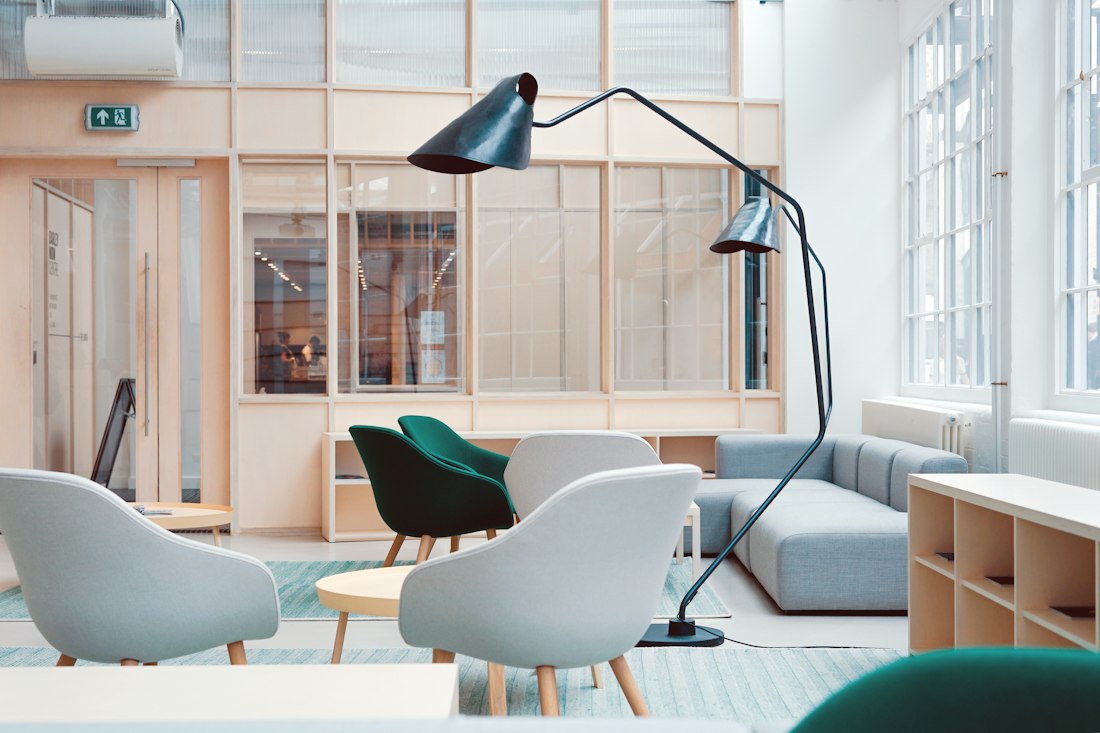
A vertically integrated production environment: when a brand owns its factory, quality checkpoints are set internally — not negotiated with a third-party supplier.
How Ownership Structure Can Impact Consistency and Control
Vertical integration — where a company owns and operates its own manufacturing facilities rather than sourcing from third-party factories — is one of the most reliable structural predictors of product consistency. When a brand owns the production line, it sets its own defect tolerances, controls incoming material inspection, and can act on quality corrections within hours rather than weeks.
Ethan Allen is the clearest example of this model among major retail furniture brands. Its nine North American manufacturing plants produce over 75% of its offerings, with everything from kiln-drying to finishing and assembly controlled in-house. When a dining table leg has a colour variance in the finish, Ethan Allen’s QC team identifies it on the production floor — not in a customer’s dining room after a six-week ocean crossing.
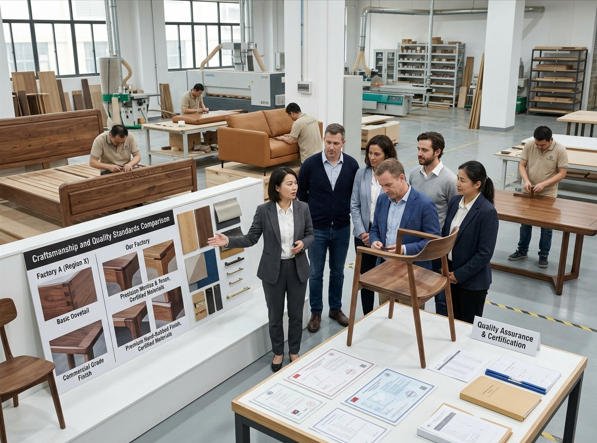
By contrast, brands like RH and West Elm operate as design-and-sourcing businesses: they create the aesthetic brief, specify materials and dimensions, approve production samples, and then place orders with third-party factories — primarily in Asia. This model is not inherently lower quality; many Asian manufacturers operate to exceptional standards. But it does insert distance between the brand and the production line, which means quality depends heavily on the strength of the supplier relationship, the rigour of pre-shipment inspections, and how quickly the brand can respond when issues emerge. Buyers who source directly from factory-level manufacturers — such as Jade Ant Furniture’s custom production process — can in some cases get closer to vertically integrated control without the retail brand markup.
📖 Key Terms
- Vertical Integration
- When a single company controls multiple stages of production — from raw materials to finished goods — rather than outsourcing to separate suppliers. Ethan Allen is the strongest example among US furniture retailers.
- Third-Party Factory
- An independent manufacturer contracted to produce goods to a brand’s specifications. Most of RH’s, West Elm’s, and early Pottery Barn’s products are made this way.
- White-Labelling
- When a retailer sells goods produced by an external factory under its own brand name, without disclosing the manufacturer. Common in mid-market furniture retail.
- MOQ (الحد الأدنى لكمية الطلب)
- The smallest number of units a factory will agree to produce in a single run. Low MOQs suit bespoke or designer clients; high MOQs reduce per-unit cost for volume buyers.
- Kiln-Dried
- Wood dried in a controlled oven (kiln) to a specific moisture content (typically 6–8% for interior furniture). Prevents warping, cracking, and joint failure after delivery.
Potential Trade-Offs Between Customisation, Lead Times, and Cost
Vertical integration offers control, but it also introduces constraints. Ethan Allen’s North American plants specialise in what they are set up to produce — primarily traditional and transitional wood furniture — and customisation options, while meaningful, operate within a tighter envelope than a large Asian factory offering hundreds of finishes, materials, and silhouettes. RH’s sourcing model, by contrast, allows it to tap into the enormous production capacity and material diversity of Vietnamese and Chinese furniture clusters, which is why its catalogue is so broad and its finish libraries so deep.
The cost implication flows in the opposite direction from what most consumers expect: domestic manufacturing is typically 30–60% more expensive per unit than equivalent Asian production. Brands that manufacture domestically either absorb that cost through tighter margins, pass it to the consumer through higher retail prices, or find efficiencies through automation and scale. Ethan Allen chooses the latter two — which is why its pricing is comparable to RH despite producing most goods in Vermont.
Labour Standards and Craftsmanship Across Brands
Labour Certifications, Ethical Sourcing, and Worker Conditions
The conversation around labour in furniture manufacturing is often reduced to a binary — “made in America = good conditions; made overseas = questionable conditions” — that doesn’t reflect the actual landscape. Some of the world’s most skilled furniture artisans work in Vietnam, China, and Indonesia. The relevant question is not geography but accountability: can the brand trace its supply chain to specific factories, and can it demonstrate what labour standards those factories operate under?
West Elm has the most explicit ethical sourcing programme among the brands reviewed here, carrying Fair Trade USA certification for a portion of its products — a third-party standard requiring specific worker protections, minimum wages above local floor rates, and community development premiums. Arhaus emphasises artisan workshop partnerships globally and prohibits child labour and forced labour in its supplier code. إيثان ألن‘s domestic manufacturing advantage is inherently tied to US labour law compliance — federal minimum wage, OSHA standards, and anti-discrimination protections.
RH‘s published supplier standards require adherence to local laws and prohibit child and forced labour, but the brand does not publicise Fair Trade or comparable third-party certifications for its Asian supply chain. For buyers who weight ethical sourcing as a primary criterion, this is a meaningful gap in transparency, even if it says nothing definitive about actual conditions in specific factories.
| العلامة التجارية | Labour Certifications | Supplier Code Published? | Child/Forced Labour Policy | Worker Condition Transparency |
|---|---|---|---|---|
| RH | None publicly cited | Partially | Prohibits (in supplier code) | منخفض |
| Arhaus | Internal artisan standards | نعم | Prohibits explicitly | معتدل |
| إيثان ألن | US/Canadian labour law compliance | نعم | N/A (mostly domestic) | High (domestic) |
| Pottery Barn | Williams-Sonoma supplier standards | Yes (WSM group) | Prohibits | معتدل |
| West Elm | Fair Trade USA (select products) | نعم | Prohibits; third-party verified | High (certified lines) |
Evidence of Craftsmanship and Attention to Detail Across Lines
Beyond certifications, craftsmanship evidence is visible in the details — and it varies significantly even within a single brand’s catalogue. A $4,200 RH Cloud Sofa built in a premium Vietnamese factory with hand-sewn upholstery and a kiln-dried hardwood frame may represent genuine craft; a $1,800 RH media console built in a mid-tier facility with cam-lock assembly and laminate veneer may not. The brand name alone is not a quality guarantee; the specific construction method, material specification, and production facility matter enormously.
Arhaus’s craftsmanship narrative is more consistent across its range because of a narrower product scope and a stronger emphasis on artisan partnership relationships — particularly for reclaimed wood pieces, where grain variation and hand-applied finish character are part of the design intent rather than a quality deviation. Ethan Allen’s traditional dovetail joinery (a technique where interlocking trapezoidal cuts create mechanical strength without relying solely on glue or fasteners) has remained a brand standard for decades, applied consistently because it is produced in-house.
Materials Sourcing: Wood, Metals, Upholstery, and Finishes

The difference between a $600 and a $6,000 sofa is almost never visible from across the room. It lives in the foam density, the frame joinery, and the fabric Martindale rating.
Sourcing Transparency and Supplier Networks
When a furniture brand says “solid walnut,” that claim carries legal weight in markets with truth-in-advertising laws — but it says nothing about where that walnut was harvested, whether the logging was legal, or what the moisture content was at the time of milling. Material sourcing transparency is the practice of disclosing the full chain from forest to finished piece, and it varies enormously across brands.
Arhaus publishes the most granular materials information, specifying reclaimed timber sources, wood species by collection, and artisan finishing techniques. West Elm carries FSC-certified and sustainable wood lines with verifiable chain-of-custody documentation. إيثان ألن sources North American hardwoods — primarily maple, cherry, and oak — through vetted domestic suppliers, with traceability supported by its short, domestically concentrated supply chain. RH describes its materials on product pages but does not publish a comprehensive material sourcing framework for its Asian supply chain.
For buyers who need documented sustainability claims — particularly those purchasing for EU markets subject to the EU Deforestation Regulation (EUDR), or US markets where CARB Phase 2 formaldehyde emission compliance is required — material documentation is a procurement requirement, not a preference. Factory-direct manufacturers who export internationally, such as مفروشات النمل اليشم, typically produce FSC certificates, formaldehyde test reports, and wood species declarations as standard export documentation.
Impact of Material Quality on Durability and Feel
The physical experience of furniture quality — the satisfying thud of a solid drawer closing, the way a sofa seat returns to shape after you stand up, the finish that still looks unblemished after 300 evenings of use — is entirely determined by material specification decisions made at the sourcing stage, not in the showroom.
| Component | Budget / Mid-Market Spec | Premium Spec (what top lines use) | How to Verify |
|---|---|---|---|
| Sofa frame | Finger-jointed pine, stapled corners | Kiln-dried hardwood (maple/poplar), corner-blocked & glued | Ask for frame spec; request cross-section photo |
| Seat foam | 18–20 kg/m³ polyurethane | 25–32 kg/m³ HR foam, often wrapped in down/feather | Request foam density spec sheet; sit for 10 minutes |
| Upholstery fabric | Polyester blend, 25,000 Martindale rubs | Performance linen, bouclé, leather; 50,000–100,000+ Martindale | Ask for Martindale test certificate |
| Wood case goods | MDF with thin veneer (0.3mm), cam-lock assembly | Solid hardwood or 0.6mm+ sliced veneer over plywood; dovetail/mortise joints | Knock on surface; check drawer joint construction |
| Hardware | Zinc alloy, chrome-plated | Solid brass, PVD finish or satin nickel; named brand (Blum, Häfele) | Ask for hardware supplier name; check pull weight and feel |
| Metal legs/frames | 1.0mm mild steel, powder-coated | 2.0mm+ stainless or solid forged steel; TIG-welded seams | Check weld seam visibility; ask for material grade cert |
Quality Control and Standards
Inspection Routines, Testing Methods, and Defect Rates
Quality control in furniture manufacturing is not a single event — it is a sequence of checkpoints. The best manufacturers build QC into incoming material inspection (verifying wood moisture, foam density, fabric dye lot), in-process inspection (frame assembly, upholstery stitching, finish adhesion), and pre-shipment inspection (dimensional verification, surface defects, packaging integrity). When a brand owns its factory, all of these checkpoints are internal decisions. When a brand sources from third-party factories, QC quality depends on the supplier’s internal systems plus whatever oversight the brand arranges.
The defect rate difference is measurable. A vertically integrated manufacturer running daily internal QC typically achieves first-pass yield rates of 96–99%. A brand relying on pre-shipment inspection from a third-party auditor for its Asia-sourced goods may accept AQL (Acceptable Quality Level) defect rates of 1.5–4% — meaning statistically, 15–40 pieces per 1,000 shipped will have an identifiable defect. For a brand selling at RH price points, even a 1.5% defect rate represents a significant number of customer complaints annually.
Consumer review data supports this pattern: RH consistently receives more negative reviews related to quality inconsistency (wrong finish, damaged delivery, wood defects) than either Arhaus or Ethan Allen at comparable price points. This is not a factory capability issue — many of RH’s Vietnamese suppliers produce at a technically high standard. It is a supply chain visibility issue: the further a brand’s quality team is from the production floor, the slower and more variable the defect-correction cycle becomes.
Brand-Level Guarantees and Return Policies
| العلامة التجارية | Frame/Structure Warranty | Fabric/Finish Warranty | Custom Order Return Policy | Overall Rating |
|---|---|---|---|---|
| RH | 1 year limited | 1 year limited | Final sale (no returns) | Basic |
| Arhaus | “Arhaus For Life” on upholstery frames | 1 year cushions/fabric | Store credit only | Strong (frames) |
| إيثان ألن | 1 year / varies by product | 1 year | Design centre review required | معتدل |
| Pottery Barn | 1 year structural | 90 days (fabrics) | Exchanges, no refunds | معتدل |
| West Elm | 1 year structural | 30 days | Exchanges only; restocking fees | Limited |
Design, Engineering, and Build Quality
▶ Watch: RH vs Arhaus — comparing design, quality, and value across two of the most-discussed luxury furniture brands in the US market.
How Design Choices Affect Rigidity, Ergonomics, and Longevity
A sofa’s design does not just determine how it looks in a room — it determines whether it will still look that way in 2030. The most consequential design decision for long-term durability is the seat suspension system. Eight-way hand-tied springs — where individual coil springs are knotted by hand to the frame in eight directions — provide even weight distribution and last 20–30 years with normal use. Sinuous (serpentine) springs, by contrast, are cheaper to install and serviceable for 8–12 years of regular use, after which they compress and the seat profile changes. Webbing-only systems, used in some budget lines, may begin to sag within 3–5 years.
RH’s Cloud sofa line — its most praised and most expensive offering — uses a down and feather wrap over HR foam, which creates the signature sink-in comfort that earned it a dedicated fan base. One verified RH customer on Reddit described their five-year-old Cloud sofa as still looking “showroom-perfect” with weekly fluffing. The trade-off: down-wrapped cushions require active maintenance. A family with young children who cannot maintain that routine may find the sofa loses its shape within 2–3 years, regardless of frame quality.
Arhaus takes a different ergonomic position: their sofas tend to be slightly firmer and more structured out of the box, which means they hold their visual shape with less owner effort over time. The reclaimed wood lines incorporate intentional surface variation — wire-brushed finishes and slight grain irregularities — that also means wear and minor scuffs are visually absorbed rather than highlighted.
Engineering for Assembly, Modularity, and Repairability
One of the most overlooked aspects of furniture quality is repairability — whether, in five or ten years, you can replace a worn cushion cover, a broken drawer runner, or a scratched table top without replacing the entire piece. Brands with vertically integrated manufacturing or direct factory relationships tend to have better spare parts availability; they know which components are most likely to need replacement and can maintain small-batch stock. Brands that have moved production between multiple offshore suppliers over the years may find that a sofa ordered in 2019 is now difficult to match with replacement fabric because the original supplier relationship has changed.
Modularity is a specific engineering advantage worth assessing: RH’s modular sectional systems allow buyers to add, subtract, or reconfigure components over time, which extends functional lifespan significantly. Ethan Allen’s case goods are engineered with traditional joinery that allows individual panels or drawers to be replaced by a skilled furniture restorer — a genuine longevity advantage that cheaper assembly-method furniture cannot match.
Cost Structures: How Location Impacts Price
- 28% — Raw materials (wood, foam, fabric, hardware)
- 20% — Retail markup, showroom & brand overhead
- 16% — Labour & production
- 14% — Freight, logistics & import duties
- 12% — Design, R&D, marketing
- 10% — Factory overhead, QC & packaging
Labour and Overhead Costs by Region
The cost of producing a dining chair varies by a factor of 3–5× depending on manufacturing geography. In Vietnam’s furniture-manufacturing cluster around Ho Chi Minh City, an equivalent chair can be produced for USD 80–120 in labour and overhead; in a North Carolina upholstery facility, the equivalent is USD 220–320. That difference, multiplied across thousands of units, is what drives brands to offshore production — and it is also what explains why brands that manufacture domestically must command higher retail prices to maintain comparable margins.
The labour cost advantage of Asian manufacturing has narrowed significantly since 2015 as wages in Vietnam and China’s furniture-producing regions have risen 6–10% annually. The remaining gap is still meaningful, but the calculation is now more complex: it must be weighed against tariff exposure, logistics costs, inventory carrying costs during long lead times, and the reputational risk of supply chain disruption.
Logistics, Tariffs, and Import Duties Affecting Price
The tariff environment for US furniture imports has shifted significantly in 2025. Furniture classified under HS Chapter 9403 imported from China faces a base MFN duty of 0%–6.5% plus a Section 301 surcharge of up to 25%. For Vietnam-origin furniture, MFN rates apply (typically 0%–5.3%) but the US government has warned of potential reciprocal tariff exposure depending on trade policy developments. Lumber and wooden furniture from Canada and Mexico face a 25% tariff under 2025 executive orders, affecting brands like Ethan Allen whose North American supply chain spans the border.
RH’s CEO publicly acknowledged in April 2025 that the tariff environment represented “an existential threat to businesses that don’t respond quickly,” while committing to accelerate US manufacturing expansion. That expansion is real but slow — factory capacity cannot be built in months. In the interim, RH and most Asian-sourced brands are managing tariff costs through a combination of price increases, supplier price renegotiation, and strategic inventory front-loading.
Lead Times, Availability, and Geography
Regional Production Cycles and Stock Levels
Lead time is where manufacturing origin becomes most immediately tangible for the buyer. A custom upholstered sofa ordered from Arhaus’s North Carolina facility typically arrives in 8–12 weeks. The same sofa, if it required a fabric or configuration sourced from an offshore partner, might take 16–24 weeks. An RH custom order with a fabric from their deep catalogue — most of which requires overseas production — commonly runs 12–20 weeks, with occasional extensions during peak season or when a preferred Vietnamese factory is managing multiple large orders simultaneously.
Ethan Allen, by virtue of its vertically integrated domestic plants, can in some cases deliver in-stock pieces within 3–6 weeks — a lead time advantage that becomes most visible when customers need furniture for a specific move-in date or renovation completion.
Impact of Geography on Delivery Speed and Service
Where a brand’s distribution centres are located relative to the customer also affects real-world delivery experience. Brands with domestic manufacturing typically maintain regional distribution hubs that reduce the final-mile distance. RH, Pottery Barn, and West Elm all operate large regional DCs that allow reasonable delivery windows for most US zip codes, but the pipeline to those DCs still begins with an ocean container from Asia — meaning unexpected demand spikes or supply chain disruptions hit inventory levels faster and with less corrective flexibility than domestically produced alternatives.
For buyers on renovation or project timelines, the practical advice is: add 20–30% to any stated lead time when planning against a hard deadline, and always confirm current availability at checkout rather than relying on standard lead time estimates listed on product pages.
Sustainability and Environmental Footprint
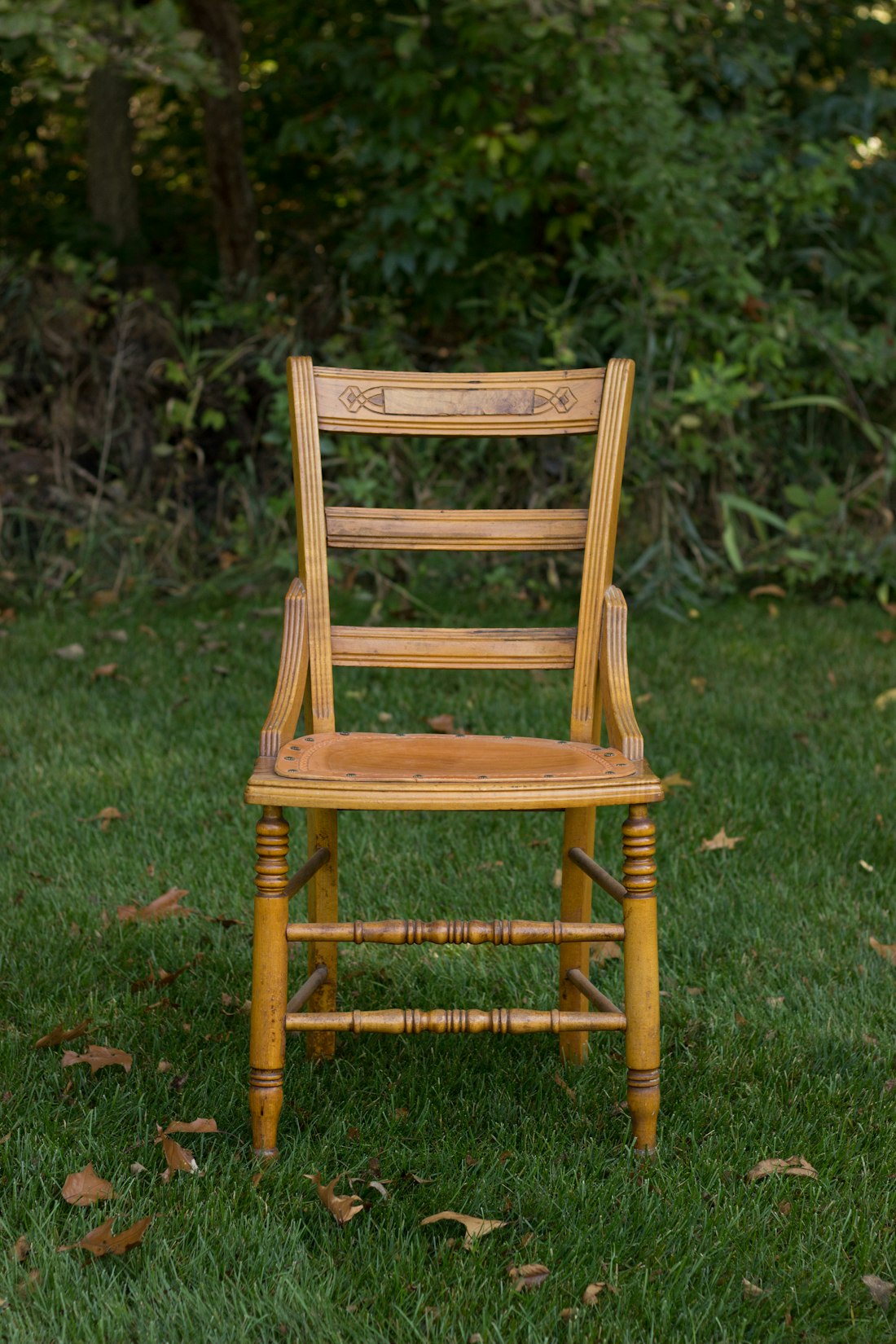
FSC-certified and reclaimed timber construction: Arhaus and West Elm lead on sustainability documentation among major US furniture brands.
Certifications, Lifecycle Analysis, and Long-Term Sustainability Goals
Furniture sustainability operates across three dimensions: material origin (is the wood legally and responsibly sourced?), production impact (what emissions, chemicals, and waste does manufacturing generate?), and product longevity (does the furniture last long enough to justify its production footprint?). Different brands optimise for different dimensions, and no brand in this review performs well across all three simultaneously.
| العلامة التجارية | FSC / Certified Wood | GREENGUARD / Low-VOC | Fair Trade / Ethical Labour | Reclaimed Materials | Carbon Goals Published |
|---|---|---|---|---|---|
| RH | Select lines | Not publicised | No | Some collections | No |
| Arhaus | Yes (many lines) | جزئي | Artisan code | Strong programme | جزئي |
| إيثان ألن | North American timber | GREENGUARD certified | US labour law | Limited | جزئي |
| Pottery Barn | Yes (Williams-Sonoma) | GREENGUARD Gold (select) | Group code | Some | Yes (WSM group) |
| West Elm | FSC-certified lines | GREENGUARD Gold | Fair Trade USA | Upcycled programme | Yes (WSM group) |
End-of-Life Considerations and Repairability
The most sustainable piece of furniture is the one you keep for 20 years — not the one with the most certifications that sits in a landfill after eight. From a lifecycle perspective, the brands with the best durability track records (Ethan Allen for case goods, Arhaus for upholstered frames) are doing more environmental good per dollar than a fast-turnover retailer with strong certification language but inconsistent build quality.
Repair and reupholstery access is another underappreciated sustainability variable. A sofa with a down-and-feather fill is reupholsterable by any skilled upholsterer — the frame can potentially last 30+ years with periodic fabric and cushion renewal. A sofa with a proprietary cushion construction that requires replacement of the entire seat unit (some modular systems work this way) has a shorter effective lifespan regardless of material quality.
Warranty, Service, and Post-Purchase Experience
Coverage Differences Linked to Manufacturing Origin
There is a direct, if underappreciated, correlation between manufacturing origin and warranty generosity. Brands that manufacture domestically — particularly those with vertically integrated facilities — can offer stronger warranty terms because they control the supply of replacement parts and have shorter, faster corrective action cycles. When Ethan Allen replaces a warped drawer front, it draws from a North American wood inventory managed by its own facilities. When RH addresses a finish defect on a piece made in Vietnam, the corrective loop involves international communication, potential re-production, re-shipping, and customs clearance.
Arhaus’s “Arhaus For Life” guarantee on upholstery frames — essentially a lifetime structural warranty — is commercially viable precisely because the brand controls its North Carolina production facility and knows exactly what frame specifications it used. That institutional knowledge of the product reduces the financial risk of open-ended warranty commitments.
Availability of Replacement Parts and Repair Support
Ask any furniture brand before purchasing: “If I need a replacement cushion insert, a touch-up paint kit for this finish, or a spare drawer runner in four years — how do I get it?” The answer reveals more about the brand’s operational commitment than any marketing material. Brands with domestically managed supply chains and long-term supplier relationships tend to be able to provide replacement components. Brands that move production between multiple offshore suppliers based on cost may find that a piece ordered in 2023 can no longer be supported because the supplier relationship changed in 2025.
This is precisely the after-sales advantage that factory-direct manufacturers — whether a domestic atelier or an internationally experienced supplier like Jade Ant Furniture’s product catalogue — can offer over retail brands: direct communication with the production team, matched finish touch-up materials from the original batch, and replacement hardware from the same specification.
How to Evaluate Quality: Practical Shopping Guidelines
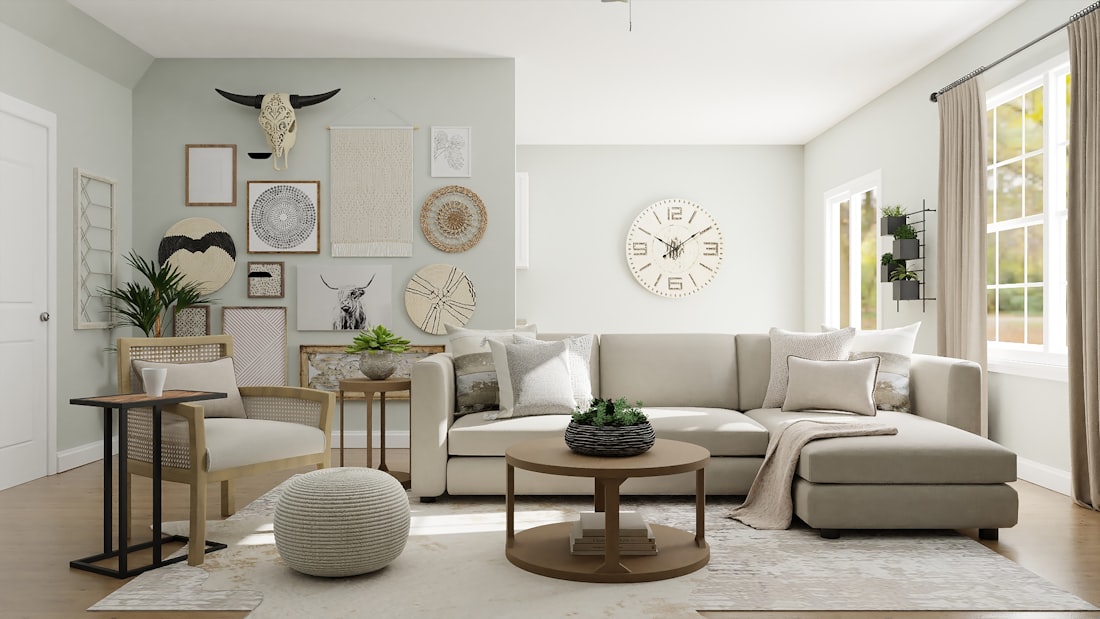
The showroom visit is your best evaluation opportunity — but only if you know what to look for beyond surface aesthetics.
Red Flags and Indicators Beyond Price Alone
Price is not a reliable quality signal in furniture. A USD 4,000 sofa from one brand may have a more durable frame than a USD 8,000 sofa from another. What matters is construction method, material specification, and production accountability. Here is what to look for — and watch out for — across any brand:
- Check the joints: Open a drawer. If you see dovetail joints (interlocking trapezoidal cuts), the carcass is built to last. Stapled corners or simple butt joints are a construction shortcut.
- Knock on surfaces: Solid wood and quality plywood substrates produce a dense, even sound. Hollow-sounding panels indicate thin MDF or low-density engineered board.
- Sit for five minutes: The first 30 seconds tell you how a sofa feels new. Five minutes reveal whether the support system distributes your weight evenly or creates pressure points — a signal of spring or foam quality.
- Ask for the foam density spec: A brand confident in its materials will tell you. “25 kg/m³ HR foam” is meaningful. “Premium quality foam” is not.
- Inspect seam alignment: On upholstered pieces, fabric patterns should align across seams and from front panel to cushion. Misalignment indicates production shortcuts in cutting and matching.
- Test hardware: Open and close every drawer and door in the showroom. Premium hardware closes silently with resistance. Loose or noisy hardware in a showroom will be worse after shipping.
- Ask about country of manufacture for the specific piece: “We make some things in the US” is not the same as “this piece is made in our NC facility.” Get specificity.
- Request the warranty terms in writing before purchase: Verbal assurances from salespeople are not binding. The written policy is what applies.
How to Compare Similar Pieces Across Brands
The most rigorous comparison method is to select comparable pieces — same category, similar dimensions, similar materials — and evaluate them on a cost-per-quality-point basis rather than sticker price alone. The scorecard below provides a framework:
The question of where furniture is made resolves into a set of practical trade-offs, not a simple verdict. RH’s Asian supply chain gives it extraordinary catalogue breadth and finish diversity at the cost of longer lead times, limited sustainability documentation, and quality consistency that depends heavily on supplier oversight. Ethan Allen’s North American vertical integration delivers structural consistency and tariff resilience at a price point that reflects higher production costs. Arhaus’s hybrid model — domestic upholstery, global artisan case goods — achieves a strong balance of craft, accountability, and sustainability documentation that justifies its pricing for most buyers in most rooms.
For consumers, the most useful takeaway is not a brand ranking — it is a process. Visit the showroom. Sit on the sofa for five minutes. Open the drawers. Ask where the specific piece is made, not just the brand’s general manufacturing story. Request the warranty in writing. Build your purchase decision on specifics, not brand narrative.
And if you are at a stage in your buying journey where you are considering bypassing retail brands entirely — working directly with manufacturers to achieve custom specifications at lower cost — the landscape of factory-direct options is broader than most consumers realise. Manufacturers like مفروشات النمل اليشم offer a path to the same production infrastructure that major brands access, with full documentation, custom specification capability, and the kind of direct communication that resolves quality questions before they become post-delivery complaints.