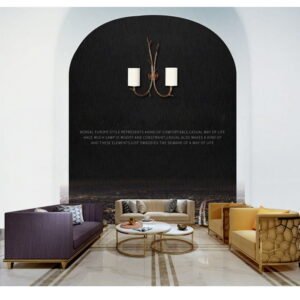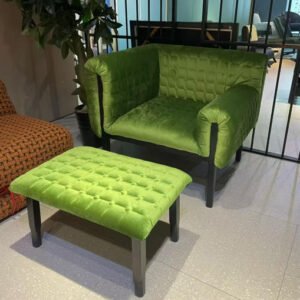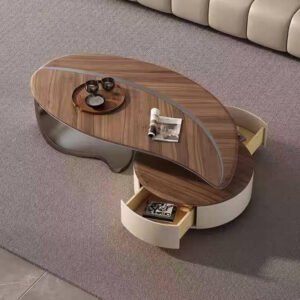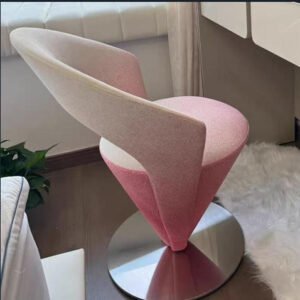

That outcome is entirely preventable, and this guide exists to prevent it. Buying Chinese furniture for a commercial or residential project involves three distinct operational phases — negotiation, shipping, and assembly — each of which requires specific preparation. Most buyers who encounter problems do so because they handled one phase well and assumed the others would resolve themselves.
This guide provides a structured framework for all three phases, grounded in real project data and the operational realities of Chinese furniture procurement in 2025. Whether you are specifying a single custom piece or a full villa furniture package, the principles are the same: prepare precisely, verify proactively, and never let price be the only metric on your evaluation framework.
Styles · Budget · Supplier vetting · Price tactics
Logistics · Packaging · Customs · Insurance
Unpacking · Installation · Integration · Care
Phase 1 — Negotiate: Understanding Styles, Budget, and Suppliers
Understanding Chinese Furniture Styles and Options
Key Styles: Ming-Inspired, Qing-Era, and Contemporary Reinterpretations
Chinese furniture’s design heritage spans two dominant classical periods, each producing a distinct visual language that continues to inform contemporary production. Understanding the difference is critical for B2B buyers specifying Chinese furniture for commercial or residential projects — not as an academic exercise, but because the style determines the manufacturing process, the material cost, the lead time, and the type of factory capable of producing it.
Ming-inspired furniture (referencing the Ming Dynasty, 1368–1644) is defined by structural elegance: spare, clean-lined forms, mortise-and-tenon joinery as the decorative and structural device, minimal surface ornamentation, and a philosophy of letting the wood grain and proportion carry the aesthetic. Contemporary factories producing authentic Ming-inspired pieces — typically in hongmu, teak, or wenge — require skilled joinery workshops and carry FOB prices that reflect the labor intensity.
Qing-era furniture (Qing Dynasty, 1644–1912) moves in the opposite direction: dense surface carving, mother-of-pearl inlay, lacquered finishes in deep reds and blacks, and visually substantial proportions. Qing pieces are typically heavier, more formal, and more expensive to reproduce authentically than Ming equivalents. They suit grand formal spaces — hotel lobbies, private dining rooms, villa reception halls — where visual weight is an asset.
Contemporary Chinese reinterpretations — the fastest-growing category in B2B project specification — take classical Chinese structural motifs (the horseshoe armchair silhouette, the scholar’s cabinet proportions, the cloud-step apron profile) and execute them in modern materials: powder-coated aluminum with CNC-cut fretwork panels, upholstered seating on hongmu-finish frames, or lacquered surfaces in contemporary neutral tones. This category offers the broadest price range and the widest factory capability spectrum, making it the most accessible starting point for buyers entering Chinese furniture procurement.
Common Materials and Construction Cues
The four primary materials used in quality Chinese furniture production each carry distinct quality signals. Hongmu (Chinese rosewood) is the benchmark hardwood for traditional-style pieces; verify the species botanical name in the purchase order, as “hongmu” describes a category of woods, not a single species. Wenge (dark, open-grain) and walnut (mid-tone, fine-grain) are increasingly popular for contemporary reinterpretations. Bamboo — compressed and laminated for structural applications — is a genuine sustainable alternative with a distinctive pale-gold surface character. Lacquer applied over an MDF substrate is the most common cost-reduction technique in Chinese furniture manufacturing; always ask whether the lacquered surface is over solid wood or MDF — the difference is critical for joinery strength, screw retention, and long-term dimensional stability.
Assessing Finish Quality and Hardware Authenticity
A factory’s finish quality reveals its overall production discipline more reliably than almost any other single indicator. Request a sample panel finished in the same specification as the ordered piece and examine it under a raking light source: orange-peel texture (a dimpled surface resembling the skin of an orange) indicates spray application without adequate flash time between coats; visible brush marks in lacquer indicate manual application without proper leveling. For hardware — brass fittings, decorative hinges, cloud-bat pulls — request the brand name or manufacturer reference. Authentic cast-brass hardware has a satisfying weight; zinc-alloy substitutes are noticeably lighter and will show finish wear within 12–18 months under commercial handling.

Setting a Budget and Negotiation Strategy
Estimating Total Cost: Furniture, Shipping, Duties, and Assembly
The most expensive mistake in Chinese furniture procurement is budgeting on FOB price alone. The FOB price is typically only 55–65% of the true landed cost for US buyers and 65–75% for EU buyers. The table below provides a reference landed-cost model for a $10,000 FOB Chinese furniture order under three destination scenarios.
| Cost Element | US West Coast | US East Coast | UK / EU (Major Port) | Notes |
|---|---|---|---|---|
| Prix départ usine (FOB) | $10,000 | $10,000 | $10,000 | Valeur de référence |
| Ocean Freight (20′ FCL) | $1,800–$2,800 | $2,400–$3,600 | $1,600–$2,600 | 2025 avg.; fluctuates with carrier rates |
| Marine Insurance | ~$120 | ~$120 | ~$110 | ~0.35–0.5% of CIF value; minimum coverage 110% CIF |
| Import Duty (MFN) | $0–$350 (0–3.5%) | $0–$350 (0–3.5%) | $0 (EU MFN 0%) | HS Chapter 94; verify per HS code at USITC |
| Section 301 Tariff (US only) | $750–$2,000 | $750–$2,000 | N/A | 7.5% on most furniture; some categories higher |
| Customs Broker + ISF Filing | $400–$600 | $400–$600 | £300–£500 equiv. | ISF must be filed 24h before vessel departure (US) |
| Port Handling + Drayage | $600–$1,000 | $800–$1,200 | £400–£700 equiv. | Port to project site or warehouse |
| Pre-Shipment Inspection | $280–$420 | $280–$420 | $280–$420 | Independent 3rd-party; QIMA, SGS, Bureau Veritas |
| On-Site Assembly (est.) | $300–$800 | $300–$800 | £250–£650 equiv. | Depends on piece complexity and quantity |
| Estimated Total Landed Cost | $14,250–$18,090 | $14,850–$18,890 | $12,790–$14,880 | 43–81% above FOB depending on destination |
Sources: Freightos 2025 freight rate data; USITC HTS Chapter 94; China Briefing Section 301 tariff summary; QIMA inspection rate schedule. All figures are 2025 reference ranges. Verify current Section 301 rates at hts.usitc.gov before finalizing budgets.
Tactics for Price Negotiation and Value Testing
Effective negotiation with Chinese furniture manufacturers operates on different principles than Western commercial negotiation. Three tactics consistently deliver better outcomes for B2B buyers.
Itemize your cost enquiry, not your target price. Ask the factory for a fully itemized cost breakdown: material cost, labor, overhead, packaging, and margin. This forces the factory to reveal where their cost structure is built and opens specific line-item negotiation — particularly on material specification alternatives — rather than a generic “can you do better on price” conversation that the factory will win.
Test value, not just price. A 20% FOB reduction achieved by downgrading from solid hongmu to MDF-core with hongmu veneer saves money at the factory but creates problems at assembly (reduced screw retention) and over time (veneer delamination in humid environments). Negotiate volume, payment timing, and specification — not material grade.
Use relationship depth as a leverage multiplier. Chinese manufacturers offer meaningfully better pricing — documented at 15–25% below initial quote — to buyers who signal long-term relationship intent: a clear annual volume projection, a multi-project pipeline, willingness to visit the factory. The first order in any supplier relationship is always the highest-margin order from the factory’s perspective; demonstrating that you intend repeat business is the most reliable path to factory pricing rather than trading-company pricing.
Sourcing Reputable Suppliers and Vendors
How to Verify Legitimacy and Past Work
Supplier verification for Chinese furniture procurement begins with a business license check — a step that takes under ten minutes and eliminates the most obvious fraud risk. Enter the factory’s legal business name into China’s Système national d'information sur le crédit aux entreprises (NECIPS) and confirm: the registered name matches all documents the supplier has provided, registration status is “正常” (normal/active), and the registered address matches the stated factory location.
Cross-reference factory export history using ImportYeti — a free tool that searches US Customs Bill of Lading data. A factory that claims to regularly export to the US but has no shipping records in the ImportYeti database is either using a different legal entity for exports (which requires explanation) or is a trading company rather than a manufacturer.
The trading-company distinction is critical. Trading companies typically mark up factory prices by 15–35% for the convenience they offer (consolidated ordering, English-language communication, multi-factory product range). That margin is justifiable for buyers who value those services. The problem arises when a trading company presents itself as a manufacturer — because the buyer then has no leverage over production quality, no direct relationship with the producing factory, and no ability to conduct meaningful factory audits.
Reading Reviews, Requesting References, and Sample Orders
Verified B2B buyer references — not testimonials on the supplier’s own website — are the most reliable quality signal available before placing a first order. Request contact details for two clients who placed orders in the same product category within the last 18 months. Ask those references specifically: did the production quality match the approved sample? Were lead times honored? How were defects handled post-delivery? A supplier that hesitates to provide direct client references is signaling something worth investigating.
Sample orders — counter samples (CS) cut to your specification before a Pre-Production Sample (PPS) is signed — are the single most important investment in a new supplier relationship. Evaluate the sample under raking light in a representative environment. Confirm material species, finish quality, hardware weight, and dimensional accuracy against your specification. Sign the PPS with both parties’ stamps; retain one signed physical sample in your location. The PPS is the legal quality benchmark for the entire production run — any deviation from it is a contractual breach.
Evaluating Product Quality and Authenticity

Inspecting Joinery, Veneers, and Solid Wood Confidence
Solid wood and veneered construction are not interchangeable in quality terms, and the difference is not always visible without a deliberate check. A solid wood component will show continuous grain on all four sides of a section; a veneered component shows matching grain on the face but a different material (MDF, plywood) on cross-cut sections or drawer sides. Request that any sample piece include at least one cross-sectional cut (on a back panel or drawer bottom) to confirm substrate specification.
Joinery quality in Chinese furniture can be evaluated with a simple flex test on the assembled sample: grip the top of a standing cabinet or chair back and apply lateral pressure. More than 3mm of flex without load indicates inadequate joinery. Apply the same test to drawer slides: a full extension under 500g load without binding or lateral play indicates quality runners; any wobble or friction indicates inadequate specification.
Checking Dimensions, Weight, and Load Expectations
Specify all dimensions in the purchase order with stated tolerances — ±3mm for case goods, ±5mm for upholstered pieces. Verify dimensions at pre-production sample stage with a tape measure, not by eye. Weight — confirmed at PSI by weighing a sample unit against the specification — is the most reliable proxy for material integrity: a chair specified as solid hardwood that arrives 30% lighter than the expected weight for its dimensions has been made from a lower-density material than specified.
Verifying Warranties and Return Policies
Chinese furniture warranties must be written into the manufacturing agreement before production begins — not negotiated after a problem arises. The minimum commercial warranty terms for a B2B furniture specification: structural integrity 3 years, finish and hardware workmanship 1 year. Include a penalty clause: the factory reimburses replacement cost at 2× unit price for any production lot exceeding AQL 2,5 on major defects.
Phase 2 — Ship: Logistics, Customs, and Risk Management
📺 Watch: How to Ship Sofas & Bulky Furniture from China — Full Logistics Guide 2025
This video covers LCL consolidation, FCL sea freight, and the end-to-end logistics process for bulky Chinese furniture shipments — an essential visual reference before briefing a freight forwarder.
Shipping Logistics and Timing
Choosing Shipping Methods and Transit Windows
Bar Chart 1 — Shipping Method Comparison: Chinese Furniture (2025 Reference Rates)
Relative cost index and transit time for different shipping methods. FOB Guangzhou to US West Coast / UK. Source: Freightos 2025 freight data; TopChinaFreight logistics guide.
FCL = Full Container Load. LCL = Less than Container Load (consolidated with other shippers’ cargo). Air freight is rarely cost-effective for furniture unless items are fragile, high-value, or urgently needed. Source: TopChinaFreight 2025 logistics guide; Freightos rate database.
For orders that do not fill a 20-foot container, LCL (Less than Container Load) consolidation is the standard alternative. The important tradeoff: LCL involves more cargo handling at the origin consolidation point and destination deconsolidation point — each touchpoint is a damage opportunity. For fragile or high-finish Chinese furniture, specify extra packaging protection when using LCL, or consider a partial FCL if volume is close to 15–20 CBM.
Lead Times, Continuity of Shipments, and Risk Management
The realistic total timeline from purchase order to site delivery for a custom Chinese furniture specification is 18–26 weeks: 2–3 weeks for counter sample production and approval, 2–3 weeks for Pre-Production Sample approval, 5–8 weeks for bulk production, 1–2 weeks for PSI and packing, 4–6 weeks ocean transit, and 1–2 weeks for customs clearance and local delivery. Any supplier quoting under 12 weeks total for a custom specification is either carrying pre-made stock or planning to compress quality control steps.
Two annual events dramatically affect Chinese furniture lead times and should be factored into every project timeline: Chinese New Year (typically 3–4 weeks in late January to mid-February, during which production effectively stops) and Golden Week (first week of October). Orders placed within 8 weeks of either holiday typically slip by 2–4 weeks beyond the quoted lead time. Plan production start dates with these windows explicitly excluded from the factory timeline.
Packaging, Insurance, and Risk Mitigation
Typical Packaging Standards for Chinese Furniture
Packaging failure accounts for a significant share of Chinese furniture damage claims — and is entirely preventable when specified correctly in the purchase order. Commercial export packaging for Chinese furniture should include: foam corner protectors on all frame extremities, PE film wrap on all finished surfaces, reinforced kraft paper outer wrap for additional moisture and abrasion protection, and a double-wall export carton (minimum 200 lbs ECT-rated) as the outer packaging. Fragile items — lacquerwork, glass-fronted cabinets, mirror panels — require additional internal foam padding or wooden crating.
Specify ISPM-15 fumigation of all wooden pallets and wooden packaging materials in the purchase order. Non-compliant wooden packaging is refused entry at most major ports globally — a shipment hold that adds 1–2 weeks to the delivery timeline and customs storage fees to the landed cost.
Insurance Coverage Options and Claims Process
Marine cargo insurance for Chinese furniture shipments should cover a minimum of 110% of the CIF (Cost, Insurance, Freight) value — the 10% premium above cargo value covers the estimated loss of profit on damaged goods. Specify an “All Risks” policy rather than a basic ICC(C) policy; basic policies exclude many furniture-specific damage modes (moisture damage, crushing under other cargo, handling damage).
The claims process is time-sensitive: notify the carrier within 24 hours of discovering damage; photograph all damage with timestamp before moving or disposing of any packaging; file a formal written claim with the carrier and insurer within 3 days of delivery. Delayed notification is the primary reason insurance claims are rejected — build this protocol into your delivery reception checklist explicitly.
Pie Chart — Chinese Furniture Shipment Damage: Cause Distribution (B2B Import Claims, 2023–2025)
Based on reported damage claims for Chinese furniture B2B imports. Source: Industry freight and insurance data, 2023–2025.
Missing corner protection, single-wall cartons
Port and warehouse handling impacts
No PE film wrap; inadequate container sealing
Heavy items loaded on top of fragile pieces
Fire, theft, container breach
Source: B2B furniture import damage claim analysis, 2023–2025. Data compiled from freight forwarder claim records and marine insurance reports. 34% of all furniture shipment damage is directly attributable to inadequate factory packaging — a specification and QC issue, not a logistics issue.
Customs Duties, Taxes, and Import Compliance
HS Codes, Tariffs, and Documentation
Furniture is classified under HS Chapter 94 in all major markets. The most commonly applicable US HTS codes for Chinese furniture are: 9401.61 (upholstered wood-frame seating), 9403.40 (wooden kitchen furniture), 9403.50 (wooden bedroom furniture), and 9403.60 (other wooden furniture). For US buyers, Section 301 tariffs apply at 7.5% on most Chapter 94 furniture items above the base MFN duty. Verify current rates at the USITC Harmonized Tariff Schedule before finalizing any budget model.
The documentation package required for US customs clearance of a Chinese furniture shipment includes: commercial invoice (with per-item HS codes and declared values), packing list, Bill of Lading, CARB Phase 2 compliance certificate (for any composite wood components), phytosanitary certificate for solid wood pieces, and the ISF (Importer Security Filing) submitted at least 24 hours before vessel departure. Missing any of these documents produces a customs hold — which accrues demurrage and per-diem storage fees at the port while the paperwork is corrected.
Duties Relief Programs and Potential Exemptions
US buyers have access to the First Sale Rule, which can reduce the dutiable value on furniture bought through trading companies by calculating duties on the factory-to-trader price rather than the trader-to-buyer price. Documented savings of 15–25% on the duty calculation are achievable for buyers with the supporting documentation.
For repeat, high-volume buyers, a Foreign Trade Zone (FTZ) arrangement — where goods are imported into a bonded zone and duties paid only on goods that leave the zone for domestic consumption — can defer and sometimes reduce total duty exposure on Chinese furniture programs. Consult a licensed customs broker for the specific applicability to your procurement volume and product mix.
Phase 3 — Assemble: Unpacking, Installation, and Integration
Unpacking, Inspection, and Acclimation on Arrival
On-Site Inspection Checklist After Delivery
The delivery reception process is a quality checkpoint, not a logistics handover. The person receiving the shipment should have the signed Pre-Production Sample specification and the Pre-Shipment Inspection report in hand — not just a packing list. Every piece should be unpacked and inspected against the specification before the delivery vehicle departs.
- Count all pieces against the packing list and purchase order before signing the delivery receipt — a signed delivery receipt that does not note missing items is a waiver of shortage claims.
- Inspect all finished surfaces in natural or raking artificial light for finish defects: scratches, orange-peel texture, color variation, edge chipping. Photograph all defects with a ruler in frame for scale.
- Check all dimensions against the specification with a tape measure — particularly critical for pieces that must fit specific architectural openings (wardrobes, built-in cabinets, doorway-clearing sofas).
- Verify hardware — hinges, pulls, drawer runners, leg ferrules — against the specification. Missing or wrong-specification hardware is easier to resolve before the delivery vehicle departs than after.
- Notify the carrier in writing within 24 hours of any damage discovered; photograph all damaged packaging materials before disposal (packaging condition is evidence in insurance claims).
- Allow solid wood pieces to acclimate to the installation environment for a minimum of 48–72 hours before assembly in climate-controlled interiors — wood expands and contracts in response to humidity and temperature, and acclimation prevents joint stress during assembly.
Handling Common Damage and Communication with Carriers
The most common furniture transit damage types are: finish scratches from packaging abrasion (address by increasing packaging density around sharp corners), veneer corner chips (address with wood filler matched to species and color, or claim replacement under PSI documentation), and hardware finish wear (claim replacement component parts from the factory — most Chinese manufacturers stock replacement hardware for 3–5 years after production).
When communicating with carriers about damage, the language used in formal written claims matters. State: the specific item (by PO line item number), the specific defect (dimensions and description), the cause as you assess it (packaging failure, impact damage, moisture ingress), the supporting evidence (photos with timestamps), and the remedy requested (replacement piece, credit, or repair reimbursement). Vague claims (“furniture was damaged”) are routinely denied or minimized. Specific, evidenced claims with remedy requests are resolved faster and at higher satisfaction rates.
Assembly Planning and Essential Tools

Pre-Assembly Site Prep and Space Measurement
Pre-assembly site preparation is where the majority of on-site installation problems originate — and where they are least expensive to resolve. Confirm four measurements before any assembly begins: doorway clear widths and heights (a fully assembled sideboard that cannot pass through the delivery door requires on-site disassembly or partial disassembly — a time-consuming and sometimes damaging process); floor levelness (a level more than 3mm out of level will require leg-height adjustment to prevent rocking); wall alignment (for any wall-abutting or built-in pieces); and utility locations (power points, data ports, or plumbing that may be obstructed by placed furniture).
Recommended Tools and Hardware You May Need
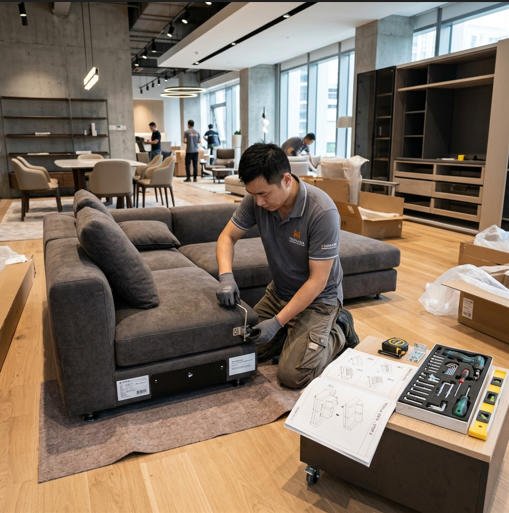
Chinese furniture manufacturers use metric hardware — this is often the single most surprising on-site discovery for assembly teams in countries with mixed metric/imperial tool inventories. Confirm with the factory that the hardware specification is metric before the shipment departs and prepare accordingly. A practical tool kit for Chinese furniture assembly on a commercial project:
- Metric hex key (Allen wrench) set: 2mm, 2.5mm, 3mm, 4mm, 5mm, 6mm — covers the vast majority of Chinese furniture hardware fasteners.
- Cross-head screwdriver (Phillips #1, #2) and flat-head screwdriver for cabinet hinge adjustment and hardware installation.
- Digital spirit level (minimum 600mm) for checking case goods on both axes before final positioning.
- Rubber mallet for fitting dowelled joints without marring finished surfaces — never use a metal hammer on lacquered or veneered components.
- Furniture sliders or moving blankets for positioning heavy pieces without floor scratching.
- Touch-up paint or matching wax pencil in the specified finish color — provided by the factory as standard for commercial furniture packages from quality suppliers.
- Torque-limiting screwdriver for tightening upholstered frame hardware without over-tightening and stripping screw holes in wood components.
Step-by-Step Assembly Tips for Stability and Longevity
Read the full instruction set before starting
Chinese furniture assembly instructions are often visual-only (exploded diagrams without text) — review the complete sequence before opening any hardware bags. Hardware bags are typically numbered to match assembly stages; keep them separated until the relevant stage.
Assemble on a soft surface
Lay finished panels face-down on moving blankets or foam sheets during early assembly stages. The majority of finish damage during assembly occurs when finished surfaces contact hard floors during the process of joining sub-assemblies.
Hand-tighten all joints before final tightening
Assemble all joints hand-tight first to confirm alignment across the entire piece before any fastener is driven to full torque. Final-tightening an early joint before the rest of the piece is assembled locks in any misalignment from that point — and Chinese furniture joints are typically not designed to be opened and reset once fully tightened without risk of wood damage.
Check square at every major sub-assembly stage
Use a diagonal measurement check (measure both diagonals of a rectangular assembly — equal diagonals confirm square) before tightening any carcass sub-assembly. A case good assembled out-of-square will not close doors or drawers correctly, and correcting it after full tightening requires partial disassembly.
Adjust feet or leveling pads after final placement
Adjust leg heights with the piece in its final position on the actual floor surface — not on a test surface. For pieces against walls, use a 3mm spacer gap to allow air circulation and prevent moisture trapping behind the piece.
Integrating Furniture into a Cohesive Home Makeover
Coordinating Color, Finish, and Room Flow
Color coordination between Chinese furniture and the broader interior environment is the single most common source of post-installation dissatisfaction in B2B residential and hospitality projects. The consistent failure mode: furniture specified from catalogue photography (which is typically shot in a controlled, warm-light studio environment) that arrives looking different under the actual room’s lighting conditions.
The practical solution is to evaluate all material samples — fabric swatches, finish panels, hardware — in the actual installation space under its installed lighting at both day and evening conditions before finalizing any specification. For projects where site visits are not possible during specification, request that the factory photograph approved samples under daylight (5000K+) and tungsten (2700K) light sources simultaneously — the two-image comparison reveals undertone differences invisible under a single lighting condition.
Room flow — the visual and physical circulation through a space — should be planned with furniture placed in the space as flat-plan outlines before assembly begins. For hospitality and high-end residential applications, the standard circulation clearances are: minimum 90cm between facing seating pieces for comfortable passage; minimum 75cm between dining chair back and wall or adjacent furniture when chair is pulled out; minimum 60cm clear walkway around any bed configuration. These clearances are not aesthetic preferences — they are functional requirements that affect how a space feels in daily use.
Placement Strategies for Ergonomics and Aesthetics
Chinese furniture’s classical design principles offer useful placement guidance for contemporary B2B projects. The classical Chinese interior principle of duìchèn (bilateral symmetry) — pairing furniture symmetrically relative to a central axis — is as relevant in a contemporary hotel suite as it was in a Ming dynasty scholar’s study. A pair of armchairs flanking a central console table, symmetric bedside tables and lamps in a hotel room, matched accent pieces on either side of a fireplace: these arrangements read as resolved and confident, regardless of the furniture’s cultural origin.
Maintenance Routines to Preserve the Look
The maintenance protocol for Chinese furniture differs by finish type and must be communicated to facilities and housekeeping teams in writing at project handover. For lacquered pieces: weekly dust with a soft microfibre cloth; avoid all alcohol-based cleaning products (they dissolve lacquer); treat finish scratches with matching touch-up lacquer from the factory’s finish sample kit within 30 days of discovery before moisture penetration begins. For solid hongmu or teak: apply a fine furniture paste wax or dedicated hardwood oil every 6 months (every 3 months in dry or air-conditioned environments); never use silicone-based polishes, which build up on wood surfaces and prevent subsequent wax penetration.
Post-Makeover Care, Troubleshooting, and Warranty Considerations
Routine Cleaning and Preventative Care
A documented maintenance schedule delivered with the furniture at project handover is one of the most overlooked client service elements in B2B residential and hospitality furniture projects — and one of the most effective at extending specification life and client satisfaction. The schedule should include: material-specific cleaning methods, frequency, approved products, and prohibited products (silicone polishes on wood, ammonia-based products on lacquer, bleach on fabric upholstery).
For commercial hospitality environments, include a specific protocol for managing the acclimation of pieces to new climate conditions: solid wood furniture moved from a warehouse storage environment into a climate-controlled hotel room should be allowed 48–72 hours to stabilize before heavy-use loading — moving a carved console directly from a 12°C warehouse into a 22°C, 55% RH hotel room and immediately placing items on it invites stress cracking at joints.
Troubleshooting Common Finish or Fit Issues
The three most common post-installation issues with Chinese furniture in commercial settings, and their practical resolutions:
Drawer or door misalignment after delivery: typically caused by humidity-driven wood expansion during transit. Resolution: adjust European-style cabinet hinges using the adjustment screws built into the hinge body (most Chinese cabinet hardware uses three-way adjustable Euro hinges — horizontal, vertical, and depth adjustment). If misalignment exceeds hinge adjustment range, sand the binding edge lightly with 220-grit sandpaper and re-finish with touch-up lacquer.
Surface checking (hairline cracks along wood grain): caused by rapid moisture content change. Resolution: increase ambient humidity in the room gradually using a humidifier; do not use water or oil directly on cracks without professional furniture restoration guidance. Prevent future checking by ensuring the space maintains 45–55% relative humidity year-round — the standard range for premium wood furniture.
Hardware finish tarnishing: most Chinese furniture brass hardware is lacquer-coated over base brass — the lacquer coat, not the brass itself, is tarnishing. Resolution: apply a thin coat of Briwax Clear or equivalent furniture wax to hardware annually to protect the lacquer layer.
Keeping Documentation for Future Support
A complete documentation file for each Chinese furniture order should be retained for the full warranty period plus two years. The file should include: original purchase order with material specifications, signed Pre-Production Sample photos, Pre-Shipment Inspection report, Bill of Lading, customs entry documentation, marine insurance policy and claim documents (if any), factory contact details and warranty terms, and the maintenance schedule. This documentation is the basis for any warranty claim, replacement parts request, or repeat-order specification with the same factory.
For B2B project managers, maintaining this documentation trail also protects against a common risk in Chinese furniture sourcing: key personnel changes at the factory. A factory relationship that was managed by a specific account manager who then departs leaves the buyer without continuity unless the documentation trail is comprehensive enough to stand independently of any individual relationship. Organizations like Meubles Jade Ant provide documented project files and post-delivery support as part of their standard service offering, reducing the buyer’s documentation burden while maintaining the continuity of the supplier relationship.
A Phased Approach to Durable Results
The three phases of a successful Chinese furniture project — negotiation, shipping, and assembly — are not sequential steps that can be addressed as they arise. They are interdependent: negotiation decisions (material specification, packaging requirements, warranty terms) determine shipping outcomes; shipping preparation (documentation, insurance, inspection) determines assembly readiness; assembly quality (site prep, acclimation, installation sequence) determines the longevity of the specification.
The buyers who consistently achieve the best outcomes from Chinese furniture procurement share a common characteristic: they invest in preparation at each phase before it begins, not after a problem arises. Budget the full landed cost before price negotiation. Specify packaging in the purchase order before the factory packs. Confirm site dimensions and access before the container departs China. Each of these preparatory steps costs time; each eliminates a category of expensive surprises.
For B2B buyers specifying Chinese furniture at scale — villa projects, hotel renovations, multi-unit residential developments — working with a production partner who manages all three phases with operational infrastructure is typically more efficient than managing each phase independently. The team at Meubles Jade Ant has been doing exactly this for 15+ years: translating design briefs into precise factory specifications, managing QC across all production stages, coordinating customs and logistics documentation, and providing post-delivery support across their full custom and luxury furniture range.
Planning a Chinese Furniture Project? Start With the Right Partner.
Jade Ant Furniture handles negotiation, production, QC, logistics, and documentation for B2B buyers specifying Chinese furniture for residential, hospitality, and commercial projects — with direct factory pricing and 15+ years of export experience.
Get a Project Consultation →Key Terms Glossary
- FOB (Free On Board)
- Seller’s price covers goods plus loading onto the vessel at origin port. Buyer pays all costs from that point: ocean freight, insurance, duties, brokerage, drayage, and site delivery. The most common Incoterm in Chinese furniture exports.
- Landed Cost
- The total cost of goods when they arrive at the buyer’s warehouse or site. Includes FOB price + ocean freight + insurance + import duties + customs broker fees + port handling + drayage. For Chinese furniture to US buyers, typically 43–81% above FOB depending on product category and tariff rate.
- Section 301 Tariff
- US punitive tariff applied to China-origin goods under the Trade Act of 1974. Most Chapter 94 furniture: 7.5% additional tariff above MFN duty rate. Verify current rates per HS code at hts.usitc.gov.
- ISF (déclaration de sécurité de l'importateur)
- US requirement: an electronic filing submitted to US Customs at least 24 hours before cargo is loaded onto the vessel at the origin port. Failure to file ISF incurs fines of up to $10,000 per shipment.
- LCL (Less than Container Load)
- Shipping arrangement where your cargo shares a container with other shippers’ goods. Charged per cubic meter (CBM). Cost-effective for smaller orders; more cargo handling touchpoints than FCL increases damage risk.
- FCL (Full Container Load)
- You rent the entire container for your exclusive use. More economical per CBM for large orders (20+ CBM) and carries lower damage risk than LCL because the container is not opened between origin and destination.
- ISPM-15
- International Standard for Phytosanitary Measures No. 15: requires wooden pallets and packaging to be heat-treated or fumigated to prevent the spread of invasive insects. Non-compliant packaging is refused at most ports worldwide.
- AQL 2,5
- Acceptable Quality Limit: a statistical sampling standard for quality inspections. AQL 2.5 means the production lot is accepted if no more than 2.5% of randomly sampled units contain major defects.
- PPS (Pre-Production Sample)
- A physical sample produced to the buyer’s specification before bulk production begins. Both parties sign and stamp the PPS; it becomes the legal quality benchmark for the entire production run.
- Mortise-and-Tenon
- Traditional Chinese woodworking joint where a projecting tenon fits into a matching mortise cavity. No metal fasteners required. The defining quality joinery technique in authentic Chinese furniture — structurally superior to screw-only assembly under long-term load.
- Duìchèn (對稱)
- Bilateral symmetry — a fundamental organizing principle of classical Chinese interior design. Furniture paired symmetrically relative to a central axis creates a formally resolved, intentional spatial quality applicable in contemporary commercial and residential interiors.
Frequently Asked Questions
What is the typical lead time for Chinese furniture orders?
The realistic total timeline from purchase order to site delivery for a custom Chinese furniture specification is 18–26 weeks. This breaks down as: 2–3 weeks for counter sample production and approval; 2–3 weeks for Pre-Production Sample approval; 5–8 weeks for bulk production; 1–2 weeks for pre-shipment inspection and packing; 4–6 weeks ocean transit to US or EU; and 1–2 weeks for customs clearance and local delivery. Catalog or in-stock items compress this timeline significantly — some manufacturers can ship within 6–10 weeks for standard-specification orders. The two annual events that most disrupt Chinese furniture lead times are Chinese New Year (3–4 weeks in January–February) and Golden Week (first week of October); orders placed within 8 weeks of either holiday typically slip by 2–4 weeks beyond the quoted timeline.
How can I verify a supplier’s legitimacy before paying a deposit?
Verify the factory’s business license at China’s National Enterprise Credit Information Publicity System (gsxt.gov.cn) — confirm that the registered name, status (“正常” = active), and address match all documents the supplier has provided. Cross-reference US export history using ImportYeti (importyeti.com) — a factory regularly exporting to the US will have Bill of Lading records in the database. Request ISO 9001 and BSCI certificate numbers and verify them through the issuing body’s online registry (not through supplier-provided PDFs). Commission a third-party factory audit through QIMA or Bureau Veritas before placing the first order above $10,000. Request direct contact details for two clients who placed orders in the same product category within the last 18 months, and speak with those references directly. A supplier that resists any of these verification steps is signaling something worth investigating before any deposit is paid.
What should I include in an assembly checklist to avoid missing parts?
A complete assembly checklist for Chinese furniture should include: a count of all hardware items against the assembly instruction hardware list (conducted before any assembly begins — missing hardware is faster to resolve before the delivery vehicle departs than after); a verification that all hardware is metric specification and that the tool kit includes metric hex keys and cross-head screwdrivers in the required sizes; a site dimension check confirming that all assembled pieces will pass through access routes (doorways, stairwells, elevator dimensions) in their final assembled form; a level check of the installation surface for all case goods and upholstered frames before assembly begins; a touch-up material check (matching finish paint, wax pencil, or lacquer stick) sourced from the factory before assembly begins; and a post-assembly stability check — apply gentle lateral pressure to the top of each assembled piece to confirm all joints are fully tightened and no rocking is present before final placement.
What are the import duties on Chinese furniture to the United States in 2025?
US buyers importing Chinese furniture in 2025 face two tariff layers. First, the standard MFN (Most Favored Nation) duty, which varies by HS code within Chapter 94: most wooden furniture is 0%; upholstered seating (9401.61) is 3.5%; certain categories carry rates up to 7%. Second, Section 301 additional tariffs — currently 7.5% on most Chapter 94 furniture categories. The combined effective rate is therefore approximately 7.5–10.5% for most furniture categories. Always verify the specific rate for your product’s HTS code at hts.usitc.gov before finalizing any budget model, as Section 301 rates and product classifications are subject to administrative changes. EU buyers currently face 0% MFN duty on most Chapter 94 furniture categories and have no equivalent of the Section 301 tariff.
How do I handle damage discovered after Chinese furniture delivery?
Act within the first 24–48 hours of delivery. Notify the carrier in writing within 24 hours of discovering damage — delayed notification is the primary basis for claim rejection. Photograph all damage with timestamps before moving or disposing of any packaging — packaging condition is evidence in both carrier and insurance claims. Document the specific item (by PO line number), defect description, and your assessment of cause. Submit a formal written claim to both the carrier and your marine cargo insurer with all photo evidence and the Pre-Shipment Inspection report showing the piece’s condition before shipment. If the damage was caused by inadequate factory packaging (the most common cause — 34% of furniture transit damage claims), document this in the claim and escalate to the factory under the warranty and packaging specification terms in your purchase order. Most quality B2B Chinese furniture suppliers will resolve packaging-caused damage through component replacement rather than full container return, which is logistically and financially impractical for international shipments.
What is the difference between Ming-style and Qing-style Chinese furniture for B2B project specification?
Ming-style furniture (referencing the Ming Dynasty, 1368–1644) is defined by structural elegance: spare, clean-lined forms, mortise-and-tenon joinery as the primary design device, minimal surface ornamentation, and a philosophy of letting wood grain and proportion carry the aesthetic. It suits contemporary hospitality and residential projects where visual restraint is valued — boutique hotels, minimalist villa interiors, Japanese-Scandinavian fusion aesthetics. Qing-era furniture (1644–1912) is the opposite: dense surface carving, lacquered finishes in deep reds and blacks, mother-of-pearl inlay, and visually substantial proportions suited to grand formal spaces — hotel lobbies, private dining rooms, formal reception halls. Contemporary reinterpretations are the most commercially versatile category, taking classical Chinese structural silhouettes and executing them in modern materials and finishes — the broadest price range and the most accessible starting point for buyers new to Chinese furniture specification.
How should I budget for a Chinese furniture project beyond the quoted FOB price?
Budget the full landed cost by adding the following to the FOB price: ocean freight (typically 18–36% of FOB for a standard container to US or EU); marine insurance (0.35–0.5% of CIF value); import duties (0–10.5% for US buyers depending on HS code and Section 301 applicability; 0% for most EU buyers); customs broker and ISF filing ($400–$600 for US entries); port handling and drayage to site ($600–$1,200 for US West Coast); pre-shipment inspection ($280–$420 per man-day); and on-site assembly ($300–$800 depending on piece complexity and quantity). For US buyers on most Chapter 94 furniture, total landed cost is typically 43–81% above FOB price. Build this full model before entering any price negotiation — a factory discount achieved without modelling landed cost may produce a false sense of budget savings that the logistics and duties costs will eliminate.
What maintenance does Chinese furniture require to preserve its finish and structural integrity?
Maintenance requirements vary by finish type and must be communicated to facilities or housekeeping teams at project handover. For lacquered pieces: weekly microfibre dusting; avoid all alcohol, ammonia, or bleach-based cleaners; treat any finish scratch with matching touch-up lacquer within 30 days to prevent moisture penetration at the damage point. For solid hongmu, teak, or walnut pieces: apply furniture paste wax or hardwood oil every 6 months (every 3 months in dry or heavily air-conditioned environments); never use silicone-based polishes, which build up on wood surfaces and prevent subsequent wax penetration; keep pieces out of direct sunlight to prevent UV fading and surface checking. For all solid wood pieces: maintain ambient humidity at 45–55% relative humidity year-round — this is the most impactful single maintenance measure for preventing wood movement, joint stress, and surface checking in climate-controlled commercial environments.