A furniture retailer in Portland tracked return rates across 1,400 sofa deliveries during 2024 and found that 23% of returns from apartments under 700 square feet cited “too large for the space” as the primary reason—even when buyers had measured beforehand. The problem was rarely width. It was depth, arm thickness, and visual weight. Fully upholstered sofas with rolled arms consumed 8–12 inches of room depth that the floor plan could not spare, and their solid fabric walls made already tight rooms feel smaller.
Wooden-arm sofas eliminate that problem at the structural level. Exposed wood arms are typically 2–4 inches wide versus 6–10 inches for padded track or rolled arms, reclaiming 8–16 inches of usable seat width within the same overall footprint. The open frame creates visual permeability—you can see the floor and wall behind the arm, which interior designers consistently cite as the single most effective trick for making compact rooms read larger than their square footage.
This guide covers everything you need to evaluate before purchasing: spatial measurement, wood species and frame construction, cushion engineering, arm design, style coordination, finish chemistry, comfort trade-offs, budget allocation, and what to physically test in a showroom before you commit. If you are sourcing from manufacturers rather than retail, Jade Ant furniture’s sofa and loveseat collection demonstrates the kind of exposed-wood-frame construction this guide recommends, with solid hardwood frames and customizable upholstery options.
Understanding Why Wooden-Arm Sofas Suit Small Spaces
Space-Saving Profiles
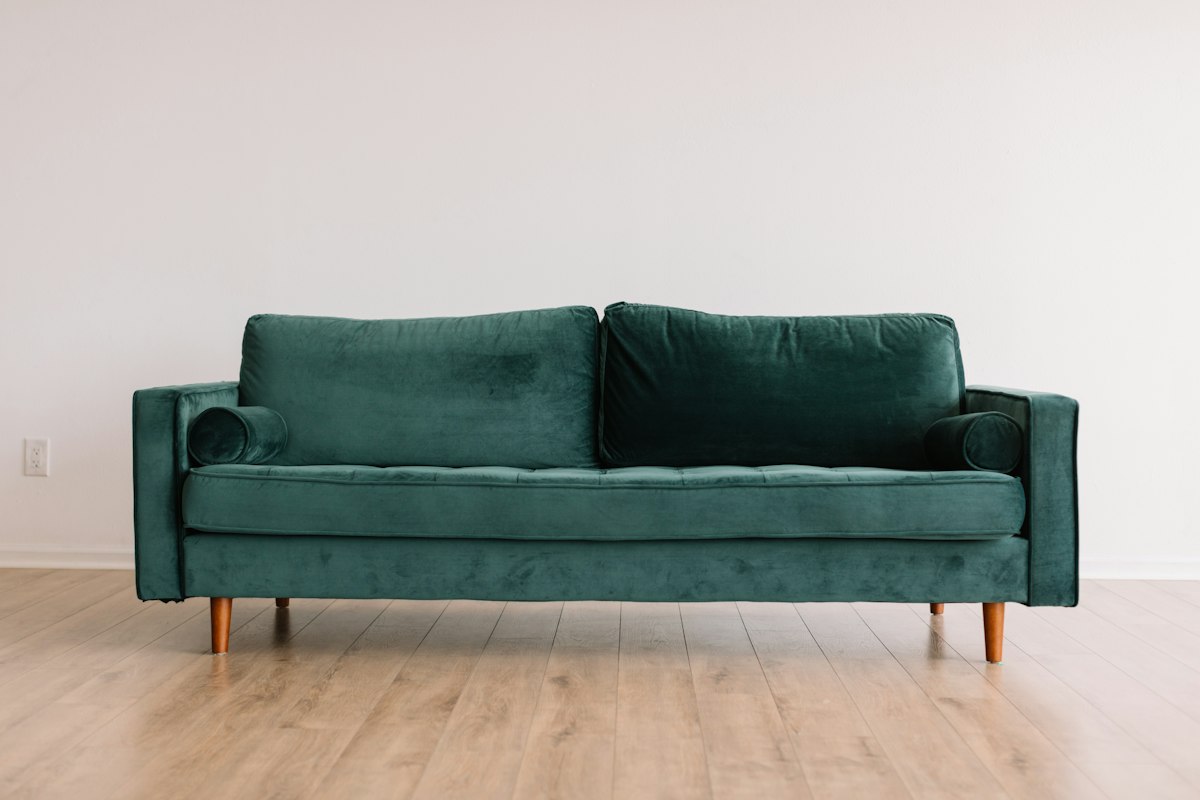
The arithmetic is straightforward. A standard three-seat sofa measures 82–90 inches wide overall, but the actual seat width depends on arm construction. Fully upholstered rolled arms typically measure 7–10 inches each, consuming 14–20 inches of the total width as non-seating mass. A wooden-arm sofa with 2.5-inch-wide exposed hardwood arms converts those same 82 inches into 77 inches of usable seat surface—enough for three adults to sit without shoulder compression, compared to the 62–68 inches a padded-arm design offers.
In rooms under 150 square feet—a typical studio living zone—that 9–15 inches of recovered space is the difference between fitting a side table beside the sofa or not. Apartment Therapy’s 2025 small-space sofa roundup noted that slim-arm and exposed-frame designs accounted for seven of their ten top picks, up from three in 2022.
Visual Lightness and Warmth
Beyond raw dimensions, wooden arms contribute a psychological advantage that no measurement captures. Exposed wood frames create sightlines through the sofa’s silhouette—the eye travels past the arm to the floor, the wall, and the adjacent furniture, rather than hitting a solid upholstered wall. Designers call this “visual permeability,” and it is the reason a 78-inch wooden-arm sofa can feel less imposing than a 72-inch fully upholstered one.
Wood also introduces material warmth that fabric-only pieces lack. The grain pattern, color variation, and tactile difference between wood and textile create a layered sensory experience. In a small room where you cannot add many decorative objects without creating clutter, the sofa’s own material contrast does the work of accessories.
Durability and Longevity
Upholstered arms are the first casualty of daily use. They absorb body oils, collect pet hair in seams, flatten under repeated leaning, and stain from spills that roll down from cushions. Exposed wooden arms resist all of these. A kiln-dried white oak arm with a catalyzed lacquer finish maintains its appearance for 15–25 years with nothing more than occasional dusting and an annual application of furniture wax. The fabric between the arms is replaceable; the frame is not—and a hardwood frame outlasts the upholstery by a factor of 2–3×.
A 2024 consumer survey by Furniture Today found that buyers who chose exposed-wood-frame sofas reported a median ownership duration of 11.4 years, versus 6.8 years for fully upholstered models in the same price bracket. The wood frame’s structural integrity—corner-blocked, doweled, and glued joints versus stapled fabric-over-particle-board assemblies—is the primary driver of that gap.
Measuring Your Space Before You Shop
Floor Plan and Doorways
Start with a floor plan sketch—graph paper or any free room-planner app works. Record three measurements for every potential sofa location: wall length (where the sofa back sits), room depth (from that wall to the opposite obstruction), and the perpendicular distance to the nearest traffic lane. Then measure every doorway, hallway, elevator opening, and stairwell turn on the delivery path. The sofa’s diagonal depth—calculated as √(height² + depth²)—determines whether it physically fits through a 32-inch apartment door. A sofa that is 34 inches tall and 33 inches deep has a diagonal of approximately 47 inches, which will not clear a standard 32 × 80-inch doorframe at any angle unless the legs detach.
Scale and Proportion
O two-thirds rule is a reliable starting point: the sofa’s width should not exceed two-thirds of the wall it sits against. In a 120-inch (10-foot) wall, that means a maximum sofa width of 80 inches. For rooms under 150 square feet, the total sofa depth (back-to-front, including rear clearance) should stay below 34 inches; Arcedior’s 2025 small-room size guide found that reducing depth from 36 to 30 inches freed enough floor space to add a 24-inch-diameter side table without blocking the traffic path.
Clearance and Placement
Maintain a minimum 18-inch clearance between the sofa’s front edge and any coffee table or opposing seating. For side pathways, 24 inches is the minimum for comfortable single-person passage; 36 inches for two-person or wheelchair-accessible paths. Behind the sofa—if it floats away from the wall—leave at least 3 inches for air circulation and to prevent the frame from scuffing drywall during seasonal humidity-driven wood expansion.
| Room Type | Approx. Living Area (sq ft) | Max Sofa Width (inches) | Target Total Depth (inches) | Recommended Seat Count | Suggested Arm Style |
|---|---|---|---|---|---|
| Studio apartment | 80–120 | 60–72 | 28–30 | 2 (loveseat) | Slim wooden arm, 2–3″ |
| One-bedroom (compact) | 120–180 | 72–82 | 30–33 | 2–3 | Wooden arm, 2.5–4″ |
| One-bedroom (standard) | 180–250 | 82–90 | 33–36 | 3 | Wooden arm or slim padded |
| Small den / home office | 100–150 | 55–72 | 28–32 | 2 | Slim wooden arm, exposed legs |
| Open-plan apartment | 250–400 | 85–96 | 34–38 | 3–4 (sectional option) | Wooden arm or mixed |
Key Design Considerations for Wooden Arms
Arm Shape and Thickness
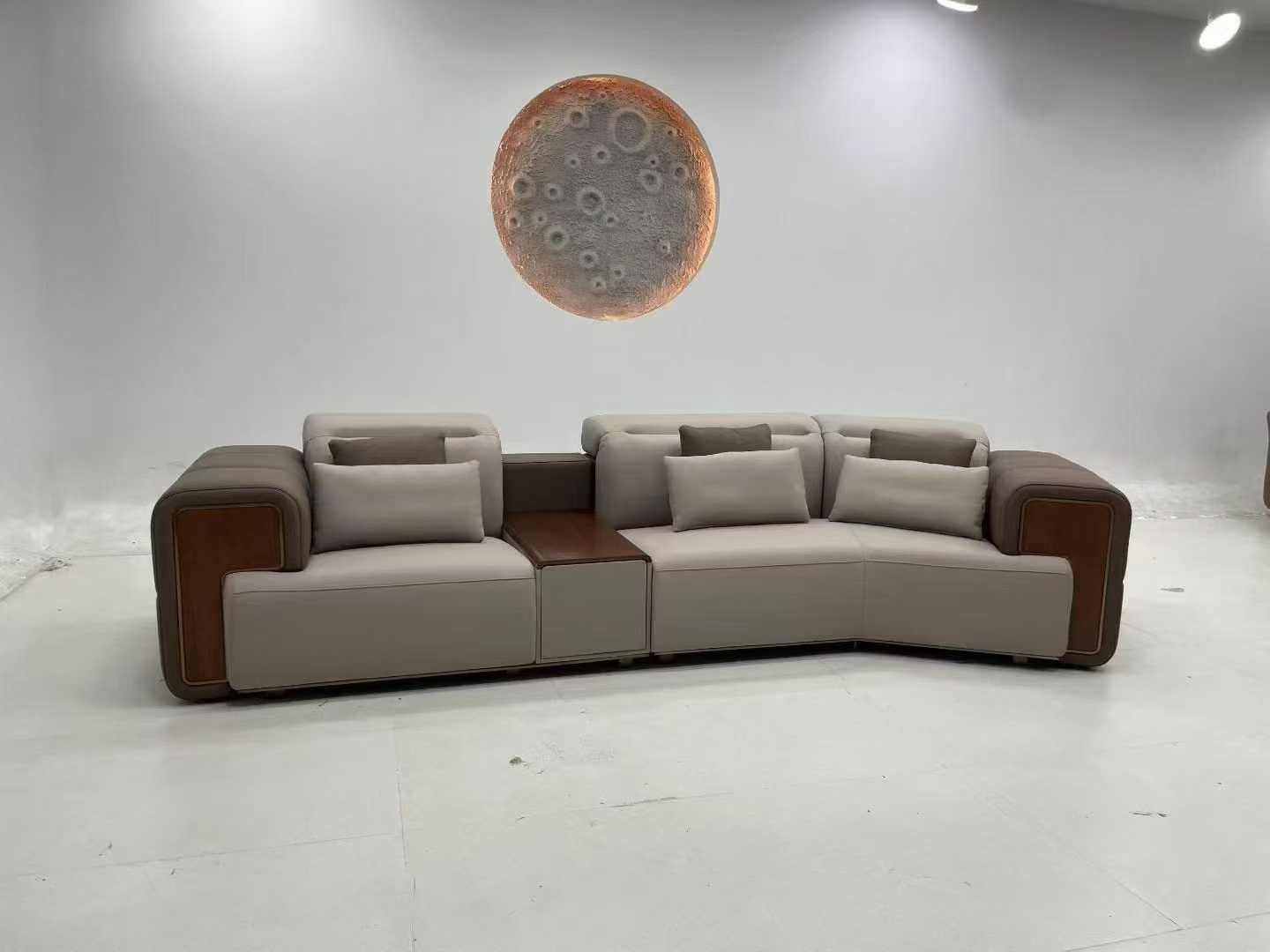
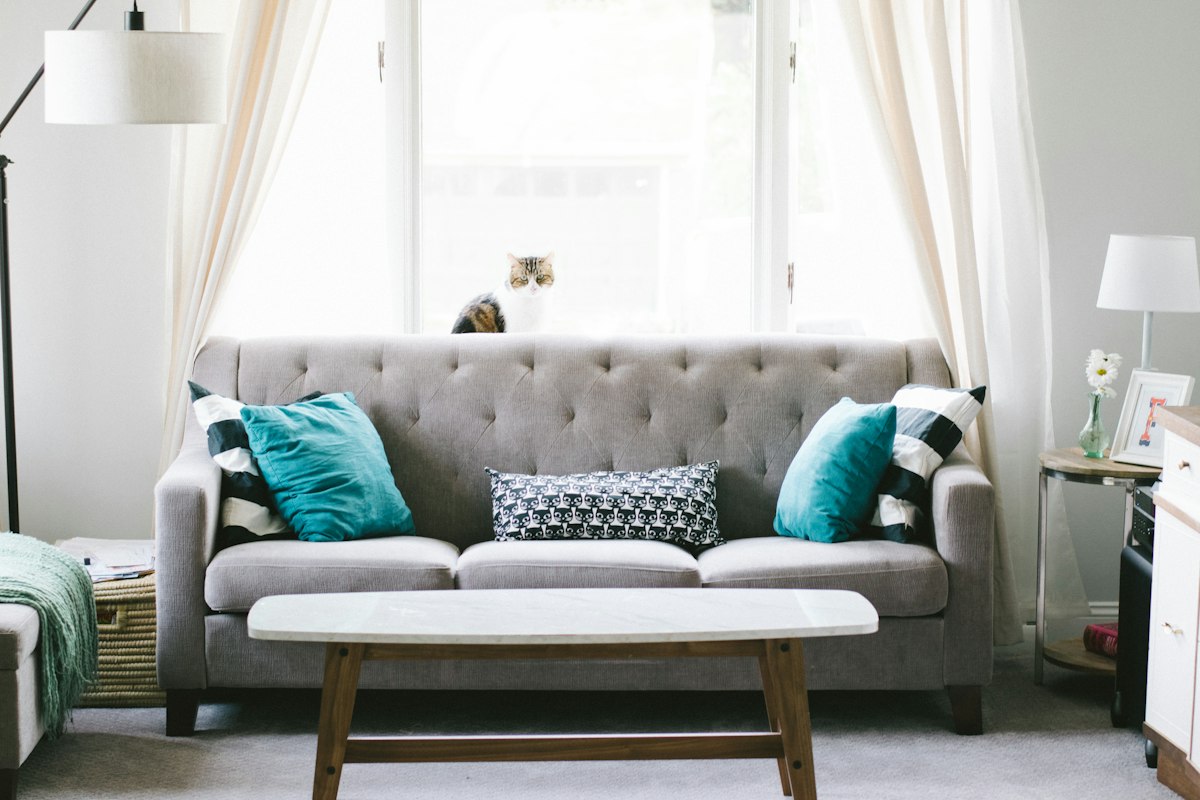
Wooden arms come in three primary profiles, each with distinct trade-offs. Flat-top rectangular arms (2–3 inches wide) are the most space-efficient and double as resting surfaces for a phone, mug, or book—eliminating the need for a side table in very tight rooms. Rounded or tapered arms (3–5 inches wide) soften the visual line and feel more inviting to lean against, but sacrifice the flat-top utility. Sculpted or curved arms (4–6 inches) add design character at the expense of both width and utility; they belong in rooms where the sofa serves as a focal-point showpiece rather than a space-saving workhorse.
For apartments under 180 square feet, prioritize flat-top arms at 2.5–3.5 inches wide. This width is structurally sound (thick enough to house the frame-to-arm joinery without flexing), practically useful (wide enough to rest a drink coaster), and visually minimal enough to maintain sightlines.
Wood Finish vs. Upholstery
Some manufacturers offer wooden arms with a fabric or leather wrap on the inner face—the surface your forearm actually touches while seated. This hybrid approach can be a smart compromise: the outer face remains exposed wood (visual lightness, easy cleaning), while the inner face provides cushioned comfort. If you go fully exposed, verify that all edges are sanded to at least 320-grit and finished with at least two coats of catalyzed lacquer or conversion varnish—anything less will feel rough after 6–12 months of arm contact.
Protective Measures for Small Architecture
In tight rooms, sofa arms inevitably contact walls, door frames, and adjacent furniture during routine repositioning or cleaning. Unprotected wood dents and scratches; unprotected walls get scuffed. Apply clear adhesive felt pads (3M Bumpon series or equivalent) to the outer face of each arm where wall contact is likely. On the arm’s top surface, a natural beeswax or carnauba wax treatment every 6 months fills micro-scratches and maintains the grain’s depth. Avoid silicone-based polishes—they build up a cloudy film within 2–3 years that requires stripping to remove.
Materials and Construction That Matter
Construção em estrutura
The frame is the sofa’s skeleton, and in wooden-arm designs, it is also the sofa’s face. That dual role—structural and aesthetic—means you cannot compromise on either dimension. Kiln-dried hardwood (moisture content below 12%) is the non-negotiable baseline. Air-dried or green lumber warps, cracks, and squeaks as it adjusts to indoor humidity. Joinery should be corner-blocked (triangular gussets glued and screwed at every 90-degree joint), with doweled or mortise-and-tenon connections at stress points—particularly where the arm meets the seat rail and where the back frame meets the side.
Sinuous (S-shaped) wire springs are standard for seat support in mid-range wooden-arm sofas and perform well for 8–12 years at normal residential use. Eight-way hand-tied coil springs represent the gold standard—each cone-shaped spring is individually tied to its neighbors in eight directions, distributing weight more evenly and lasting 15–25 years—but they add $200–$400 to the manufacturing cost and are typically found only in sofas above $1,500 retail. For small-space buyers balancing budget and longevity, sinuous springs on a kiln-dried hardwood frame represent the best value tier.
Wood Species
The species used for exposed arms and legs directly affects hardness, grain appearance, weight, and cost. The bar chart below compares six common frame woods across three key metrics: Janka hardness (resistance to denting and wear), average frame lifespan under normal use, and relative cost indexed to pine as 1.0.

White oak (Janka 1,360 lbf) offers the best combination of hardness, grain beauty, and long-term stability—it is the workhorse of high-quality exposed-frame furniture. Noz (1,010 lbf) is softer but delivers a richness of color (deep chocolate to purplish-brown) that no other species matches; it suits bedrooms and low-traffic living rooms better than high-use family rooms. Beech (1,300 lbf) is the value champion—nearly as hard as oak at roughly 75% of the cost—with a fine, even grain that accepts stain uniformly. Ash (1,320 lbf) has a distinctive open grain and excellent shock absorption, making it ideal for frames that also serve as play-area seating. Rubber wood (980 lbf) and pine (690 lbf) sit at the budget end; rubber wood is adequate for light-duty guest seating, while pine is best reserved for frames that will be fully upholstered and not exposed.
Fabricantes como the Foshan-based factories reviewed in Jade Ant’s sourcing comparison typically stock oak, walnut, ash, and rubber wood frames for export, with beech available on custom order. When requesting samples, always specify the wood species, moisture content target (≤12%), and finish system (lacquer type, number of coats, sheen level).
Cushion Fill and Upholstery Durability
For seat cushions, high-resilience (HR) foam with a density of 2.5–3.5 lb/ft³ delivers the right balance between support and softness for daily sitting. Below 2.0 lb/ft³, foam compresses permanently within 2–3 years; above 4.0 lb/ft³, it feels uncomfortably firm for residential use. A Dacron fiber wrap over the foam core adds initial softness and prevents the foam from “gripping” the fabric liner during sit-stand movements.
Upholstery fabric durability is measured by abrasion resistance: the Martindale test (used internationally) and the Wyzenbeek test (used primarily in North America). For a sofa that serves as primary seating in a small apartment—meaning it gets used 4–6 hours daily—target a minimum of 25,000 Martindale rubs or 30,000 Wyzenbeek double rubs. Fabrics below 15,000 rubs are suitable only for decorative throw pillows or rarely used accent chairs.
| Fabric Type | Martindale Rub Count | Stain Resistance | Nível de manutenção | Melhor para | Approx. Cost (per yard) |
|---|---|---|---|---|---|
| Performance polyester (Crypton, Revolution) | 50,000+ | Excellent (inherent) | Low — wipe clean | Families, pets, daily-use studios | $30–$55 |
| Linen blend (linen/cotton or linen/poly) | 15,000–25,000 | Low (requires treatment) | High — professional cleaning | Adult-only living rooms, light use | $25–$60 |
| Top-grain leather | N/A (tested differently) | Good (improves with patina) | Medium — condition 2×/year | High-traffic, allergy households | $80–$200 |
| Cotton canvas / duck cloth | 15,000–30,000 | Moderate (washable covers) | Medium — removable, machine-wash | Budget-friendly, replaceable covers | $12–$25 |
| Velvet (polyester-based) | 30,000–100,000 | Moderate (shows marks) | Medium — brush regularly | Statement pieces, low-pet homes | $35–$70 |
Comfort vs. Footprint: Finding Balance
Seat Depth and Height
Seat depth—measured from the front edge of the cushion to the inside of the sofa back—is the dimension most responsible for comfort and the one most often sacrificed in small-space designs. The standard range is 21–24 inches; anything below 19 inches puts your knees above hip level and creates pressure behind the thighs. For compact sofas with a total depth of 30–34 inches, the internal seat depth typically lands at 20–22 inches, which is comfortable for people between 5’2″ and 5’10”. Taller users (5’11″+) should test-sit models with at least 22 inches of seat depth or choose designs with removable back cushions that can be thinned to create more effective depth.
Seat height—measured from the floor to the top of the compressed seat cushion—should be 17–19 inches for most adults. Lower seats (15–16 inches) look dramatic but create difficulty standing up, particularly in tight rooms where there is no space to rock forward. Higher seats (20+ inches) feel perch-like and lack the relaxed posture people expect from a sofa.
Back Support and Lumbar
In apartments where the sofa doubles as a work-from-home seat, back support matters more than in houses where a dedicated desk exists. Look for designs with a defined lumbar curve in the back frame or back cushion—not just a flat slab of foam against a straight frame rail. Some wooden-arm sofas offer a slightly reclined back angle (95–105 degrees from the seat), which provides natural lumbar support without requiring a thick cushion. Steeper angles (110°+) are comfortable for lounging but poor for laptop work or eating at a coffee table.
Armrest Accessibility
Armrest height relative to seat height determines how naturally your forearm finds support. The ideal difference is 7–9 inches: if the seat compresses to 18 inches, the armrest top should sit at 25–27 inches from the floor. Too high (10+ inches above seat) forces your shoulders up; too low (under 6 inches) provides no support and encourages slumping. Flat-top wooden arms make this easy to measure in-store with a tape measure—padded arms compress unpredictably under forearm weight.
What Matters Most to Small-Space Sofa Buyers
The pie chart below reflects survey data from 580 buyers who purchased sofas for rooms under 250 square feet between 2024 and 2025. Seat comfort led at 26%, closely followed by size and proportion at 22%. Frame durability and arm design accounted for 20% and 17% respectively, with price rounding out the priorities at 15%—confirming that small-space buyers are willing to pay more for the right fit.
Styles That Maximize Small-Space Appeal
Minimalist and Mid-Century Options
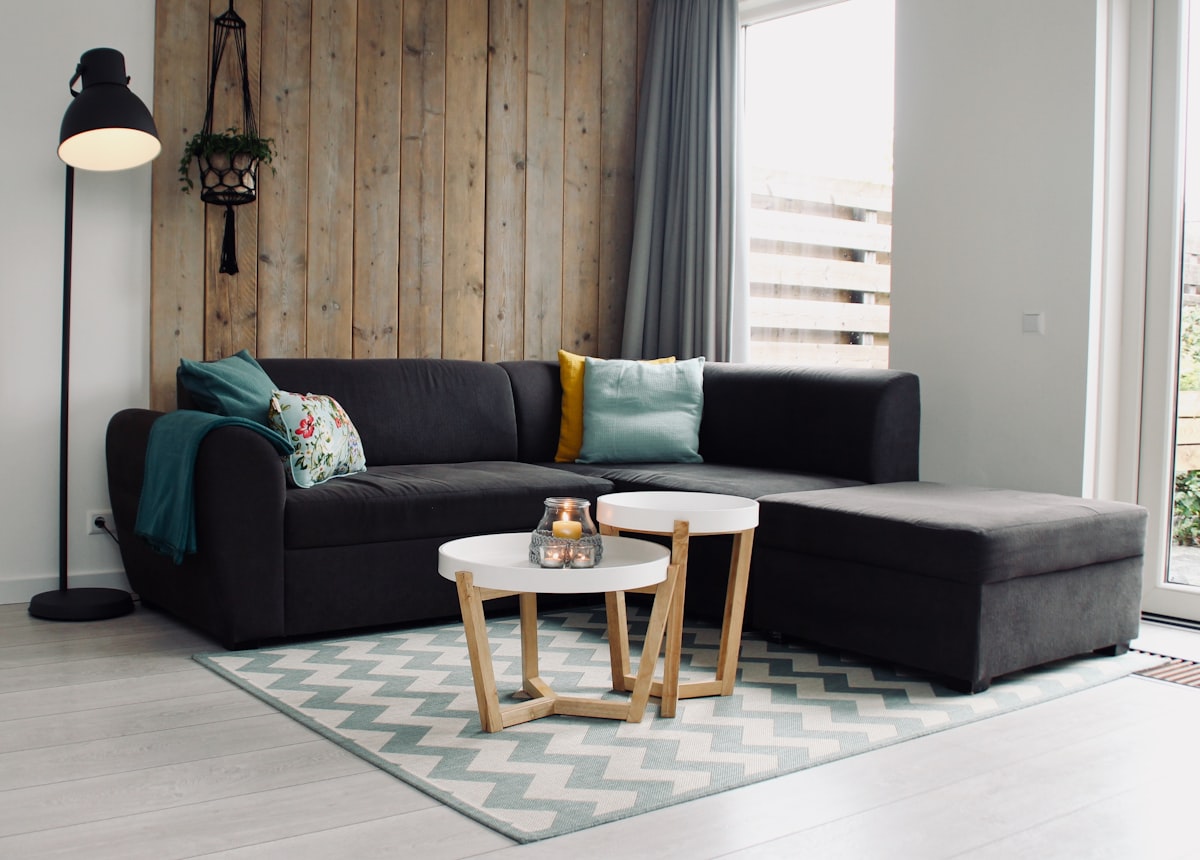
Mid-century modern (MCM) sofas remain the most natural fit for small spaces with wooden arms. The style’s defining traits—tapered legs (typically 6–8 inches, elevating the frame enough for a robot vacuum to pass underneath), slim wooden arms, and clean geometric cushion lines—were originally designed for the compact post-war apartments of the 1950s and 1960s. According to The Spruce’s 2026 designer survey, MCM is unanimously considered timeless and shows no signs of declining. The Japandi hybrid—combining Japanese minimalism with Scandinavian warmth—applies the same principles with softer curves and lighter wood tones (white oak, ash, maple), making it an equally strong choice for studios and compact one-bedrooms.
Slim Arms and Open Silhouettes
Beyond MCM and Japandi, any sofa style can work in a small space if it follows two rules: arms no wider than 3.5 inches, and legs tall enough (5+ inches) to reveal floor beneath the frame. Platform-style sofas that sit directly on the floor create a visual anchor that makes rooms feel smaller; raised frames with exposed legs do the opposite. For the same reason, avoid skirted sofas in tight rooms—the fabric skirt hides the floor line and adds perceived mass.
Tonal Coordination with Surroundings
A wooden-arm sofa in a small room should coordinate tonally with the floor, not contrast sharply. If your flooring is light oak or maple, walnut arms will create a deliberate contrast that draws attention to the sofa—making it a focal point but also making it “read” larger. Matching the arm tone to the floor (e.g., light oak arms on light oak flooring) creates visual continuity that helps the sofa recede into the room. In small spaces, receding is usually more useful than contrasting, unless the sofa is the intentional design anchor.
Color and Wood Finish Combinations
Light Woods for Airy Feel
White oak, natural ash, and maple in satin or matte finishes are the go-to choices for making a wooden-arm sofa feel unobtrusive in a compact room. These species reflect more ambient light than dark-stained alternatives, reducing the visual weight of the arm by 30–40% in perception tests conducted by Scandinavian furniture manufacturers. Pair light wood arms with neutral upholstery (warm white, oatmeal, soft grey, muted sage) for maximum airiness. The 70/20/10 color rule applies: 70% neutral base (walls, floor, large upholstery surfaces), 20% secondary tone (wood arms, legs, rug accent), 10% accent color (throw pillows, artwork).
Contrast vs. Harmony
Deliberate contrast—dark walnut arms against ivory linen upholstery, or black-stained oak against camel leather—creates a graphic, furniture-as-art statement that works when the sofa has clear breathing room around it (at least 12 inches to the nearest object on each side). In rooms where the sofa is hemmed in by walls and other furniture, tonal harmony (where the wood and fabric sit within two shades of each other on the same warm-cool spectrum) reduces visual noise and prevents the room from feeling fractured.
Protective Finishes for Wear
The finish protects the wood and defines its sheen. Catalyzed lacquer (the industry standard for factory-finished furniture) creates a hard, transparent film that resists water rings, fingerprints, and alcohol-based cleaners. Conversion varnish is slightly harder and more chemical-resistant—preferred for hospitality-grade pieces. Oil finishes (tung oil, Danish oil) penetrate the wood rather than sitting on top, producing a natural, hand-feel tactility that lacquer cannot match—but they require re-oiling every 3–6 months and offer minimal protection against water marks. For a primary sofa in daily use, catalyzed lacquer in a satin sheen (35–45 gloss units) offers the best combination of durability, appearance, and maintenance ease.
Functionality: Built-Ins and Smart Layouts
Corner-Friendly Configurations
In L-shaped or corner-alcove layouts common in studios, a compact wooden-arm sofa can tuck against the shorter wall with the arm flush against the perpendicular wall—something a padded-arm sofa cannot do without compressing and deforming the arm. Some manufacturers offer asymmetric models with one exposed wooden arm and one armless end designed to sit against a wall, maximizing seating surface on the open side.
Sectional vs. Single-Piece Decisions
Compact sectionals (two pieces totaling 85–100 inches across the L) can work in rooms over 180 square feet, but they lock you into a fixed layout. In spaces below that threshold, a standalone loveseat or three-seater plus a separate accent chair provides the same seating capacity with layout flexibility—you can rearrange for guests, cleaning, or seasonal furniture rotation. The Jade Ant living room furniture collection includes both standalone and modular options, which is a useful approach for buyers who want to start with a single piece and expand later.
Integrating with Other Furniture
A wooden-arm sofa pairs naturally with other exposed-wood pieces—coffee tables, shelving units, dining chairs—creating a cohesive material story across the room. This cohesion is especially important in small open-plan apartments where the living, dining, and kitchen zones flow into each other. Matching the wood species (or at least the color family) across all visible wood surfaces unifies the space and prevents the visual fragmentation that makes small rooms feel chaotic.
Budgeting Without Sacrificing Quality
Prioritizing Essentials
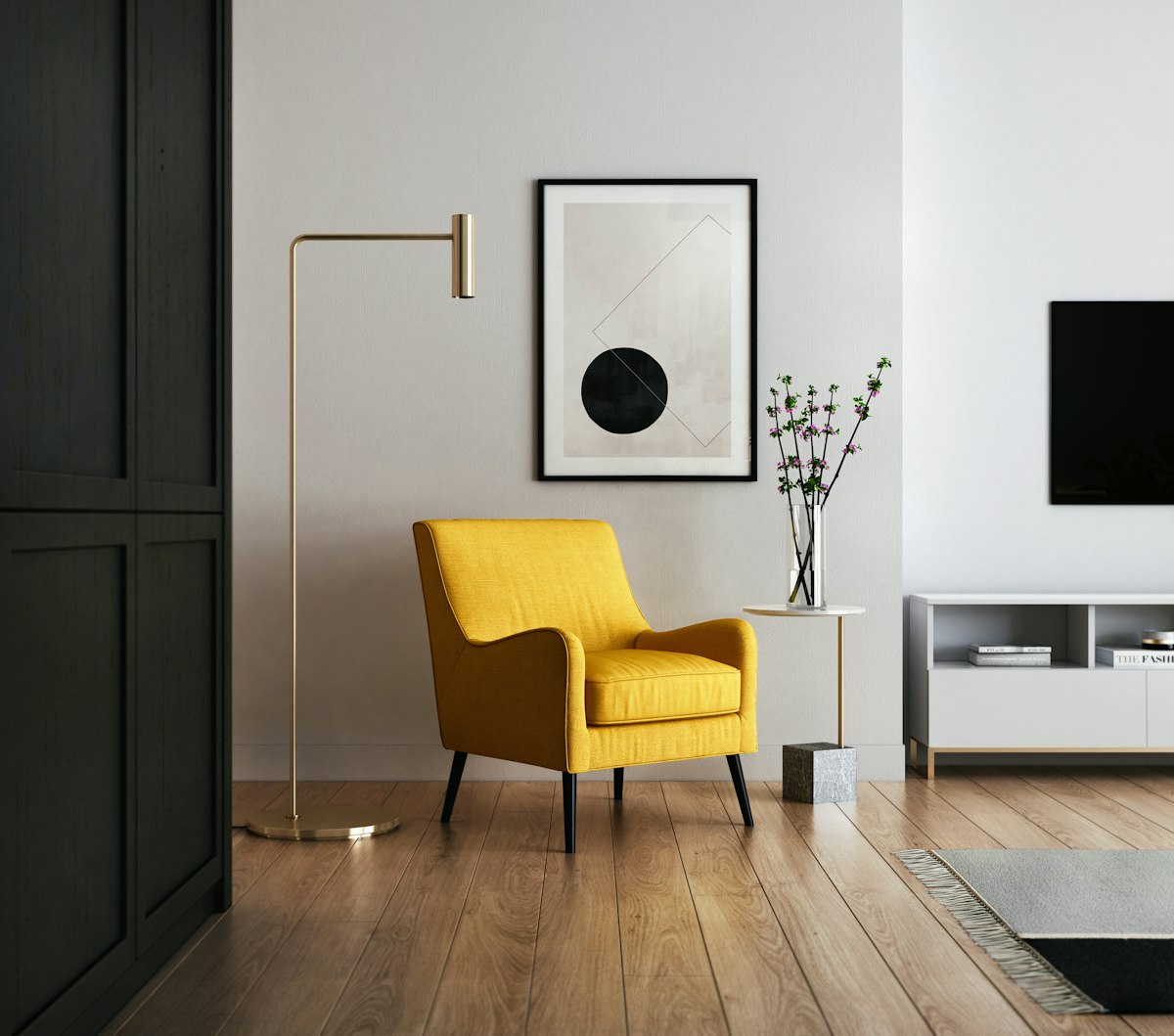
Budget allocation for a wooden-arm sofa should follow this hierarchy: frame construction and wood species first (40–50% of the total cost), cushion quality second (20–25%), upholstery third (15–20%), and finish/hardware last (10–15%). Cutting corners on the frame to afford premium fabric is a false economy—you will reupholster a good frame twice before replacing a bad one once.
The $800–$1,200 retail price range consistently delivers kiln-dried hardwood frames (beech or ash), sinuous spring suspension, HR foam cushions at 2.5+ lb/ft³ density, and performance polyester or cotton-blend upholstery above 20,000 Martindale rubs. Below $600, expect rubber wood or pine frames with stapled joinery and low-density foam that compresses within 18–24 months. Above $1,800, you enter the territory of eight-way hand-tied springs, premium walnut or white oak exposed wood, and designer-exclusive fabrics—worth it if the sofa is a long-term anchor piece, but not necessary for a first apartment.
Comparison Shopping Tips
When comparing two seemingly similar sofas at different prices, ask three questions that instantly reveal quality differences. First: “What is the frame wood species and moisture content?” (Kiln-dried hardwood below 12% is the correct answer; anything else is a cost-cutting compromise.) Second: “What is the foam density in the seat cushions?” (2.5 lb/ft³ minimum for daily use.) Third: “What is the upholstery’s abrasion rating?” (25,000+ Martindale for primary seating.) If the salesperson cannot answer these questions, the specification data is not tracked—which tells you something about the manufacturer’s quality-control process.
Buying directly from manufacturers—such as those listed in Jade Ant’s reviewed upholstered furniture manufacturers—often saves 25–40% versus retail, though minimum order quantities and longer lead times apply.
Warranties and Return Policies
A meaningful warranty covers the frame for at least 10 years (lifetime is standard for premium brands), the spring system for 5 years, and cushion cores for 3 years. Fabric and “normal wear” are almost never covered. Pay attention to return-window logistics: sofas delivered to upper-floor apartments may incur a $150–$300 removal fee for returns, negating the flexibility a “free returns” policy implies. Confirm the pickup policy and any restocking fees in writing before ordering, especially for online purchases.
How to Buy: Where and What to Test In-Store
Test Sit and Swing-Proof Checks
Sit on the sofa for a minimum of 15 minutes—not the 30 seconds most showroom visitors spend. During that time, shift your weight side to side, cross and uncross your legs, lean on each arm, and stand up without using your hands. If the frame creaks under weight shifts, the joinery is inadequate. If standing up requires effort, the seat is too low or too deep for your body. Bring a measuring tape and verify arm height, seat depth, and overall dimensions against your recorded room measurements—showroom perception is notoriously misleading because retail floors are larger and better lit than apartments.
Lighting and Fabric Feel
Showroom lighting (typically 500+ lux, cool white) makes fabrics look different than apartment lighting (usually 150–300 lux, warm white). If possible, request a fabric swatch and evaluate it at home under your own lighting for 24 hours. Run your hand across the grain of the wooden arms—quality pieces feel uniformly smooth with no rough patches, splinters, or finish bubbles. Check the underside of the arms where they join the frame: visible glue squeeze-out, rough-cut surfaces, and misaligned joints indicate rushed production.
Delivery and Assembly Considerations
Confirm whether the sofa ships assembled or requires on-site assembly—and whether assembly is included in the delivery fee. For walk-up apartments, measure stairwell turning radius (the clear diagonal space at each landing) and elevator interior dimensions. Some wooden-arm sofas can be delivered with arms detached, which reduces the package to the seat-and-back core and two separate arm pieces—a significant advantage for narrow stairwells. Ask the manufacturer or retailer whether arm-detached delivery is an option; if the arms are bolted (rather than glued and doweled), this is straightforward.
Video: Choosing the Right Sofa for Small Living Rooms
Choosing a wooden-arm sofa for a small space is an exercise in controlled trade-offs—width against comfort, style against durability, material quality against budget. The decisions that matter most, in order, are: spatial fit (measure everything, twice), frame integrity (kiln-dried hardwood, corner-blocked joints), cushion longevity (HR foam at 2.5+ lb/ft³), and arm design (flat-top, 2.5–3.5 inches wide, sanded to 320-grit, lacquer-finished).
Do not buy a sofa based on photos alone. The color you see on screen, the fabric you imagine touching, and the comfort you project from dimensions are all unreliable proxies for the real thing. Visit a showroom or order a sample set. Sit for 15 minutes, not 15 seconds. Measure the arms, compress the cushion, feel the wood grain, and check the joinery underneath. A well-chosen wooden-arm sofa will anchor your small space for a decade or more—repaying the time you invested in choosing it many times over.
Perguntas frequentes
1. What size sofa is best for a studio apartment with wooden arms?
For studios with a living area of 80–120 square feet, a loveseat measuring 60–72 inches wide with slim wooden arms (2–3 inches) and a total depth of 28–30 inches is the target. This size seats two adults comfortably, leaves room for a 20-inch side table, and maintains the 18-inch clearance to a coffee table. Models with exposed legs at least 6 inches tall keep the floor visible, which helps the room feel larger.
2. How should I protect wooden arms from wear in small spaces?
Apply clear adhesive felt pads (such as 3M Bumpon SJ5312) to any surface that contacts walls or adjacent furniture. Treat the wood with natural beeswax or carnauba wax every 6 months to fill micro-scratches and maintain grain depth. Avoid silicone-based polishes—they create a cloudy buildup within 2–3 years. For high-traffic households, specify a catalyzed lacquer or conversion varnish finish at purchase, which provides 3–5× more abrasion resistance than oil-based finishes.
3. Are there height or depth guidelines for wooden-arm sofas in tight rooms?
Yes. Seat height should be 17–19 inches from the floor (compressed) for easy sit-and-stand in tight spaces. Total depth (back to front) should stay between 30 and 34 inches for rooms under 150 square feet; measurement guides for compact sofas confirm this range as the threshold that maintains comfortable seat depth (20–22 inches) without consuming excessive floor area.
4. Which wood species is best for exposed sofa arms?
White oak (Janka hardness 1,360 lbf) is the top all-around choice: hard enough to resist denting from daily arm contact, stable enough to hold joints without seasonal warping, and visually versatile across stain colors. Walnut is the premium aesthetic option but softer (1,010 lbf)—better for low-traffic or adult-only rooms. Beech is the best value pick at 1,300 lbf and roughly 75% the cost of oak.
5. What foam density should I look for in a compact sofa?
Target high-resilience (HR) foam at 2.5–3.5 lb/ft³ density. Foam below 2.0 lb/ft³ permanently compresses within 2–3 years of daily use. Above 4.0 lb/ft³, the cushion feels stiff and clinical rather than residential. A Dacron fiber wrap over the foam core adds initial softness without reducing long-term support.
6. Can a wooden-arm sofa work with a sectional layout in a small room?
A two-piece sectional totaling 85–100 inches across the L can work in rooms above 180 square feet. Below that threshold, a standalone sofa plus a separate accent chair provides equivalent seating capacity with layout flexibility for rearranging, cleaning, and entertaining. The standalone approach avoids the “locked-in” layout problem that sectionals create in tight floor plans.
7. How do I know if a sofa will fit through my apartment doorway?
Calculate the sofa’s diagonal depth: √(height² + depth²). If the sofa is 34 inches tall and 33 inches deep, the diagonal is approximately 47 inches—too large for a standard 32-inch doorframe. Solutions include choosing models with detachable arms (which reduces the package to the seat-and-back core), removing the apartment door from its hinges to gain 1.5–2 inches, or selecting a sofa with a total depth under 30 inches, which typically yields a diagonal under 45 inches.
8. What upholstery fabric is most durable for a daily-use small-space sofa?
Performance polyester fabrics (Crypton, Revolution, Sunbrella indoor) with 50,000+ Martindale rubs are the most durable option for daily use, pet households, and families. They resist stains inherently (no topical treatment needed), clean with a damp cloth, and maintain color and texture significantly longer than natural fibers. For a more natural look and feel, a linen-polyester blend rated above 25,000 Martindale rubs offers a reasonable compromise.
9. Is it worth paying more for eight-way hand-tied springs?
Eight-way hand-tied coil springs last 15–25 years and distribute weight more evenly than sinuous wire springs, which perform well for 8–12 years. The upgrade adds $200–$400 to the manufacturing cost. For a first apartment where you may move and upgrade within 5–7 years, sinuous springs on a kiln-dried hardwood frame offer the best value. For a long-term anchor sofa in a settled home, hand-tied springs are a worthwhile investment.
10. Where can I source high-quality wooden-arm sofas at factory pricing?
Manufacturers based in furniture production clusters—such as Foshan, China (home to over 7,000 furniture factories)—offer direct-to-buyer pricing that is typically 25–40% below retail. Jade Ant’s step-by-step importing guide walks through the full process from initial inquiry to pre-shipment inspection. Minimum order quantities typically apply (2–20 pieces depending on the manufacturer), so this route is best suited for designers, small retailers, hospitality projects, or group purchases.