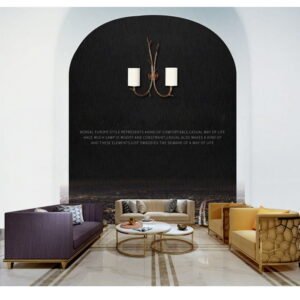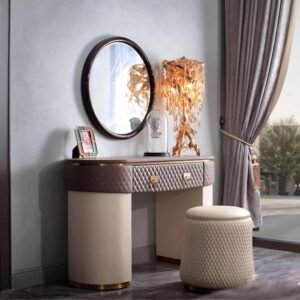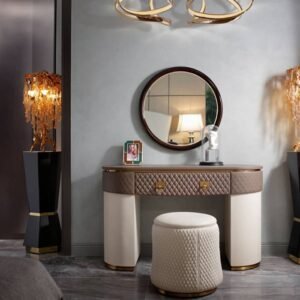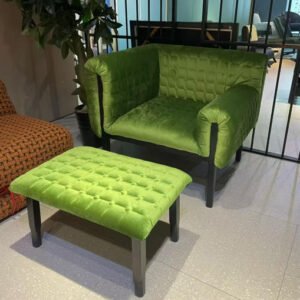
Chinese modern aesthetics are not about placing a red lacquer cabinet in the corner and calling it “Eastern.” They are a living design philosophy — built from thousands of years of cultural thought — that, when translated thoughtfully, can transform any interior into something quietly extraordinary.
This guide is written for designers and homeowners who want to move past the surface-level clichés and understand the por que behind Chinese modern design: why space is often deliberately left empty, why certain timber species carry cultural weight, why a single calligraphy scroll can anchor an entire room. You’ll also find practical tools — material comparisons, budget frameworks, and a step-by-step design process — to help you translate these ideas into real spaces.
We’ve organized this guide around 10 core areas: from philosophy and color to lighting, art, cultural references, and a complete practical toolkit. Whether you’re designing a 500 sq ft apartment or a 5,000 sq ft villa, these principles scale. Let’s begin.
Understanding Chinese Modern Aesthetics
Origins and Evolution
Chinese interior design has a documented lineage stretching back to the Ming Dynasty (1368–1644 AD), when furniture makers developed the principle that the material should speak for itself. Huanghuali and zitan hardwoods were shaped through precise mortise-and-tenon joinery — no nails, no glue — into pieces that modern designers still reference as benchmarks of proportion and restraint.
What we call “Chinese modern aesthetics” today — sometimes labeled Neo-Chinese style (新中式, xīn zhōng shì) — is the product of this heritage colliding with 20th-century global modernism and the rapid urbanization of China’s cities since the 1990s. The result is a design language that is simultaneously ancient and contemporary: it references the Song Dynasty’s scholar-aesthetic and the clean lines of International Style in the same breath.
The China interior design market reflects this momentum. Valued at USD 16.4 billion in 2023, it is projected to reach USD 28.5 billion by 2032 at a CAGR of 6.33%, driven in significant part by demand for Neo-Chinese residential interiors.
Core Principles: Harmony, Balance, Simplicity
Harmony (和, Hé)
Every element earns its presence. Materials, textures, colors, and objects must resolve into a coherent whole — nothing placed without considering its effect on the room as a system.
Balance (平衡, Pínghéng)
Not rigid symmetry but felt balance — a heavy stone table balanced by the lightness of rice-paper lanterns; a dark lacquer panel offset by a pale linen sofa.
Simplicity (简, Jiǎn)
Restraint is sophistication. The fewer well-chosen objects in a room, the more each one speaks. Decoration is earned, not default.
Common Misconceptions to Avoid
The most common mistake is conflating Chinoiserie — the 18th-century European interpretation of Chinese aesthetics, characterized by pagoda motifs and willow-pattern prints — with authentic Chinese modern design. Chinoiserie is to Chinese design what a fortune cookie is to Cantonese cuisine: Western-invented, loosely inspired, and fundamentally different from the source.
Other misconceptions: that Chinese interiors must be red-dominant (modern interpretations overwhelmingly favor neutrals); that they must be formal or museum-like (the best examples feel lived-in and serene); or that they require expensive antiques (contemporary craftspeople produce extraordinary work at accessible price points, and sourcing specialists like Móveis Jade Ant have made this more accessible than ever for global buyers).
Key Philosophies Shaping Modern Chinese Design
Confucian Influences on Order and Hospitality
Confucianism shapes Chinese interiors in ways rarely named but instantly felt. The traditional main hall (厅堂, tīngtáng) positioned the host seated facing south — the most auspicious direction — with guests flanking east and west. In a modern apartment, this logic still manifests as a clearly defined commanding position for the primary sofa, a defined entry sequence, and a hierarchy of furniture scales that guides the eye without demanding it.
Hospitality, in Confucian culture, is a spatial act. A well-designed Chinese modern living room doesn’t just look good — it creates conditions for a guest to feel received, positioned, and honored.
Daoist Quietude and Natural Alignment
Daoist philosophy contributes the design principle most foreign to Western sensibilities: wu wei (無為) — effortless action. In spatial terms, this means designing so that a room appears to have arrived at its arrangement naturally. A stone on a shelf should look as if it has always been there. A timber beam should reveal its grain without apology. The goal is achieved nonchalance: spaces that feel discovered, not assembled.
Modern Pragmatism and Global Exchanges
Contemporary Chinese designers — including figures profiled by Dezeen such as Shao Fan and Neri&Hu — engage in a productive dialogue with Western modernism, Japanese Wabi-Sabi, and Scandinavian minimalism. The result is a hybrid design language that draws structural clarity from Bauhaus, material warmth from Japandi, and cultural depth from its own lineage.
Materials and Textures in Contemporary Chinese Interiors
Natural Materials and Craftsmanship
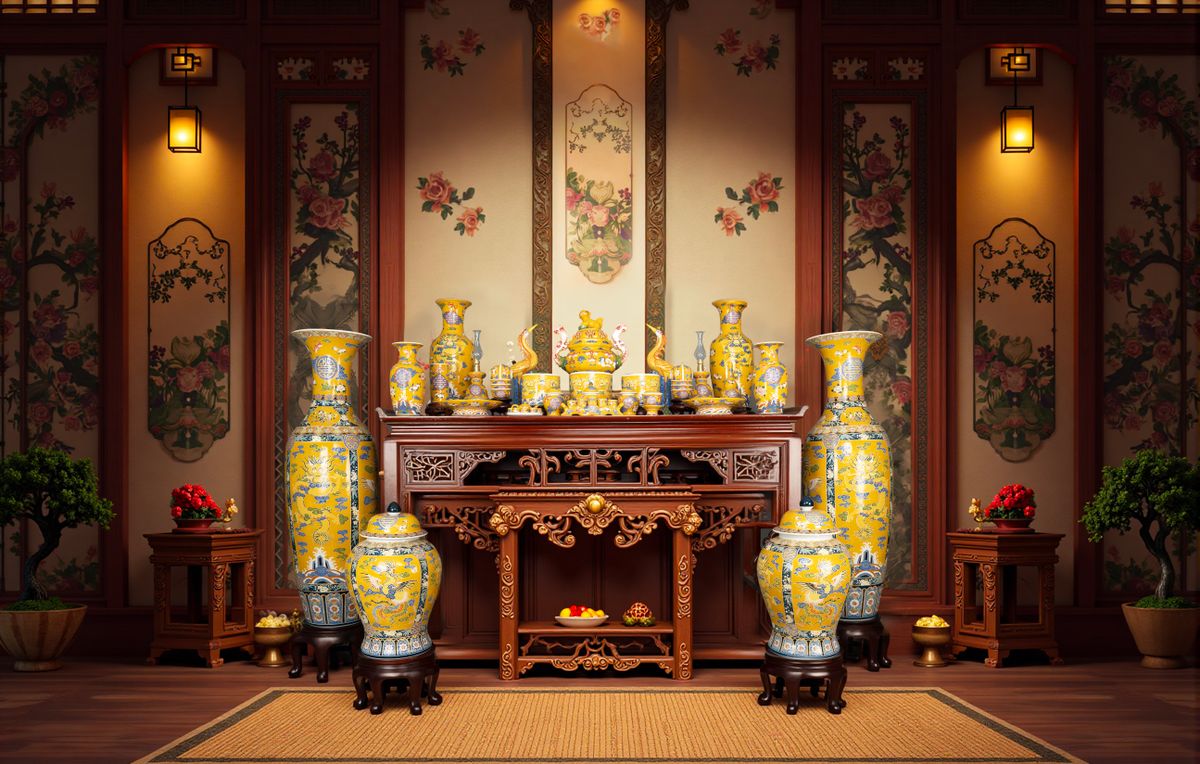
In Chinese design philosophy, materials are not neutral containers for form — they carry meaning. Bamboo symbolizes resilience and integrity. Scholar’s stone (太湖石, Tàihú shí) represents the eternal quality of nature. Walnut and elm are valued for their grain character — the visible record of a tree’s life, treated as decoration in itself rather than something to paint over.
The material palette of a Neo-Chinese interior typically draws from:
- Solid hardwoods — walnut, elm, ash, or rosewood — for primary furniture. Grain direction is a design decision.
- Natural stone — grey marble, black slate, or travertine — for surfaces and accents. Used sparingly, as punctuation.
- Handmade ceramics — Song-Dynasty-inspired glazed vessels in celadon, ivory, or matte black.
- Rattan, cane, and seagrass — woven into panels, chair backs, or room dividers for tactile warmth without visual weight.
- Linen, raw silk, and undyed cotton — in upholstery and drapery. The slight imperfection of natural weave is a feature, not a flaw.
Sustainable Sourcing and Longevity
The Chinese design tradition’s emphasis on material longevity aligns closely with contemporary sustainability thinking — not as a marketing position, but as a deeply embedded cultural value. A Ming Dynasty chair was built to outlast its maker. That same philosophy, applied to contemporary sourcing, means prioritizing FSC-certified hardwoods, hand-applied natural lacquers over synthetic coatings, and joinery methods that can be disassembled and repaired.
Whether you source directly from Chinese workshops or through a procurement specialist like Jade Ant Furniture’s living room collection, asking for wood species documentation, joinery method, and finish composition is the difference between furniture that lasts 15 years and furniture that lasts 50.
Tactile Contrast and Surface Treatment
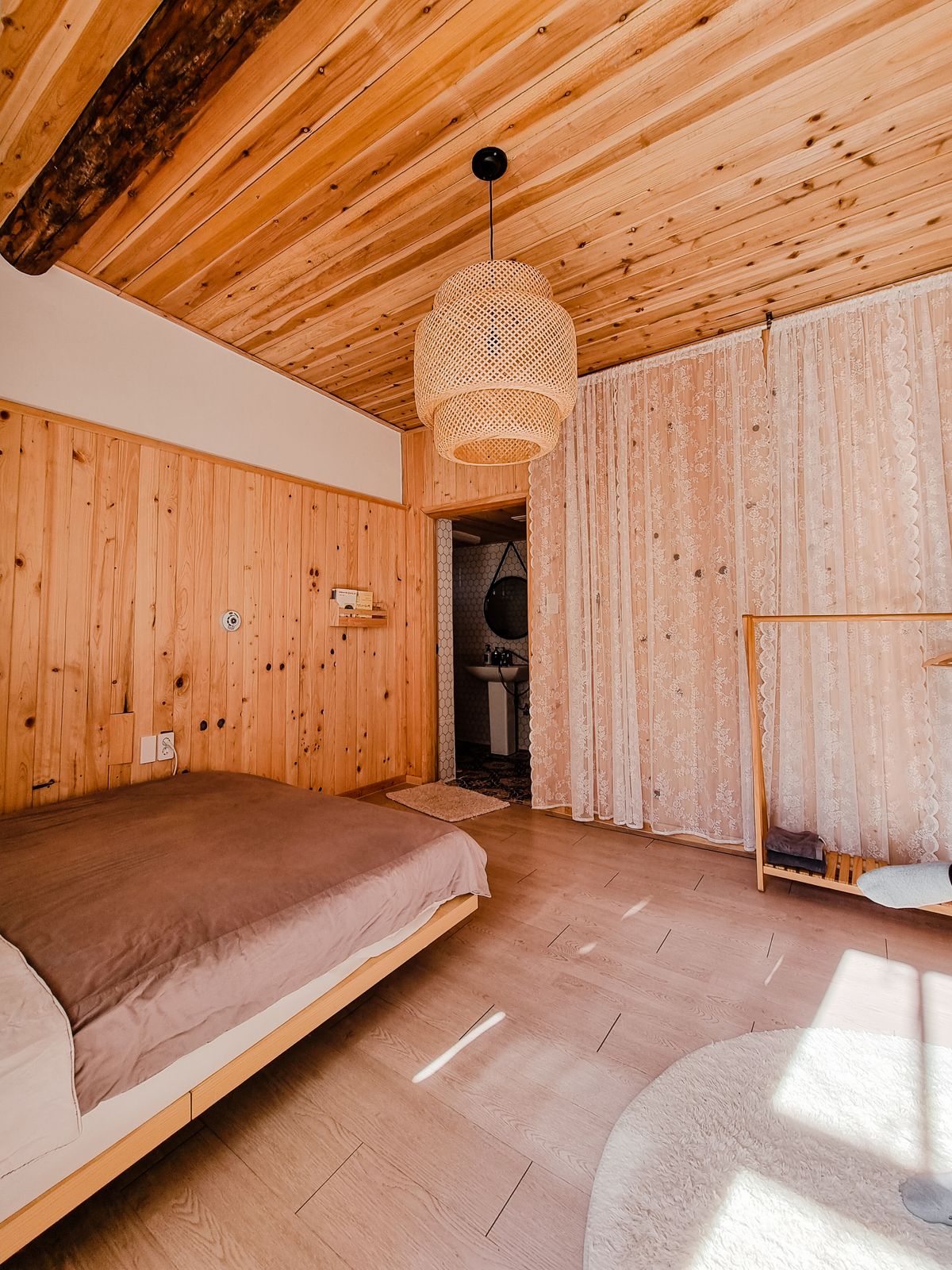
One of the most sophisticated moves in Chinese modern interiors is the deliberate pairing of contrasting surface textures within the same palette: a matte clay wall next to a high-gloss lacquer cabinet; a rough stone floor against smooth silk cushions; rough-sawn timber alongside hand-polished bronze hardware. The principle: tactile contrast creates visual depth without color contrast.
Color Palettes and Symbolism
Traditional Color Meanings: Red, Black, White
In traditional Chinese culture, five colors — Wǔ Zhèng Sè — carried specific cosmological meanings:
- Red (赤, Chì): Fire, vitality, joy, good fortune. In modern interiors, a single red lacquer accent piece or vermilion cushion carries this energy without overwhelming a neutral room.
- Black (黑, Hēi): Depth, authority, and the water element. Appears as iron hardware, dark walnut frames, and ink artworks. Grounds a space without heaviness when used sparingly.
- White (白, Bái): Purity and the metal element. In Neo-Chinese interiors, always off-white or oyster — never stark clinical white, which reads as cold.
- Gold (金, Jīn): Wealth and imperial authority. Used as a gilded frame, brass handle, or thin gold-leaf stripe — an accent, never a dominant tone.
- Blue-green (青, Qīng): Youth, vitality, and spring. Often expressed through celadon ceramics or jade-toned textiles.
#C0392B
#2C2C2C
#F5F0E8
#B8965A
#8FBCAD
#C8B89A
Balancing Bold Accents with Restraint
The governing rule in Neo-Chinese color application is the 80/10/10 structure: 80% neutral foundation (oyster, raw linen, warm grey); 10% mid-tone material texture (walnut timber, aged bronze, slate stone); 10% culturally significant accent color (vermilion, celadon, or gold). When the accent is used sparingly, it reads as intentional and culturally resonant. Where it appears everywhere, it becomes wallpaper.
Seasonal and Regional Variations
Northern Chinese interiors historically favored darker, warmer tones influenced by the cold continental climate. Southern Chinese interiors, particularly from Guangdong and Fujian, tended toward lighter, airier palettes. Contemporary Neo-Chinese designers draw on this regional vocabulary intentionally: a warm amber-and-walnut palette for a northern mountain retreat; a pale celadon-and-whitewashed-plaster palette for a coastal villa.
Spatial Layouts: Balance and Flow
Zoning and Hierarchy in Rooms
Chinese spatial philosophy is fundamentally about hierarchy — every room has a primary position, secondary positions, and transitional zones connecting them. This is expressed through the traditional concept of commanding position: the primary sofa or chair faces the room’s main axis; the host’s seat faces the entry; secondary seating flanks respectfully.
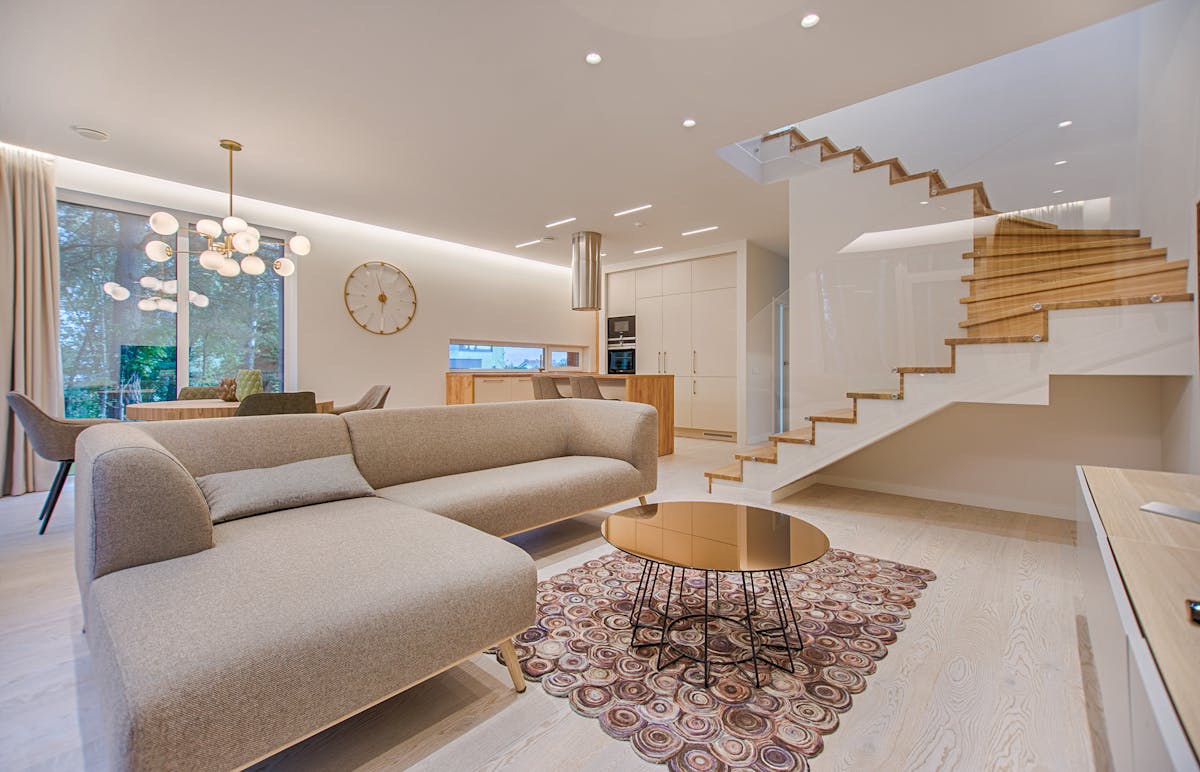
In a modern open-plan apartment, distinct zones are created through anchoring elements rather than walls: a large area rug defines the living zone; a change in ceiling height or suspended lantern marks the dining area; a low screen separates the study. The transition between zones should feel like a sequence, not an abrupt boundary.
Negative Space as a Design Tool
Liú bái (留白) — “leaving white” — is one of the most powerful tools in Chinese design. A single sculpture on a shelf with clear space on either side commands more attention than a crowded shelf. A large wall left partially bare gives a calligraphy artwork room to breathe. Interior designers who shift from Western-style “full” rooms to Neo-Chinese “breathing” rooms consistently report that clients adapt within two weeks: initial discomfort with emptiness gives way to a deeper sense of calm.
Furniture Placement for Movement
Chinese interior philosophy, particularly through Feng Shui, treats the path a person takes through a room as a design element. Furniture should never block a direct line from the room’s entrance to its primary seating. Maintain at least 90cm of clear passage around major furniture clusters. Resist filling corner space — corners are breathing points, not storage opportunities.
Furniture Styles: Minimalism with Cultural Roots
Clean Lines, Joinery, and Timber Selection
The defining formal characteristic of Chinese modern furniture is structural honesty: the construction method is the decoration. Traditional Chinese cabinetmakers developed the sǔn máo joinery system — mortise-and-tenon connections that have held Chinese furniture together for 7,000 years without a single nail or drop of glue. In a well-made Chinese modern piece, the joints are visible — at the corners of a cabinet, where legs meet the stretcher — and their precision is the proof of quality.
Timber selection follows cultural logic. Walnut (黑胡桃) is modern, warm, and globally legible. Elm (榆木) is the democratic timber of northern Chinese furniture — accessible and beautifully grained. Ash (白蜡木) offers a lighter tone for southern-style or summer-season rooms. For statement pieces, rosewood (红木) carries historical prestige — though responsible sourcing documentation is essential.
Mixing Eras: Modern Silhouettes with Antique Details
The most visually compelling Neo-Chinese interiors layer time. A clean-lined contemporary sofa sits alongside a Qing Dynasty side table. A wall-mounted display is flanked by antique scholar’s rocks on lacquered plinths. The key is ensuring the material register is consistent even when the era is not: all pieces should share natural materials, matte or semi-gloss finishes, and restrained scale. A chrome-legged table in an otherwise all-timber room disrupts this coherence. The era of a piece is negotiable. Its material philosophy is not.
Scale and Proportion in Chinese Modern Interiors
Chinese modern furniture tends to sit lower than Western conventions. The traditional kang (炕) — a low platform for sitting and gathering — set a cultural precedent for ground-plane living that persists. Contemporary Neo-Chinese sofas often sit at 30–32cm seat height (versus the Western standard of 42–46cm). This lower visual center of gravity creates groundedness and calm — and makes ceilings feel taller by contrast.
| Furniture Category | Traditional Reference | Modern Interpretation | Key Timbers | Prioridade |
|---|---|---|---|---|
| Primary Sofa | Luohan bed (罗汉床) | Low-profile linen-upholstered sectional | Walnut, elm frame | Essencial |
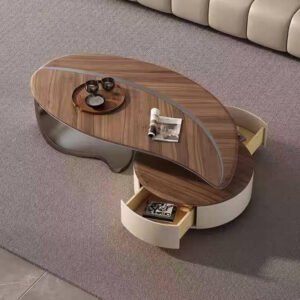
| Mesa de centro | Kang table (炕桌) | Solid stone top with timber base | Ash + marble top | Essencial |
| Display Cabinet | Scholar’s cabinet (书柜) | Open shelf with rattan panel doors | Walnut, rattan inserts | Recomendado |
| Mesa de jantar | Ming square table (八仙桌) | Live-edge oval in solid timber | Elm, rosewood | Recomendado |
| Accent Chair | Official’s hat chair (官帽椅) | Contemporary wing chair with cane back | Black walnut | Optional |
| Bed Frame | Canopy bed (架子床) | Low platform bed with timber headboard panel | Walnut, elm | Essencial |
Lighting and Ambience
Layering Light for Texture and Warmth
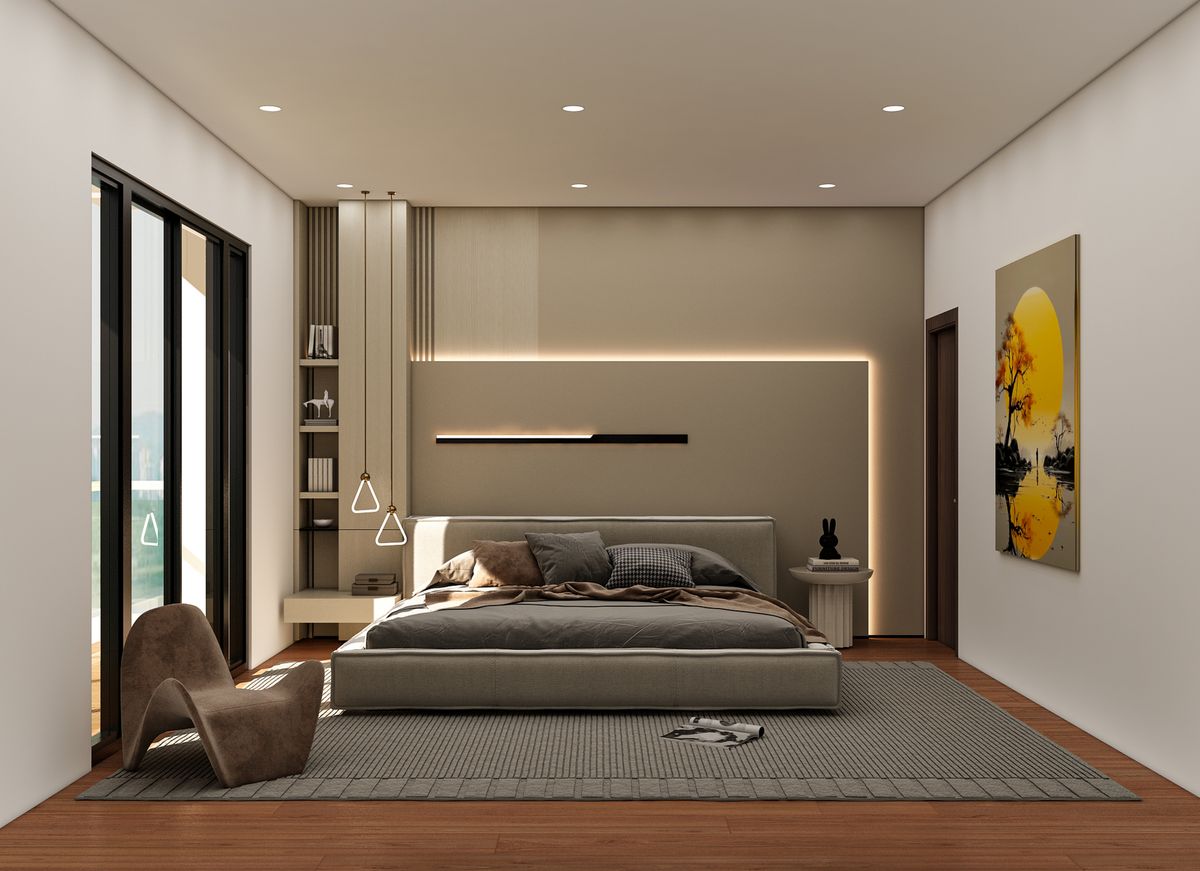
Lighting in a Chinese modern interior is a layered composition — ambient, task, and accent — where each layer serves a different spatial function and can be modulated independently. The ambient layer is warm and indirect: uplights behind furniture, recessed fixtures with warm-toned LED sources (2,700–3,000K), or paper lanterns that diffuse light evenly. The goal is to eliminate harsh shadows without eliminating shadow altogether — shadow in Chinese aesthetic thinking is a textural element, not a failure of illumination.
Task vs. Ambient Lighting Strategies
Task lighting is small-scale and surgically positioned: a focused reading lamp beside a low sofa; a pendant over a dining table that illuminates food and faces without flooding the ceiling. When an interior designer reviewing a Neo-Chinese apartment in Singapore found clients consistently using only the lowest dimmer setting, it wasn’t a complaint — it was evidence that the layered system was working exactly as intended.
Architectural Lighting Cues Inspired by Chinese Aesthetics
Traditional Chinese architecture manipulated natural light through aperture design: moon gates creating circular light pools on stone floors; lattice screens breaking sunlight into geometric patterns. Modern interpretations include:
- Cove lighting behind carved timber screens — recreating the dappled light of traditional lattice panels
- Pendant lanterns with handmade paper shades — diffusing warm light without a visible source
- Floor-level uplights beneath indoor plants or stone sculptures — referencing the courtyard’s moon-lit ground plane
- Linear wall-washers along accent walls — creating raking light that reveals texture in plaster or stone surfaces
Art and Calligraphy Integration
Framing and Choosing Contemporary Artworks
Chinese modern interiors use art as philosophical anchor rather than decorative fill. A single large-scale work carries more weight than a gallery wall of smaller pieces. The selection criteria go beyond aesthetic appeal: the work should share the room’s philosophical register. Ink wash paintings (水墨, shuǐ mò) that evoke landscape or the scholar tradition integrate naturally. Traditional Chinese scroll mounting (装裱, zhuāng biǎo) — works mounted on silk backing and suspended on lacquered rollers — remains one of the most visually elegant presentation methods available.
Calligraphy as Visual Focal Points
Shūfǎ (書法) — calligraphy — is considered the mother of all Chinese arts. A single large-scale calligraphy piece can serve as the primary artwork in a room: commanding from across the space, layered with meaning when read closely, and generating visual texture through the physical quality of brushwork on paper or silk. According to Pirlo Calligraphy’s interior design guide, converting the form of Chinese characters into abstract graphic elements is the most effective way to make calligraphy feel contemporary without losing its cultural depth.
Seal Imprints and Subtle Graphic Elements
The Chinese seal (印章, yìnzhāng) — a carved chop dipped in vermilion ink — introduces a controlled burst of color that reads simultaneously as graphic design and cultural artifact. In contemporary interiors, it appears as a carved stone seal on a study desk, a seal impression within an artwork, or a seal-inspired graphic element on cushion fabric. Used with restraint — one per room, if at all — it functions as a cultural watermark rather than a decorative motif.
Cultural References: Architecture, Gardens, and Typography
Courtyard-Inspired Layouts and Indoor-Outdoor Dialogue
O Sìhéyuàn (四合院) — the traditional Chinese courtyard house — established a spatial relationship between interior and exterior that remains one of the most influential contributions of Chinese architecture to global design. The courtyard is the center; the rooms face into it; natural light enters through it; the seasons are experienced through it.
In a contemporary apartment, this indoor-outdoor dialogue can be recreated through: large sliding glass panels extending the living room into a garden or balcony; planted interior screens creating a green threshold between zones; the same stone or timber flooring both inside and on the terrace to dissolve the boundary; and seating always positioned with a view of — or direct access to — the outdoor space.
Garden Motifs and Natural Symbolism in Interiors
O Chinese garden tradition — formalized in the Scholar’s Gardens of Suzhou — is built on a vocabulary of natural symbolism: pine (longevity), bamboo (integrity), plum (resilience), chrysanthemum (nobility). These “Four Gentlemen of Plants” (四君子, sì jūnzǐ) appear throughout Chinese art and interior design as visual shorthand for virtue. In a contemporary interior, this translates as a single bamboo planting in a cylindrical clay pot; a plum blossom branch in a celadon vase — sparse, asymmetric, precisely positioned.
Typography and Signage as Design Accents
Chinese characters are among the most visually sophisticated writing systems in the world. A single character — 靜 (jìng, “stillness”) or 和 (hé, “harmony”) — carved into stone, applied as a metal wall sculpture, or written in brushstroke on a linen panel — can establish the philosophical intent of an entire room. Typography choices extend to signage, shelf labels, and the small printed cards used in carefully curated interiors — every text element is an opportunity to deepen or dilute the cultural register.
Practical Guide: Designing a Cohesive Chinese Modern Space
Step-by-Step Design Process: Brief, Moodboard, Material Board
Write Your Design Brief in One Sentence of Feeling
Define the philosophical intent — not the look, but the feeling. “This room should feel like a scholar’s retreat after a long journey” is more useful than “I want walnut furniture and a grey rug.” Ground your brief in one of the three core principles: harmony, balance, or simplicity.
Build a Moodboard — Edited, Not Exhaustive
Limit to 8–12 images maximum: one spatial scale reference, one primary material, one color palette reference, one art or cultural object. The discipline of selecting fewer references is itself an act of Chinese design thinking.
Develop a Material Board with Physical Samples
Request physical samples of every primary material before specifying. Timber veneers under controlled showroom lighting can look completely different in situ. Include: primary timber species and finish; primary stone or clay surface; primary textile; accent material (brass, iron, rattan); specialty surface (lacquer, grasscloth, plaster).
Source Primary Furniture Pieces First
The sofa, dining table, and bed frame establish scale, material tone, and visual register. Everything else should be selected in response to these anchors. For made-to-specification pieces in Chinese modern styles, procurement specialists like Jade Ant Furniture’s bedroom range can produce custom-sized pieces that match your precise brief.
Layer Objects Last — and Edit Ruthlessly
Place all objects, live with the arrangement for 48 hours, then remove one-third of what you’ve placed. The room will almost certainly improve. The practice of liú bái requires removing things you like in service of overall coherence.
Budgeting, Sourcing, and Vendor Selection
Chinese modern interiors span an enormous price range. At the accessible end, solid elm furniture from quality Chinese workshops — sourced through trusted procurement channels — delivers exceptional material quality at 40–60% below comparable European retail pricing. The critical principle is to specify materials first, then find the price. Vendors who answer material specification questions precisely and provide documentation are worth working with. Those who deflect to “it’s good quality” without specifics are not.
Common Pitfalls and How to Avoid Them
Over-referencing: Including too many cultural motifs simultaneously dilutes every element. Choose a maximum of two cultural anchors per room and let them speak clearly.
Mismatched material registers: Mixing genuinely traditional handcrafted pieces with cheap mass-produced “Asian-style” accessories creates visual incoherence. Spend more on fewer, better objects rather than filling space with approximate references.
Ignoring the floor plane: Chinese interiors treat the floor as an active compositional element. A natural wool or silk area rug in the right scale defines a zone. Cheap carpet or wall-to-wall flooring that contradicts the material philosophy of everything above it undermines the entire scheme.
| Design Element | ✅ Authentic Neo-Chinese Choice | 🚩 Common Mistake | Por que é importante |
|---|---|---|---|
| Wall Finish | Lime plaster, clay wash, grasscloth | Printed “bamboo” wallpaper | Material authenticity vs. surface imitation |
| Primary Seating | Low linen sofa, solid timber frame | High-armed chesterfield in faux leather | Scale and material philosophy alignment |
| Floor Covering | Handwoven wool rug or bare stone/timber | Patterned synthetic rug with floral motif | Texture register vs. pattern register |
| Art Piece | Original ink wash or single calligraphy scroll | Gallery wall of multiple small prints | Visual hierarchy and liú bái principle |
| Accent Objects | Scholar’s stone, celadon vase, bronze holder | Multiple souvenir-style “Chinese” decorations | Cultural depth vs. decorative clutter |
| Lighting | Handmade paper pendant + accent spots | Single bright ceiling fixture | Layered warmth vs. undifferentiated illumination |
Key Terms Glossary
- Liú bái (留白)
- “Leaving white” — deliberate use of negative space in design to give filled areas greater meaning and presence.
- Sǔn máo (榫卯)
- The Chinese mortise-and-tenon joinery system — interlocking timber joints without nails or adhesive. A 7,000-year-old engineering tradition.
- Neo-Chinese Style (新中式)
- A contemporary design movement reinterpreting traditional Chinese aesthetics through modern materials, scale, and spatial logic.
- Feng Shui (風水)
- An ancient Chinese spatial system aligning built environments with natural energy flows for improved harmony, wellbeing, and prosperity.
- Shūfǎ (書法)
- Chinese calligraphy — the foundational art form of Chinese culture; valued for the physical quality of the brushstroke as much as the meaning of the characters.
- Commanding Position (坐北朝南)
- The principle that a room’s primary seat should face south with a solid wall behind it — maximizing energetic and practical comfort.
- Sìhéyuàn (四合院)
- The traditional Chinese courtyard house — four buildings surrounding a central open courtyard, establishing the foundational indoor-outdoor spatial relationship.
- Wǔ Zhèng Sè (五正色)
- The five traditional cosmological colors — blue-green, red, yellow, white, and black — each associated with a direction, element, and philosophical meaning.
Chinese modern aesthetics offer something genuinely rare in contemporary design: a complete philosophical system — not just a visual style — that gives every decision in a room a reason beyond personal preference. The placement of a chair, the choice of timber species, the decision to leave a wall empty, the selection of a single artwork over a gallery wall — each of these choices, in a well-executed Chinese modern interior, is traceable to a principle tested over centuries.
That does not require cultural scholarship. It requires curiosity, discipline, and the willingness to edit. Start small: apply one principle — perhaps liú bái, the practice of deliberate emptiness — and observe how the space changes. Most designers who try this report the same thing: the room feels both lighter and more substantial. That paradox is the heart of what makes Chinese modern design so enduring.
Experiment with one material you haven’t used before — a handmade ceramic vessel, a cane-panel cabinet, a natural linen throw. Let it teach you something about the space before you add more. The goal is not a historically accurate Chinese interior but a space that carries the quality of attention that this tradition demands — and rewards.
Ready to Source Furniture Built to Chinese Modern Standards?
Jade Ant Furniture specializes in custom-manufactured luxury furniture in Neo-Chinese and contemporary styles — solid hardwood frames, documented joinery, and material specifications you can verify. Serving designers, developers, and homeowners globally.
Explore Jade Ant Furniture →Perguntas frequentes
Begin with one material rather than a collection of motifs. A single piece of solid walnut furniture with visible mortise-and-tenon joinery establishes the aesthetic register more credibly than any dragon prints or red lacquer accents. Start with the material philosophy — natural materials, honest construction, tactile contrast — and cultural references can follow organically once the foundation is in place.
Solid walnut or elm hardwood for primary furniture frames, natural stone (grey marble, slate, or travertine) for surfaces, and hand-woven linen or raw silk for upholstery consistently deliver the best long-term visual and physical performance. Handmade ceramics in matte celadon, ivory, or iron-black glazes are the most versatile accent objects. For all wood purchases, always request documentation of wood species and joinery method — any supplier who cannot provide this is worth reconsidering.
Yes — the principle of liú bái is, if anything, more transformative in small spaces than large ones. A 400 sq ft studio furnished with one quality low sofa, one solid timber coffee table, and one carefully chosen artwork will look and feel significantly more resolved than the same space crammed with affordable furniture from multiple styles. The budget principle: buy one excellent anchor piece rather than five mediocre ones.
Traditional Chinese design — particularly from the Ming and Qing dynasties — features rich ornamentation, formal symmetry, elaborate lacquerwork, and a strong hierarchical spatial language. Neo-Chinese style (新中式, xīn zhōng shì) reinterprets this heritage through a contemporary lens: the same underlying principles but applied with a modern material palette, lower furniture scale, more neutral color grounding, and a less formal spatial organization compatible with contemporary open-plan living.
Apply the 80/10/10 rule: 80% neutral foundation (oyster white, warm linen, natural grey), 10% mid-tone material texture (walnut timber, aged bronze, slate), 10% culturally significant accent color (vermilion, celadon, or gold). The accent color should appear in one or two deliberate locations — a lacquered side table, a vermilion silk cushion — not throughout the room.
The most practically useful Feng Shui contributions: the commanding position principle (primary seating should face the room’s entrance with a solid wall behind it); avoiding blocked pathways (maintain at least 90cm of clear passage around major furniture); and ensuring the primary seating area receives natural light. These are, at their core, ergonomic and experiential principles refined over centuries.
Mortise-and-tenon (榫卯, sǔn máo) is a timber joinery method where a projecting element (tenon) fits precisely into a cavity (mortise), creating an interlocked connection without nails or adhesive. This 7,000-year-old system produces joints that flex slightly under load stress without breaking — critical for furniture that must withstand daily use across decades. Well-made Chinese modern furniture with this joinery has a useful life measured in generations, not years.
Three approaches work well: use the same flooring material both inside and on the balcony to visually dissolve the threshold; position a planted element — bamboo in a clay pot, a pine bonsai — at the interface between interior and exterior; and ensure primary seating has an unobstructed sightline to the outdoor space. In the absence of outdoor space, a planted interior screen or living wall can perform a similar function.
Seek contemporary Chinese calligraphers whose work is available through established galleries or direct studio commissions. Use one significant piece per room sized to function as the primary artwork — not a collection of small prints. Traditional scroll mounting is more visually powerful than a standard framed print. High-quality reproductions of classical calligraphy are acceptable when disclosed as such.
The three most common failures are: (1) Over-referencing — too many cultural motifs simultaneously dilute each element’s impact; choose a maximum of two cultural anchors per room. (2) Mismatched material registers — quality handcrafted pieces alongside cheap “Asian-style” accessories create visual incoherence; ensure all objects share the same commitment to material integrity. (3) Under-editing — failing to apply the liú bái principle; place all objects, live with them 48 hours, then remove one-third.