Strategic Intelligence for FF&E Buyers, Hotel Developers, Interior Designers, Luxury Furniture Importers, and Private Label Brand Owners
The Strategic Shift in Luxury Hospitality Design
In 2026, a hotel’s furniture specification is no longer a design decision made at the end of a project. It is a strategic investment made at the beginning of one.
The hospitality market has crossed an inflection point. According to Grand View Research, the global hotel FF&E (Furniture, Fixtures, and Equipment) market — meaning all movable, non-permanent items specified for a hotel project — was valued at $63.1 billion in 2025 and is projected to reach $107.9 billion by 2033. Within that, the luxury hotel furniture segment alone is projected at $203 billion in 2026, growing to $299 billion by 2035.
The money is moving. The question is whether your sourcing strategy is positioned to capture it.
What makes 2026 different from previous years is that multiple forces have converged simultaneously: sustainability has shifted from a marketing add-on to a procurement requirement; wellness has moved from the spa to the guest room; technology is being built into furniture frames rather than plugged in beside them; and guests — across demographics — are making booking decisions based on interior photography before they ever read a review.
Cornell’s School of Hotel Administration research has quantified what designers have long argued intuitively: a one-point improvement in a hotel’s review score correlates with 0.89% higher Average Daily Rate (ADR), 0.54% higher occupancy, et 1.42% higher RevPAR (Revenue Per Available Room). Design quality flows directly to financial performance.
This guide is written for the professionals who make the decisions that produce those results: FF&E buyers, hotel developers, high-end importers and distributors, interior designers, architecture firms, villa owners, and private label brand operators. It is a strategic tool, not a trend catalogue.
Sustainable and Ethically Sourced Materials — Beyond Greenwashing
Why Sustainability Is Now a Procurement Requirement, Not a Differentiator
If your hotel clients or their investors are operating under ESG (Environmental, Social, and Governance) frameworks — which simply means structured commitments to responsible environmental, social, and governance practices — sustainable furniture sourcing is already a contractual expectation in many procurement conversations. This is not projection. It is the current state of sophisticated hospitality development.
Business Research Insights reports that more than 58% of new hotel furniture orders now prioritize eco-friendly, sustainable materials including recycled wood and FSC-certified timber. The procurement managers making those specifications are not doing so because it is fashionable. They are doing so because their brands, investors, and increasingly their guests require it.
Here is what the certification landscape looks like for an FF&E buyer navigating this space in 2026:
| Certification | Ce que cela vérifie | Most Relevant For |
|---|---|---|
| FSC (Forest Stewardship Council) | Responsible forest management; chain-of-custody for wood content | Any specification including wood components |
| PEFC | Regional forest certification endorsed by FSC equivalent standards | European projects; Scandinavian suppliers |
| GREENGUARD Gold | Chemical emissions (VOCs) below strict threshold; indoor air quality | LEED projects, healthcare-adjacent hospitality |
| Cradle to Cradle (C2C) | Material health, recyclability, renewable energy, social fairness | Premium sustainability positioning; circular economy commitment |
| OEKO-TEX Standard 100 | No harmful substances in textile components including threads and dyes | All upholstered pieces; linen specifications |
| B Corp | Company-wide social and environmental performance accountability | Brand-level supplier vetting |
| ISO 14001 | Environmental management system at the manufacturing facility | Factory-level sustainability due diligence |
Écoblanchiment is the practice of making misleading environmental claims without independent verification. In the furniture industry, it includes claims like “made from natural materials” with no certification number, or “sustainably sourced” with no chain-of-custody documentation. Every legitimate FSC or PEFC certificate has a verifiable number — check it in the certification body’s public database before accepting any claim.
How Sustainability Enhances Brand Value and Meets Investor ESG Goals
For hotel developers working with institutional capital, green building certifications have moved from a brand preference to a financing factor. USGBC reports 4,512 LEED-certified and registered lodging projects representing 1.58 billion square feet as of 2026. Green Key has certified over 9,000 hotels across 90+ countries. Furniture specifications contribute directly to these certifications — GREENGUARD Gold-certified pieces generate Indoor Environmental Quality credits for LEED projects. This means your product sourcing decisions are not just aesthetic — they are directly influencing your clients’ ability to access capital and certification.
For importers and distributors building sustainable collections, the margin story is straightforward: certified pieces command a documented premium. The alternative is price competition with commodity suppliers, which is a margin trajectory with only one direction.

Biophilic Design Integration — Nature as a Design Element
What Biophilic Design Actually Means in a Commercial Hotel Context
Biophilic design (from the Greek biophilia — love of living things) is the practice of incorporating natural elements, materials, and spatial principles into built environments to create an instinctive connection between occupants and nature. In hospitality, it goes far beyond a living wall in the lobby.
In 2026, biophilic design is a structural and material commitment. The most forward-thinking properties are being sited to preserve existing trees, framing with mass timber, specifying local stone for primary surfaces, and designing interior furniture compositions around natural light pathways rather than imposing a standard brand template over the landscape.
The American Express 2026 Global Travel Trends Report found that 58% of surveyed Millennial and Gen Z travelers specifically want to experience nature and wildlife on their next trip — a number that drives demand not just for outdoor amenities but for interiors that feel landscape-responsive rather than generic.
Materials That Work for Commercial Biophilic Specifications
The material vocabulary of biophilic hotel furniture in 2026 centers on five categories:
Rattan and natural cane weave bring organic texture and visual lightness to lobby seating and guest room accent chairs. Technically: rattan is a climbing palm species from Southeast Asia whose flexibility makes it ideal for woven structural forms. Commercially: it photographs exceptionally well, ages with character, and communicates authenticity that manufactured materials cannot replicate.
Liège is harvested from the bark of cork oak trees without cutting the tree, regenerating every 9–12 years. For furniture applications, it delivers natural sound absorption (measurable at 0.14–0.17 NRC — a meaningful improvement in acoustic comfort for hotel rooms and meeting spaces), natural antimicrobial properties, and a tactile warmth that reads as premium in boutique and resort contexts.
Stone-inspired composites — sintered stone, engineered stone, and porcelain veneers — replicate the visual weight and tactile character of marble, travertine, and slate at a fraction of the weight and significantly higher resistance to commercial damage. A sintered stone table top has essentially zero porosity, making it impervious to the staining that plagues natural marble in high-traffic hotel environments.
Live-edge solid wood — table tops and case goods with the natural outer edge of the timber retained — creates a connection to the material’s origin that machined, straight-cut edges cannot. Specified in FSC-certified walnut, oak, or teak, these pieces anchor a biophilic composition with a genuine material story.
Case Example: How 5-Star Resorts Are Using Biophilic Furniture
At Parkroyal Collection Pickering in Singapore, the interior furniture specification was developed in direct dialogue with the exterior architecture — a building covered in 15,000 square meters of sky gardens. The indoor furniture palette mirrors the exterior: warm teak tones, woven natural textures, and organic silhouettes that dissolve the boundary between interior and landscape. Research published in MDPI’s sustainability journals confirms that high-quality biophilic hotel design elements significantly improve guest well-being, perceived value, and return intention. A five-star resort that introduced rattan seating clusters and a timber-and-cork material palette in its lobby redesign reported a measurable increase in average guest dwell time — an important indicator because longer dwell time correlates directly with higher F&B spend per visit.
🎬 Watch: 2026 Hospitality Interior Design Trends — What Designers Are Specifying
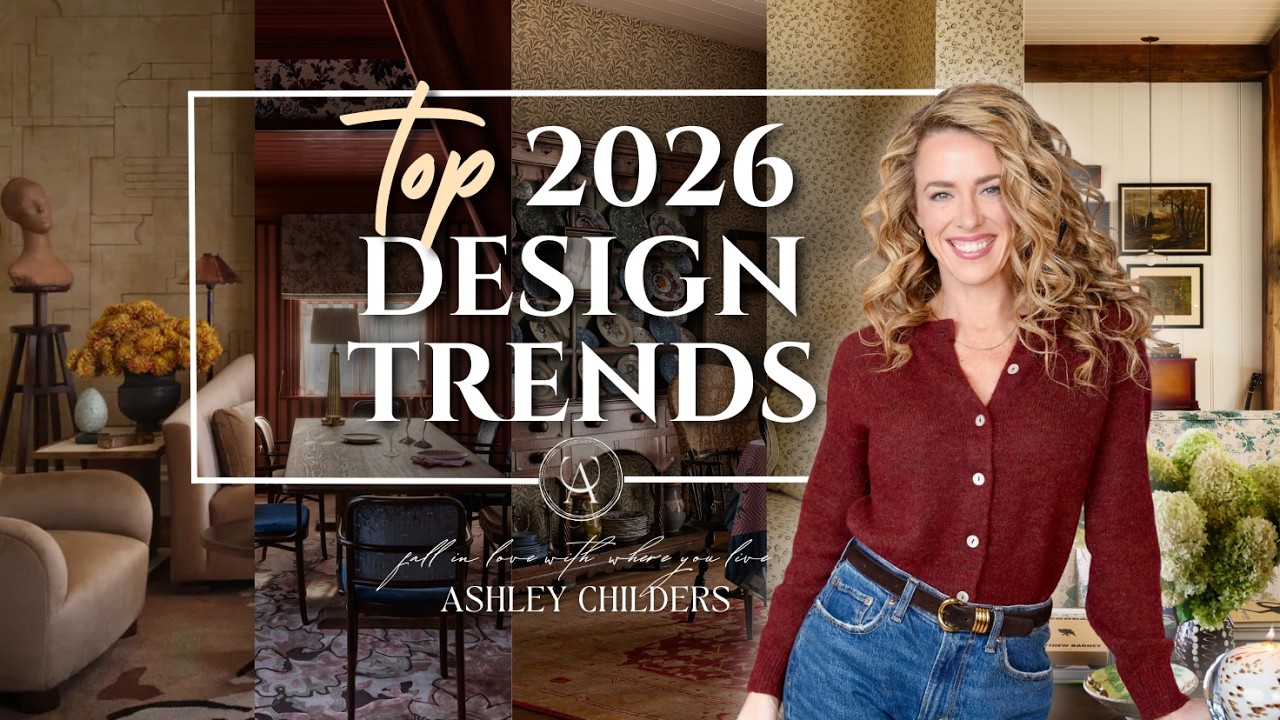
This breakdown from an interior design professional covers the 2026 design principles most relevant to hospitality specification decisions — directly applicable to how FF&E buyers, hotel designers, and developers should be approaching furniture and material selection for current and upcoming projects.
Modular and Multifunctional Furniture — Maximizing Space, Minimizing Costs
Why Modular Systems Are Becoming Standard in Luxury Hotel Specifications
Rising construction and land costs — particularly pronounced in gateway cities and resort markets — have created structural pressure to extract maximum utility from every square meter of hotel floor space. Modular furniture systems answer this directly: a single room configuration can serve a business traveler, a leisure couple, and a multi-generational family without a single structural change.
Modular furniture refers to pieces designed with standardized components that can be rearranged, added to, or reconfigured without tools or specialist labor. In hospitality, this means convertible daybeds that become twin configurations, nesting tables that expand for in-room dining, and sectional seating systems that adapt from social arrangement to workspace layout.
Source Bay’s hospitality design research confirms that flexible, multi-use space configurations correlate with 0.89% higher ADR and 1.42% higher RevPAR — meaning modular furniture is not just an operational convenience but a revenue-driving specification.
The Renovation Downtime Calculation
For hotel operators managing renovation programs in operating properties, modular furniture’s most compelling advantage is time. Pre-fabricated modular components can be installed in a guest room in hours. Traditional built-in or custom-fitted furniture requires days of skilled labor, adhesive cure times, and room downtime that directly removes rooms from inventory.
Smarter Furnishings’ hospitality renovation analysis documents that phased furniture swaps using modular systems allow properties to keep rooms in rotation and return them to sellable inventory faster than any other renovation approach. For a 200-room property operating at 75% occupancy, the revenue protection value of a two-week reduction in renovation downtime runs into six figures.
| Renovation Type | Typical Room Downtime | Revenue Impact (150-room property) |
|---|---|---|
| Full furniture replacement, traditional built-in | 5–10 days per room | $75,000–$150,000+ lost revenue |
| Modular panel and surface swap | 6–24 hours per room | $5,000–$20,000 lost revenue |
| Soft goods replacement only | 2–4 hours per room | $1,000–$5,000 lost revenue |
Examples: Luxury Modular Specifications That Work
Leading European hospitality furniture manufacturers are now producing modular systems that carry luxury-grade aesthetics: solid wood frame components with premium upholstery, seamlessly upholstered convertible daybed systems with visible metal legs in brushed bronze or gunmetal, and nesting side table collections in sintered stone and solid brass that reconfigure for in-room dining without visual compromise. The key specification criteria: reinforced joint systems rated for commercial load cycling, upholstery with a minimum 80,000 Martindale count (the industry standard for fabric durability in commercial settings), and finishes that show no visual discontinuity between joined sections.
For distributors supplying hotel renovation programs, modular collections offer a recurring revenue model: the initial project supplies the primary configuration; seasonal updates and reconfiguration packages supply follow-on orders without the client needing a new project budget.
Locally Inspired, Globally Crafted — Cultural Authenticity in Design
Why Generic Hotel Interiors Are Losing Market Share
When a business traveler walks into a hotel room that could exist in any city in any country — the same engineered wood case goods, the same beige upholstery, the same generic artwork — they experience comfort but not distinction. And in 2026’s booking environment, distinction is what drives social sharing, review differentiation, and loyal return.
Expedia Group’s research found 40% of travelers specifically review interior photos when evaluating a hotel, and 67% would pay more to stay at a property aligned with their preferred “vibe.” Cultural authenticity is not a nice-to-have. It is a revenue variable.
How to Source Authentic Pieces at Scale Without Losing Quality
The practical challenge for global distributors supplying multi-property hotel groups is obvious: how do you deliver cultural authenticity at scale without every piece becoming a bespoke art project with unpredictable lead times and quality variation?
The answer that leading procurement specialists use is a Core DNA + Regional Accent model:
Le core design DNA — the primary material palette, structural forms, upholstery colorways, and silhouette proportions — is specified consistently across properties. This is the brand’s visual language, and it travels globally.
Le regional accent layer — carved detail patterns referencing local craft traditions, locally sourced timber species, artisan-woven textiles using regional techniques, handmade ceramic hardware — is developed property by property in collaboration with local makers and regional artisan communities.
U-Interior Design’s analysis of cultural integration in hotel interiors confirms that collaborating with local artisans “brings authenticity to the space while supporting the community” — a narrative that resonates with the experiential travel segment that boutique and luxury hotels increasingly depend on.
For the distributors and agents making this work commercially, the key relationship to build is with manufacturers who have the capability to incorporate artisan-sourced components into otherwise scalable production runs. Meuble Fourmi de Jade works with distributors and design firms to develop custom collections that blend handcrafted accent elements — carved details, regional textile applications, bespoke hardware — with the production consistency required for multi-room hotel specification.
The Commercial Case for Cultural Specificity
Boutique and independent hotels using culturally expressive design are outperforming branded chain hotels on review platforms and social reach. DLR Group’s 2026 hospitality design analysis documents that properties designed around a distinct cultural identity generate more organic social media content than generic branded properties — a measurable marketing advantage at essentially zero additional cost.
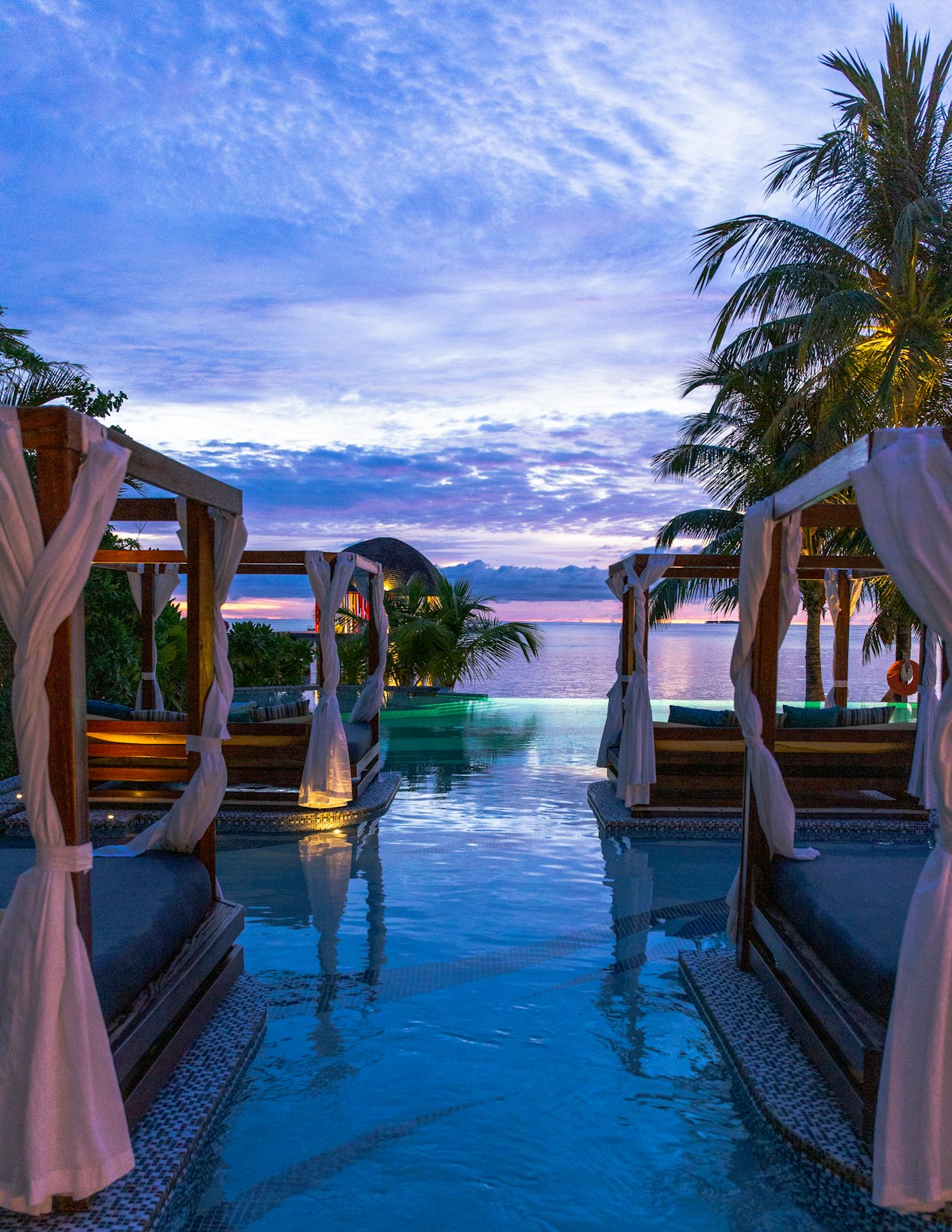
Smart Furniture with Integrated Technology
The IoT-Ready Hotel Room Is No Longer a Concept
IoT (Internet of Things) refers to physical devices embedded with sensors, software, and connectivity that allows them to collect and exchange data. In hotel furniture, IoT integration means pieces that communicate with hotel management systems, respond to guest inputs, and generate operational data — without external hardware visible to the guest.
Gartner research projected that by 2025, 70% of all customer interactions in the hospitality sector would involve IoT-enabled devices. The furniture specification implications of this are now fully present in high-end hotel briefs.
What Smart Integration Looks Like in Practice
The most commercially relevant smart furniture categories for hotel specifications in 2026:
Wireless charging surfaces are now standard in nightstands and desk surfaces in five-star properties. The specification requirement: Qi-certified charging surfaces (the universal wireless charging standard, compatible with all major smartphones), integrated discreetly within the furniture surface with no visible hardware. The guest experience: placing a phone on the nightstand surface charges it — no cable, no searching, no complaint to housekeeping.
Occupancy-sensing seating uses pressure sensors or infrared technology embedded in lounge and lobby seating to generate real-time occupancy data feeding into hotel management systems. This data optimizes housekeeping deployment, F&B service timing, and energy management without any guest-facing technology visible in the space.
Integrated ambient lighting control — headboards and case goods designed to house lighting elements that connect to the room’s control system — allows guests to manage ambient, task, and accent lighting from a single interface. More significantly, it allows the hotel’s PMS (Property Management System) to program check-in and check-out lighting scenes automatically, reducing energy consumption and creating a consistent arrival experience.
Privacy and Durability Considerations
Smart furniture in hotel environments carries specific durability and privacy requirements that differ from residential technology applications. Charging surfaces must withstand daily cleaning with commercial disinfectant without degradation. Embedded sensors must function through 10–15 years of commercial use without component replacement. And all data collected by IoT-enabled furniture must comply with local data privacy regulations — in the EU, this means GDPR compliance documentation from the manufacturer; in the US, state-level privacy frameworks apply.
For FF&E buyers and hotel developers, the specification requirement is to confirm API compatibility (the ability for two software systems to communicate) between smart furniture components and the property’s existing hotel management platform before any order is placed. Leading hospitality technology platforms now offer integration frameworks that accept input from certified smart furniture manufacturers — but this needs to be verified property by property.
Wellness-Centric Furniture — Supporting Guest Health and Recovery
The Revenue Case for Wellness-Optimized Rooms
Wellness is no longer a spa category. It is a room design standard that commands measurable price premiums. The wellness hotel market was valued at $84.6 billion in 2025, with wellness-focused properties commanding room rate premiums of $340–$780 per guest stay. Guests in the wellness travel segment have documented willingness to pay 20–30% above standard market rate for stays where the room environment actively supports their health and recovery goals.
The furniture specification is where this premium is built or lost.
What Wellness Furniture Specification Actually Means
After a five-star property installed ergonomic chairs with lumbar support and adjustable armrests across its business lounge, it reported a 15% increase in average guest dwell time and a 12% rise in positive online reviews — with guests specifically citing comfort as a reason for positive ratings. This is the measurement that turns wellness furniture from a philosophy into a budget line item.
Wellness furniture specification in 2026 covers four dimensions:
Ergonomic seating and sleeping systems. Desk chairs for work-travel guests need lumbar support, adjustable seat height (43–53cm range accommodates the broadest range of body types), and armrests that can be repositioned rather than fixed. Bed bases should allow for adjustable positions — zero-gravity configurations (feet slightly elevated above heart level, distributing spinal pressure) are moving from the wellness suite to the premium standard room specification in forward-thinking properties.
Circadian lighting integration. > Circadian rhythm refers to the 24-hour internal clock that regulates sleep, alertness, and hormone production in the human body. Lighting temperature significantly affects circadian rhythm — warm amber tones (2,700–3,000K) promote melatonin production and support sleep; cooler blue-white tones (5,000–6,500K) suppress melatonin and promote alertness. Furniture designed with integrated lighting systems allows headboards and bedside pieces to transition through these color temperatures automatically throughout the day — supporting sleep quality and reducing jet lag without any visible technology disruption to the room aesthetic. Equinox Hotels has made this a signature specification in their Sleep Experience Program.
Non-toxic finishes and certified materials. VOCs (Volatile Organic Compounds) — gases released from furniture finishes, adhesives, and foam — are documented by the US EPA at concentrations up to ten times higher indoors than outdoors. In a sealed hotel room, low-VOC or zero-VOC finishes are a measurable guest health benefit. GREENGUARD Gold certification is the practical specification requirement.
Recovery suite furniture. The emergence of “recovery rooms” in premium hotels — suites designed around sleep quality, breathwork, and physical restoration — creates demand for a specific furniture category: sound-absorbing upholstered panels that reduce ambient noise transmission, anti-fatigue flooring areas for stretching and breathwork, and cold plunge integration where wet areas are accessible from the sleeping zone.
Durability Meets Design — Commercial-Grade Aesthetics
The Cost-Per-Use Argument That Changes Every Procurement Conversation
The single most effective reframe for an FF&E buyer or hotel operator who is hesitant about premium furniture investment is a cost-per-use analysis. The calculation is straightforward, and the result is almost always the same: the premium piece is less expensive.
A hotel lobby chair specified at $800 with a commercial lifespan of 12 years costs $67 per year before maintenance. A chair at $300 with a commercial lifespan of 4 years — typical for residential-grade furniture in a commercial environment — costs $75 per year, plus the labor cost of replacement, the disruption to operations, and the visual inconsistency when replacement pieces fail to match the original specification exactly.
Understanding the Durability Specification Numbers
For FF&E buyers specifying upholstered furniture for hotel environments, the key metric is the double-rub count — the number of cycles a fabric withstands in the Wyzenbeek abrasion test before showing measurable wear. The thresholds that matter for hotel procurement:
| Environment | Minimum Double-Rub Count | Recommended |
|---|---|---|
| Hotel guest room (low traffic) | 30,000 | 40,000+ |
| Hotel lobby seating (standard) | 40,000 | 60,000+ |
| High-traffic public areas (lobby, F&B) | 100,000 | 150,000+ |
| Residential (as reference) | 15,000 | 25,000 |
Holly Dennis Interiors’ commercial specification guide states plainly: “Most hotels require a minimum of 35,000 double rubs for upholstered goods.” For high-traffic areas, 100,000+ is the correct specification — and the fabrics that achieve this count are not visual compromises. Performance velvets, solution-dyed acrylics, and high-twist chenilles at 100,000+ counts are among the most luxurious-feeling textiles in the market.
Scratch-Resistant Surfaces and Anti-Microbial Treatments
Case goods (wardrobes, desks, nightstands, drawer units) in hotel rooms require surface specifications matched to their actual use conditions: daily housekeeping cleaning with commercial disinfectants, occasional impact from luggage, and continuous UV exposure near windows. The surface specifications that meet these conditions without compromising luxury aesthetics:
Powder-coated metal frames (scratch resistance: 3H pencil hardness minimum), UV-stable lacquer finishes on wood (prevents yellowing and color drift over the 10–15 year design cycle), and sintered stone or tempered glass table surfaces for horizontal planes exposed to liquids.
For FF&E buyers, requesting material certification data — hardness ratings, chemical resistance test results, and UV stability data — from manufacturers as part of the specification process is standard practice at premium project levels, and should be non-negotiable for any property positioned in the upper midscale or above.
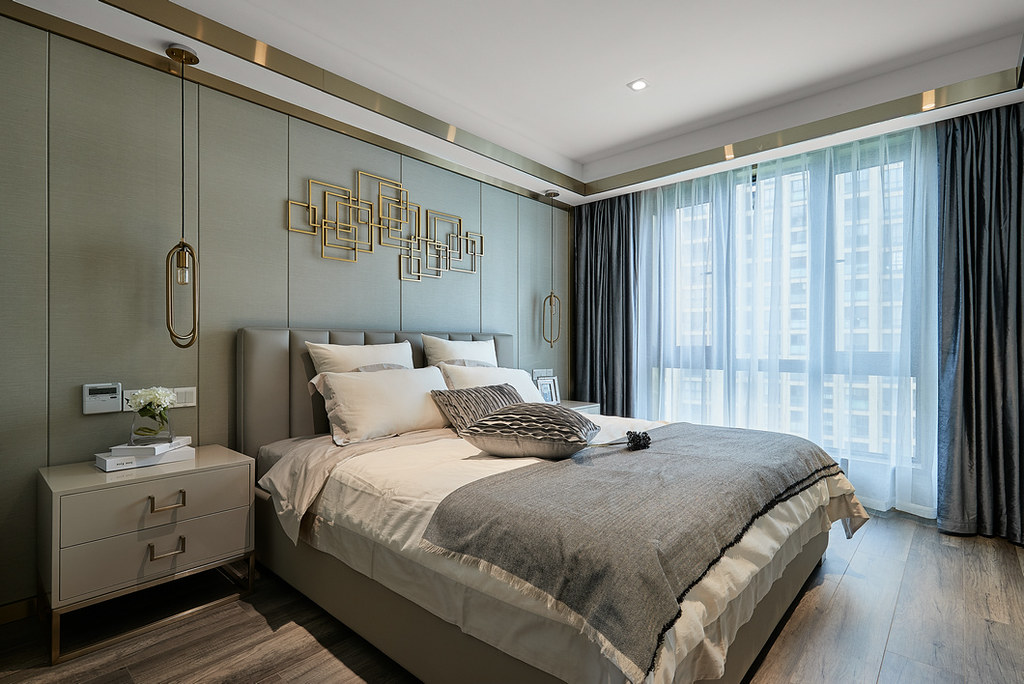
Customization and Private Label Opportunities for Distributors and Importers
Why Private Label Is the Most Commercially Significant Trend for Distributors
If you are distributing catalog furniture, you are competing on price. If you are distributing an exclusive private label collection, you are competing on access — and access commands margin that price competition structurally cannot.
McKinsey’s analysis of private label in distribution found that distributors who successfully grow private label penetration increase gross margins from 35% to over 40% — a 5-point structural improvement that compounds significantly at scale. Private label furniture collections, specified for specific market segments and manufactured through OEM/ODM partnerships, replicate this margin advantage in the furniture distribution channel.
OEM (Original Equipment Manufacturing) refers to a manufacturing arrangement where a factory produces furniture to the buyer’s exact design specifications, sold under the buyer’s brand. ODM (Original Design Manufacturing) is a partnership where the manufacturer develops the design — which the buyer then licenses, customizes, and brands. Both models give distributors and importers product exclusivity that catalog sourcing cannot provide.
What Customization Options Are Available in 2026
The practical scope of customization available through quality OEM/ODM partnerships in 2026 has expanded significantly:
Dimensional customization — seat depth, back height, arm height, and overall scale — allows pieces to be specified for the precise room dimensions of a hotel project without the visual compromise of catalog sizing.
Finish and material customization — exclusive colorways in upholstery, bespoke lacquer finishes in brand-specific colors, wood species and grain direction selection, and hardware specification in custom metal finishes — creates visual distinctiveness that is impossible to replicate through catalog purchasing.
Branding integration — embossed or woven brand logos in upholstery, custom-branded hardware, and bespoke care labels — extends the hotel brand identity into the furniture specification in ways that reinforce brand consistency across all guest touchpoints.
Case Study: How Private Label Transformed a European Distributor’s Margin
A mid-sized European furniture distributor supplying boutique hotel groups in Germany, Austria, and Switzerland was competing on catalog pricing against five comparable suppliers, consistently finding their margins compressed to 28–32% across their hotel range.
They worked with a Chinese OEM manufacturer — developing an exclusive collection of 22 upholstered and case goods pieces in a Bauhaus-influenced aesthetic with a specific walnut finish and boucle upholstery palette not available in the European market. Positioned as a named brand exclusive to their distribution network, the collection launched to three hotel group clients within 14 months of development.
Within two years, the private label collection represented 38% of their hotel revenue at an average gross margin of 47% — 15 percentage points above their catalog baseline. The collection also strengthened client retention: hotel groups specifying the exclusive line were not shopping alternative suppliers because the alternative suppliers did not carry the product.
Jade Ant furniture’s custom manufacturing capabilities support exactly this kind of OEM/ODM partnership — from initial concept development through production, finishing, and quality control documentation for the European, US, and Australian hospitality markets.
Trends in Customizable Finishes and Lead Time Optimization
For private label buyers and hotel FF&E procurement teams, the 2026 sourcing environment has improved significantly on lead times. Many premium manufacturers now operate modular customization platforms — standardized structural components that accept custom upholstery, finish, and hardware specifications — that reduce development-to-delivery timelines to 8–12 weeks for first orders and 6–8 weeks for repeat orders. This is a meaningful operational improvement for hotel opening timelines, which are notoriously unforgiving of supplier delays.
Future-Proofing Design — Adapting to Evolving Guest Expectations
The Three Guest Segments Reshaping Hotel Furniture Specification
Designing for the “average hotel guest” in 2026 is designing for nobody in particular. The three guest segments with the greatest commercial impact on hotel furniture specification decisions are distinct, and their needs diverge on nearly every dimension.
Hybrid work travelers — professionals who extend business trips with leisure days, or who conduct substantive remote work from hotel rooms — require a desk specification that functions as a genuine workstation rather than a decorative surface. Ergonomic chair height (43–53cm seat range), a desk depth of at least 60cm for dual-screen setup, integrated cable management, and strong ambient task lighting are the functional requirements. The aesthetic requirement: this workspace must not make the room feel like an office. The successful specification integrates workstation function into a furniture piece that reads as residential quality.
Multi-generational travel groups — Hilton’s 2026 trends report identified multi-generational stays as a leading booking category — require rooms and suites with furniture that functions for occupants ranging from age 8 to 78. HRCG’s analysis of multi-generational hotel design identifies adjustable furniture heights, varied seating heights (some guests prefer high seating, some need lower entry heights), and clear pathways with no tight furniture clusters as the critical accommodation factors.
Pet-traveling guests — another category from Hilton’s 2026 trends report — require furniture finished with genuinely pet-resistant materials in designated zones. Vinyl-clad or marine-grade upholstery in a pet-zone seating area, stain-resistant flooring transitions, and furniture that elevates surfaces above direct pet contact (raised-leg designs rather than low-slung platform styles) are the practical responses.
Strategic Forecasting: Watching for 2027–2028 Signals Now
The furniture specifications locked into hotel development projects in 2026 will be living in those rooms in 2028 and beyond. The signals worth building into specifications now:
AI-personalized room configurations will become standard in the premium segment within 24 months. Furniture specified today should be compatible with flexible spatial reconfiguration — avoiding permanently fixed arrangements that cannot adapt as room layout expectations evolve.
Sound-absorbing architecture at the furniture level — upholstered panels, acoustic-grade fabric headboards, and soft material partitions — addresses the growing demand from both hybrid workers and light-sleeping wellness travelers for reduced noise transmission. This is a specification dimension where aesthetic and performance requirements converge: an upholstered wall panel that absorbs 0.4 NRC (40% of sound energy) is both functional and visually rich.
Pet-friendly luxury as a design category is accelerating. High-end pet-friendly properties are no longer accepting damaged or compromised aesthetics as the trade-off for pet access — they are specifying hotel-grade performance materials that hold up to pet traffic while maintaining the visual standard guests photograph and share.

The Furniture Decision That Defines Your 2026 Project
Every point of this guide leads to the same conclusion: furniture specification in 2026 is a strategic decision with measurable revenue consequences, not a finishing-stage aesthetic preference.
The data that should anchor every procurement and specification conversation:
- A 1-point improvement in hotel review scores → 0.89% higher ADR, 1.42% higher RevPAR
- Wellness-optimized rooms command 20–30% rate premiums
- Biophilic interiors reduce guest stress by up to 30%, extending dwell time and spend
- Private label furniture collections achieve 35–47% gross margins versus 28–32% for catalog lines
- Modular renovation systems reduce room downtime from 5–10 days to 6–24 hours
- 58%+ of new hotel furniture orders prioritize certified eco-friendly materials
The professionals who capture the most value from the 2026 hospitality furniture market are not the ones with the largest budgets. They are the ones with the clearest sourcing strategy, the deepest supplier relationships, and the ability to translate design intelligence into specification decisions that their clients can defend commercially.
Whether you are an FF&E buyer sourcing a 300-room hotel project, a distributor building a private label collection for the European market, or an interior designer specifying furniture for a boutique resort development, the manufacturing partnership you choose determines everything downstream.
Connect with the Jade Ant furniture team to discuss how our custom and luxury manufacturing capabilities support hotel FF&E projects, OEM/ODM private label development, and commercial-grade furniture specification for hospitality, villa, and high-end residential applications.
Explore our bedroom furniture collection et living room furniture range to see how our pieces support the trends documented in this guide. For a detailed review of upholstered furniture manufacturers relevant to hospitality specification, read our 2026 upholstered furniture manufacturer review.
Key external resources referenced in this guide: Grand View Research hotel FF&E market data | Cornell hospitality design and ADR research | USGBC LEED lodging certification data | Hotel fire safety compliance guide — CAL 117, BS 5852, EN 1021 | FF&E procurement comprehensive guide
Glossary of Key Terms
FF&E (Furniture, Fixtures, and Equipment) — The industry term for all movable, non-permanent items in a hotel project: furniture, decorative lighting, artwork, appliances, and equipment. FF&E is specified and procured separately from the building’s structural and architectural elements.
ADR (Average Daily Rate) — A core hotel performance metric: total room revenue divided by the number of rooms sold. A primary measure of a hotel’s pricing power.
RevPAR (Revenue Per Available Room) — ADR multiplied by occupancy rate. Considered the most comprehensive single metric for hotel revenue performance.
Biophilic Design — The practice of incorporating natural elements, materials, and spatial principles into built environments to foster an instinctive human connection to nature.
IOT (Internet of Things) — Physical devices embedded with sensors and connectivity to collect and exchange data. In hotel furniture: wireless charging surfaces, occupancy sensors, and integrated lighting controls.
Martindale Count / Double-Rub Count — The two major standards for measuring upholstery fabric durability. Martindale (EU standard) measures circular abrasion cycles; Wyzenbeek (US standard) measures double-rub cycles. Both indicate how many cycles a fabric withstands before showing measurable wear.
OEM (Original Equipment Manufacturing) — A manufacturing arrangement where a factory produces furniture to the buyer’s exact design specifications, under the buyer’s brand.
ODM (Original Design Manufacturing) — A partnership where the manufacturer develops the design, which the buyer licenses, customizes, and markets under their own brand.
Circadian Rhythm — The 24-hour internal biological clock regulating sleep, alertness, and hormone production. Lighting temperature directly affects circadian rhythm — warm tones (2,700–3,000K) promote sleep; cool tones (5,000–6,500K) promote alertness.
VOC (Volatile Organic Compound) — Gases emitted from furniture finishes, adhesives, and foam. Indoor VOC concentrations can be up to 10× higher than outdoor levels, making low-VOC specifications a measurable guest health benefit.
ESG (Environmental, Social, and Governance) — A framework for evaluating corporate responsibility. In hotel procurement, ESG requirements translate to documented sustainable sourcing, fair labor certification, and measurable environmental impact reduction.
CAL 117 / BS 5852 / EN 1021 — Regional fire safety standards for upholstered furniture. CAL 117 applies in the USA (California standard widely adopted nationally); BS 5852 applies in the UK; EN 1021 applies in the EU. All require compliance documentation from manufacturers.
Frequently Asked Questions
1. How can sustainable furniture still meet luxury design standards?
Modern certified materials have closed the gap between sustainability and tactile luxury entirely. FSC-certified solid walnut is indistinguishable from conventionally sourced walnut in grain character, finish depth, and durability — the certification documents the origin, not the material quality. OEKO-TEX certified performance velvets and Tencel-based upholstery fabrics achieve the same tactile richness as conventional alternatives while meeting independent chemical emission standards. The short answer: the best sustainable furniture is specified not because it is “good enough despite being eco-friendly” but because it is the best specification for performance, longevity, and client perception — the sustainability credentials are an additional advantage, not a concession.
2. What certifications should I look for when sourcing sustainable hotel furniture?
Prioritize FSC (Forest Stewardship Council) for any wood content — it is the most globally recognized and the most frequently required by sophisticated hospitality procurement teams. GREENGUARD Gold is critical for commercial spaces pursuing LEED certification or where indoor air quality is a documented guest wellness commitment. Cradle to Cradle certification is the appropriate credential for flagship sustainability positioning. OEKO-TEX Standard 100 applies to all textile and upholstery components. For manufacturer-level due diligence, ISO 14001 confirms a systematic environmental management system. Always request certificate numbers and verify them in the certification body’s public database — a certificate that cannot be verified is not a certificate.
3. Are modular furniture systems durable enough for high-end hotel applications?
Yes — when specified correctly. Top-tier modular hotel furniture systems use reinforced mortise-and-tenon or interlocking steel bracket joint systems rated for commercial cycling loads, upholstery with minimum 80,000 Martindale count, and surface finishes tested for commercial cleaning chemical resistance. The design challenge is ensuring that modular joints are invisible in the final installation — a criterion that quality manufacturers achieve through precision tolerance manufacturing and seamless upholstery application over joined sections. Request commercial load-cycle certification data and completed installation photographs from reference hotel projects before specifying any modular system for a luxury application.
4. How do I balance local cultural design with brand consistency across multiple properties?
The Core DNA + Regional Accent model is the standard approach among multi-property hotel groups. The core design DNA — primary material palette (specific wood tones, metal finishes, upholstery colorways), structural furniture proportions, and silhouette vocabulary — travels consistently across all properties and maintains brand recognition. The regional accent layer — locally referencing carved details, regionally sourced timber species, artisan-woven textiles using local techniques — is developed property by property. This model requires a manufacturer who can maintain production consistency on core pieces while accommodating design variation in accent components — which is precisely the specification capability that a quality custom manufacturer provides.
5. Can smart furniture integrate with existing hotel technology platforms?
Leading hospitality smart furniture manufacturers now develop API-compatible (Application Programming Interface — a technical bridge allowing two software systems to communicate) components designed to connect with standard PMS (Property Management Systems) including Opera, Mews, and Apaleo. Before specifying any smart furniture component, confirm with the manufacturer that their hardware and software protocols are compatible with your property’s existing technology infrastructure. Request a technical integration specification document — not just a marketing claim — and involve your hotel’s IT and systems team in the specification review before purchase.
6. What are the ROI benefits of investing in higher-end, durable hotel furniture?
The ROI argument operates on four compounding levels. First, direct replacement cost reduction: a $1,200 commercial-grade chair lasting 12 years costs $100 per year versus $75 per year for a $300 chair lasting 4 years — but the replacement labor, logistics, and room downtime cost of three replacement cycles eliminates any upfront savings. Second, maintenance cost reduction: high-performance finishes and commercial-grade upholstery require significantly less remedial maintenance than residential-grade alternatives in commercial use. Third, guest satisfaction improvement: durable furniture maintains visual quality through the design cycle, contributing to the consistent review scores that drive ADR and occupancy. Fourth, design relevance: investment-grade furniture with classic proportions and quality materials retains design relevance for 10–15 years; low-quality pieces look dated within 3–5 years of installation.
7. How can villa owners source hotel-grade furniture without sacrificing residential comfort?
The specification category that bridges these requirements is what the industry calls “residential luxury with commercial construction” — pieces engineered to commercial structural standards (solid hardwood frames with mortise-and-tenon joinery, eight-way hand-tied spring systems, commercial-grade upholstery) but designed with residential aesthetic sensibility (softer silhouettes, residential-scale proportions, a wider range of finish options). The FF&E collections developed for boutique hotels and luxury residential projects serve exactly this market. The practical approach for villa owners is to source from hospitality furniture manufacturers who develop residential collections — rather than trying to adapt residential furniture for high-use villa environments where it will underperform.
8. What are the latest trends in wellness-focused sleeping and seating furniture?
Circadian lighting-integrated headboards — where the headboard housing includes dimmable, color-temperature-adjustable lighting that transitions from energizing blue-white tones in the morning to sleep-supporting amber tones in the evening — are the most commercially significant wellness furniture development in 2026. Zero-gravity bed bases (which position the body with feet slightly elevated above heart level, reducing spinal pressure) are migrating from wellness suite specifications to premium standard room applications. Ergonomic seating with lumbar support, adjustable seat height (43–53cm range), and breathable natural fiber upholstery is becoming the specification standard for business-travel-focused properties. For recovery suites: pressure-relief mattress bases, sound-absorbing upholstered wall panels, and blackout-integrated window furnishings paired with circadian lighting systems.
9. How can private label furniture brands stay competitive in 2026?
Private label competitiveness in 2026 depends on three factors: exclusivity (the product is unavailable through other distribution channels), sustainability storytelling (the collection carries documentable certifications and a traceable supply chain that supports client ESG requirements), and customization capability (the manufacturer partner can adapt dimensions, finishes, and components to serve specific project briefs without extended lead times). The private label brands that lose competitive ground are those that develop a single collection and fail to evolve it. The brands that grow are those with a manufacturer relationship that enables seasonal updates, limited edition introductions, and project-specific customization within a consistent design language.
10. What role does biophilic design play in guest retention and satisfaction?
The research base is consistent across studies: biophilic hotel environments reduce guest stress, extend dwell time, and improve perceived value — all of which translate to measurable financial outcomes. MDPI research on biophilic hotel design quality found that high-quality biophilic elements significantly improve guest well-being, perceived value, and return intention. Properties with mature biophilic specifications — natural material interiors, organic silhouette furniture, indoor planting as a structural design element — consistently generate social media content that functions as organic marketing, extending the commercial value of the design investment beyond the guest experience itself.
11. Are there fire and safety standards I need to meet for hotel furniture in different regions?
Yes — these are non-negotiable compliance requirements, and non-compliance exposes both the hotel operator and the specifying designer to liability. In the USA, California TB 117-2013 (smoldering resistance) applies nationally; California TB 133 (open-flame test) is required for commercial applications in most US states. In the UK, BS 5852:2006 evaluates upholstered furniture against eight escalating ignition sources — significantly more stringent than the US standard. In the EU, EN 1021-1 and EN 1021-2 cover cigarette and match ignition respectively. For projects in multiple markets, specify to the most stringent applicable standard. Always request compliance certificates — not just verbal confirmation — from your manufacturer before finalizing any hotel furniture order.
12. How can modular furniture reduce renovation downtime in operating hotels?
Pre-fabricated modular components eliminate the on-site assembly, adhesive cure times, and custom fitting work that make traditional furniture renovation so time-intensive. A modular headboard, side table, and desk system can be installed in a guest room in 4–6 hours by two workers — compared to 2–5 days for traditional custom-built-in furniture. For a 150-room property undergoing a rolling renovation program, the revenue difference between 4-hour and 5-day room downtime per room exceeds $500,000 in recovered room revenue over the course of the renovation program. Modular systems also allow phased delivery — rooms can be updated in rotation without requiring the entire FF&E scope to arrive simultaneously, which reduces storage requirements and logistics complexity.
13. What is the best way to source culturally authentic furniture at scale?
Partner with manufacturers who have established relationships with regional artisan communities and the production capability to incorporate handcrafted elements into scalable manufacturing runs. Authentic cultural detail — a carved motif referencing local craft traditions, a hand-applied indigo resist print on upholstery, a handwoven textile panel in a door front — can be produced at commercial scale when the manufacturing process is designed to accommodate these elements from the beginning rather than attempting to retrofit them. The critical selection criterion for your manufacturing partner: ask to see reference projects where cultural accent elements were successfully incorporated into multi-room hotel specifications — not just residential one-offs.
14. How do I future-proof my furniture selections for changing guest demographics?
Specify for flexibility rather than a specific guest profile. Furniture with adjustable elements (seat height, back angle, table height) serves the broadest range of occupants. Modular configurations that can be rearranged without tools accommodate the shift from solo business travel to multi-generational family groups without replacing the furniture. Technology-ready pieces — nightstands with wireless charging surfaces, desk surfaces with cable management, headboards that can accommodate lighting integration — will accommodate smart technology upgrades without piece replacement. And finishes that age with character rather than showing wear — full-grain leather, solid wood with quality oil finishes, natural fiber upholstery — maintain visual relevance as style cycles evolve.
15. Can high-end distributors offer customization without long lead times?
Yes — with the right manufacturer partnership. The model that achieves this is modular customization: standardized structural components (frames, cushion systems, hardware) that accept a wide range of custom upholstery, finish, and detailing options without requiring unique tooling for each variation. Manufacturers operating this model can deliver first-order custom furniture in 8–12 weeks and repeat orders in 6–8 weeks — timelines that align with hotel project schedules when procurement planning begins in the design phase rather than after construction completion. The lead time risk in custom furniture procurement is almost always a planning issue, not a manufacturing issue: distributors and developers who engage their manufacturing partners at the design development stage rather than the construction completion stage consistently hit delivery targets.
This guide is produced by the editorial team at Meuble Fourmi de Jade — a China-based custom and luxury furniture manufacturer supplying hotel developers, FF&E buyers, distributors, and design firms globally. For project inquiries, custom specification development, and private label partnership discussions, contact our team directly.
External resources referenced: Grand View Research hotel FF&E market | USGBC LEED hospitality certification | Hotel fire safety standards — CAL 117, BS 5852, EN 1021 | FF&E procurement guide for hotel developers | McKinsey private label in distribution