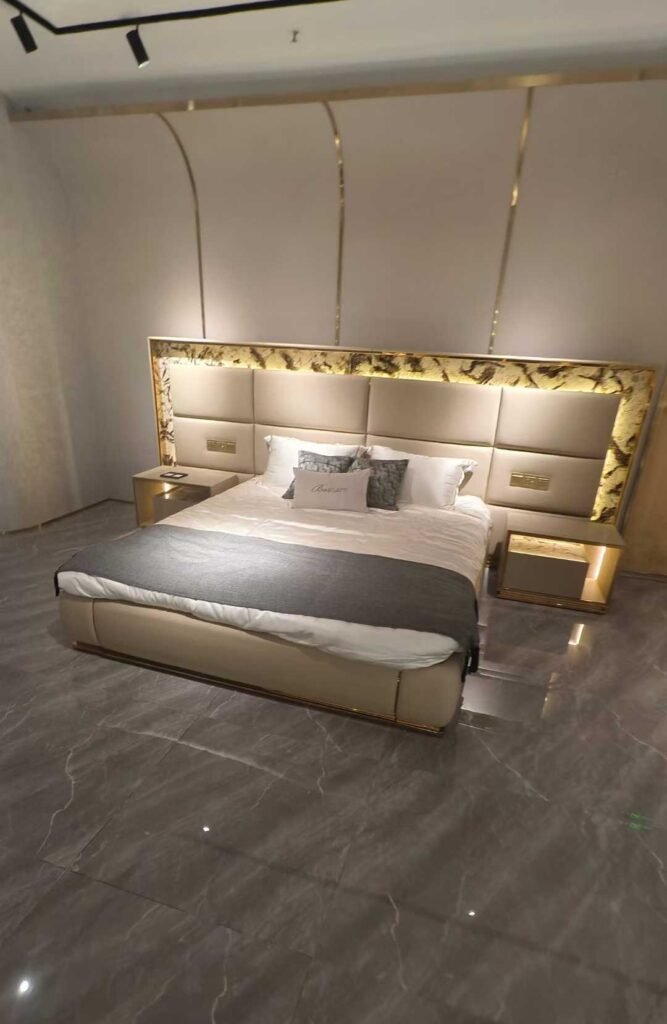
Turn Your Inventory Into Sales With Strategic Content That Speaks Directly to Interior Designers, Hotel Fit-Out Teams, and Showroom Buyers
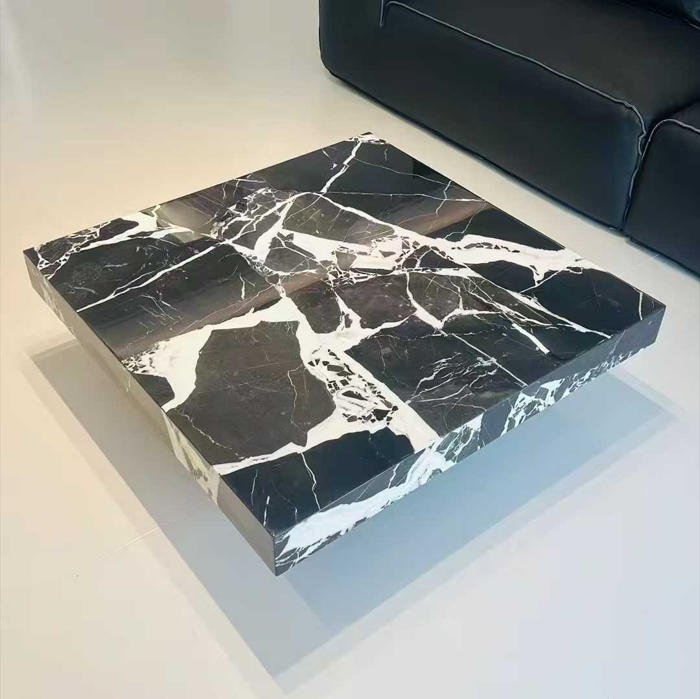
Your custom-made coffee tables are beautiful. Your craftsmanship is exceptional. But if your B2B buyers — interior designers, hotel fit-out specialists, and showroom managers — can’t find you, don’t understand what makes you different, or can’t justify choosing you over the supplier who showed up in their inbox last week, you won’t move inventory or build the long-term partnerships your business depends on.
This is the reality for most furniture distributors: the product is strong, but the content telling that product’s story is either missing, generic, or aimed at the wrong audience entirely.
According to the Content Marketing Institute’s 2025 data, B2B content marketing returns an average of $7.65 for every $1 invested — but only when it’s built for a specific audience with specific pain points. And 80% of B2B buyers actively read case studies during their research phase, according to GrowLeads B2B research. The buyers looking for their next custom coffee table supplier are already doing their research. The question is whether your content is part of that research — or absent from it entirely.
This playbook solves that problem. Every strategy in it is built for furniture distributors selling to design professionals, not to general consumers. Every section connects content directly to commercial outcomes: more qualified enquiries, stronger designer relationships, higher conversion rates, and repeat orders from clients who trust you with their most important projects.
1. Build a Visual Content Strategy That Works for B2B Buyers
Understanding What B2B Buyers Actually Want to See
When an interior designer opens Instagram or visits a supplier’s website during a project specification phase, they are not browsing for inspiration in the way a consumer might. They are making professional evaluations. Their mental checklist is specific: What are the exact dimensions? What materials are available, and can I confirm their durability for the use context? How will this piece photograph in a completed project? Can this be customised to match my client’s brief?
Generic studio photography — a table isolated on a white background under flat lighting — answers none of those questions. It is the visual equivalent of a spec sheet with all the data redacted. Your visual content strategy starts by understanding exactly what information your B2B buyers are trying to extract from every image they see.
A hotel fit-out designer evaluating a coffee table for a 150-room property needs to see the piece at scale in a hospitality context. A showroom manager needs to see how it photographs in a styled vignette. An interior designer working on a penthouse project needs close-ups of the finish, the joinery detail, the material edge profile. One image serves none of these buyers adequately. A deliberate visual content system serves all of them.
Why Generic Product Photos Lose You Deals
Here is a concrete scenario. A hotel procurement specialist is comparing three coffee table suppliers for a lounge renovation. All three have similar price points and comparable lead times. Two of them show the same flat studio photography they’ve been using since 2019. The third shows the table in a styled hotel lounge setting, includes a close-up of the brushed brass leg detail, shows a swatch of three available stone top finishes side-by-side, and includes a brief video of the customisation process.
The third supplier gets shortlisted. Not because their table is necessarily better — the procurement specialist doesn’t yet know enough to make that evaluation. But because their visual content communicates professional quality, project experience, and customisation capability in a way the other two do not.
This is the commercial function of visual content: it pre-builds confidence before a single conversation occurs.
Creating a Shot List That Converts
A conversion-focused shot list for custom coffee tables should systematically cover seven visual categories:
| Shot Category | What to Capture | Who It Converts |
|---|---|---|
| Context/Lifestyle | Table in a completed, styled room (hotel, residential, commercial) | Hotel designers, interior designers |
| Detail/Craft | Close-up of joinery, finish texture, edge profile, hardware | Designers evaluating quality |
| Material Options | Side-by-side swatches of 3–5 available finishes or stone options | All buyer types comparing customisation |
| Scale Reference | Table alongside known reference pieces (sofa, armchair) with person | Showroom managers, specifiers |
| Customisation Range | A grid showing 4–6 different configuration options | Designers presenting to clients |
| Process/Workshop | Artisan at work, material selection, quality check | All buyers building trust |
| Packaging/Delivery | Professional packaging condition on arrival | Distributors and procurement teams |
Table 1: Custom Coffee Table Shot List by Conversion Function — build this library systematically, not opportunistically.
Map this shot list against your current image library. Every gap is a category of buyer question your content is currently failing to answer.
2. Develop Case Studies That Prove Your Tables Solve Real Problems

How Interior Designers and Showroom Buyers Make Decisions
The statistic matters here: 80% of B2B buyers read case studies during their research phase, and 78% specifically say they value content that includes real-world examples from businesses similar to their own, according to marketing for manufacturing research. A case study is not a testimonial — it is a structured demonstration of competence applied to a specific, recognisable challenge.
When a hotel fit-out designer reads a case study showing how your custom tables were specified for a boutique hotel’s 85-suite refurbishment — including the material specification process, the timeline, the customisation details, and the outcome — they are not just reading about another project. They are mentally rehearsing their own project with you as the supplier. That mental rehearsal is the most powerful pre-sale conversion mechanism that exists in B2B.
Identifying Your Best Success Stories
Not every completed project makes a strong case study. The projects worth documenting share several characteristics: they involve a clearly identifiable design challenge (tight space, unusual finish requirement, durability specification, compressed timeline), they demonstrate your specific capability advantage, and they produce a visible, photographable result.
For custom coffee tables specifically, the strongest case studies typically come from: luxury hospitality fit-outs where durability and brand alignment were simultaneous requirements; residential projects where unusual dimensions or materials required genuine custom manufacturing capability; and commercial interiors where a standard catalogue piece would have failed to meet specification but your custom solution worked perfectly.
Structuring Case Studies for Maximum Impact
B2B buyers skim before they read. Your case study structure must deliver its core message in the first three lines. The structure that consistently performs best with interior designers and procurement professionals follows this sequence:
El challenge section establishes the problem in one paragraph: the design brief, the constraint, the specific requirement that made off-the-shelf pieces unsuitable. The solution section describes the custom specification process — materials selected, dimensions, finishes, timeline — with enough specificity to demonstrate genuine manufacturing capability. The outcome section shows the result: completed project photography, a client comment that addresses the specific concern most buyers share, and any measurable outcome (guest feedback, design award recognition, reorder). Keep the whole document to one page if it’s print-formatted, or one readable scroll if it’s web-based.
Landing pages featuring customer case studies generate up to 34% higher conversion rates than pages without them, according to marketing conversion research. That is not a marginal improvement — it is a commercially material difference that compounds across every qualified prospect who visits your website.
3. Create Behind-the-Scenes Content That Builds Trust
Why B2B Buyers Trust Transparency
Showroom managers, interior designers, and hotel procurement specialists all carry the same underlying anxiety when working with a new supplier: will this order deliver what was promised, at the quality level my client and my own reputation depends on? No sales presentation resolves that anxiety. Only evidence does.
Behind-the-scenes content is evidence. It is the visual confirmation that your manufacturing process, your quality control standards, and the people producing your tables match the quality your product photography implies. In an industry where buyers frequently cannot visit manufacturers in person before placing significant orders, this content is the closest available substitute for a factory inspection.
Showcasing Your Craftsmanship Process
Film in four specific locations: the raw material selection stage (showing how timber is graded, how stone slabs are evaluated, how veneers are matched), the fabrication process (joinery work, finishing application, detail work that demonstrates skill), the quality control check before packing (close-up confirmation of surface quality, hardware security, dimensional accuracy), and the packaging stage (the care taken in protective wrapping and packaging design). Each of these four segments answers a different buyer concern.
For Jade Ant furniture’s custom coffee table clients, this transparency is particularly valuable because the manufacturing process — from custom material specification through to final QC — is exactly what differentiates a custom manufacturer from a catalogue supplier. Making that process visible to B2B buyers converts an intangible quality claim into a documented, verifiable reality.
Documenting Material Selection and Quality Control
Material provenance is an increasingly important purchasing criterion across hospitality, luxury residential, and commercial specification projects. A buyer selecting a stone-top coffee table for a luxury hotel needs to know the stone is consistently sourced, consistently finished, and consistently quality-checked. Content that documents your stone slab selection process — how slabs are inspected for veining consistency, how thickness tolerances are maintained, how edge profiles are executed — answers that buyer’s concern without them needing to ask.
Create a short-form video series (2–3 minutes each) covering: “How We Select Timber for Custom Coffee Tables,” “Our Stone Top Quality Check Process,” and “From Workshop to Delivery: A Custom Table’s Journey.” These three videos cost one day of filming and generate months of content value across your website, LinkedIn, and email channels.
4. Leverage Video Content to Showcase Customisation Options
Why Video Converts B2B Buyers Better Than Static Images
The data on video in B2B is unambiguous. Companies using video experience 49% faster revenue growth, and video content on landing pages improves conversion rates by up to 86%, according to B2B video performance research. For a product category as inherently visual and tactile as custom furniture, video bridges the gap between static imagery and the in-person showroom experience that remains the gold standard but is not always practical.
A 60-second video showing your custom coffee table in three different finish configurations — natural oak, smoked oak, and lacquered white — against three different room backgrounds communicates more decisively than ten separate product pages. It shows the buyer how the piece transforms with material selection. It demonstrates your customisation range. And it does both in a format that holds attention and is easy to share with a client for approval.
Product Demonstration Videos for Design Professionals
The most commercially effective product videos for B2B furniture are not cinematic brand pieces — they are specific, functional demonstrations that answer the questions buyers are actively forming. Create a focused video series covering:
Finish Comparison Videos: Show three to five available surface finishes side-by-side in consistent lighting, with close-up footage of texture and reflection quality. These are the most-shared videos among design professionals because they serve a direct client presentation function.
Dimension and Scale Videos: Film the table in a standardised room context, with dimension callouts overlaid, and show how the same design adapts across small, medium, and large format specifications. This directly addresses the “will it work in my space?” question that designers form before every specification decision.
Base and Leg Configuration Videos: For custom coffee tables with interchangeable base options — turned timber legs, geometric steel frames, solid brass bases — a comparison video showing how each base transforms the piece’s character is a powerful customisation selling tool.
Virtual Showroom Tours and 360-Degree Table Views
For B2B buyers who cannot travel to your showroom — international designers, procurement specialists at the early research phase, hotel groups running multi-property specification processes — virtual showroom content removes a significant consideration barrier. A 3–5 minute walkthrough of your showroom, with narrated highlights of your custom coffee table range, finishing capability, and material library, gives remote buyers the contextual reference that photographs alone cannot provide.
Client Testimonial Videos From Interior Designers
A 60–90 second video testimonial from an interior designer talking about one specific project challenge and how your custom tables solved it is worth more than any promotional video you can produce yourself. The specificity of a peer’s experience — “I needed a 140cm round table in a specific rosewood veneer that matched the client’s existing millwork, and they delivered exactly that in seven weeks” — converts other designers with the same type of requirement. Ask three of your best clients for this. Most will say yes when you offer to feature their project prominently on your website and social channels in return.
Watch: How to Showcase Furniture Products With Effective Content Marketing

▶ Watch: Furniture Content Marketing Strategy — How to Showcase Products to B2B Design Professionals (YouTube)
5. Master LinkedIn Strategy Specifically for B2B Furniture Distribution
Positioning Yourself as the Distributor Other Professionals Recommend
LinkedIn is where B2B furniture buyers spend their professional attention. Interior designers use it to research suppliers and follow industry developments. Hotel procurement specialists use it to vet new vendors and monitor industry trends. Showroom managers use it to track what their peers are doing and identify emerging product categories. If your LinkedIn presence consists of occasional product posts and company announcements, you are invisible to all of them during the phase when their opinions about suppliers are being formed.
The B2B LinkedIn strategy that generates qualified enquiries for furniture distributors is not volume-based — it is authority-based. According to LinkedIn’s own 2024 B2B benchmark research, B2B buyers are 5× more likely to engage with a brand whose content addresses their specific professional challenges than one posting general product updates. The average LinkedIn engagement rate across industries sits at approximately 3.4%, with strong B2B content performers reaching 5–7%, according to Hootsuite’s engagement benchmarks.
Building Authority Through Industry Insights
The LinkedIn content that consistently outperforms product posts for B2B furniture distributors falls into three categories. The first is trend analysis: a post examining how biophilic design trends are changing coffee table material specifications in hotel lobbies, for example, provides genuine professional value to designers working on current projects. The second is practical knowledge sharing: “The three questions I ask every designer before specifying a custom coffee table size” is a post that positions you as a knowledgeable partner rather than a product vendor. The third is behind-the-scenes transparency: a short video of your quality control process generates the trust that a hundred promotional posts cannot.
Post consistently — two to three times per week — but prioritise depth over frequency. A single well-researched post that addresses a real design professional pain point will generate more qualified enquiries than daily product updates.
Engaging With Your Target Audience’s Content
Follow the interior designers, hospitality design directors, and showroom managers who are active on LinkedIn in your target markets. When they share project work or design insights, engage with genuine, specific comments that demonstrate professional knowledge. Not “Great work!” — but “The proportion of that coffee table relative to the sectional’s depth is exactly right — curious whether the base material was chosen before or after the sofa was specified?” This type of engagement positions you as a peer and a professional, not a vendor in pursuit of a transaction.
Using LinkedIn Articles to Showcase Expertise
Long-form LinkedIn articles reach a distinct audience from short posts — they are read by professionals actively seeking in-depth knowledge on specific topics. Publish quarterly articles targeting your specific buyer segments: “How to Specify Custom Coffee Tables for Luxury Hotel Lobbies” (targeting hospitality designers), “Maximising Margin on Custom Furniture Orders for Residential Design Firms” (targeting interior designers), and “What Showroom Managers Should Know About Custom Coffee Table Lead Times in 2025” (targeting showroom buyers). Each article builds searchable, shareable authority on a topic your buyers are actively researching.
6. Create Educational Content That Positions You as an Expert

Why Interior Designers and Showroom Buyers Buy From Educators
The most durable B2B relationships in the furniture industry are not built on price — they are built on professional utility. When a furniture distributor consistently provides interior designers with useful, accurate, timely information — about material performance, specification best practices, emerging design trends, or how to navigate customisation complexity with clients — they become indispensable. The designers they educate do not shop elsewhere, because shopping elsewhere means losing access to that ongoing professional resource.
This is the commercial logic behind educational content: it converts a transactional supplier relationship into a professional advisory relationship. And advisory relationships are structurally more loyal, more profitable, and more referral-generating than transactional ones.
Design Guides Tailored to Your Target Segments
Create separate, segment-specific design guides for each of your primary buyer types. For interior designers: “Selecting Custom Coffee Tables for Commercial Spaces — A Designer’s Specification Guide” covering dimensions by room type, material durability by application context, lead time planning, and customisation scope. For hotel fit-out teams: “Durability and Maintenance Standards for Hospitality Coffee Tables” covering abrasion resistance specifications, surface treatment durability, cleaning protocol compatibility, and replacement cycle expectations.
These guides should be genuinely useful — specific enough that a designer could use them in a client presentation or a procurement specialist could use them in a supplier brief. Generic guides that restate obvious information generate no trust. Specific, accurate guides that answer real professional questions generate the kind of trust that produces long-term supplier relationships.
Specification Sheets and Technical Documentation
Every custom coffee table in your range should have a professionally formatted, downloadable specification sheet. Not a product page screenshot — a document that a designer can share with their client or a procurement manager can attach to a specification brief. It should include exact dimensions (standard and available custom ranges), material specifications (timber species and grade, stone type and finish options, metal alloys and surface treatments), structural load rating, maintenance requirements, lead time by configuration, and MOQ by material and finish type.
A specification sheet that is accurate, complete, and professionally presented communicates manufacturing capability and commercial seriousness in a single document. Many distributors who wonder why they lose to competitors during the comparison phase are losing on this document — not on price or product quality.
Webinars and Virtual Training Sessions
A quarterly 45-minute webinar for design professionals on a specific, relevant topic generates qualified lead pipeline at minimal cost. Topics with proven B2B furniture audience engagement include: “Customisation Trends in Commercial Coffee Tables for 2025,” “How to Present Custom Furniture Options to High-End Residential Clients,” and “Material Durability Benchmarks for Hospitality Specification.” Promote through LinkedIn, email, and industry platform listings. Record every session and post it as gated content on your website — the registration form provides qualified lead data for your email sequences.
7. Develop Email Content Strategies for Long-Term Relationship Building
Moving Beyond the One-Time Sale
Interior designers complete 6–12 significant projects per year. A showroom manager refreshes or expands their floor inventory quarterly. A hotel group may be developing multiple properties simultaneously on different timelines. Every one of these buyers, once they’ve had a positive experience with your custom coffee tables, is a recurring revenue opportunity — if you stay visible and relevant between their active purchasing phases.
B2B email marketing currently averages a 43.46% open rate across industries, up from 42.35% in 2024, according to MailerLite’s 2025 benchmark research. For trade audiences — designers and procurement professionals who have opted in to receive updates from a supplier they’ve already vetted — open rates for well-targeted emails regularly reach 50%+. Your email list is the highest-ROI channel available to most furniture distributors, and most are underusing it significantly.
Segmented Email Campaigns by Buyer Type
A single email blast about a new stone top finish option will perform adequately for some buyers and be irrelevant to others. Segment your email list at minimum into three tracks: interior designers (project-focused, interested in aesthetic range and customisation flexibility), hotel fit-out specialists (durability-focused, interested in specification compliance and large-scale ordering capability), and showroom managers (margin-focused, interested in sell-through rates and visual differentiation). Each track receives emails addressing their specific decision priorities, in language that reflects their professional context.
Showcasing New Customisation Options and Materials
When you add a new stone finish, a new timber species to your material library, or a new base configuration option, your existing B2B clients and active prospects should know before you announce it anywhere else. A simple “first look” email — two to three high-quality images, a brief description of the material’s properties and the applications it’s suited for, and an invitation to request a sample — demonstrates that you’re actively developing your range and gives your buyers a reason to engage with you outside of their active project phases.
Project Inspiration Emails With Real Examples
Once per month, send a curated “project spotlight” email to your designer list: two or three completed projects featuring your custom coffee tables, each with a brief context paragraph explaining the design brief, the customisation specification, and the outcome. Keep the text concise and let the photography carry the communication. This type of email performs consistently well with design professionals because it speaks their language — completed projects in real spaces — and gives them visual reference material they can bookmark for future client conversations.
8. Optimise Your Website to Convert B2B Buyers
Making It Easy for Decision-Makers to Say Yes
Your website is often the first deep evaluation a B2B buyer conducts. They arrive having already researched your brand through LinkedIn, a trade publication reference, or a peer recommendation, and they are now looking for the specific information that either confirms or disqualifies you as a potential partner. The websites that convert this traffic effectively share a common characteristic: they are organised around buyer segment needs, not product categories.
A hotel procurement specialist arriving at a page labelled “Custom Coffee Tables for Hospitality” and finding durability specifications, compliance documentation, hospitality project portfolio images, and a clear enquiry form is in the right environment to advance to contact. The same specialist arriving at a generic product catalogue page and having to hunt for relevant information will leave without contacting you.
Creating Dedicated Landing Pages for Different Buyer Segments
Build three segment-specific landing pages for your custom coffee table range. The interior designer page should lead with aesthetic versatility and customisation range, feature project portfolio imagery, include specification sheet downloads, and offer a sample request pathway. The hotel fit-out page should lead with durability standards (surface hardness, abrasion resistance, material provenance), include compliance documentation downloads, feature large-scale project references, and offer a direct procurement consultation booking. The showroom manager page should lead with margin potential and visual differentiation, include display and merchandising support information, and offer wholesale pricing access.
Each page addresses the specific concern hierarchy of its audience — not a generalised pitch that works for everyone and converts no one.
Building a Robust Product Customisation Tool
Allow designers to configure their ideal custom coffee table directly on your website: a visual tool that lets them select dimensions, top material, base style, and finish combination and see an approximate visualisation of the result. This serves two commercial functions simultaneously. For buyers in the consideration phase, it demonstrates your customisation capability without requiring a sales conversation. For buyers in the decision phase, it gives them a specification starting point they can bring to an order conversation, reducing the friction between intent and purchase. Explore the full custom coffee table range at Jade Ant furniture to understand what specification-grade custom manufacturing options look like in practice.
Simplifying the Quote and Ordering Process
Every step between “I want this table” and “I’ve placed an order” is a potential dropout point. Map your current quoting process from the buyer’s perspective: how many emails does it take to get a price? How long does a typical quote take? How is the specification communicated and confirmed? Every unnecessary step, every ambiguity, every delay in this process costs conversion. A structured online quote request form that captures all relevant specification details upfront — dimensions, materials, finish, quantity, delivery location, timeline — enables your team to respond with an accurate, complete quote on first reply. That single improvement can meaningfully shorten your sales cycle.
9. Use User-Generated Content From Your Professional Clients

Letting Your Buyers Become Your Best Marketers
When an interior designer posts a completed project featuring your custom coffee table on LinkedIn and tags your brand, that single post reaches their entire professional network — other designers, hotel procurement teams, showroom managers — with a credibility level your own promotional content cannot match. It is a peer endorsement in the most visible professional network that exists for your target audience. And it costs you nothing except the relationship quality that motivates the designer to share in the first place.
User-generated content (UGC) — images, videos, and project shares created by your clients — is the highest-trust content category available to B2B furniture distributors, and the most systematically under-leveraged.
Creating a Branded Hashtag for Your Professional Community
Develop a simple, distinctive hashtag that designers and showroom managers can use when sharing projects featuring your tables. Keep it short (two to three words), make it specific to your brand, and promote it actively in all post-sale communications. Feature every use of the hashtag prominently on your LinkedIn and Instagram — a shared post with a genuine comment about the design quality signals to the sharing professional that their work is valued, which motivates future sharing.
Requesting Project Photos and Case Study Participation
At 30 days after delivery — when the project is likely complete and the designer is in the most positive emotional state about the outcome — send a brief, personal email requesting project photography. The email should make the value exchange explicit: you will feature their project on your website, LinkedIn, and in your trade newsletter, giving their work a professional audience and permanent portfolio presence in exchange for photography and a brief quote. Most design professionals who receive this offer will accept, because it serves their own professional visibility interests simultaneously.
Building a Portfolio of Real-World Applications
Curate a dedicated website gallery — distinct from your standard product pages — showing completed projects organised by room type, design style, and buyer segment: “Hotel Lobby Projects,” “Luxury Residential Living Rooms,” “Commercial Lounge Spaces.” Each gallery entry should include a brief project description, the specific customisation specification, and where possible a designer credit. This portfolio is both a trust-building tool for prospects in the research phase and a practical reference resource for designers presenting options to clients.
10. Measure What Matters and Optimise Your Content Strategy
Tracking the Metrics That Actually Drive Revenue
Content marketing for B2B furniture distributors requires a fundamentally different measurement framework than consumer marketing. Follower counts, likes, and general website traffic are vanity metrics — they feel like progress but don’t connect to revenue. The metrics that matter are those that track qualified commercial activity: enquiries from your target segments, time from first content contact to first order, repeat order rate among buyers who engaged with your educational content, and referral rate from clients whose projects you featured.
Identifying Key Performance Indicators for Each Content Type
Different content types serve different commercial functions and should be measured accordingly. Behind-the-scenes content and case studies primarily build awareness and consideration-stage trust — measure them on engagement rate, save and share rate (higher shares indicate professional utility), and the percentage of subsequent enquiries that reference this content. Specification sheets and educational guides primarily drive consideration-to-decision conversion — measure them on download rate, post-download enquiry rate, and quote request conversion from pages where they appear. Email content drives both retention and activation — measure on open rate (benchmark: 43% industry average; 50%+ for well-segmented trade lists), click-through rate, and the revenue attributed to email-initiated enquiries.
Setting Up Tracking for Content That Converts
UTM parameters — URL tracking codes appended to every link you share — are the foundational tracking tool for content attribution. Every LinkedIn post link, every email CTA, every website navigation path should carry UTM parameters that your analytics platform captures and reports. When a buyer places an order after clicking a LinkedIn article link, UTM tracking records which article drove that visit, allowing you to identify which content types produce the highest-quality enquiries.
Integrate your analytics platform with your CRM (Customer Relationship Management) system — the software where you record customer interactions — so that content engagement history is visible alongside the commercial record of each account. This integration reveals patterns: the buyer type who reads three blog posts before placing an order, the email content that consistently precedes a quote request, and the case study format that generates the highest-value enquiries.
| Content Type | Primary Metric | Secondary Metric | Revenue Link |
|---|---|---|---|
| Behind-the-Scenes Video | View completion rate | Share rate on LinkedIn | Brand preference in comparison phase |
| Case Studies | Time spent on page | Download / share rate | Conversion from consideration to enquiry |
| Specification Sheets | Download volume | Post-download enquiry rate | Direct conversion tool |
| LinkedIn Articles | Engagement rate | Direct message follow-up | Lead generation for new segments |
| Email Newsletters | Open rate (target: 50%+) | Click-through to website | Reactivation of dormant accounts |
| Project Portfolio Gallery | Gallery sessions | Pages visited post-gallery | Qualification of serious vs. casual traffic |
Table 2: Content Type KPI Matrix for B2B Furniture Distributors — track these metrics monthly, review quarterly, and invest quarterly in the formats showing the strongest commercial output.
Creating a Content Performance Dashboard
Set up a monthly content performance review using a simple dashboard that tracks each metric category: digital reach (website sessions, LinkedIn reach), engagement quality (case study downloads, video completion rates, email open and click rates), and commercial output (enquiries attributed to content, quote requests, first orders from content-driven leads). Review this dashboard at the first of each month. Identify the single highest-performing content piece from the prior month and analyse why it performed well. Build that insight into the following month’s content plan.
Team Training and Alignment
Sales team training on consultative selling for B2B buyers
Introduce a quarterly 90-minute training session for your team on what each content type signals about a prospect’s buying stage. A prospect who downloaded your hotel specification guide is in the consideration phase — they need more detailed technical content. A prospect who watched your customisation video three times and visited your quote page is in the decision phase — they need a personal outreach from their account manager. The content signals that prospects give through their digital behaviour are commercial intelligence. Train your team to read and respond to them.
Testing and Iteration
A/B testing different approaches to key touchpoints
Test one content variable at a time: email subject line style (question vs. statement), landing page headline (benefit-focused vs. problem-focused), LinkedIn post format (single image vs. carousel vs. short video). Run each test for a minimum of four weeks with a consistent audience segment. Implement the winning approach, document the insight, and move to the next test. Over 12 months, this systematic testing compounds into a content system that is genuinely calibrated to your specific audience — not built on assumption or industry convention.
What the Data Says About Content and Furniture B2B Sales
The 2024 and 2025 data on B2B content marketing reveals a consistent pattern across manufacturing and distribution sectors: businesses that publish consistent, segment-specific educational and case study content generate 6× more leads than those that rely on product-focused content alone, according to HubSpot’s 2025 marketing data. For furniture distributors, this translates directly: the distributors building structured content programmes are building the digital presence that attracts and converts the buyers who are already researching online — buyers whose first contact is now preceded by significant content consumption rather than a trade show encounter or a cold call.
The furniture industry is also seeing a specific shift in how hotel groups conduct FF&E specification. According to hospitality design research, hotel groups are increasingly centralising procurement decisions and requiring suppliers to demonstrate project track record, customisation capability, and compliance documentation through digital channels before any in-person relationship begins. Content that speaks to these specific requirements — hospitality project case studies, compliance documentation libraries, customisation process demonstrations — is no longer supplementary marketing material. It is the entry requirement for consideration.
Explore ArchDaily’s commercial interiors coverage to benchmark the visual and contextual quality standards that leading interior designers reference in their professional research. These are the standards your content needs to meet to be taken seriously by the same audience.
Your Content Is Your Competitive Advantage
The furniture distributors winning in 2025 are not necessarily the ones with the best custom coffee tables — though quality absolutely matters. They are the ones who help their buyers understand why their tables are worth specifying, long before those buyers make first contact. By creating targeted, valuable content for interior designers, hotel fit-out teams, and showroom managers, you are not just marketing products. You are building professional trust, demonstrating manufacturing expertise, and making it genuinely easier for your best potential clients to choose you over a competitor they know less well.
The content strategy in this guide is not a volume play. You do not need to publish daily or produce expensive content at scale. You need to create consistently useful, professionally credible content that answers the real questions your specific buyers are forming at every stage of their purchase journey. That commitment — to quality over quantity, to segment specificity over broad appeal, and to genuine commercial utility over promotional noise — is what separates the distributors who build lasting designer relationships from those who compete on price alone.
Start with one content pillar — a case study series, a behind-the-scenes video sequence, or a segment-specific LinkedIn editorial calendar — and execute it consistently for 90 days. The commercial signals you gather in that period will tell you where to invest next.
Your custom coffee tables deserve to be seen by the professionals who can actually specify them. Your content strategy is how you make sure they are.
Ready to transform how your custom furniture business is positioned with design professionals?
Begin with a content audit: review your current website, LinkedIn, and email content against the frameworks in this guide. Identify which buyer segments are served by your current content and which are not. Find your three highest-priority gaps — the content types that, if they existed, would directly address the questions your best potential clients are currently asking elsewhere.
For B2B trade enquiries, custom specification support, and manufacturing partnership conversations, visit Muebles Hormiga de Jade — a custom and luxury furniture manufacturer serving furniture distributors, interior designers, showroom managers, and hospitality fit-out specialists globally. Browse the custom coffee table collection and explore what specification-grade custom manufacturing looks like in practice.
For ongoing industry insight and practical guides for furniture professionals, follow the Jade Ant furniture blog — built specifically for the B2B audience this playbook is designed to serve.
The next step is simple: choose one content strategy from this guide, commit to it for 90 days, and measure the commercial output. Your interior designer and showroom manager clients are actively searching for the distributor who understands their world. Make sure that distributor is you.
Professional Terminology Glossary
| Término | Definición en lenguaje sencillo | Practical Application |
|---|---|---|
| UTM Parameter | A tracking code added to a URL link that records which content source drove a website visit | Appended to every LinkedIn post link to identify which articles drive enquiries |
| CRM (Customer Relationship Management) | Software that records and organises all customer interaction history | Tracks which content a buyer engaged with before placing their first order |
| UGC (User-Generated Content) | Images, videos, and posts created by your clients featuring your products | A designer’s Instagram post showing your table in their completed hotel project |
| Gated Content | Digital content (guides, videos) accessible only after a visitor completes a registration form | A webinar recording available after email sign-up — generates qualified lead data |
| Martindale Rub Count | A measure of fabric abrasion resistance relevant for upholstered table components | 40,000+ rubs required for commercial hospitality surface applications |
| MOQ (cantidad mínima de pedido) | The smallest order volume a manufacturer accepts for a given custom configuration | Minimum 4 units per custom finish specification for coffee tables |
| Specification Sheet | A professionally formatted document detailing all technical parameters of a product | Dimensions, materials, structural load, lead time, and finish options for each table |
| FF&E | Furniture, Fixtures & Equipment — the specification category for all loose furniture in commercial projects | Custom coffee tables for a hotel lobby fall within the FF&E package |
| A/B Testing | Running two versions of content simultaneously to measure which converts better | Testing two email subject lines with equal audience halves to identify the higher opener |
| Content Attribution | Identifying which specific content piece contributed to a commercial outcome (enquiry, order) | UTM tracking reveals that three case study readers became buyers within 60 days |
Frequently Asked Questions — Content Marketing for Furniture Distributors
1. How often should furniture distributors post content about their custom coffee tables?
For B2B audiences, quality consistently outperforms quantity. Aim for two to three LinkedIn posts per week — each addressing a specific designer or buyer concern — rather than daily generic updates that your audience will filter out. For email, one well-curated monthly newsletter plus one targeted “new arrival” or “project spotlight” email per month is the right cadence for most B2B furniture audiences. Interior designers and procurement professionals have limited professional attention; every piece of content you send should justify the time it takes to read it.
2. Which social media platforms should furniture distributors prioritise for B2B sales?
LinkedIn is the non-negotiable primary platform for B2B furniture distribution. It is where your actual buyers — interior designers, hotel procurement specialists, and showroom managers — conduct professional research, evaluate vendors, and make referrals. Instagram is a strong secondary platform, particularly for visual content targeting interior designers and the design-adjacent consumer audience that influences their client briefs. Pinterest functions as a passive discovery channel for designers in the early inspiration phase. Facebook has limited B2B furniture relevance unless you’re maintaining an active designer community group. Prioritise depth on LinkedIn before spreading effort across multiple platforms.
3. How do we get interior designers to share photos of our tables in their completed projects?
Make the request effortless and the value exchange explicit. At 30 days post-delivery, send a brief personal email: confirm the project was completed, mention that you’d love to feature their work, offer prominent placement on your website portfolio and LinkedIn with full designer credit, and provide your branded hashtag. Most designers who had a positive supply experience will agree — the portfolio visibility is commercially valuable to them as well. For designers who are hesitant about client confidentiality, offer to create an anonymised case study that showcases the design solution without revealing the client or location.
4. What should a case study for B2B furniture buyers actually include?
The most effective B2B furniture case studies follow a four-part structure. Open with the design challenge in one specific paragraph — what the brief required, why off-the-shelf solutions wouldn’t work, and what constraints made the project complex. Follow with the custom solution specification: exact materials, dimensions, finishes, and any unusual fabrication requirements. Include high-quality completed project photography from multiple angles. Close with a brief, specific client comment that addresses the concern most buyers share — typically something about communication reliability, delivery accuracy, or quality consistency. Keep the total document to one printed page or one comfortable web scroll. B2B buyers skim first and read second; your most important information belongs in the first three lines.
5. How much should a small furniture distributor invest in content marketing?
Begin with time rather than budget. The highest-value content for B2B furniture — case studies, behind-the-scenes manufacturing videos, segment-specific LinkedIn articles — requires professional knowledge and genuine industry insight, which you already have. Three to four hours per week of consistent content production, applied systematically to the formats in this guide, generates measurable results within 90 days and significant commercial impact within 6 months. Outsource professional photography first (one full-day shoot of your current custom coffee table range, properly lit and styled, will serve 12–18 months of content); outsource videography second once you’ve identified which video formats generate the strongest engagement with your specific audience.
6. Should we create different content for interior designers versus hotel fit-out teams?
Absolutely, and the difference matters commercially. Interior designers are project-focused and aesthetically driven — they need to see customisation range, material quality, and how your tables look in completed residential and commercial design projects. Hotel fit-out teams are specification-driven and operationally focused — they need durability data, compliance documentation, large-scale project references, and evidence of your ability to manage complex multi-room delivery schedules. Using identical content for both segments is equivalent to sending the same sales pitch to two completely different buyers with different budgets, different timelines, and different decision criteria. Segment your content from the beginning and build separate email tracks, landing pages, and case study libraries for each.
7. How long before content marketing shows measurable commercial results for furniture distributors?
The realistic timeline for B2B furniture content marketing has three phases. In the first four to six weeks, you will see engagement metrics improve — LinkedIn post reach increases, email open rates climb as your content quality improves, and website session time grows as buyers engage with better content. In months three to four, qualified enquiry volume typically increases as your content begins appearing in the research journeys of buyers actively sourcing. Measurable revenue impact — attributable orders from content-driven leads — typically becomes visible at six to nine months. The businesses that abandon their content programmes at month two, disappointed by the absence of immediate orders, are precisely the businesses that create the market opportunity for the ones who persist.
8. What’s the most effective way to showcase customisation options without overwhelming potential buyers?
Use a progressive disclosure approach. Lead with three to four of your most popular and visually distinctive configurations — your best-selling combinations of material, finish, and base style — as your primary showcase. These are your proof-of-capability examples: they tell buyers “this is what great looks like from this supplier.” Then offer a clear, simple pathway to explore the full customisation scope: a visualisation tool, a downloadable configuration guide, or an invitation to request a bespoke specification conversation. This approach prevents choice paralysis while communicating the full depth of your customisation capability to buyers who need it.
9. How do we handle confidentiality concerns when building case studies from client projects?
Always request explicit written permission before featuring a client’s project in your marketing materials. For the majority of cases, the conversation is straightforward: explain how you’ll feature the project (website, LinkedIn, trade newsletter), confirm the designer credit they’ll receive, and provide a brief written summary of what you plan to publish for their approval. For projects where client confidentiality is a contractual requirement, create anonymised case studies: the design challenge and solution, the customisation specification, and the outcome — without naming the client, the property, or the location. These anonymised versions still demonstrate competence and provide the professional reference value that B2B buyers need.
10. How do we measure whether content is actually driving furniture sales, not just website traffic?
Implement three connected tracking mechanisms. First, UTM parameters on every link you publish — LinkedIn posts, email CTAs, third-party directory listings — so your analytics platform records which content sources drove website visits. Second, a quote request or enquiry form that asks “How did you find us?” with content-specific options (LinkedIn article, email newsletter, saw your project portfolio, referral from designer). Third, a CRM system that records content engagement history alongside each account’s commercial record, allowing you to identify patterns — which content types consistently appear in the journey history of buyers who place their first order within 90 days. These three mechanisms together give you attribution data that connects content investment to commercial outcomes.
11. How do we price our content marketing efforts when we’re a small distributor?
The single most impactful investment for a small B2B furniture distributor is professional photography — budget $1,500–$3,000 for a full-day shoot that covers all seven shot categories from the visual content framework in this guide. This investment generates 12–18 months of content assets. For video, begin with smartphone footage of your workshop and process (behind-the-scenes content performs well even when unpolished, because authenticity is part of its value) and invest in professional video production for product showcase and testimonial pieces once you’ve identified which topics generate the strongest buyer engagement. Email marketing platforms that support list segmentation start at $30–$80 per month. LinkedIn is free. The baseline monthly investment for a meaningful B2B content programme is $100–$300 in platform costs plus 3–4 hours per week of your own professional time and knowledge.
12. What if we don’t have many completed projects to feature yet?
Start with what you have: behind-the-scenes manufacturing content, material library close-ups, configuration options comparisons, and the educational guides that address your buyers’ real questions. A new or growing distributor with two completed projects should document both exhaustively — multiple photography angles, full specification details, client quotes — and use them as the foundation of your case study library while building toward the next. Three well-documented case studies, each targeted at a different buyer segment, are more commercially effective than a generic portfolio of twenty low-quality project images. Quality of documentation matters more than volume of projects at this stage.
13. How do we balance promotional content with educational content?
The 80/20 framework applies here: 80% of your content should be educational, inspirational, or genuinely useful to your buyer audience, and 20% should be directly promotional. The reason is not altruism — it is audience management. Interior designers and procurement professionals follow content from suppliers because it helps them do their jobs better. When your content shifts to primarily promotional, they disengage — not through active unfollowing but through ignoring, which is commercially equivalent. The educational 80% builds the professional trust and topical authority that makes the promotional 20% credible and welcome when it appears.
14. Should we create content in multiple languages?
If your business serves international markets — European designers, Middle Eastern hotel groups, Southeast Asian showroom operators — language-specific content meaningfully improves your conversion rate with those audiences. Professional buyers read and evaluate content more rigorously in their primary language, and content presented in their language signals market commitment. Prioritise languages in order of your current revenue geography: start with your primary market language, add a second language when your first market content programme is running consistently, and ensure translations are done by native speakers with industry knowledge rather than general translation services.
15. How do we repurpose content across different platforms to maximise efficiency?
Every piece of substantial content should generate at minimum four to five derivative pieces. A completed hotel project case study becomes: a LinkedIn post with selected images and three key insights, an email to your hotel segment list with a link to the full case study, a website portfolio gallery entry, an Instagram carousel of the best five project images, and a behind-the-scenes LinkedIn article about the customisation process that made the project work. A 5-minute product demonstration video becomes: a LinkedIn video post, a website landing page video embed, a YouTube upload (with searchable title and description), an email with a thumbnail link to your hotel segment list, and a 30-second edited cut for Instagram. One high-quality piece of content, distributed strategically, delivers the reach and frequency of five separate pieces with a fraction of the production effort.
For B2B trade partnerships, custom manufacturing specifications, and professional enquiries, visit Muebles Hormiga de Jade or explore the custom coffee table range built for designers, distributors, and hospitality fit-out specialists. Follow industry insights and practical guides on the Jade Ant blog.