How to Compare Top Hospitality Furniture Manufacturers: A 10-Structure Framework for FF&E Professionals

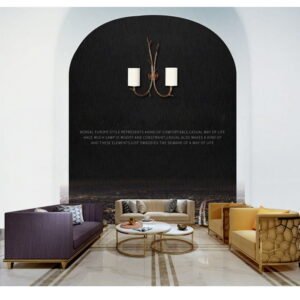
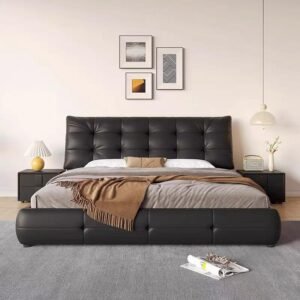
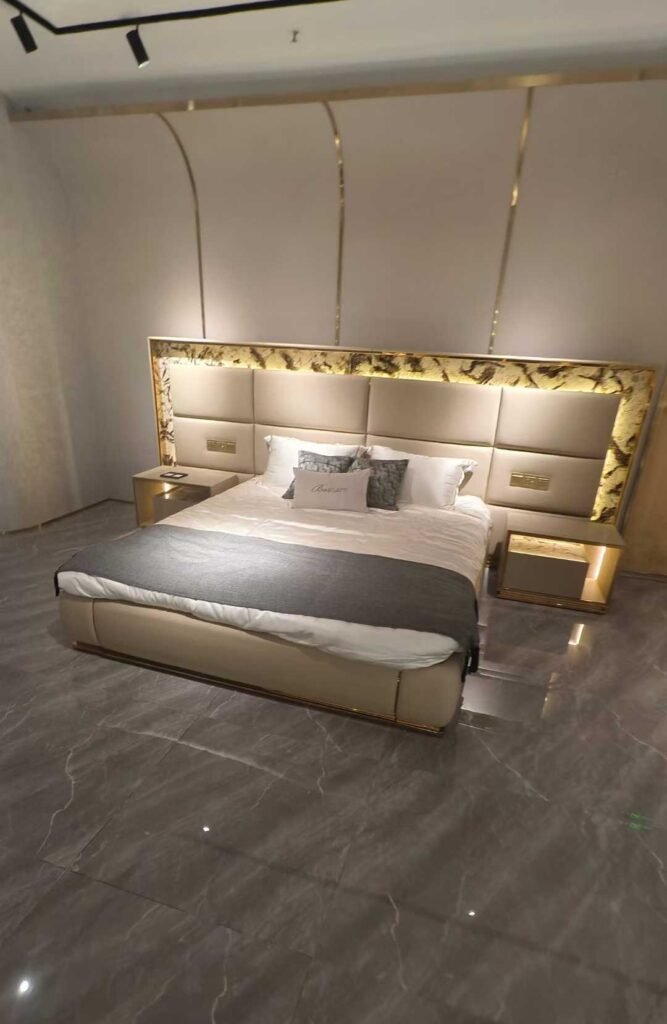
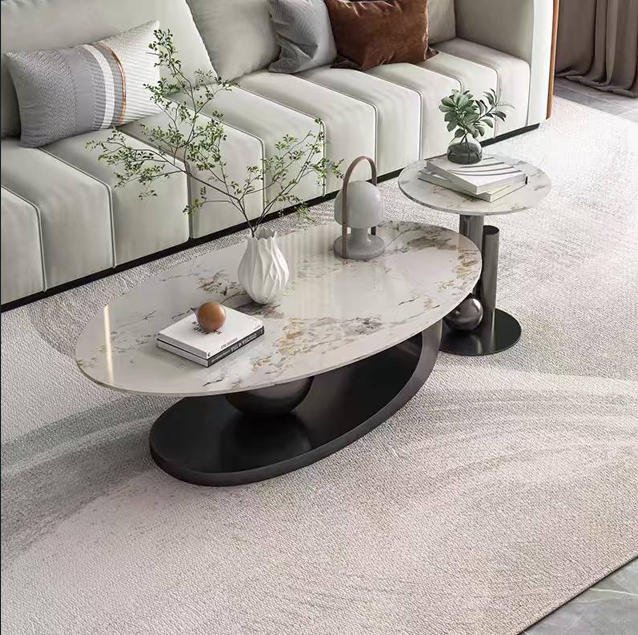
A luxury hotel suite where every piece of furniture was specified, sourced, and delivered as a coordinated FF&E package — the result of choosing the right manufacturer.
The global hotel FF&E market was valued at USD 63.1 billion in 2025 and is projected to reach USD 107.9 billion by 2033, according to Grand View Research. Behind that number is a reality that every FF&E buyer, interior designer, and hotel developer knows firsthand: the furniture you choose either elevates a property or quietly undermines it — one warped veneer, one mismatched fabric dye lot, or one delayed container at a time.
Furniture selection in the luxury hospitality space is not about finding a supplier with an attractive catalog. It is about finding a manufacturing partner that can translate a design brief into contract-grade pieces, deliver them to an international site on schedule, and stand behind the work when something needs fixing six months after handover.
This guide gives you a 10-structure evaluation framework — the same kind of systematic approach that experienced FF&E project managers and hotel developers use to separate credible manufacturers from catalog-only operations. It is written specifically for high-end furniture importers and distributors, villa owners, interior designers, private label and brand furniture owners, FF&E and hotel buyers, design and architecture firms, and developers and hotel operators. Not for casual shoppers. Not for search engines.
Use this framework before you commit to a production run — not after your first shipment arrives with problems.
Proven Industry Experience & Portfolio Relevance
The first question is not “How long have you been in business?” It is “Show me the last three luxury hospitality projects you completed — hotel name, room count, and a contact who will take our call.”
Any manufacturer can claim experience. What you need is evidence of outcomes at the scale and standard your project requires. A factory that has built residential bedroom sets for domestic buyers is not automatically equipped to handle 400 custom guest room packages for a five-star resort with international shipping, local fire codes, and a 14-week delivery window.
When evaluating a manufacturer’s portfolio, look for:
- Project type alignment — Have they supplied luxury hotels (not just mid-market or serviced apartments)? A five-star property uses different specifications, tolerances, and expectations than a budget hotel chain.
- Scale relevance — A 500-room resort project is operationally different from a 20-villa development. The manufacturer needs experience at your scale, not just your category.
- International shipping experience — Have they handled customs clearance, DDP terms, and delivery coordination to your target region? Manufacturers who only ship domestically often underestimate the complexity of international FF&E logistics.
- Client references — Ask for names. A manufacturer confident in their track record will give them without hesitation.
Industry insight: According to an analysis published by ASEAN Sourcing, the single most expensive mistake in hotel FF&E procurement is treating furniture sourcing as a finishing task — something handled after architecture is finalized. Manufacturers with real hospitality experience will push back on that timeline and ask the right questions early, because they understand what happens when custom furniture specs are confirmed too late.
Material Sourcing & Sustainability Credentials
The chair in Room 412 will be sat on, leaned on, dragged across stone tile, and cleaned with commercial chemicals approximately 1,500 times per year. The wood frame that holds it together was selected before the first nail was driven. That selection either protects your investment or quietly depletes it.
Material quality in luxury hospitality furniture is defined by three things: origin transparency, batch consistency, and sustainability verification.
What to Scrutinize
Wood: Kiln-dried hardwood (oak, beech, ash, teak) at load-bearing joints is not a luxury upgrade — it is a baseline requirement for commercial-grade durability. Kiln-drying reduces moisture content to 6–8%, which prevents warping, cracking, and joint failure over time. Ask your manufacturer what moisture content their frame timber is dried to. If they do not have a specific answer, that is your answer.
Fabric and upholstery: Rub counts matter. A fabric rated at 30,000 double rubs (Martindale test) is suitable for light residential use. Hospitality upholstery should carry a minimum of 100,000 double rubs for high-traffic seating — and ideally 150,000+ for lobby and restaurant applications.
Metal components: Stainless steel (304 grade) for coastal and humid environments. Powder-coated steel for indoor structural applications. Solid brass or zinc alloy (not plated plastic) for hardware and legs.
Sustainability Certifications That Actually Mean Something
| Certificación | Qué cubre | Relevant For |
|---|---|---|
| FSC (Forest Stewardship Council) | Responsible wood sourcing from certified forests | All wood-frame furniture |
| Norma OEKO-TEX 100 | Harmful substance testing in fabrics and foams | Upholstered seating, bedding |
| GREENGUARD Gold | Low chemical emissions for indoor air quality | Furniture in enclosed hotel rooms |
| BIFMA LEVEL | Sustainability scorecard for commercial furniture | Contract-grade seating, casegoods |
Fuente: BIFMA Standards Overview
Batch Consistency for Large Projects
A 300-room hotel order placed in three production batches over six months should arrive with identical veneer grain direction, identical fabric dye lots, and identical hardware finishes. Manufacturers who manage this well maintain material reserves — purchasing and holding the full quantity of a specific material lot before production begins, rather than sourcing batch by batch. Ask whether this is their standard practice or an optional service.
Customization Capability & Design Collaboration
“We can customize everything” is something every manufacturer says. What separates real customization capability from a sales promise is the process behind it — and the documentation that proves it.

Custom upholstery, bespoke dimensions, and signature finishes — real customization capability starts with engineering, not just a conversation.
Testing a Manufacturer’s Customization Process
Before committing to production, run this three-step test:
Step 1 — Send a non-standard brief. Ask for a specific piece at a non-standard dimension (say, a dining chair with a seat height of 47 cm instead of the standard 45 cm), in a fabric from your own sample card, with a brass leg finish in a specific RAL color. A manufacturer with real customization capability will come back with a CAD drawing, a material call-out sheet, and a lead time for a physical sample. A manufacturer without it will ask you to choose from their standard options.
Step 2 — Request a 3D rendering before sample production. Photorealistic renderings allow your interior designer to validate the piece against the room layout and lighting scheme before a single prototype is built. This step eliminates costly revisions during the sampling phase.
Step 3 — Evaluate the physical sample critically. The sample should match the approved drawing in every measurable dimension, finish, and material specification. Any deviations — even minor ones — should trigger a formal revision record. If a manufacturer cannot match their own approved drawing in a single sample unit, they cannot replicate it across 300 production units.
Private Label and Signature Collection Support
For furniture importers, distributors, and brand owners, the customization conversation extends to private label production — furniture manufactured to your design, under your brand identity, with your packaging and documentation. This is a specific capability that not all manufacturers offer. Key requirements include custom labeling, branded packaging, design ownership documentation, and production records that prevent your design from being offered to competitors.
En Jade Ant Furniture’s private label guide notes, the NDA framework for private label production must explicitly specify that your designs cannot be produced for any other buyer without your written consent — and that clause needs to be in the contract, not just the sales conversation.
Engineering & Construction Quality
A luxury piece of furniture needs to look extraordinary on day one and function reliably on day 1,825. Those two things require very different engineering decisions — and the second one is far harder to fake.
Joinery Methods: What to Look For
The most durable furniture frames use multiple joinery methods together. A well-engineered hotel chair frame, for example, combines mortise-and-tenon joints at the leg-to-rail connections, corner blocks at seat frame intersections, and structural screws or dowels as secondary reinforcement. Any one method alone is insufficient for commercial use.
Ask manufacturers how their frames are joined. If the answer is “glue and staples,” the frame will fail under commercial use within 2–3 years. If the answer includes mortise-and-tenon, dovetail, or finger joints with mechanical reinforcement, that is a manufacturer who understands structural engineering.
Industry Testing Standards for Commercial-Grade Furniture
| Standard | Región | What It Tests | Minimum Threshold |
|---|---|---|---|
| BIFMA X5.1 | EE. UU. | General-purpose seating strength and stability | 250 lb static load, 50,000 cycle fatigue |
| BIFMA X5.4 | EE. UU. | Lounge and public seating | 400 lb drop test, 100,000 cycles |
| EN 1725 | Europa | Domestic bed frame strength | Frame must withstand specified dynamic loads |
| EN 15373 | Europa | Contract seating durability | Level 3 = severe contract use |
| ASTM F1858 | EE. UU. | Upholstery abrasion resistance | Application-dependent |
Fuente: BIFMA Standards Overview
What to ask: Request test reports — not just a claim that the product “meets BIFMA standards.” A reputable manufacturer will have third-party test reports for their commercial product lines, issued by accredited testing laboratories. If they can only show internal test data, treat that as a yellow flag.
Suspension Systems and Foam Density
For upholstered seating, the suspension system underneath the fabric is what determines long-term comfort and shape retention. Eight-way hand-tied spring systems offer the highest durability and are appropriate for high-use lobby and lounge seating. Sinuous (serpentine) spring systems are acceptable for guest room seating with lower daily use. Webbing-only systems are insufficient for any commercial application.
Foam density (measured in kg/m³) determines how quickly a seat compresses and loses its shape. For contract seating, a minimum of 40 kg/m³ (high-resilience foam) is the industry baseline. Some manufacturers use lower-density foam to reduce costs — the difference is invisible in a photo and obvious in six months of daily use.
Production Capacity & Lead Time Reliability
A manufacturer who can produce 20 custom dining chairs to an exceptional standard is not automatically capable of producing 2,000 guest room sets across four production lines with consistent quality. Capacity and quality are related — but they are not the same thing.
 Multi-category FF&E packages — from guest room furniture to restaurant seating — require manufacturing capacity that can scale without sacrificing consistency.
Evaluating Scalability for Multi-Property Projects
For hotel developers and operators managing portfolio-wide rollouts, the question is not just “Can you make this?” It is “Can you make 800 of these, across four properties, with the same fabric dye lot and the same veneer grain, delivered to three different countries over eight months?”
That level of coordination requires:
- Dedicated production lines or reserved factory capacity for your project, not a shared queue that gets deprioritized when larger orders come in
- Centralized QC standards applied consistently across every production run, not factory-floor judgment calls
- Material reservation — purchasing and holding the full material quantity before the first production batch starts
Lead Time Reality Check
Custom hospitality furniture lead times vary by complexity and volume. The table below reflects realistic industry benchmarks:
| Tipo de pedido | Typical Lead Time | Notas |
|---|---|---|
| Standard items, small quantity | 4–6 weeks | Off-shelf or near-standard designs |
| Custom design, sample only | 2–4 weeks | After design approval |
| Custom production, medium volume (50–200 units) | 8-12 semanas | After sample approval |
| Custom production, large volume (200–1,000+ units) | 12–18 weeks | Phased delivery possible |
| Urgent/expedited production | +30–50% cost premium | Factory-dependent |
Fuente: Richart Furniture — Hotel Furniture Lead Time Guide
The buffer planning question: Ask every manufacturer: “What is your current factory utilization rate, and what is your contingency plan if a key material supplier is delayed?” A manufacturer who can answer both questions specifically — not generically — is one who has actually planned for supply chain risk. One who says “we always deliver on time” has not.
Quality Control & Inspection Protocols
A pre-shipment inspection when 80% of units are already packed is not quality control. It is damage triage. Real quality control is built into the production process — before problems become containers of defective furniture.
The Multi-Stage QC Framework to Demand
| QC Stage | Timing | What Gets Checked |
|---|---|---|
| Incoming material inspection | Before production starts | Wood moisture content, fabric dye lot, hardware grade |
| In-process inspection (IPC) | During frame assembly | Joint integrity, dimensional accuracy, finish adhesion |
| Pre-upholstery inspection | Before fabric is applied | Frame stability, foam density, spring tension |
| Final product inspection (FPI) | After full assembly | Appearance, function, dimensions, surface quality |
| Pre-shipment inspection (PSI) | Before loading | Random sampling against AQL standard, packaging check |
Any manufacturer who only offers a final pre-shipment inspection is essentially telling you that defects will be caught when 100% of the furniture is already built — which means the corrective action is either accept-and-ship or rebuild-and-delay. Neither is acceptable on a project with a firm opening date.
Third-Party Inspections
For large or high-value orders, supplement the manufacturer’s internal QC with an independent inspection from SGS o Intertek. These organizations send credentialed auditors to the factory floor with defined checklists — not a factory-provided summary. Third-party inspections typically cost USD 300–600 per inspection day and represent one of the highest-return quality investments in any FF&E procurement process.
Defect Resolution: The Metric That Matters
Ask manufacturers: “What is your defect resolution process, and what is your average replacement lead time for a damaged unit after delivery?” A manufacturer with a real after-sales system will quote a specific timeline (typically 4–8 weeks for a replacement unit) and will have a case management process. One without it will give you a vague commitment that dissolves when you need it most.
Global Logistics & Delivery Management
Furniture that arrives damaged is not furniture — it is a problem with a delivery address. International FF&E logistics for luxury hospitality projects is a discipline in its own right, and the manufacturer’s competence here is as important as their production capability.
Understanding Shipping Terms: DDP vs. FOB
FOB (Free On Board): The manufacturer’s responsibility ends when goods are loaded onto the vessel at the origin port. You bear the cost and risk of ocean freight, customs clearance, import duties, and final delivery. FOB pricing looks lower — but the hidden costs often exceed the difference.
DDP (Delivered Duty Paid): The manufacturer handles everything: origin freight, ocean shipping, customs clearance at destination, import duties, and delivery to your specified address. You know the total cost upfront, and the manufacturer assumes risk for the entire journey.
For luxury hotel projects where furniture damage or customs delays directly affect opening dates, DDP is almost always the right choice — even at a higher quoted price. The cost of a two-week customs hold on a 300-room FF&E delivery is far greater than the freight premium.
For a detailed breakdown of shipping term trade-offs for furniture imports, the Jade Ant Furniture FOB vs. CIF vs. EXW guide walks through the real cost implications for each.
Packaging Standards for High-Value Pieces
Luxury furniture shipped across an ocean deserves packaging engineered for the journey. Minimum standards for international hotel furniture shipments include:
- Corner protection: Foam or cardboard corner guards on all wood edges and veneer surfaces
- Individual wrapping: Each piece wrapped in PE foam or furniture blanket before boxing
- Moisture barrier: Waterproof inner liner or silica gel packets for upholstered items (moisture-related claims account for 12% of all damage reports on hotel upholstery in international shipments)
- Crating for oversized or fragile items: Custom wooden crates with interior padding for marble tops, glass panels, or custom metal bases
- Carton labeling: Room number, piece number, and assembly diagram reference on every box
Insurance and Damage Claims
Ask whether the manufacturer provides cargo insurance as part of their DDP service, and what the claims process looks like if damage occurs. A manufacturer who handles insurance in-house and has a defined claims process is significantly less stressful to work with than one who says “you need to arrange your own insurance.”
Pricing Transparency & Value Engineering
Price comparison between hospitality furniture manufacturers only makes sense when the specifications are identical. Two quotes for “a custom hotel armchair” can differ by 40% — and both can be accurate — if one is quoting kiln-dried hardwood with Martindale 150,000 fabric and the other is quoting MDF with 30,000-rub residential upholstery.
Total Cost of Ownership vs. Unit Price
The table below illustrates why lowest unit price is rarely lowest total cost for luxury hospitality applications:
| Cost Factor | Lower-Cost Option | Premium Option | 5-Year Difference |
|---|---|---|---|
| Unit purchase price (per chair) | $180 | $320 | –$140/unit |
| Average replacement rate (per year) | 8% | 1.5% | +$115/unit/yr |
| Total 5-year replacement cost (500-unit hotel) | $36,000 | $6,750 | +$29,250 |
| Guest complaint rate (upholstery wear) | Alto | Mínimo | Brand impact: unquantifiable |
| Net 5-year cost (500 chairs) | $126,000 | $166,750 | Cost gap closes by year 3 |
Figures are illustrative estimates based on industry benchmarks. Actual costs vary by application and product specification.
Value engineering — done right: A credible manufacturer will propose design alternatives that meet your specification at a lower cost — not spec-downs that meet a price target at the expense of performance. The difference matters enormously in year three of a hotel’s operation.
After-Sales Service & Warranty Coverage
A warranty is only as useful as the manufacturer’s ability and willingness to honor it. A five-year frame warranty from a manufacturer who will be impossible to reach after handover is worth less than a two-year warranty from one with a dedicated after-sales team.
What a Meaningful Hospitality Furniture Warranty Looks Like
| Warranty Component | Minimum Standard | Premium Standard |
|---|---|---|
| Frame structural integrity | 3 years | 5–10 years |
| Mechanism (recliners, sofa beds) | 1 year | 2–3 years |
| Upholstery (fabric/leather) | 1 year | 2 years (fabric defects) |
| Finish and veneer | 1 year | 2 years |
| Hardware (legs, handles, hinges) | 1 year | 2 years |
Source: Industry benchmarks from Neve Italia Furniture Warranty Guide
Questions That Reveal Whether a Warranty Is Real
- Who is the point of contact for warranty claims — a sales rep or a dedicated after-sales coordinator?
- What is the response time commitment for warranty requests: same business day? 72 hours?
- Are spare parts (matching fabric, replacement hardware, veneer panels) held in stock — or sourced on demand?
- For international clients, does the manufacturer offer remote technical support — video-guided assessment, multilingual documentation, digital approval of replacement specifications?
After-sales service is where the gap between manufacturers becomes most visible. A hospitality project delivered to a resort in Bali or a villa development in Portugal needs a supplier who can support remotely with precision — not one who requires a factory visit to process a replacement order.
Project Support & Partnership Approach
The difference between a supplier and a partner shows up before production starts and after the last container is delivered. It shows up in how questions are answered, how problems are escalated, and whether your project manager is an account number or a name.
 A fully coordinated lobby FF&E package — the result of a manufacturer who functions as a project partner, not just a production facility.
What Strong Project Partnership Looks Like in Practice
Dedicated account management: Every project should have a named project manager — not a general inbox. That person knows your project specifications, your timeline, your stakeholders, and your priorities without being reminded at every call.
Pre-production milestone tracking: A production schedule shared at order confirmation, with milestone dates for material procurement, frame completion, upholstery completion, QC, and shipping — updated in real time, not just when something goes wrong.
Digital project documentation: Approved design files, sample approval records, production photos, inspection reports, and shipping documents organized in a shared folder or project management platform. Not emailed on request after a delay.
Pre-installation support: Assembly guides, hardware kits, site coordination support, and clear packing-list references that allow installation teams to unpack, assemble, and place furniture efficiently — even on international sites where the manufacturer cannot be physically present.
Post-delivery follow-up: A structured check-in at 30 and 90 days after delivery, to identify any issues before warranty periods shorten and before small problems become expensive ones.
Fabricantes como Muebles Jade Ant are built around this model — acting as a production partner for furniture importers, distributors, design companies, and project owners who need more than a catalog and a quote. The founding philosophy, developed from over a decade of working with architects and interior designers before entering manufacturing, is that a furniture supplier should understand the end space — not just the purchase order.
YouTube Video: How to Create a Professional FF&E Schedule
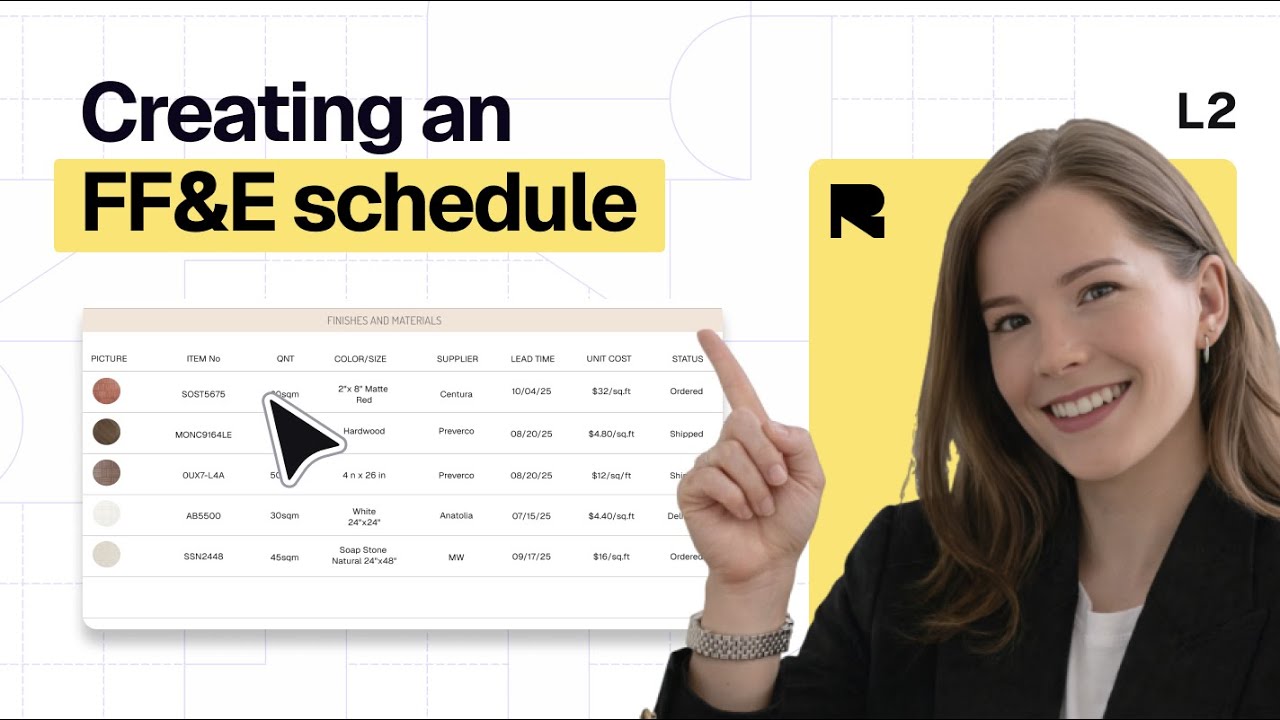
▶ Watch: How to Create the Perfect FF&E Schedule — Procurement Documentation, Floor Plan Integration, and Supplier Coordination for Hospitality Projects
The Complete Manufacturer Evaluation Scorecard
Use this scorecard during your manufacturer evaluation process. Rate each criterion from 1 (insufficient) to 5 (excellent). Any manufacturer scoring below 35 total warrants serious reconsideration before a production commitment.
| Evaluation Criterion | Peso | Score (1–5) | Weighted Score |
|---|---|---|---|
| Proven luxury hospitality portfolio | 15% | — | — |
| Material sourcing transparency & certifications | 10% | — | — |
| Customization process & 3D proofing | 10% | — | — |
| Engineering quality & testing compliance | 15% | — | — |
| Production capacity & on-time delivery record | 15% | — | — |
| Multi-stage QC & third-party inspection access | 10% | — | — |
| International logistics & packaging standards | 10% | — | — |
| Warranty scope & after-sales responsiveness | 10% | — | — |
| IP protection & NDA framework | 5% | — | — |
| Dedicated project management & communication | 5% | — | — |
| Total | 100% | — | /50 |
Glossary of Key Terms
FF&E (Furniture, Fixtures, and Equipment): The movable items in a hospitality project that are not permanently attached to the building — including all furniture, window treatments, artwork, and equipment. FF&E procurement is typically one of the largest cost line items in a hotel fit-out.
Contract Grade: Furniture designed and tested for commercial use — higher durability standards, heavier construction, and compliance with commercial testing standards like BIFMA or EN 15373. Residential furniture is not contract grade, regardless of its price.
Kiln-Dried Hardwood: Lumber that has been dried in a controlled oven (kiln) to reduce moisture content to 6–8%. This prevents the warping, cracking, and joint failure that occurs when furniture frames absorb and release ambient moisture over time.
Martindale Test: A fabric abrasion test that counts the number of rub cycles a fabric withstands before showing visible wear. Residential fabrics typically carry 10,000–30,000 rubs. Contract-grade hospitality fabrics should carry 100,000–150,000 or more.
AQL (Acceptable Quality Level): A statistical sampling standard used in pre-shipment inspections. AQL 2.5 means that in a batch of 500 units, a sample of 50 is inspected and up to 3 defective units are acceptable before the batch is rejected.
DDP (Delivered Duty Paid): An international shipping term where the seller bears all costs and risks until the goods are delivered to the named destination — including freight, customs clearance, import duties, and final delivery.
Dye Lot: A specific batch of fabric dyed at the same time in the same vat. Fabric from different dye lots can have subtle but visible color variations. For large FF&E projects, specifying a single dye lot reservation is essential for visual consistency across all upholstered pieces.
FSC (Forest Stewardship Council): An international certification that verifies wood has been sourced from responsibly managed forests — ensuring legal harvesting, environmental protection, and support for local communities.
Preguntas frecuentes
1. How do I verify a manufacturer’s real experience with luxury hospitality projects?
Ask for project portfolios that include the hotel or property name, room count, and at least two client contacts who will speak with you directly. A reputable manufacturer working at the luxury level will have verifiable references — not just lifestyle photos. Ask specifically whether the project involved custom specifications, international shipping, and a fixed opening date. Those three factors together reveal whether the manufacturer operates at the standard luxury hospitality requires.
2. What certifications should I require from a high-end furniture manufacturer for a hotel project?
The minimum certification baseline for luxury hospitality furniture should include FSC (responsible wood sourcing), OEKO-TEX Standard 100 (safe fabrics and foams), and GREENGUARD Gold (low indoor emissions — especially important for guest room furniture in enclosed spaces). For durability verification, request BIFMA test reports (USA) or EN 15373 Level 3 compliance (Europe). For fire safety, confirm compliance with the applicable standard for your market: California TB 117 or TB 133 (USA), BS 5852 (UK), or NFPA 701 (international hospitality).
3. Can I fully customize dimensions, finishes, and fabrics for my private label furniture line?
Yes — but only with manufacturers who have a defined customization process, not just a willingness to try. The key markers of real customization capability are: the ability to produce CAD drawings from your specifications (not just their templates), a physical sample program with a formal approval process, material sourcing that accommodates your specified fabrics or finishes rather than their own catalog, and private label documentation that confirms your ownership of the design. For more on what a structured private label program looks like, the Jade Ant Furniture private label guide outlines the NDA, ownership, and production process in detail.
4. How do I ensure material and finish consistency across multiple production batches?
Require batch tracking documentation for every material used in your order — fabric dye lot number, wood species and origin, hardware supplier and finish code. Before production starts, require a pre-production approval (PPA) — a physical sample of each material from the actual batch reserved for your order, confirmed in writing before mass production begins. For long-running programs (multi-property rollouts over 12–18 months), negotiate material reservation agreements that hold your specified materials in stock.
5. What is a realistic lead time for custom hospitality furniture, and how do I plan around it?
For custom designs in medium volume (50–300 units), plan for 12–16 weeks from design approval to delivery — not from order placement. That timeline includes sample production and approval (2–4 weeks), material procurement (1–2 weeks), mass production (6–8 weeks), QC and packaging (1 week), and ocean freight (3–5 weeks depending on destination). Add 2 weeks of buffer for any customs or port delays. The most expensive mistake in hotel FF&E procurement is starting the furniture procurement process after the architecture and interior design are finalized — that timeline guarantees delays.
6. How should a manufacturer handle quality issues discovered after delivery?
A manufacturer with a real after-sales system will have a formal case management process: documented defect report, photographic evidence review, replacement production authorization, and a committed delivery timeline for replacement units — typically 4–8 weeks. Spare materials (matching fabric, veneer, hardware) should be held in reserve for at least 24 months after project delivery. For international projects, remote technical assessment via video and digital approval of replacement specifications is essential. Any manufacturer whose response to a post-delivery quality issue is “send it back to us” without a defined replacement timeline is not equipped for international hospitality work.
7. Does the manufacturer support full turnkey FF&E project management?
Leading manufacturers offer this — but the scope varies significantly. True turnkey FF&E support includes design coordination, production scheduling, QC management, customs and logistics handling, site delivery coordination, and post-installation follow-up. Some manufacturers provide production and shipping only, leaving logistics coordination and installation to the buyer. Clarify the scope before signing any production agreement. The Jade Ant Furniture hospitality FF&E guide outlines what a complete turnkey FF&E package typically covers and what buyers should budget for each component.
8. Can the manufacturer produce furniture compliant with international fire safety standards?
This varies by manufacturer and by the specific standard required. Confirm compliance requirements for your target market before sampling — because retrofitting fire-retardant treatment after production is not equivalent to specifying compliant materials from the start. For USA projects: California TB 117-2013 (seating) and TB 133 (high-risk environments like healthcare and hotels). For UK and European projects: BS 5852 (residential and light commercial) and Crib 5 (severe commercial). For international hotel chains: NFPA 701 (fabric) is commonly required. Always provide the applicable standard in writing to the manufacturer before production begins and request a compliance certificate from the material supplier.
9. What is a typical minimum order quantity (MOQ) for custom hospitality furniture?
MOQs for custom hospitality furniture vary widely by manufacturer and product type. For standard custom pieces (fixed dimensions, standard materials), most manufacturers set MOQs between 20–50 units per design. For bespoke pieces with unique tooling, molds, or specialty materials, MOQs may be higher — or manufacturers may charge a tooling fee for small runs. Premium manufacturers who support FF&E procurement for villa owners and boutique hotel developers typically offer lower MOQs (5–20 units per design) to accommodate the smaller scale of luxury independent properties. Muebles Jade Ant works with low MOQ requirements to support mixed-category sourcing for villa and hospitality projects.
10. How do manufacturers protect my design IP when producing private label furniture?
IP protection in furniture manufacturing depends entirely on contractual structure — not goodwill. The minimum requirements are: a signed NDA before any design files are shared, explicit design ownership clauses specifying that all designs produced for you cannot be reproduced for other clients without your written consent, digital file handling protocols (who holds the CAD files, who can access them, and what happens to them after the project), and production records that confirm your design was not entered into the manufacturer’s standard catalog. For an in-depth breakdown of IP protection strategies in furniture private label agreements, the Harness IP intellectual property guide covers the legal framework comprehensively.
11. Do manufacturers provide 3D renderings and physical prototypes before committing to full production?
Any manufacturer capable of custom hospitality work at a serious level should provide both. Photorealistic 3D renderings allow you and your interior designer to validate the piece against the room layout, lighting scheme, and surrounding furniture before a sample is built. Physical prototypes allow you to assess construction quality, material feel, structural stability, and finish accuracy before mass production begins. The sampling phase is the single most important quality control step in the entire production process — do not skip it to save time or cost.
12. How is international furniture shipping managed, and what should I expect from the logistics process?
For international hotel FF&E deliveries, expect the following logistics stages: export packaging and container loading at the factory, ocean freight booking and Bill of Lading issuance, customs clearance at the destination port (including duty payment under DDP terms), inland delivery to the project site, and installation coordination. The critical documentation required includes the commercial invoice, packing list, Bill of Lading, certificate of origin, and product compliance certificates. For a detailed walkthrough of the import process for international furniture buyers, the Jade Ant Furniture step-by-step importing guide covers each stage with cost and timeline benchmarks.
13. What happens if a shipment is damaged or delayed?
The answer depends entirely on the shipping terms. Under FOB, the buyer bears the risk from the moment the goods are loaded — meaning damage during ocean transit is the buyer’s claim to manage. Under DDP, the manufacturer bears the risk and manages the insurance claim. For luxury hospitality projects, require DDP terms and confirm in writing that the manufacturer carries all-risk cargo insurance for the full declared value of the shipment. For delays, require a production schedule with milestone tracking so that delays are identified during production — not when the container misses the vessel.
14. Can a manufacturer support consistent quality across a multi-property rollout?
Yes — but only with the right operational structure in place. Multi-property consistency requires: centralized QC standards applied to every production batch (not factory-floor discretion), material reservation at the start of the program (so all properties receive furniture from the same material lots), and phased delivery planning that coordinates production and shipping schedules across multiple sites. Manufacturers experienced in portfolio-level FF&E will have a project dashboard or equivalent tracking system that gives the buyer visibility across all properties simultaneously.
15. How do I compare warranty terms between different hospitality furniture manufacturers?
Compare warranties on four dimensions: scope (what is covered — frame, mechanism, upholstery, finish, hardware), duration (how many years for each component), exclusions (normal wear and commercial use are often excluded — read the fine print), and service process (how claims are filed, who reviews them, and what the replacement timeline commitment is). A 10-year frame warranty with a 90-day replacement commitment and in-stock spare materials is worth far more than a 5-year warranty with no service process. For a side-by-side benchmark of hospitality furniture warranty standards, the Neve Italia Hotel Furniture Warranty Guide provides a useful industry reference.
 Furniture that defines a guest’s experience long before they notice the brand — the outcome of choosing the right manufacturing partner.
Final Note: This Framework Is a Risk Management Tool
Every FF&E project involves risk. Delivery delays, quality deviations, unit shortages, and post-delivery service failures are not rare events — they are the predictable outcome of not asking the right questions before signing a production agreement.
This 10-structure framework does not guarantee a perfect project. What it does is shift the probability — by forcing manufacturers to demonstrate capability before you commit, rather than discover limitations after you have. The luxury hospitality market does not reward second chances. A hotel suite that opens with mismatched furniture, a lobby chair that fails in month four, or a custom piece that arrives in the wrong finish carries a cost that no warranty claim can fully recover.
The manufacturers who belong in your shortlist are the ones who answer every question in this framework with specifics — documentation, references, test reports, and process descriptions — not generalities. Those are the partners worth committing to.
Ready to evaluate your next FF&E partner? Connect with the Jade Ant Furniture team for a project consultation, factory capability overview, and initial production quotation.
Sources: Grand View Research (Hotel FF&E Market Report, 2025), BIFMA Standards Organization, SGS Furniture Inspection Services, Intertek Furniture Testing, Neve Italia Furniture Warranty Analysis, ASEAN Sourcing FF&E Procurement Guide, Harness IP Furniture Intellectual Property Guide, Richart Furniture Lead Time Analysis.