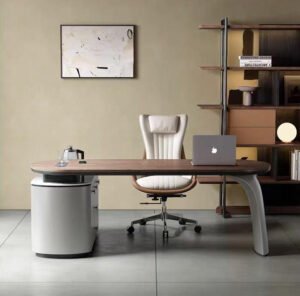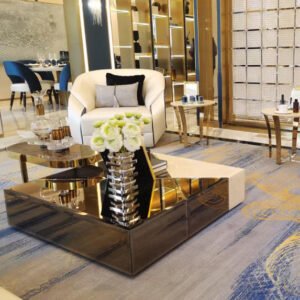

A sofa that costs 8,000 USD does not stay an 8,000 USD sofa by itself. It stays that way through a written routine, the right chemistry and a schedule someone actually follows. This framework covers the three levers that decide whether a piece looks new in year eight or tired in year three.
I. Maintenance Is an Asset Decision
Quick definition: FF&E maintenance — the planned work that keeps furniture, fixtures and equipment at the look and function it was bought for. It covers cleaning, protection, inspection and repair.
Most owners treat care as cleaning. Cleaning is the smallest part of it. The bigger parts are chemistry, environment and timing.
The money is easy to lose. FF&E usually runs 10% to 20% of hotel development cost, based on HVS hotel development cost research. In a private villa, loose furniture is often the second largest line after the building itself.
A single damaged banquette shows the scale. A replacement costs the unit price, the freight, the handling, and the nights the suite cannot be sold. A routine clean costs a fraction of that, and it can be scheduled on a quiet week.
Three failures drive most of the loss.
- The wrong product. An alkaline cleaner strips the oils from leather in one pass.
- The wrong place. A silk chair in direct sun fades before the first season ends.
- No schedule. Small wear becomes structural failure because nobody looks.
The rest of this guide works through those three in order: surface, environment, schedule.
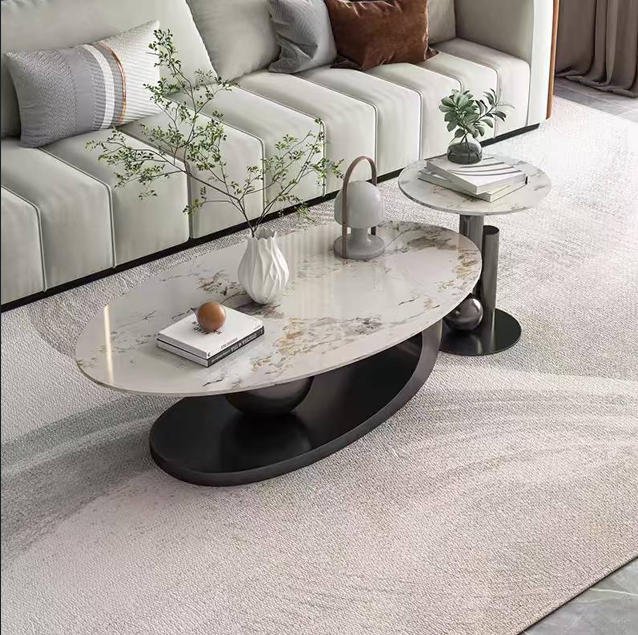
II. Hard Surfaces: Chemistry Beats Effort
High-end finishes are thin. A lacquer is a few coats deep. A polished stone top is a surface, not a block of colour. Strong products remove the finish long before they remove the dirt.
Start with what the surface is made of, then choose the product.
- Marble and travertine. Both contain calcium carbonate, so acid attacks them. Wine, citrus, vinegar and most bathroom sprays etch the surface and leave a dull ring.
- High-gloss lacquer. Ammonia and alcohol soften the coat. Water left standing leaves a white bloom that is hard to remove.
- Wood veneer. Commercial veneer is often 0.6 mm. It can be re-oiled, but it cannot be sanded many times.
- Lacquered brass. The clear coat protects the colour. Abrasive polish removes the coat, and the metal then ages unevenly.
Quick definition: etching — a shallow chemical burn on stone. It looks like a dull patch and it cannot be wiped off, because the surface itself has changed.
The table below is the version worth putting on the wall of a service room.
| Surface | Clean with | Never use | Check or renew |
|---|---|---|---|
| Polished marble | pH-neutral stone cleaner, then dry | Vinegar, lemon, bleach, scouring pads | Re-seal every 6–12 months |
| Honed travertine | Damp cloth, stone soap | Acidic descalers, steam | Re-seal every 12 months |
| High-gloss lacquer | Damp microfibre, pH-neutral soap | Alcohol, ammonia, abrasive cream | Wax every 6 months |
| Oiled walnut | pH-neutral soap, then re-oil | Dish soap, wet cloths left standing | Oil every 6–12 months |
| Lacquered brass | Dry cloth, mild soap | Metal polish, wire wool | Inspect the coat yearly |
| Powder-coated steel | Damp cloth, mild soap | Solvents, abrasive pads | Touch up chips at once |
Two habits prevent most stone damage. Use coasters under every glass, and wipe spills by blotting rather than rubbing. Rubbing pushes pigment deeper into the pore.
Sealing is not a shield. It slows absorption. The water-drop test tells you when it has worn. Place a few drops on the surface, wait 15 minutes, and look for a dark patch. If the stone darkens, it is time to re-seal.
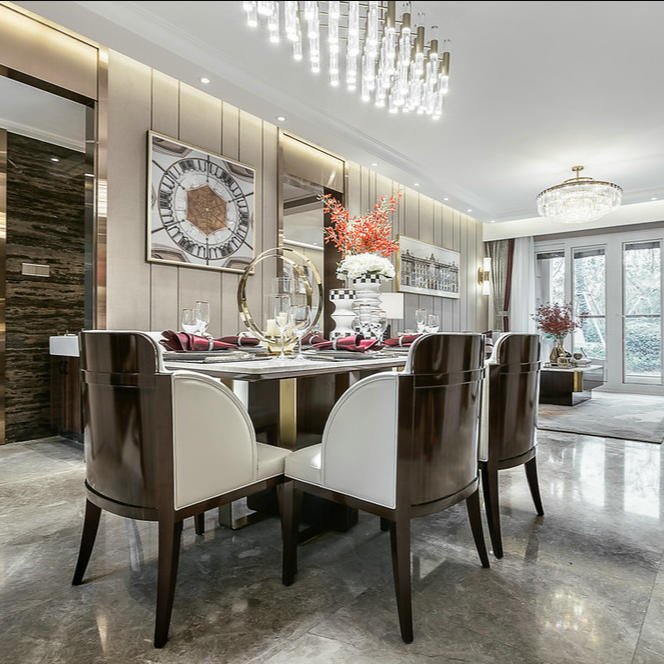
Stone and lacquer carry the design in most high-end rooms. These stone and lacquer dining tables show how a top is built. That detail decides how it ages.
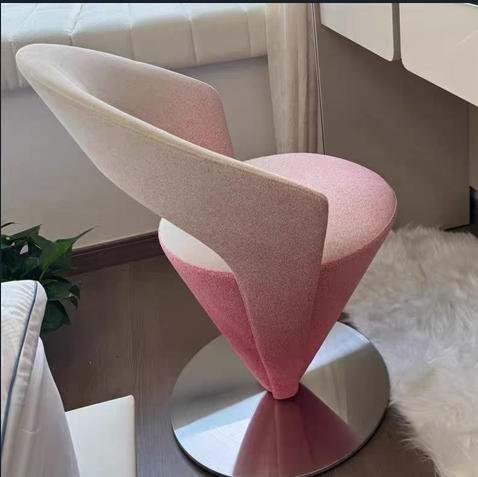
III. Textiles: Read the Code Before You Touch Them
Fabric care starts with a letter on a label, not with a bottle. Most upholstery carries a cleaning code, and the code decides what you may use.
- W means water-based cleaning is safe.
- S means solvent only. Water will ring the fabric.
- WS means either method is allowed.
- X means vacuum only. Any stain goes to a professional.
Quick definition: cleaning code — a short letter label, usually under the seat cushion, that tells a cleaner which chemistry the fabric will survive. Ignoring it is the fastest way to void a warranty.
Velvet needs a direction. Vacuum along the pile, never against it, and use suction rather than a brush bar. Crushed pile lifts with steam held about 150 mm away, then a soft brush in one direction.
Bouclé and linen mark with water. A ring comes from uneven drying, so damp the whole panel, not the spot, and let it dry flat.
Silk is a solvent fabric. Water leaves tide marks that no local treatment removes.
Leather is its own material. A hide sits at pH 4.5 to 5.0, and an alkaline cleaner pushes it the wrong way. Use a pH-neutral leather cleaner, then condition every 6 to 12 months. In a coastal villa or a sunny lobby, cut that to 3 to 6 months.
Fabric protectors help, but they are not permanent. A fluoropolymer treatment gives you time to blot a spill, and it needs renewing every 12 to 18 months. Test it on a hidden panel first, because a protector can change the hand of a fine fabric.
The video below shows a leather clean and condition on a sofa. Watch two things: how little product goes on the cloth, and how the cleaner works into the seam rather than flooding the surface.
https://www.youtube.com/watch?v=\_rs8dhCdI1w
Where a textile has to be safe for guests, ask for the safety report as well as the care code. Norma OEKO-TEX 100 covers harmful substances in the fabric, which matters more in a sealed room than in a showroom.
IV. Placement and Environment
Light and air damage furniture quietly. Neither leaves a mark you can wipe off.
Ultraviolet light. UV breaks the dye in fabric and the finish on wood. A south or west window can fade a silk panel within one season. Museum-grade window film blocks about 99% of UV, and it is invisible once fitted. Sheer curtains and a seasonal rotation do the rest.
Humidity. Solid wood and veneer move with moisture. Keep interior air between 45% and 55% relative humidity. Below 35%, joints open and veneer lifts. Above 65%, mould starts in the frame and the glue softens.
Buy a hygrometer for each floor. They cost less than one service call, and they turn a guess into a number.
Heat sources. Keep leather and timber at least one metre from a radiator, a fireplace or a supply vent. Dry air pulls moisture out of the hide, and the cracks appear at the seat front first.
Traffic. Watch where people put a hand on a wall or drop a bag. That is where the finish goes first. Move the occasional chair 300 mm and the wear spreads.
Designers who plan this at specification stage lose less later. This specification guide for FF&E shows how to write the environment into the order.
V. High-Traffic Buildings: SOPs and Wear Indicators
A hotel does not need better cleaners. It needs a routine that survives staff turnover.
Write a one-page card per material type. Four steps, one product, one drying time, one person to call. Laminate it and keep it in the housekeeping store.
Then train on the object, not in a classroom. Twenty minutes with a real chair teaches more than an hour of slides. Jade Ant furniture ships a care card with each order, matched to the finish and the fabric code on that piece.
Quick definition: wear indicator — a measurable sign that a piece is losing performance, before a guest can see it. Foam compression over 20%, an opening seam, a flattened piping line, or a finish that has gone chalky.
Inspect a sample of rooms each week, not all of them. Ten rooms per floor is enough to spot a trend, and it takes one person half a day.
Rotation does the cheap work. Turn loose cushions every week, swap seating between rooms every three months, and move the heavy pieces once a year. Wear then spreads instead of concentrating on one seat.
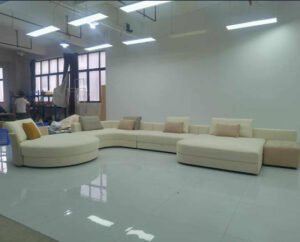
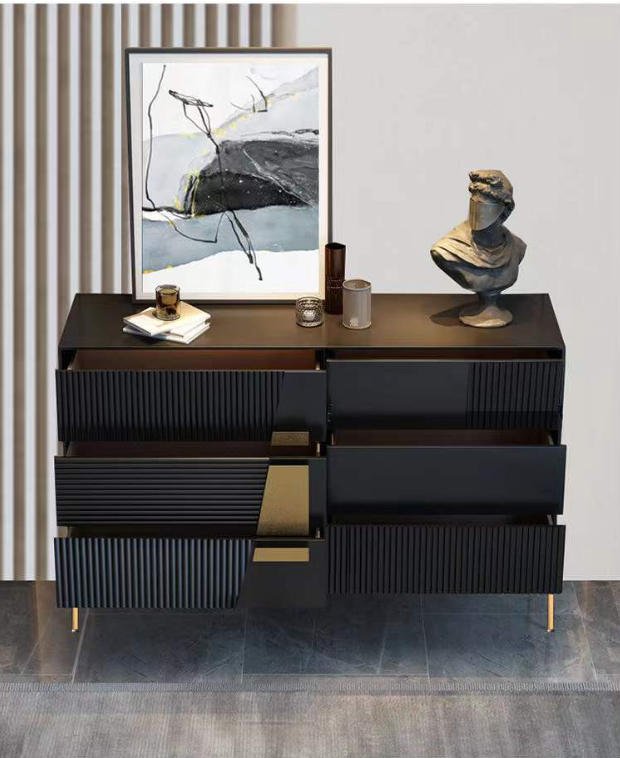
Inventory at scale makes this visible. In a room like the one below, every chair carries the same specification. That is efficient to buy, and it only stays consistent if the care routine is identical too.
Operators who run several properties usually buy care and replacement from the same source as the furniture. A single supplier for hotels and villas keeps the finish code and the spare part in one file, which shortens every later fix.
VI. The Calendar: Daily to Annual
Sporadic cleaning is the most expensive habit in the building. It uses the most aggressive product at the worst moment, usually after damage is visible.
A calendar spreads the same budget across the year, and it puts the small tasks before the big ones.
| Task | Weekly | Quarterly | Annual |
|---|---|---|---|
| Dust and vacuum upholstery | Yes | Yes | Yes |
| Wipe hard surfaces, dry after | Yes | Yes | Yes |
| Rotate and plump cushions | Yes | Yes | Yes |
| Leather clean and condition | No | Check | Yes |
| Stone water-drop test | No | No | Yes |
| Re-seal stone tops | No | No | Yes |
| Tighten hardware, check joints | No | Yes | Yes |
| Deep clean or extraction | No | No | Yes |
| Structural and finish audit | No | No | Yes |
Two rules keep a calendar alive. Put each task on the same day each month, and give every task a named owner. A schedule without an owner is a wish.
Budget matters too. Most of the annual spend goes to upholstery and leather, not to polish. The chart below is an illustrative split for a 120-key hotel.

Illustrative model: routine care only. It excludes capital replacement and one-off restoration after damage.
Where a property has no in-house team, the work is usually bought in. Professional furniture maintenance and care covers the deep clean, the conditioning and the stone work that housekeeping cannot do.
Planned maintenance is also cheaper across a building’s life. The Whole Building Design Guide makes the same argument for every other building system.
VII. Hardware and Structure
A beautiful surface on a failing frame is a claim waiting to happen.
Check joints by hand before they fail. A joint that moves under a gentle twist is already loose. Glue lines that show white powder are drying out. Screws back out on their own in a building with underfloor heating.
Quick definition: point load — the weight a single leg puts on the floor. A 120 kg sofa on four legs puts about 30 kg on each small contact patch.
That number explains two things. Felt gliders protect the floor, and they also spread the load. A brass leg on oak without a pad will mark the floor within a season, and the mark will not come out.
Quick definition: settling — the small movement a heavy piece makes in its first month. The floor, the frame and the fixings are finding their place.
Re-level heavy pieces after 30 days, then once a year. Check drawer runners, door hinges and any powered mechanism at the same visit. Lubricate with the product the maker names, not with whatever is in the van.
The frame is the part that decides whether any of this matters. This explanation of what defines a luxury furniture frame covers the joints and the timber grade that make a repair possible at year ten.
VIII. Crisis Management
The first three minutes decide the cost of most accidents. After that, the stain is in the fibre, or the finish is gone.
Follow one rule: do no harm. Blot, do not rub. Lift the cloth, do not wipe sideways. Use cold water on protein stains, because heat sets them.
Then stop. A red wine spill on silk, an ink mark on bouclé, a scratch through a lacquer: these are not home jobs. Every extra product makes the professional repair harder and more expensive.
Build the contact list before you need it. Two leather specialists, one stone restorer, one textile cleaner, one French polisher. Ask each for a reference project in the last 12 months, and keep the list with the asset file.
The asset file is the other half of the insurance claim. For each high-value piece, record the purchase order, the finish code, the fabric or hide reference, the delivery date and four photographs. A claim with a finish code is settled. A claim without one becomes an argument about colour.
Store the file in the cloud, and update it when a piece is re-covered or re-polished.
IX. Sustainability and the Lifecycle
The greenest piece of furniture is the one already in the room. Every replacement carries the carbon of a new frame, new foam and a new cover. A recovered piece carries almost none.
Cost tells the same story. A full re-cover usually costs 30% to 40% of a new piece, and it buys another 8 to 12 years of service. A frame repair is cheaper again.
That maths is why designers now buy for the second life. Removable covers, screwed frames and hardware that can be replaced turn a disposable piece into a maintainable one.
Repair also protects resale. A documented restoration supports an appraisal, and an original finish in good condition supports it more. Buyers of design pieces pay for condition, and they pay for the paperwork that proves it. This note on designer furniture as an investment explains what the market looks at.
Buildings with a sustainability target get a third benefit. Reuse and long service life support credits under the LEED rating system, and they cut the waste that a refurbishment normally sends to landfill.
Jade Ant furniture keeps the frame drawing, the finish code and the cover pattern for every order. That file makes a re-cover possible in year eight. It lets a buyer repair one chair instead of replacing twelve.
X. Conclusion
Care is a system, not a product. The right chemistry protects the surface. The right placement protects the material. The right calendar protects both, because someone is looking.
The order matters. Fix the environment first, because no cleaner beats a fading window. Then set the products, one per surface. Then write the schedule and name the owners. Then keep the file that makes repair possible.
A room that looks new after a decade is not luck. It is a routine that ran on time, every time.
Send us the furniture list, the materials and the room conditions. We will send back a care plan matched to what you own. Jade Ant furniture builds the pieces and writes the care sheet for the finish we ship, so the two stay in step.
Terms You Should Know
| Término | Plain meaning | Ejemplo |
|---|---|---|
| FF&E | Furniture, fixtures and equipment: supplied items that are not part of the building | Loose seating, beds, lamps, case goods |
| Etching | A chemical burn on stone that dulls the surface | A lemon juice ring on marble |
| Cleaning code | Letter on a label that names the safe cleaning method | W, S, WS or X |
| pH-neutral | A cleaner close to neutral, around pH 7 | Stone soap, leather cleaner |
| Relative humidity | The amount of water vapour in the air, as a percentage | 45–55% for timber interiors |
| Wear indicator | A measurable early sign of loss of performance | Foam compression over 20% |
| Point load | The weight one leg puts on the floor | 120 kg sofa: about 30 kg per leg |
| Settling | Small movement of a heavy piece in its first month | Re-level after 30 days |
| Re-cover | New upholstery on an existing frame | 30–40% of a new piece |
| Asset log | Record of each piece, with finish and fabric codes | Photos, PO, finish code |
Preguntas frecuentes
How often should leather be conditioned in a humid coastal villa?
Every three to six months in a coastal villa, and every six to twelve months inland. Salt air and damp pull moisture through the hide, and the cracks start at the seat front. Use a pH-neutral cleaner first, then a thin coat of conditioner, and buff off the excess.
Which cleaners are safe on exotic wood veneers?
A pH-neutral wood soap on a barely damp cloth, then a dry cloth straight after. Never leave water standing, and never use dish soap, vinegar or a steamer. Commercial veneer is often 0.6 mm thick, so any finish you remove cannot be sanded back.
How do I remove an ink stain from a performance fabric without voiding the warranty?
Blot, do not rub, and call the fabric supplier before you use a solvent. Most warranties exclude damage caused by improper cleaning, so ask for the approved spotter in writing. A professional textile cleaner with the fabric code in hand is the safe route.
How do I protect white bouclé in a busy hotel lobby?
Use a fluoropolymer protector, renew it every 12 to 18 months, and keep a stain kit within reach of the desk. White bouclé also needs a strict no-food rule in the seating zone. Where the traffic is constant, specify a removable cover so the piece can be recovered instead of replaced.
Do fabric protectors change the feel of silk-blend upholstery?
They can. A heavy protector stiffens a fine silk blend and dulls its sheen. Ask for a water-based protector tested on that exact fabric, and approve a treated sample by hand before the whole suite is done. On silk, a lining and a curtain often work better than a coating.
What removes oxidation from brass and chrome without scratching?
For lacquered brass, use mild soap and water only. For bare brass, a non-abrasive brass cream on a soft cloth, then rinse and dry. Never use wire wool or an abrasive pad on chrome, because the scratch pattern cannot be polished out by hand.
How do I train a third-party cleaning crew on designer pieces?
Give them a one-page card per material, a labelled set of products, and a named contact. Train on the actual piece, not in a classroom. Then inspect ten rooms a week for the first month, because habits slip when nobody checks.
Is steam or dry cleaning better for luxury velvet?
Dry methods are safer for silk-blend and viscose velvet. Low-pressure steam is useful for lifting crushed pile, held about 150 mm from the surface. Hot water extraction is for polyester contract velvet only, and only when the cleaning code allows water.
How do I stop a heavy sofa from denting the floor?
Fit felt gliders under every leg, and check the point load: a 120 kg sofa puts about 30 kg on each small pad. Re-level the piece after 30 days and again each year. On timber floors, a rug with a felt backing spreads the load further.
What are the warning signs that a structural joint is failing?
Watch for a joint that moves under a gentle twist, a white glue line, or a gap that opens at a corner. A new creak counts too. Check the frame before re-covering, because new upholstery on a loose frame fails within a season.