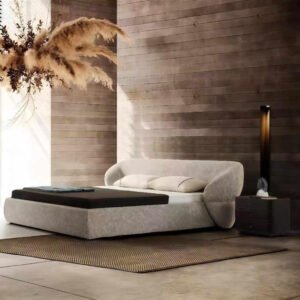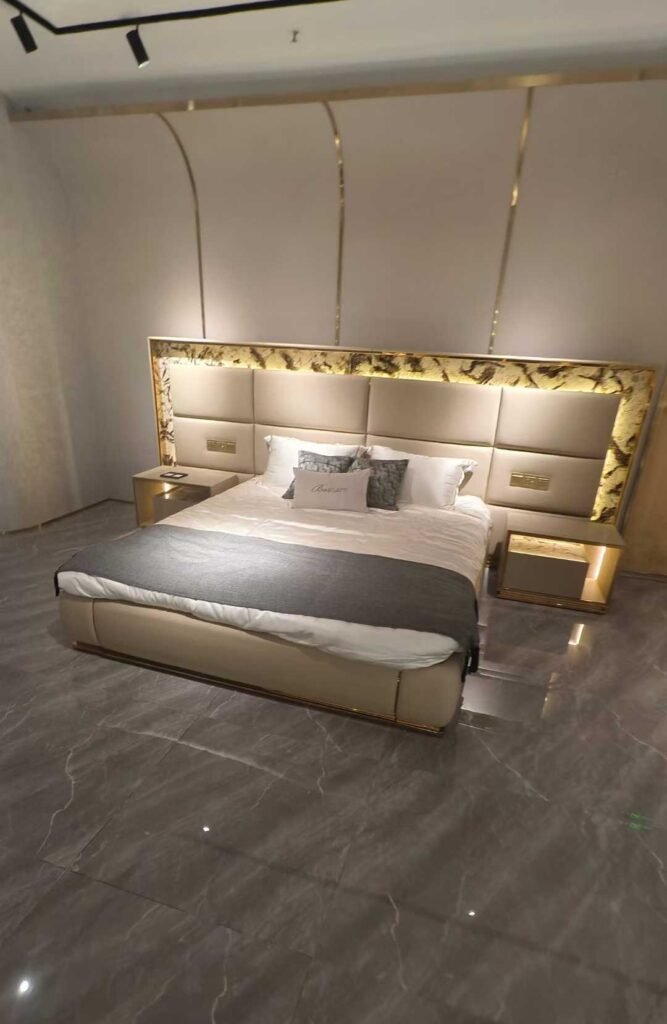
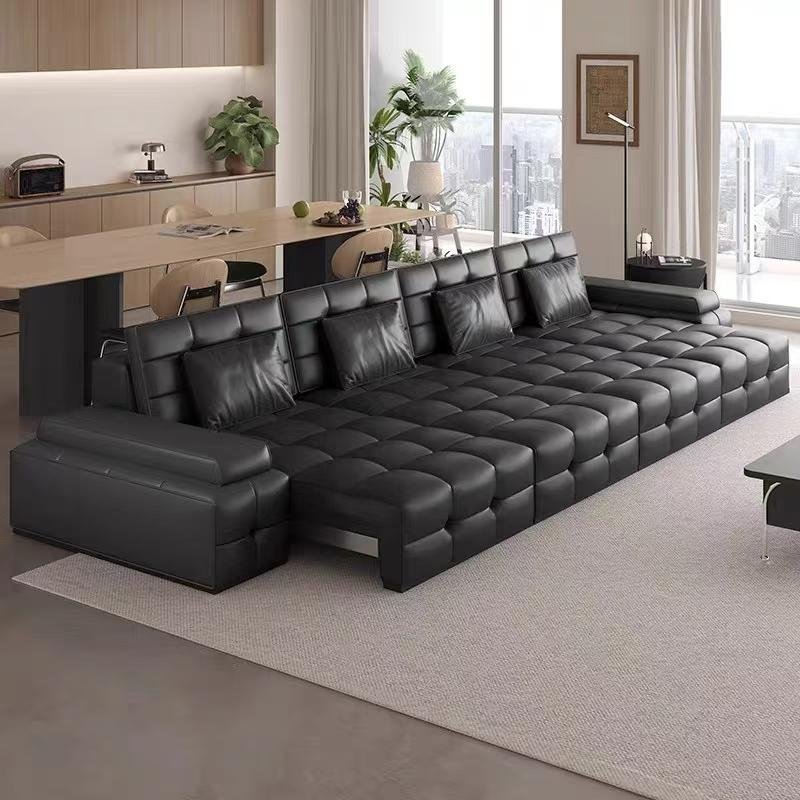
5 Must-Have Features of Modern Luxury Furniture for High-End Clients
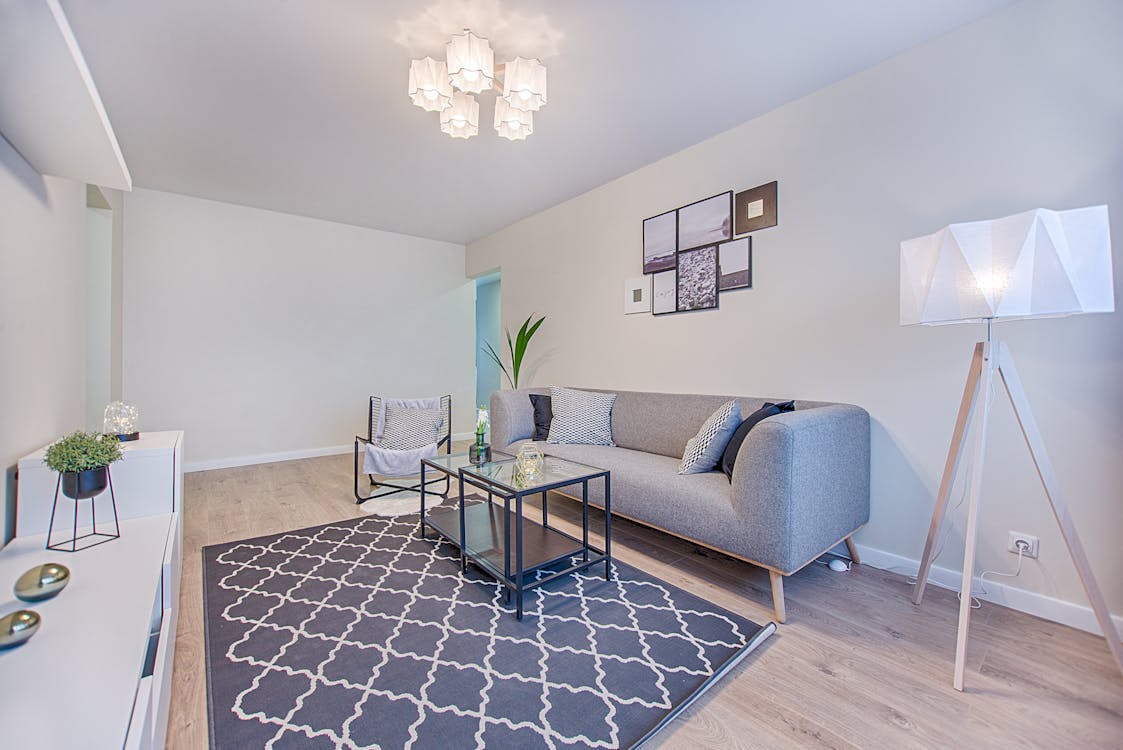 A room that earns its rate — every piece here was selected on merit, not on price tag. Understanding what “merit” actually means in luxury furniture is what this guide is about. | Photo: Pexels
A development director at a boutique hotel group recently shared a scenario that most people in this industry have lived through at least once. Her team specified furniture from a supplier who had delivered attractive samples, reasonable pricing, and a credible-looking portfolio. The furniture looked right in the showroom. It looked right in the renders. It arrived on time.
Six months after opening, the lobby chairs were showing visible compression in the seat cushions. The lacquer on the dining tables was lifting at the edges. The hardware pulls had developed a greenish tinge. Three of the bed frames had developed an audible creak. The property’s review scores for “room comfort” dropped from 4.6 to 3.9 within the first season — a change that, at their ADR and occupancy levels, represented a measurable revenue impact before the first warranty conversation had even started.
None of those failures were visible in the sample. All of them were predictable from the specification.
This guide exists for the professionals who want to avoid that scenario. Not by spending more — but by knowing precisely what to evaluate, what to demand, and what to walk away from, regardless of how good the presentation looks or how low the price appears. The global luxury furniture market is projected to grow from USD 32.7 billion in 2025 to USD 51.8 billion by 2034, according to Market Reports World. That growth is producing more suppliers, more products, and more opportunities to make the wrong choice at scale. The five features in this guide are your filter.
The Evolving Definition of Modern Luxury in Furniture
Luxury in furniture used to be communicated through visual signals: the heaviness of the piece, the richness of the material, the complexity of the ornamentation. A carved mahogany armchair with silk brocade upholstery and gilded feet communicated wealth because it was materially dense and visually commanding.
That definition has been overtaken by a more sophisticated one. Today’s most discerning clients — the villa owner with properties in four countries, the hotel group developing properties in London, Singapore, and Dubai simultaneously, the interior designer presenting to a client whose personal art collection includes pieces from Art Basel — are not impressed by density. They have seen too much of it to be impressed by it.
What impresses them is evidence of intelligent decisions. A piece of furniture that shows its maker understood the space it would inhabit, the person who would use it, the environment it would have to perform in, and the timeline across which it would have to maintain its quality. That is modern luxury. And it manifests in five specific, evaluable features.
Feature #1: Exceptional Craftsmanship and Artisanal Detailing
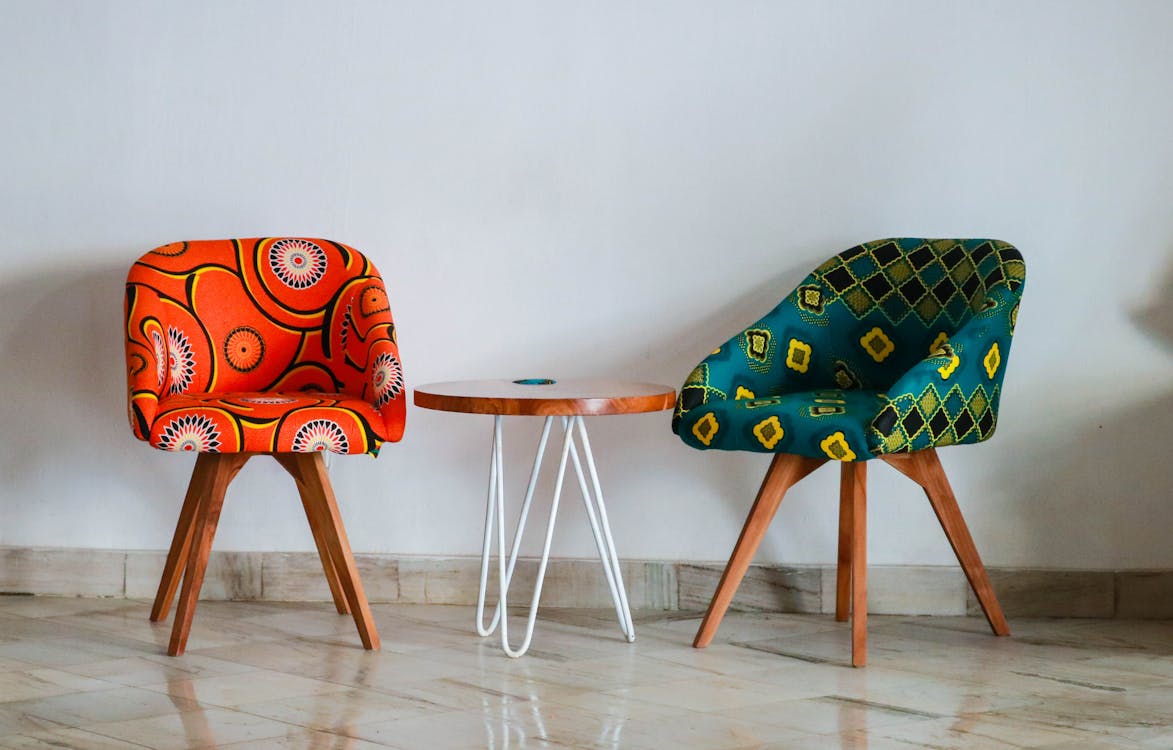 Hand-finished solid walnut — the difference between a furniture piece that matures with use and one that ages badly is decided at this stage of production. | Photo: Pexels
Why This Is the First Test, Not the Last
Craftsmanship is the feature most commonly claimed and least commonly verified in luxury furniture procurement. Every supplier’s brochure references “artisanal quality” and “handcrafted detailing.” Very few can demonstrate what those phrases mean when you ask for specifics.
The reason this matters commercially — not just aesthetically — is that craftsmanship determines durability. A chair built with mortise-and-tenon joinery will not wobble after three years of daily use in a hotel lobby. A chair built with pocket screws and stapled corner brackets will. The difference is invisible in the showroom and becomes undeniable in the property.
The Four Indicators That Distinguish Real Craftsmanship from Marketing Language
Frame joinery is the most reliable quality indicator in any upholstered piece, because the frame is what determines structural longevity — and in most upholstered furniture, you cannot see it without asking to. The question to ask every manufacturer: “What is your standard joinery specification for chair and sofa frames?” The correct answer includes mortise-and-tenon joints at structural corners, wood-to-wood adhesive bonding under clamp pressure, and the absence of staples or nails as primary structural fasteners. A supplier who cannot specify this with confidence has not thought carefully about it — which means their production line probably has not either.
Mortise-and-tenon joint = A woodworking joint considered the gold standard for frame construction. A projecting piece (the “tenon”) fits precisely into a corresponding cavity (the “mortise”) in the adjacent frame member and is bonded with adhesive under clamping pressure. This joint distributes stress across a large glue surface and resists racking forces — the sideways loads that cause chairs to wobble over time — far more effectively than screw or dowel alternatives.
Hand-finished surfaces in premium luxury furniture are not the same as machine-sanded surfaces. The distinction matters because a hand-applied oil finish or hand-rubbed lacquer creates a micro-irregular surface that interacts with light differently from a mechanically applied finish — producing the depth and warmth that experienced designers and clients recognize instinctively as luxury-grade. Ask for a cross-section sample under raking light: a machine-applied finish often shows a slight orange-peel texture or uniform sheen that removes the organic quality of the timber beneath it. A hand-applied finish reveals the wood’s character.
Upholstery stitching at the premium level shows consistent tension, matched pattern alignment across seams, hidden machine-sewn seams reinforced by hand-whipstitched edges where the fabric meets the frame, and no visible puckering or gathering at corners and curves. Request a close-up photograph of the back corners of a sofa sample — this is the area where production shortcuts become visible, because it receives the least visual attention in standard quality inspection.
Maker marks and production documentation are a reliable signal of craft-level production. Manufacturers who operate at genuine artisanal quality typically maintain production records for each piece — the timber batch, the finish formula, the production date, the craftsperson responsible for each stage. This documentation is what allows a matching replacement piece to be produced five years later with consistent finish and proportions. Suppliers who cannot provide batch documentation are, by definition, not operating at this quality level.
The Commercial Return on Craftsmanship
A villa developer who furnished a flagship property in the Algarve with hand-finished solid timber case goods and custom-jointed upholstered pieces documented a 12% ADR premium over comparable properties in the same market during the first operating year. Their guest review language included specific references to “the quality of the furniture” in 34% of positive reviews — a furniture-specific compliment rate that is significantly above the 8–12% industry average for luxury properties. That ADR premium, at their occupancy level, offset the entire incremental cost of premium-grade furniture over catalogue equivalents within 14 months.
Feature #2: Premium, Sustainable Materials Sourced Ethically
Why Material Integrity Is a Business Requirement, Not a Preference
The shift from treating sustainable materials as a marketing preference to treating them as a procurement requirement has been driven by three simultaneous forces: institutional investor ESG (Environmental, Social, Governance) mandates requiring measurable sustainability performance from portfolio assets; hotel brand standards increasingly mandating certified materials in their FF&E specifications; and the documented preference of the high-net-worth traveller segment for properties whose design reflects genuine environmental responsibility.
For villa developers and hotel operators, specifying certified materials is not altruism. It is access to a growing segment of buyers and guests who will pay more, stay longer, and refer more often at properties whose sustainability position is genuine rather than cosmetic.
The Materials That Define Premium Sustainability in Luxury Furniture
FSC-certified hardwoods are the starting point for any timber component in a luxury furniture specification. FSC (Forest Stewardship Council) certification tracks timber from the specific forest through every stage of processing to the finished piece — ensuring that no component in your furniture came from illegally harvested or ecologically destructive sources. Critically, FSC-certified solid walnut, oak, or teak is materially identical to uncertified equivalents — the same grain, the same finish depth, the same durability. The certification documents the origin; it does not change the material. Verify any FSC certificate by number at info.fsc.org — a certificate number that does not appear in this database has not been independently verified.
Natural stone inlays and surfaces — travertine, Calacatta marble, aged limestone — carry intrinsic material authority that no synthetic alternative achieves. For luxury furniture applications (tabletop inlays, decorative panels, statement console surfaces), the critical specification decision is finish: a honed (matte) finish is more forgiving of surface contact than a polished finish, which shows every fingerprint and requires more maintenance to sustain. For high-use surfaces, sintered stone — a compressed mineral material with zero porosity that visually replicates natural stone — delivers the luxury aesthetic at a fraction of the maintenance burden.
Top-grain and full-grain leathers from traceable tanneries are the standard for luxury upholstery applications. Full-grain leather retains the complete surface structure of the original hide — including the natural grain variations that make each piece unique — and develops a patina over time that communicates quality in a way that improves with age. Top-grain leather has the surface lightly corrected (sanded) and re-grained for more visual consistency. Both are appropriate for luxury specifications. Bonded leather (a composite of leather scraps and polyurethane binder) is not — it peels within three to five years of regular use and should not appear in any luxury furniture specification.
Non-toxic, low-VOC finishes are required for both occupant health and project compliance. VOC — Volatile Organic Compound — refers to the chemical gases emitted from paints, lacquers, and adhesives used in furniture manufacturing. In enclosed hotel rooms and villa interiors, high-VOC finishes degrade indoor air quality in ways that guests may not consciously identify but will physiologically experience as discomfort. GREENGUARD Gold certification (issued by UL and verifiable at ul.com/greenguard) confirms that a furniture product’s VOC emissions are within the strictest established thresholds for indoor environments. For projects seeking LEED v4 accreditation, GREENGUARD Gold-certified furniture contributes directly to Indoor Environmental Quality credits.
Material Specification Reference Table
| Material | Luxury Application | Key Specification Standard | Sustainability Certification | Avoid |
|---|---|---|---|---|
| Solid Hardwood (Walnut, Oak, Teak) | Case goods, frames, tabletops | Kiln-dried to 6–8% moisture content | FSC / PEFC | MDF in structural components |
| Full-Grain Leather | Upholstery, headboards, accent panels | Traceable tannery; 1.2–1.4mm thickness | REACH compliant; Leather WG | Bonded or PU synthetic leather |
| Natural Marble / Travertine | Table surfaces, decorative inlays | Sealed annually; honed finish for use surfaces | None required | Unstained resin composites labelled as stone |
| Sintered Stone | High-traffic surfaces, outdoor tables | Zero porosity; heat and scratch resistant | Low embodied carbon vs. natural stone | — |
| Performance Linen / Wool Blend | Upholstery, headboards, cushions | 40,000+ Martindale cycles | Norma OEKO-TEX 100 | Standard linen in commercial applications |
| Acrílico teñido en masa | Outdoor and UV-exposed upholstery | 1,500+ hours UV resistance | Norma OEKO-TEX 100 | Standard polyester in direct sunlight |
| Brass Hardware (Solid) | Legs, handles, decorative accents | Lacquer-coated in humid/coastal environments | — | Zinc or hollow-stamped “brass” |
Feature #3: Timeless, Architecturally Aligned Design Aesthetics
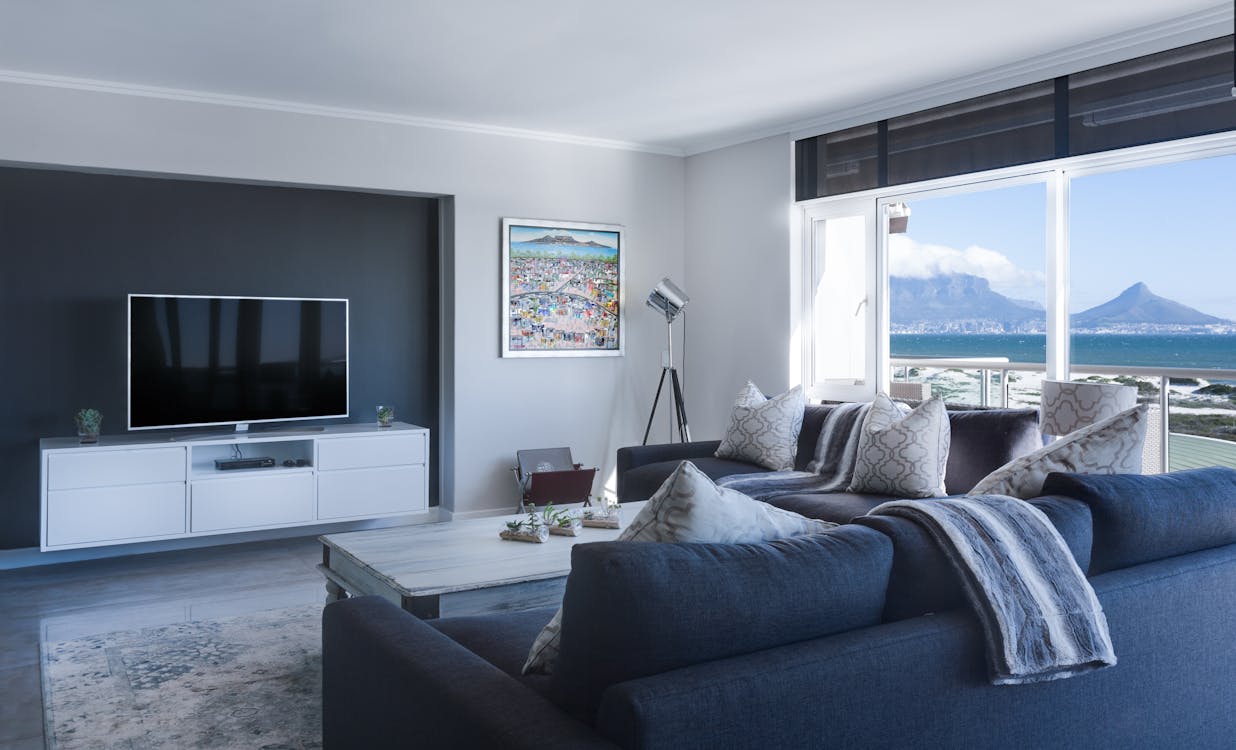 When furniture and architecture speak the same visual language, the room stops being a collection of objects and becomes a coherent environment. This is the commercial difference between “well-designed” and “extraordinary.” | Photo: Pexels
Why Furniture Must Complement Architecture — Not Compete With It
There is a version of this failure visible in high-end properties everywhere: extraordinary architecture undermined by furniture that was selected for its individual beauty without reference to the spatial context it would inhabit. A sculptural Italian sofa with a boldly curved silhouette and jewel-toned velvet upholstery is objectively beautiful. In a glass-and-concrete modernist villa with horizontal lines and a monochromatic palette, it does not belong — and the room suffers from the conversation it cannot have with itself.
Luxury furniture at the professional level is not selected from a catalogue of impressive pieces. It is specified as a response to an architectural brief. The most commercially successful high-end interiors — the ones that generate editorial coverage, referral clients, and ADR premiums — are those where every furniture decision was tested against the architecture’s design language before it was confirmed.
The Four Design Principles That Define Architectural Alignment
Clean lines and proportional discipline mean that the furniture’s geometry responds to the architecture’s. In a space with floor-to-ceiling glazing, horizontal emphasis, and minimal ornament, furniture with similarly horizontal proportions and resolved geometric forms creates visual coherence. In a space with decorative plasterwork, arched doorways, and layered material warmth, furniture with softer curves and applied detail belongs. Neither approach is superior — but mixing them without intention creates the visual incoherence that guests experience as “something feels off” without being able to identify why.
Material harmony describes the relationship between the furniture’s material palette and the architecture’s. When the warm grain of a solid walnut side table echoes the timber element in the ceiling, when the brass hardware on a console leg responds to the brass window frame profile, when the upholstery colour family extends the stone palette of the floor — these relationships are what produce the “editorial” quality that makes a room feel like it was designed rather than assembled.
Spatial flow integration requires that furniture be specified in relationship to the room’s circulation patterns, not just its visual composition. A sofa that creates an awkward passage between the living and dining areas will be navigated around by every guest, every day — a friction point that contradicts the ease and refinement that luxury design is meant to communicate. Furniture dimensions confirmed against architectural drawings before production — not after delivery — is the process that prevents this.
Enduring relevance over trend responsiveness is the design discipline that protects the owner’s investment over the long ownership cycle. Furniture specified on clean proportional principles and honest material quality remains visually appropriate for 10–15 years without trend-driven renovation. Furniture specified in response to a current design trend may require replacement within five years — exactly when the asset is most likely to be refinanced, repositioned, or sold, and when outdated design most significantly undermines valuation.
For Designers and Architects: The Specification Review Process
Before confirming any furniture specification for a luxury project, apply this three-question test to each piece: Does its silhouette vocabulary (curved vs. rectilinear, decorated vs. resolved) match the architectural vocabulary of the space? Does its material palette extend or deliberately contrast the architecture’s palette — and is that contrast intentional rather than accidental? Does it fit the spatial flow of the room in its specified position without creating circulation friction or visual interruption?
Any piece that fails two of three questions is worth reconsidering, regardless of how beautiful it is in isolation. For the relationship between furniture specification and architectural intent, the analysis at Nolita Harbour offers a detailed professional framework.
Feature #4: Customization and Bespoke Capabilities
Why “One Size Fits All” Is a Liability in Luxury
Every luxury property makes the same fundamental promise to its guests: this experience was created for you. That promise is structurally undermined if the furniture in the space can be found in identical form at a competing property three streets away. Customisation in luxury furniture is not a premium add-on to a catalogue product. It is the mechanism through which design intent becomes design reality — and through which brand identity becomes defensible exclusivity.
For FF&E buyers managing hotel group specifications, for private-label brands building proprietary collections, and for interior designers presenting to clients who expect their space to be unique — the depth of a manufacturer’s customisation capability is one of the most important procurement criteria, and one of the most poorly evaluated.
What Genuine Customization Capability Looks Like
Dimensional adaptation is the baseline requirement. Any manufacturer operating in the premium segment should be able to produce furniture to your specified dimensions — a sofa 10cm deeper than their standard, a bed frame calibrated to a specific non-standard room width, a console table height adjusted for a specific ergonomic requirement. If a manufacturer can only offer their standard catalogue dimensions, you are working with a volume production supplier, not a luxury partner.
COM acceptance — Customer’s Own Material — allows you to supply a specified fabric or leather and have it upholstered to your design rather than choosing from the manufacturer’s fabric selection. This is the specification capability that allows designers to use a proprietary textile — a fabric that belongs to their brand identity, or their client’s — without compromising the furniture construction quality. Not all manufacturers can handle COM effectively; the key question is whether their pattern-matching and cutting capability is precise enough that the COM fabric is used efficiently rather than wastefully.
Finish matching against a designer’s specified reference — a RAL colour code, a Pantone reference, a physical material sample — requires a finishing department with colour-measurement tools (a spectrophotometer, not just a trained eye) and batch documentation so that the same finish can be reproduced consistently across large orders and future replacements. A manufacturer who cannot offer documented finish matching is not equipped for design-led luxury projects.
Bespoke hardware and signature details — custom leg profiles, monogrammed embossing on leather panels, proprietary pull designs — are the elements that create the visual distinctiveness that protects a private-label brand from imitation. These require investment in tooling (typically $800–$2,000 for custom CNC-routed profiles or cast hardware dies), and any reputable manufacturer will quote this as a transparent line item. A supplier who claims to offer bespoke hardware without tooling fees is either omitting a cost or offering a modification to an existing stock component rather than a genuinely bespoke element.
OEM and ODM production for private-label brands are standard offering among established luxury manufacturers. OEM (Original Equipment Manufacturing) produces furniture to your exact design under your brand. ODM (Original Design Manufacturing) licenses the manufacturer’s existing design to your brand. Both models require IP protection through NDA (Non-Disclosure Agreement) and formal design registration in the manufacturing jurisdiction before production begins.
El private label furniture guide published by Jade Ant furniture covers this process in detail — including the NDA structuring, exclusivity clause frameworks, and design registration requirements for China-based OEM production. Jade Ant furniture’s production process is built around this model specifically: OEM and ODM capability for importers, hotel brands, interior designers, and private-label operators who need manufacturing precision without compromising on design ownership.
The Value of Customization for Each Stakeholder
| Stakeholder | Core Customisation Need | Commercial Outcome |
|---|---|---|
| Interior Designers | Exact dimension and COM fabric acceptance | Design intent delivered without compromise |
| Villa Developers | Unique finishes and hardware not in any catalogue | Property differentiation; ADR and sale premium |
| Private Label Brands | Full OEM with IP ownership and exclusive design | Brand equity that competitors cannot replicate |
| FF&E Buyers (Hotel Groups) | Brand-standard finish and dimension compliance across properties | Visual consistency; maintenance cost reduction |
| Importers / Distributors | ODM collections under their own brand | Margin protection; customer retention |
Feature #5: Performance Engineering and Long-Term Durability
Why Luxury Must Endure — And How to Verify That It Will
A piece of furniture that looks extraordinary on delivery day and shows visible wear within eighteen months has failed at the most fundamental level of luxury: it has broken its promise. The promise of luxury furniture is not just that it looks premium. It is that it continues to look and function at a premium level across the design lifecycle — typically ten to fifteen years in high-quality residential and hospitality applications.
Performance engineering is the set of structural, material, and construction decisions that determine whether a piece makes good on that promise. None of these decisions are visible in a showroom. All of them are verifiable before purchase if you know what to ask.
The Technical Benchmarks That Define Commercial-Grade Durability
Frame construction and load capacity for commercial hospitality furniture is governed by BIFMA standards (Business and Institutional Furniture Manufacturers Association) in the USA and EN 1728 in Europe. EN 1728 specifies seating durability tests including seat static load (2,000 N applied for 10 cycles), back static load (560 N applied for 10 cycles), and front leg durability (a 600 N repeated impact applied at the front of the seat 50,000 times). A chair that passes EN 1728 testing has been structurally validated for commercial use. Request this test documentation — not a claim of compliance, but the actual test report with the laboratory reference number.
EN 1728 = the European standard for furniture seating — strength and durability testing. BIFMA X5.1 = the equivalent US standard for office seating. Both are the minimum structural certification benchmarks for commercial-grade hospitality furniture. Residential furniture is not tested to either standard.
High-resilience foam specification for seat and back cushions is one of the most commercially significant decisions in upholstered furniture procurement. The two critical parameters are density (measured in lb/ft³ — the weight of one cubic foot of foam, which correlates to how long the foam maintains its shape under repeated loading) and ILD (Indentation Load Deflection — measured in pounds, indicating the softness or firmness of the foam). For luxury villa and hotel seating: minimum 2.0 lb/ft³ density for seat cushions (below this, cushions compress and lose their shape within 12–18 months of daily use), with a minimum 25 ILD for dining chairs and 18–22 ILD for lounge and sofa seating. Foam specifications below these thresholds are cost-reduction decisions dressed as luxury specifications.
Fabric abrasion ratings determine how long an upholstery fabric maintains its surface integrity under repeated use. The two primary testing standards are:
- Martindale test (European standard, ISO 12947): circular abrasion motion, expressed in cycles
- Wyzenbeek test (US standard): back-and-forth double-rub motion, expressed in double rubs
For luxury hospitality furniture, the minimum appropriate specifications are: 50,000+ Martindale cycles for hotel public area seating; 30,000+ Martindale for guestroom seating; 100,000+ Martindale for bar stools and high-traffic dining chairs. Standard residential-grade upholstery fabric is typically rated at 15,000–25,000 Martindale — it will show visible surface degradation within the first year of commercial use.
Kiln-dried solid timber is specified at 6–8% moisture content for furniture destined for temperate European or North American climates; 8–12% for tropical or high-humidity destinations. Timber that is not kiln-dried to the equilibrium moisture content of its destination environment will expand, crack, or delaminate after installation — often within the first season of occupancy. This is a common quality failure in furniture shipped from manufacturing environments with different climate profiles than the destination, and it is entirely preventable through correct kiln-drying specification.
Hardware finishing and corrosion resistance follow two primary standards for luxury hospitality applications: PVD (Physical Vapour Deposition) coating for the highest durability in decorative hardware — producing the deep, even colour and scratch resistance seen in the best boutique hotel hardware — and powder coating for furniture frames and legs where surface consistency and impact resistance matter more than decorative depth. Electroplated hardware (the most common budget-grade option) shows wear within 12–18 months in humid environments. Specify PVD or powder-coat finishes in writing, not by implication.
Performance Engineering Benchmarks at a Glance
| Componente | Budget Grade | Mid Grade | Luxury / Commercial Grade |
|---|---|---|---|
| Frame Joinery | Staple and bracket | Dowel + adhesive | Mortise-and-tenon + clamped adhesive |
| Seat Foam Density | < 1.5 lb/ft³ | 1.5–1.8 lb/ft³ | 2.0–2.2 lb/ft³ |
| Fabric Abrasion (Martindale) | < 15,000 cycles | 15,000–40,000 cycles | 50,000–150,000+ cycles |
| Timber Moisture Content | Unspecified | Approximately dried | Kiln-dried to destination EMC |
| Hardware Finish | Electroplate | Powder coat | PVD or lacquer-sealed brass |
| Structural Test Standard | Ninguno | Basic | EN 1728 / BIFMA X5.1 certified |
| Expected Service Life | 2–4 years commercial | 4–7 years commercial | 10–15 years commercial |
| Frame Warranty | 1 year | 2–3 years | 5–10 years |
How to Vet Suppliers: Quality Assurance Protocols That Matter
The Supplier Evaluation Process That Protects Your Project
The five features above are only valuable if you can verify them in a supplier before committing production spend. The following quality assurance framework is designed specifically for importers, distributors, FF&E buyers, and designers who cannot visit every factory in person and need a structured process for remote supplier evaluation.
Stage 1 — Documentation Review
Request and verify the following before any commercial discussion proceeds:
- ISO 9001 quality management certificate — verify via the issuing certification body’s public registry
- FSC chain-of-custody certificate number — verify at info.fsc.org/certificate.php
- GREENGUARD Gold certificate (for finish VOC compliance) — verify at ul.com/greenguard
- OEKO-TEX Standard 100 certificate for all textile components
- Fire safety compliance documentation: CAL 117 for USA, BS 5852 for UK, EN 1021 for EU
- CARB Phase 2 compliance certificate for any piece with MDF components (critical for US market)
- EN 1728 or BIFMA test reports for all commercial seating
Stage 2 — Physical Sample Evaluation
Request a production sample — not a showroom floor model — of the key pieces you intend to specify. Evaluate against this checklist:
- Apply seated body weight to the chair and listen for frame sounds: silence indicates solid joinery; creaking indicates movement at a joint
- Press the seat cushion to the base and release: it should return to full height within three seconds for foam rated at 2.0 lb/ft³ or above
- Examine frame corners under raking light: look for even finish application without orange-peel texture or visible brush marks
- Check upholstery seam alignment: all pattern elements should be matched across the seam; stitching tension should be consistent
- Open and close any drawers 20 times consecutively: smooth operation with no binding or play indicates precision track installation
- Check hardware weight: solid brass pulls have perceptible weight in the hand; hollow zinc plated alternatives do not
Stage 3 — Supplier Red Flags
Walk away from any supplier who exhibits these indicators:
- Certification claims without verifiable certificate numbers — “GREENGUARD certified” without a certificate number is a marketing claim, not a compliance document
- Inconsistent finishes across multiple samples of the same piece — this reveals batch quality variability
- Reluctance to provide technical drawings before production — this means design ambiguity is being accepted as a production input
- No documented QC checkpoint process — a supplier without milestone inspection records cannot systematically catch production errors before they reach you
- Poor responsiveness to detailed technical questions — a supplier who cannot answer a specific question about foam density specification has not thought carefully about it, which means their production team probably has not either
For a structured furniture factory audit checklist covering all production stages, documentation requirements, and equipment assessment points, this resource provides a complete framework for remote or in-person supplier assessment.
Integrating Luxury Furniture into High-End Projects: A Designer’s Workflow
From Brief to Installation: The Sequence That Prevents Costly Mistakes
The most expensive errors in luxury furniture procurement are not the wrong design decisions. They are the right design decisions implemented in the wrong sequence. A bespoke piece that arrives two weeks after the installation window closes costs more in operational disruption than it saved in procurement. A custom sofa that is 8cm too wide for the specified alcove because the architectural drawings were not shared with the manufacturer before production requires a costly site modification or a full replacement order.
The following workflow is the sequence that experienced FF&E buyers and designers use to prevent these outcomes:
Step 1 — Architectural Drawing Verification (Before Specification Finalization)
Before confirming any furniture specification, cross-reference every dimension against the current architectural drawing revision. Room dimensions change during construction — a wall relocation of 150mm is not unusual. A furniture specification confirmed against a schematic design drawing may not fit the as-built room. Confirm drawing revision dates with the architect before issuing any purchase order.
Step 2 — Specification Document Preparation
For each furniture piece, prepare a written specification document covering: exact dimensions, timber species and grain direction, finish code with physical reference chip, upholstery fabric (by name, colourway, and manufacturer reference), hardware finish specification, and compliance standards required. Share this document with the manufacturer and require written acknowledgment before production begins. This document is your protection against interpretation errors during production.
Step 3 — Technical Drawing Approval
Require the manufacturer to produce and submit 2D technical drawings (plan, elevation, section) for every custom or bespoke piece before cutting begins. Review these drawings against your specification document and the architectural drawings for the specified installation location. Sign them off in writing. Reference the signed drawing number in the purchase order. This single step eliminates the majority of production errors that are typically discovered at delivery.
Step 4 — Pre-Production Sample Confirmation
For orders above 10 units of any piece, require a pre-production sample — built to the confirmed technical drawing — before mass production begins. This sample should be evaluated against every point on the physical sample checklist above. Written approval of the pre-production sample should reference all the critical parameters: foam density (confirmed by manufacturer’s QC documentation), finish match to the approved reference, fabric confirmed as the specified dye lot. After approval, this sample becomes the production standard against which all finished pieces are compared.
Step 5 — Lead Time and Logistics Coordination
For international custom furniture, the production-to-delivery timeline follows this structure:
| Stage | Duración habitual |
|---|---|
| Technical drawing preparation and approval | 1–2 weeks |
| Pre-production sample production and review | 2–4 weeks |
| Full production (100-room hotel scale) | 8-14 semanas |
| Pre-shipment quality inspection | 1 week |
| Ocean freight (Asia to Europe) | 4–5 weeks |
| Ocean freight (Asia to US East Coast) | 5–7 weeks |
| Customs clearance and final-mile delivery | 1–2 weeks |
| Total: brief to on-site installation | 22–36 weeks |
Start procurement 26 weeks before required installation as a minimum. Projects that begin procurement later are accepting schedule risk that manifests as the most expensive kind — delays at the opening stage.
Step 6 — Pre-Shipment Inspection
Commission a third-party pre-shipment inspection (through SGS, Bureau Veritas, or an equivalent independent inspection firm) to evaluate 100% of finished pieces before they are loaded. The inspection should document and photograph: finish quality and colour consistency; foam density (via core sample testing); upholstery quality; hardware function; and packaging adequacy. Any defects identified at this stage are addressable before the furniture travels — defects discovered after international delivery create the claims and replacement processes that consume the most time and cost the most money.
Watch: Timeless Luxury Interiors — High-End Materials and Aesthetic Furniture in Practice
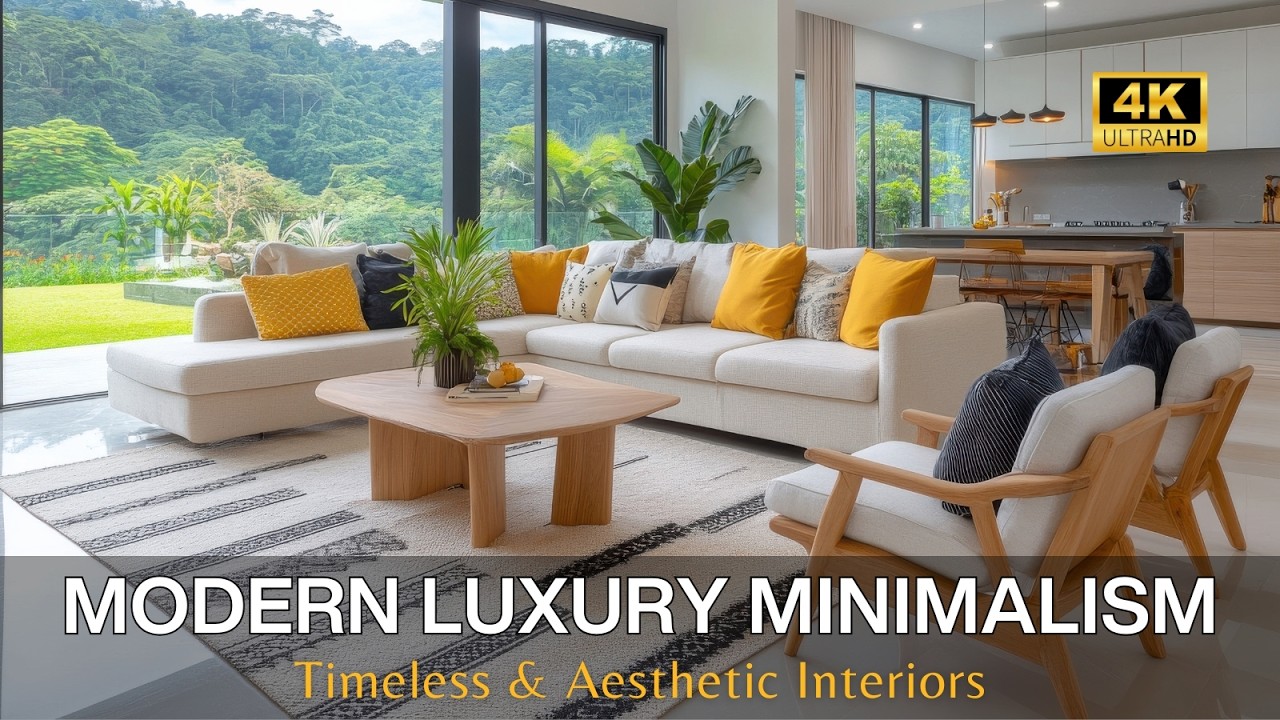
This video walks through the design and material principles behind high-end modern interiors — sculptural furniture forms, organic texture layering, and the integration of premium materials (stone, solid timber, performance textiles) that define timeless luxury. Essential viewing for designers, developers, and FF&E buyers building specifications for the current luxury market.
Case Study: Transforming a USD 15 Million Villa in Dubai with Strategically Selected Furniture
The Project Brief
An interior design firm based in Dubai was commissioned to furnish a newly completed private villa in the Emirates Hills district — a USD 15 million property with 900 square metres of living space across three floors, a double-height entrance atrium, and direct pool access from the primary living area. The client was an international entrepreneur with residences in London, Geneva, and Singapore, with a discerning eye for design quality developed through years of staying at properties from Aman, Rosewood, and The Upper House.
The brief was straightforward to articulate and complex to execute: furniture that felt entirely particular to this space and this client — pieces that could not be found in any other property — delivered to a commissioning timeline of 22 weeks and a furniture budget of AED 1.4 million (approximately USD 380,000).
The Design Process
The lead designer structured the procurement around the five-feature framework described in this guide. Each piece was evaluated first on craftsmanship evidence (manufacturer production documentation, sample evaluation under raking light, joinery specification), second on material integrity (FSC certification for all timber; OEKO-TEX confirmation for all upholstery textiles), third on architectural alignment (dimensional and proportion confirmation against the architectural drawings for every specified position), fourth on customisation depth (custom COM upholstery for all principal seating in a proprietary linen blend; custom timber finish matched to the villa’s architectural joinery), and fifth on performance specification (Martindale counts confirmed, foam density documentation provided, EN 1728 structural test reports for all principal seating).
The manufacturer selected for the principal furniture programme was engaged 20 weeks before the installation date — uncomfortably close to the minimum required timeline, which required pre-production sample approval to proceed on an accelerated review schedule. Technical drawings were reviewed and signed off within four days of receipt. The pre-production sample was approved with two minor modifications (a 5mm reduction in seat height for the primary lounge chairs; a finish depth adjustment to the dining table surface) within two weeks.
The Outcome
The furniture programme was installed on schedule, eight days before the client’s first occupation of the property. Three weeks after occupation, the client submitted unsolicited feedback: “This is the first home I have walked into that felt immediately complete. Nothing feels like it came from somewhere else.”
Within four months of the project’s completion, the design firm received three referral enquiries directly attributable to the villa project — two from villa owners who had visited the property and one from a developer planning a boutique hotel in Ras Al Khaimah who had seen the project featured in an interior design publication. The furniture investment generated a documented referral pipeline worth approximately USD 2.1 million in design fees over the subsequent 18 months.
The commercial lesson the lead designer drew from the project: “We stopped selecting furniture and started specifying it. The difference is that selection is about finding something you like. Specification is about proving that what you like will perform the way you need it to, in the space you need it in, for the time period you’re responsible for.”
Elevating Your Projects with Intentional Luxury Selection
The five features in this guide are not abstract quality markers. They are measurable, verifiable, and commercially consequential — each one with a documented impact on the financial performance of the properties where they are correctly applied and a documented cost when they are absent.
Craftsmanship determines whether furniture delivers on its promise over its design lifecycle or fails to sustain the quality impression it created on delivery day. Sustainable materials determine whether your project meets the growing mandatory standards of institutional investors, hotel brand ESG frameworks, and the expectations of the client segment whose spending power most matters. Architectural alignment determines whether a space coheres as a designed environment or merely contains expensive objects. Customisation depth determines whether your client’s space — and your portfolio — has genuine exclusivity or a shared vocabulary with the supplier’s other clients. Performance engineering determines whether the furniture investment is amortised over ten years or over three.
Apply these five filters to every furniture decision in your next project. Use the supplier evaluation framework in this guide to assess every manufacturing partner against the same criteria. And insist on the documentation that verifies each claim — because in this industry, what can be verified can be trusted, and what cannot be verified should not be.
For professionals looking for a manufacturing partner who operates to these standards — with full technical drawing review, COM acceptance, certified materials, documented QC at each production stage, and OEM capability for private-label requirements — explore Jade Ant furniture’s project and production capabilities o contact the team directly with your project brief.
Glossary of Key Terms
FF&E — Furniture, Fixtures, and Equipment. The movable, non-permanently installed items in a hotel or villa project, specified and procured separately from the building construction budget.
ADR — Average Daily Rate. Total room revenue divided by occupied rooms. A primary measure of a hotel’s pricing power in the market.
OEM — Original Equipment Manufacturing. A manufacturing arrangement where the factory produces a product to the buyer’s exact design specification, under the buyer’s brand identity.
ODM — Original Design Manufacturing. The manufacturer develops the design; the buyer licenses, customises, and brands it for sale.
COM — Customer’s Own Material. An arrangement where the designer supplies the specified fabric and the manufacturer upholsters to order using that material.
FSC — Forest Stewardship Council. The internationally recognised certification for responsible timber sourcing, verifiable by certificate number at info.fsc.org.
GREENGUARD Gold — A UL certification confirming that a product’s VOC (Volatile Organic Compound) emissions fall within strict thresholds for indoor air quality safety.
Norma OEKO-TEX 100 — An independent textile certification confirming that all components of a fabric — threads, dyes, backing — are free from harmful substances.
Martindale Test — The European standard (ISO 12947) for measuring upholstery fabric durability by abrasion cycles. Higher count = longer service life.
Wyzenbeek Test — The US standard for fabric abrasion resistance, measured in double rubs. The equivalent measurement to Martindale for US-market specification.
EN 1728 — The European structural testing standard for seating furniture. A furniture piece that passes EN 1728 testing has been validated for commercial use by an independent laboratory.
BIFMA X5.1 — The US equivalent structural and durability testing standard for commercial seating, administered by the Business and Institutional Furniture Manufacturers Association.
ILD (Indentation Load Deflection) — The measure of foam firmness, expressed in pounds of force required to compress the foam by 25%. Lower ILD = softer foam. Higher ILD = firmer foam.
VOC — Volatile Organic Compound. Chemical gases emitted from furniture finishes, adhesives, and foam materials. High VOC levels in enclosed interiors affect air quality and occupant health.
PVD (Physical Vapour Deposition) — A high-performance surface coating process for metal hardware that produces a dense, even finish with superior scratch and corrosion resistance compared to electroplating.
Fase 2 del CARB — California Air Resources Board formaldehyde emission standard for composite wood products. Required for US and Canadian market compliance for case goods containing MDF components.
Kiln-Dried Timber — Timber that has been dried in a controlled environment to a specified moisture content before use in furniture production. Prevents expansion, cracking, or joint failure after installation.
Mortise-and-Tenon — A structural woodworking joint used in premium furniture frames. A projecting tenon fits into a corresponding mortise cavity and is bonded with adhesive — producing superior resistance to racking forces compared to screw or dowel alternatives.
Preguntas frecuentes
1. What defines “true” luxury furniture versus high-end mass-market pieces?
The distinction operates on four dimensions. First, material authenticity — genuine solid timber, full-grain leather, natural stone, rather than composites presented as premium materials. Second, structural craftsmanship — mortise-and-tenon joinery, hand-applied finishes, and production that can be documented stage by stage. Third, limited availability — either through genuine artisanal production constraints or through OEM exclusivity agreements that prevent the same design from being sold to other buyers. Fourth, verifiable performance standards — EN 1728 structural testing, Martindale fabric ratings, and foam density documentation that confirm the piece will perform at its price point across the design lifecycle. A high-end mass-market piece may achieve three of these four. True luxury furniture achieves all four — and the difference between three and four is where performance failures at eighteen months originate.
2. How can I verify the authenticity of premium materials like solid wood or genuine leather?
Request material composition documentation with reference numbers, not just descriptions. For timber: the FSC certificate number (verifiable at info.fsc.org), the timber species confirmation, and the kiln-drying moisture content report. For leather: the tannery name and country of origin (traceable tanneries publish their supply chain), the grain classification (full-grain vs. top-grain vs. corrected grain), and the REACH compliance document confirming no restricted chemical substances. For stone: the quarry name and country of origin. For any claim you cannot verify through a certificate number or traceable third-party documentation, commission an independent material inspection through a firm like Bureau Veritas or SGS before production begins.
3. What should I look for in a luxury furniture manufacturer’s quality control process?
A manufacturer operating genuine quality control maintains multi-stage inspection documentation — not a final inspection at the end of production, but formal sign-off at each production stage: raw material arrival, frame assembly, foam and spring installation, upholstery, finishing, and pre-shipment packing. Each stage should produce a written and photographic record referenced against the specific purchase order. Request a sample QC report from a comparable order before placing your own. A manufacturer who cannot provide this documentation is not operating a systematic QC process — which means quality outcomes depend on individual worker judgment rather than documented standards, and consistency across a large order cannot be guaranteed.
4. Can luxury furniture be both sustainable and opulent?
Without exception — because the sustainable specification in luxury furniture at the premium level does not require material compromise. FSC-certified solid walnut is the same material as uncertified solid walnut — identical grain, finish depth, and durability. OEKO-TEX certified performance velvet is visually and tactilely indistinguishable from non-certified alternatives. GREENGUARD Gold-certified lacquer finishes look and perform identically to non-certified finishes. The certification documents the supply chain and manufacturing decisions — it does not alter the material. Leading manufacturers, including those who supply Aman, Rosewood, and similar properties, now operate with FSC, GREENGUARD, and OEKO-TEX certification as baseline production standards, not premium options. The question is not whether sustainability and opulence are compatible — they are — but whether your supplier has invested in the certification infrastructure to prove it.
5. How do I ensure furniture will fit perfectly within an architectural space?
Three process requirements guarantee fit: first, confirm the room dimensions from the current architectural drawing revision (not the schematic design — rooms change during construction) before issuing any specification; second, require the manufacturer to produce 2D technical drawings for every custom piece, showing the piece in plan, elevation, and section, for approval before production begins; third, for complex or large pieces (primary sofas, built-in console systems, large dining tables), require a space planning overlay — the furniture drawn to scale within the architectural plan — before production sign-off. Any manufacturer unable to provide technical drawings is not equipped for precision custom luxury work. The cost of this process is minimal; the cost of a piece that does not fit is the full unit price plus the logistics cost of return and replacement.
6. What are the biggest red flags when sourcing luxury furniture from overseas suppliers?
The most reliable indicators of a supplier who will underperform are: inconsistent finish quality across multiple samples of the same piece (reveals batch process variability); unwillingness to provide verifiable certification numbers (reveals that claims are marketing language rather than compliance documentation); inability to produce technical drawings before production begins (reveals insufficient technical engineering capability for precision custom work); lack of a structured production update system with milestone photography (reveals no internal accountability structure between production stages); and slow or vague responses to technical questions about foam density, joinery specification, or fire compliance standards. A supplier who deflects specific technical questions with general quality assurances does not have the answers — which means their production team is working without the specifications that those answers define.
7. How can interior designers justify the higher cost of luxury furniture to clients?
The most compelling argument is financial, not aesthetic. Present a ten-year Total Cost of Ownership comparison: a contract-grade luxury chair at USD 600 with a 10-year service life costs USD 60 per year. A lower-grade equivalent at USD 200 with a 3-year service life costs USD 67 per year — and the replacement cycles involve logistics, procurement management time, potential design discontinuation, and operational disruption during refurbishment. For villa and hotel projects specifically, add the ADR impact data: documented cases show 8–18% ADR premiums at properties with premium furniture specifications versus equivalent properties with standard catalogue specifications. On a 200-room hotel at a USD 400 rack rate, an 8% ADR premium at 75% occupancy represents USD 1.75 million in additional annual revenue. That number transforms the conversation from “is the furniture worth the cost” to “what is the cost of not specifying at this level.”
8. What role does customisation play in luxury furniture for private label brands?
Customisation is the mechanism through which a private-label brand escapes commodity competition. A distributor selling furniture from the same supplier catalogue as five competitors competes on price — a race that erodes margin and client loyalty simultaneously. A distributor whose collection was developed under an OEM agreement, with proprietary design registration and an exclusivity clause, sells products that no competitor can source regardless of price. The customisation investment — typically tooling fees for proprietary hardware and mould development for specific components — creates a defensible product position that compounds in commercial value across every client who specifies the collection. For a detailed breakdown of the private-label furniture development process, Jade Ant furniture’s private label manufacturing guide covers every stage from brief to exclusivity agreement.
9. Are there specific durability standards luxury furniture should meet for hotel or villa use?
Yes — and these standards are specific, measurable, and verifiable. For commercial seating in hotels: EN 1728 (European standard) or BIFMA X5.1 (US standard) structural certification, specifying seat static load capacity of at least 2,000N and durability testing to 200,000+ seat-loading cycles. For foam: minimum 2.0 lb/ft³ density for seat cushions in commercial use (confirmed by manufacturer’s QC documentation, not verbal assurance). For upholstery fabrics: 50,000+ Martindale cycles for public area seating; 30,000+ for guestroom use. For frame warranties at the luxury commercial tier: five years minimum for structural integrity; ten years from manufacturers with genuinely premium production standards. Any supplier unable to provide documentation against these specific benchmarks is, by definition, not manufacturing to luxury commercial standards — regardless of how the products are marketed.
10. How can developers ensure furniture selections enhance property value?
Two selection principles protect and enhance asset valuation. First, specify for timelessness: furniture with classic proportional silhouettes and neutral natural material palettes retains its visual relevance across the 10–15 year period most relevant to refinancing milestones and exit scenarios. Trend-responsive furniture may require replacement within five years — precisely when the asset is most likely to be valued and when replacement costs most significantly affect NOI (Net Operating Income) projections. Second, specify for documentation: properties with verified premium furniture specifications (FSC certifications, commercial grade test reports, manufacturer warranties) present demonstrably lower future capex risk to buyers and valuers — which supports higher capitalization rate assumptions at exit. Properties where the furniture quality is uncertain carry implicit replacement risk that sophisticated buyers discount in their offer price.
11. What is the typical lead time for bespoke luxury furniture?
For standard bespoke pieces (custom dimension and finish of an established silhouette), the production lead time is typically 10–14 weeks from confirmed technical drawing approval to completed manufacturing. For fully bespoke commissions (new silhouette, custom hardware tooling, and proprietary material specification), allow 14–20 weeks. Add ocean freight time (4–6 weeks from Asia to Europe or the US East Coast), customs clearance (1–2 weeks), and final-mile delivery and installation (1–2 weeks) for total project planning purposes. The single most common cause of delays within this timeline is late design decisions — changes to specification after technical drawing approval restart the production clock from the modification point. Confirm all design decisions before issuing production approval.
12. How do I handle logistics and white-glove delivery for high-value pieces?
White-glove delivery for luxury furniture involves climate-controlled transit containers for temperature-sensitive materials (solid timber and leather in particular are vulnerable to extreme temperature fluctuations in standard shipping containers), custom crating for large or fragile pieces (statement mirrors, stone-topped tables, oversized sofas), trained installation teams who complete the assembly and positioning on-site rather than leaving pieces in shipping packaging for the client to manage, and debris removal after installation. Marine cargo insurance should cover the full replacement value of each piece, not the invoice value — these can differ significantly for bespoke commissions where the replacement cost includes tooling and sampling. Confirm insurance coverage explicitly with your freight forwarder and require documented photographic condition records at both loading and delivery to support any damage claims.
13. Can luxury furniture be adapted for outdoor or coastal environments?
Yes — but the adaptation must be specified at the material selection stage, not treated as a post-design modification. For outdoor and coastal applications: Grade-A teak or 316-grade stainless steel for structural components (both have documented salt-air corrosion resistance); marine-grade powder-coated aluminium for lightweight frame applications; solution-dyed acrylic upholstery fabrics rated for 1,500+ hours of UV resistance (Sunbrella is the established reference standard); and lacquer-coated solid brass hardware in coastal environments (unprotected brass develops verdigris within 12–24 months of salt-air exposure). Natural marble surfaces are not appropriate for outdoor use in coastal environments — select sintered stone or sealed concrete alternatives. Specify all outdoor furniture material references in writing in the purchase order; “outdoor grade” without specific material documentation is insufficient protection against inappropriate material substitution during production.
14. What certifications should I look for when importing luxury furniture?
The minimum certification set for import compliance and client confidence: FSC chain-of-custody for all timber content (EU Timber Regulation and US Lacey Act compliance); GREENGUARD Gold for finish VOC emissions (LEED v4 credit and institutional buyer requirement); OEKO-TEX Standard 100 for all textile and upholstery components; EN 1728 or BIFMA structural testing for all commercial seating; and market-specific fire safety compliance (California CAL 117 / TB 133 for USA; BS 5852 for UK; EN 1021-1 and 1021-2 for EU). For composite wood components (wardrobes, nightstands with MDF panels), CARB Phase 2 formaldehyde compliance is mandatory for US and Canadian market entry. Always verify each certification number against the issuing body’s public database — a certificate provided as a PDF without a verifiable number is not independently confirmed.
15. How can FF&E buyers streamline procurement without compromising quality?
Three structural practices produce both efficiency and quality simultaneously. First, build long-term manufacturing relationships rather than re-tendering each project from scratch — a manufacturer who knows your specification standards, your documentation requirements, and your client expectations delivers faster, more accurately, and with fewer revision cycles on every subsequent project than a new supplier will on any first project. Second, develop a standard specification document template — a pre-formatted brief covering all the critical parameters (foam density, fabric abrasion rating, joinery specification, finish standard, fire compliance requirements) — that can be completed for each project and issued to any manufacturer as the production brief. This eliminates the interpretation ambiguity that causes the majority of production errors. Third, consolidate supplier relationships where appropriate: a single qualified manufacturer delivering all principal furniture categories for a project allows tighter timeline coordination, consistent material vocabulary across pieces, and a single accountability relationship for any quality issues — rather than the coordination overhead of managing four separate suppliers through the same installation window.
Published by Muebles Hormiga de Jade — a China-based custom and luxury furniture manufacturer with over 15 years of experience serving hotel developers, interior designers, FF&E buyers, villa owners, private-label brands, and furniture importers and distributors globally. For custom furniture enquiries, OEM/ODM consultations, and project briefs, visit jadeant.com o contact the team directly.